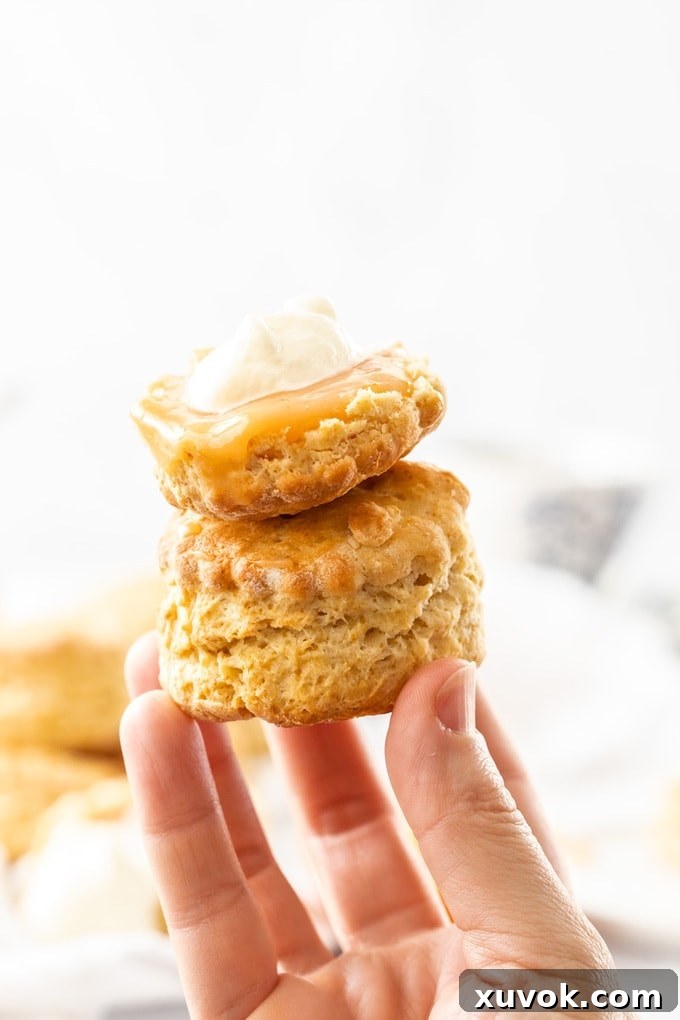
From childhood, scones have been a cherished part of my culinary landscape. While my early memories are filled with the simple elegance of plain or sultana-studded English scones, always served split open and generously crowned with luscious jam and rich clotted cream, today we’re elevating this classic with a vibrant, seasonal twist: Blood Orange Scones. These aren’t just any scones; they offer a delightful fusion of traditional comfort and sophisticated citrus zest, making them an unforgettable addition to any tea party or brunch spread. Imagine a scone with a perfectly soft, fluffy interior and a delicate, crisp crust, infused with the subtly sweet and tangy notes of blood oranges. This recipe, built upon a reliable eggless scone foundation, promises to guide you to create such perfection.
If you love exploring unique scone flavors, be sure to try our ever-popular Lime Coconut Scones, or these wonderfully aromatic Earl Grey Scones. Each offers its own delightful take on this beloved baked good.
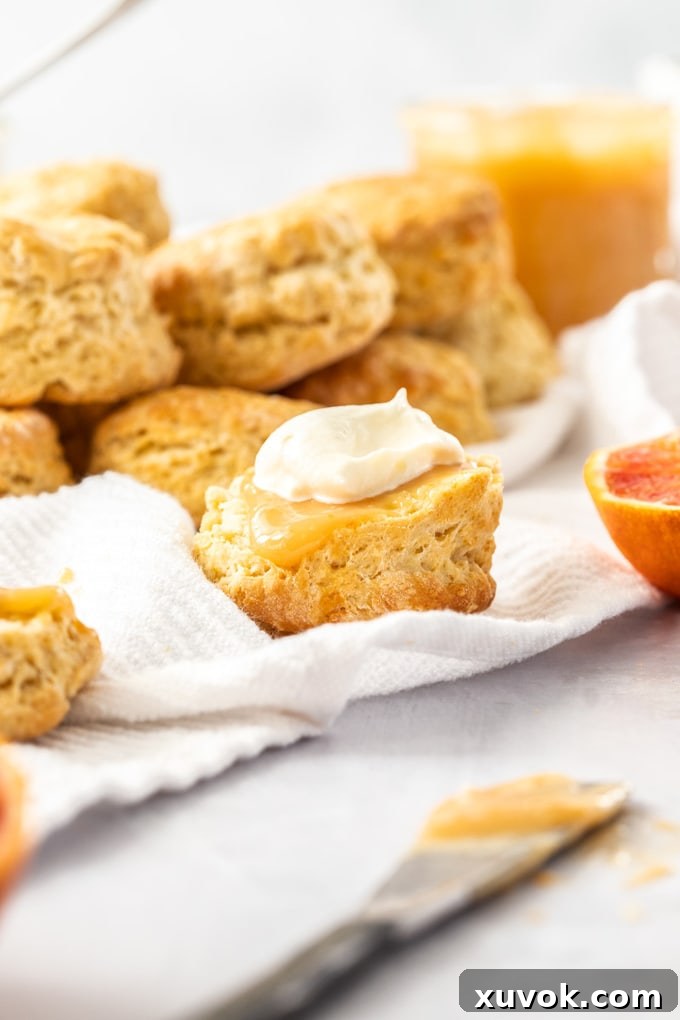
What Exactly Is A Scone? Your Guide to This British Classic
At its heart, a scone is a quintessential British quick bread, baked into individual portions and traditionally enjoyed as a delightful accompaniment to mid-morning or afternoon tea. Unlike many pastries, scones are only lightly sweetened, allowing their delicate texture and accompanying toppings to truly shine. They boast a characteristic soft and fluffy interior, beautifully contrasted by a light, slightly crusty exterior. This unique texture is what sets a perfectly baked scone apart.
Often, scones are compared to what Americans know as biscuits. While very closely related in their preparation and use as a quick bread, there’s a subtle yet traditional distinction: authentic English scones typically use milk as their liquid component, whereas traditional American biscuits often call for buttermilk, which lends a tangier flavor and slightly different crumb. Both are delicious in their own right, but the classic scone offers a unique, understated elegance.
Why Blood Orange Scones? A Zesty Twist on Tradition
While classic plain scones are undeniably delicious, introducing blood orange elevates this traditional treat to a new level. Blood oranges, with their striking crimson flesh and vibrant, complex flavor, offer a unique balance of sweetness and tartness that is less acidic than a regular orange, with subtle berry-like undertones. This makes them an exceptional ingredient for baking, particularly in scones where their delicate zest and juice can infuse the dough with a bright, aromatic essence without overpowering the subtle sweetness. The beautiful blush color they impart is an added bonus, making these scones as visually appealing as they are delicious. Opting for seasonal blood oranges not only ensures the freshest, most flavorful result but also adds a touch of gourmet flair to your baking, transforming a simple scone into a truly special indulgence perfect for spring or winter tea times.
Essential Ingredients For Light and Fluffy Scones
The beauty of traditional English scones lies in their simplicity, requiring just a handful of staple ingredients to achieve their signature texture. Our Blood Orange Scones build upon this classic foundation, ensuring a perfect bake every time. Here’s what you’ll need:
- Flour: All-purpose (plain) flour is the base, providing structure.
- Sugar: Just a touch of icing sugar adds a delicate sweetness, complementing the toppings rather than making the scone overly rich on its own.
- Baking Powder: This is your primary leavening agent, crucial for achieving that characteristic light, fluffy rise.
- Salt: A pinch of salt balances the flavors and enhances the overall taste.
- Cold Butter: Absolutely essential for creating flaky layers. We’ll delve into its importance shortly.
- Milk: The traditional liquid for English scones, contributing to their soft crumb.
- Blood Orange Zest & Juice: The star flavoring for these particular scones, infusing them with bright, citrusy notes.
One key aspect of traditional scones is that they are eggless. While eggs can add richness and a lighter texture in some baked goods, omitting them in scones results in a more authentic, subtly crumbly texture that is easier to achieve. Fewer ingredients also often mean an easier, more straightforward baking process – a win-win for home bakers!
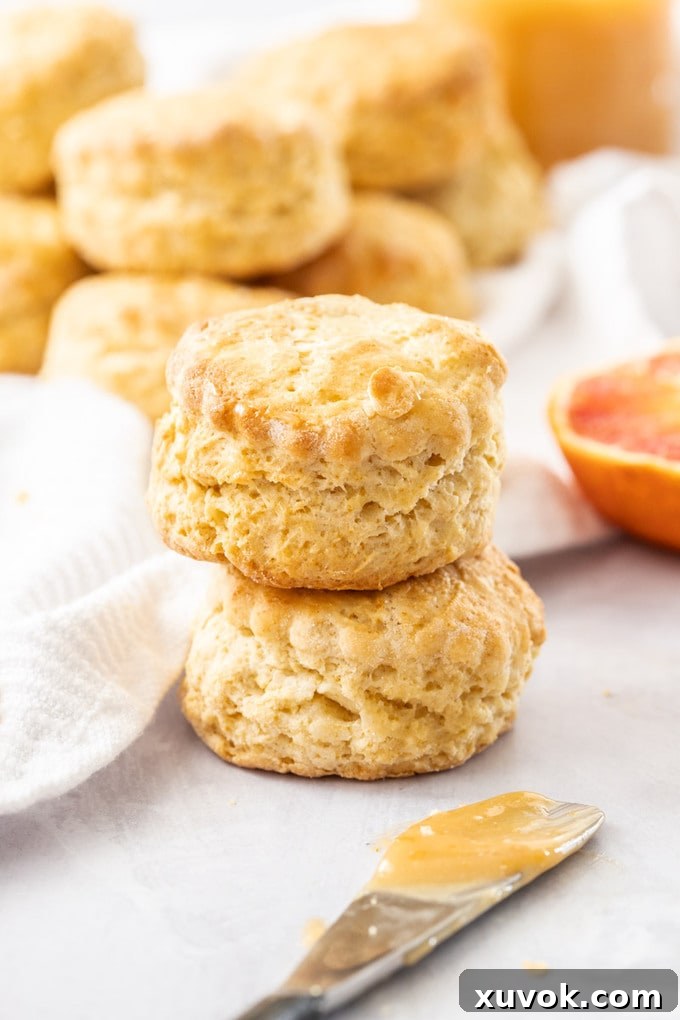
The Secret to Making Perfect Blood Orange Scones: A Step-by-Step Guide
Achieving scones with a heavenly soft, fluffy interior and a wonderfully light, crusty exterior is surprisingly simple. Follow these steps for an impeccable batch of Blood Orange Scones:
- Prepare Your Dry Ingredients: Begin by adding your flour, icing sugar, baking powder, and salt to a food processor. Give it a quick blitz to ensure all the dry ingredients are thoroughly and evenly dispersed. This step is crucial for an even rise and consistent texture throughout your scones.
- Incorporate the Cold Butter and Zest: Add the chilled, cubed butter and the fragrant blood orange zest to the food processor. Pulse only long enough to break the butter down into small, pea-sized pieces. The key here is not to over-process; you want visible bits of butter, not a smooth mixture. The dough should look a bit rough and lumpy at this stage – this is exactly what contributes to the scones’ beautiful flakiness.
- Gently Mix in the Liquids: Transfer your dry mixture to a large mixing bowl. Now, pour in the blood orange juice and milk. Using a fork, gently mix the ingredients until they just come together. Avoid overworking the dough; mix only until a rough, sticky clump forms. Overmixing develops gluten, which can lead to tough scones.
- Form the Dough: Lightly flour a clean work surface. Tip the scone dough out onto it. With your hands, gently bring the dough together, pressing and shaping it into a disk about 1 inch (approximately 2.5 cm) thick. Handle the dough as little as possible to keep it tender.
- Cut Out Your Scones: Dip a round cookie cutter (we recommend a 2-inch cutter for standard-sized scones) in flour before each cut. Press straight down firmly, then lift the cutter without twisting. Twisting can seal the edges of the scone, preventing an even rise. Place the cut rounds onto your prepared baking tray, positioning them relatively close together for that classic soft-sided scone finish.
- Bake to Golden Perfection: Bake your scones in a preheated oven until they are beautifully golden brown on both the top and bottom. The exact time may vary, but typically this takes around 20-25 minutes.
While I often use a food processor for its convenience (a nod to both efficiency and a touch of impatience!), the technically correct and traditional method for incorporating butter into flour is by hand, using a pastry blender, a fork, or even two knives (the method my mother always favored). This process is famously known as ‘cutting in’ the butter, and its purpose is ingenious: it creates small pockets of cold fat throughout the dough. As these pockets melt during baking, they release steam, which helps to separate the layers of dough, resulting in the desired light, flaky texture that is the hallmark of a perfect scone.
Regardless of whether you choose my quicker method or the time-honored technique, the most crucial aspect is to ensure the butter remains cold and does not fully melt into the flour. You should still see small, flour-coated pieces of butter scattered throughout the mixture. This means the resulting dough will look rough and far from smooth – and that, my friends, is exactly perfect for fluffy, tender scones.
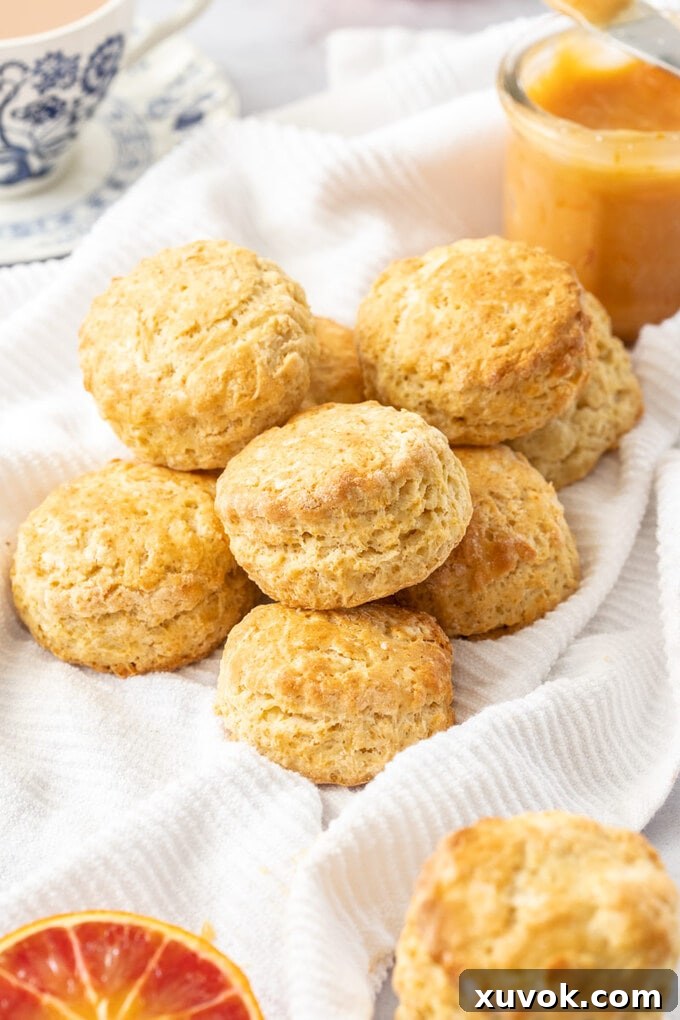
Pro Tips For The Best English Scones Every Time
Creating truly exceptional scones is an art, but one that’s easily mastered with a few key techniques. Follow these expert tips to ensure your Blood Orange Scones are nothing short of perfect:
- Thoroughly Mix Dry Ingredients First: Before adding any butter or liquids, ensure all your dry components (flour, sugar, baking powder, salt) are well combined. This guarantees an even distribution of leavening, leading to a consistent rise and texture throughout every scone.
- Always Use Cold Butter and Leave Small Lumps: This is arguably the most critical tip. Cold butter, cut into small pieces, creates pockets of fat within the dough. As the scones bake, these butter pieces melt, releasing steam that pushes the dough upwards, resulting in those coveted flaky, almost layered textures. Avoid letting the butter get too warm.
- Handle the Dough Minimally: Overworking the dough is the enemy of tender scones. Excessive handling develops gluten, which can make your scones tough and chewy. Work quickly and gently, just enough to bring the ingredients together.
- Gently Press, Don’t Roll: Whether using your hands or a rolling pin, gently press the dough out to about 1 inch (2.5 cm) thick. Avoid heavy pressure, which can compact the dough and inhibit its rise.
- Flour Your Cutter and Press Straight Down: Before cutting each scone, dip your round cutter in flour to prevent sticking. Crucially, press the cutter straight down through the dough – do not twist. Twisting can seal the edges of the scone, hindering its ability to rise evenly and develop that classic crack through the center. Uneven rise can lead to “wonky scones” or no rise at all.
- Resist Adding More Flour: The dough for scones should be slightly sticky and very soft. It’s tempting to add more flour if it feels too wet, but this will result in dry, dense scones. Trust the recipe; the slight stickiness is normal.
- Strategic Placement on the Baking Tray: For traditional English scones, place them relatively close together on the baking tray. This encourages them to rise upwards, creating a soft, white middle and lovely brown tops and bottoms, with softer sides where they touch. If you prefer a crispier, more defined crust all around, you can space them further apart. Neither method is wrong, it’s simply a matter of preference.
- Brush with Milk for a Golden Top: Before baking, a light brush of milk (or even cream) on the tops of the scones will help them achieve a beautiful golden-brown color and a slightly richer crust.
Because they aren’t overly sweet, Blood Orange Scones, much like their traditional counterparts, are absolutely perfect for a morning or afternoon tea. Their subtle sweetness provides a wonderful canvas for a variety of delicious toppings. You can adorn them with anything from classic marmalade, your favorite fruit jam, or luscious compotes. For an extra special touch that complements the blood orange flavor, try them with one of my homemade curds, such as Blood Orange Curd, bright Lemon Curd, or exotic Passionfruit Curd.
Traditional English scones are famously served with jam and clotted cream (or sometimes whipped cream) on the side, and there’s even a charming, traditional etiquette to eating them. You typically begin by breaking the scone in half along its natural crack, rather than slicing it with a knife (though slicing is perfectly acceptable if preferred). Then comes the great debate: do you spread jam first, followed by cream (the Cornish way, which is my personal preference), or cream first, then jam (the Devon way)? I adore these delightful culinary traditions, and no matter your choice, the combination is truly heavenly.
PIN IT:
Click to Pin this Blood Orange Scones recipe for later!
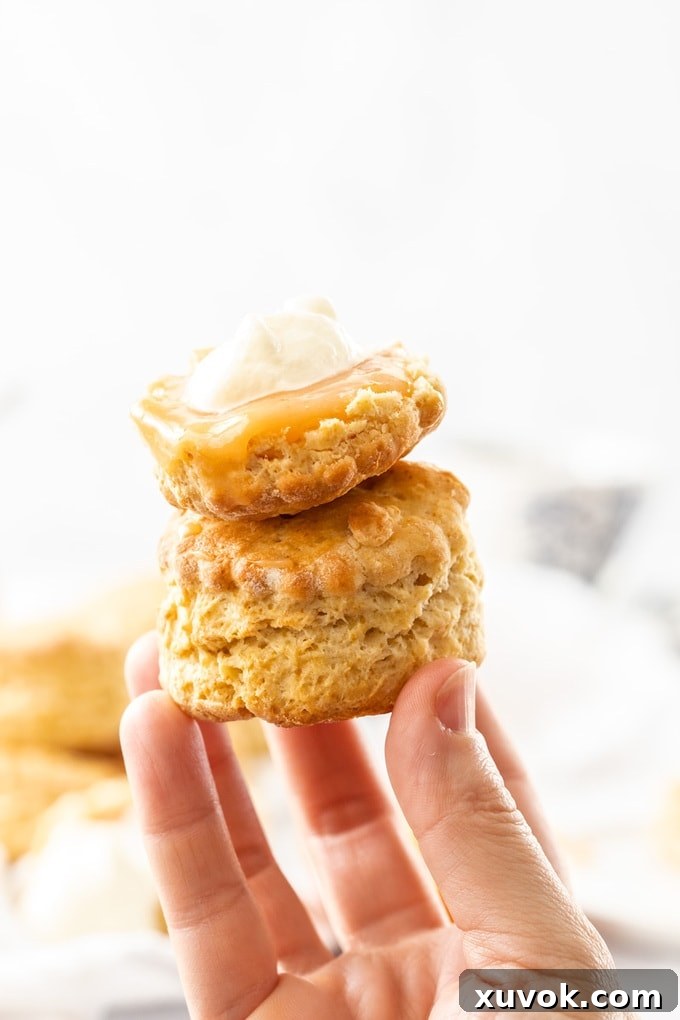
Whichever way you choose to enjoy them, and with whatever delicious toppings you prefer, if you’re a lover of orange flavors, you are absolutely going to adore these Blood Orange Scones. The blood orange flavor is delightfully subtle, designed to complement a wide array of toppings. However, if you desire a more pronounced orange essence, simply increase the amount of zest in the recipe to suit your taste. These scones are a celebration of fresh, vibrant flavor and classic comfort.
How to Store and Freeze Your Scones
To keep your Blood Orange Scones fresh and delicious, proper storage is key. Once completely cooled, store them in an airtight container at room temperature for up to 2-3 days. If you’ve added cream or curd, they should be refrigerated and consumed within a day. For longer storage, scones freeze beautifully! Place cooled scones in a freezer-safe bag or airtight container, separated by parchment paper, and freeze for up to 3 months. To enjoy, simply thaw at room temperature and warm gently in the oven for a few minutes to restore their fresh-baked texture.
Frequently Asked Questions About Scones
Here are answers to some common questions about making perfect scones:
- Why are my scones tough? Overworking the dough is the most common culprit. Too much mixing develops gluten, leading to a tough texture. Handle the dough as little and as gently as possible.
- Why didn’t my scones rise? This could be due to old baking powder, not enough cold butter, or twisting the cutter which seals the edges. Ensure your leavening agent is fresh and follow the tips for cutting and handling the dough.
- Can I make scones ahead of time? You can prepare the dry ingredients and cut butter ahead of time and store them in the fridge. Alternatively, assemble and cut the scones, then freeze them unbaked on a tray. Once frozen, transfer to a bag. Bake directly from frozen, adding a few extra minutes to the baking time.
Other Delicious Recipes You’ll Love
If you enjoyed these Blood Orange Scones, you’re in for a treat with these other delightful recipes from our collection:
- Earl Grey Scones: Infused with the elegant floral notes of Earl Grey tea, these scones are a sophisticated twist on the classic, perfect for a refined tea time.
- Blueberry White Chocolate Scones: A wonderfully sweet and fruity combination, where juicy blueberries meet creamy white chocolate chips for a delightful indulgence.
- Orange Donuts with Pomegranate Icing: These baked donuts are bursting with citrus flavor and topped with a beautiful, tangy pomegranate glaze, making for a vibrant breakfast or dessert.
- Cranberry White Chocolate Scones: A festive and flavorful pairing, featuring tart cranberries and sweet white chocolate, ideal for holidays or any cozy occasion.
- Cheese and Herb Scones: For those who prefer savory, these scones are packed with savory cheese and aromatic herbs, wonderful alongside soup or as a snack.
- Chocolate Scones: A rich and decadent option for chocolate lovers, these scones are studded with chocolate chunks for an extra treat.
Never Miss a Recipe!
Get the latest recipes straight to your inbox!

Blood Orange Scones
Pin
Ingredients
For the Scones
- 325 g plain (all-purp) flour (2 ½ cups / 11.4oz)
- ¼ cup icing (powdered / confectioners) sugar
- 3 ½ teaspoons baking powder
- ¼ teaspoon salt
- 75 g cold unsalted butter (¾ stick / 3oz)
- 1 tablespoon, packed blood orange zest
- ½ cup blood orange juice
- ½ cup whole (full cream) milk
For best results, always weigh ingredients where a weight is provided
Instructions
-
Preheat oven to 200C / 400F / 180C fan forced. Line a large baking tray with baking paper.
-
In a food processor, combine the flour, icing sugar, baking powder and salt, then process to disperse everything well.
-
Add the butter and zest and process for about 20-30 seconds just until the butter is small lumps (don’t blend it in completely). If you don’t have a food processor, use a pastry cutter or knife to gradually cut the butter into the flour mix.
-
Tip the mix into a bowl and gently mix through the milk and orange juice with a fork until you have a rough, sticky clumping dough.
-
Turn the dough out into a lightly floured surface and gently pull together then flatten the dough into a disk about 1 inch high.
-
Use a 2 inch circle cookie cutter to cut out rounds of dough and place them on the prepared baking tray. Brush with a little milk for a golden top.
-
Bake for 20-25 minutes until golden on top.
-
Serve with Blood Orange Curd and cream for an exquisite treat.
Notes
- I use a standard Australian 20ml tablespoon (equivalent to 4 teaspoons worldwide).
- For best results, you should always weigh ingredients like flour and sugar. Kitchen scales are relatively inexpensive. If you don’t have scales, use the spoon and level method (don’t scoop flour directly with the measuring cup) for accurate volumetric measurements.