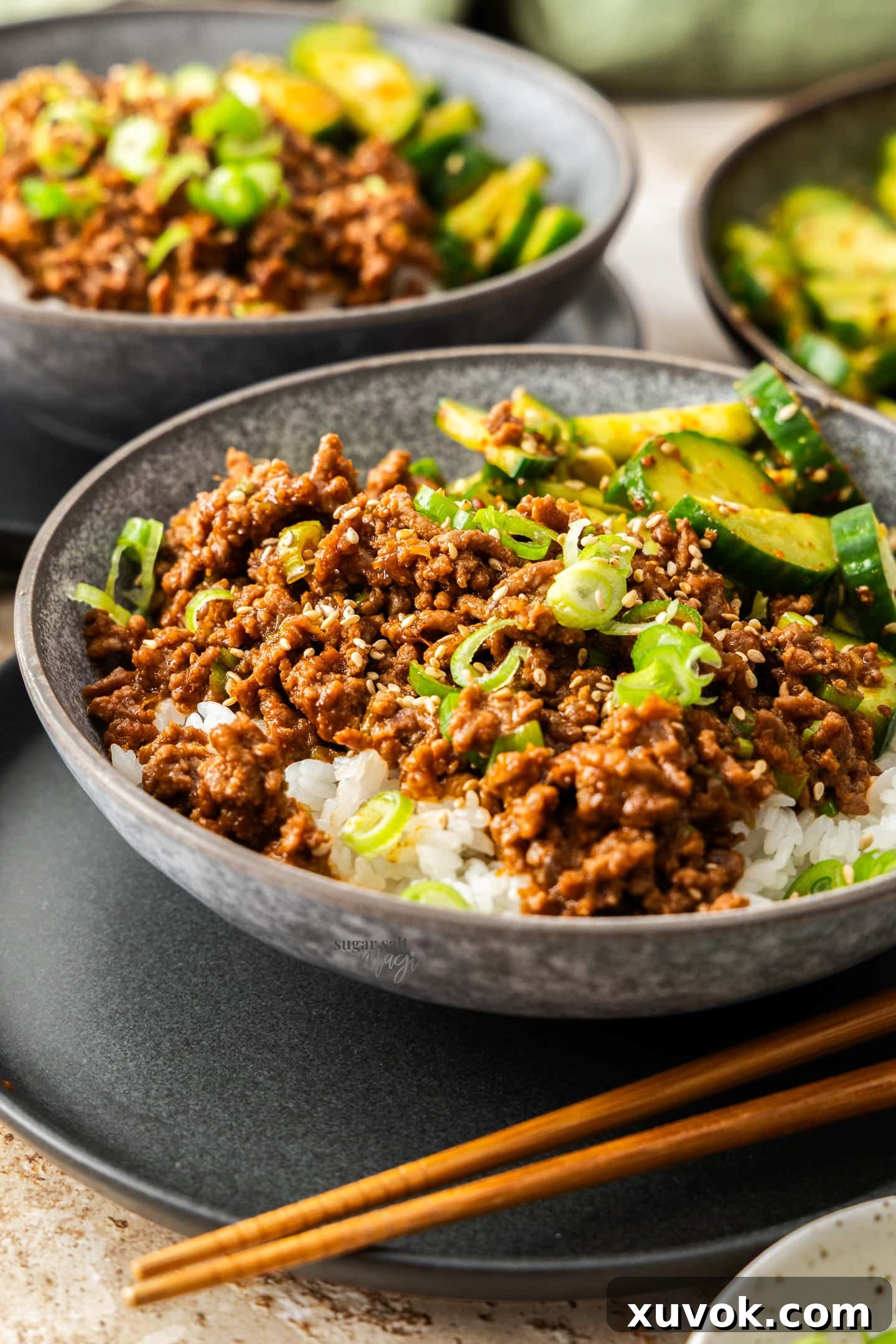
Ready to transform your weeknight dinners from mundane to magnificent? Look no further than these sensational **Gochujang Beef Bowls**. This vibrant Korean-inspired dish delivers an explosion of flavors – a perfect balance of savory, sweet, and a satisfying spicy kick, all thanks to the star ingredient: gochujang, the famed Korean chili paste. Imagine tender, seasoned beef served piping hot over fluffy rice, beautifully complemented by a simple yet refreshing cucumber salad. It’s a meal that’s as delicious as it is quick to prepare.
Incredibly, this flavor-packed dinner comes together in just about 20 minutes from start to finish. We’re talking about lean ground beef expertly stir-fried with an irresistible sauce that will have you craving more with every single bite. Fast, flavorful, and fantastically easy – it’s the ultimate solution for busy evenings when you want something truly special without spending hours in the kitchen.
If you’re a fan of quick and flavorful Asian-inspired meals, you might also love these Teriyaki Beef Bowls for another delightful option.
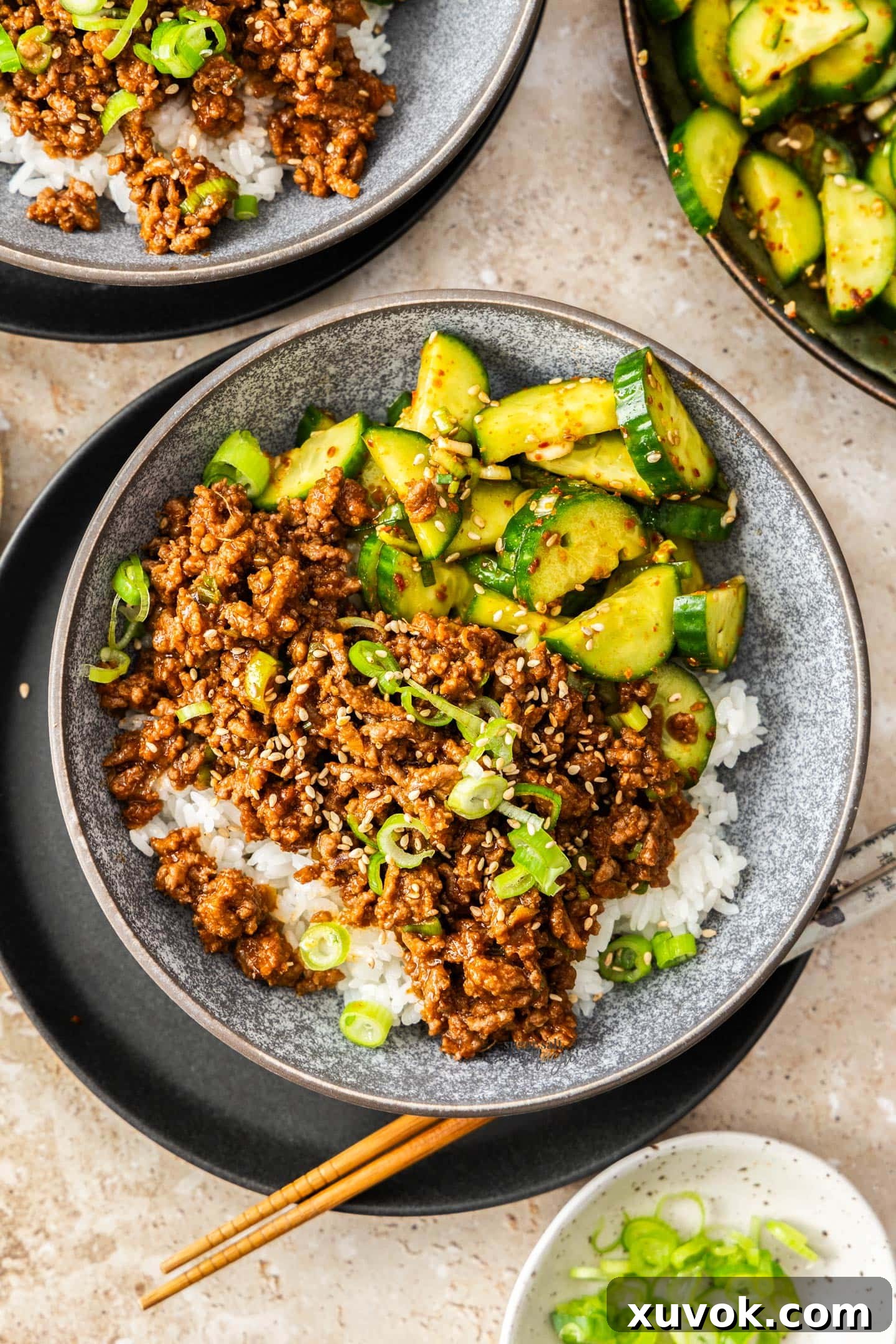
Table of Contents
Never Miss a Recipe!
Get the latest recipes straight to your inbox!
(Email signup form placeholder)
What are Gochujang Beef Bowls?
At their heart, Gochujang Beef Bowls are a celebration of Korean flavors made accessible for the modern, busy kitchen. This dish centers around deeply flavorful ground beef coated in a rich, glossy sauce featuring gochujang, a staple Korean fermented chili paste. Served over a bed of steamed rice and often accompanied by fresh, vibrant sides like a cucumber salad, these bowls offer a complete and satisfying meal experience.
The beauty of this recipe lies in its balance. The bold spice of gochujang is beautifully tempered by the sweetness of brown sugar and honey, and the savory depth of soy sauce and sesame oil. This creates a complex, umami-rich profile that is both comforting and exciting. It’s a testament to how simple ingredients can come together to create something truly extraordinary, embodying the spirit of Korean home cooking with an emphasis on speed and convenience.
Why You’ll Love This Recipe
There are countless reasons why these Gochujang Beef Bowls will quickly become a favorite in your recipe rotation:
- Unbelievably Fast: Seriously, dinner is ready in just 20 minutes! Perfect for those hectic weeknights when time is of the essence.
- Explosion of Flavor: The combination of gochujang, ginger, garlic, soy, and mirin creates a deeply savory, sweet, and spicy profile that’s utterly addictive.
- Simple Ingredients: You’ll find most of these ingredients readily available in your local grocery store, especially in the Asian food aisle.
- Highly Versatile: Easily adaptable to different proteins or vegetables, making it a flexible meal for any palate.
- Healthy & Wholesome: Using lean beef and pairing it with fresh vegetables and rice makes for a balanced and nutritious meal.
- Meal Prep Friendly: Leftovers taste fantastic, making it ideal for packed lunches throughout the week.
Ingredients & Clever Substitutions
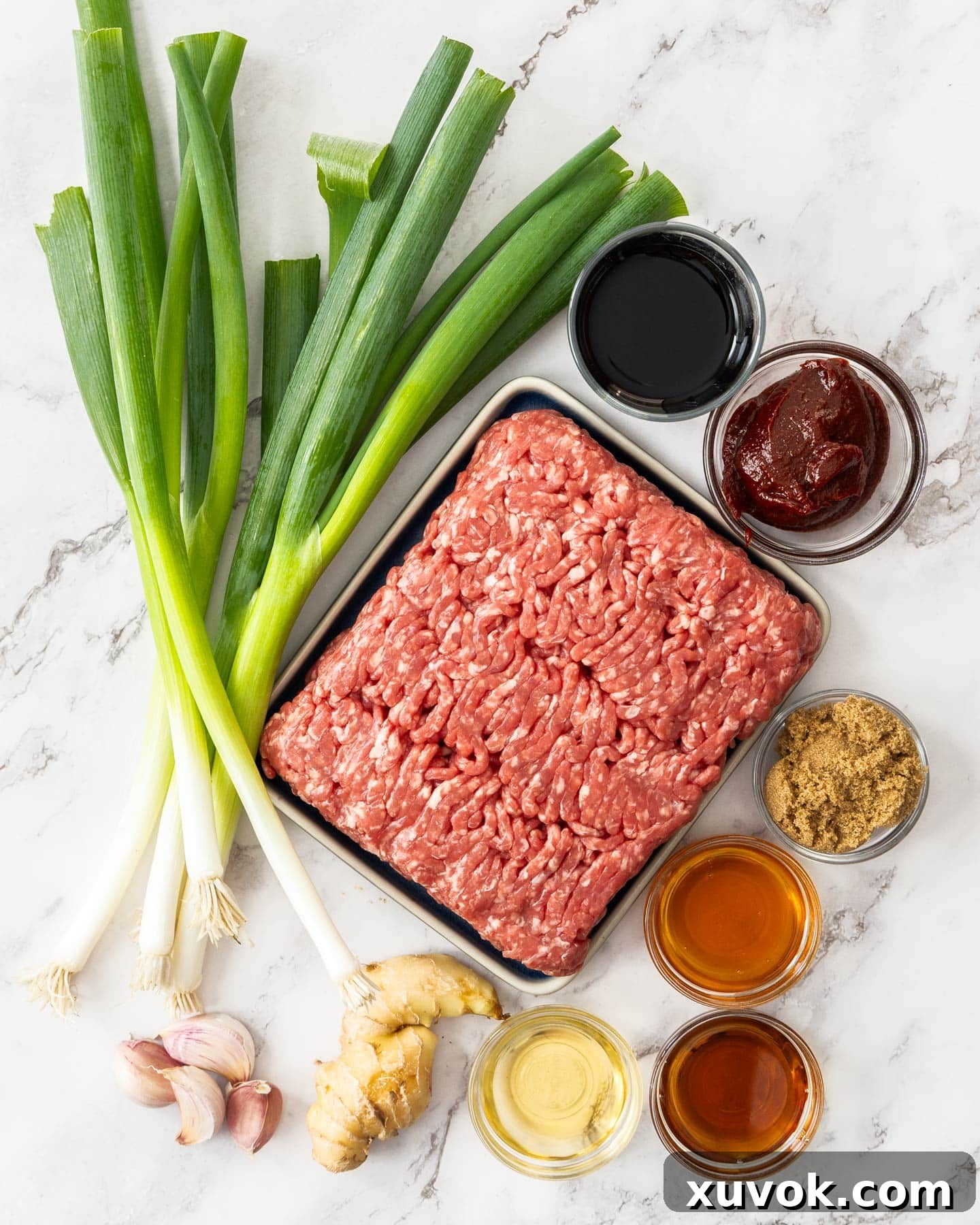
For precise ingredient quantities and step-by-step instructions, please scroll down to the full recipe card.
- Lean Beef Mince (Ground Beef): This forms the hearty base of our bowls. Choosing lean beef ensures a healthier dish that cooks up quickly without excess grease. For variations, you can easily swap it for ground chicken, turkey, or pork. If you prefer, thinly sliced steak (like sirloin or flank steak) can also be used; just ensure it’s cut against the grain for tenderness and cooked quickly.
- Spring Onions (Green Onions or Scallions): These provide a mild, fresh onion flavor and a delightful crunch. We’ll use the white parts for sautéing and the green parts for a fresh garnish, adding both depth and brightness.
- Fresh Ginger and Garlic: The backbone of any good Asian-inspired dish. Freshly minced ginger offers a warm, piquant zest, while garlic provides its signature aromatic punch. For the most vibrant flavor, avoid powdered alternatives.
- Japanese Soy Sauce: Crucial for the rich, umami depth. Japanese soy sauce (like Kikkoman) is generally less salty and has a more complex flavor profile than some other varieties, making it ideal for this recipe. Avoid “light soy sauce” often found in Thai or Chinese cooking, as it tends to be much saltier.
- Gochujang (Korean Chilli Paste): The star of the show! This fermented Korean chili paste is a powerhouse of flavor. It’s spicy, yes, but also boasts a profound savory, rich, and deeply umami taste with a balanced sweetness and a subtle tang. Gochujang is a staple in Korean cuisine and is widely available in the Asian section of most major grocery stores. Adjust the amount to your preferred spice level.
- Mirin (Sweet Japanese Rice Wine): Used extensively in both Japanese and Korean cooking, mirin adds a distinctive sweet and savory note that enhances the overall sauce. It contributes a beautiful glaze and helps tenderize the meat. Don’t worry about the alcohol content; it cooks off, leaving only its unique flavor. Look for it in the Asian aisle.
- Brown Sugar and Honey: These sweeteners play a vital role in balancing the heat and savory notes of the gochujang. Brown sugar offers a deep, molasses-like sweetness, while honey adds a floral complexity. You can adjust the ratio or use all brown sugar if preferred.
- Sesame Oil: This isn’t for cooking the beef initially; it’s a finishing oil. Toasted sesame oil is incredibly rich, nutty, aromatic, and packed with umami. Adding it at the end preserves its delicate flavor and potent aroma, elevating the entire dish.
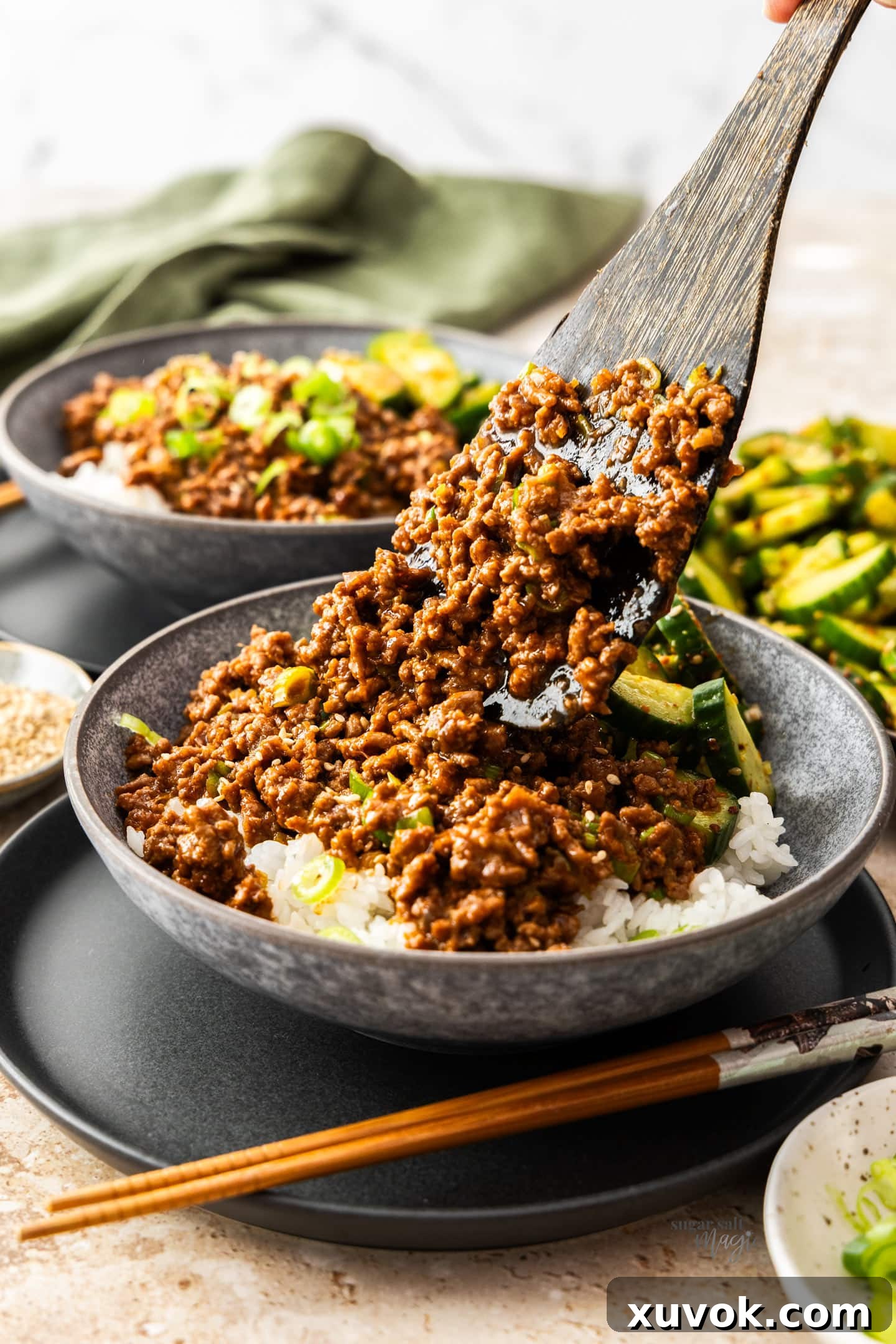
How to Master Gochujang Beef Bowls
The beauty of these gochujang beef bowls lies in their incredible speed and straightforward process. This recipe is designed for maximum flavor with minimal effort, making it perfect for even the busiest weeknights. From a few minutes of prep to a mere 10-12 minutes of actual cooking time, you’ll be amazed at how quickly this delectable meal comes together. For ultimate efficiency, consider prepping your rice, cucumber salad, and chopping your aromatics ahead of time. This way, dinner can be on the table almost as soon as you walk through the door!
In fact, a smart strategy is to **start with your side dishes first**, especially rice and salad. While they cook or chill, you can focus on the beef. Check out my detailed serving suggestions below for ideas on how to complete your meal.
For the precise ingredient measurements and a comprehensive breakdown of each step, refer to the full recipe card.
1. Craft the Flavorful Sauce
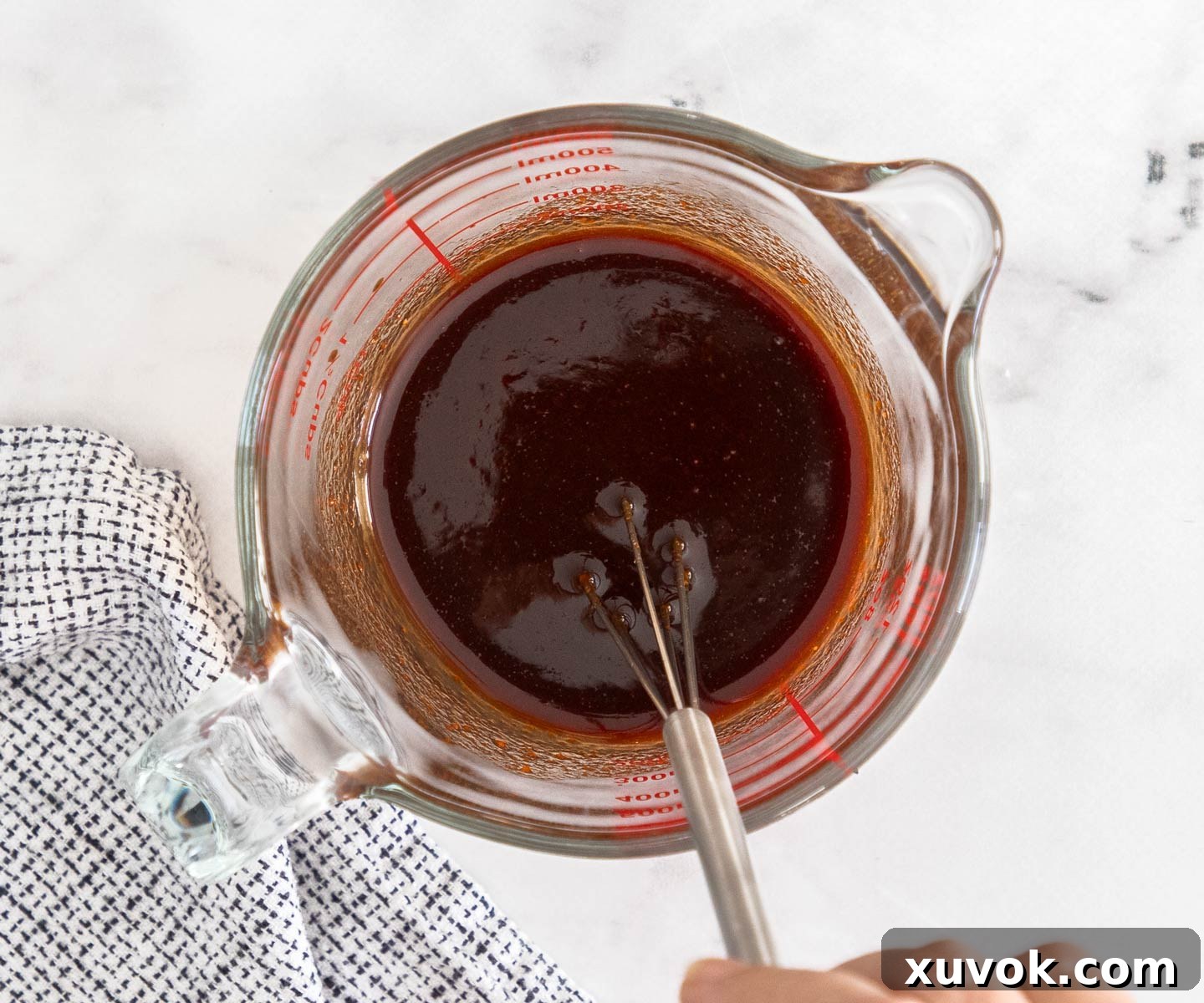
Begin by whisking together all the sauce ingredients in a small jug or bowl (excluding the sesame oil, which is added later to preserve its delicate aroma). This simple step ensures that all the complex flavors—gochujang, soy sauce, mirin, brown sugar, and honey—are perfectly combined and ready to transform your beef into a culinary masterpiece. Set this mixture aside, poised for action.
2. Sauté the Fragrant Aromatics
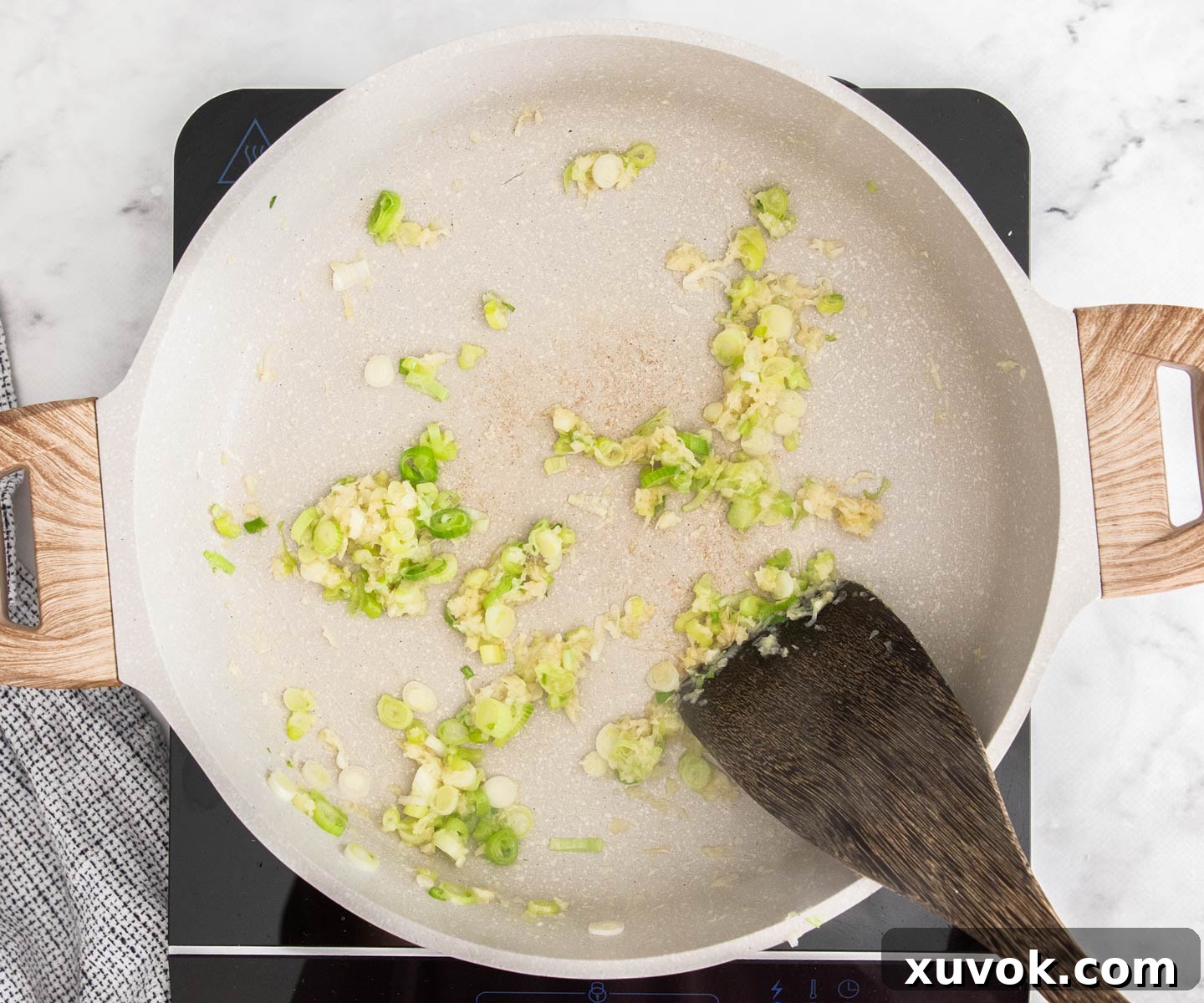
Heat a tablespoon of vegetable oil in a large non-stick pan or wok over medium heat. Add the white parts of the spring onions, minced garlic, and fresh ginger. Sauté gently for 1-2 minutes, stirring occasionally, until they become tender and wonderfully fragrant. Be diligent to prevent the garlic from burning, as this can impart a bitter taste to your dish. This step lays the foundational aromatic layer for your beef.
3. Brown the Ground Beef
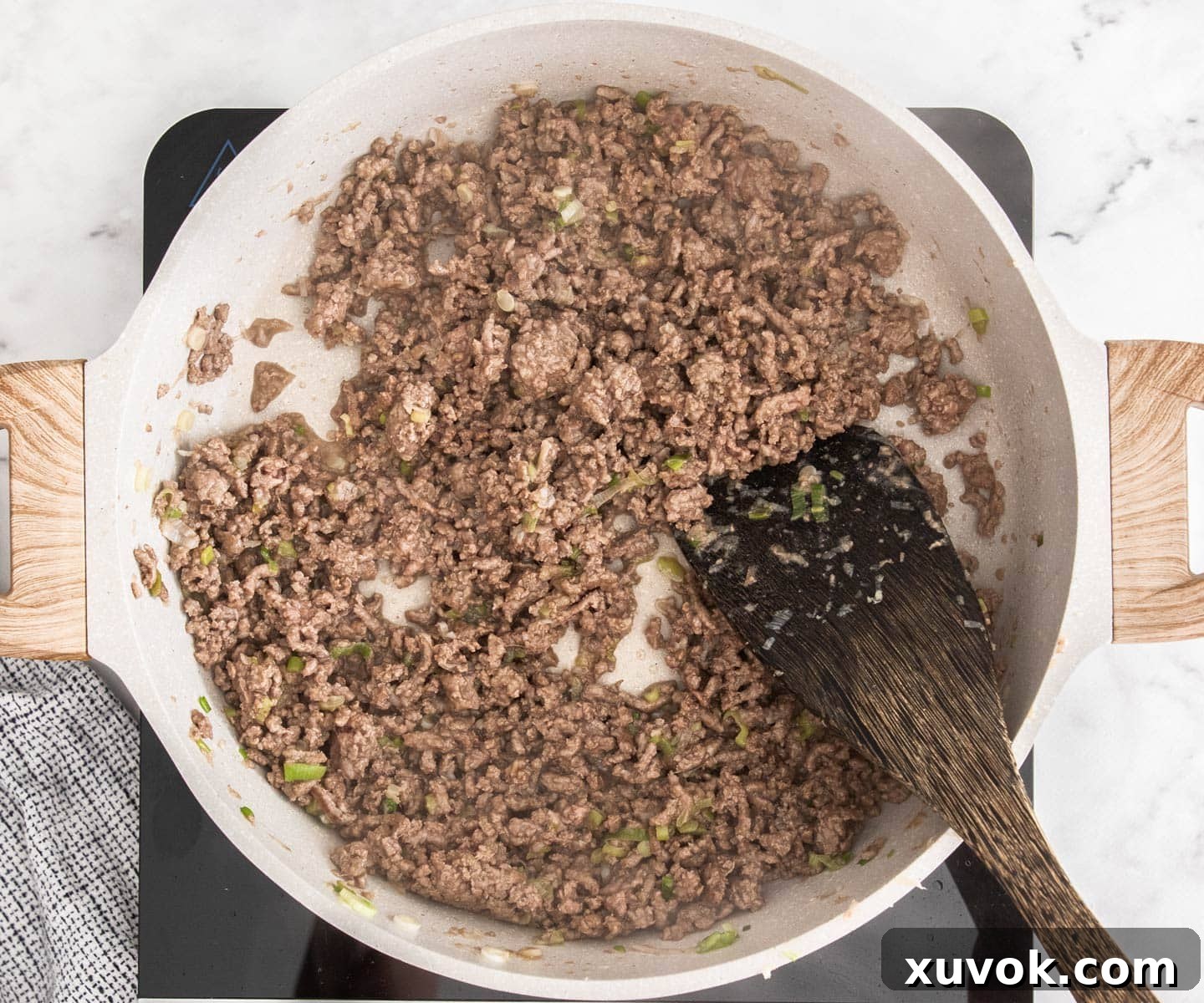
Increase the stove’s heat to medium-high. Add the lean ground beef to the pan with the cooked aromatics. Using a spatula or spoon, break up the beef as it cooks, stirring frequently. Continue to cook until the beef is thoroughly browned on all sides and no pink remains. This browning process is crucial for developing rich, savory flavors and ensuring proper texture. Drain any excess fat if necessary, though lean beef typically produces very little.
4. Simmer with Sauce and Finish
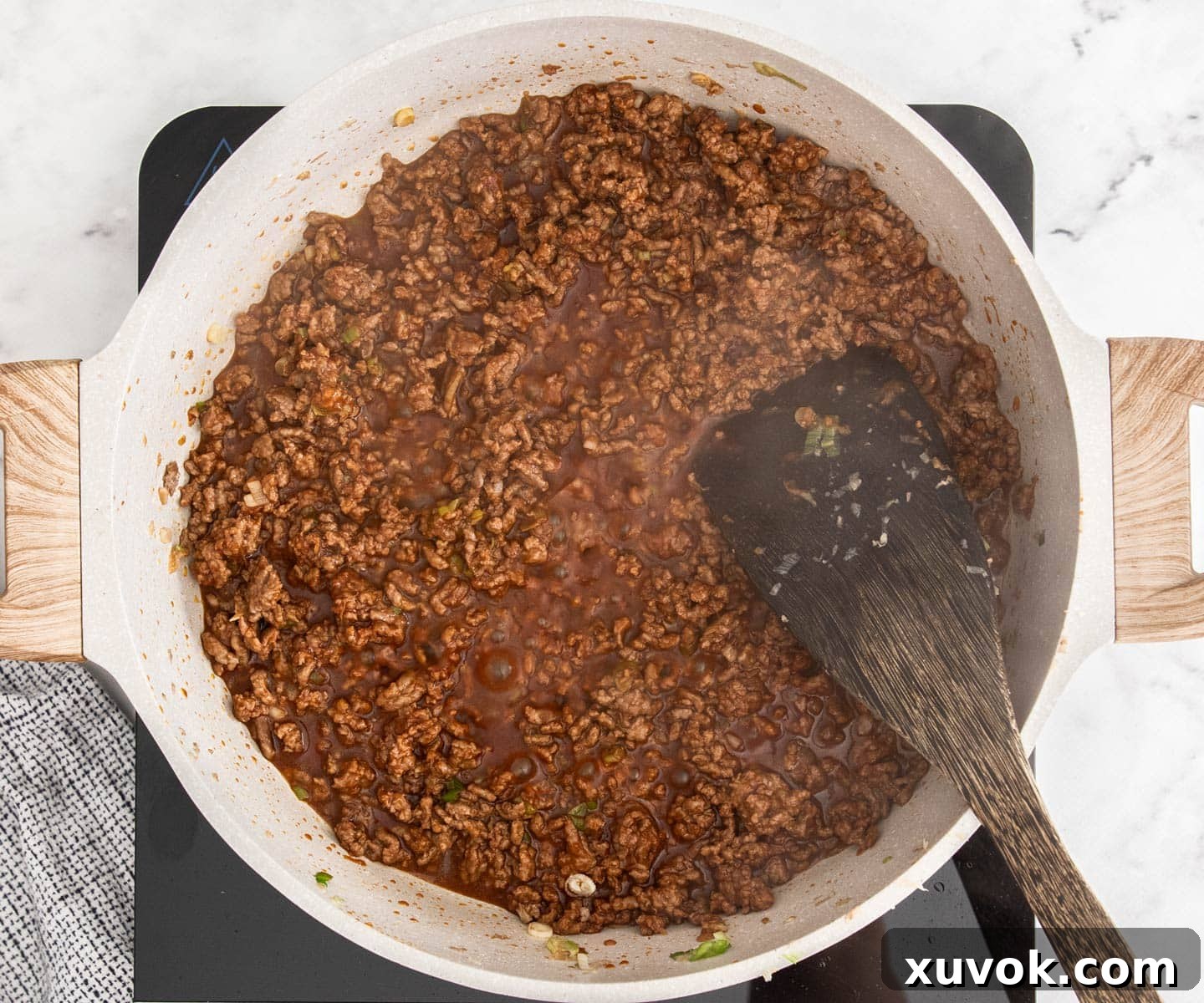
Pour the prepared gochujang sauce mixture over the browned beef in the pan. Bring the mixture to a gentle simmer, stirring continuously. Allow it to cook for just a few minutes, letting the sauce reduce and thicken until it becomes wonderfully glossy and coats the beef beautifully. At this stage, add about half of the green parts of your sliced spring onions, stirring them in to infuse a fresh, mild onion flavor. Reserve the remaining green onions for garnishing your finished bowls.
Finally, remove the pan from the heat and stir in the aromatic sesame oil. This ensures its distinctive nutty flavor isn’t cooked away, providing a fragrant finish. Your sensational gochujang beef is now ready to be served!
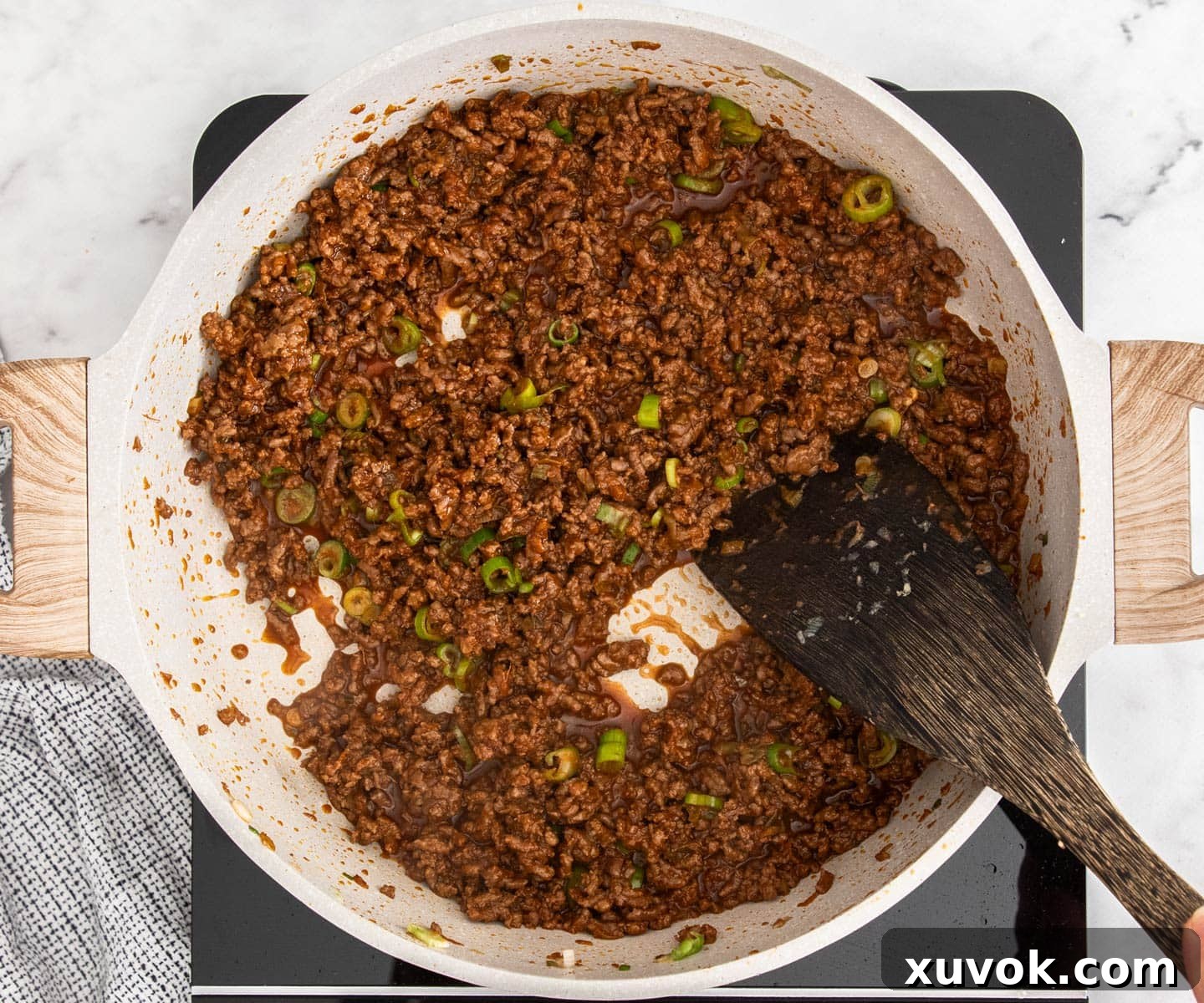
Serving Suggestions for Your Perfect Bowl
Since the gochujang beef cooks so quickly, it’s always a good idea to prioritize your accompaniments. Preparing them first ensures everything is ready at the same time for a perfectly cohesive meal.
My go-to serving method is as rice bowls, making the rice the first component I prepare. For an authentic experience with Korean or Japanese dishes, I highly recommend using Japanese sushi rice (often labeled Koshihikari rice). Its short, plump grains and sticky texture are ideal for soaking up the delicious sauce. However, feel free to use any rice you love, such as Jasmine or Basmati, though the texture will be different.
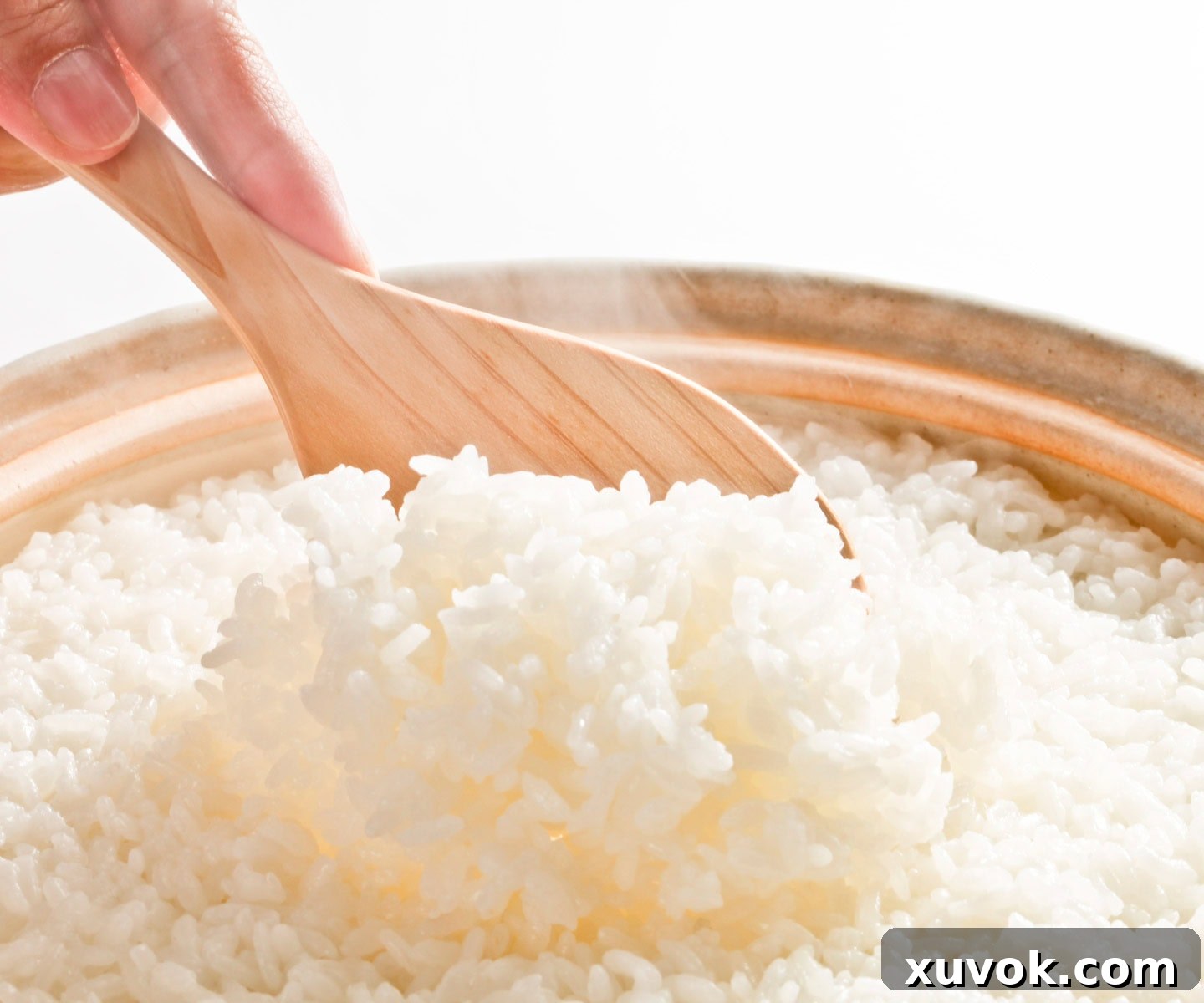
While I consistently use a rice cooker for effortless perfection, here’s how to cook rice on the stovetop:
- Rinse the Rice: Place 2 cups of rice in a fine-mesh sieve and rinse under cold running water until the water runs clear. This removes excess starch, leading to fluffier, less gummy rice.
- Combine and Boil: Transfer the rinsed rice to a heavy-bottomed pot. Add 2 cups of water (a 1:1 ratio for most types of rice). Bring to a rolling boil over high heat, uncovered.
- Simmer: Once boiling, immediately reduce the heat to the lowest setting, cover the pot tightly, and simmer for 8-10 minutes. Resist the urge to lift the lid!
- Rest: Turn off the heat completely but keep the lid on for at least 5-10 minutes. This allows the rice to steam thoroughly and absorb any remaining moisture. Fluff with a fork before serving.
To perfectly complement the rich Gochujang Beef, I always include a side of simple Korean Cucumber Salad. This salad is a game-changer: quick to make, wonderfully refreshing, crunchy, light, and with just a hint of spice. It comes together in minutes, often while the beef is browning, making it a perfect partner. This delightful side combines crisp cucumber, thinly sliced onion, and a vibrant Korean dressing of rice vinegar, gochugaru (mild red pepper flakes/chilli flakes), a touch of sugar, and aromatic sesame oil.
Other Creative Serving Ideas
- Low-Carb Alternatives: For a lighter meal, swap steamed rice for cauliflower rice, or serve the gochujang beef in crisp lettuce cups, much like a ssam wrap.
- Wraps & Tacos: Turn it into an interactive meal by wrapping the beef with salad and your favorite condiments in tortilla wraps, or even serve them as Korean-inspired tacos.
- Additional Vegetables: While the cucumber salad offers freshness, steamed broccoli, sautéed bok choy, or julienned carrots dressed lightly with an Asian vinaigrette make excellent additions. Edamame beans also provide a lovely texture and nutritional boost.
- Pickles: The tang and crunch of pickles cut through the richness of the beef beautifully. Consider serving with quick pink pickled onions or pickled red cabbage for an extra layer of flavor.
- Kimchi: To truly embrace Korean flavors, a side of traditional kimchi (fermented spicy cabbage) offers probiotics and an incredible depth of fermented taste.
- Condiments: Elevate your bowl with a sprinkle of furikake (Japanese rice seasoning) for added umami and crunch, or a drizzle of creamy Kewpie mayonnaise for a rich, tangy counterpoint.
- Garnishes: Garnishes aren’t just for looks; they enhance flavor and texture. Sprinkle generously with toasted sesame seeds and the reserved green parts of the spring onions for fresh color and a nutty finish.
Storage & Meal Prep Tips
These Gochujang Beef Bowls are fantastic for meal prepping! Any leftover gochujang beef can be stored in an airtight container in the refrigerator for up to 4 days, making it perfect for quick lunches or dinners throughout the week. For longer storage, the beef also freezes beautifully for up to 3 months. Simply thaw in the fridge overnight and reheat gently on the stovetop or in the microwave.
When reheating, you might want to add a tiny splash of water or broth to loosen the sauce if it has thickened too much. Freshly cooked rice and a new batch of cucumber salad will always elevate the meal, but even reheated, the flavors of the beef remain incredibly delicious. This dish is a true meal prep champion!
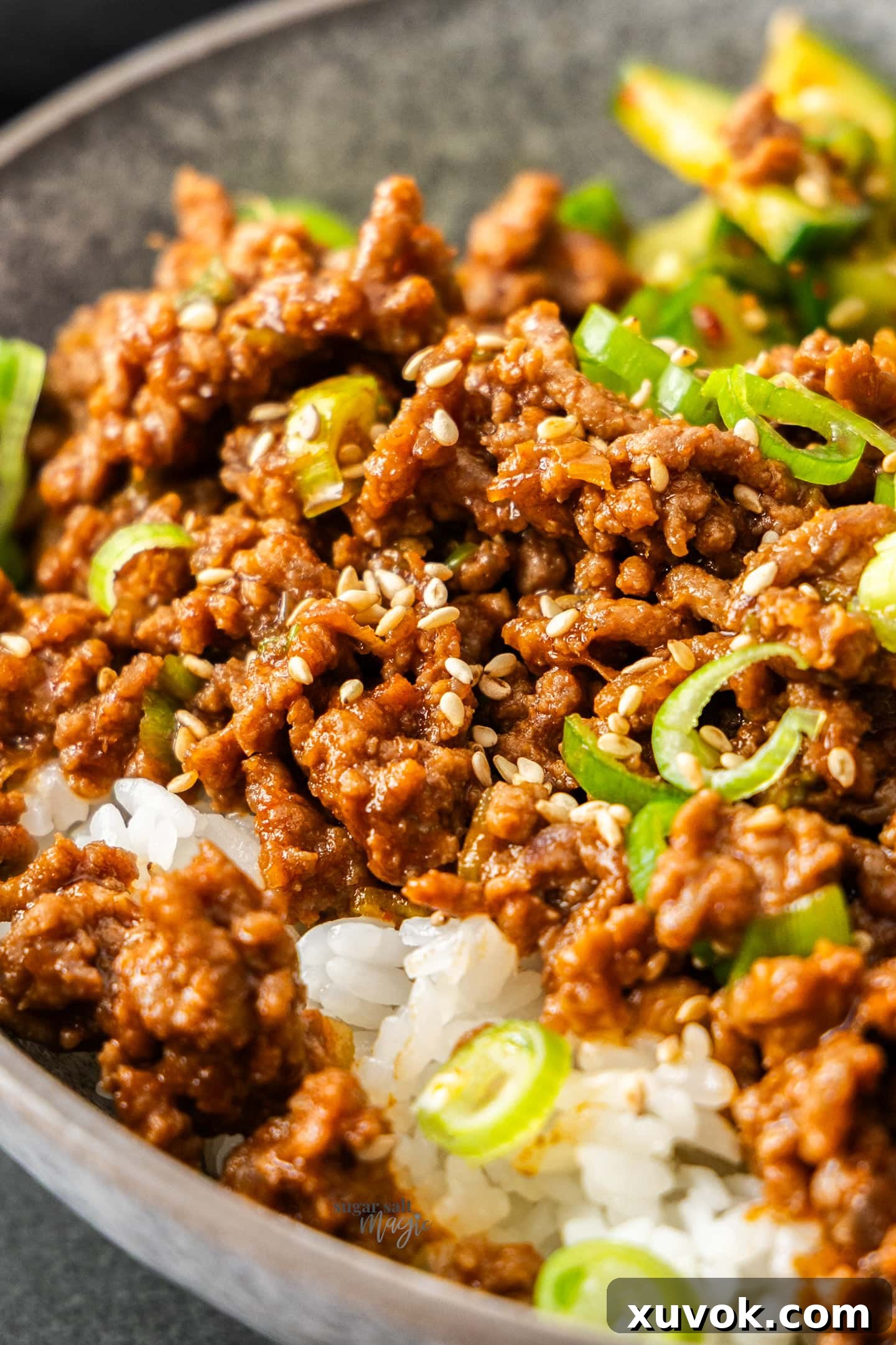
Top Tips for Gochujang Beef Bowl Success
- Fresh is Best: While convenient, pre-minced garlic and ginger won’t deliver the same vibrant punch as freshly chopped. Take the extra minute for maximum flavor impact.
- Don’t Overcrowd the Pan: When browning the beef, ensure your pan isn’t too crowded. If it is, cook the beef in batches. Overcrowding can steam the meat instead of browning it, preventing that delicious caramelized flavor from developing.
- Taste and Adjust: Every brand of gochujang and soy sauce can vary slightly in saltiness and spice. Always taste your sauce before adding it to the beef, and again at the end, to adjust the sweetness or spice to your preference. A little extra honey or a touch more gochujang can make all the difference.
- Prep Ahead: Chop your spring onions, mince your garlic and ginger, and mix your sauce components a day in advance. This makes the actual cooking process incredibly fast and stress-free.
- Quality Gochujang: Invest in a good quality gochujang. Its unique fermented flavor is central to the dish, and a good brand will ensure a richer, more authentic taste.
Frequently Asked Questions (FAQs)
What is Gochujang?
Gochujang is a savory, sweet, and spicy fermented Korean condiment, made from gochugaru (chili powder), glutinous rice, meju (fermented soybean powder), yeotgireum (barley malt powder), and salt. It’s a cornerstone of Korean cooking, adding a unique depth of flavor beyond just heat.
Is this dish very spicy?
The spice level can be adjusted to your liking! Gochujang provides a moderate, nuanced heat. You can add less gochujang for a milder flavor or a touch more if you love extra heat. The sweetness from the sugar and honey helps to balance the spice beautifully.
Can I make this vegetarian?
Absolutely! Substitute the ground beef with crumbled firm tofu, tempeh, or a plant-based ground meat alternative. Ensure you brown the vegetarian protein well to develop flavor before adding the sauce.
What kind of rice is best for Gochujang Beef Bowls?
Japanese short-grain rice (like Koshihikari or sushi rice) is traditional and highly recommended due to its slightly sticky texture that perfectly complements the saucy beef. However, Jasmine rice or even brown rice can also be used.
How long does Gochujang Beef last in the fridge?
Leftover gochujang beef can be stored in an airtight container in the refrigerator for up to 4 days, making it a fantastic option for meal prep.
More Recipes You’ll Love
- Crunchy Korean Fried Chicken Wings
- Crispy Asian Chilli Beef Mince
- Sticky Chicken Mince Stir Fry
- Chicken in Oyster Sauce
- Turkey San Choy Bow
- Honey Pepper Pork Stir Fry
⭐⭐⭐⭐⭐
Did you try this Gochujang Beef Bowls recipe?
Show it some love with a rating and comment below.
Hungry for more? Subscribe to the newsletter for free recipes straight to your inbox. Also, follow along on Facebook, Pinterest and Instagram.
Gochujang Beef Bowls
4
serves
8
minutes
12
minutes
20
minutes
★
★
★
★
⭐Rate
📌Pin
Ingredients
- 1 tablespoon vegetable oil
- 6 spring onions (green onions/scallions) , thinly sliced (white and green separated)
- 3-4 cloves garlic , minced
- 1 tablespoon fresh ginger , minced
- 500 g lean beef mince (ground beef) (~1lb)
- ¼ cup Japanese soy sauce
- 2 tablespoons gochujang , or to taste
- 1 tablespoon mirin
- 1 ½ tablespoons brown sugar , packed
- 1 tablespoon honey , or more sugar
- 3 teaspoons sesame oil
TO SERVE AS SHOWN
- Steamed rice
- Toasted sesame seeds
- Kewpie mayonnaise
- Korean cucumber salad
For best results, always weigh ingredients where a weight is provided
Equipment
-
Large skillet/frying pan or wok
Instructions
-
Heat the vegetable oil in a non-stick, large skillet or pan over medium heat. Add the white parts of the onions, garlic and ginger and cook for 1-2 minutes until slightly softened and fragrant. Be careful not to burn the garlic.
-
Add the beef and turn the heat up to medium-high. Cook, stirring from time to time, until browned all over.
-
Meanwhile, in a small bowl or jug combine the sauce ingredients – soy sauce, gochujang, mirin, brown sugar and honey (not the sesame oil).
-
Add the sauce to the beef and cook, stirring, until it’s very thick and glossy.
-
Add the sesame oil and half of the green parts of the onions and stir well.
-
Serve over steamed rice with the remaining green parts of the onions scattered over. See notes for more serving suggestions.
-
Please take a moment to leave a comment & rating. It’s appreciated and so helpful.
Notes
- Tablespoons: I use a standard Australian 20ml tablespoon (equal to 4 teaspoons). Please check your measuring spoons for accuracy.
- Gochujang and mirin are both widely available in the Asian section of most major grocery stores.
- Serving: I love serving these bowls with a refreshing Korean cucumber salad, a drizzle of Kewpie mayonnaise, and a sprinkle of toasted sesame seeds. Sometimes, I also add some furikake seasoning for extra flavor.
- Nutrition details are approximate only and derived from an online calculator. The specific brands and ingredients you use may cause variations.
EXPLORE MORE ASIAN-INSPIRED RECIPES!
343
kcal
Marie Roffey
Dinner
Korean
Have you tried this recipe?
Don’t forget to leave a rating and comment below and let me know how it was! I love hearing from you. Nutrition information is approximate and derived from an online calculator. The brands you use may cause variations.
Calories from Fat 171