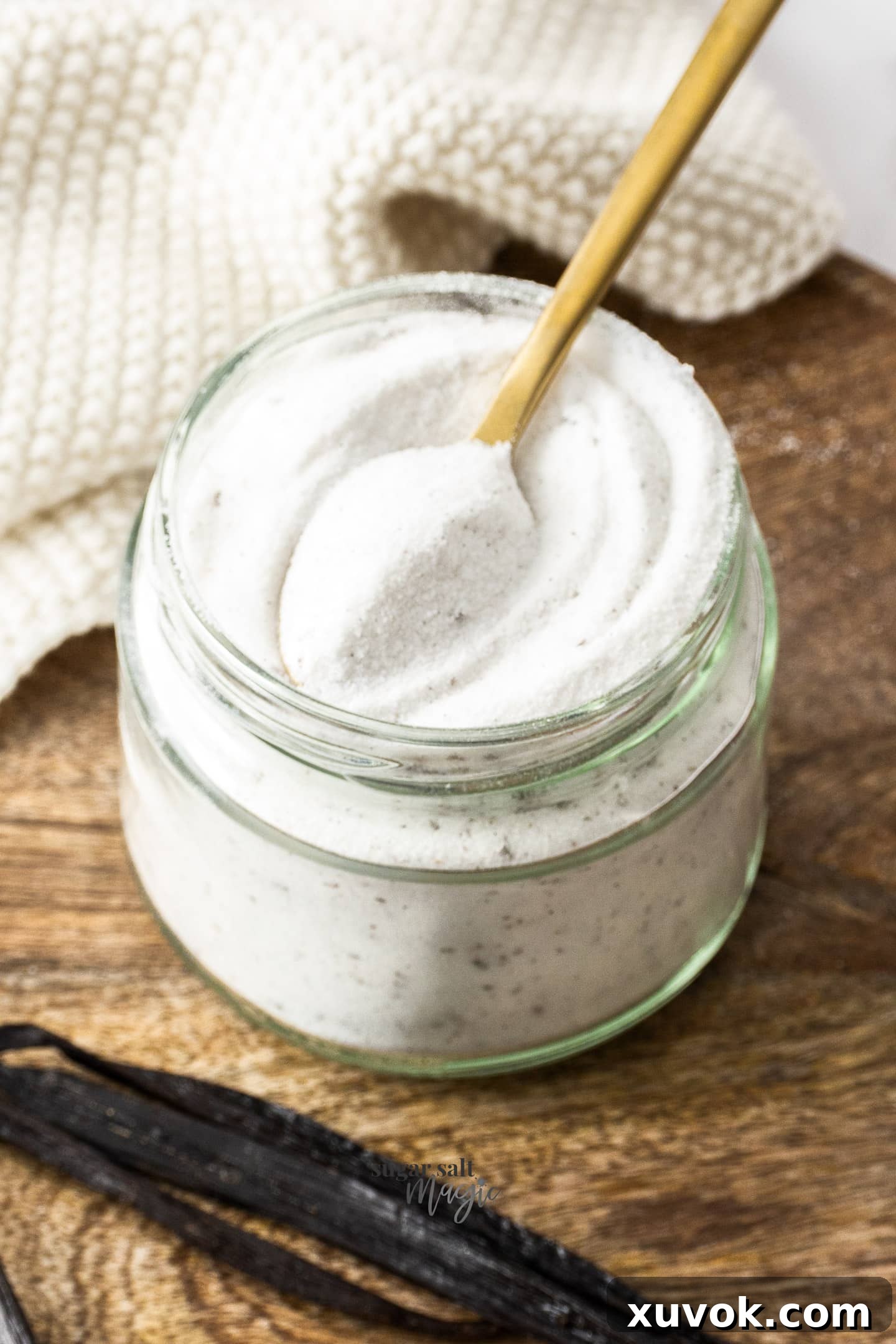
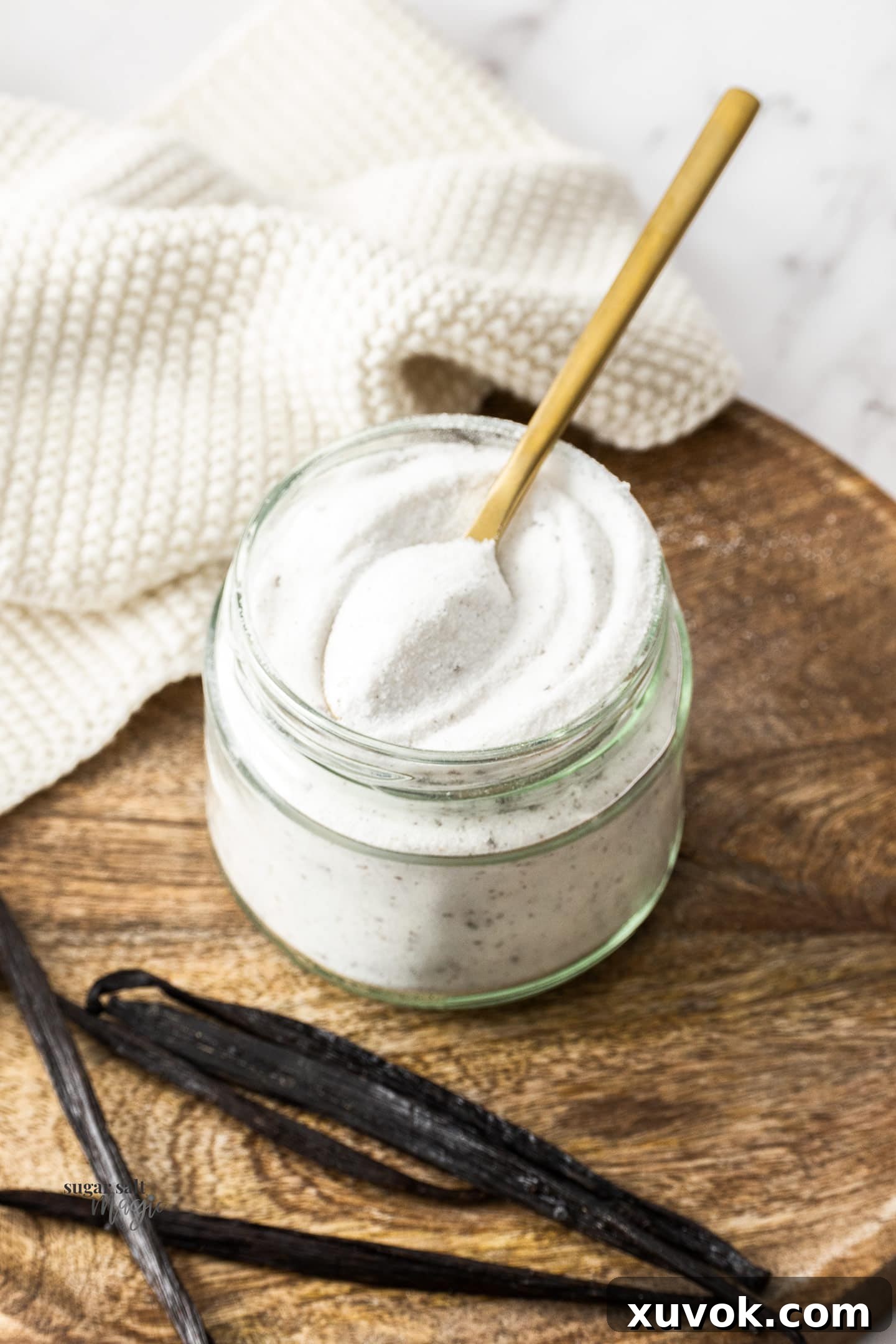
Elevate your everyday with the simplest, most luxurious homemade vanilla sugar. Requiring just two basic ingredients – premium vanilla and your choice of sugar – you can craft this aromatic delight in minutes. It’s not just for sweetening your morning coffee or tea; it transforms baking projects, lending a deep, natural vanilla flavor that store-bought alternatives simply can’t match.
Many home cooks wonder about vanilla sugar and how it differs from regular sugar or synthetic vanilla flavorings. While pre-made vanilla sugar is available for convenience, our recipe proves that homemade truly offers an unparalleled depth of flavor. We stand by the superiority of homemade ingredients, and for vanilla sugar, this statement rings especially true. The vibrant aroma and rich taste of your own vanilla sugar will be worlds apart from anything you can purchase.
In this comprehensive guide, we’ll delve into various methods for achieving the best flavor, explore ideal uses, and provide essential storage tips to keep your vanilla sugar fresh and potent. Discover the secret to enhancing your culinary creations with this exquisite, simple addition.
If you’re a vanilla enthusiast, don’t miss our vanilla bean cupcakes for another delightful vanilla-infused treat.
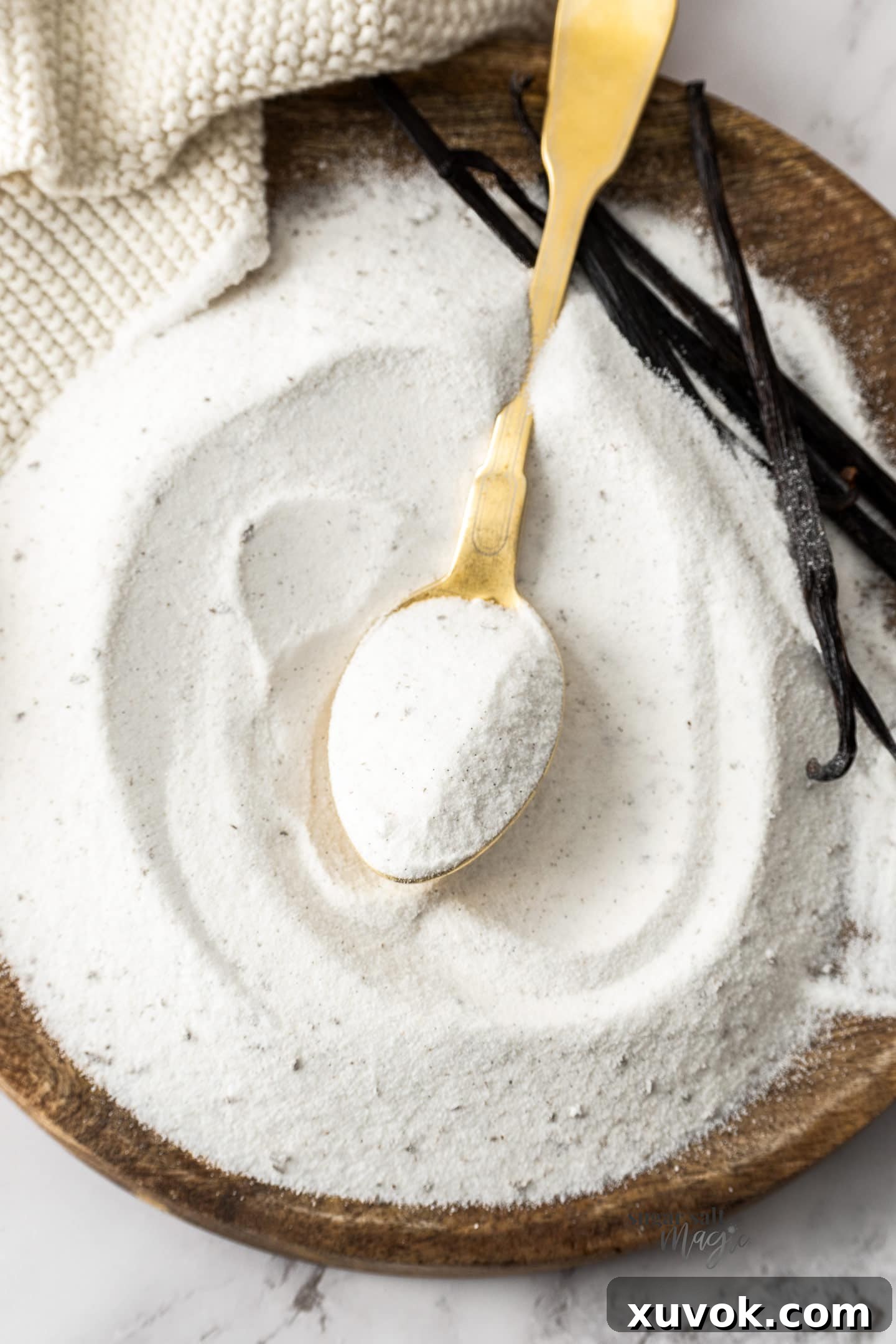
Table of Contents
- What is Vanilla Sugar?
- Why Homemade Vanilla Sugar is Superior
- Ingredients for Vanilla Sugar
- Choosing the Right Sugar
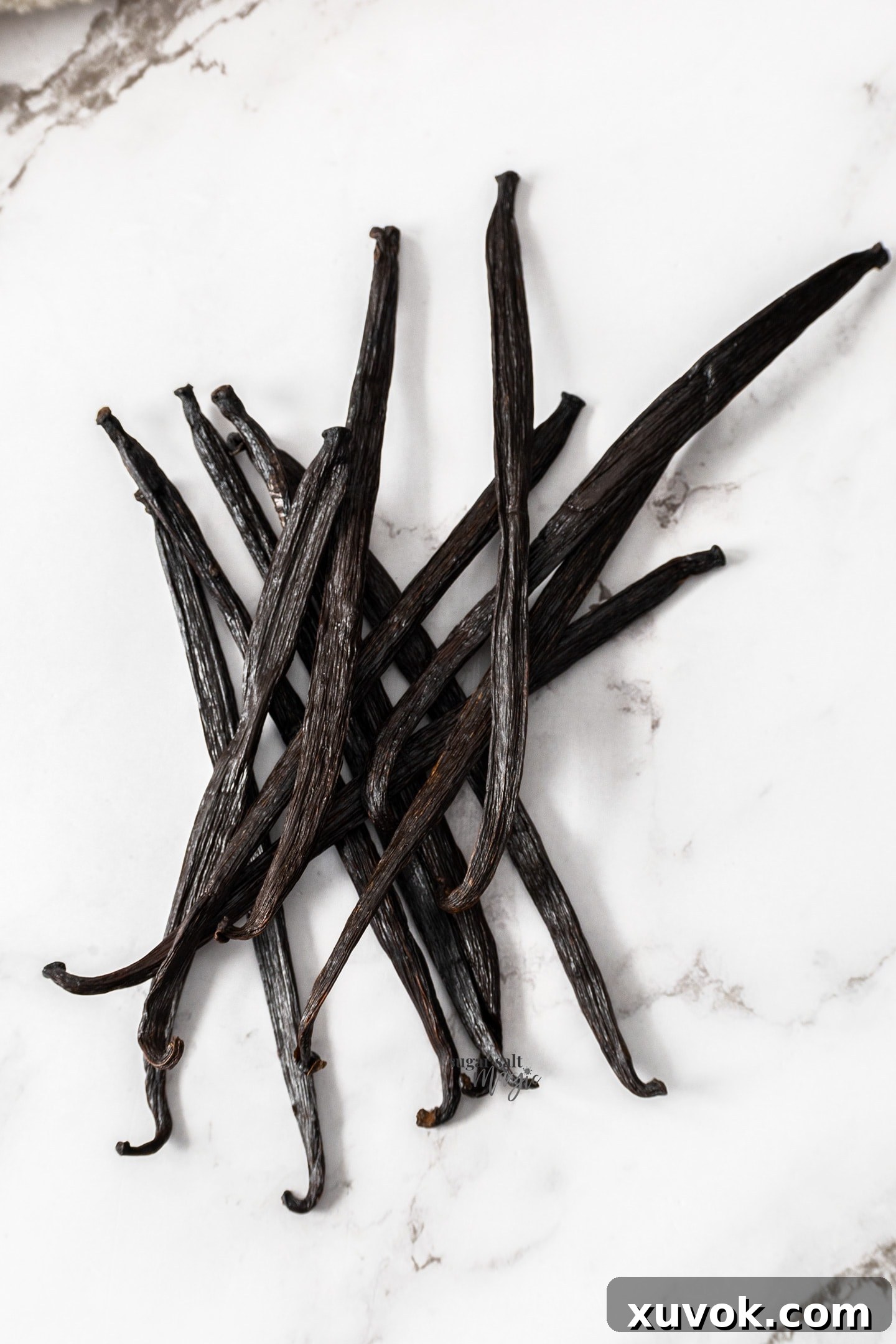
- Selecting Your Vanilla
- Essential Equipment
- How to Make Vanilla Sugar (Step-by-Step)
- Method 1: The Classic Vanilla Bean Infusion
- Method 2: Whole Fresh Vanilla Bean Blend
- Method 3: Vanilla Powder for Intense Flavor and Longevity (Our Favorite!)
- Creative Ways to Use Vanilla Sugar
- Yield and Storage Tips
- Vanilla Sugar Recipe
Never Miss a Recipe!
Get the latest delicious recipes straight to your inbox by subscribing to our newsletter.
Subscribe Now
What is Vanilla Sugar?
Vanilla sugar, often referred to as vanillin sugar or vanilla bean sugar, is quite simply granulated sugar that has been infused with the rich, aromatic essence of vanilla. It’s a delightful culinary ingredient that elevates the flavor profile of various dishes, beverages, and baked goods. The process involves combining sugar with real vanilla seeds, whole vanilla beans, or high-quality vanilla powder, allowing the sugar to absorb the fragrant compounds over time.
This infused sugar can be substituted for regular sugar in recipes at a 1:1 ratio, providing a subtle yet distinct vanilla note. It’s a fantastic way to introduce authentic vanilla flavor without adding extra liquid, as vanilla extract or paste would.
Historically, vanilla sugar has been a staple in European baking, particularly in German and Austrian cuisines, where small packets of “Vanillinzucker” are commonly used. However, many commercially produced versions rely on synthetic vanillin, an artificial flavor compound, which lacks the complexity and depth of flavor found in real vanilla. Our homemade approach ensures you capture the true essence of the vanilla bean, resulting in a product that is both naturally delicious and incredibly versatile.
Why Homemade Vanilla Sugar is Superior
The distinction between homemade vanilla sugar and its store-bought counterparts is profound. While convenient, mass-produced vanilla sugars often contain “vanillin sugar,” which is made with synthetic vanillin. This artificial flavoring, derived from lignin (a component of wood pulp) or petrochemicals, offers a flat, one-dimensional vanilla taste that pales in comparison to the complex, nuanced profile of natural vanilla. Real vanilla boasts over 200 flavor compounds, creating a symphony of sweet, floral, woody, and even slightly smoky notes that artificial vanillin simply cannot replicate.
Making vanilla sugar at home ensures you use genuine vanilla beans, allowing you to control the quality and intensity of the flavor. Not only does this result in a superior product for your own kitchen, but homemade vanilla sugar also makes a truly thoughtful and gourmet gift for friends and family. It’s an affordable luxury, especially when you consider the elevated taste it brings to your cooking and baking. You can easily adjust the vanilla-to-sugar ratio to achieve a bold or milder flavor, stretching your precious vanilla beans further while still enjoying an authentic taste experience.
Ingredients for Vanilla Sugar
You truly only need two core ingredients: sugar and vanilla. However, the choices within these two categories can significantly impact the final flavor and texture of your homemade vanilla sugar. Let’s explore these options in detail to help you create the perfect blend.
Choosing the Right Sugar
The type of sugar you choose forms the base of your vanilla sugar and can influence its flavor and texture:
- White Granulated Sugar or Caster Sugar (Superfine Sugar): These are generally the best choices for showcasing the pure, unadulterated flavor of vanilla. Their neutral taste allows the vanilla to shine through without competition. Caster sugar, with its finer granules, mixes more evenly and dissolves faster, making it an excellent option.
- Brown Sugar: For a different flavor dimension, consider using brown sugar. The molasses content in brown sugar will impart warm, caramel-like notes, creating a vanilla-butterscotch hybrid. While the vanilla flavor might be slightly less prominent due to the molasses, the resulting sugar is uniquely delicious and pairs wonderfully with certain baked goods or coffees.
- Other Sugars: While possible, alternative sugars like coconut sugar, turbinado sugar, or even certain sugar substitutes like monk fruit sweetener will introduce their own distinct flavors and textures. Experimentation can lead to interesting results, but for a classic vanilla sugar, stick to white or brown sugar.
The key is to select a sugar that either enhances or remains neutral to the vanilla, allowing its complex aromatics to be the star.
Selecting Your Vanilla
This is where the magic truly happens. The quality and form of your vanilla will dictate the richness and authenticity of your vanilla sugar. Using real vanilla beans is the traditional and most effective way to infuse sugar with natural flavor.
Vanilla Bean Varieties:
Different vanilla bean origins offer distinct flavor profiles:
- Madagascar (Bourbon) Vanilla Beans: These are the most common and versatile, known for their classic, rich, creamy, and sweet vanilla flavor. They are ideal for most baking applications.
- Tahitian Vanilla Beans: Distinctly floral, fruity, and cherry-like, Tahitian beans bring a unique aroma that can be wonderful in lighter desserts or fruit-based recipes.
- Mexican Vanilla Beans: Offering a bolder, smoky, and slightly spicy flavor, Mexican vanilla adds depth and complexity, particularly good in chocolate or savory applications.
Grade A vs. Grade B Vanilla Beans:
For vanilla sugar, the grade of the bean matters:
- Grade A (Gourmet or Prime) Beans: These are plump, moist, and supple, excellent for extracts or recipes where the moist interior is crucial. However, their high moisture content can introduce clumpiness into your sugar.
- Grade B (Extract or Dried) Beans: These beans are drier, thinner, and often split, making them perfect for infusing sugar or making vanilla powder. Their lower moisture content means they won’t make your sugar clumpy, and they still pack an incredible flavor punch. They are also often more cost-effective when purchased in bulk. We highly recommend using Grade B vanilla beans for homemade vanilla sugar.
Vanilla Powder: Our Preferred Option
While making vanilla sugar using whole beans is traditional, vanilla bean powder is my absolute favorite option and offers the most intense, long-lasting flavor. We love this method for several reasons:
- Full Utilization: It uses the entire vanilla bean, ensuring no part of this precious ingredient goes to waste.
- Intense Flavor: By grinding the dried whole bean into a fine powder, the flavor is more concentrated and disperses more evenly throughout the sugar.
- Superior Shelf Life & Texture: Since the excess moisture has been removed from the beans before grinding, the resulting vanilla sugar is less prone to clumping and has a significantly extended shelf life.
You can either purchase high-quality vanilla powder or easily make your own by drying vanilla beans and then grinding them. While it requires a little extra time for the drying process, the benefits in terms of flavor intensity and shelf stability far outweigh the initial effort.
Why Avoid Vanilla Extract or Paste:
Pure vanilla extract or vanilla bean paste, while excellent for many recipes, are liquid products. Adding them directly to sugar will introduce moisture, causing the sugar to clump and potentially reducing its shelf life. For the best homemade vanilla sugar, stick to dried vanilla in bean or powder form.
Essential Equipment
Making vanilla sugar is straightforward, but having the right tools can make the process even easier and ensure a superior result:
- Vanilla Beans or Vanilla Powder: As discussed, Grade B vanilla beans are highly recommended for their lower moisture content. Buying them in bulk from reputable sources like Native Vanilla can make this luxury more affordable. You can use any type of vanilla bean, but consider their distinct flavor profiles. If opting for the powder method, you can buy vanilla powder or make your own.
- Food Processor: While not strictly essential, a food processor or a powerful mini food processor is incredibly helpful. It ensures the vanilla (whether seeds, chopped beans, or powder) is evenly and finely dispersed throughout the sugar. Even distribution leads to a more consistent and robust vanilla flavor.
- Spice Grinder / Coffee Grinder: If you plan to make your own vanilla powder (our favorite method), a dedicated spice grinder or coffee grinder is indispensable. It grinds dried vanilla beans into a super fine powder, which is key for intense flavor and smooth texture. Ensure it’s clean and doesn’t retain flavors from other spices.
- Airtight Jar: A high-quality preserving jar or mason jar with a tight-fitting lid is crucial for storing your homemade vanilla sugar. This protects it from moisture and helps the vanilla flavor deepen over time. For gifting, elegant options like Weck preserving jars add a beautiful touch.
- Sharp Knife & Cutting Board: For splitting and scraping vanilla beans (Method 1) or for chopping fresh beans (Method 2).
- Baking Tray (for drying beans): If you choose to dry your own vanilla beans for the powder method, a standard baking tray will be needed.
How to Make Vanilla Sugar (Step-by-Step)
There are several effective ways to make vanilla sugar, each offering a slightly different result. We’ll outline three popular methods, with the vanilla powder method being our top recommendation for maximum flavor and convenience.
- Method 1: The Classic Vanilla Bean Infusion (using scraped seeds and the pod)
- Method 2: Whole Fresh Vanilla Bean Blend (grinding the entire fresh bean)
- Method 3: Vanilla Powder for Intense Flavor and Longevity (drying beans then blending into powder with sugar)
Refer to the full recipe card below for exact ingredient quantities and detailed instructions.
Method 1: The Classic Vanilla Bean Infusion
This is a traditional approach that produces beautifully speckled vanilla sugar with a delightful aroma. It relies on the slow infusion of flavor over time.
- Prepare the Vanilla Bean: Take a fresh vanilla bean and carefully slice it lengthwise down the middle using a sharp knife. Be careful not to cut all the way through the other side.
- Scrape the Seeds: Using the tip of your knife or a small spoon, gently scrape out the tiny, aromatic vanilla seeds from inside both halves of the pod.
- Combine with Sugar: Place the granulated sugar in a food processor. Add the scraped vanilla seeds to the sugar. Pulse the food processor a few times until the vanilla seeds are evenly dispersed and the sugar is slightly finer. If you don’t have a food processor, you can use your fingers or a whisk to thoroughly rub the seeds into the sugar.
- Infuse with Pod: Pour the vanilla-infused sugar into your chosen airtight jar. Take the empty vanilla bean pod (the part you scraped the seeds from) and tuck it into the sugar. Over the next week or two, the pod will continue to release its subtle flavor into the sugar, deepening the overall aroma.
Method 2: Whole Fresh Vanilla Bean Blend
This method offers a bolder flavor than just scraping the seeds, as it utilizes the entire vanilla bean. It’s quicker for immediate use, but can result in some chewiness.
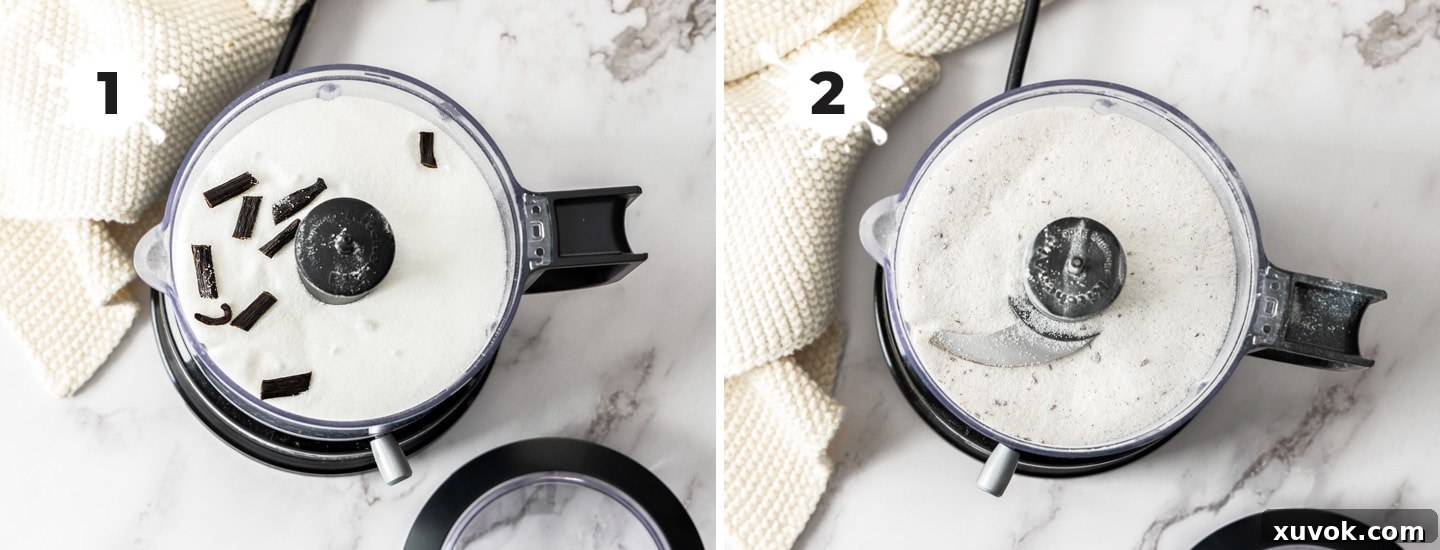
- Chop the Bean: Using kitchen scissors or a sharp knife, cut a whole vanilla bean into several smaller pieces (about ½ to 1 inch long). The smaller the pieces, the easier they will be to grind.
- Process with Sugar: Add the vanilla bean pieces to a food processor along with the granulated sugar. Process on high speed until the vanilla bean pieces are reduced to very small flecks and are evenly distributed throughout the sugar. Aim for the finest grind possible.
- Store: Transfer the vanilla bean sugar into your airtight jar and store in a cool, dry place.
Important Note: While this method delivers great flavor, fresh vanilla beans contain moisture. They may not grind as finely as dried beans, potentially leaving very small, slightly chewy pieces of pod in your sugar. This texture doesn’t detract from the flavor, but some may prefer a smoother sugar, which leads us to our favorite method.
Method 3: Vanilla Powder for Intense Flavor and Longevity (Our Favorite!)
This method yields the most potent, clump-free vanilla sugar with an extended shelf life. It involves drying the beans first to create a fine vanilla powder.
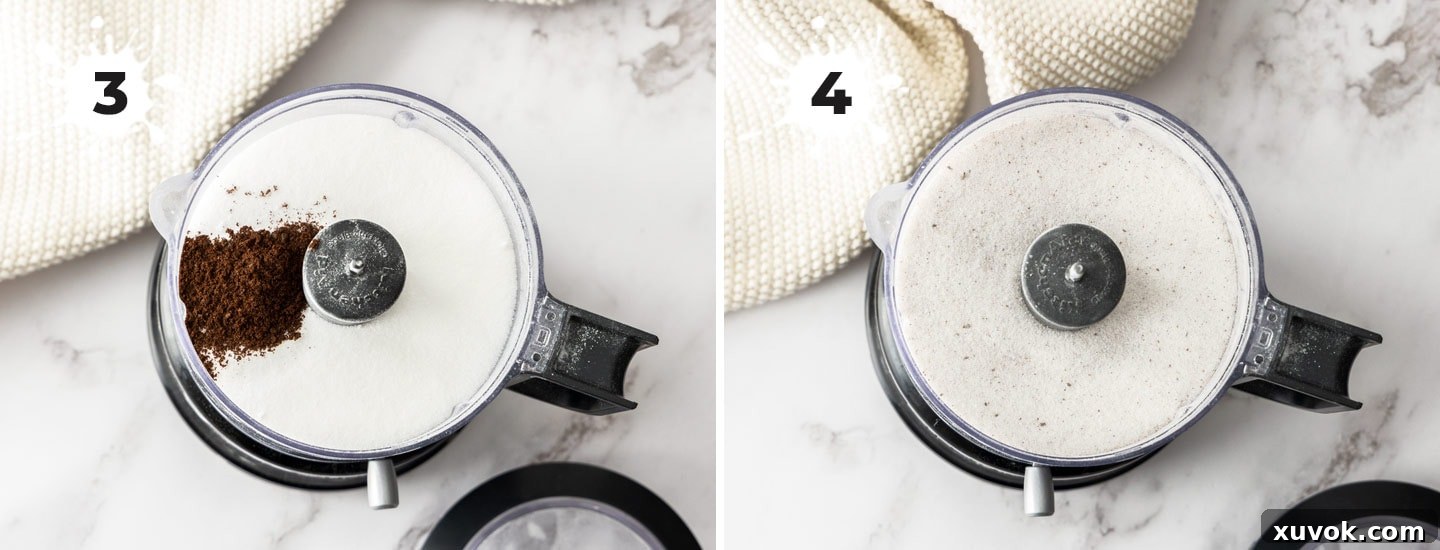
- Dry the Vanilla Beans: If you don’t have pre-made vanilla powder, you can easily make your own vanilla powder. Preheat your oven to its lowest setting, typically around 80°C / 175°F. Place whole vanilla beans on a baking tray and bake for approximately 1.5 to 2 hours, or until the beans are completely dry and brittle. They should snap easily when bent. Allow them to cool completely before the next step.
- Grind into Powder: Break the dried beans into smaller pieces and place them in a spice grinder or dedicated coffee grinder. Grind until you achieve a very fine, uniform powder.
- Combine with Sugar: For every 1 to 1.5 teaspoons of vanilla powder, combine with 1.5 to 2 cups of sugar. You can simply stir them together thoroughly by hand. However, for the most even distribution and to achieve a finer sugar texture similar to store-bought vanilla sugar, process the mixture in a food processor until well combined.
Pro Tip: Using a food processor even for the vanilla powder method isn’t just about mixing; it further refines the sugar grains, creating a silkier texture that’s perfect for all uses.
Important Maturation Note: Regardless of the method you choose, the flavor of your homemade vanilla sugar will deepen and mature over time. For optimal results, allow it to sit for at least two weeks before extensive use. However, it can certainly be used immediately for a delightful, albeit milder, vanilla hit.
Creative Ways to Use Vanilla Sugar
Once you’ve experienced the pure, fragrant taste of homemade vanilla sugar, you’ll find countless ways to incorporate it into your daily routine and culinary endeavors. Its versatility makes it a must-have pantry staple for any home baker or coffee lover.
For Beverages:
- Coffee & Tea: Stir a teaspoon into your morning coffee, latte, or herbal tea for an instant flavor upgrade. It adds a gourmet touch to your daily ritual.
- Hot Chocolate: Enhance a cozy cup of hot chocolate with a hint of vanilla sweetness.
- Lemonade & Iced Tea: Dissolve it in cold beverages for a refreshing vanilla twist.
- Simple Syrups: Create vanilla simple syrup by dissolving vanilla sugar in hot water, perfect for cocktails, mocktails, or drizzling over pancakes.
In Baking & Desserts:
Vanilla sugar shines brightest in recipes where vanilla is the star. It’s best used where its delicate flavor won’t be overshadowed by stronger ingredients. For instance, while it can be used in chocolate cake, the chocolate might overpower the nuanced vanilla notes, making it a less cost-effective choice for your precious vanilla beans. Save your vanilla sugar for:
- Cookies & Biscuits: Use it in place of regular sugar in recipes like shortbread, sugar cookies, or vanilla wafers.
- Cakes & Cupcakes: Elevate vanilla cakes, sponge cakes, or cupcakes with its pure flavor.
- Whipped Cream & Meringues: Lightly sweeten homemade whipped cream or meringues for an ethereal vanilla aroma.
- Custards & Panna Cotta: A natural pairing, it enhances the creamy texture and rich flavor of these classic desserts.
- Fruit Desserts: Sprinkle it over fresh berries, baked apples, or fruit tarts to bring out their natural sweetness and add a vanilla flourish.
- French Toast & Pancakes: Dust generously over French toast, pancakes, or waffles for a luxurious breakfast.
- Pie Crusts & Crumbles: Incorporate it into pie crusts or streusel toppings for an extra layer of flavor.
If a recipe already calls for vanilla extract, you can either reduce the amount of extract or keep it for an even bolder vanilla presence. Experimentation is key to discovering your favorite applications! Some fantastic recipes to try your homemade vanilla sugar in include:
- Homemade Custard Powder
- Lemon Donuts (substitute for sugar in the dough)
- Strawberry Puff Pastry Tart
- Cinnamon Roll Cookies
- Classic Sugar Cookies
- Vanilla Tray Bake
- Vanilla Bean Cupcakes
- Pavlova
Yield and Storage Tips
One average-sized vanilla bean or about one teaspoon of vanilla powder can flavor approximately 1 ½ to 2 cups of sugar. This ratio can be adjusted based on your personal preference for vanilla intensity. If you prefer a stronger flavor, use less sugar per bean/powder. If you want to stretch your vanilla further or prefer a milder hint, increase the sugar quantity. Start with 1 ½ cups, taste, and then add more sugar if desired.
Proper storage is crucial for maintaining the quality and extending the life of your homemade vanilla sugar:
- Airtight Container: Always store your vanilla bean sugar in a clean, dry, airtight jar or container with a tight-fitting lid. This prevents moisture from clumping the sugar and keeps the aromatic compounds from evaporating.
- Cool, Dry Place: Keep the jar in a cool, dark pantry or cupboard, away from direct sunlight and heat. This helps preserve the vanilla flavor and prevents spoilage.
- Refreshing the Flavor: If you used the whole vanilla bean infusion method (Method 1), you can replenish the vanilla flavor by adding another spent, dried vanilla bean to the jar once the original bean loses its potency.
- Shelf Life: Stored correctly, vanilla sugar can last for several months, often up to a year or even longer. The flavor will continue to deepen over the first few weeks. If you used the vanilla powder method, the sugar will have the longest shelf life due as it contains minimal moisture.
- Gifting: Small mason jars or elegant Weck jars make beautiful containers for gifting your homemade vanilla sugar. Add a pretty label with usage suggestions for a thoughtful, handmade present.
Did you try this vanilla sugar recipe?
We’d love to hear your thoughts! Leave a rating and comment below the recipe.
Hungry for more? Subscribe to our newsletter for free recipes straight to your inbox. Also, follow along on Facebook, Pinterest and Instagram.
Vanilla Sugar
3
x 100g / 3.5oz servings
5 minutes
0 minutes
5 minutes
Rated 5 out of 5 stars by 3 users.
Homemade vanilla sugar is incredibly easy to make and a fantastic way to elevate your tea, coffee, or baked goods. Using real vanilla beans or powder, you can create your own gourmet vanilla sugar in minutes.
Rate Recipe
Pin Recipe
Ingredients
- 1 ½ cups white granulated sugar (see notes 1 & 2)
- 1 vanilla bean (preferably Grade B, see notes 3 & 4)
- (Optional: 1 tsp vanilla powder if using Method 3)
For best results, always weigh ingredients where a weight is provided
Equipment
- Food processor (recommended)
- Airtight preserving jar
- Spice grinder / coffee grinder (if making vanilla powder)
- Baking tray (if drying beans)
Instructions
-
OPTION 1: Dried beans / vanilla bean powder (Our Preferred Method)
While you can skip the step of drying the beans, this method is my preferred option. The resulting vanilla sugar is more intense in flavor, doesn’t clump, and has a longer shelf life.
- Preheat the oven to 80°C / 175°F. Place the whole vanilla bean onto a baking tray and bake for 1 ½ hours, or until completely dry and brittle. Let it cool for 10 minutes after coming out of the oven.
- Place the dried bean into a mini food processor or spice grinder (the latter works best) and grind to a fine powder.
- Mix the vanilla powder thoroughly through the sugar. For the most even distribution and a finer sugar texture, blend them together in a food processor.
-
OPTION 2: Regular whole vanilla beans (not dried)
- Cut the vanilla bean into 5-6 smaller pieces. Place these pieces on top of the sugar in a food processor.
- Process until the vanilla bean has turned into very small pieces or flecks and is evenly dispersed through the sugar. Please note, with fresh beans, larger pieces may remain slightly chewy, so blend as finely as possible.
-
OPTION 3: Classic Vanilla Bean Infusion (Scraped seeds & pod)
- Slice a fresh vanilla bean lengthwise and scrape out the seeds with the tip of a knife.
- Combine the scraped vanilla seeds with sugar in a food processor and pulse until evenly dispersed.
- Pour into an airtight jar and tuck the empty vanilla bean pod into the sugar to continue infusing flavor over time.
- Vanilla bean sugar should be stored in an airtight jar or container in a cool, dry spot. Its flavor will mature significantly around 2 weeks but can be used immediately for a milder taste.
- Please take a moment to leave a comment & rating if you tried this recipe. It’s appreciated and so helpful!
Notes
- Type of sugar: White granulated or caster sugar (superfine sugar) are best for a pure vanilla flavor. Brown sugar will introduce molasses notes, creating a butterscotch-like flavor.
- Sugar quantity: We recommend 1 ½ cups of sugar per vanilla bean for a strong vanilla flavor. You can increase this to up to 2 cups to lighten the vanilla flavor and make it stretch further.
- Vanilla Bean Usage: Classic vanilla sugar uses only the scraped seeds mixed into sugar, with the empty pod added for infusion. Our preferred method (Method 3) uses the whole vanilla bean, ground into powder, for a more intense flavor and zero waste.
- Scaling: This recipe is easily scalable. Use approximately one vanilla bean (or 1 tsp vanilla powder) for every 1 ½ – 2 cups of sugar.
- Nutrition information is approximate and shown per 100g / 3.5oz / ½ cup serving.
389
kcal
Marie Roffey
Condiment, Dessert
European
Have you tried this recipe?
Don’t forget to leave a rating and comment below and let me know how it was! I love hearing from you. Nutrition information is approximate and derived from an online calculator. The brands you use may cause variations.
Calories from Fat 9
2%
0%
0%
33%
111%
0%
0%