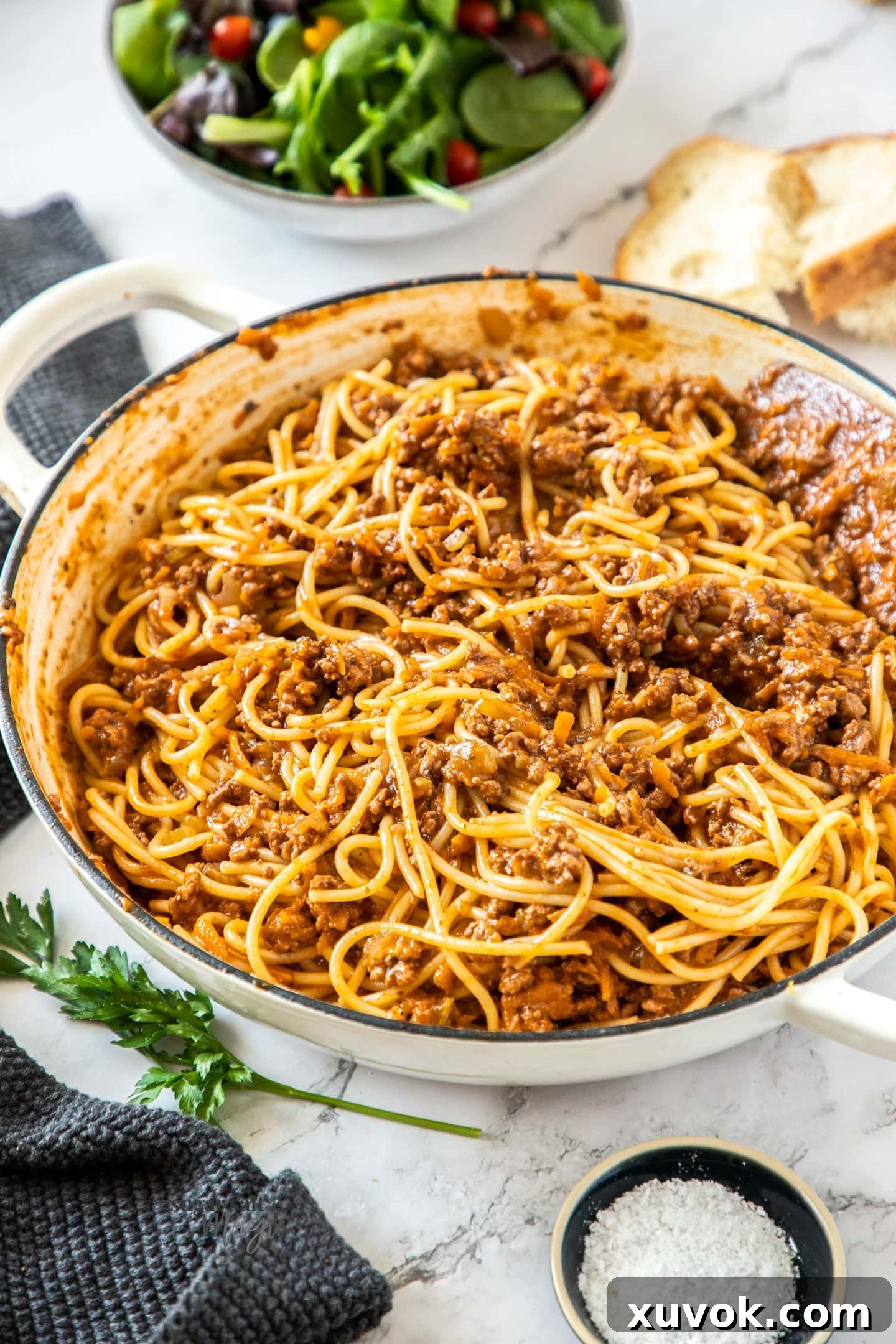
For many, the mere mention of spaghetti bolognese evokes images of warmth, comfort, and hearty satisfaction. It’s a culinary classic, revered worldwide as the quintessential comfort food. If you’re on the hunt for a truly exceptional rendition of this beloved dish, one that delivers an unparalleled depth of flavor and a wonderfully rich texture, then your search ends here. This recipe for authentic ragu bolognese promises to transform your weeknight meals and special occasions alike, leaving you utterly captivated and perhaps, forever “ruined” for any other version.
Our carefully crafted ragu bolognese boasts a robust flavor profile, achieved through a harmonious blend of quality ingredients and a patient cooking process. Every strand of al dente spaghetti is lusciously coated in a thick, savory sauce, making each bite an unforgettable experience. What’s more, this versatile recipe offers flexibility to suit your schedule. Whether you need a satisfying meal ready in about an hour for a busy weeknight or prefer to let it simmer low and slow for up to two hours to coax out the most profound flavors and achieve incredibly tender meat, this recipe delivers.
If you’re a fan of comforting pasta dishes, you’ll also adore our beef shin ragu with pappardelle. And for those who, like us, cherish easy and delicious pasta creations, don’t miss out on this vibrant chicken basil pesto pasta, the fiery kick of spaghetti arrabbiata, or the delicate seafood indulgence of this Venetian crab linguine. Each offers a unique take on pasta perfection.
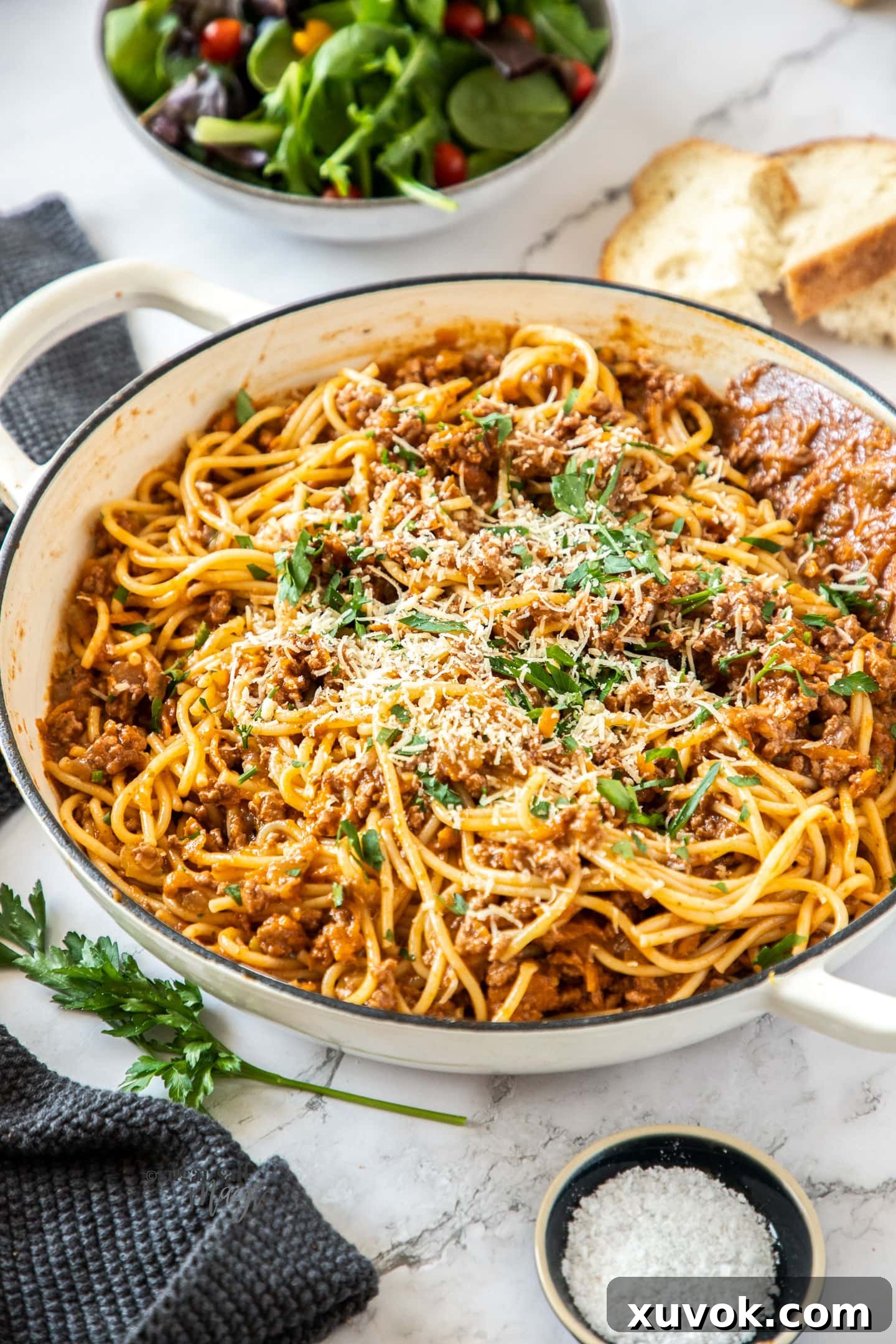
Table of Contents
- Unveiling the True Bolognese: Ragu vs. Spaghetti Bolognese
- Key Ingredients for the Perfect Spaghetti Bolognese
- Choosing the Right Tomatoes for an Unbeatable Sauce
- Crafting the Best Spaghetti Bolognese: A Step-by-Step Guide
- Expert Tips and Tricks for Bolognese Mastery
- Prepare Ahead: The Benefits of Making Bolognese in Advance
- Perfect Pairings: What to Serve with Spaghetti Bolognese
- More Hearty Pasta Recipes You’ll Love
Never Miss a Recipe!
Get the latest recipes straight to your inbox and elevate your home cooking!
Unveiling the True Bolognese: Ragu vs. Spaghetti Bolognese
The comforting dish we commonly refer to as “spaghetti bolognese” is, in fact, a delicious Anglo-Italian adaptation rather than a strictly traditional Italian creation. While deeply loved across the globe, it diverges from its Italian ancestor, Ragu alla Bolognese. Like many cherished recipes, this dish has undergone a delightful evolution over centuries, adapting to local ingredients, culinary preferences, and available resources.
At its heart, “Bolognese” originates from Bologna, a city nestled in Italy’s Emilia-Romagna region, renowned for its rich culinary heritage. “Ragu” simply means a meat-based sauce. Therefore, Ragu alla Bolognese is Bologna-style meat sauce. The authentic Italian version of this ragu would traditionally be served with broader, flatter pasta shapes like tagliatelle, pappardelle, or even short pasta like rigatoni, designed to better cradle the thick, robust sauce. The idea of pairing it with thin spaghetti, while popular and undeniably delicious, is largely a non-Italian invention – though it’s certainly harder to imagine Lady and the Tramp sharing tagliatelle!
My own journey to perfect this spaghetti bolognese recipe has been a flavorful adventure, culminating in a version that strikes a beautiful balance. It embraces the rich, slow-cooked essence of a traditional Bolognese ragu while offering that familiar, hearty comfort that makes “spag bol” so universally appealing. This recipe, I promise you, is seriously the best spaghetti Bolognese you’ll taste. It combines the deep, complex flavors you’d expect from an authentic Italian ragu with the convenience and satisfying appeal of a classic family favorite. Once you try this blend of tradition and comfort, you’ll understand why it’s become my go-to, never-changing recipe.
Key Ingredients for the Perfect Spaghetti Bolognese
At its very core, a truly outstanding Bolognese is a meticulously crafted meat sauce, built upon a foundation of aromatic vegetables, savory meat, rich tomato, and a splash of red wine. My recipe meticulously brings these elements together, ensuring each ingredient plays its part in creating a harmonious and unforgettable flavor profile.
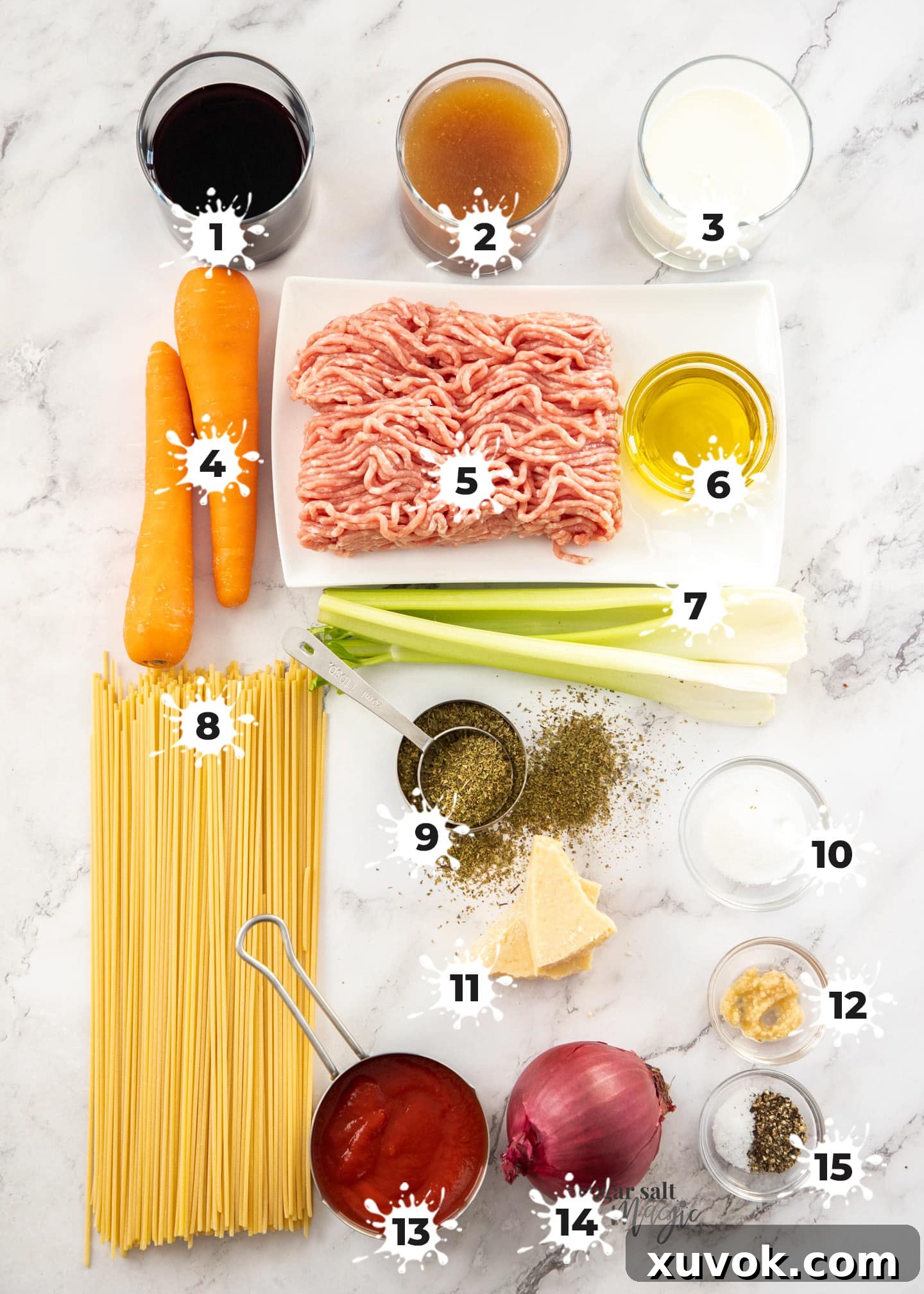
For detailed quantities and step-by-step instructions, please refer to the recipe card below.
- Onion, Celery, Carrot (Soffritto): These three humble vegetables form the holy trinity of Italian cuisine, known as “soffritto.” Finely diced and gently sautéed, they create the aromatic foundation upon which the entire sauce is built. This slow cooking process extracts their natural sweetness and complex flavors, providing a depth that is essential to an authentic ragu.
- Meat: For the ultimate richness and tender texture, a combination of ground pork and beef (or veal) is highly recommended. The pork adds a wonderful moisture and sweetness, while the beef contributes a robust, meaty flavor. This blend ensures a multi-layered taste that single-meat versions simply can’t achieve.
- Tomato: Forget watery canned tomatoes for this recipe. Thick tomato puree (often known as passata in Australia and parts of Europe, or sometimes tomato sauce in the US) is the secret weapon here. It delivers a concentrated, vibrant tomato flavor without diluting the sauce’s luxurious thickness, ensuring every strand of pasta is perfectly coated. (See a more detailed discussion below.)
- Oregano and Garlic: While perhaps not universally traditional in every regional Bolognese ragu, a touch of dried oregano and freshly crushed garlic adds an undeniable layer of savory warmth and aromatic complexity that many have come to love in their spaghetti bolognese. They enhance the overall bouquet without overpowering the other flavors.
- Sugar, Salt, and Pepper: These are the fundamental seasonings. The small amount of sugar isn’t to sweeten the sauce, but rather to expertly balance the acidity of the tomatoes and round out the savory notes, creating a more mellow and harmonious flavor. Salt and freshly ground black pepper are crucial for bringing all the flavors to life.
- Red Wine: An integral component of a good Bolognese, red wine adds a sophisticated depth and complexity. Don’t worry if you’re not a wine drinker; the alcohol completely evaporates during the cooking process, leaving behind only its rich, nuanced flavor. It’s crucial to use a good quality, dry red wine – one you’d enjoy drinking yourself. A mid-range, full-bodied variety is ideal; avoid the cheapest options, as their flavor will noticeably impact the final dish.
- Beef Stock and Milk: Beef stock provides a rich, umami base, intensifying the meaty flavors. The addition of whole milk might seem unusual, but it performs a vital double duty: it tenderizes the meat fibers, making them incredibly succulent, and also adds an extra layer of creamy body and richness to the sauce, creating a silkier texture.
- Parmesan: Essential for topping your finished Bolognese. Please, for the sake of flavor and texture, use real Parmesan cheese (Parmigiano Reggiano) in block form and grate it yourself just before serving. The intense, nutty, salty flavor and superior texture of freshly grated Parmesan are worlds apart from pre-grated, shelf-stable versions. It’s worth the slightly higher price for the immense difference it makes.
- Pasta: While spaghetti is the popular choice for “spaghetti bolognese,” a truly traditional Italian ragu is often served with thicker, flatter pasta like tagliatelle or pappardelle, which are better suited to clinging to the rich, hearty meat sauce. For this recipe, however, we embrace the beloved spaghetti, ensuring it’s cooked perfectly al dente.
Choosing the Right Tomatoes for an Unbeatable Sauce
The choice of tomato product is absolutely critical to achieving the desired richness and texture in your spaghetti bolognese. Many recipes call for canned diced or crushed tomatoes, but I’ve found that these tend to significantly water down the sauce, resulting in a less intense flavor and a thinner consistency that doesn’t properly cling to the pasta.
For this recipe, the star of the show is **tomato puree**, often referred to as **passata** in Australia, the UK, and many European countries. In some regions of the US, it might simply be labeled as “tomato sauce,” but it’s important to differentiate it from heavily seasoned, thinner tomato sauces. True tomato puree or passata is a thick, velvety sauce made from strained and pureed ripe tomatoes, with nothing added but pure, concentrated tomato flavor.
Why is passata/tomato puree the superior choice for this bolognese? It provides a perfectly robust, intensely tomatoey flavor right from the start. More importantly, its naturally thick consistency ensures that your finished ragu is lush, rich, and “lip-smacking” – coating every single strand of spaghetti beautifully. Unlike canned diced tomatoes, which can break down unevenly and release excess liquid, passata integrates seamlessly into the sauce, contributing to its luxurious body and deep color. This thoughtful selection of tomato product is a key factor in elevating this recipe from good to truly exceptional.
Crafting the Best Spaghetti Bolognese: A Step-by-Step Guide
Making a truly remarkable spaghetti bolognese at home is far simpler than you might imagine, requiring just two main pots – one for your rich sauce and one for your perfectly cooked pasta. With only about 15-20 minutes of active preparation time, the majority of the magic happens as the sauce gently simmers, allowing flavors to deepen and meld. Let’s walk through the process to achieve Bolognese perfection.
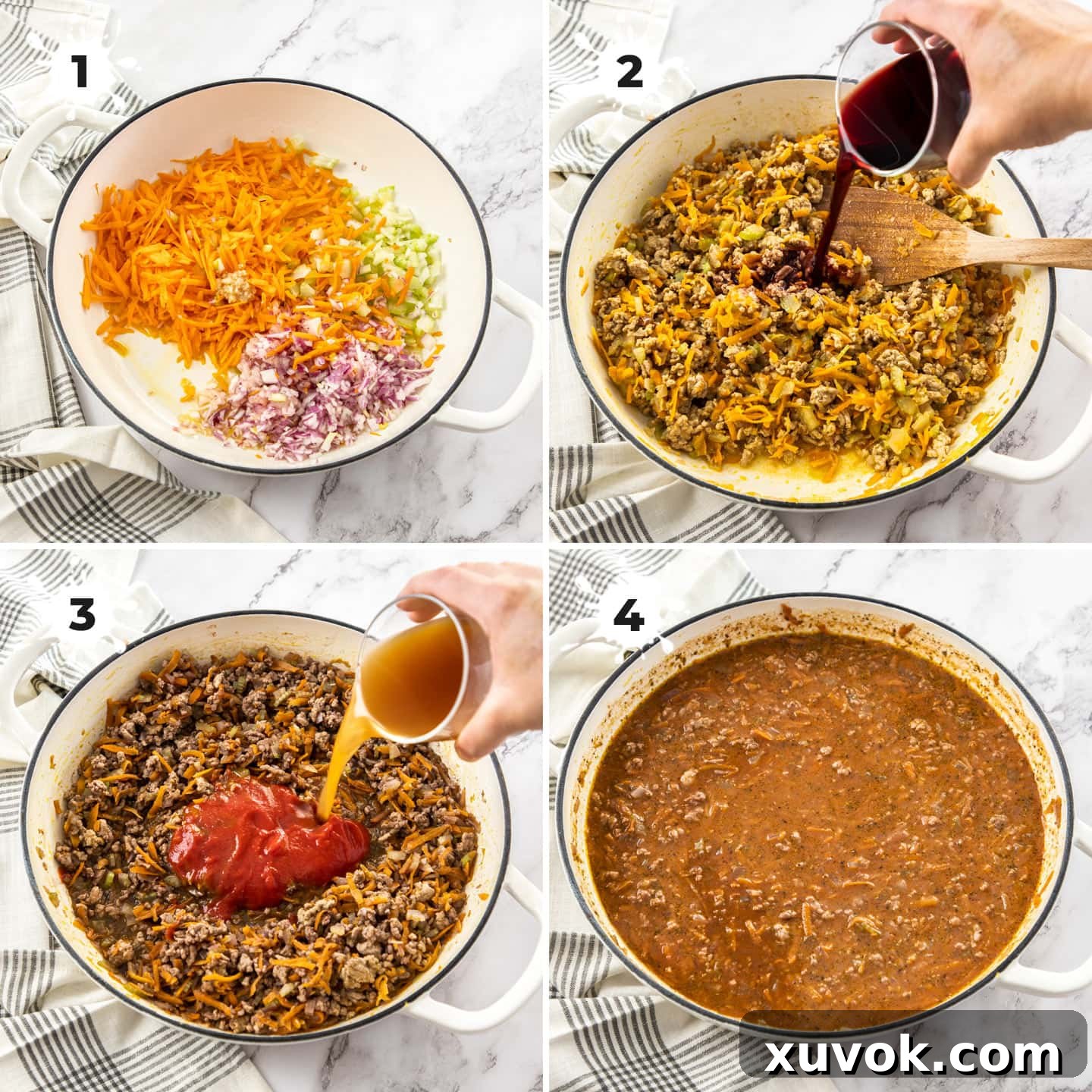
For detailed quantities and step-by-step instructions, please refer to the recipe card below.
- The journey begins with the soffritto – gently sweating down your finely chopped onions, celery, and carrots in a large, heavy-based pan or Dutch oven. This initial step is crucial; cook them until they are wonderfully softened and translucent, around 5 minutes, allowing their natural sweetness to develop without browning them (image 1). This lays the foundational layer of flavor for your rich ragu.
- Next, increase the heat slightly and add your combined ground pork and beef along with the crushed garlic. Break up the meat with the back of a spoon and stir continuously until it has completely browned. This browning creates deep, savory notes through the Maillard reaction, which is essential for a rich, complex sauce.
- Once the meat is beautifully browned, pour in the red wine. Bring it to a rolling boil for about a minute, stirring frequently and scraping up any delicious browned bits (fond) from the bottom of the pan. This process, known as deglazing, adds incredible depth and complexity to the sauce, incorporating all those concentrated flavors back into the dish (image 2).
- After the wine has reduced, you’ll add the remaining ingredients: the thick tomato purée, rich beef stock, dried oregano, a touch of sugar (to balance acidity), fresh black pepper, salt, and the whole milk. Stir everything thoroughly to combine (images 3 & 4). Now comes the crucial simmering stage, and here you have two excellent options to suit your needs – the quick weeknight method or the profoundly flavorful low and slow approach.
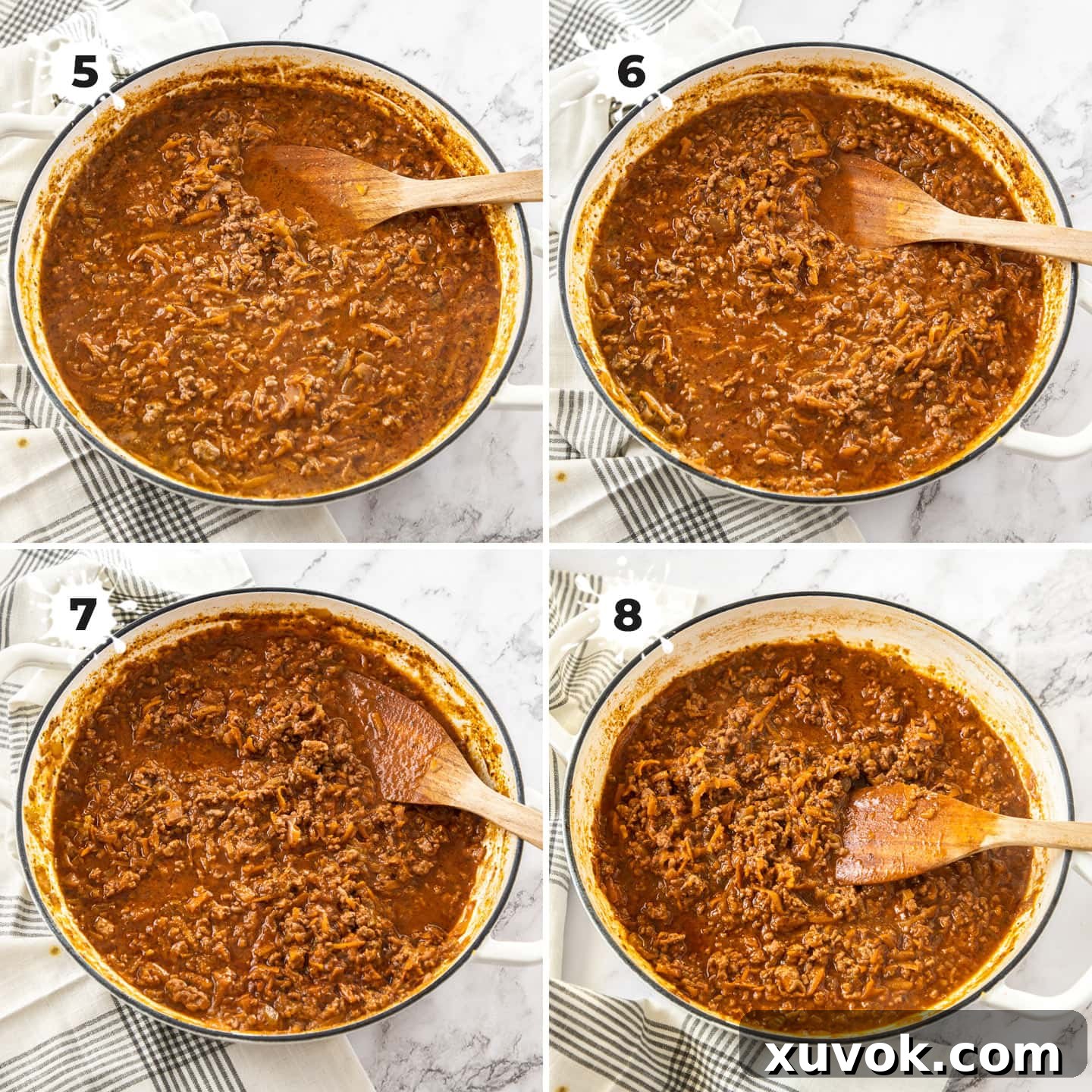
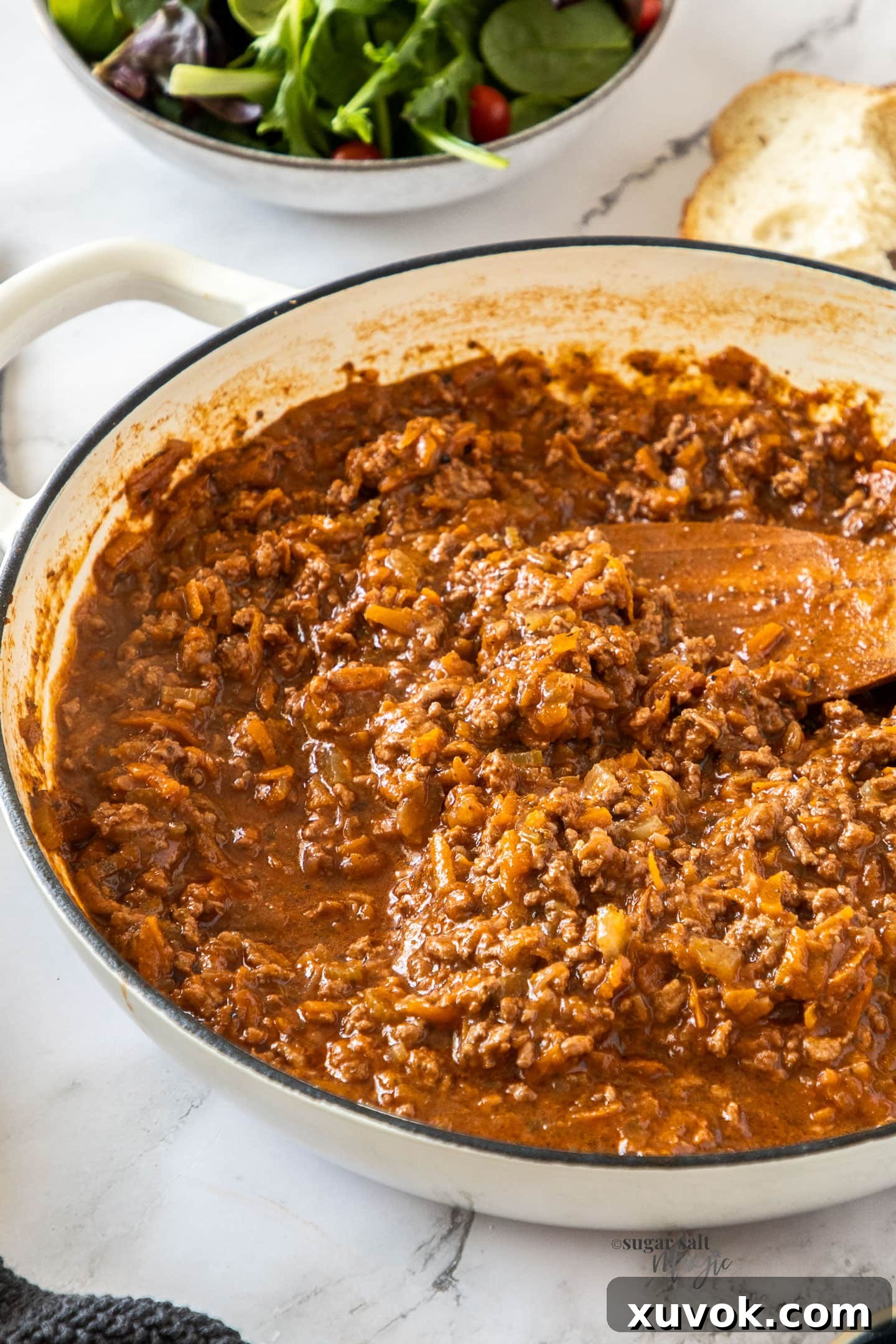
- The Slow Cook Method (Recommended for Best Flavor): For an unparalleled depth of flavor and incredibly tender meat, reduce the heat to a very low simmer. Cover the pan with the lid slightly ajar, allowing some steam to escape while preventing too much reduction. Let it gently simmer for 1 ½ to 2 hours, stirring occasionally. This patient cooking allows the ingredients to meld beautifully, creating a rich, complex, and deeply satisfying ragu. Observe its transformation over time: after ½ an hour (image 5), after 1 hour (image 6), after 1 ½ hours (image 7), and finally after 2 hours (image 8), notice how the color darkens and the sauce thickens into a luxurious consistency.
- The Quick Weeknight Method: If time is of the essence, you can cook the sauce uncovered on a slightly higher simmer for just half an hour. While this won’t achieve the same depth of flavor or tenderness as the longer cook, it still yields a wonderfully delicious and satisfying meal perfect for busy evenings.
- Just before your sauce is ready, bring a large pot of generously salted water to a rolling boil. Add your spaghetti and cook it according to package directions until it’s perfectly al dente – tender but with a slight bite.
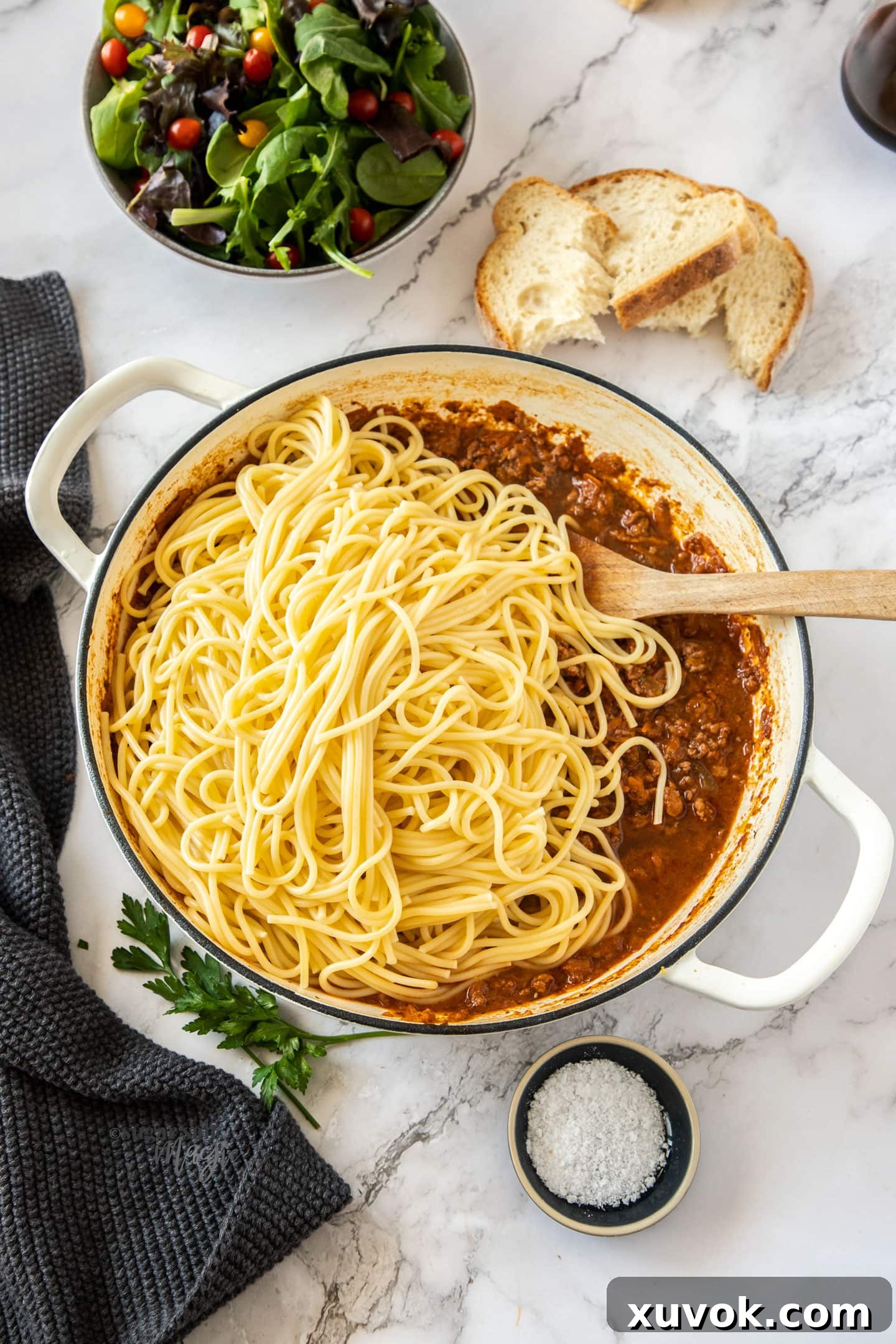
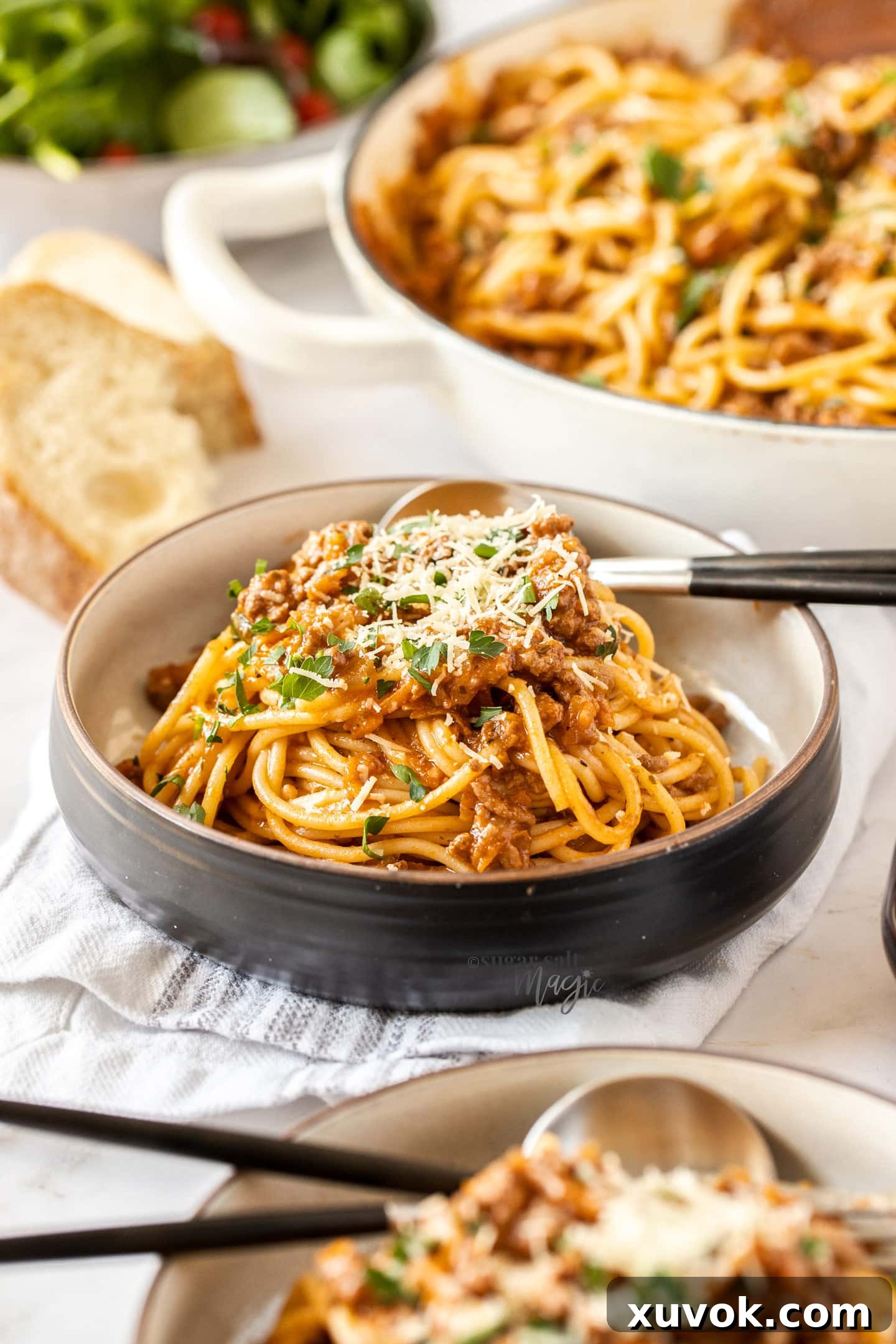
- Once drained (remembering to reserve some pasta water!), transfer the spaghetti directly into the pan with your bolognese sauce. Toss everything together vigorously, allowing the pasta to absorb some of that incredible flavor. If the sauce seems a little too thick, add a tablespoon or two of the reserved pasta water to achieve your desired consistency. Serve immediately in warm bowls, and don’t forget a generous sprinkle of freshly grated Parmesan cheese and a few fresh basil leaves.
Expert Tips and Tricks for Bolognese Mastery
- Choose the Right Pan: Always use a very large, heavy-based pan or a Dutch oven to cook your bolognese sauce. This provides ample surface area for browning the meat and evaporating liquids, which concentrates flavors. A large pan also gives you plenty of room to toss the cooked pasta directly into the sauce before serving, ensuring every strand is thoroughly coated.
- Master the Simmer: When simmering the sauce, ensure it’s on the absolute lowest heat setting possible. The lid should be slightly ajar. This gentle simmer prevents the sauce from scorching and allows it to slowly reduce and thicken without excessive evaporation, preserving all those precious flavors and juices. A rapid boil will dry out your sauce and toughen the meat.
- The Magic of Pasta Water: Don’t forget to reserve at least half a cup of the starchy pasta water before draining your spaghetti. This starchy liquid is a chef’s secret weapon. It’s incredibly useful for thinning the sauce to your preferred consistency if it becomes too thick, and more importantly, the starch helps the sauce emulsify and beautifully cling to the pasta, creating a silkier, richer finish.
- Taste and Adjust Seasoning: Throughout the cooking process, particularly towards the end of the simmering, make sure to taste your sauce. Seasoning is a personal preference. Add more salt, pepper, or even a pinch more sugar if needed to achieve that perfect balance of flavors.
- Quality Ingredients Matter: The richness of your bolognese heavily depends on the quality of your ingredients. Invest in good quality ground meat (a blend of pork and beef is ideal), a decent dry red wine, and fresh Parmigiano Reggiano. These choices will significantly elevate the final taste.
Seeking an even easier pasta sauce for a super quick meal? Try this Easy Homemade Pasta Sauce. Or perhaps a delicious meatless version ready in under 30 minutes? This vibrant pasta napolitana is the perfect speedy solution for a satisfying vegetarian option.
Prepare Ahead: The Benefits of Making Bolognese in Advance
One of the many wonderful qualities of a robust Bolognese sauce is that it absolutely benefits from being made ahead of time. In fact, the flavor actually deepens and develops even further after 1 or 2 days in the refrigerator. This phenomenon occurs as the various ingredients have more time to meld and harmonize, creating a richer and more complex taste profile. This makes Bolognese an ideal dish for meal prepping or entertaining, as much of the work can be done well in advance.
You can prepare the entire sauce a couple of days ahead of your planned meal. After it has finished simmering, allow it to cool completely at room temperature before transferring it to an airtight container and refrigerating. When you’re ready to serve, simply reheat the sauce gently on the stovetop and cook fresh pasta just before serving.
Bolognese sauce also freezes exceptionally well, making it a fantastic candidate for batch cooking. Store the cooled sauce in an airtight freezer-safe container or a heavy-duty ziplock bag (ensuring all air is pressed out) for up to three months. Thaw overnight in the refrigerator and reheat thoroughly. This convenient make-ahead option means you can enjoy a delicious, homemade meal even on your busiest nights.
If you love comforting pasta dishes that can be prepared in advance, this meatball pasta bake is another excellent recipe to add to your repertoire.
Perfect Pairings: What to Serve with Spaghetti Bolognese
While a generous bowl of hearty spaghetti bolognese is a magnificent meal in itself, there are several classic accompaniments that can elevate the dining experience even further. The richness of the ragu pairs beautifully with fresh, crisp sides that offer a welcome contrast in texture and flavor.
A simple side salad of fresh, vibrant greens is always a perfect complement. You can dress it lightly with the bright and tangy vinaigrette from this recipe to cut through the richness of the meat sauce. For those who appreciate a more substantial side, garlic bread is an undeniable classic with bolognese. Its savory, buttery crunch is ideal for soaking up every last drop of that delectable sauce. Alternatively, a rustic loaf of crusty bread or even some indulgent sizzler cheese toast will serve the same delightful purpose, ensuring no precious bit of ragu goes to waste. A sprinkle of fresh basil leaves on top of your pasta, along with that essential Parmesan, adds a final burst of freshness and color.
More Hearty Pasta Recipes You’ll Love
If you’ve fallen in love with the comforting flavors of this spaghetti bolognese, you’re in for a treat! Our collection of pasta recipes offers a wide array of hearty and satisfying dishes perfect for any occasion. Explore more culinary adventures with these delightful options:
- Rigatoni al Forno: A baked pasta dish with a rich sauce and cheesy topping.
- Classic Lasagna: Layers of pasta, meat sauce, and creamy béchamel, baked to perfection.
- Homemade Italian Meatballs: Tender and flavorful, perfect with any pasta.
- Chicken Lasagna with Spinach and Mushrooms: A lighter, yet equally satisfying lasagna variation.
- One Pan Chicken Pesto Pasta Bake: An incredibly easy and flavorful weeknight wonder.
- Greek Pastitsio: A comforting baked pasta dish with a spiced meat sauce and creamy topping.
- Mini Lasagna Cupcakes: A fun, portion-controlled take on classic lasagna.
- Weeknight Meatball Stroganoff: A creamy and satisfying dish ready in no time.
Did you try this spaghetti bolognese recipe?
Leaving a rating and comment below the recipe is so helpful!
Hungry for more? Subscribe to the newsletter for free recipes straight to your inbox. Also, follow along on Facebook, Pinterest and Instagram.
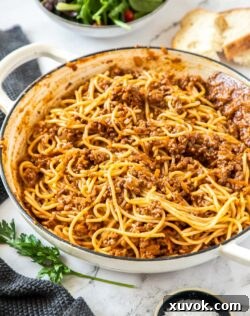
The Best Spaghetti Bolognese
Rate
Pin
Ingredients
- 2 tablespoon extra-virgin olive oil (notes)
- 1 medium onion, finely chopped
- 3 medium celery stalks, finely chopped
- 2 medium carrots, grated
- 1 clove garlic crushed
- 500 g combined pork and beef mince (ground pork and ground beef) (17.6oz) (notes)
- ⅔ cup red wine (not sweet wine) (160ml)
- 1 ½ cups tomato purée (passata)
- 1 cup beef stock (beef broth)
- 1 tablespoon dried oregano (notes)
- 2 teaspoons sugar
- 1 teaspoon freshly ground black pepper
- ½ teaspoon salt
- ⅔ cup whole milk (160ml)
- 400 g dry spaghetti (14oz)
- Finely grated Parmesan cheese, for serving
- handful chopped fresh basil leaves, for serving
For the most accurate results, always weigh ingredients where a weight is provided.
Instructions
-
Heat the extra-virgin olive oil in a very large, heavy-based pan or Dutch oven over medium-high heat. Add the finely chopped garlic, onions, celery, and carrots (your soffritto). Sauté these vegetables gently for approximately 5 minutes, or until they are completely softened and translucent but not browned, establishing a sweet, aromatic base for your sauce.
-
Add the combined ground pork and beef mince to the pan. Cook, stirring frequently and breaking up the meat with the back of a spoon, until the meat is thoroughly browned and no pink remains. This step is vital for developing rich, savory flavors.
-
Pour in the red wine. Bring the mixture to a brisk boil for 1 minute, stirring constantly and scraping up any delicious browned bits (fond) from the bottom of the pan. This deglazing process incorporates incredible depth into the sauce.
-
Stir in the tomato purée and beef stock. Bring the sauce to a gentle simmer, ensuring all ingredients are well combined.
-
Now, add the remaining seasonings and liquids: dried oregano, sugar (to balance acidity), freshly ground black pepper, salt, and the whole milk. Stir everything together thoroughly to ensure all flavors are evenly distributed.
-
Reduce the heat to its lowest setting. Cover the pan with the lid slightly ajar (to allow a little steam to escape) and let the sauce gently simmer, stirring occasionally, for 1 ½ – 2 hours. This slow cooking is key to developing its incredible flavor and tenderizing the meat. For a quicker option, simmer uncovered on slightly higher heat for 30 minutes. Always check the seasoning towards the end and adjust with more salt and pepper to taste if required.
-
While the bolognese sauce is finishing, bring a large pot of water to a rolling boil. Season generously with salt, then add the spaghetti. Cook, stirring occasionally to prevent sticking, until the pasta is perfectly al dente according to package instructions.
-
Before draining the spaghetti, reserve about ½ cup of the starchy pasta water. This liquid is invaluable for adjusting the sauce’s consistency later. Then, drain the spaghetti thoroughly.
-
Add the drained spaghetti directly to the pan containing the bolognese sauce. Toss everything vigorously to ensure every strand of pasta is lusciously coated in the rich ragu. If the sauce appears too thick, stir in some of the reserved pasta water, one tablespoon at a time, until it reaches your desired consistency. Divide the pasta among warm plates, then finish with a generous sprinkle of freshly grated Parmesan cheese and a handful of chopped fresh basil leaves. Serve immediately.
-
We would love to hear from you! Please take a moment to leave a comment & rating below. Your feedback is greatly appreciated and incredibly helpful to us.
Notes
- Please note that I use a standard Australian 20ml tablespoon for all measurements in this recipe.
- Meat Selection: For the most flavorful and tender ragu, we highly recommend using a mixture of ground pork and beef. A common ratio is 250g of each, but feel free to adjust slightly based on preference.
- Make Ahead Benefits: This ragu is an ideal make-ahead dish! You can prepare the entire sauce up to 2 days in advance. Once it has finished simmering for the recommended 1 ½ to 2 hours, allow it to cool completely and uncover it in the refrigerator. Once chilled, cover tightly and simply reheat gently in a pot on the stovetop when you’re ready to serve, then cook fresh pasta.
- Freezing Instructions: Bolognese sauce freezes beautifully. Store the cooled sauce in an airtight container or a heavy-duty ziplock bag (ensuring all air is pressed out) in the freezer for up to 3 months. Thaw overnight in the refrigerator before reheating.
- Simmer Time Flexibility: While you can shorten the simmer time to a minimum of 30 minutes for a quick weeknight meal, please note that the absolute best flavor development and most tender meat will be achieved by allowing the sauce to slowly cook for the full 1 ½ – 2 hours. The longer simmer allows the flavors to truly meld and deepen.
More Information
These links will take you up to the post for more detailed explanations – just scroll down again to easily get back to the full recipe card.
- Which tomatoes to use for the best results
- Step-by-step photos to guide your cooking process
- Essential tips and tricks for a perfect bolognese
- Advantages of preparing your bolognese in advance
- Ideas for what to serve alongside your delicious spaghetti bolognese
EXPLORE MORE PASTA RECIPES
Calories from Fat 216
See the Spaghetti Bolognese Web Story