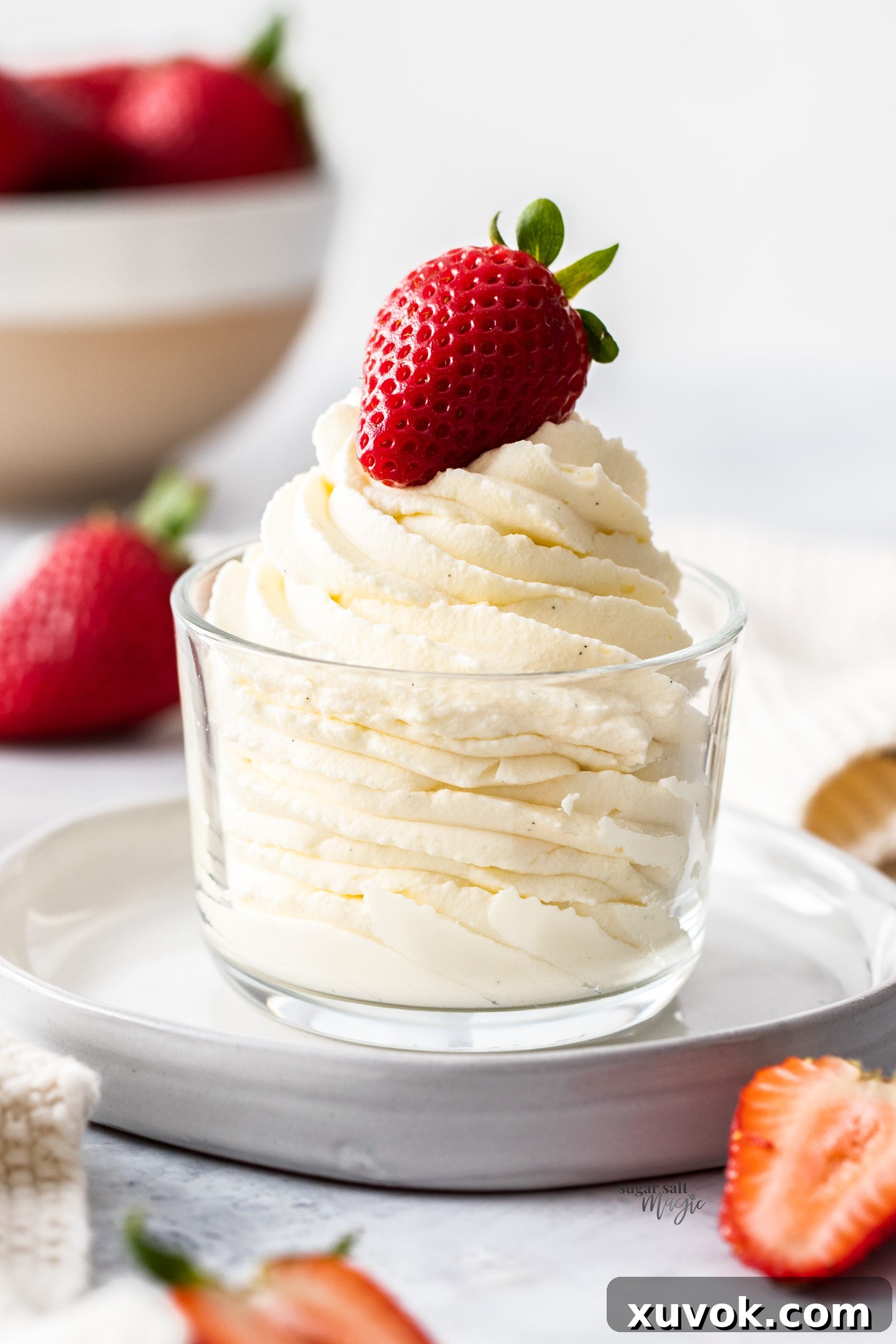
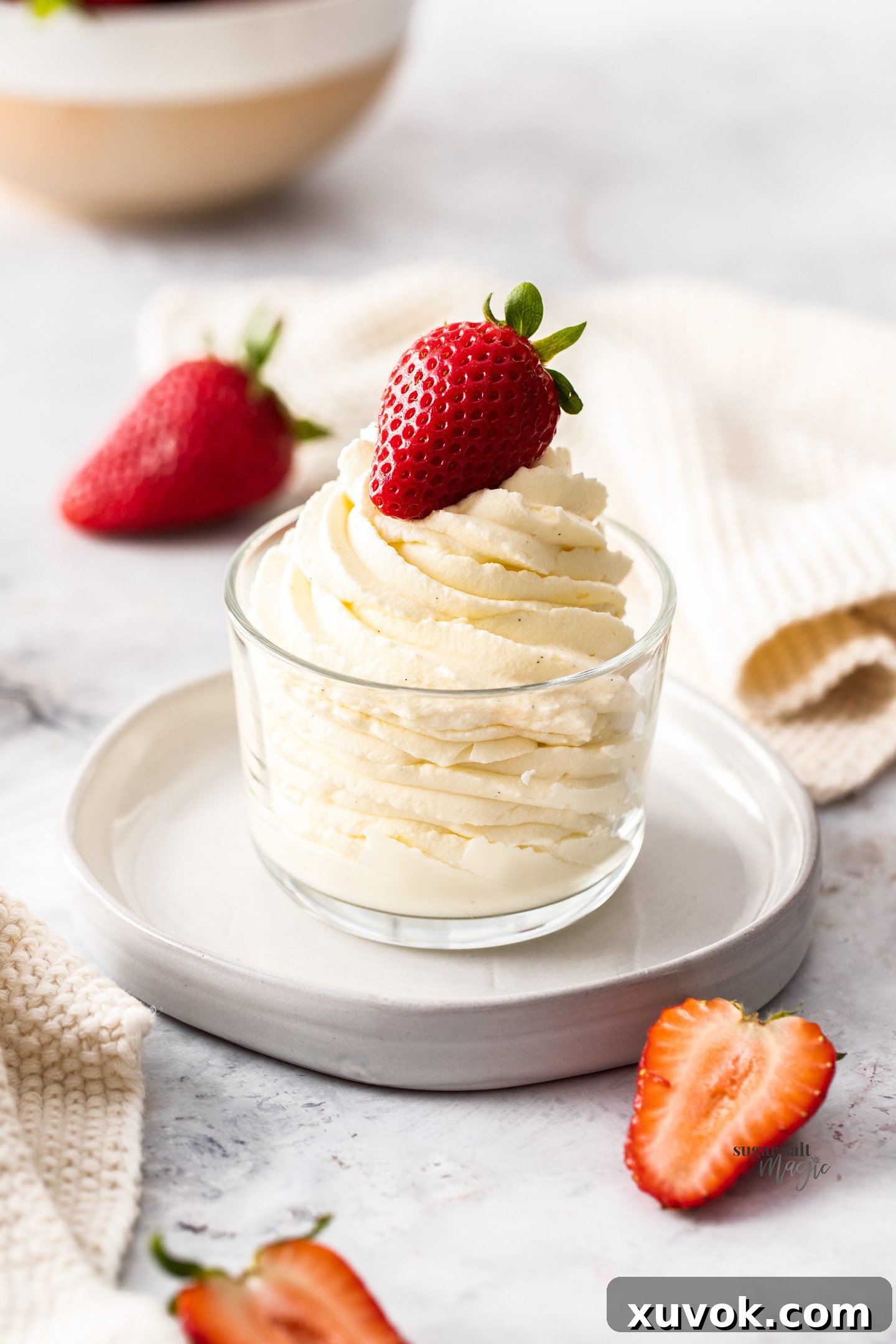
Welcome to the enchanting world of Chantilly cream, a quintessential French delight that promises to elevate any dessert or sweet treat. Imagine a cloud-like confection that is incredibly **fluffy, light, airy, and truly melts in your mouth**. This vanilla-infused whipped cream isn’t just a simple topping; it’s a culinary masterpiece that transforms ordinary dishes into extraordinary experiences. Whether you’re adorning a delicate sponge cake, serving it alongside warm scones, or adding a touch of elegance to your French toast, Chantilly cream is the ultimate companion.
- Experience an **incredible taste** that will undeniably elevate your desserts to a new level of sophistication.
- Achieve the perfect **creamy, dreamy texture** that is both rich and ethereal.
- Enjoy the convenience of a recipe that is **quick and easy** to prepare, ideal for last-minute indulgences.
- Craft this delightful cream using just **3 simple ingredients**, and have it ready in mere minutes.
There’s a special magic to homemade Chantilly cream. Its unparalleled flavor profile and luxurious texture are simply sublime, offering a wonderful way to finish off a dessert or even enhance a sweet breakfast spread. When prepared with the right quality cream, it boasts remarkable stability, holding its elegant shape beautifully for at least an overnight stay in the refrigerator, ensuring your culinary creations remain picture-perfect.
Are you eager to explore more classic French confections? Delve into the rich, custard-like indulgence of crème patissiere (pastry cream) or savor the silken smoothness of crème anglaise, each offering a unique taste of French culinary heritage.
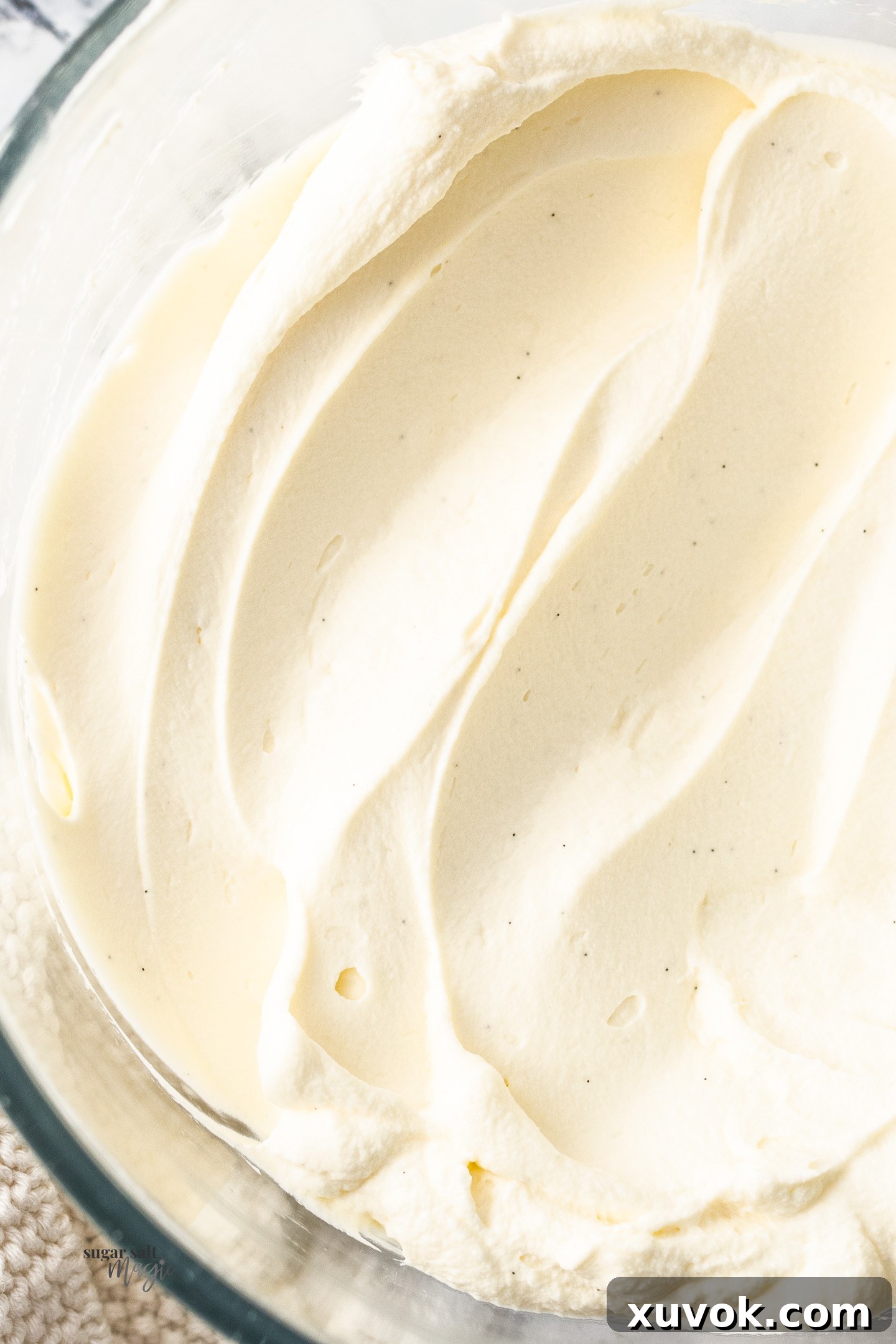
Table of Contents
- What is Chantilly Cream?
- Whipped Cream vs. Chantilly Cream
- The Simple Ingredients of Chantilly Cream
- How to Make Chantilly Cream (Step-by-Step)
- Essential Equipment
- The Whipping Process
- Soft or Firm Peaks: A Guide to Consistency
- Expert Tips and Troubleshooting
- Delightful Variations on Chantilly Cream
- Versatile Uses for Chantilly Cream
- Understanding Yield and Scaling
- Proper Storage for Chantilly Cream
- Frequently Asked Questions (FAQ)
- More Dessert Recipes You’ll Love
Never Miss a Recipe!
Get the latest recipes straight to your inbox and unlock a world of sweet and savory inspiration.
Sign up for our newsletter to receive delicious recipes directly to your inbox!
What is Chantilly Cream? A French Classic Explained
Chantilly cream, often referred to as crème Chantilly, is far more than just sweetened whipped cream. It’s a hallmark of French patisserie, a symbol of culinary elegance and simplicity. At its core, it’s fresh cream that has been whipped until light and airy, then delicately sweetened with sugar and infused with the aromatic essence of vanilla. This beloved French classic is incredibly versatile, gracing everything from delicate fruit tarts and rich chocolate cakes to light-as-air pastries. It can be used as a luscious filling for delicate choux pastry, a dollop of pure bliss atop a fresh fruit medley, or even as a decadent finishing touch for a comforting mug of hot chocolate. The beauty of Chantilly cream lies in its ability to transform any dessert into a gourmet experience, all while being remarkably simple to prepare, requiring no more effort than making basic whipped cream from scratch.
The name “Chantilly” itself evokes images of French sophistication, originating from the Château de Chantilly, north of Paris, where it’s believed to have been popularized during the 17th or 18th century, becoming synonymous with luxurious desserts.
Whipped Cream vs. Chantilly Cream: Understanding the Distinction
The terms “whipped cream” and “Chantilly cream” are often used interchangeably, but there’s a subtle yet significant difference that culinary purists appreciate. Fundamentally, whipped cream is simply heavy cream that has been aerated by whisking until it becomes light and fluffy. In many regions, particularly where I’m from, “regular” whipped cream is often prepared without any added sweeteners or flavorings, allowing the pure, rich taste of the dairy to shine through. It’s raw, unadulterated cream, transformed by air.
Chantilly cream, on the other hand, takes this simple concept and elevates it. The defining characteristic of Chantilly is the intentional addition of both **sugar and vanilla** during the whipping process. This combination not only sweetens the cream but also imbues it with a distinctive, aromatic flavor that sets it apart. The sugar helps stabilize the cream, giving it a longer-lasting structure, while the vanilla provides that classic, comforting aroma and taste profile. So, while all Chantilly cream is whipped cream, not all whipped cream is Chantilly cream. The latter implies a deliberate flavoring and sweetening for a more refined and classic dessert component.
The Simple Ingredients of Chantilly Cream: Quality Matters
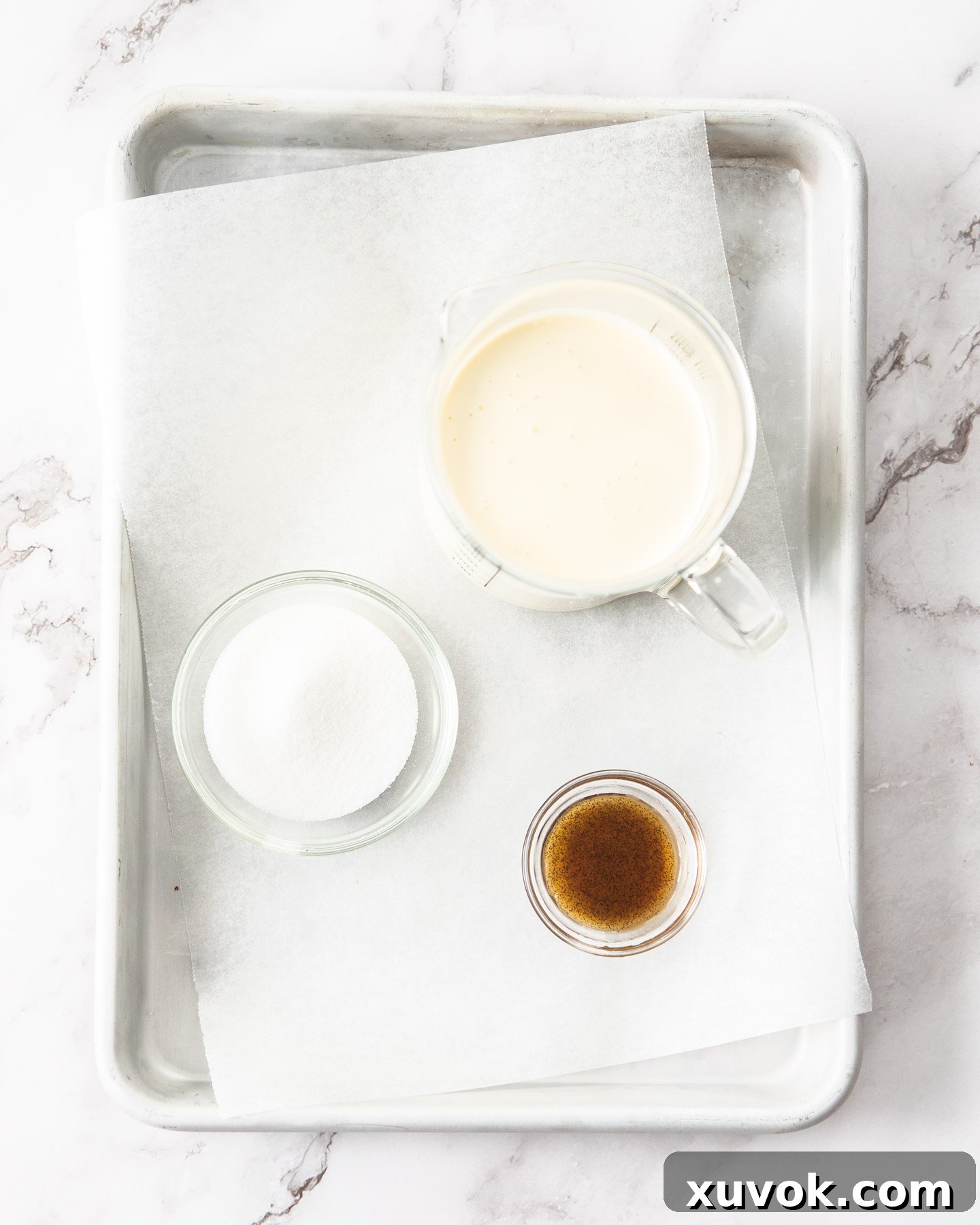
Crafting perfect Chantilly cream begins with understanding the role of each of its three fundamental ingredients. While simple, their quality and type are crucial for achieving that signature light, airy, and stable texture. For precise quantities and detailed instructions, please refer to the recipe card below.
- Heavy Cream (Thickened/Whipping Cream): This is the star of the show. You absolutely need cream with a high milk fat content, ideally at least 35%. Around the world, this is known by various names such as heavy cream, heavy whipping cream, thickened cream (common in Australia and New Zealand), or simply whipping cream. The key is that it must be **full-fat**. Lower fat creams, like light cream or half-and-half, lack the necessary fat molecules to trap air effectively, and thus will not whip properly or hold their shape. The colder the cream, the better it whips, so ensure it’s straight from the refrigerator.
- Sugar: Traditionally, classic French crème Chantilly uses **caster sugar**, also known as superfine sugar. This type of sugar is granulated more finely than regular granulated sugar, allowing it to dissolve quickly and seamlessly into the cream without leaving a gritty texture. While caster sugar is preferred for its smooth integration, powdered sugar (icing sugar) can also be used, especially if you want to ensure there’s absolutely no graininess and a touch of extra stability, as it often contains cornstarch. Avoid using coarse granulated sugar as it may not dissolve completely. The amount of sugar can be adjusted to your personal preference for sweetness.
- Vanilla: Vanilla is the heart of Chantilly cream’s flavor. It is paramount to use **pure vanilla extract** for the best taste. Artificial vanilla flavoring simply won’t yield the same depth and richness. For an authentic and visually appealing touch, many prefer using vanilla beans scraped directly from a vanilla pod or a high-quality **vanilla bean paste**. Vanilla bean paste is an excellent compromise, as it includes the tiny, beautiful flecks of vanilla bean that give Chantilly cream its classic speckled appearance, alongside a concentrated pure vanilla flavor. These flecks not only add aesthetic appeal but also signal a superior ingredient choice.
The synergy of these three high-quality ingredients, properly chilled and skillfully whipped, results in the ethereal and beloved Chantilly cream that has graced countless desserts for centuries.
How to Make Chantilly Cream: Your Guide to Perfection
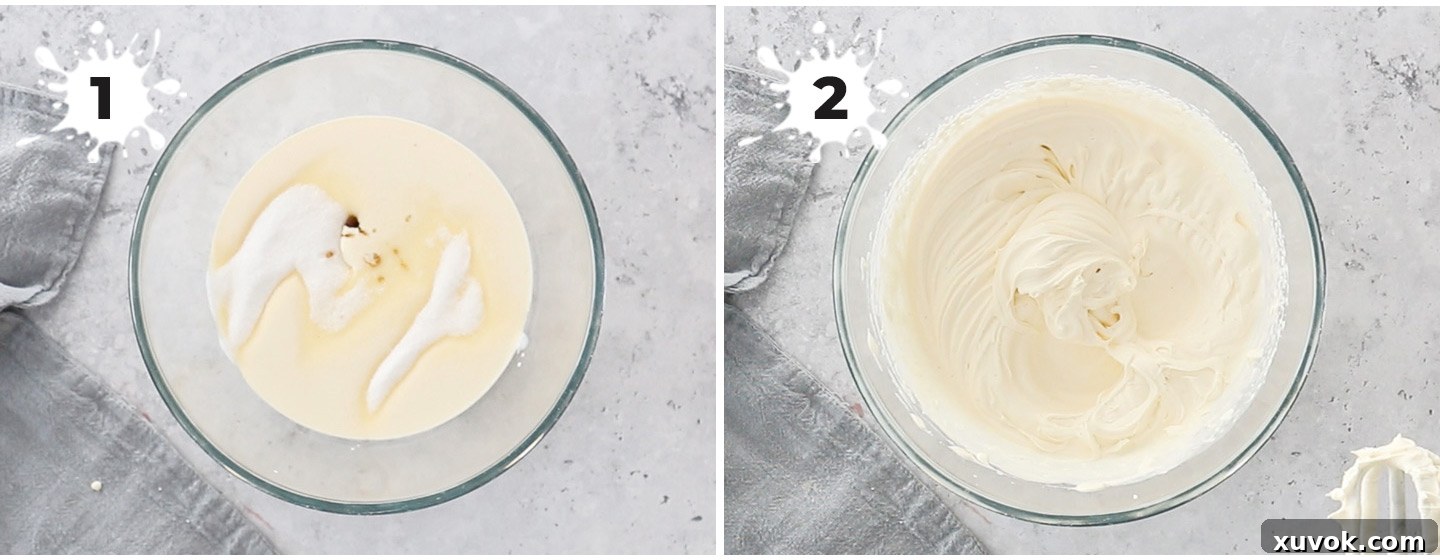
Creating Chantilly cream is surprisingly simple, yet the results are incredibly rewarding. It’s a straightforward process that transforms liquid cream into a luxurious, airy cloud. You’ll find detailed quantities and complete instructions in the recipe card provided below.
Essential Equipment for Effortless Whipping
To successfully whip cream, having the right tools can make all the difference, though the process remains accessible even with basic equipment. You will need:
- A Large Mixing Bowl: Opt for a bowl that is generously sized to contain the cream as it expands and to prevent splattering. Metal or glass bowls are excellent choices because they can be chilled effectively.
- A Whisking Device: You have a few options here:
- Electric Hand Mixer: This is arguably the quickest and most convenient method, whipping cream to perfection in just a couple of minutes.
- Stand Mixer with a Whisk Attachment: A stand mixer offers hands-free convenience, allowing you to multitask while the cream whips. It’s also very efficient.
- Balloon Whisk: For those who prefer a more traditional approach or don’t have electric mixers, a balloon whisk can certainly do the job. While it requires more arm effort, it’s a satisfying way to achieve beautifully whipped cream, proving it’s still surprisingly easy.
Pro Tip: If your kitchen tends to be warm, chilling your mixing bowl and whisk attachments in the refrigerator or freezer for 15-30 minutes before you begin can significantly aid the whipping process, helping the cream reach its optimal volume and stability more quickly.
The Whipping Process: A Single, Simple Step
At its heart, making Chantilly cream involves one primary action: combining and beating. The simplicity is part of its charm. Here’s how you do it:
- Combine Ingredients: Pour your very cold heavy cream into the large mixing bowl. Add the sugar and vanilla extract (or vanilla bean paste).
- Start Whipping: Begin beating the mixture on the lowest speed setting of your electric mixer or stand mixer. This initial low speed is crucial for preventing the liquid cream from splattering out of the bowl and creating a mess.
- Gradually Increase Speed: After about 30 seconds to a minute, once the cream has started to slightly thicken and you’re sure it won’t splatter, gradually increase the speed to medium. Continue to beat, keeping a close eye on the consistency as it begins to thicken.
- Watch for Peaks: As the cream starts to get noticeably thicker and you see distinct ribbons forming as the beaters move through it, reduce the speed back to low. This allows for more control and helps prevent overwhipping. At this stage, check the consistency frequently. The goal is to reach either soft peaks or firm peaks, depending on your intended use. With an electric hand beater, this entire process typically takes a mere 2 to 4 minutes.
The transformation from liquid to luscious is quick and magical, requiring only a keen eye and a bit of patience in the final stages to hit that perfect consistency.
Soft or Firm Peaks: A Guide to Consistency for Your Culinary Creations
The desired consistency of your Chantilly cream – whether soft or firm peaks – is dictated entirely by how you plan to use it. Understanding the difference is key to achieving the perfect result for your dessert. However, a crucial warning: be mindful not to over-whip, as this can lead to a grainy texture or even butter!
- Soft Peaks: The Gentle Embrace
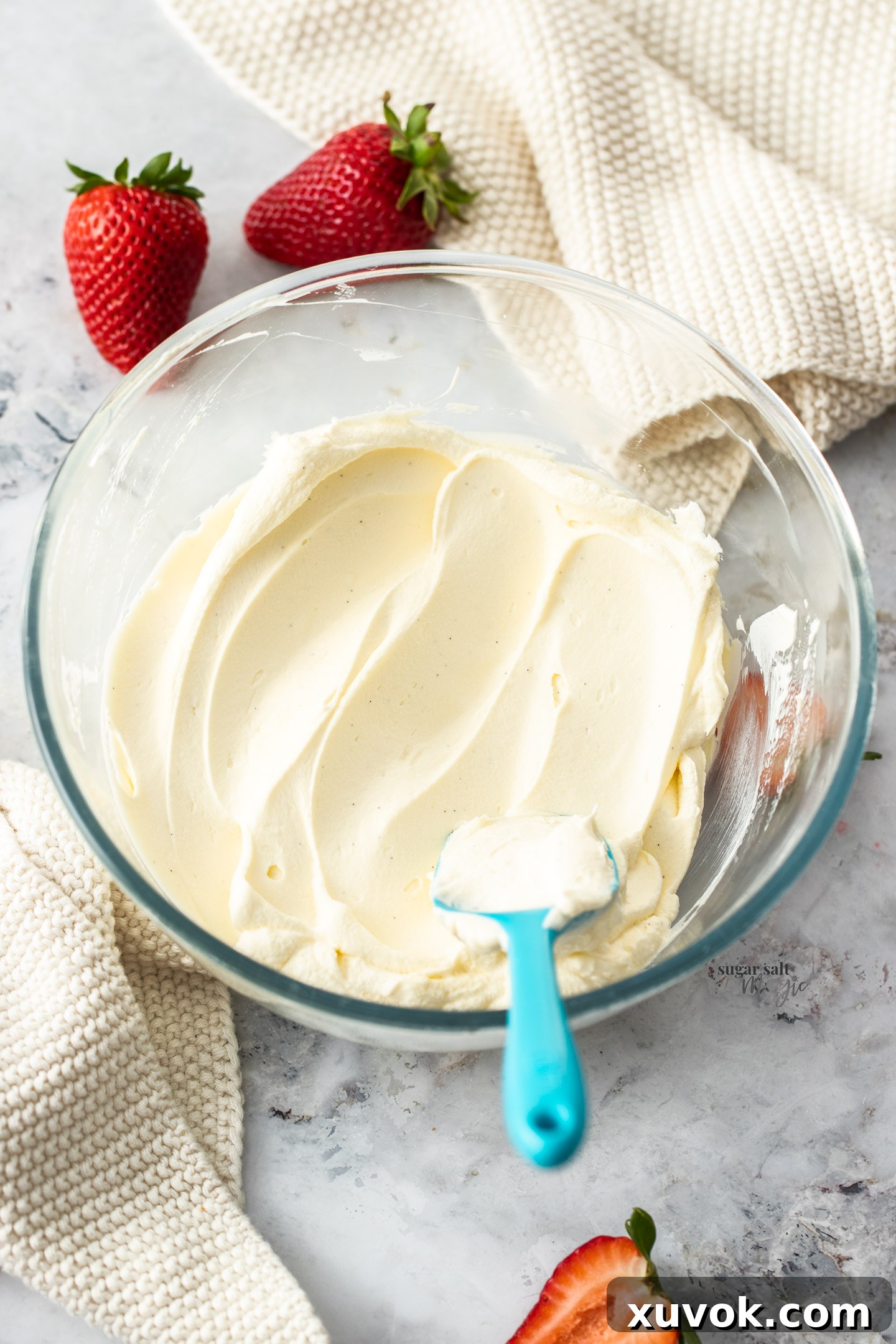
When you lift your beater or whisk out of the cream, a small peak will form. This peak will hold its shape for a moment but the very tip will gently curl over, creating a graceful, relaxed appearance. Soft peaks yield a delicate, pillowy texture that is ideal when you want the cream to softly mingle with other components. This lighter consistency is absolutely lovely for:
- Dolloping generously onto a fresh fruit tart or a slice of warm pie.
- Serving alongside a classic crêpe, allowing it to melt slightly into the warm batter.
- As a light accompaniment to fresh berries or a simple bowl of fruit salad.
- Topping a hot beverage like coffee or hot chocolate.
- Firm Peaks (aka Stiff Peaks): The Structured Elegance
For a more robust and defined structure, whip the cream a little longer until it reaches firm peaks. When you lift the beater or whisk, a sharp, upright tip will form and remain standing tall without drooping. This more stable consistency is perfect when the cream needs to hold its shape for piping, filling, or supporting heavier elements. Firm peaks are best suited for:
- Filling delicate pastries such as classic French profiteroles, éclairs, or cream puffs, where structural integrity is important.
- Using with a piping bag to create beautiful decorative swirls and borders on cakes and cupcakes.
- Layering within desserts like trifles, parfaits, or particularly sponge cakes, where it acts as both a filling and a topping.
- Creating a stable base for fresh fruit toppings on larger desserts.
The journey from soft to firm peaks happens quickly, so vigilance in the final moments of whipping is essential to prevent crossing over into the undesirable territory of grainy or broken cream.
Expert Tips for Perfect Chantilly Cream and Common Troubleshooting
Achieving perfectly whipped Chantilly cream is simple, but a few key practices can ensure consistently excellent results every time. Here are some expert tips to guide you, along with advice on what to do if things don’t go as planned.
- The Power of Cold: Keep Everything Chilled!
This is arguably the most critical rule. Your heavy cream **must be very cold**—straight from the refrigerator—before you begin. Cold cream whips much more efficiently and achieves greater volume and stability because the fat globules are firmer and better able to emulsify air. If your cream is even slightly warm, it may struggle to whip at all or yield a loose, unstable result. Furthermore, if you’re working in a warm kitchen, consider chilling your mixing bowl and whisk attachments (from your hand mixer or stand mixer) in the freezer for 15-30 minutes beforehand. A cold environment prevents the cream from warming up prematurely during the whipping process.
- Embrace Full-Fat Cream: No Substitutes!
Only **full-fat heavy cream** (with at least 35% milk fat) will whip correctly. Creams with lower fat percentages, such as light cream, half-and-half, or reduced-fat whipping cream, lack the necessary fat content to form a stable emulsion and will not whip into proper peaks. Always check the label to ensure you’re using the right product.
- Start Low, Go Slow, Finish Low: Mastering the Speed
Begin whipping your cream on the **lowest speed setting** of your mixer. This initial low speed is crucial to prevent the liquid cream from splattering out of the bowl. Once the cream begins to slightly thicken and you’re confident it won’t splash, gradually increase the speed to medium. As the cream thickens significantly and you start to see faint ribbons forming, reduce the speed back to low. This allows for greater control in the final stages, helping you monitor the consistency precisely and avoid overwhipping.
- Beware the Overwhip: Your Cream’s Worst Enemy
Overwhipping is a common pitfall. If you whip the cream at too high a speed for too long, the fat globules will begin to separate from the liquid, causing the cream to become **grainy, curdled, or even turn into butter**. As the cream approaches your desired consistency (soft or firm peaks), turn off your mixer and check the cream frequently by lifting the whisk. Stop whipping as soon as it reaches the perfect stage.
- Troubleshooting: What if My Cream Won’t Whip?
- Is it Cold Enough? This is the most common reason. Ensure your cream, bowl, and whisk are all thoroughly chilled.
- Is it Full-Fat? Double-check the milk fat percentage on your cream carton.
- Was It Overwhipped? If it went from liquid to grainy without passing through fluffy, you likely overwhipped it. Unfortunately, once it separates too much, it’s hard to revert, but you can sometimes try to stir in a tiny bit of fresh, cold liquid cream to try and bring it back, though results vary.
- Troubleshooting: What if My Cream is Grainy?
A grainy texture usually indicates slight overwhipping. If it’s only slightly grainy, you might be able to rescue it by gently whisking in a tablespoon or two of fresh, cold liquid cream by hand until it smooths out. Do not use the electric mixer for this step!
Did you know? If you continue beating cream well past its whipped point, beyond even the grainy stage, the fat solids will fully separate from the buttermilk, and you will eventually make homemade butter!
Delightful Variations on Chantilly Cream: Beyond Vanilla
While the classic vanilla Chantilly cream is undeniably perfect, its versatility makes it an excellent canvas for creative flavor experimentation. Don’t feel confined to vanilla; explore these exciting variations to tailor your cream to any dessert or occasion.
- Aromatic Extracts: Broaden your flavor horizons by swapping or complementing vanilla with other pure extracts. Consider orange, coconut, lemon, almond, or even a refreshing hint of mint extract for a unique twist. A touch of rum extract can add warmth.
- Citrus Zests for Brightness: Elevate the cream with a burst of fresh citrus. Finely grate a little zest from your favorite citrus fruit, such as vibrant lemon, sweet orange, or zesty lime. The essential oils in the zest will infuse the cream with a bright, natural aroma and flavor without adding liquid.
- Natural Sweeteners: Instead of, or in addition to, granulated sugar, incorporate natural liquid sweeteners. A drizzle of rich maple syrup or golden honey can add depth and a different kind of sweetness. Adjust the amount to taste, keeping in mind that liquid sweeteners can sometimes slightly affect consistency.
- Coffee Infusion: For coffee lovers, add a sophisticated mocha note. Stir in a small amount of very finely ground espresso powder (ensure it’s fine enough to dissolve) or a high-quality coffee syrup to taste.
- Decadent Chocolate Chantilly: Transform your cream into a rich chocolate delight. Sift 2-3 tablespoons of unsweetened cocoa powder into the cream mixture before whipping. For an even richer flavor, you can melt a small amount of cooled, good-quality dark chocolate and gently fold it into the finished Chantilly cream.
- Fruity Freeze-Dried Powders: Harness the intense, natural flavor of fruits with freeze-dried fruit powders. These powders (e.g., strawberry, raspberry, blueberry) are fantastic for adding a concentrated fruity essence and a beautiful natural color without adding excess moisture that could destabilize the cream.
- Alcoholic Liqueurs: For an adult-friendly dessert, infuse your Chantilly cream with a splash of your favorite liqueur. Popular choices include Limoncello for a lemon kick, Baileys for a creamy Irish twist, Frangelico for a hazelnut note, Amaretto for almond, Grand Marnier or Cointreau for orange, or a classic rum or brandy for warmth and complexity. Start with a small amount (1-2 tablespoons) and adjust to taste.
Versatile Uses for Chantilly Cream: A Culinary Essential
The beauty of Chantilly cream lies not only in its exquisite taste and texture but also in its incredible versatility. This simple vanilla whipped cream can elevate a vast array of sweet dishes, transforming them into luxurious treats. Here are just some of the many ways you can incorporate this French classic into your culinary repertoire:
- Breakfast & Brunch Enhancements:
- Dollop generously onto fluffy pancakes or delicate crêpes.
- Serve alongside warm French toast or waffles for a truly decadent breakfast.
- Top off fruit salads or yogurt parfaits for a creamy, sweet layer.
- Classic Dessert Toppings & Fillings:
- It’s a perfect accompaniment for tarts and pies, from lemon meringue to chocolate silk.
- When whipped to firm peaks, it’s ideal for filling and generously topping layered desserts like light and airy sponge cakes.
- A foundational filling for choux pastry creations like cream puffs, éclairs, and classic profiteroles.
- Simply dolloped onto fresh berries or mixed with other fresh fruit, it creates a wonderfully light yet rich dessert.
- Foundation for Other French Creams:
Chantilly cream is a key component in several other famous French dessert creams, demonstrating its fundamental role in French patisserie:
- Crème Diplomate (Diplomat Cream): This sophisticated cream is a harmonious blend of rich crème patissiere, light Chantilly cream (whipped cream), and often a touch of gelatin for extra stability. It offers a luxurious texture and depth of flavor, perfect for filling tarts and cakes.
- Crème Légère (Light Cream): A simpler, yet equally delightful, combination of just crème patissiere folded together with Chantilly cream (whipped cream). It results in a lighter, airier custard that still retains the richness of the pastry cream.
- Hot Beverages:
- A luxurious topping for hot chocolate, lattes, or specialty coffees.
From simple garnishes to complex dessert components, Chantilly cream proves itself indispensable in both home kitchens and professional patisseries alike. Its ability to add elegance and flavor with minimal effort makes it a true culinary gem.
Understanding Yield and Scaling Your Chantilly Cream
One of the fascinating aspects of whipping cream is how it transforms in volume. When you whip cream, you are essentially incorporating and trapping tiny air bubbles within its fat structure. This aeration process causes the cream to significantly increase in quantity, becoming light and voluminous.
As a general rule of thumb, liquid heavy cream will approximately **double in quantity** once it has been fully whipped. For example, if you begin with 1 cup of liquid heavy cream, you can expect it to yield roughly 2 cups of finished Chantilly cream. This particular recipe calls for 1 ½ cups of liquid heavy whipping cream, which, when properly whipped, will yield approximately 3 cups of delicious Chantilly cream.
This doubling effect is important to consider when planning your desserts and determining how much cream you need. If you require a specific amount of whipped cream for a recipe, you can easily scale this recipe up or down proportionally. For instance, if you only need 1.5 cups of Chantilly cream, you would start with ¾ cup of liquid heavy cream, halving all other ingredients as well.
Proper Storage for Chantilly Cream: Keeping it Fresh
While Chantilly cream is undoubtedly best enjoyed immediately after preparation, there are effective ways to store it and even prepare it in advance, thanks to the stabilizing properties of sugar. Its delicate nature requires careful handling to maintain its light and airy texture.
- Refrigeration:
Store any leftover Chantilly cream in the **coldest part of your refrigerator** (usually the back of the bottom shelf). Transfer it to an airtight container or simply cover the mixing bowl tightly with plastic wrap to prevent it from absorbing odors or drying out. When properly stored, homemade Chantilly cream will typically hold its beautiful air and shape well for up to **2 days**. The sugar content in Chantilly cream helps to stabilize it more than plain whipped cream, allowing it to maintain its structure for longer.
If you notice the cream beginning to soften or dissolve back into a more liquid form, it can often be **re-whipped**. Simply take it out of the fridge, give it a quick whisk with your electric mixer (on medium-low speed) or a hand whisk until it regains its desired peaks. Be cautious not to over-whip it during this process.
- Freezing: A Surprising Option
Many people are surprised to learn that Chantilly cream can be successfully frozen, largely due to the stabilizing effect of the sugar. This is a fantastic make-ahead option if you have excess cream or want portions ready for future use.
To freeze:
- Pipe or spoon dollops of the freshly made Chantilly cream onto a parchment-lined baking tray. You can also spoon it into an ice cube tray for uniform portions.
- Place the tray in the freezer until the cream dollops or cubes are completely solid, which typically takes a few hours.
- Once frozen solid, transfer the cream portions to an airtight freezer-safe container or a heavy-duty freezer bag. This prevents freezer burn and allows you to grab individual servings as needed.
Frozen Chantilly cream can be stored for up to **1 month**. When ready to use, simply transfer the desired amount to the refrigerator and allow it to thaw gently. It may lose a little bit of its initial fluffiness but will still be delicious and hold its basic shape. It’s particularly good for topping warm desserts or blending into smoothies after thawing.
Frequently Asked Questions (FAQ) About Chantilly Cream
Here are answers to some common questions about making and using this delicious French whipped cream:
Q: Can I use powdered sugar instead of caster sugar?
A: Yes, you can. Powdered sugar (also known as icing sugar or confectioners’ sugar) dissolves very easily and often contains a small amount of cornstarch, which can help stabilize the cream even further. Just ensure it’s sifted to avoid lumps.
Q: How can I tell if my cream is overwhipped?
A: Overwhipped cream will start to look grainy, lumpy, and slightly yellow. If you continue whipping past this stage, it will begin to separate into butter and buttermilk.
Q: My cream isn’t whipping. What went wrong?
A: The most common reasons are that the cream wasn’t cold enough, or it wasn’t full-fat heavy cream. Ensure your cream, bowl, and whisk are all well-chilled, and check the fat content on your cream’s label (it should be at least 35%).
Q: Can I make Chantilly cream dairy-free?
A: While this recipe is for traditional dairy Chantilly cream, you can achieve a similar texture and taste using full-fat coconut cream (chilled, only the thick part) or some specialized plant-based whipping creams available on the market. Results may vary slightly.
Q: How long does it take to whip Chantilly cream?
A: With an electric hand mixer, it typically takes 2-4 minutes. With a stand mixer, it can be similar or slightly quicker. By hand with a balloon whisk, it might take 5-10 minutes of continuous effort.
Q: Can I add alcohol to Chantilly cream?
A: Yes, absolutely! Adding a tablespoon or two of a liqueur like rum, brandy, Grand Marnier, or Limoncello can add a wonderful depth of flavor. Add it along with the vanilla.
More Dessert Recipes You’ll Love
If you enjoyed making this classic Chantilly cream, you’ll love exploring these other delightful dessert components and sauces that can enhance your sweet creations:
- Crème patissiere (pastry cream): The rich, thick custard used for tarts, éclairs, and more.
- Crème anglaise (runny custard): A smooth, pourable custard perfect for serving with cakes and fruit.
- Chocolate crème patissiere: A decadent chocolate version of the classic pastry cream.
- Coffee buttercream: A rich and flavorful frosting for cakes and cupcakes.
- Homemade caramel sauce: A versatile, sweet, and sticky sauce for various desserts.
- How to make maple butter: A simple, flavorful spread perfect for toast, pancakes, or pastries.
Did you try this Chantilly cream recipe?
Leaving a rating and comment below the recipe is so helpful! We love to hear your feedback.
Hungry for more? Subscribe to our newsletter for free recipes straight to your inbox. Also, follow along on Facebook, Pinterest and Instagram for daily inspiration!
Chantilly Cream
Yield: 8 serves
Prep Time: 5 minutes
Cook Time: 0 minutes
Total Time: 5 minutes
Rating: 5 out of 5 stars (based on 1 rating)
Light and airy Chantilly cream is incredibly easy to make with just 3 simple ingredients and takes mere minutes. This fluffy French whipped cream is delicately flavored with vanilla and lightly sweetened – making it the perfect versatile topping for so many desserts.
Rate Recipe
Pin Recipe
Ingredients
- 1 ½ cups heavy whipping cream (375ml)
- 1 teaspoon vanilla bean paste (or pure vanilla extract)
- 2 tablespoons caster sugar (superfine sugar)
For best results, always weigh ingredients where a weight is provided.
Equipment
- Electric mixer or stand mixer with whisk attachment
- Large mixing bowl
Instructions
- Combine the very cold heavy cream, vanilla bean paste (or extract), and caster sugar in a large mixing bowl. If using an electric hand mixer, ensure the bowl is large enough to prevent splattering. If using a stand mixer, attach the whisk.
- Start your mixer on the lowest setting to gently incorporate the ingredients and prevent cream from splattering everywhere. Gradually increase the speed to medium, keeping a close eye on the consistency.
- Continue whipping until the cream starts to thicken significantly and you see ribbons forming. At this point, reduce the speed to low and check frequently. Whip until soft peaks form (the tip curls over) for a lighter consistency, or a little longer for firm peaks (the tip stands upright), depending on your intended use (e.g., piping or filling cakes). Be careful not to overbeat, or the cream may become grainy.
- Use the Chantilly cream immediately for the best texture and freshness, or store it in the refrigerator until required.
- We encourage you to leave a comment & rating on this recipe. Your feedback is truly appreciated and helps other bakers!
Notes
- Keep it Cold: Always ensure your heavy cream, mixing bowl, and whisk attachments are thoroughly chilled before you begin. Cold cream whips faster and yields a more stable result.
- Full-Fat is Key: Only use full-fat heavy cream (at least 35% milk fat) for successful whipping. Lower fat creams will not achieve the desired texture or volume.
- Avoid Overwhipping: Be vigilant! If you whip the cream at too high a speed or for too long, it can quickly turn grainy. As it thickens, reduce speed and check consistency often. Stop as soon as it reaches your desired soft or firm peaks.
EXPLORE MORE FROSTINGS, SAUCES AND SPREADS!
Calories: 164kcal
Author: Marie Roffey
Course: Dessert
Cuisine: French
Have you tried this recipe?
Don’t forget to leave a rating and comment below and let me know how it was! I love hearing from you. Nutrition information is approximate and derived from an an online calculator. The brands you use may cause variations.