The Ultimate Creamy Pesto Salmon Pasta: Your New Weeknight Favorite
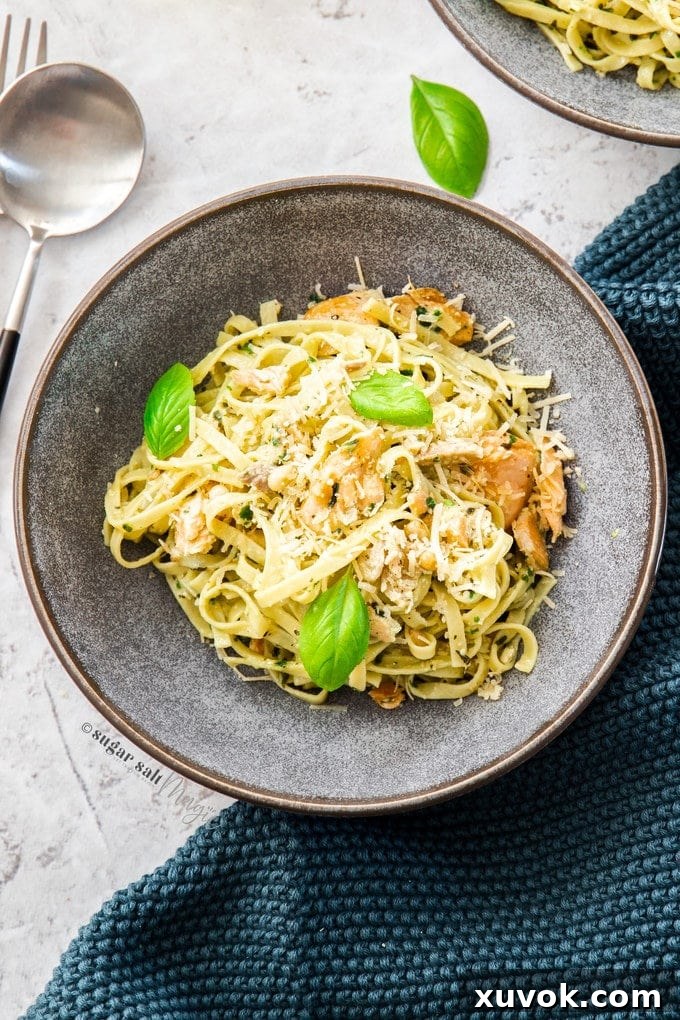
Searching for a dish that perfectly balances sophisticated flavor with weeknight simplicity? Look no further than this exquisite creamy pesto salmon pasta. It masterfully combines tender, flaky slow-baked salmon with the vibrant, aromatic richness of fresh basil pesto, all tossed with al dente pasta in a luscious, creamy sauce. This recipe isn’t just easy to make with a handful of accessible ingredients; it’s a culinary experience that will quickly become a cherished staple in your home.
What truly elevates this salmon pesto pasta from merely good to absolutely phenomenal are two crucial elements:
- The Art of Slow-Baking Salmon: Baking the salmon gently and slowly ensures it reaches an ideal state of doneness – moist, tender, and incredibly flaky. This method prevents the fish from drying out, preserving its delicate texture and rich flavor.
- The Magic of Homemade Basil Pesto: While store-bought pesto can be a convenient shortcut, taking a few extra minutes to craft your own basil pesto at home is a game-changer. The freshness and depth of flavor are incomparable, transforming the entire dish. If you opt for store-bought, always taste it first to ensure it meets your flavor expectations, as quality can vary significantly.
If you’re a fan of impressive yet straightforward salmon dishes, be sure to explore other favorites like this oven-baked teriyaki salmon or this unique furikake salmon. For another delightful take on salmon and pasta, our baked salmon pasta offers a comforting pasta bake alternative.
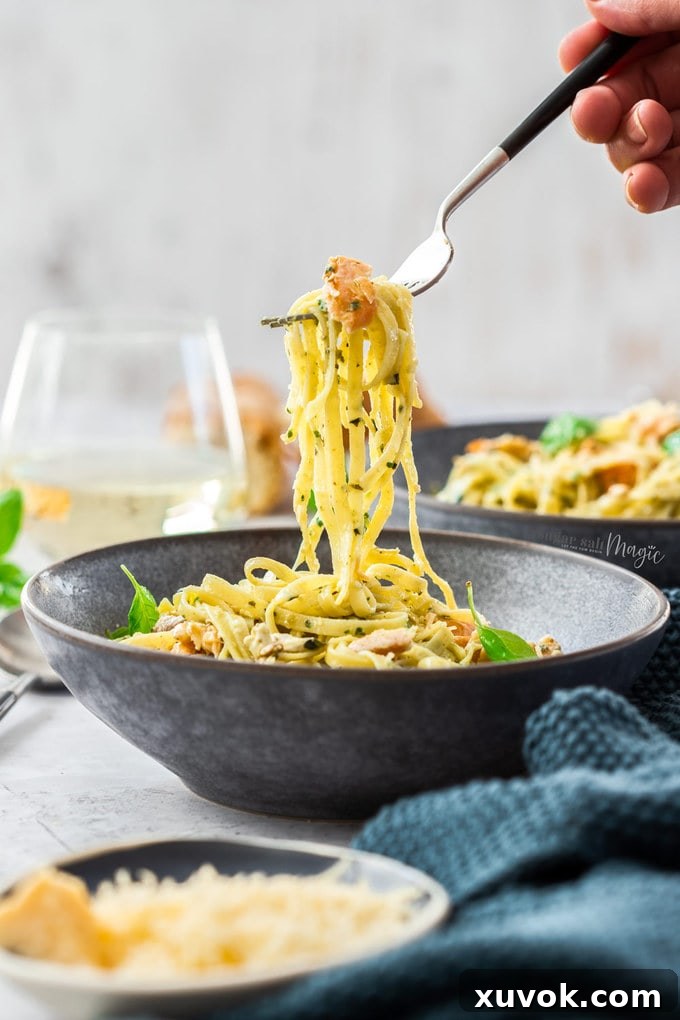
Table of Contents
- Ingredients You’ll Need
- Additions / Substitutions
- How to Cook Salmon in the Oven
- When is Salmon Done?
- How to Make Salmon Pesto Pasta
- Recipe Tips for Perfection
- Storage and Reheating
- Serving Suggestions
- More Recipes You’ll Love
Never Miss a Recipe!
Get the latest recipes straight to your inbox by subscribing to our newsletter!
Ingredients You’ll Need for This Flavorful Dish
Crafting this creamy pesto salmon pasta requires a selection of fresh, high-quality ingredients that harmonize beautifully to create a truly memorable meal. Below, we’ll delve into each component, explaining its role and offering insights for the best results.
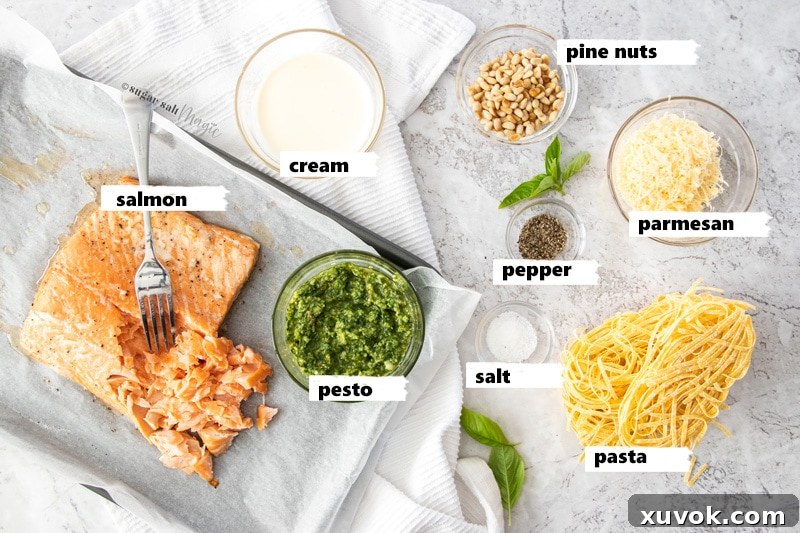
For precise quantities and step-by-step instructions, please refer to the detailed recipe card at the bottom of this article.
- Raw Salmon: The star of our dish. While individual fillets work well and cook quickly, using a larger slab of salmon (around 450g / 1lb) can often be more economical and offers a luxurious feel. Keep an eye on the cooking time, as thinner fillets will cook faster than a thick slab. Salmon is rich in Omega-3 fatty acids, making this dish not just delicious but also a healthy choice for your family.
- Butter: A small amount of melted butter brushed onto the salmon before baking contributes to its golden crust and infuses it with a delicate richness that complements the fish beautifully. Both salted and unsalted butter can be used, just adjust any additional salt accordingly.
- Pine Nuts: These small, tender nuts provide a lovely creamy, subtly nutty flavor and a slight textural contrast when toasted. They are a classic ingredient in traditional pesto and add an extra layer of gourmet appeal to the pasta. If pine nuts are unavailable or you prefer alternatives, toasted almonds or walnuts can be excellent substitutes, each lending its own unique character.
- Pasta: The foundation of any great pasta dish. Long, dry pasta shapes like spaghetti, fettuccini, or tagliatelle are traditional choices for saucy dishes, allowing the creamy pesto to cling perfectly to each strand. However, don’t hesitate to use shorter pasta shapes such as penne, fusilli, or orecchiette if that’s what you have on hand. The key is to cook the pasta al dente for optimal texture.
- Pesto: The heart of the sauce. Our strong recommendation is to use homemade basil pesto. It takes mere minutes to prepare and delivers an unparalleled burst of fresh basil, garlic, Parmesan, and olive oil. The difference in flavor from a freshly made pesto is truly remarkable, elevating the entire dish. If opting for store-bought, always taste it before incorporating it into the sauce, as flavors can vary wildly between brands. For homemade pesto, it can be prepared a day in advance and stored in the refrigerator with a thin layer of olive oil on top to prevent oxidation.
- Cream: To achieve that delightful creaminess, you’ll need a pourable full-fat cream, often labeled as thickened cream or heavy cream depending on your region. This rich cream emulsifies with the pesto and pasta water to create a silky, smooth sauce that coats every ingredient beautifully without being overly heavy.
- Parmesan Cheese: Freshly grated Parmesan cheese is essential. Pre-shredded varieties often contain anti-caking agents that can affect how the cheese melts and integrates into the sauce, leading to a less desirable texture and flavor. Buying a block and grating it yourself not only yields superior results but is also more cost-effective in the long run. The salty, umami notes of Parmesan are crucial for balancing the flavors of the pesto and salmon.
- Olive Oil: Used both in the sauce and potentially for making your own pesto, a good quality extra virgin olive oil is key for its fruity, peppery notes and for achieving the right consistency and mouthfeel in the sauce.
- Salt and Pepper: Basic seasonings, yet vital for enhancing all the other flavors. Always season to taste, remembering that pesto and Parmesan also contribute significant saltiness.
Additions and Substitutions to Customize Your Pasta
This creamy pesto salmon pasta is wonderfully versatile, allowing for easy customization to suit your preferences or what you have available:
- For a Spicy Kick: If you enjoy a bit of heat, consider adding a pinch of dried chili flakes (red pepper flakes) to the sauce. They provide a pleasant warmth that contrasts nicely with the richness of the cream and pesto.
- Add Fresh Vegetables: Introduce more freshness and color with vegetables. Cherry tomatoes, halved or quartered, are a fantastic addition; you can either cook them briefly in the skillet with the sauce or slow-roast them alongside the salmon for a burst of concentrated flavor. Fresh spinach or asparagus spears, added during the last few minutes of cooking the sauce, also work beautifully.
- Make it Gluten-Free: To adapt this recipe for a gluten-free diet, simply use your favorite gluten-free pasta. Remember to also check the label on your store-bought pesto, as some brands may contain gluten-derived ingredients, though most are naturally gluten-free. If making homemade pesto, ensure all ingredients are certified gluten-free.
- Nut Alternatives: As mentioned, if pine nuts are not available, almonds or walnuts can be used. For a nut-free version, consider toasted sunflower seeds or pumpkin seeds, keeping in mind they will impart a different flavor profile.
- Different Proteins: While salmon is king here, cooked chicken or shrimp can also be a delicious substitute if you’re looking for variation.
Mastering the Oven: How to Cook Salmon for Ultimate Tenderness
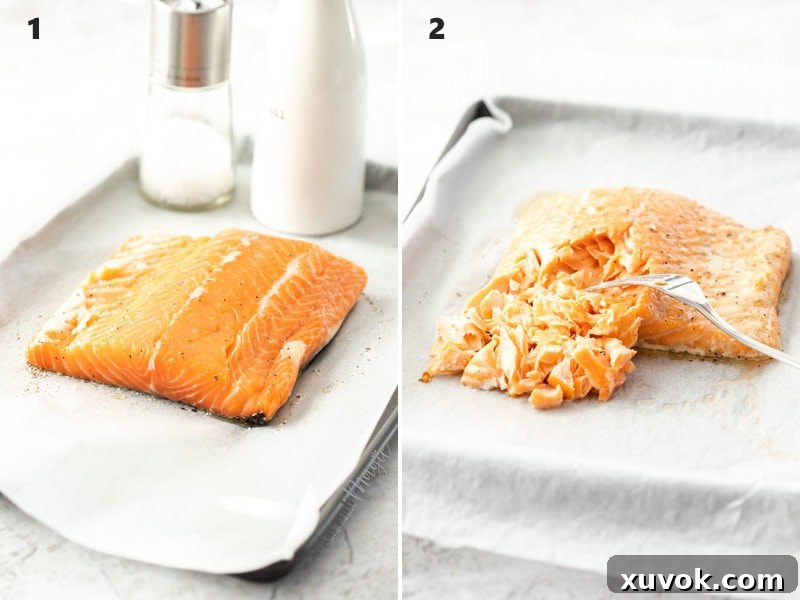
The beauty of preparing salmon in the oven lies in its sheer simplicity and the consistently tender results it yields. With just a minimal amount of seasoning—a dash of salt, a sprinkle of pepper, and a touch of melted butter—your salmon emerges from the oven incredibly soft, luscious, and bursting with natural flavor. This method ensures the salmon remains succulent and moist, never dry or rubbery, making it the perfect complement to our creamy pesto pasta.
Whether you choose a large slab of salmon, as used in this recipe (often a more economical and impressive option), or opt for individual salmon fillets, the oven-baking method works beautifully. The key consideration will be the cooking time, which directly correlates to the size and thickness of your salmon piece. A thicker slab will naturally require a longer baking time compared to thinner fillets.
We’ve found this slow-baking technique, inspired by experts like Ari at Well Seasoned Studio, to be truly divine. While some recipes, such as our oven-baked teriyaki salmon, might call for a slightly higher temperature, the slow and low approach here is specifically designed to maximize tenderness and moisture retention, resulting in a melt-in-your-mouth texture that is simply unbeatable.
For a slab of salmon around 450g (1lb), baking for approximately 25-30 minutes at a very low temperature (140°C / 285°F, or 120°C fan-forced) is usually ideal. You’ll know your salmon is cooked through when the thickest part flakes easily with gentle pressure from a fork. However, for absolute precision and food safety, especially for less experienced cooks, using a meat thermometer is always the safest bet. This ensures you achieve your desired level of doneness without any guesswork.
When is Salmon Done? Navigating Doneness for Perfect Flakiness
Determining when salmon is perfectly cooked can be a point of discussion, often balancing food safety guidelines with personal preference for texture. According to the USDA, salmon is considered safe to eat when its internal temperature reaches 63°C (145°F). Similarly, Food Safety Australia recommends cooking fish fillets to around 69°C (156°F) or until the flesh flakes easily.
However, many home cooks and chefs find that salmon cooked to these higher temperatures can often become dry and overdone, losing its prized moistness. While the flesh might flake, it may not retain the succulent texture that makes salmon so enjoyable. In our experience, the fish often begins to flake well before reaching these elevated temperatures.
Personally, we prefer salmon cooked to an internal temperature of around 57°C (135°F), which results in a medium doneness. At this temperature, the salmon is still wonderfully moist and tender, flaking beautifully without being dry. Many enthusiasts even prefer their salmon cooked to a medium-rare stage for an even more delicate texture. It’s also important to remember that salmon, like other meats, will continue to cook slightly from residual heat for a few minutes after being removed from the oven. We are not nutrition experts, so we encourage you to decide on the level of doneness that you feel most comfortable with, balancing safety recommendations with your desired culinary experience.
Bringing it All Together: How to Make Creamy Pesto Salmon Pasta
Once your salmon is perfectly baked and your ingredients are prepped, you’re just a few swift steps away from indulging in this delightful creamy pesto salmon pasta. The beauty of this recipe lies in its efficient assembly, making it perfect for a satisfying weeknight meal.
- Cook the Pasta: Begin by cooking your chosen pasta in a large pot of generously salted boiling water. Follow the package directions to achieve an al dente texture – firm to the bite but not hard. Before draining, remember to reserve about ⅓ cup of the starchy pasta water. This liquid gold is crucial for achieving the perfect creamy consistency and helping the sauce cling to the pasta. After reserving the water, drain the pasta and, if you’re not combining immediately, you can lightly rinse it under cold water to prevent sticking, then set aside.
- Craft the Creamy Pesto Sauce: In a large sauté pan or the same saucepan used for pasta, over medium heat, quickly stir together the olive oil, vibrant basil pesto, rich thickened cream, and the reserved pasta water. Bring this mixture to a gentle simmer, allowing the flavors to meld and the sauce to slightly thicken.
- Add the Finishing Touches to the Sauce: Stir in the toasted pine nuts, which add a lovely textural element and nutty depth. Incorporate half of the finely grated Parmesan cheese, stirring until it melts smoothly into the sauce, enhancing its creaminess and umami profile. Taste the sauce at this stage and adjust the seasoning with the remaining salt and pepper as needed. The saltiness of your pesto and Parmesan will influence how much additional seasoning is required.
- Prepare the Salmon: While the sauce is simmering, gently flake the baked salmon. Use the side of a fork or the flat of a knife to pull the salmon into large, succulent chunks. Be careful not to break it up too finely, as we want substantial pieces of salmon throughout the pasta.
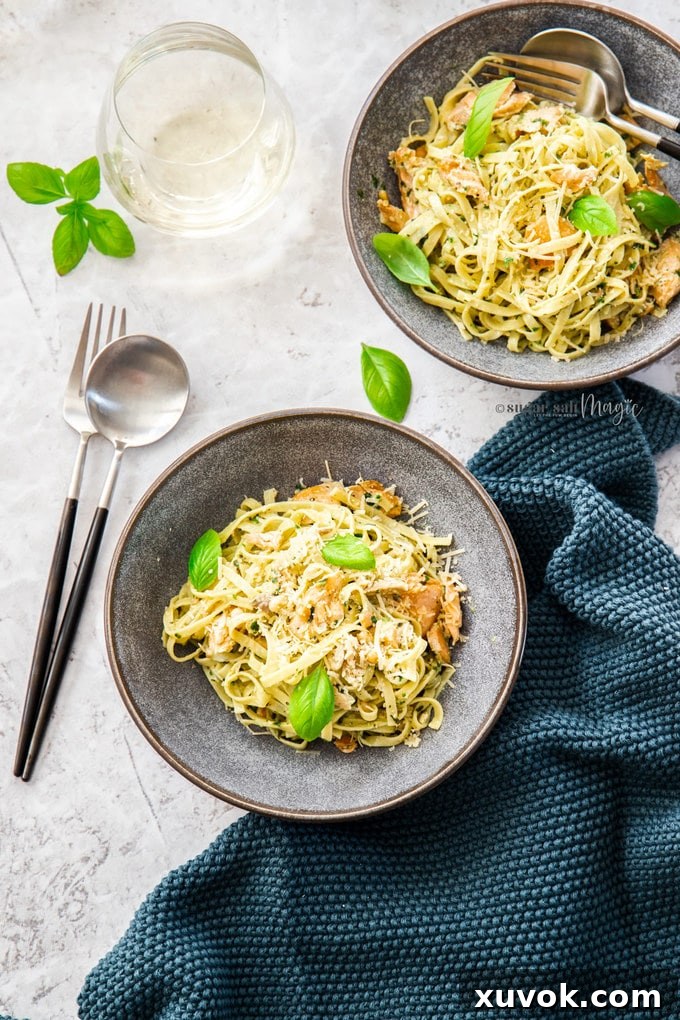
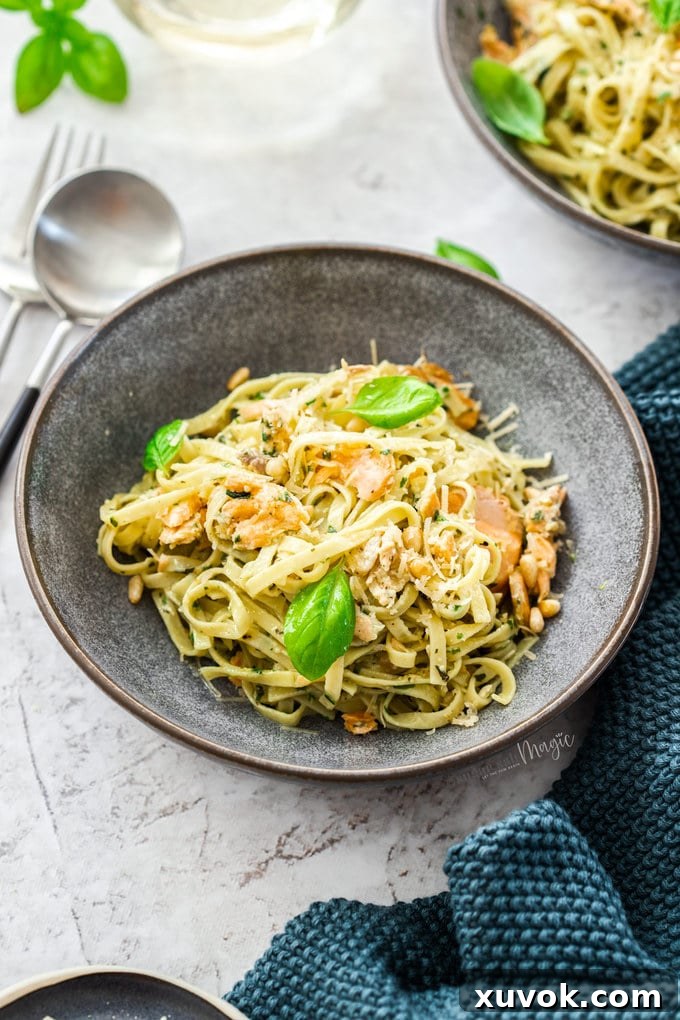
- Combine and Serve: Add the drained pasta directly to the simmering sauce in the pan. Toss everything together until the pasta is thoroughly coated and heated through. Finally, gently fold in the flaked salmon, stirring just enough to distribute it evenly without breaking it down too much. Serve your creamy pesto salmon pasta immediately, garnished with the remaining fresh Parmesan cheese and a few small, fragrant basil leaves for a final touch of freshness and color.
Recipe Tips for Perfection and Streamlined Cooking
Achieving a restaurant-quality creamy pesto salmon pasta at home is entirely within reach with these helpful tips designed to optimize flavor, texture, and convenience:
- Salmon Skin: Don’t fuss over removing the skin before baking. Whether your salmon comes with or without skin, it won’t affect the final dish. If it has skin, it will easily peel away from the tender flesh after baking, often leaving behind a crispy, flavorful piece that some enjoy separately.
- Meal Prep for Convenience: This recipe is fantastic for meal planning. You can cook the salmon up to 1-2 days in advance and store it in an airtight container in the refrigerator. Similarly, homemade pesto can be prepared ahead of time (refer to our homemade basil pesto post for storage tips). Having these components ready to go significantly reduces active cooking time on a busy weeknight.
- Flaking the Salmon: For the best texture in your pasta, aim for largish flakes of salmon. Use the side of a fork or the flat of a knife to gently pull the cooked salmon apart. It’s natural for some pieces to break down a little more as you stir them through the sauce, but starting with larger chunks ensures a satisfying bite of fish in every forkful.
- Seasoning is Key: Always taste your sauce before the final seasoning. The saltiness of your pesto (especially if homemade with Parmesan) and the Parmesan cheese you add will contribute significantly to the overall flavor. Start with a conservative amount of salt and pepper, then add more if needed, until the flavors pop.
- Cream Choices: Both full-fat and reduced-fat cream varieties will work well in this recipe. Full-fat cream will yield a richer, more luxurious sauce, while reduced-fat options will result in a slightly lighter consistency without sacrificing too much on flavor.
- Pasta Versatility: While long pastas like tagliatelle or tagliolini are traditional and excellent for coating with creamy sauces, don’t limit yourself. Any shaped pasta, such as penne, fusilli, or orecchiette, will also be wonderful, capturing pockets of the creamy pesto sauce. Choose what you love or what you have on hand.
- Don’t Overcook Your Pasta: Always cook pasta according to package directions for al dente. Overcooked pasta can become mushy and compromise the overall texture of the dish.
- Pasta Water is Your Friend: The reserved pasta water is starchy and helps emulsify the sauce, creating a silkier texture that clings beautifully to the pasta. If your sauce seems too thick, add a splash more reserved pasta water until you reach your desired consistency.
Storage and Reheating for Best Results
This creamy pesto salmon pasta makes for fantastic leftovers, provided you store and reheat it correctly to maintain its deliciousness. Store any leftover pasta in an airtight container in the refrigerator for up to 2-3 days. When you’re ready to enjoy it again, reheat gently. For stovetop reheating, place the pasta in a pan over medium-low heat, adding a dash of extra cream or a splash of water to help loosen the sauce and restore its creamy consistency. Stir occasionally until heated through. Alternatively, you can reheat it in the microwave on medium power, stirring every minute or so, also adding a little liquid if the sauce appears too thick.
So, are you ready to embark on a culinary journey with this incredibly easy and flavorful salmon pasta? We sincerely hope you try it! If you do, please consider sharing your experience or leaving a rating and review below the recipe card. Your feedback is invaluable and greatly appreciated!
Serving Suggestions for Your Pesto Salmon Pasta
This creamy pesto salmon pasta is a complete meal in itself, but it can be beautifully complemented by a few simple additions to create a more rounded dining experience.
- Crusty Bread: A warm, crusty baguette or focaccia is perfect for soaking up every last drop of the delicious creamy pesto sauce.
- Simple Green Salad: A light, refreshing green salad with a vinaigrette dressing provides a lovely contrast to the richness of the pasta.
- Roasted Vegetables: While the pasta can include vegetables, a side of roasted asparagus or broccoli can add extra nutrients and texture.
- Wine Pairing: A crisp white wine, such as a Sauvignon Blanc or Pinot Grigio, would pair wonderfully with the flavors of salmon and pesto.
More Delicious Recipes You’ll Love
If you’re eager for more culinary inspiration, especially featuring salmon or pasta, explore these fantastic recipes from our collection:
- Honey Mustard Salmon
- Baked Salmon Pasta
- Creamy Pesto Pasta
- Pesto Chicken Calzone
- Chicken Basil Pesto Pasta
- Authentic Ragu Bolognese
- Venetian Crab Linguine
⭐⭐⭐⭐⭐
Did you try this salmon pesto pasta recipe? Leaving a rating and comment below the recipe is so helpful!
Hungry for more? Subscribe to our newsletter for free recipes straight to your inbox. Also, follow along on Facebook, Pinterest and Instagram.
Creamy Salmon Pesto Pasta
Yield: 4 serves
Prep Time: 20 minutes
Cook Time: 40 minutes
Total Time: 60 minutes
Rating: 5 from 3 ratings
This Salmon Pesto Pasta comes together quickly with minimal ingredients for a flavour-filled, easy weeknight dinner. Luscious soft flakes of baked salmon, al dente pasta and a creamy pesto sauce are all you need.
Print Recipe |
Pin Recipe
Ingredients
- 450 g slab of raw salmon (1lb)
- 2 teaspoons butter, melted
- 1 ¼ teaspoons salt
- ¾ teaspoon pepper
- 2 tablespoons pine nuts, toasted
- 300 g dry pasta (like spaghetti or tagliatelle)
- ½ tablespoon olive oil
- ⅔ cup fresh basil pesto
- ½ cup thickened cream (heavy cream)
- ⅓ cup finely grated parmesan cheese (25g)
- Small basil leaves to serve
For best results, always weigh ingredients where a weight is provided.
Instructions
- Preheat the oven to 140°C (120°C fan forced) / 285°F. Line a baking sheet with aluminum foil.
- Brush the melted butter over the flesh side of the salmon, then sprinkle over ¼ teaspoon of both salt and pepper.
- Bake for 25-30 minutes until just cooked through (check the flesh in the thickest part is coming apart in flakes without too much pressure, or the internal temperature is 57°C / 135°F).
- Cook the pasta in a saucepan of boiling salted water, according to package directions. Reserve ⅓ cup of the pasta water, then drain the pasta. Set aside.
- Using a sauté pan or the same large saucepan, stir together the oil, pesto, cream, and reserved pasta water over medium heat and bring to a simmer.
- Add the pine nuts and half of the parmesan, stirring to combine.
- Taste the sauce and season to taste using the remaining salt and pepper.
- Gently pull the salmon into large flakes with the side of a fork or the flat of a knife. Set aside for a moment.
- Add the drained pasta to the sauce and toss to combine, then cook until heated through again.
- Add the flaked salmon and stir gently so you don’t break it up too much.
- Serve immediately, topped with the remaining Parmesan, and fresh basil leaves.
- Please take a moment to leave a comment & rating. It’s appreciated and so helpful.
Notes
- Both full-fat and reduced-fat cream will work in this recipe.
- You can use salmon with or without the skin. Once baked, the flesh will come away from the skin easily.
- Always season the sauce to your taste. The amount of salt in the recipe is a guideline; you may want more or less depending on your preference and the saltiness of your pesto.
- The salmon can be cooked ahead of time (1-2 days) and stored in an airtight container in the fridge.
- Homemade pesto can also be made ahead – refer to our homemade basil pesto post for details.
EXPLORE MORE PASTA RECIPES!
Calories: 800 kcal
Author: Marie Roffey
Course: Dinner, Lunch, Main Course
Cuisine: Italian, Mediterranean
Have you tried this recipe?
Don’t forget to leave a rating and comment below and let me know how it was! I love hearing from you. Nutrition information is approximate and derived from an online calculator. The brands you use may cause variations.
Calories from Fat 396