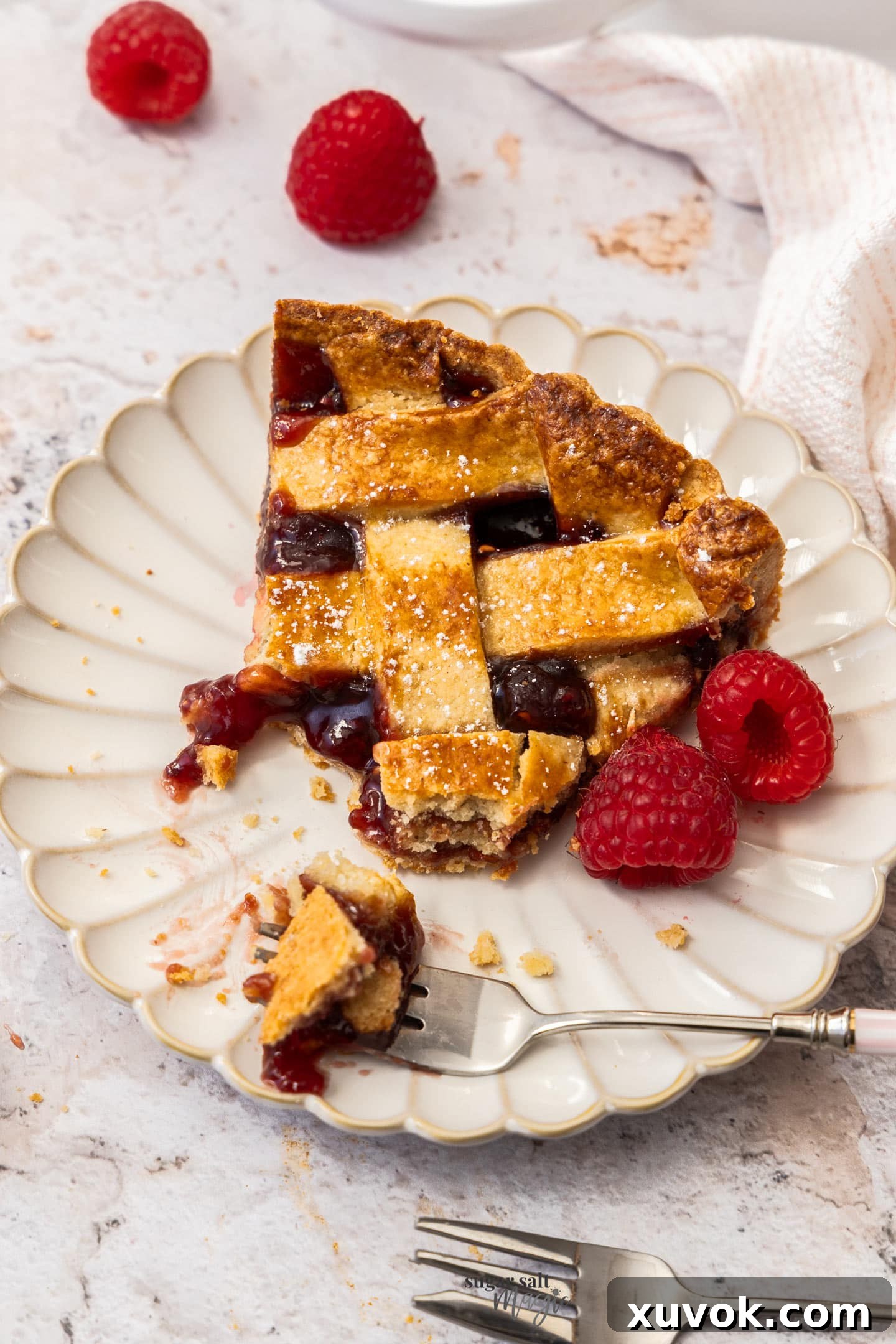
The Classic Linzer Tart: A Timeless Dessert for Any Occasion
While often associated with festive holiday seasons like Christmas, the exquisite Linzer Tart (or Linzertorte) is a delight that deserves to be savored year-round. This iconic Austrian pastry, famed for its delicate, crumbly crust and vibrant fruit preserve filling, offers a captivating blend of textures and flavors. It’s a dessert that speaks of tradition, comfort, and undeniable charm.
Originating from Linz, Austria, the Linzer Tart boasts a rich history, with recipes dating back to the 17th century, making it one of the oldest known tortes in the world. Its signature feature is a rich, buttery shortcrust pastry generously enriched with ground nuts—most commonly almonds, though hazelnuts are a traditional alternative. This inclusion of nuts not only imparts a wonderfully distinctive texture but also a deep, toasted nutty flavor that forms the perfect counterpoint to the sweet and tangy fruit filling.
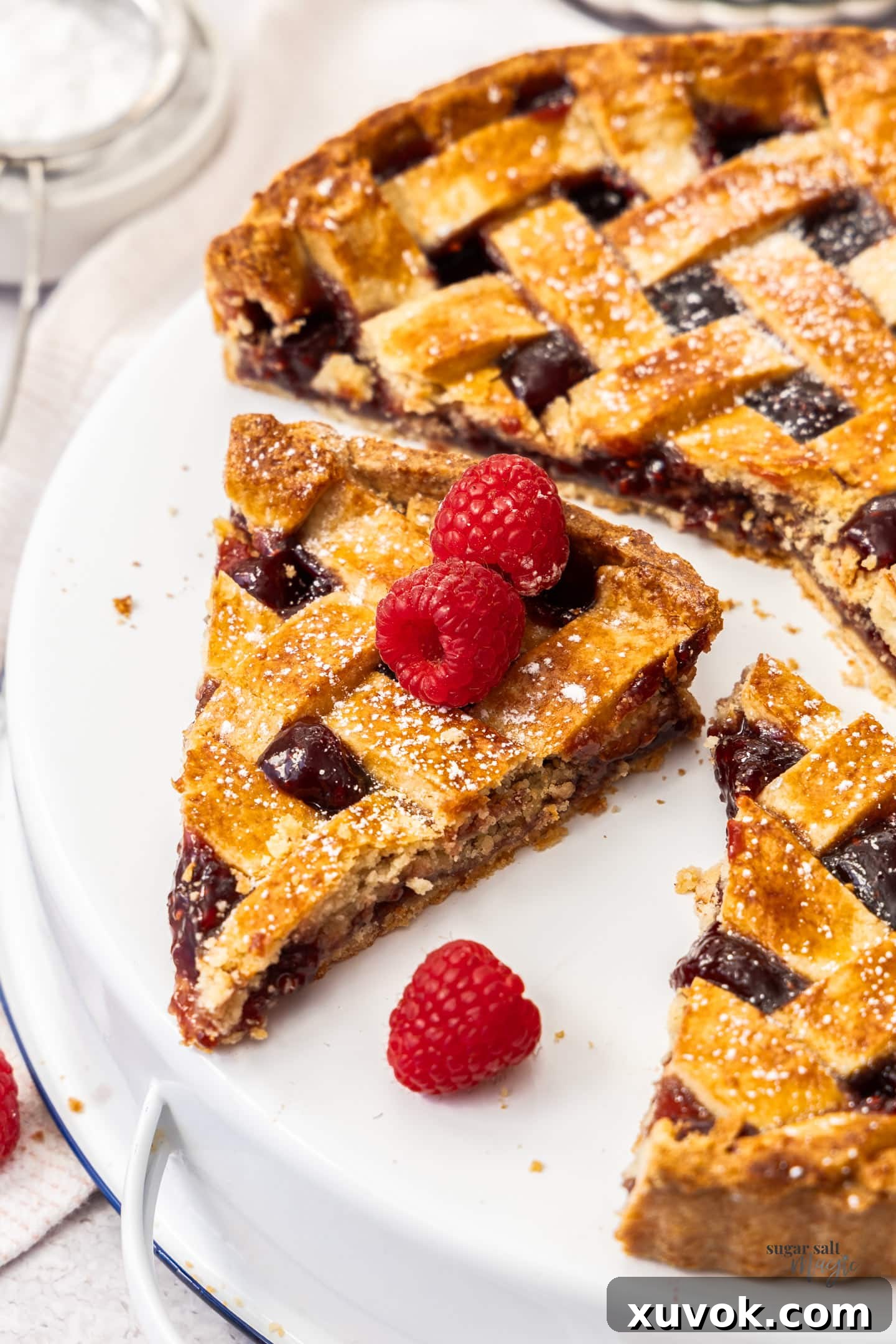
Typically, the tart is filled with luscious fruit preserves such as redcurrant, apricot, or, as featured in this recipe, bright raspberry jam. The top is then elegantly adorned with a lattice design crafted from the same nutty pastry, creating a beautiful visual appeal that is both rustic and sophisticated. Baked until golden brown, the Linzer Tart emerges from the oven radiating an inviting aroma that promises pure indulgence.
What truly sets this tart apart is its harmonious balance. The pastry itself isn’t overly sweet, allowing the natural sweetness and vibrant acidity of the jam to shine through, creating a truly unforgettable dessert experience. Despite its impressive appearance, the Linzer Tart comes together with a surprisingly simple process and readily available ingredients, making it an accessible baking project for home cooks of all skill levels. It’s rustic, undeniably gorgeous, and simply delicious.
If you’re seeking another beloved holiday tart, consider trying this fruit mince pie tart for a different seasonal treat.
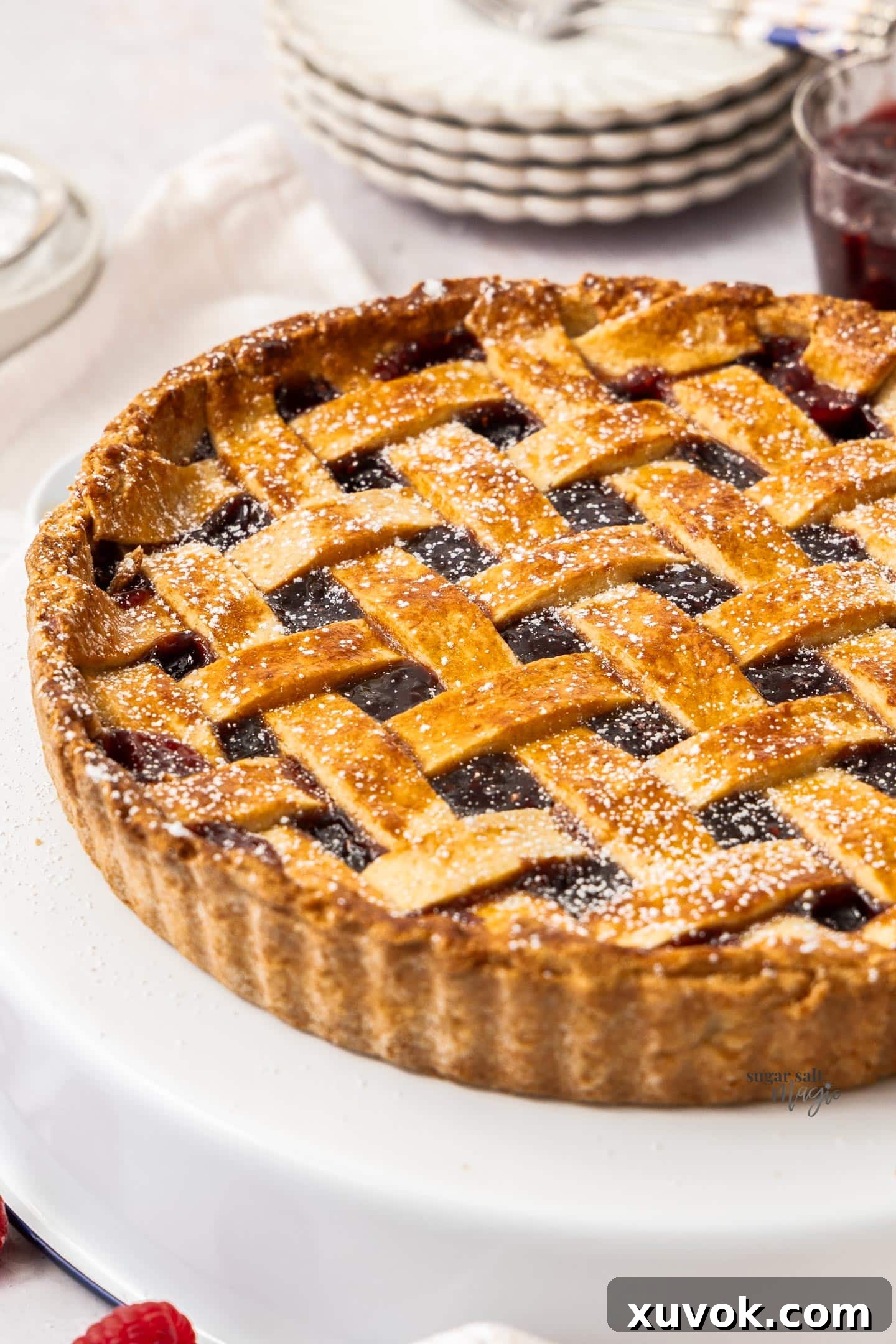
Table of Contents
- What Defines a Linzer Tart?
- Essential Linzer Tart Ingredients
- How to Master the Linzer Tart
- Step 1: Crafting the Perfect Nutty Pastry
- Step 2: Rolling and Chilling the Dough
- Step 3: Filling the Tart with Flavor
- Step 4: Decorating with Elegance
- Step 5: Egg Wash and Baking to Golden Perfection
- Expert Tips and Tricks for Linzer Tart Success
- Creative Substitutions and Variations
- Making the Most of Leftover Dough
- Storage and Make-Ahead Strategies
- More Baking Adventures You’ll Adore
Never Miss a Recipe!
Get the latest recipes straight to your inbox!
What Defines a Linzer Tart?
The Linzer Tart, or Linzertorte, is a distinguished pastry originating from Linz, Austria, and holds a cherished place in European culinary history. It is characterized by three fundamental elements: a unique, rich pastry crust, a luscious fruit preserve filling, and a decorative lattice top. At its heart, the Linzer Tart is a crumbly, nutty shortcrust pastry made with ground nuts, typically almonds or hazelnuts, which lend it a distinctive flavor and tender texture. This pastry is often spiced with warm notes of cinnamon or mixed spice, adding depth to its profile.
The filling is traditionally a vibrant fruit jam or preserve, with redcurrant, apricot, and raspberry being the most popular choices. These jams provide a beautiful contrast to the rich pastry, offering a burst of sweet and tangy fruitiness. The tart is crowned with a striking lattice design, also made from the same nut-enriched pastry, which peeks through to reveal the glistening jam beneath. This lattice can be a simple overlapping pattern or a more intricate weave, adding to the tart’s visual appeal.
Beyond its components, the Linzer Tart embodies a perfect balance of flavors and textures: the crisp, crumbly, nutty crust, the soft, tangy fruit filling, and the subtle warmth of spice. It’s a robust dessert that travels well and improves with age, allowing the flavors to meld beautifully. Often garnished with a dusting of powdered sugar after baking, it presents an elegant appearance, making it a favorite for celebrations and intimate gatherings alike. It’s more than just a tart; it’s a piece of edible history, a testament to enduring Austrian baking traditions that continue to enchant palates worldwide.
Essential Linzer Tart Ingredients
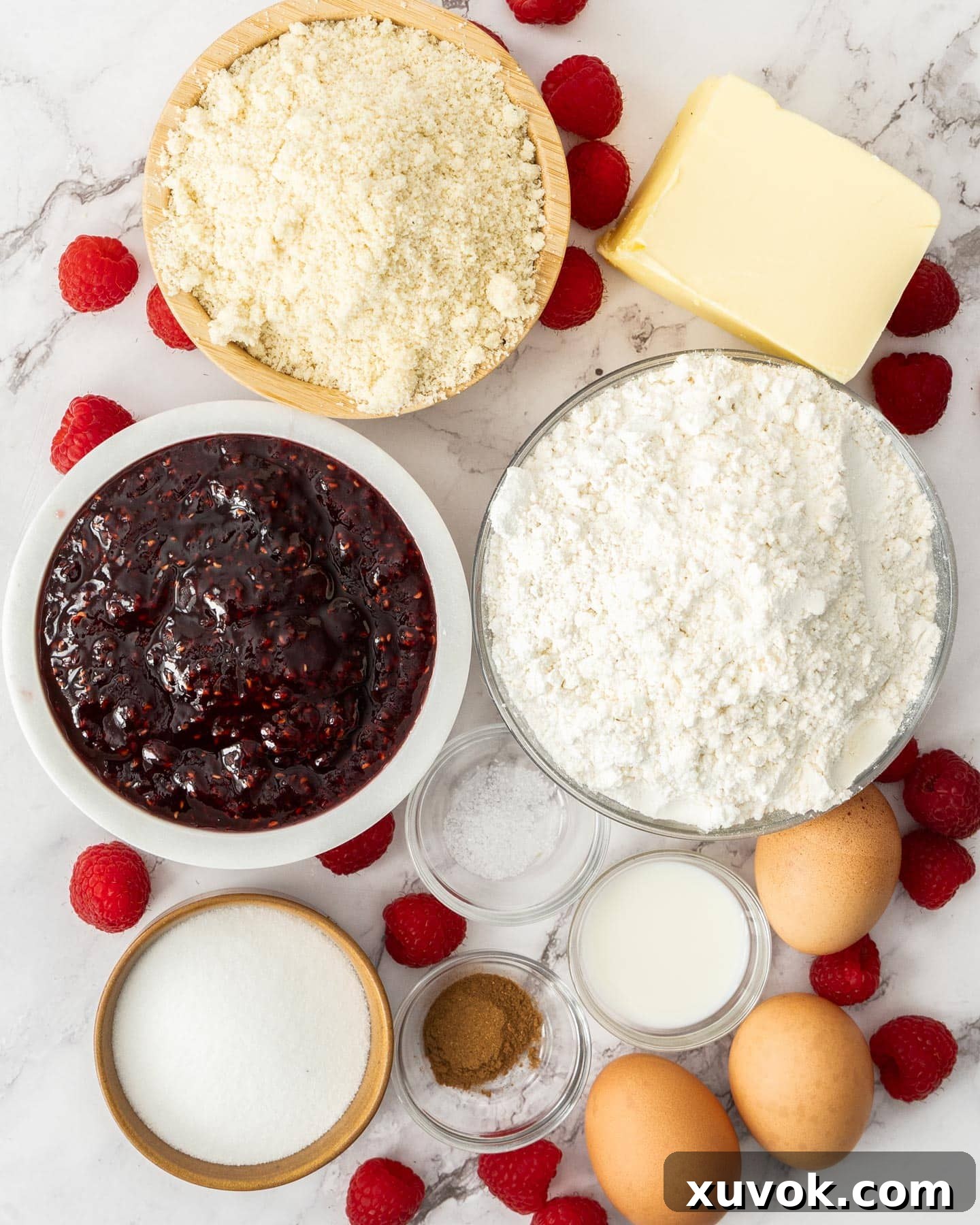
One of the most appealing aspects of the Linzer Tart, considering its beautiful and intricate appearance, is its surprisingly straightforward ingredient list. You’ll find that this delectable dessert relies on just 7-8 core ingredients, plus a touch of salt and water, most of which are likely already gracing your pantry or fridge shelves. This means you could potentially whip up this rustic masterpiece right now! It’s also a fantastic opportunity to make good use of those jars of delicious jams that have accumulated on your top fridge shelf. Imagine a delightful blueberry, strawberry, or blackberry Linzer Tart – or why not mix them for a custom mixed-berry experience?
Jump to the recipe for full ingredients and instructions.
- Flour: Plain flour, also known as all-purpose flour, is all you need for the base of our pastry. For the best results, it is always recommended to weigh your flour rather than relying on volume measurements, as this ensures precision and prevents a dry, crumbly crust.
- Almond Meal: Also referred to as almond flour or ground almonds, this ingredient is crucial for the unique nutty flavor and tender texture of the Linzer pastry. If you can’t find it pre-ground, you can easily make your own by finely grinding blanched almonds in a food processor until they resemble a coarse flour. Be careful not to over-process, or you’ll end up with almond butter!
- Sugar: White granulated sugar provides just the right amount of sweetness to the pastry, ensuring it doesn’t overpower the jam filling. A light dusting of icing sugar (powdered sugar) just before serving adds a beautiful finish and a delicate touch of extra sweetness.
- Butter: Always opt for unsalted butter when baking, as this gives you control over the overall saltiness of your dish. Crucially, your butter must be very cold and cubed. Cold butter creates pockets of steam during baking, which results in that desirable flaky, tender pastry.
- Eggs: Large eggs are used here as a binding agent, helping to bring the dough together. Like the butter, ensure your eggs are cold to help keep the pastry ingredients as chilled as possible during initial mixing.
- Jam: Raspberry jam is a classic and highly recommended choice for Linzertorte, offering a beautiful tartness that complements the rich pastry. However, traditional variations also commonly feature apricot jam or redcurrant preserves. This is where your creativity can truly shine! Feel free to choose your favorite jam – plum, cherry, or even a mixed berry blend using up those half-empty jars in your fridge. The possibilities are endless and delicious.
- Milk or Cream (for Egg Wash): A small amount of milk or cream mixed with an egg yolk creates a luxurious egg wash. This wash, when brushed over the pastry before baking, gives the tart a rich, deep golden-brown color and a beautiful sheen. If you prefer, you can use just water for the wash or a whole egg instead of just the yolk for a slightly different finish.
- Mixed Spice & Salt: A pinch of salt enhances all the flavors in the pastry. Traditional Linzer tarts often include a blend of warm spices like cinnamon, cloves, and nutmeg – a mixed spice blend simplifies this. These spices add an aromatic depth that is truly comforting and distinctive.
How to Master the Linzer Tart
Crafting a Linzer Tart is a truly rewarding experience, transforming simple ingredients into a show-stopping dessert. While the classic Linzer Torte is renowned for its elegant lattice topping, which requires a gentle touch and a bit of patience, don’t feel confined to a strict weave pattern. You have the freedom to be creative with your decoration!
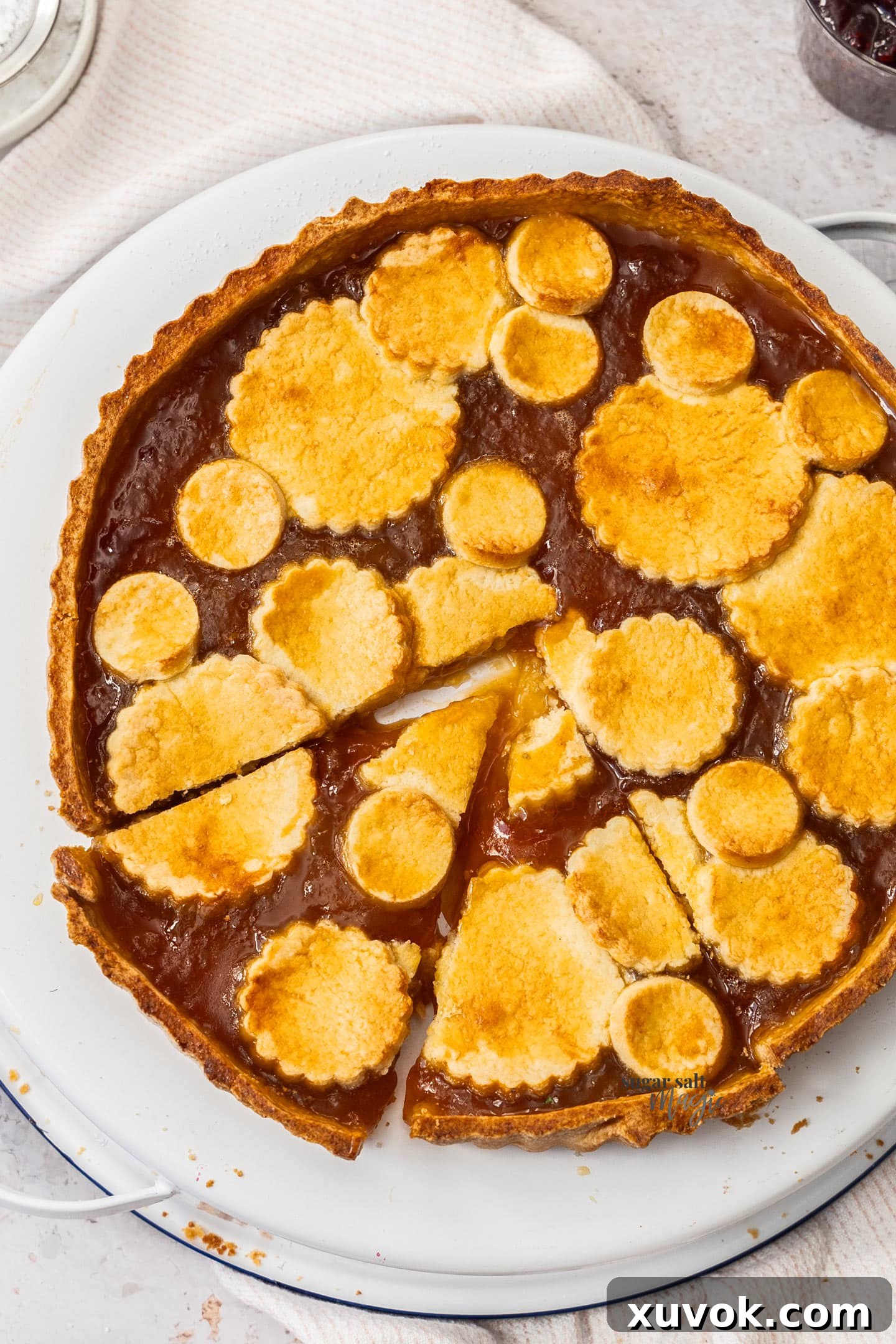
For instance, you could use various shaped cookie cutters to create stars, hearts, or gingerbread figures for a festive touch, placing them artfully over the jam with slight overlaps. Alternatively, simple rounds of different sizes, arranged randomly, can create a charming, whimsical effect. The beauty of this tart lies not just in its taste, but also in its customizable presentation.
Below, we’ll walk through the process step-by-step, making sure each stage is clear and achievable, guiding you from raw ingredients to a golden, irresistible Linzer Tart.
Jump to the recipe for full ingredients and instructions.
Step 1: Crafting the Perfect Nutty Pastry
The foundation of any great Linzer Tart is its pastry, and thanks to the efficiency of a food processor, achieving the perfect texture is incredibly simple. Begin by combining your dry ingredients—flour, almond meal, sugar, mixed spice, and a pinch of salt—with cold, cubed butter in the food processor. Pulse on a low setting until the butter is broken down into pieces roughly the size of small peas. This step is crucial, as the small pieces of cold butter are what create steam during baking, leading to a wonderfully flaky and tender pastry.
Next, add the cold eggs and continue to process on low. The mixture will start to resemble coarse breadcrumbs. It’s important not to overmix at this stage; we want to just barely combine the ingredients without developing too much gluten, which can make the pastry tough.
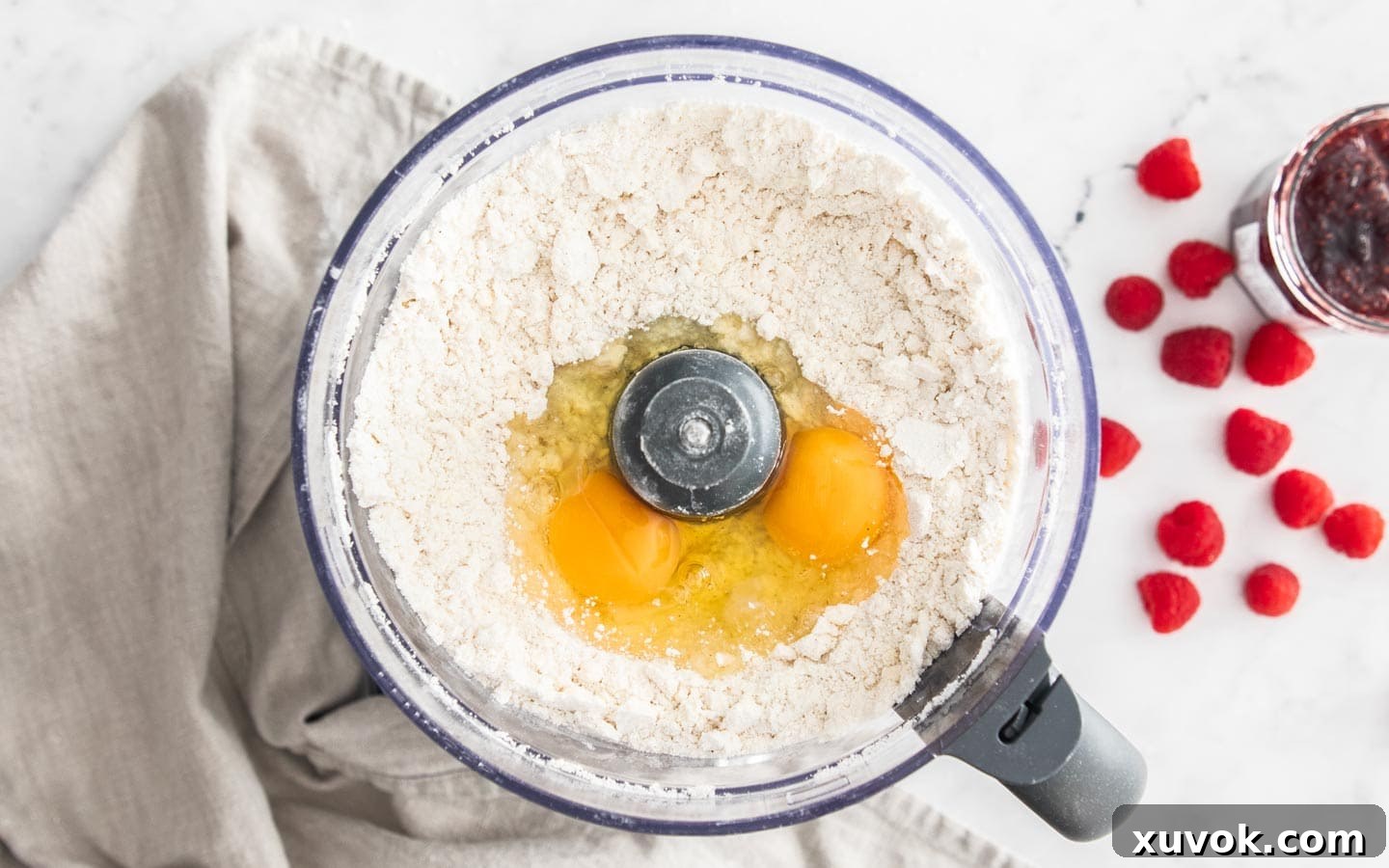
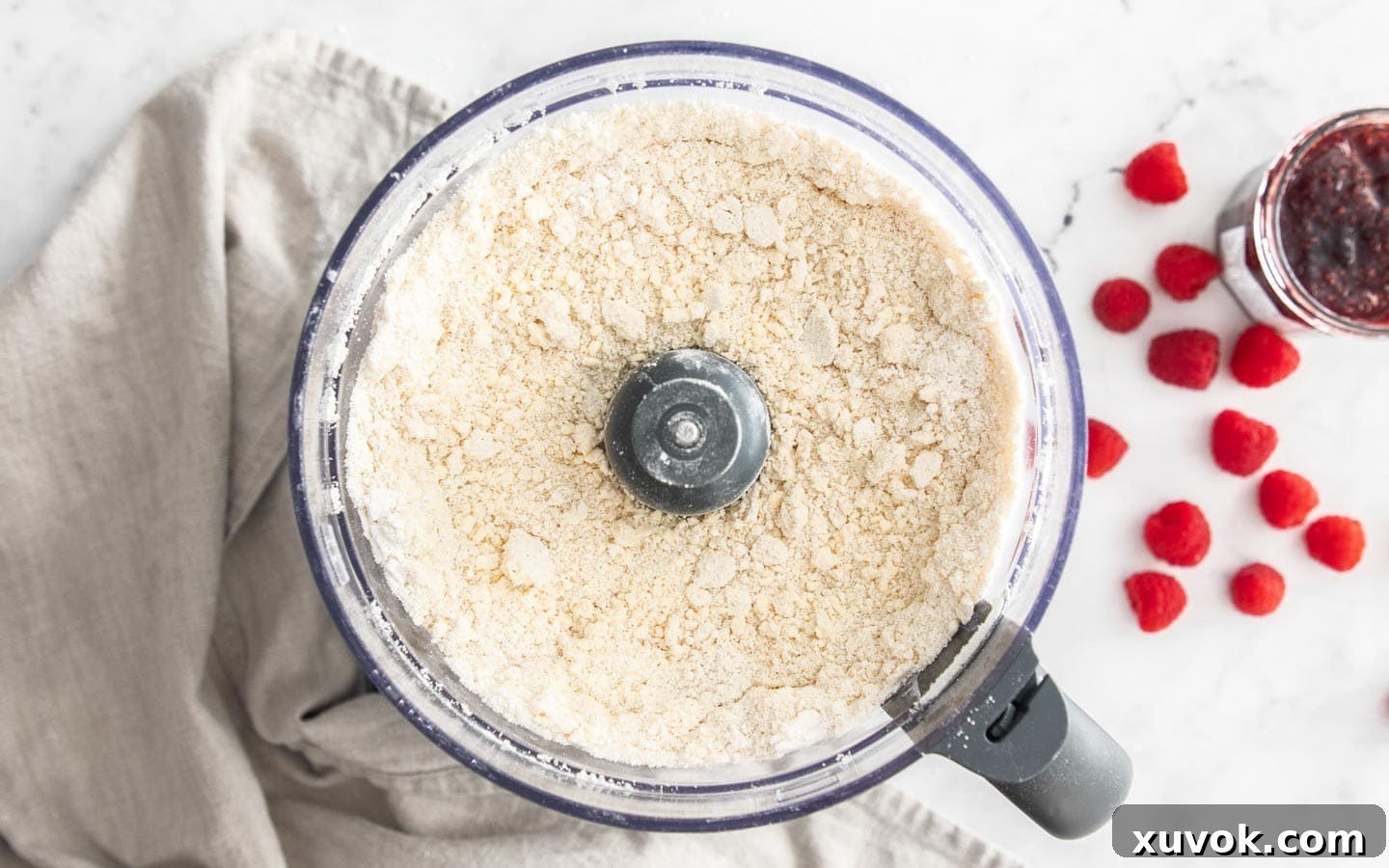
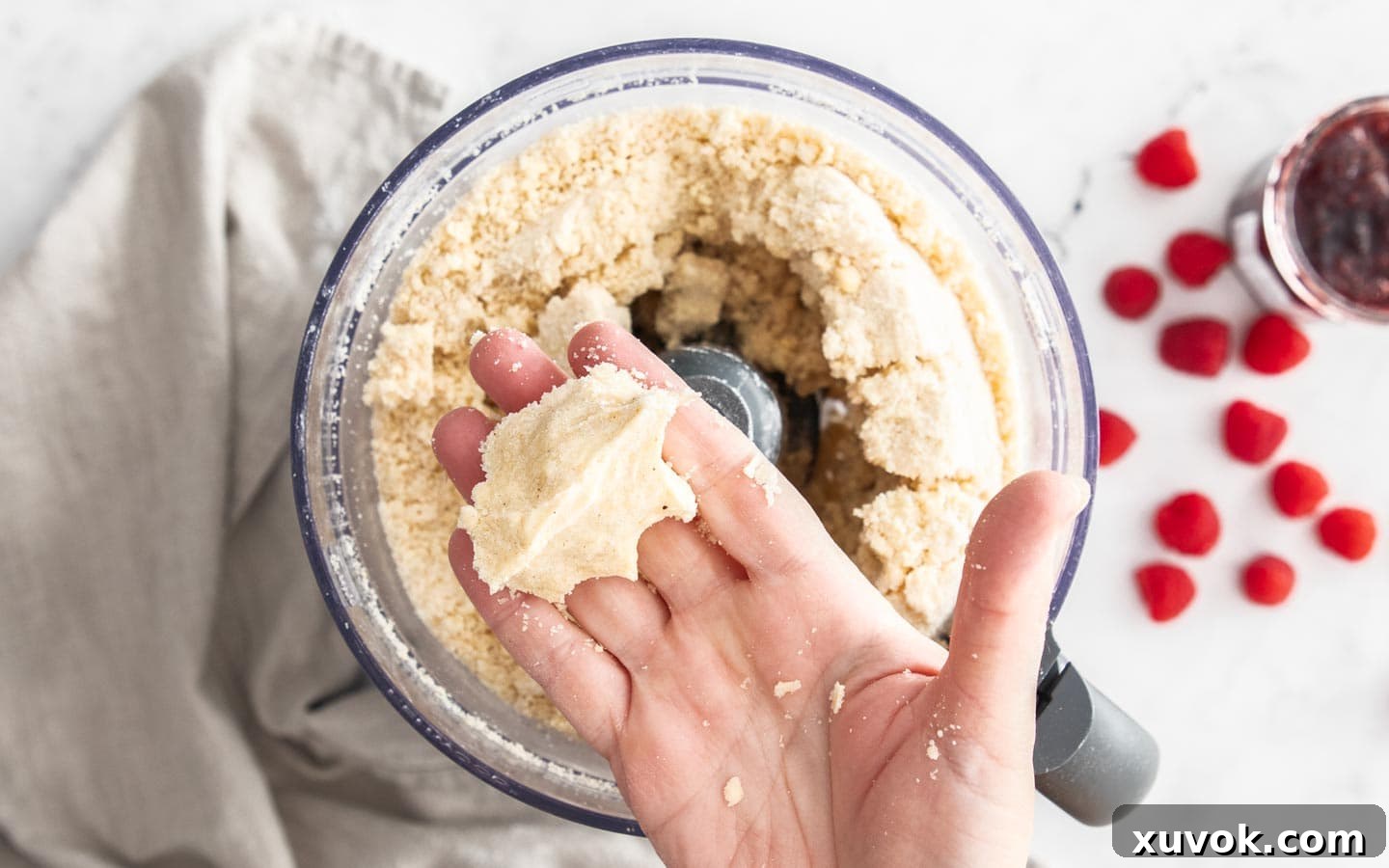
Finally, with the food processor still running, slowly drizzle in the cold water. Continue processing only until the dough just begins to clump together. When you remove the lid, the mixture might still appear quite crumbly, but don’t be alarmed. The key indicator that your dough is ready is whether it holds together firmly when you squeeze a small amount in your hand. This delicate balance ensures a tender, short pastry that is easy to work with yet incredibly flavorful.
Step 2: Rolling and Chilling the Dough
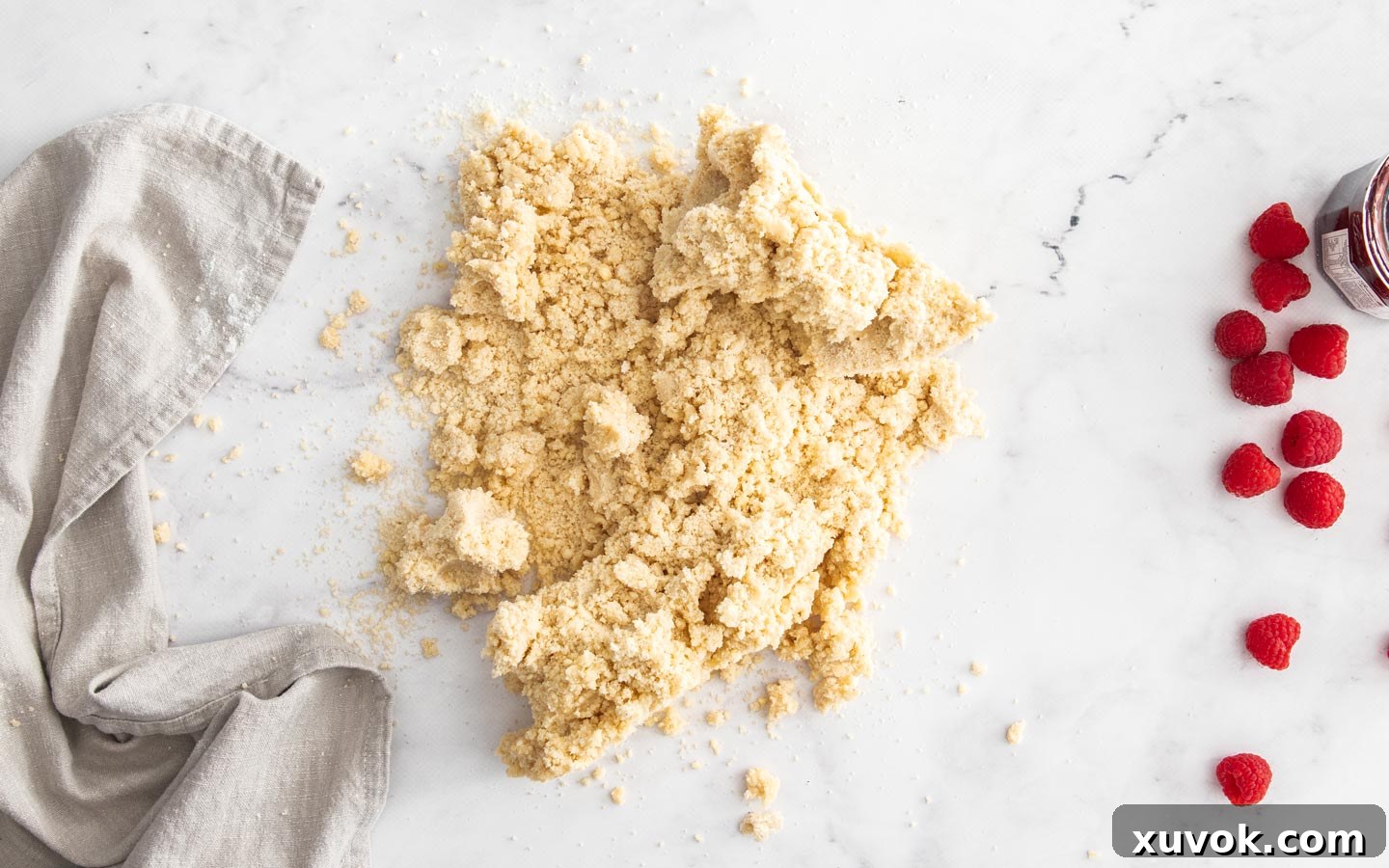
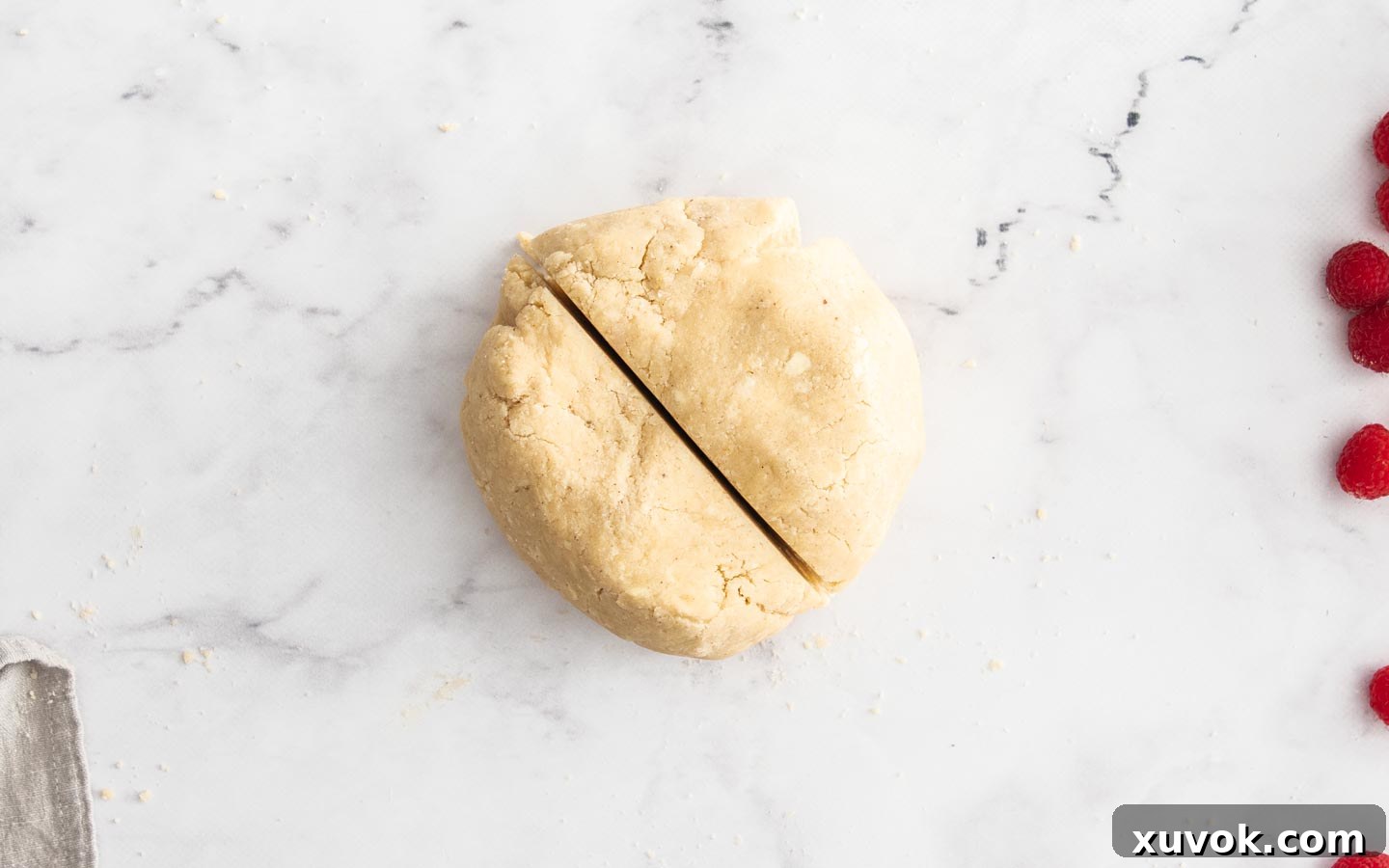
Once your dough has reached the correct crumbly-but-cohesive consistency, gently knead it a few times on a clean surface until it forms a relatively smooth ball. Remember, overworking the dough is the enemy of flaky pastry, as it develops gluten, leading to a tough result. So, a light touch is key here. After forming the ball, divide it in half to prepare for rolling.
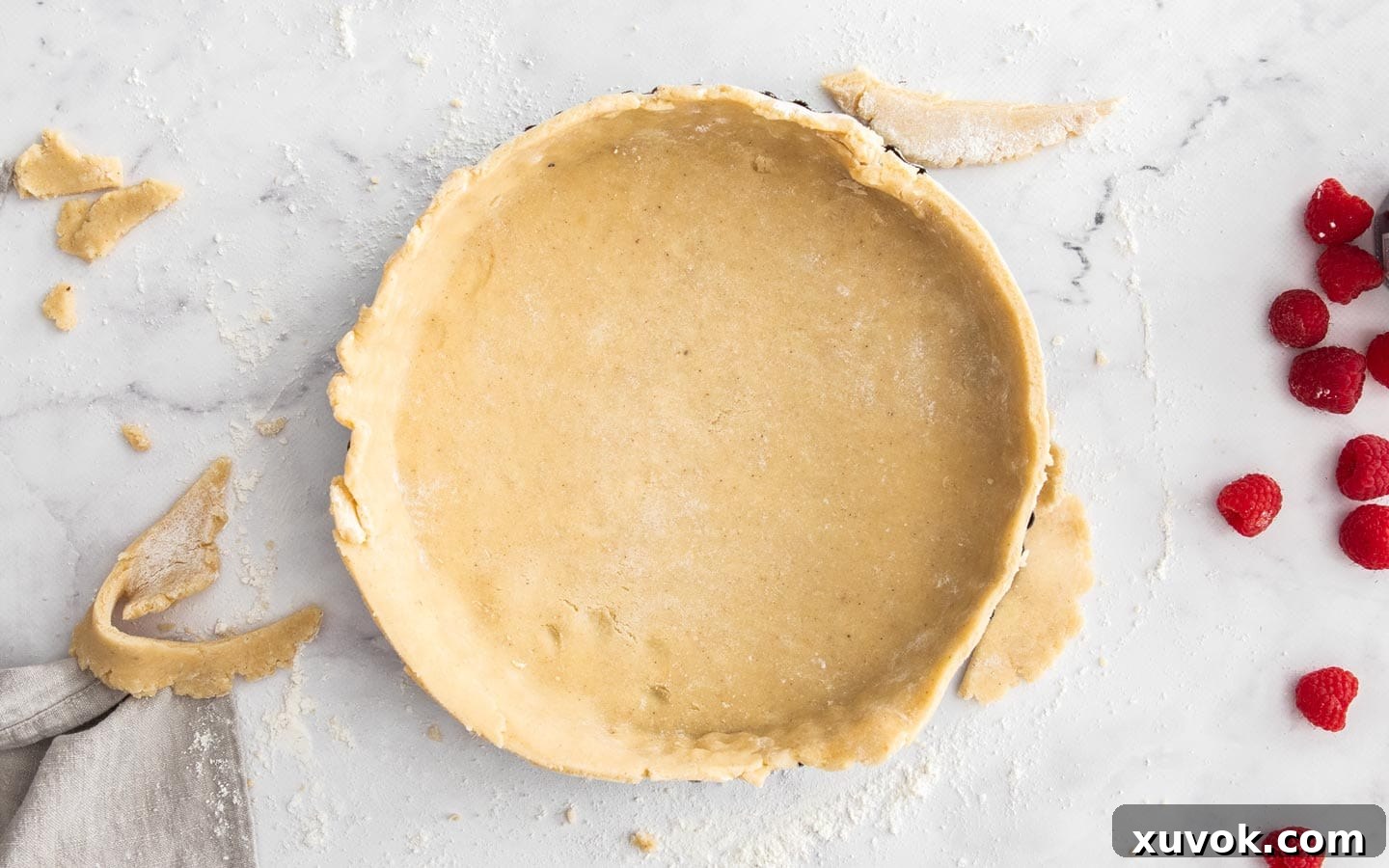
On a lightly floured surface, take one half of the dough and roll it out into a round approximately 28cm (11 inches) in diameter and about 4-5mm (⅙-⅕ inch) thick. Carefully transfer this rolled pastry into your chosen tart tin, gently pressing the dough into the corners and against the fluted edges of the pan, ensuring it sits snugly. Allow the excess dough to stand upright around the edges. A quick trim with kitchen scissors will neaten the edges, preparing it for a clean finish. Now, the crucial step: chill this pastry-lined tart tin for at least 2 hours. This chilling period is essential; it allows the gluten to relax, preventing the pastry from shrinking excessively during baking, and firms up the butter, contributing to its flakiness.
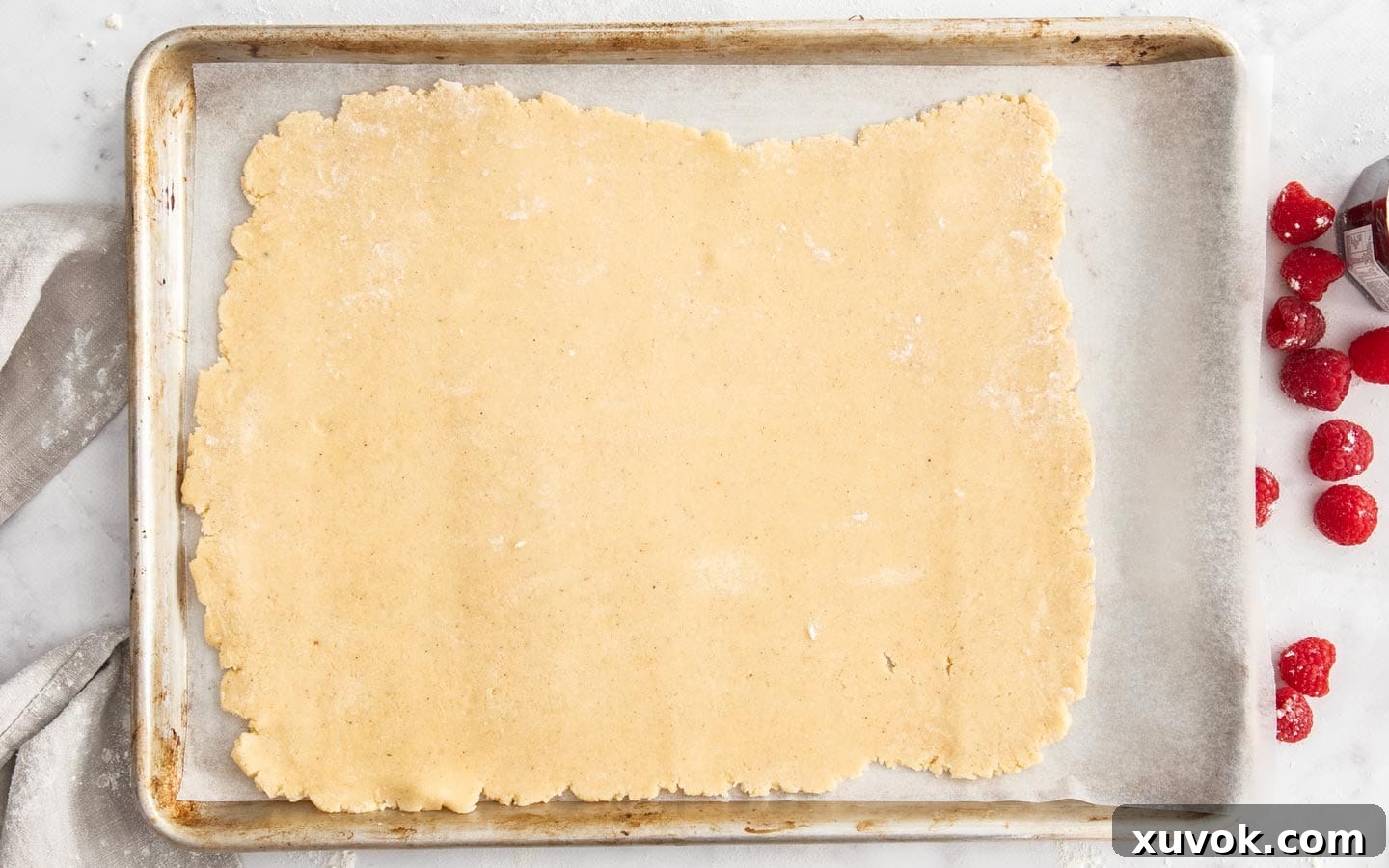
With the second piece of dough, roll it into a rectangle measuring at least 25x30cm (10×12 inches) and a similar thickness. Carefully transfer this rolled dough onto a baking sheet lined with baking paper. This sheet of dough will be used for your lattice top or other decorative elements. Like the tart base, this piece of dough also needs to be chilled for at least 2 hours. Chilling ensures the dough is firm and easy to handle when cutting and decorating, preventing it from tearing or becoming sticky.
Step 3: Filling the Tart with Flavor
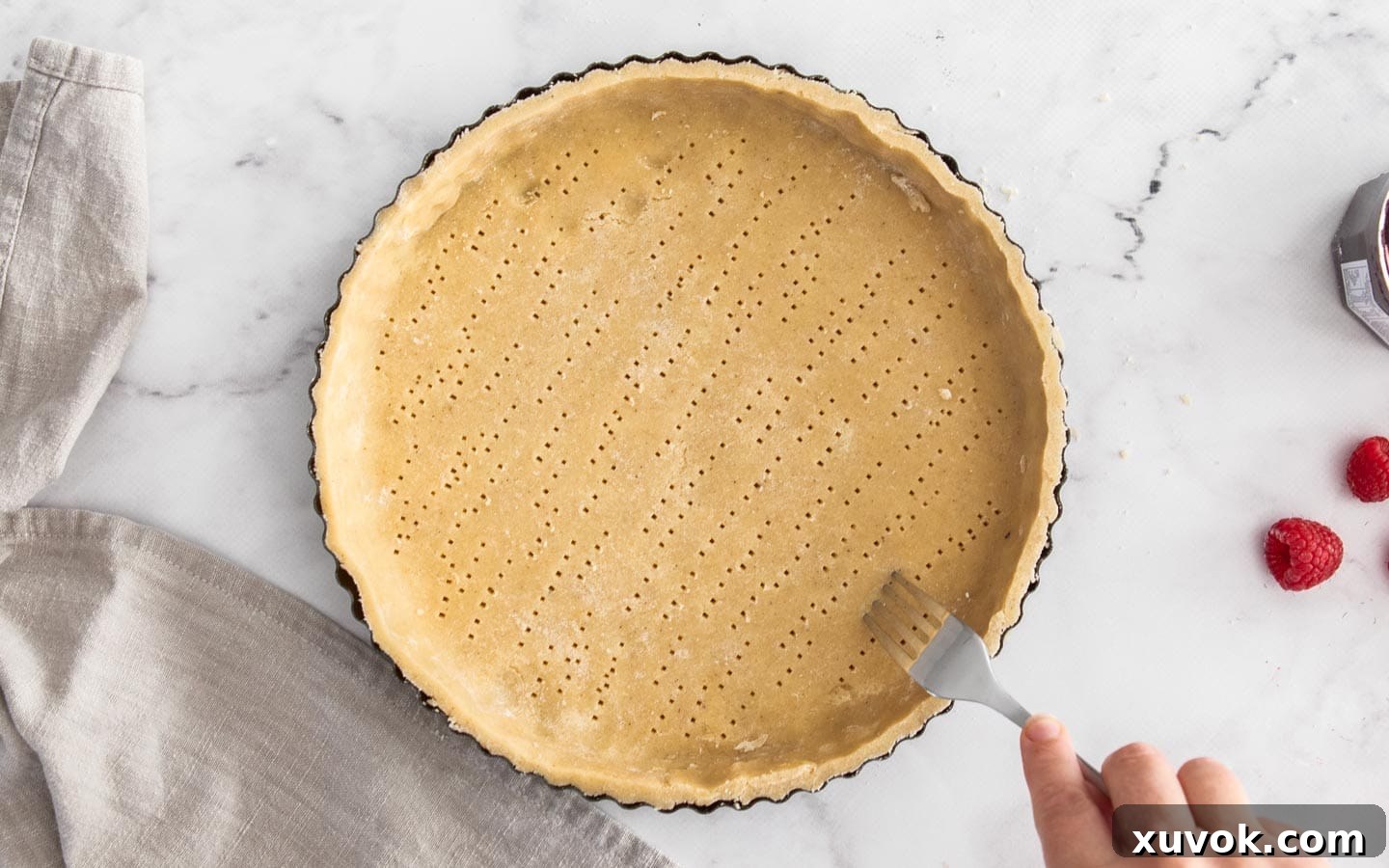
Once your pastry base has been thoroughly chilled, remove it from the refrigerator. Now it’s time to “dock” the pastry base – this simply means using a fork to prick small holes evenly across the bottom. Docking is an important step that allows steam to escape during baking, preventing the crust from puffing up unevenly. Next, take a sharp knife and run it flat against the edge of the tart tin to cleanly trim away any remaining overhang, ensuring a perfectly neat edge.
With the crust prepared, it’s time for the star of the show – the jam filling! Pour your chosen fruit preserve into the tart shell. If your jam is particularly thick, you might gently warm it slightly to make it easier to spread evenly across the base. Spread the jam out smoothly, creating a luscious layer that will be visible through the lattice top. The vibrant color of the jam against the pale pastry makes for a stunning contrast, setting the stage for the next decorative step.
Step 4: Decorating with Elegance
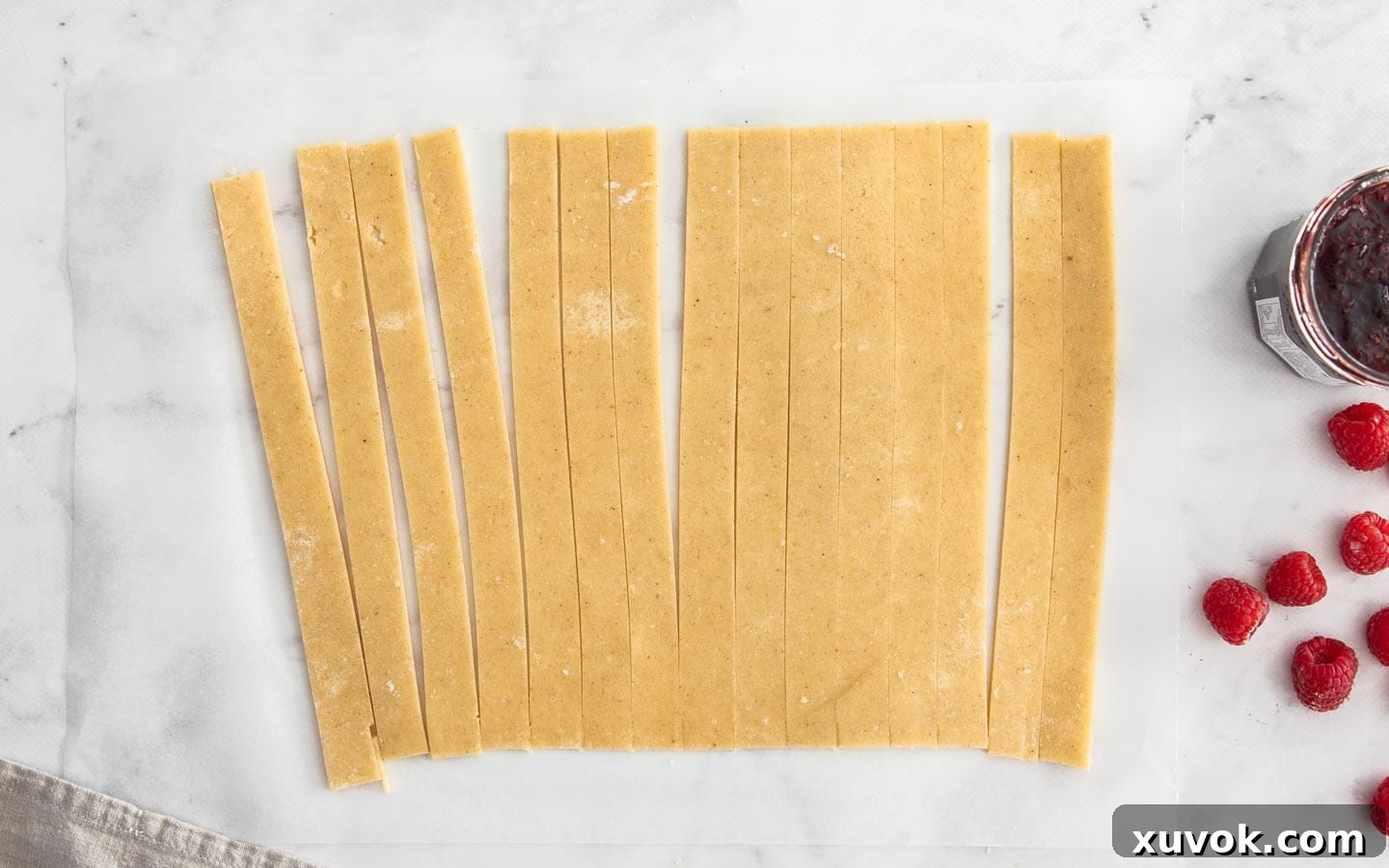
This is where the Linzer Tart truly gets its iconic look. Retrieve your chilled rectangular piece of dough. If you’re aiming for the traditional lattice design, use a ruler and a sharp knife or pastry wheel to cut at least 14 strips, each approximately 2cm (¾ inch) wide, from your dough rectangle. Precision here will result in a more professional-looking lattice.
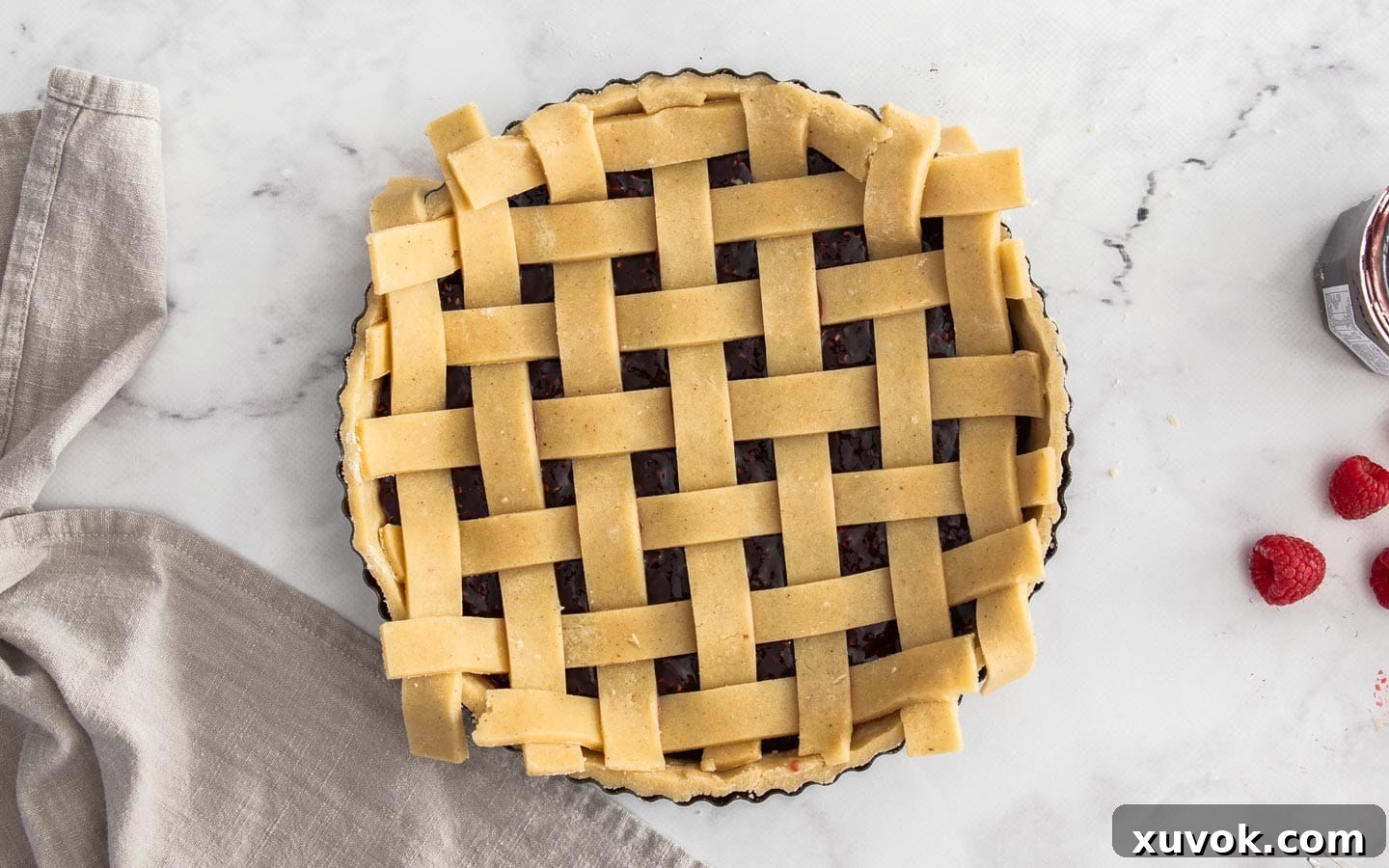
To create the lattice, lay 7 of these strips running in one direction across the tart. Start with one strip directly down the center to help you evenly space the others. For a simple grid, you can then lay the remaining 7 strips perpendicularly (at a 90° angle) over the top of the first set. However, for a more classic and elegant woven lattice, you’ll gently fold back alternate strips from the first set, place a perpendicular strip, then fold the original strips back over. Repeat this process, weaving the strips in an alternating pattern, creating that beautiful interlaced effect. Ensure all the edges of the pastry strips extend slightly over the rim of the tart. Avoid pressing the strips down firmly onto the jam; you want them to rest gently on top.
Once your lattice is complete, gently press the pastry strips all around the tart’s edges to seal them together with the base crust. This also helps to neatly trim away any excess overhang, creating a clean, finished appearance. Take your time with this step, as it contributes significantly to the final presentation of your Linzer Tart.
Step 5: Egg Wash and Baking to Golden Perfection
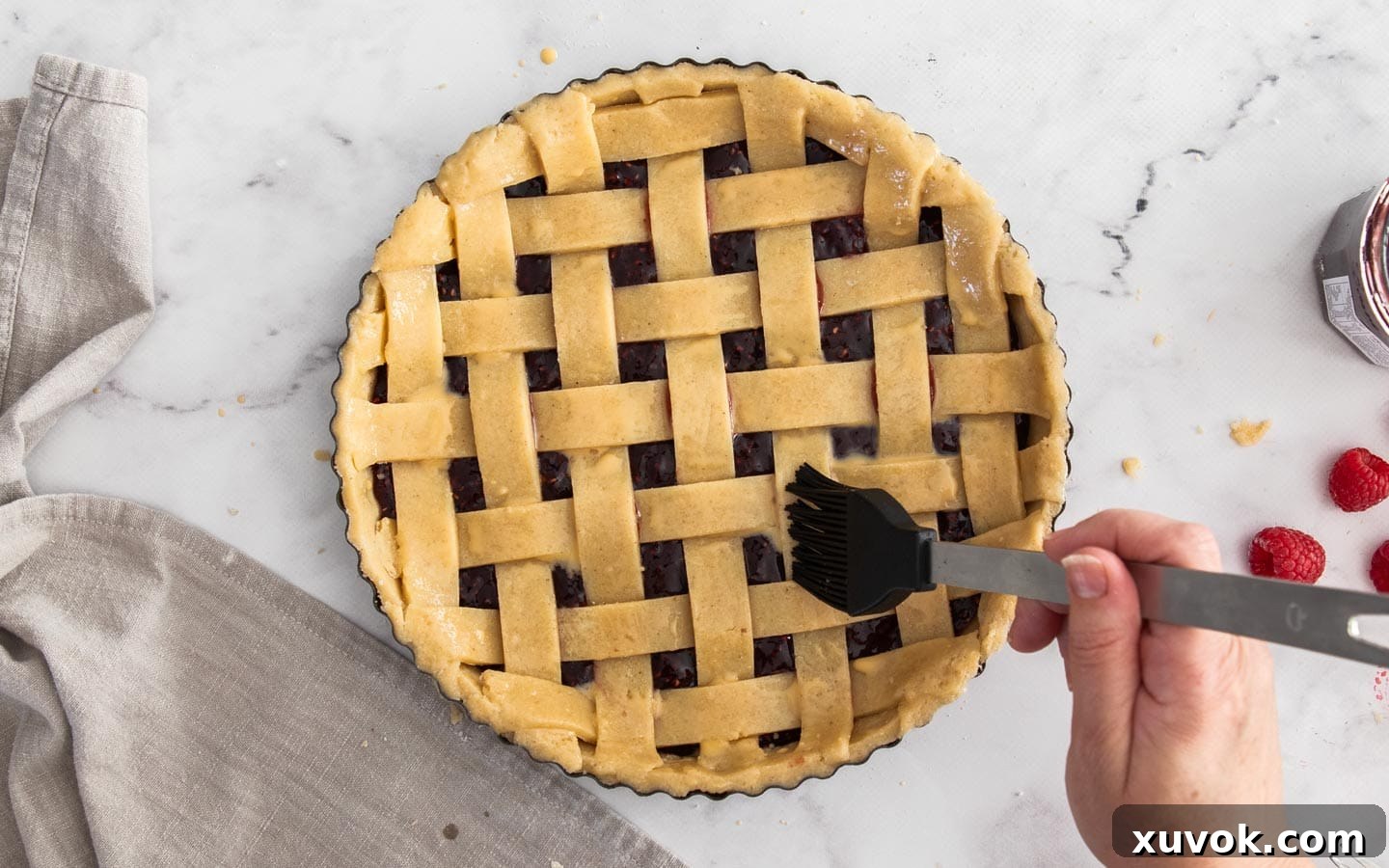
The final touch before baking is a simple yet impactful egg wash. In a small bowl, whisk together the extra egg yolk with a couple of teaspoons of milk, cream, or even water. This mixture creates a beautiful golden sheen on your pastry. Carefully brush this egg wash all over the lattice top of your tart. Pay particular attention to coating all the pastry strips, including their edges and where they join. Every part of the pastry that receives the egg wash will turn a rich, appetizing golden brown, enhancing the tart’s visual appeal. Be gentle as you brush, trying not to drag any jam over the pastry, which could scorch.
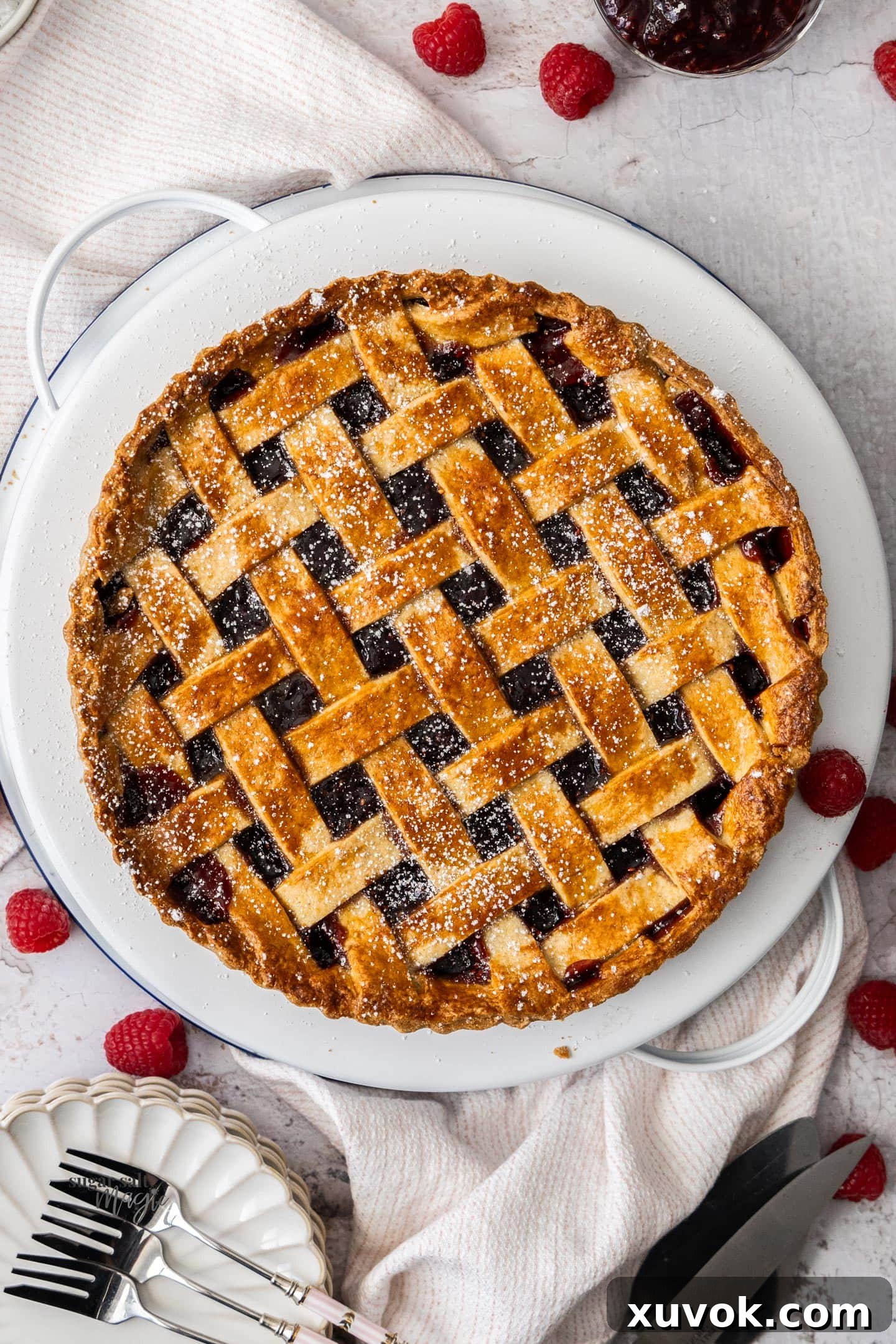
Now, your beautifully assembled Linzer Tart is ready for the oven. Bake it for approximately 45-50 minutes in a preheated oven. You’ll know it’s perfectly baked when the pastry has achieved a rich, deep golden-brown color, and you can see the fruit jam bubbling invitingly through the lattice openings. This bubbling indicates the jam has warmed through and is fully integrated with the tart. Once baked, remove the tart from the oven and allow it to cool completely on a wire rack. This cooling period is crucial, as it allows the jam to set properly, preventing it from running out when you slice into your magnificent Linzer Torte.
Expert Tips and Tricks for Linzer Tart Success
Achieving a perfect Linzer Tart is straightforward if you keep a few key baking principles in mind. These tips will help ensure your tart is flaky, flavorful, and a true delight:
- Precision in Weighing Ingredients: Baking is often referred to as a science, and for good reason. Accuracy in ingredient measurements is paramount. Where possible, always weigh your ingredients, especially flour and sugar. A little too much flour can significantly dry out your pastry crust, leading to a tough and less enjoyable texture. Digital kitchen scales are an inexpensive investment that will elevate your baking results considerably.
- Do Not Overwork the Pastry: The goal for this pastry is a tender, short, and flaky crust. This is achieved by incorporating cold butter into the flour mixture, which creates tiny pockets. As the Linzer Tart bakes, these butter pockets melt and release steam, forming delicate layers and air pockets that give the pastry its characteristic flakiness. Overworking the dough develops gluten, which makes the pastry tough and diminishes its melt-in-your-mouth quality. Mix just until combined.
- The Essential Chill Time: Resist the temptation to skip or shorten the chilling phases. Chilling the dough before use is critical for several reasons:
- It allows the gluten, which develops slightly during mixing, to relax. This relaxation prevents the pastry from shrinking excessively when baked, helping it retain its shape.
- It firms up the butter within the dough. This cold butter is vital for creating steam and resulting flakiness during baking.
- It makes the dough much easier to handle when rolling, cutting, and shaping, especially for delicate tasks like creating the lattice top.
Aim for at least 2 hours of chilling for both the base and the lattice dough.
- Cool Completely Before Serving: Patience is a virtue, especially when it comes to the Linzer Tart. It is absolutely vital to allow the tart to cool completely, preferably to room temperature, before you attempt to cut into it. If you slice it while still warm, the fruit jam filling will likely be too liquid and could run out, creating a messy slice and potentially burning you. Cooling allows the jam to set properly, resulting in clean, beautiful slices.
- Quality of Ingredients Matters: Since the ingredient list is short, the quality of each component truly shines. Use good quality butter, fresh almonds, and a high-quality jam that you love the taste of. This will significantly impact the final flavor of your tart.
- Preheat Your Oven Properly: Ensure your oven is fully preheated to the correct temperature before placing the tart inside. A properly preheated oven ensures even baking and helps the pastry crisp up beautifully from the start.
- Dust with Powdered Sugar: For a professional and elegant finish, dust your cooled Linzer Tart generously with powdered sugar just before serving. This adds a delicate sweetness and a beautiful visual contrast against the golden-brown crust and vibrant jam.
Creative Substitutions and Variations
The Linzer Tart is wonderfully versatile, allowing for numerous creative twists and substitutions while maintaining its classic charm. Don’t hesitate to experiment and make this recipe truly your own:
- Hazelnut Meal for Almonds: While almond meal provides a delicious, subtle flavor, using hazelnut meal is actually very traditional in an authentic Linzer Torte. Hazelnuts offer a deeper, more robust nutty flavor that pairs beautifully with many fruit jams. You can swap them in equal measure.
- Change Up the Jam Flavor: Raspberry, redcurrant, and apricot are the classic choices, offering a delightful balance of sweetness and tartness. However, almost any good quality fruit jam will work wonderfully. Consider plum, cherry, blackberry, or even fig preserves for a unique flavor profile. This is also a fantastic opportunity to use up various jars of jam you might have in your fridge. For an adventurous touch, you could even create different sections within your tart and fill them with contrasting jam flavors!
- Simplify the Lattice Design: A woven lattice top is undeniably pretty and classic, but it does require a gentle hand and a bit of time. If you’re looking for a quicker or simpler approach, you can still create a beautiful effect by merely laying 7 strips of pastry in one direction, and then placing the remaining 7 strips directly over the top in the opposite direction. This creates a neat, square grid without the need for weaving.
- Decorate with Cookie Cutters: For a fun and festive alternative to a lattice, use small cookie cutters to cut out shapes from your rolled dough (think stars for Christmas, hearts for Valentine’s Day, or leaves for autumn). Arrange these decorative shapes artfully over the jam filling, overlapping them slightly to create an appealing pattern.
- Add a Touch of Liqueur: Elevate the flavor of your jam filling by stirring in a tablespoon or two of a complementary liqueur. Amaretto (almond liqueur) enhances the nutty pastry, while Frangelico (hazelnut liqueur) would be perfect if using hazelnut meal. A fruit-based liqueur like Chambord (raspberry) or an orange liqueur like Grand Marnier can also add a sophisticated depth to the fruit filling.
- Introduce Citrus Zest: A traditional Linzer Tart often incorporates a touch of citrus. Finely grated orange zest or lemon zest (or even both!) can be added to the pastry dough alongside the dry ingredients. The aromatic oils in the zest will infuse the crust with a bright, fragrant note that beautifully complements both the nuts and the fruit jam.
- Enhance Flavor with Extracts: For an extra layer of flavor, consider adding a little almond extract to the dough, which will intensify the nutty notes. Alternatively, a dash of high-quality vanilla extract can add warmth and complexity. Add these with the wet ingredients.
Making the Most of Leftover Dough
It’s almost inevitable that you’ll have some leftover pastry dough after crafting your magnificent Linzer Tart. But don’t let these precious scraps go to waste! This nutty, buttery dough is far too delicious to discard and can be easily repurposed into delightful treats.
The simplest way to utilize the remaining dough is to roll it out thinly, just like you would for cookies. Then, use your favorite cookie cutters – perhaps small stars, rounds, or even the same shapes you used for a decorative tart top – to create some bonus cookies! Place them on a baking sheet lined with parchment paper and bake them for approximately 10-12 minutes, or until their edges turn a light golden brown. Once cooled, you can drizzle them with a simple icing made from powdered sugar mixed with a touch of cinnamon and a tiny amount of water, allowing it to set before serving.
For an extra special treat, you can transform these simple cookies into classic Linzer Cookies. Simply cut two identical shapes for each cookie. Bake them as described, then, once cooled, spread a thin layer of your chosen jam onto one cookie and sandwich it with the other. A dusting of powdered sugar over the top cookie (especially if you cut a small window out of its center before baking) completes these charming, bite-sized versions of the main tart. This ensures every last bit of that delicious, nutty pastry is enjoyed!
Storage and Make-Ahead Strategies
One of the many wonderful qualities of the Linzer Tart is its excellent keeping quality, making it a perfect dessert for planning ahead or enjoying over several days.
- Storing the Baked Linzer Tart: Once your Linzer Tart has completely cooled to room temperature, it should be stored in an airtight container. Keep it in the refrigerator, where it will maintain its freshness and delicious flavor for up to 1 week. The flavors often deepen and meld beautifully after a day or two, making it even more enjoyable.
- Making the Dough Ahead: The pastry dough for your Linzer Tart is incredibly forgiving and perfect for advance preparation. You can prepare the dough up to 3 days ahead of time. Simply wrap the dough balls tightly in plastic wrap and store them in the refrigerator. When you’re ready to bake, let the dough sit at room temperature for about 15-20 minutes to make it easier to roll out, or process it in the food processor for a few seconds if it’s too firm.
- Pre-Forming the Tart Shell: You can even go a step further and roll out and form the pastry into your tart pan a day or two in advance. Once the dough is in the pan, trim the edges, dock the base, and cover it tightly with plastic wrap before chilling it in the refrigerator. This significantly cuts down on prep time on baking day.
- Freezing the Dough: If you find yourself with extra dough or prefer to bake in stages, the Linzer Tart dough freezes beautifully. Wrap it securely in plastic wrap, then place it in a freezer-safe bag or container. It can be frozen for up to 3 months. When you’re ready to use it, thaw the dough in the refrigerator overnight before proceeding with the rolling and baking steps. This is a fantastic option for those leftover dough scraps if you don’t feel like making cookies immediately!
- Freezing the Baked Tart: While the tart is best fresh or refrigerated, you can freeze a fully baked and cooled Linzer Tart. Wrap it tightly in several layers of plastic wrap, then a layer of aluminum foil. Freeze for up to 1 month. Thaw overnight in the refrigerator before serving.
These make-ahead and storage options ensure that you can enjoy this exquisite Austrian delicacy with minimal fuss, whether you’re preparing for a special occasion or simply craving a taste of tradition.
More Baking Adventures You’ll Adore
If you’ve fallen in love with the art of tart making after trying this Linzer Tart, there’s a whole world of delightful pastries waiting for you to explore. Here are some more recipes that promise to bring joy to your kitchen and your taste buds:
- Bakewell Tart: A British classic featuring a shortcrust pastry, jam, and a frangipane topping, often finished with flaked almonds.
- Raspberry Frangipane Tart: A luxurious tart with a rich almond cream (frangipane) base, studded with fresh, juicy raspberries.
- Puff Pastry Jam Tarts: Quick, easy, and incredibly satisfying, these individual tarts use store-bought puff pastry and your favorite jam for a simple treat.
- Apple Frangipane Tart: A comforting combination of tender apples baked into a creamy almond frangipane, all nestled in a buttery crust.
- Peach Hand Pies: Delightful individual pies filled with spiced peaches, perfect for a portable dessert or snack.
⭐⭐⭐⭐⭐
Did you try this linzer tart recipe? Show it some love in the comments below.
Hungry for more? Subscribe to the newsletter for free recipes straight to your inbox. Also, follow along on Facebook, Pinterest and Instagram.
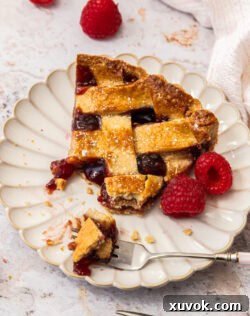
Linzer Tart (Linzertorte)
Rate
Pin
Ingredients
- 325 g plain flour (all-purpose flour) (2 ½ cups/11 ½ oz)
- 150 g almond meal (ground almonds) (1 ½ cups/5.3oz)
- ⅓ cup granulated white sugar (67g /2.4oz)
- ¾ teaspoon mixed spice
- Pinch salt
- 200 g unsalted butter cold and cubed (7oz)
- 2 large eggs cold
- ¼ cup cold water
- 1 ⅔ cups raspberry jam (500g)
- 1 egg yolk extra
- 2 teaspoons water, milk or cream
For best results, always weigh ingredients where a weight is provided
Instructions
-
In the bowl of a food processor, add the flour, almond meal, sugar, spice, cubed butter and a pinch of salt. Process on the lowest setting until the largest pieces of butter are the size of a pea.
-
Add the eggs and process on low to combine, then with the processor running, slowly pour in the cold water and continue processing until the mixture starts to form large clumps.
-
The pastry should still look crumbly but holds together when you press it together with your hands. Tip it out onto a clean surface and gently knead it together just a few times (not too much) until you have a smoothish ball off pastry dough.
-
Cut the dough into two even pieces. Dust the surface and the first ball of dough with just a little flour, only enough to stop it sticking, and roll it out to circle about 4-5mm / ⅙-⅕ inch thick.
-
Sit your rolling pin in the centre of the dough and fold the far side over the top, then lift and transfer it to a 9 inch round, fluted tart pan with removeable base.
-
Gently press the sides of the dough downwards into the corners and press around the sides so that it’s tight up against the fluted edge and the pastry is standing upright. Trim a little of the overhang off, just so that it doesn’t flop over and ruin the shape then chill the pastry case for 2 hours.
-
Shape the second piece of dough, along with any offcuts from the first piece, into a rough square then roll out into a squarish shape also about 4-5mm / 1/6-1/5th inch thick. Lay a sheet of baking paper onto a large sheet pan then lift the dough with the rolling pin, the same way you did with the first one and lay it onto the baking sheet. Chill for 2 hours also.
-
Use a sharp knife to cut strips in the flat square piece of pastry about 2cm / ¾ inch wide.
-
Take the pastry base out of the fridge and prick all over with a fork. Trim off the edges with a sharp knife.
-
Fill the pastry base with the raspberry jam and spread over evenly.
-
Lay or weave the strips of pastry lightly over the jam in a lattice pattern making sure they overlap the edge of the tart. Press around the edges with your finger to seal the edges and cut away any excess.
-
Mix together the egg yolk and milk, then brush all over the lattice on top of the tart. Be careful to get all the pastry but try not to drag the jam over the pastry with the brush. Any part of the pastry without egg wash won’t turn golden.
-
Bake for 45-50 minutes until the pastry is golden and the jam is bubbly. Let the tart cool completely before serving.
-
Please take a moment to leave a comment & rating. It’s appreciated and so helpful.
Notes
- Tablespoons: I use a standard Australian 20ml tablespoon (equal to 4 teaspoons). Check yours before measuring.
- All ovens vary. While this recipe is as accurate as possible, test for doneness 3-5 minutes before the recipe suggests as different ovens can vary.
- For best results, you should always weigh ingredients like flour and sugar. Kitchen scales are relatively cheap but if you can’t weigh the ingredients, use the spoon and level method (don’t scoop).
- Nutrition details are approximate only – scroll below the recipe to find the full nutritional information.
MORE PIES AND TARTS!
Calories from Fat 288