Irresistible Lemon Shortbread: The Quintessential Buttery Cookie Recipe
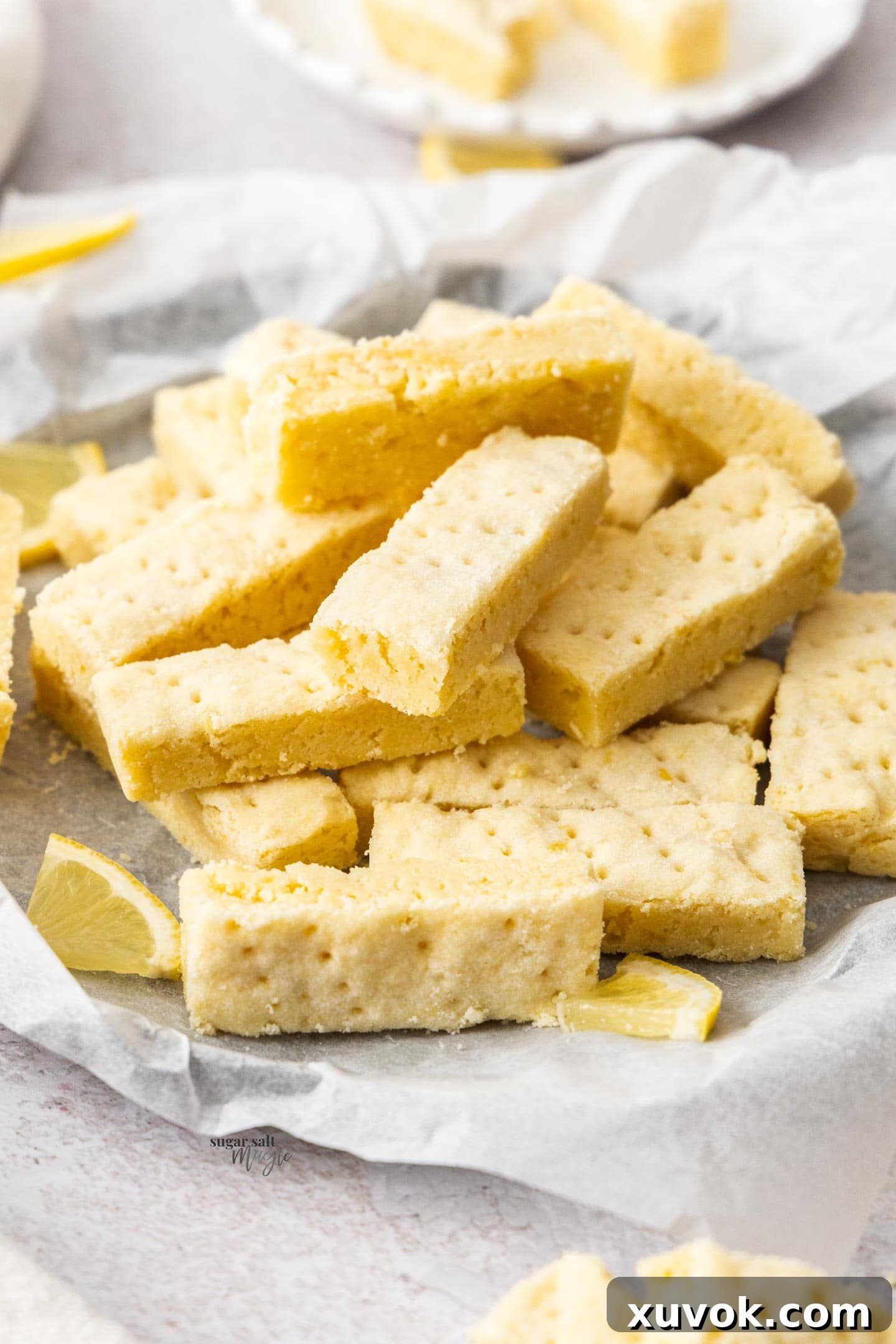
There’s a reason shortbread remains a timeless classic: its unparalleled buttery richness, tender crumb, and satisfying melt-in-your-mouth texture. This lemon shortbread recipe takes that beloved tradition and elevates it with a delightful burst of fresh citrus. Perfect for those who adore the bright tang of lemon, these cookies offer a delicate yet distinctive flavor that will captivate your taste buds. Imagine a moment of pure bliss, savoring one of these golden delights with your favorite cup of tea or coffee.
Beyond their exquisite taste, these lemon shortbread cookies are also incredibly rewarding to make. They combine simplicity with gourmet appeal, making them suitable for both novice bakers and seasoned pros. Their delicate nature and elegant flavor profile also make them an ideal candidate for thoughtful homemade gifts, bringing a touch of sunshine to any occasion. Whether it’s a cozy afternoon treat or a festive holiday platter, lemon shortbread is always a welcome addition.
- Effortlessly Simple: Requiring minimal fuss and baking expertise.
- Only 5 Essential Ingredients: A testament to straightforward, quality baking.
- Excellent for Batch Baking & Gifting: Prepare them in advance for convenience or share the joy.
- Luxuriously Buttery & Wonderfully Delicious: A true indulgence for the senses.
- Versatile Treat: Perfect with a hot beverage, as a dessert, or a thoughtful present.
The secret to this shortbread’s gentle yet pronounced lemony flavor lies in the careful integration of fresh lemon zest. Given the inherent buttery richness of traditional shortbread, relying solely on zest prevents excess moisture that could alter the cookie’s signature tender-crumbly structure. A clever technique involves working the lemon zest directly into the sugar first, which helps to release and intensify those aromatic citrus oils, ensuring every bite is infused with vibrant lemon essence.
If you’re a devoted fan of lemon desserts, you might also enjoy exploring other delightful citrus-infused treats. For a creamy twist, these lemon curd cookies offer a luscious center. Alternatively, for a sweet and shiny finish, try these bright lemon glazed cookies. And for an extra special indulgence, these enchanting lemon meringue pie cookies provide a miniature taste of the classic dessert.
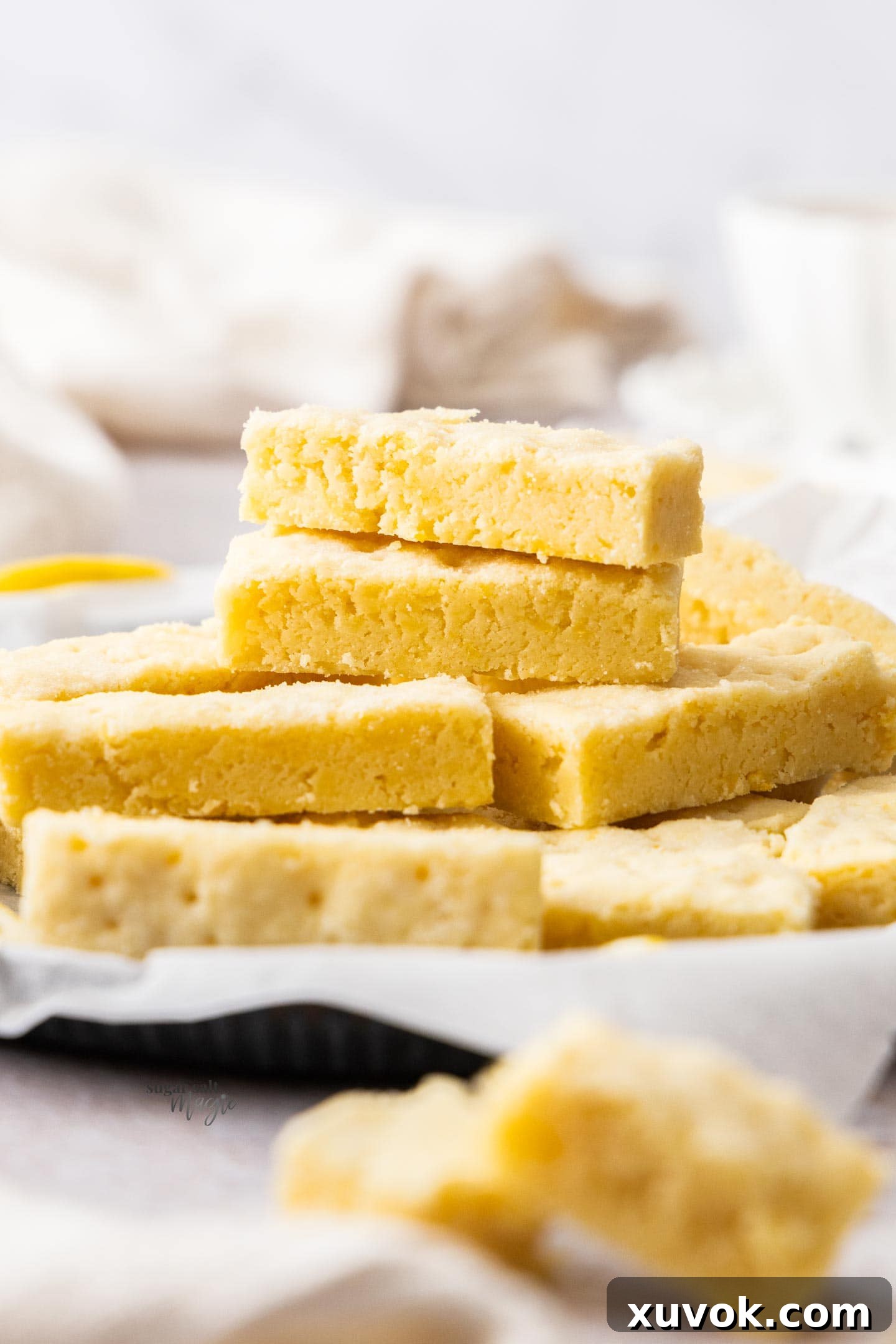
Table of Contents
- Ingredients for Perfect Lemon Shortbread
- How to Make Lemon Shortbread: A Step-by-Step Guide
- Expert Tips for Unforgettable Lemon Shortbread
- Storing Your Lemon Shortbread: Freshness Guaranteed
- Explore More Delicious Shortbread Recipes
- Lemon Shortbread Recipe Card
Never Miss a Recipe!
Join our community and get the latest delicious recipes delivered straight to your inbox! Be the first to discover new baking adventures and culinary delights.
Sign up here for exclusive recipes and baking tips!
Ingredients for Perfect Lemon Shortbread
Creating these delightful lemon shortbread cookies is incredibly straightforward, thanks to a concise list of just five core ingredients. Each element plays a crucial role in achieving that signature melt-in-your-mouth texture and vibrant lemon flavor.
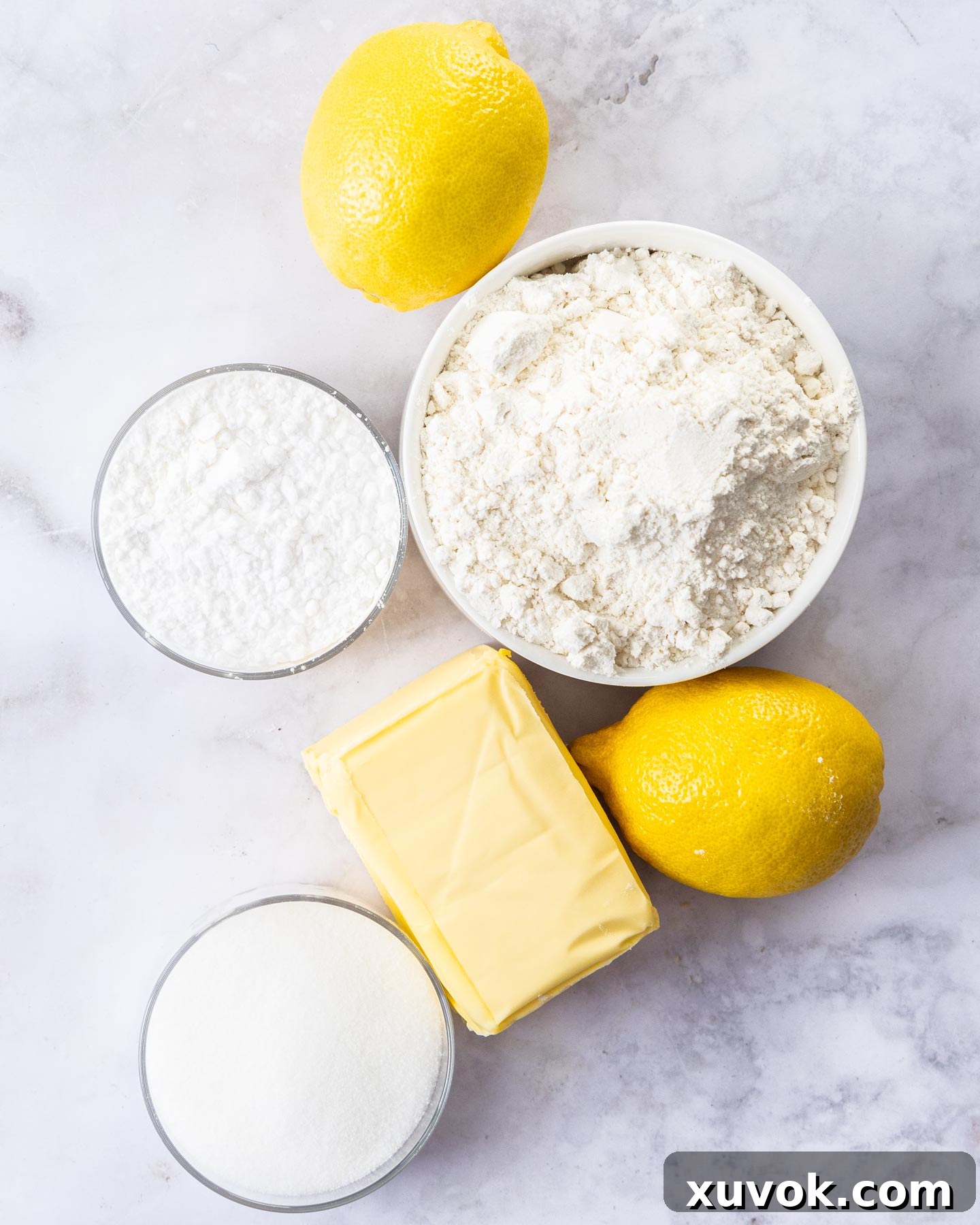
For precise measurements and detailed instructions, please refer to the recipe card at the bottom of this page.
- Unsalted Butter: This is the cornerstone of exceptional shortbread. Using unsalted butter allows you to control the overall saltiness of your cookies, ensuring a pure, rich, and creamy flavor that is characteristic of traditional shortbread. While some prefer the slight tang of salted butter, for these lemon shortbreads, unsalted is recommended to prevent an overpowering salty taste that could compete with the delicate lemon notes. Ensure your butter is softened to room temperature for optimal creaming.
- Caster Sugar (Superfine Sugar): While standard granulated white sugar will work in a pinch, caster sugar is highly recommended. Its finer granules dissolve more easily into the butter, resulting in a smoother dough and a more tender, less grainy texture in the finished cookie. Avoid powdered sugar (icing sugar) as it contains cornstarch, which would alter the dough’s consistency and the cookie’s texture.
- Plain Flour (All-Purpose Flour): This provides the primary structure for your shortbread. Using plain flour ensures a tender crumb that isn’t too chewy. It’s important to measure your flour accurately, preferably by weight, to avoid adding too much, which can lead to dry, tough cookies.
- Cornflour (Cornstarch in the US): This might seem like an unusual addition, but cornflour is the secret weapon for achieving that truly ‘melt-in-your-mouth’ quality in shortbread. As a very fine starch, it helps to tenderize the dough, inhibiting gluten development and making the cookies incredibly delicate and crumbly. It’s often used in thickening sauces, but its power in baking, especially for shortbread, is truly transformative.
- Lemon Zest: The star of the show! We use the zest of two medium lemons, not the juice. Lemon juice would introduce too much moisture, altering the dough’s texture and potentially making the shortbread tough instead of tender. The zest, on the other hand, provides concentrated lemon oil and intense flavor without affecting the delicate balance of the dough. For best results, use a microplane zester to get fine zest without the bitter white pith. Feel free to experiment by swapping lemon zest for orange zest for a different citrus twist.
Flavor Enhancements & Variations: To add an extra layer of warmth, a touch of vanilla extract can deepen the flavor profile. For an even more pronounced lemon punch, consider adding a little lemon extract. You can also introduce textural contrast and nutty flavor by folding in finely chopped pistachios or almonds into the dough.
How to Make Lemon Shortbread: A Step-by-Step Guide
Shortbread is renowned for its simplicity, and these lemon-infused cookies are no exception. The process is straightforward, yielding delicious results with minimal effort. Follow these steps for perfect, buttery lemon shortbread every time.
For a complete list of ingredients and precise measurements, please refer to the recipe card below.
1. Zest and Sugar Fusion
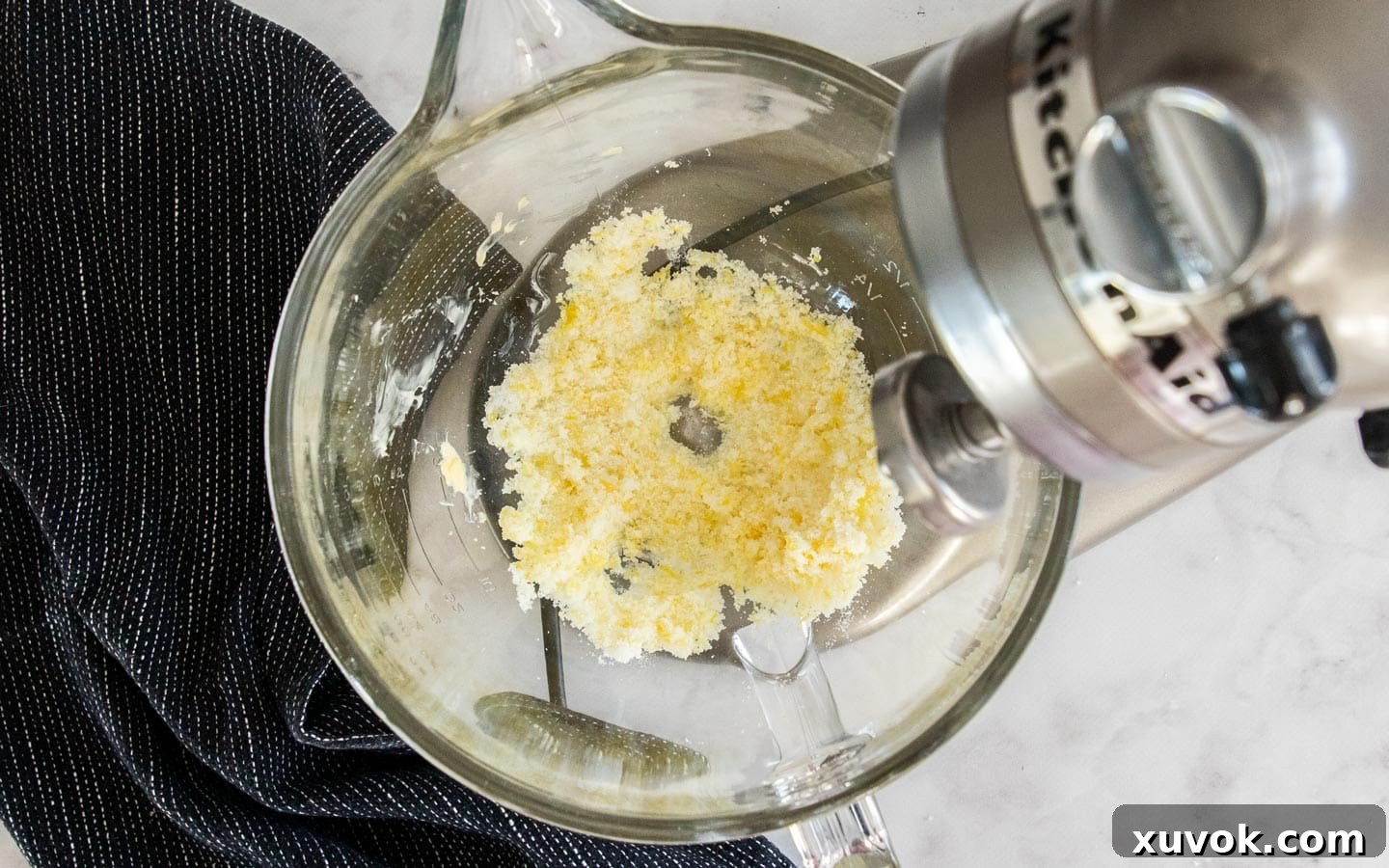
Begin by preheating your oven to 160°C (140°C fan forced) / 350°F. Line a 9-inch square baking pan with baking paper, leaving an overhang on two sides to easily lift the shortbread later. In a large mixing bowl, or the bowl of your stand mixer, combine the caster sugar and finely grated lemon zest. Use your fingertips to gently rub the zest into the sugar. This crucial step helps release the fragrant essential oils from the lemon zest, infusing the sugar with intense citrus flavor and aroma, similar to how wet sand feels. A microplane zester is ideal for achieving very fine zest without any bitter white pith.
2. Creaming Butter and Zesty Sugar
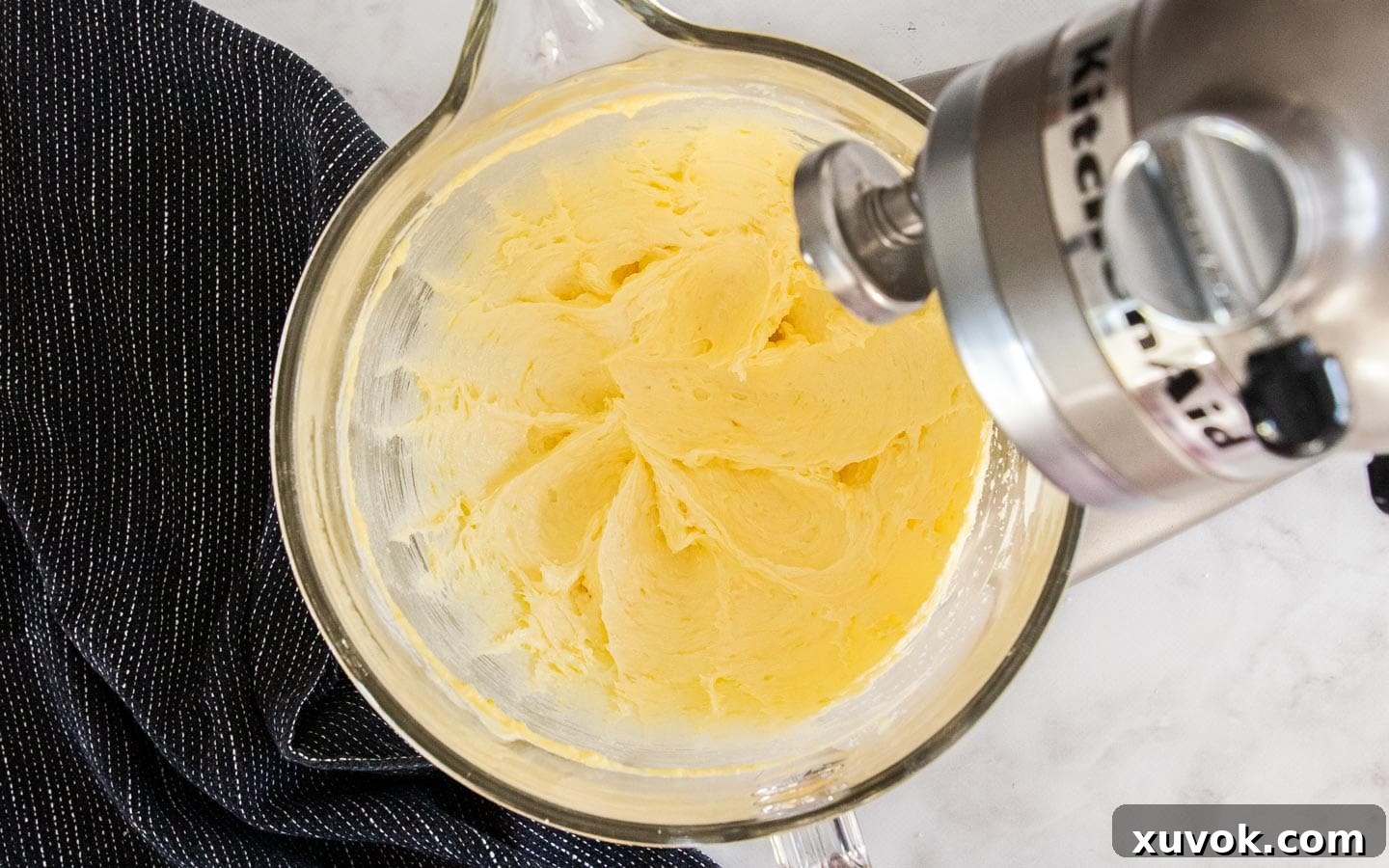
Next, add the softened unsalted butter to your lemon-infused sugar mixture. Using the paddle attachment of a stand mixer or a handheld electric mixer, beat the butter and sugar together on medium speed. Continue beating until the mixture becomes visibly light, fluffy, and pale in color. This process incorporates air into the butter, which is essential for creating a tender and delicate shortbread texture. Scrape down the sides of the bowl occasionally to ensure everything is thoroughly combined.
3. Incorporating Dry Ingredients
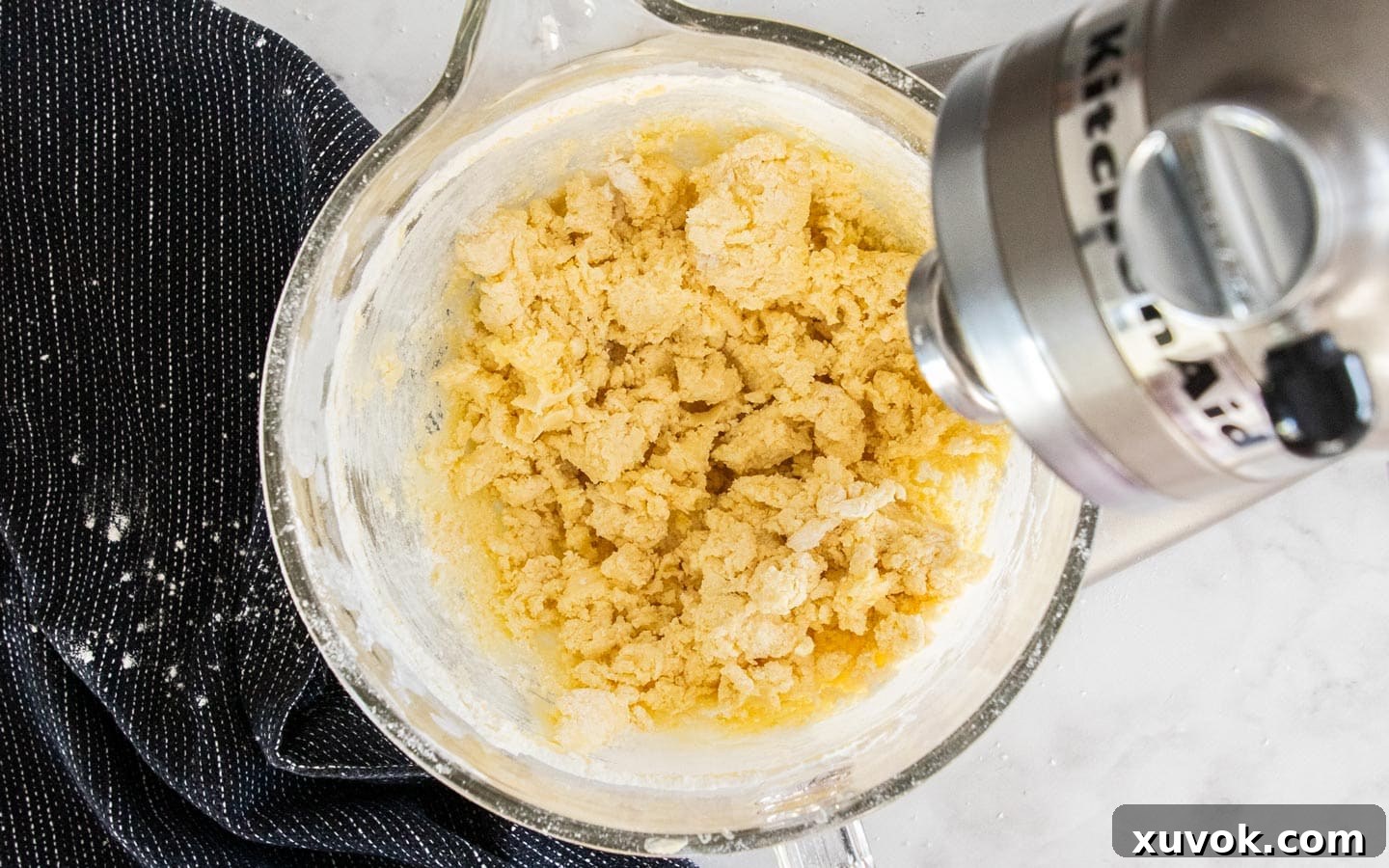
Now, it’s time to add the dry components. Sift the plain flour and cornflour directly into the butter and sugar mixture. Sifting helps to remove any lumps and aerate the flours, contributing to a lighter texture. With the mixer on low speed, gently beat the ingredients until they are just combined and the mixture begins to clump together into a soft, cohesive dough. Be careful not to overmix at this stage, as over-developing the gluten in the flour can lead to tough shortbread. As soon as the flour streaks disappear and a dough forms, stop mixing.
4. Shaping Your Shortbread Delights
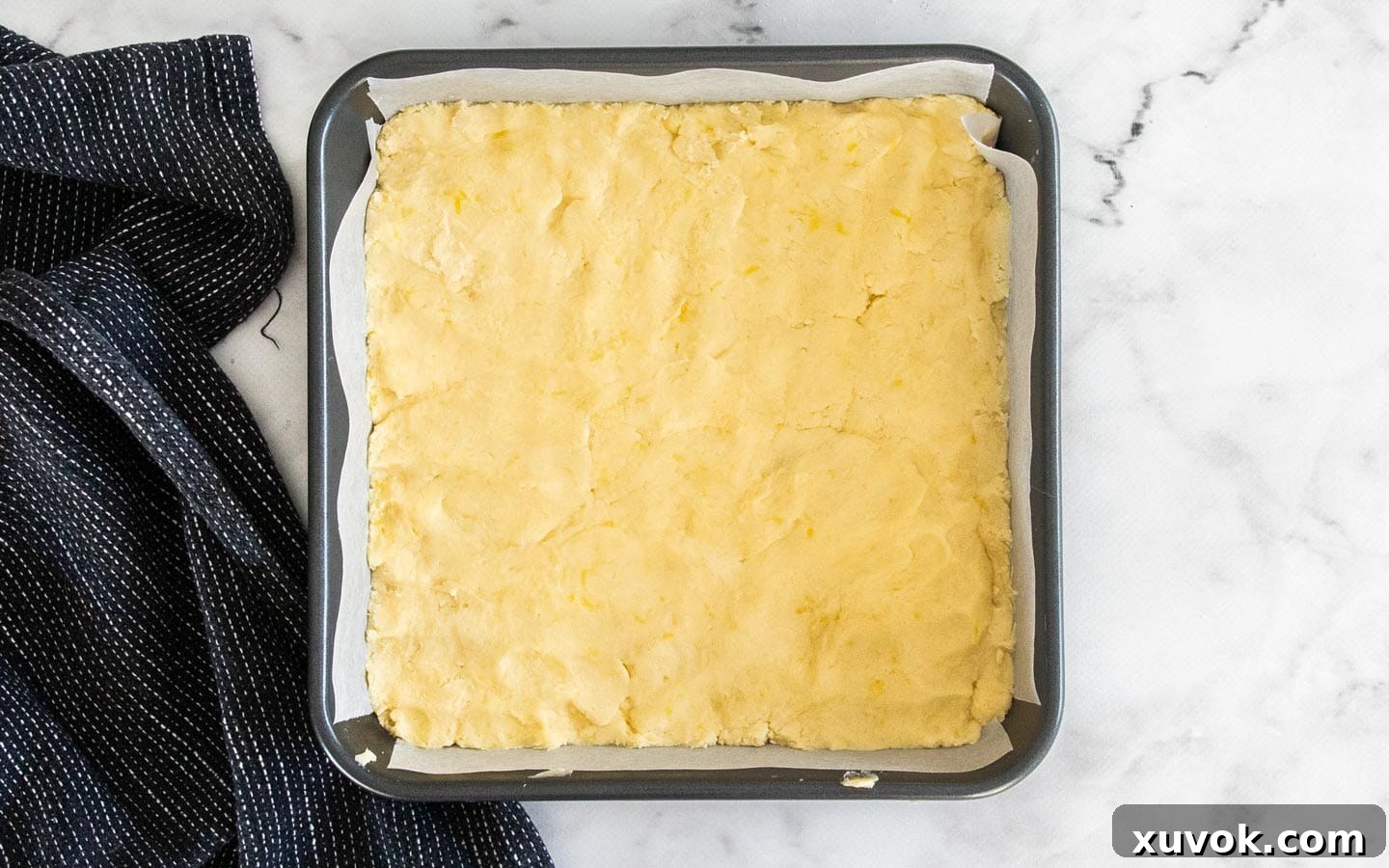
Once your dough is ready, transfer it to the prepared 9-inch square baking pan. Use your hands or an offset spatula to firmly press the dough into an even layer, ensuring it fills the pan from edge to edge and the top surface is as flat and smooth as possible. If your dough feels very soft or sticky, which can happen if your butter was too warm, chill it in the refrigerator for 10-15 minutes before proceeding with shaping. This brief chill will make it easier to handle and achieve clean cuts.
Alternative Shaping Methods: You don’t have to stick to the baking pan! For a more traditional look or specific shapes, you can roll out the shortbread dough. First, chill the dough for about 30 minutes to firm it up. Lightly dust a clean work surface with a sprinkling of flour, then use a rolling pin to roll the dough to your desired thickness (typically about ¼ to ½ inch). From there, you can use various cookie cutters to create decorative shapes, or simply use a knife to cut logs, fingers, or wedges. Once cut, carefully transfer the shaped cookies to baking sheets lined with parchment paper and bake as directed.
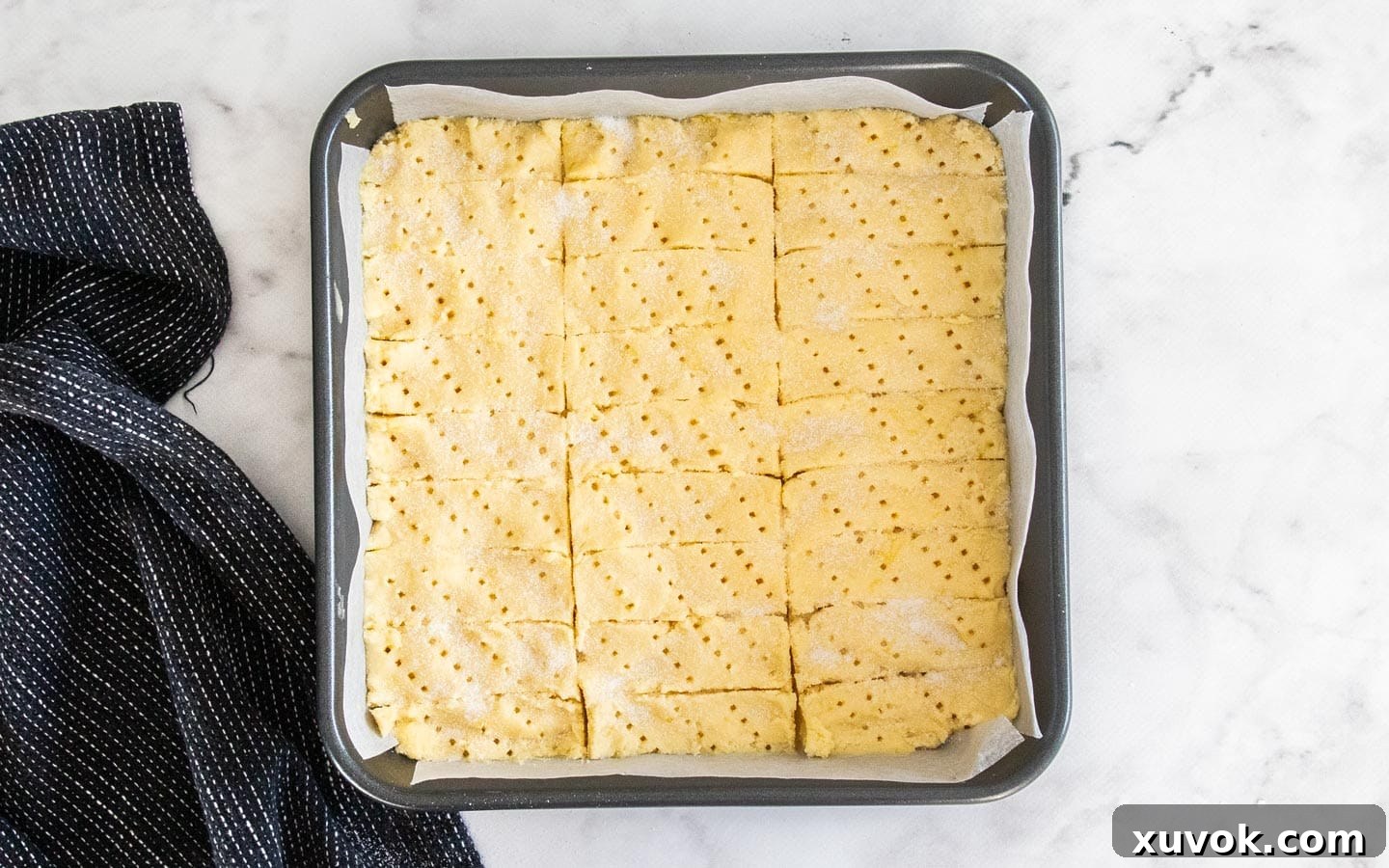
For uniform portions and classic shortbread “fingers,” use a paring knife to score the dough. First, cut 9 even rows across the width of the pan. Then, turn the pan 90 degrees and cut 3 rows across the length. This will result in 27 individual logs. Crucially, don’t separate them at this stage; these are just guide marks to make cutting the cookies easier and cleaner after baking. Finally, use a fork to gently prick the top of each log 3-4 times. This traditional step adds a lovely aesthetic touch and can help prevent excessive puffing during baking, though it’s primarily for visual appeal.
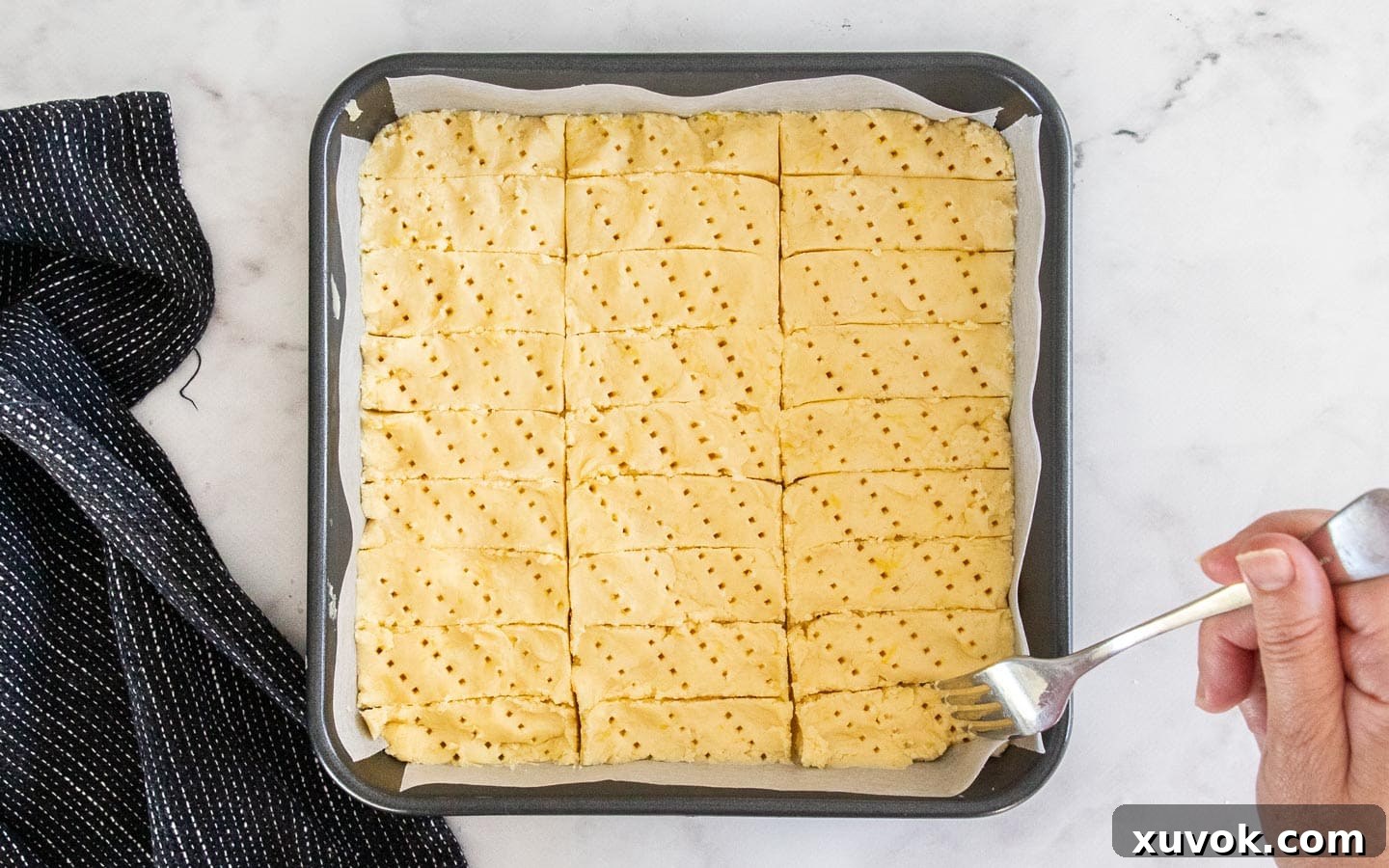
To finish, sprinkle about 2 teaspoons of caster sugar evenly over the scored dough. This adds a delicate crunch and a touch of sweetness to the cookie tops. Place the pan in the preheated oven and bake for approximately 35 minutes. The shortbread is ready when it is just beginning to turn a pale golden color around the edges, and the center looks set. Avoid overbaking, as shortbread should remain relatively pale to maintain its tender texture. Once baked, remove the pan from the oven and immediately re-cut along the scored lines with your knife. Do not separate the cookies yet. Allow the lemon shortbread to cool completely in the pan for at least 40 minutes, or until fully firm. This slow cooling helps them set and prevents breakage. Finally, gently transfer the individual shortbread logs to a wire rack to finish cooling completely before serving or storing.
Expert Tips for Unforgettable Lemon Shortbread
Achieving perfectly tender and flavorful lemon shortbread is simple with a few key considerations. These tips and tricks will help you master this classic cookie and avoid common pitfalls, ensuring your shortbread is nothing short of spectacular.
- Always Weigh Your Ingredients: For consistent and professional baking results, weighing your ingredients, especially flour and sugar, is paramount. Volume measurements (cups) can be inaccurate due to variations in packing, leading to too much or too little of a key ingredient. Too much flour, for instance, will result in dry, crumbly cookies, while too little can make them spread excessively. Investing in a kitchen scale is relatively inexpensive and allows you to measure directly into your mixing bowl, saving on washing up.
- Butter Temperature Matters: Ensure your unsalted butter is at true room temperature – soft enough to make an indentation when pressed, but not greasy or melted. If your butter is too soft or warm, your dough will be excessively pliable and difficult to handle, potentially leading to cookies that spread more in the oven. If this happens, a quick 10-15 minute chill in the refrigerator can help firm it up.
- Don’t Overmix the Flour: Once you add the flour and cornflour, mix only until just combined. Overmixing develops the gluten in the flour, which can lead to tough, chewy cookies – the opposite of shortbread’s signature tender crumb. As soon as the dry ingredients are incorporated and no visible streaks of flour remain, stop mixing.
- Consider a Lemon Glaze: While a sprinkle of caster sugar provides a lovely finish, for an extra layer of sweetness and a glossy sheen, consider adding a simple lemon glaze after baking. You can find an excellent recipe for a complementary glaze in these lemon biscuits. Apply the glaze once the shortbread has cooled completely.
- Boost the Lemon Flavor: If you crave an even more intense lemon experience, you have a couple of options. Besides rubbing the zest into the sugar, you can add 1 teaspoon of high-quality lemon extract to the wet ingredients. Alternatively, a lemon glaze (as mentioned above) can significantly amplify the citrus tang.
- Patience with Cooling: Resist the urge to move the shortbread too soon after baking. Shortbread is delicate when warm and needs time to set and firm up. Cooling it slowly in the pan before transferring to a wire rack will prevent breakage and ensure a perfectly crisp yet tender texture.
Storing Your Lemon Shortbread: Freshness Guaranteed
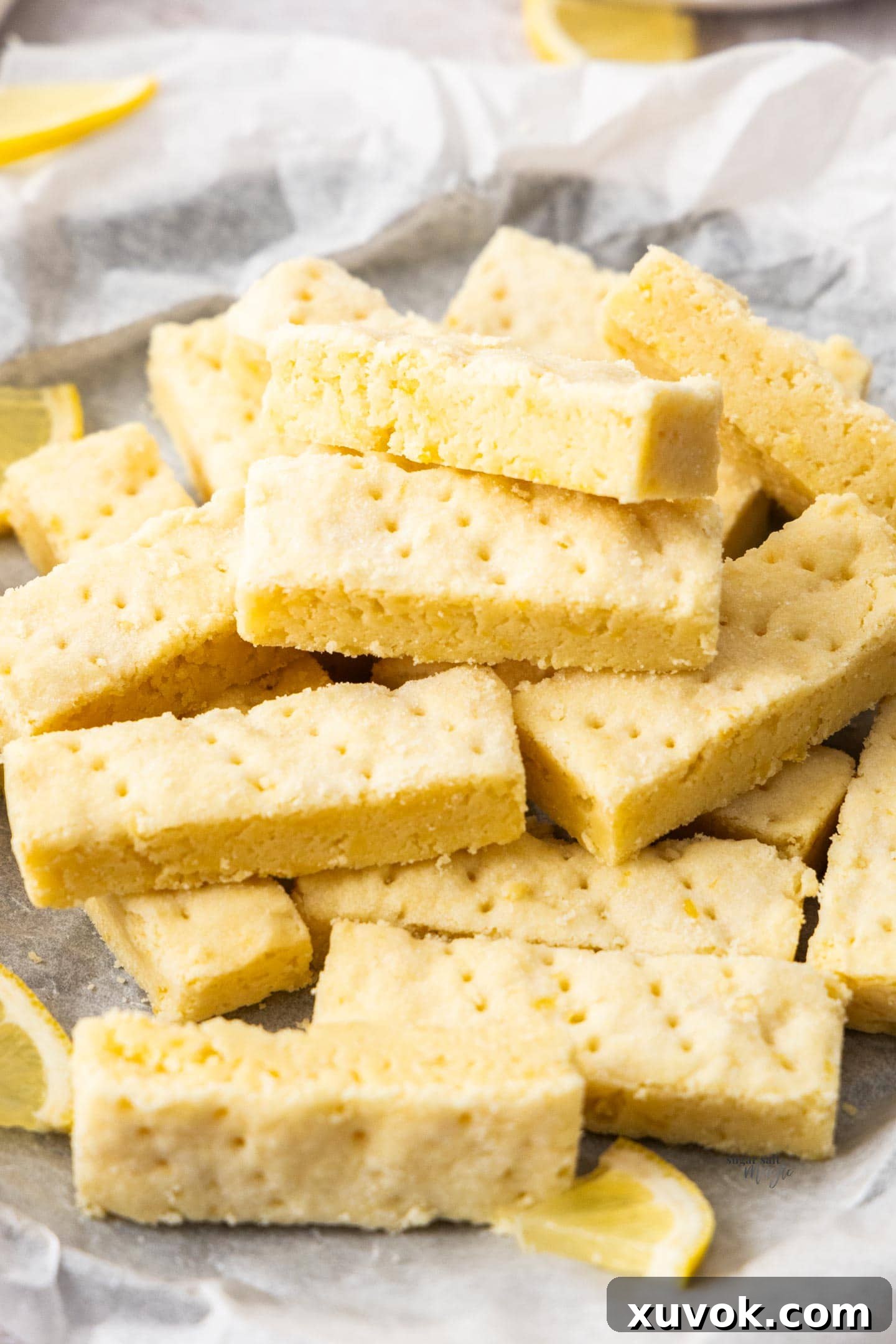
Proper storage is key to maintaining the exquisite flavor and delicate texture of your homemade lemon shortbread. Since these cookies contain fresh lemon zest, which contributes to their vibrant taste, they are best kept refrigerated to prolong their freshness.
Refrigerator Storage: Store your lemon shortbread in an airtight container in the refrigerator for up to 7 days. The cool environment helps preserve the lemon’s brightness and prevents the butter from going rancid. While they are perfectly fine at room temperature for a couple of days, especially if consumed quickly, chilling is recommended for extended enjoyment.
Freezer Storage: Lemon shortbread freezes beautifully, making it an excellent option for meal prepping or preparing ahead for special occasions. Arrange the cooled cookies in a single layer on a baking sheet and freeze until solid. Once frozen, transfer them to a freezer-safe airtight container or heavy-duty freezer bag, layering them with parchment paper to prevent sticking. They will keep well in the freezer for up to 2 months. To serve, simply thaw them at room temperature for an hour or so, or gently warm them in a low oven for a few minutes for a freshly baked feel.
Explore More Delicious Shortbread Recipes
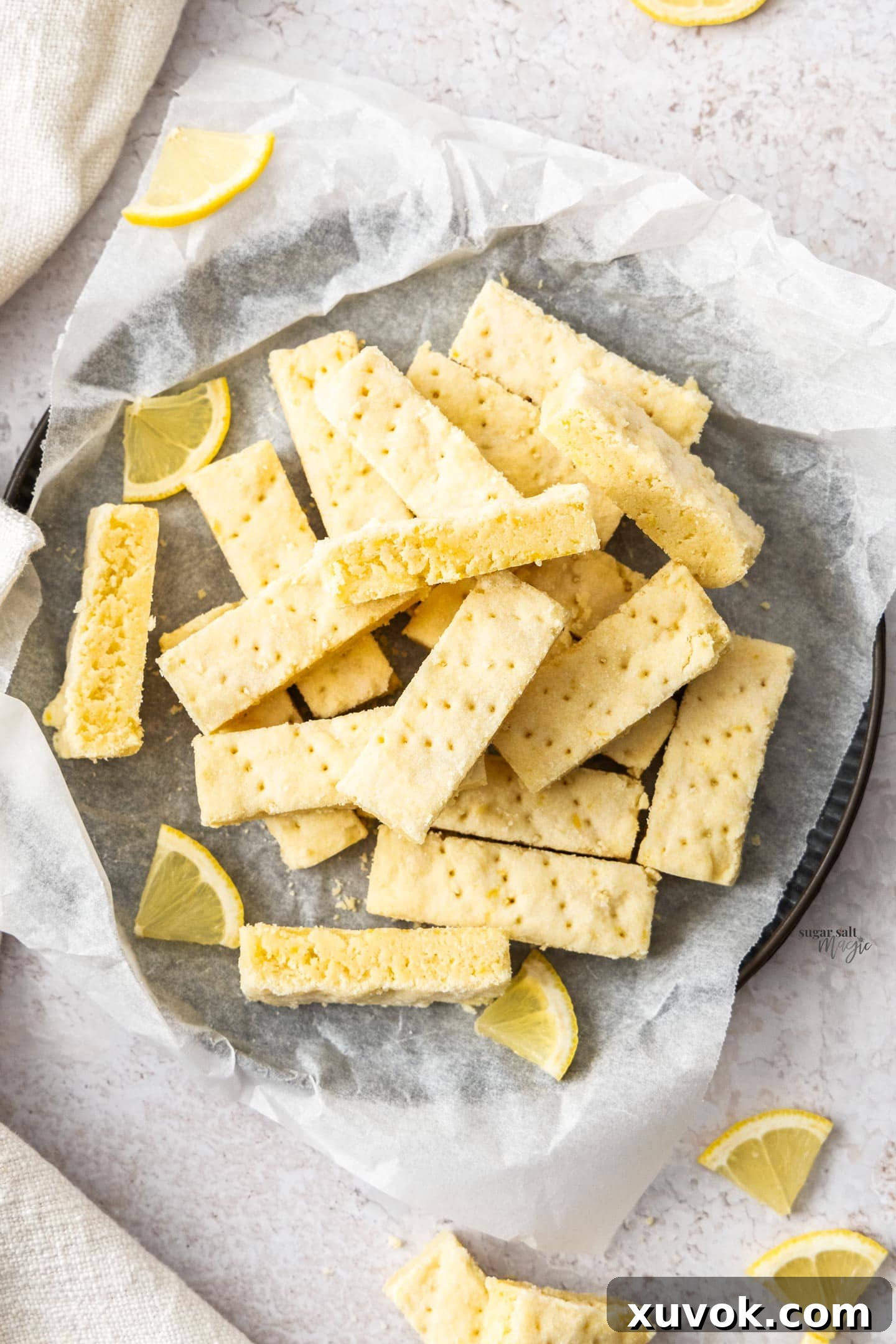
If you’ve fallen in love with the simple elegance of shortbread, there’s a world of variations to discover! From classic butter-rich recipes to exciting flavor combinations, these related shortbread recipes offer something for every palate.
- Chocolate Shortbread Sandwich Cookies: Indulge in rich, cocoa-infused shortbread, often paired with a creamy filling for an irresistible treat.
- Classic All-Butter Shortbread (Petticoat Tails): Master the original, pure shortbread experience with this traditional, tender, and rich recipe that truly celebrates butter.
- Orange Pistachio Cranberry Shortbread Cookies: A delightful blend of vibrant orange zest, crunchy pistachios, and tart cranberries for a festive and flavorful shortbread.
- Spiced Ginger Shortbread: Warm and aromatic, this shortbread boasts the comforting kick of ginger, perfect for colder days or holiday baking.
- Chocolate Chip Shortbread: A beloved classic cookie transformed into a buttery, crumbly shortbread studded with delightful chocolate chips.
⭐⭐⭐⭐⭐
Did you try this easy lemon shortbread recipe? We would love to hear from you! Please share your thoughts and show it some love in the comments section below. Your feedback helps us improve and inspires other bakers!
Hungry for more? Subscribe to our newsletter for free, delicious recipes delivered straight to your inbox. Also, connect with us on Facebook, Pinterest and Instagram for daily inspiration and baking adventures!
Lemon Shortbread
Yield: 27 cookies
Prep Time: 15 minutes
Cook Time: 30 minutes
Total Time: 45 minutes
This lemon shortbread is wonderfully buttery, incredibly tender, and practically melts in your mouth. With just 5 simple ingredients, it’s also incredibly easy to make, delivering a burst of sunshine in every bite.
Print Recipe
Rate This Recipe
Pin Recipe
Ingredients
- 226 g unsalted butter softened (1 cup / 2 sticks)
- 105 g caster sugar (superfine sugar) (½ cup / 3 ½ oz)
- 260 g plain flour (all purpose flour) (2 cups / 9.2oz)
- 70 g cornflour (US cornstarch) (½ cup / 2 ½oz)
- 2 tablespoons finely grated lemon zest
- 2 teaspoons caster sugar extra for dusting
For best results, always weigh ingredients where a weight is provided.
Equipment
- Stand mixer or handheld electric beater
- 9 inch baking pan
- Wire cooling rack
Instructions
- Preheat the oven to 160C (140C fan forced) / 350F. Line a 9 inch square baking pan with baking paper.
- In a large bowl or the bowl of a stand mixer, add the sugar and lemon zest and blend together with your fingertips until it’s like wet sand.
- Using the paddle attachment or a handheld mixer, beat in the butter until the mixture is light and fluffy.
- Sift in the flour and cornflour gently mixing on low until just incorporated.
- Press the cookie dough into your prepared pan in an even layer, making the top as flat as possible. If your dough is very soft, chill for 10-15 minutes before continuing.
- Use a paring knife to slice through the shortbread dough into 9 rows. Turn the pan 90 degrees and slice 3 rows so you should have 27 logs in the pan. Now use a fork to prick the tops 3-4 times.
- Sprinkle the extra caster sugar over the top, then bake for 35 minutes until just beginning to turn golden on top. Remove from the oven and let them cool for 5 minutes before using the knife to re-cut those slices – don’t separate them.
- Leave to cool until firm in the pan then gently transfer to a wire rack to finish cooling.
- Please take a moment to leave a comment & rating. It’s appreciated and so helpful.
Notes
- Tablespoons: I use a standard Australian 20ml tablespoon (equal to 4 teaspoons). Check yours before measuring.
- For best results, you should always weigh ingredients like flour and sugar. Kitchen scales are relatively cheap but if you can’t weigh the ingredients, use the spoon and level method (don’t scoop).
- All ovens vary – if you know your oven runs hotter than standard, take them out 2-3 minutes before the recipe suggests and allow them to cool to see if they crisp and cooked through.
- Nutrition details are approximate only – scroll below the recipe to find the full nutritional information.
MORE COOKIE RECIPES!
Calories: 121 kcal
Author: Marie Roffey
Course: Dessert
Cuisine: Scottish
Have you tried this recipe?
Don’t forget to leave a rating and comment below and let me know how it was! I love hearing from you. Nutrition information is approximate and derived from an online calculator. The brands you use may cause variations.
Calories from Fat 63