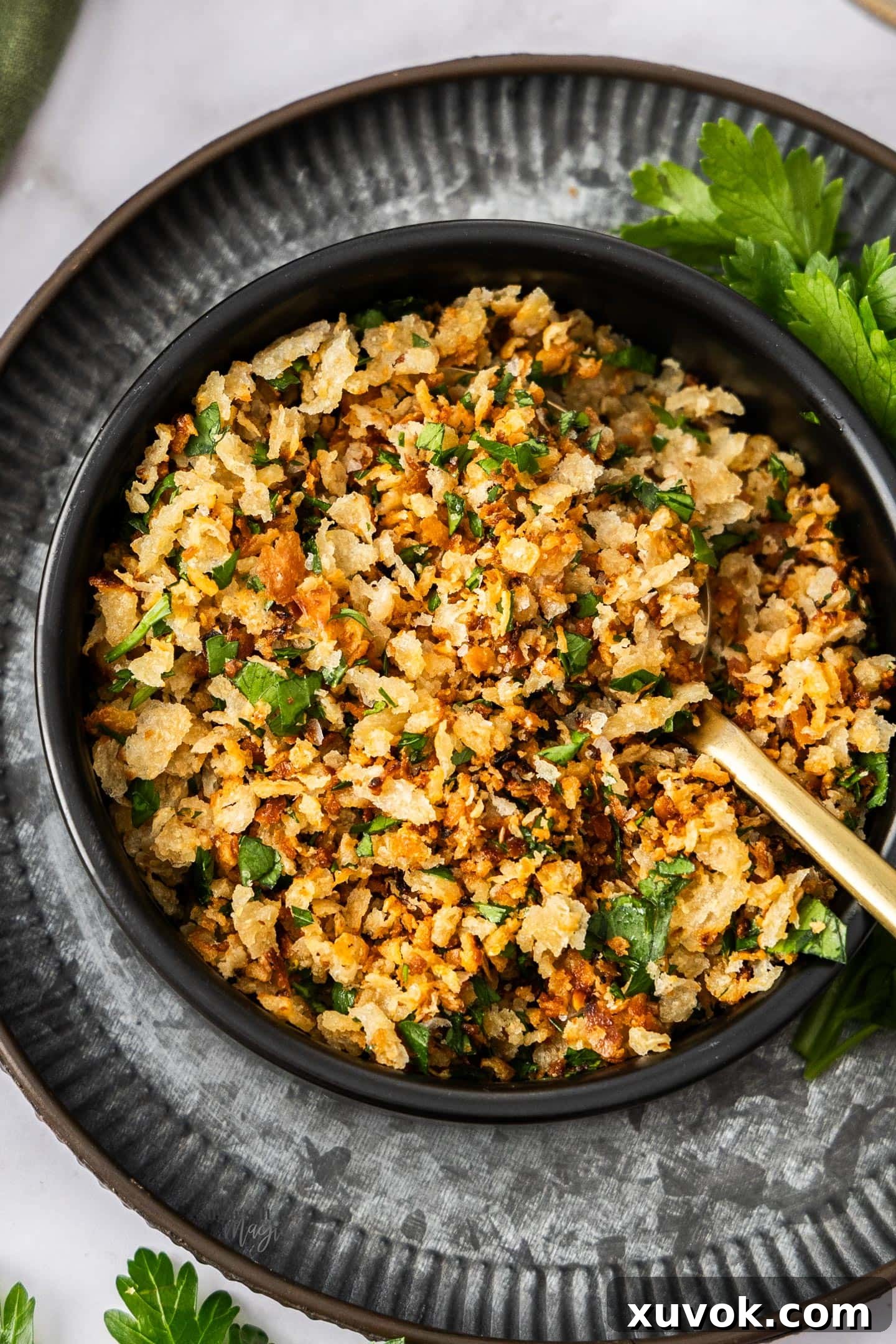
Pangrattato: The Ultimate Guide to Crafting Crunchy Italian Breadcrumbs
Pangrattato, a true gem of Italian culinary tradition, refers to those delightfully crunchy, seasoned breadcrumbs that can elevate an ordinary dish into an extraordinary one. While most famously seen scattered generously over pasta, these crispy, flavor-packed crumbs possess an incredible versatility that extends far beyond. They are a secret weapon for adding an irresistible textural and aromatic dimension to a wide array of meals, from hearty soups and crisp salads to comforting roasted vegetables and beyond.
Once affectionately known as “poor man’s parmesan,” pangrattato emerged from the ingenious “cucina povera” — the humble cooking traditions of Italy. In an era when expensive Parmigiano Reggiano cheese was a luxury many couldn’t afford, resourceful cooks ingeniously created these seasoned breadcrumbs to mimic the savory, umami-rich topping that graced the tables of the affluent. Today, pangrattato stands as a testament to the power of simple ingredients, celebrated for its profound garlicky flavor and addictively crisp texture. It’s so remarkably good, you’ll find yourself craving it by the spoonful straight from the pan!
For more delightful crunchy toppings, make sure to try our cheese and garlic croutons too.
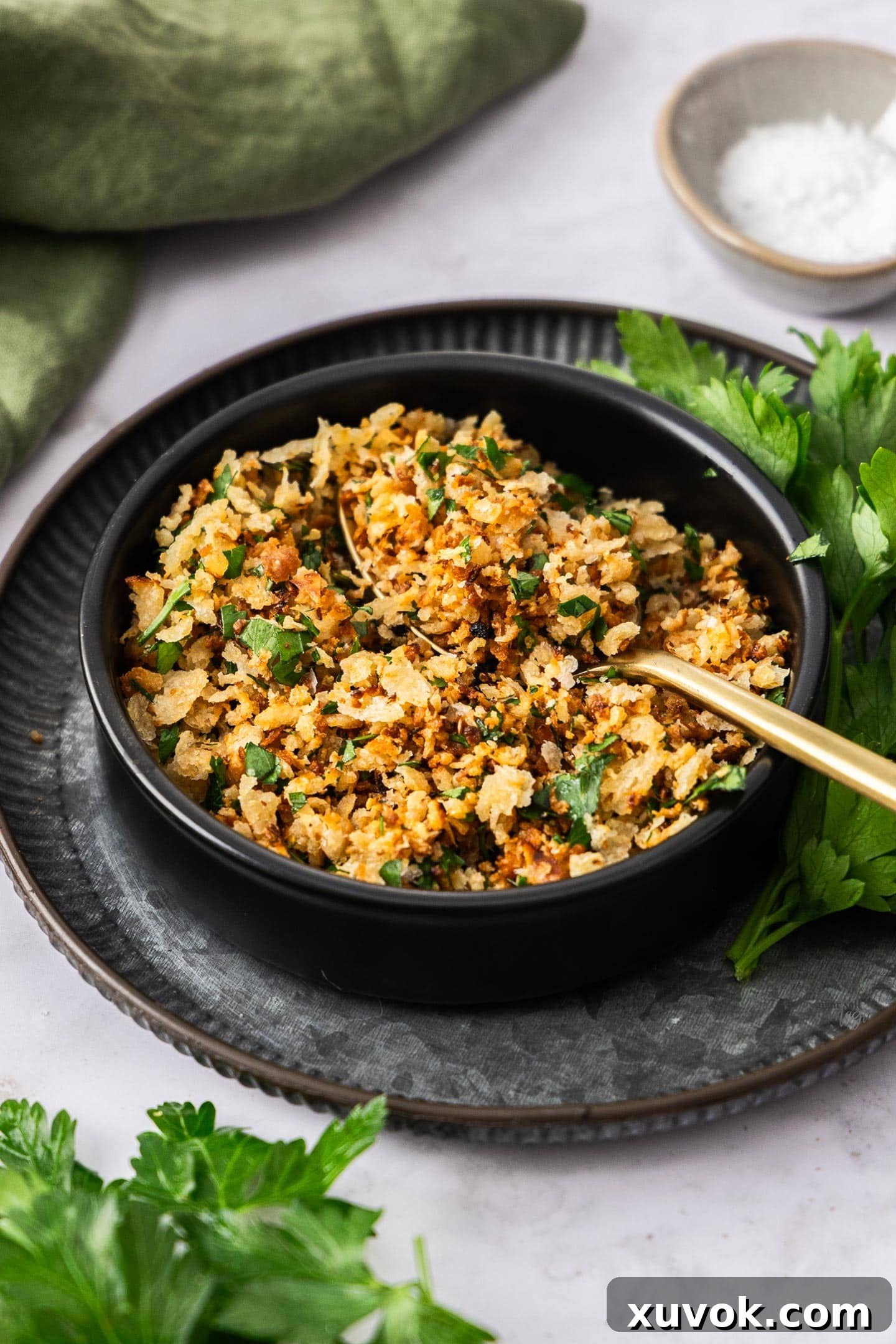
Table of Contents
- The Simple Ingredients You’ll Need
- How to Make Perfect Pangrattato
- Creative Ways to Use Pangrattato
- Delicious Variations to Try
- Storage Tips for Pangrattato
- More Recipes You’ll Love
Never Miss a Recipe!
Get the latest recipes straight to your inbox and discover new ways to make everyday meals extraordinary. Subscribe to our newsletter for exclusive tips and delicious inspiration!
The Simple Ingredients You’ll Need for Pangrattato
The profound allure of pangrattato, a true testament to timeless Italian culinary wisdom, lies in its remarkable simplicity. With just a modest handful of everyday ingredients, you can effortlessly transform something as unassuming as stale bread into a gourmet-worthy topping. This recipe stands as a brilliant showcase of how Italian cooks masterfully elevate basic components into something truly delicious, all while skillfully reducing food waste. Imagine crafting the most exquisite garlic bread, toasted to an ideal crispness, then crumbled and scattered to infuse every single bite of your meal with an unparalleled blend of flavor and texture. It’s more than just a recipe; it’s an art of culinary transformation.
Opting for homemade pangrattato promises a superior depth of flavor and a more satisfying texture compared to any store-bought alternative. This approach gives you complete control over the quality of each ingredient and allows for precise customization of the final taste, ensuring every batch is uniquely tailored to your preferences. Beyond its flavor benefits, making your own pangrattato is a fantastic way to breathe new life into leftover bread, embracing sustainable cooking practices and minimizing waste in your kitchen.
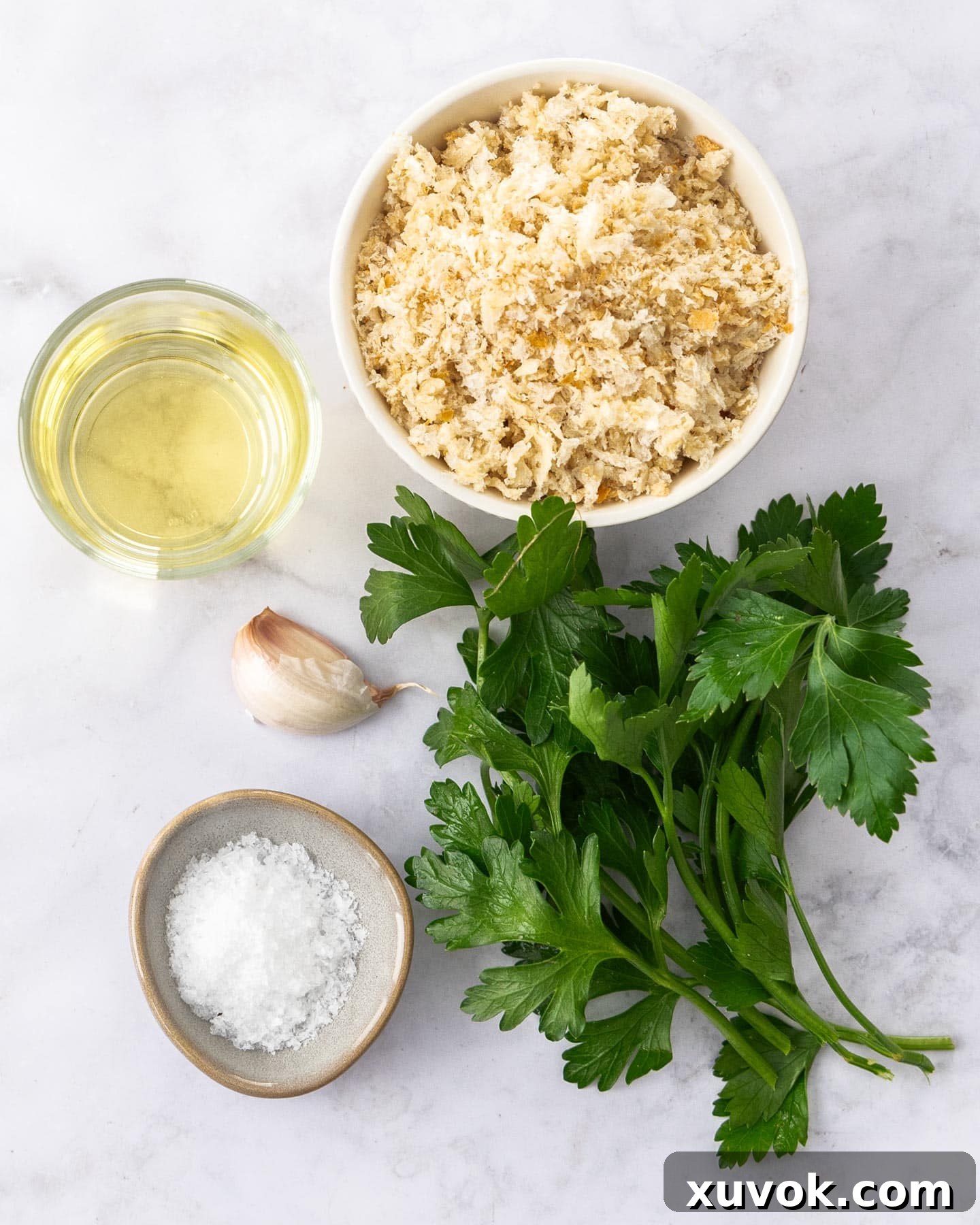
For precise measurements and detailed instructions, scroll down to the full recipe card.
- Stale Bread: This is the unequivocal foundation for truly exceptional pangrattato. You only need a small quantity to produce a satisfying batch, making it an ideal, no-waste solution for leftover bread. While virtually any bread type can be utilized, a denser, chewier loaf such as ciabatta, sourdough, or a rustic baguette will often yield the most satisfyingly chunky and irregular crumbs. However, feel free to use dinner rolls or even sandwich bread – the critical factor is that the bread is stale. Stale bread dries out, allowing for superior crispness when toasted without absorbing excessive oil. If your bread isn’t quite stale, you can expedite the process by lightly toasting it in a low oven until dried through but not yet browned. For the best texture, trim away any excessively thick or tough crusts before processing.
- Fresh Garlic: The distinctive, robust flavor that defines pangrattato comes predominantly from fresh garlic. Minced or finely grated, fresh garlic infuses the breadcrumbs with an aromatic warmth and pungent zest that is utterly irresistible. Resist the temptation to substitute with garlic powder; the vibrant, complex notes of fresh garlic are irreplaceable and contribute significantly to the depth of flavor.
- Olive Oil: A good quality olive oil is indispensable for toasting the breadcrumbs to a beautiful, uniform golden crisp. I typically opt for a mild-flavored olive oil to allow the garlic’s intensity to shine through, but a good extra virgin olive oil can also be employed for a more pronounced, fruity undertone. The oil not only facilitates achieving that coveted crunch but also acts as a carrier, melding and distributing the garlic flavor throughout the crumbs.
- Flaky Sea Salt: Introduced towards the culmination of the cooking process, flaky sea salt is crucial for both its pleasant textural contrast and its burst of mineral salinity. Its delicate crunch and clean, briny taste enhance the overall profile of the pangrattato without overwhelming the other flavors. While fine sea salt or kosher salt can serve as alternatives, flaky sea salt is highly recommended for its unique ability to provide both seasoning and a subtle pop of texture.
- Fresh Parsley: Although entirely optional, a generous tablespoon of finely chopped fresh parsley adds a vibrant burst of color and a subtle, refreshing herbaceous note. It brightens the pangrattato visually and contributes a hint of green freshness. It is typically stirred in after the breadcrumbs have cooled to preserve its vivid color and delicate, fresh flavor, preventing it from wilting or losing its vibrancy in the hot pan.
This recipe is calibrated to produce a sufficient quantity of pangrattato to generously top one meal for approximately four servings. However, the recipe is incredibly easy to scale up. Preparing a larger batch is highly recommended, as these exceptionally versatile breadcrumbs store remarkably well, particularly if you choose to omit the fresh parsley until just before serving.
How to Make Perfect Pangrattato: A Simple Step-by-Step Guide
Crafting these irresistibly crispy, garlicky Italian breadcrumbs is surprisingly straightforward and demands minimal effort, making it an ideal recipe for any home cook. In essence, it’s a simple one-pan wonder that transforms a few basic ingredients into a pantry staple you’ll find yourself reaching for time and again. The entire process from start to finish takes mere minutes, powerfully demonstrating that some of the most profoundly delicious culinary creations are often the least complicated to prepare.
For a complete breakdown of instructions and precise measurements, please refer to the full recipe card located below.
1. Prepare and Toast the Breadcrumbs
Begin by tearing or cutting your stale bread into smaller, manageable pieces, then transfer them to a food processor. Pulse the bread in short bursts until you achieve coarse, irregular crumbs. While you have the flexibility to make them as fine as your preference dictates, a slightly chunkier texture often delivers a more satisfying crunch and a more rustic, appealing visual. This charmingly irregular texture is a hallmark of authentic pangrattato, lending it a robust and homemade feel.
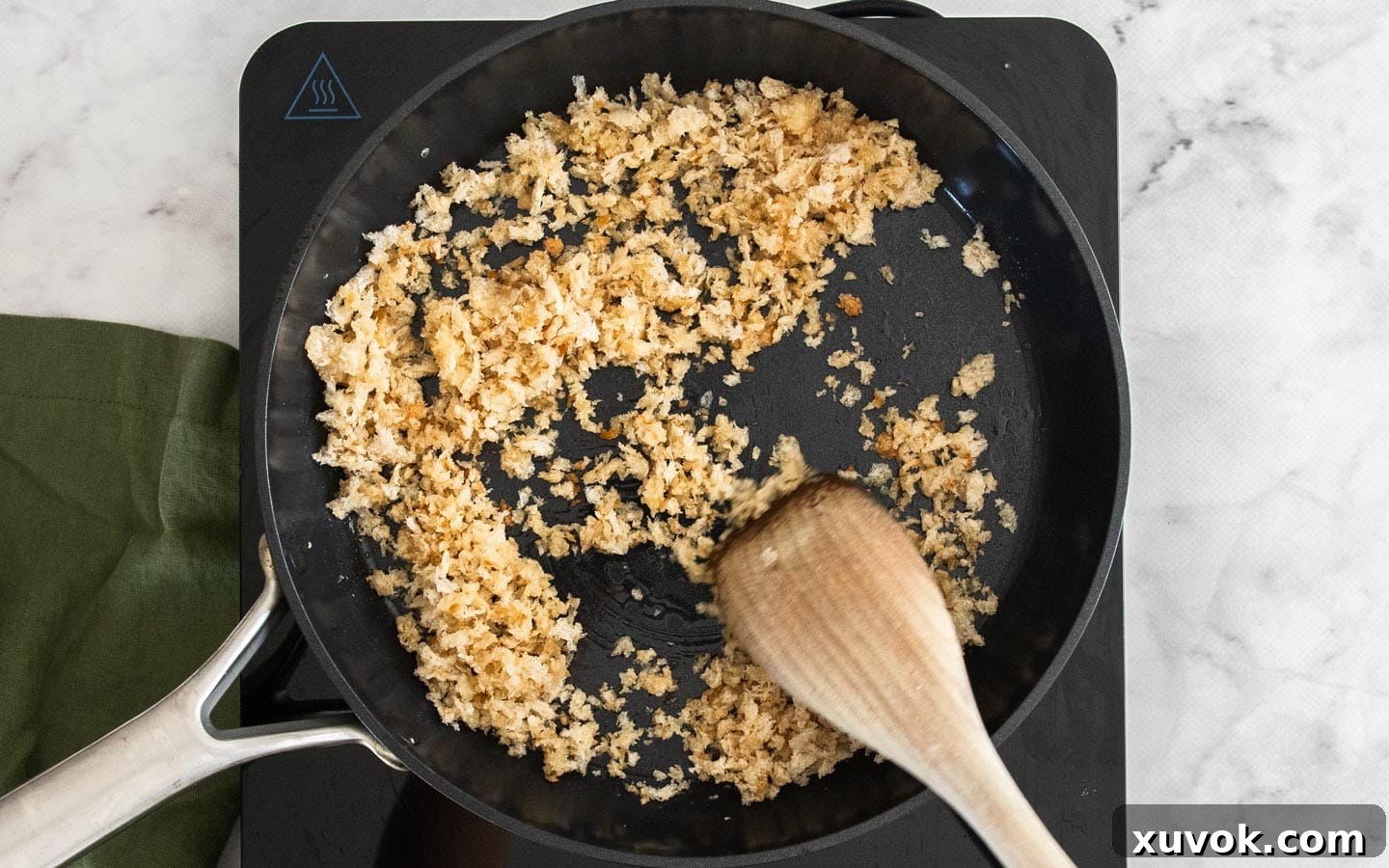
Next, pour the olive oil into a good quality non-stick frying pan or skillet and heat it over medium heat. Once shimmering, add the prepared breadcrumbs along with the minced garlic to the pan. Cook, stirring frequently and continuously with a spatula or wooden spoon, for approximately 4-5 minutes. Your objective is to achieve a beautiful, even golden-brown color throughout the crumbs and a wonderfully fragrant aroma, signaling that the garlic has softened and its flavor has thoroughly infused into the breadcrumbs. Toward the end of the cooking time, sprinkle in the flaky sea salt. Consistent stirring is absolutely paramount to ensure that the breadcrumbs toast evenly and to prevent any sections from burning, which can impart an undesirable bitter taste. The ideal pangrattato should feel light, dry, and distinctly crisp when perfectly toasted.
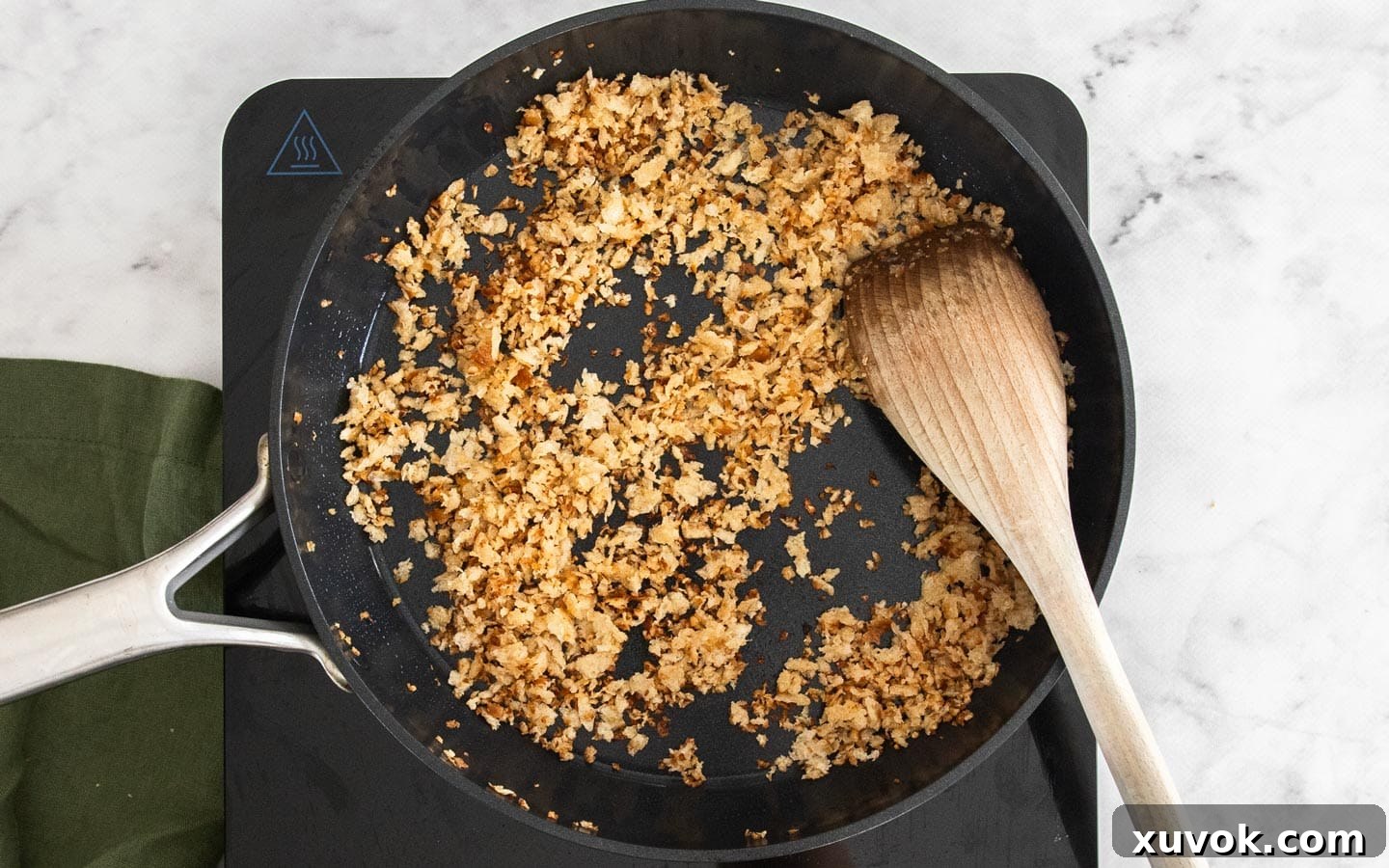
2. Cool and Add the Parsley
Once your breadcrumbs have achieved that enviable golden hue and irresistible crispness, it is absolutely essential to immediately transfer them from the hot pan onto a plate or a clean baking sheet. This crucial step halts the cooking process, preventing any further browning or potential burning from the residual heat of the pan. Allow them to cool down completely to room temperature. This cooling period is not merely a formality; it is a vital stage that ensures the breadcrumbs retain and lock in their wonderfully crisp texture.
Only once the pangrattato is thoroughly cooled, gently stir in the finely chopped fresh parsley. Adding the parsley at this stage is key to preserving its vibrant green color and delicate, fresh flavor, preventing it from wilting or darkening in the heat. Serve your homemade pangrattato immediately for the ultimate crunch, or follow our detailed storage instructions if you’re preparing it in advance to enjoy later.
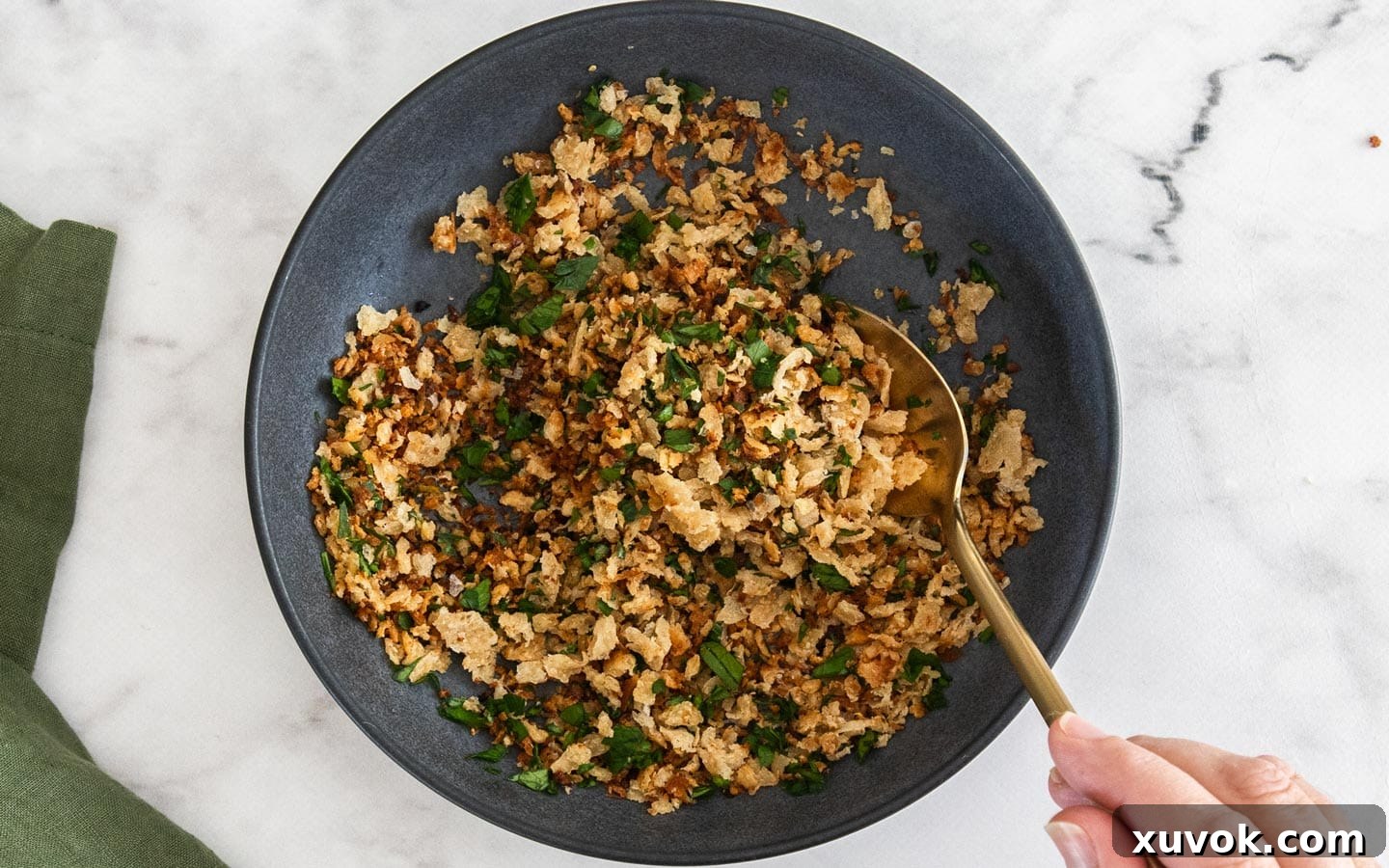
Creative Ways to Use Pangrattato: Elevate Any Dish
The true magic and widespread appeal of pangrattato reside in its astounding versatility. It transcends the role of a mere garnish, evolving into a potent flavor and texture enhancer capable of transforming an ordinary meal into something truly extraordinary. Its unique ability to impart a garlicky, savory crunch makes it the quintessential finishing touch for an extensive array of savory dishes. A golden rule to remember: always add pangrattato immediately before serving to diligently preserve its delightful crispness, especially when incorporating it into saucy or moist preparations.
- Over Pasta: This is, without a doubt, its most iconic and beloved application. Shower pangrattato generously over simple yet exquisite pasta dishes such as Aglio e Olio, a classic Carbonara, or any rich tomato-based sauce. It masterfully provides a beautiful textural counterpoint to creamy or saucy pastas, serving as an excellent replacement for, or complement to, grated cheese, adding a satisfying burst of flavor with every single bite. It’s particularly fantastic when paired with this creamy prawn pasta for an elevated dining experience.
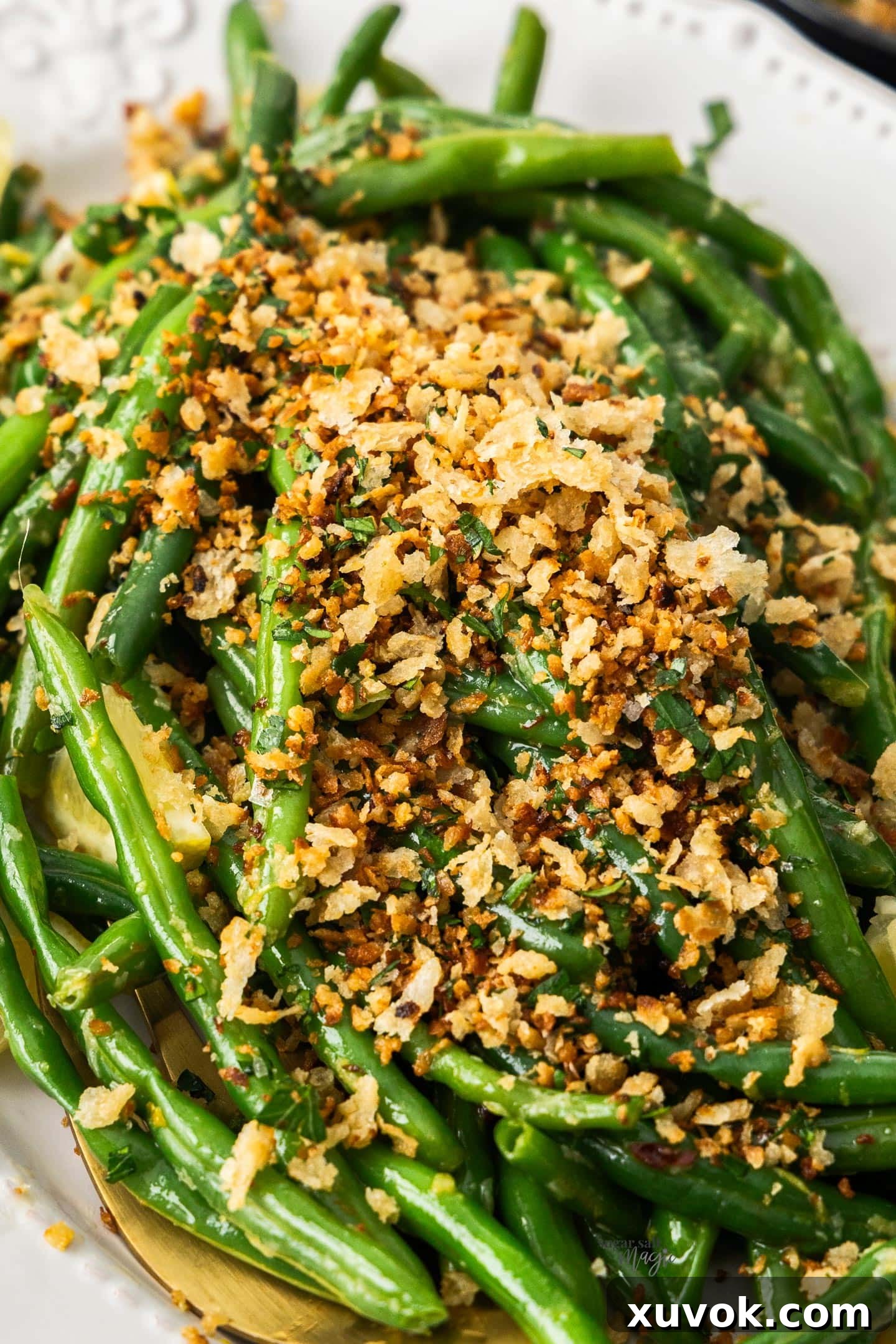
- Roasted and Steamed Vegetables: Transform plain, everyday vegetables into culinary masterpieces. Liberally scatter these flavorful breadcrumbs over roasted broccoli, tender asparagus spears, vibrant green beans, caramelized Brussels sprouts, or even creamy mashed potatoes. The irresistible crunch and pungent garlic notes perfectly harmonize with the inherent tenderness and earthy flavors of the vegetables. It proves exceptionally delightful when sprinkled over this elegant hasselback butternut squash.
- Soup Topper: Venture beyond conventional croutons! Pangrattato introduces a savory, garlicky crunch to virtually any soup imaginable. It shines especially bright when topping creamy soups like rich tomato, earthy mushroom, or comforting pumpkin, providing a much-needed textural dimension. A generous sprinkle over a hearty lentil or vegetable soup instantly elevates it to gourmet status.
- Eggs: Infuse your breakfast or brunch with an unexpected layer of flavor and texture by scattering pangrattato over fried, scrambled, or perfectly poached eggs. The crispy bits offer a delightful textural surprise and a savory kick that beautifully complements the richness of the yolk.
- Salads: For a more substantial and flavorful crunch than standard croutons, incorporate pangrattato into your favorite green salads, classic Caesar salads, or even wholesome grain bowls. It introduces an additional layer of robust flavor and transforms the salad into a far more satisfying and compelling meal.
- Casseroles and Bakes: Utilize pangrattato as a premium topping for dishes such as macaroni and cheese, vegetable gratins, or other baked casseroles where a crispy, flavorful crust is desired. Simply sprinkle it on top during the final 10-15 minutes of baking to achieve a golden, irresistible finish.
- Seafood and Meats: Employ pangrattato as a delectable crunchy coating for pan-fried fish fillets, elegant baked chicken cutlets, or even sprinkle it directly over succulent grilled shrimp. It imparts a delicious, seasoned crust and a burst of exquisite Italian-inspired flavor.
- Bruschetta and Crostini: For an intriguing textural twist, spread a thin layer of pangrattato over toasted bruschetta or crostini before adding your classic tomato, cheese, or other toppings. This creates an additional dimension of crunch that will delight your palate.
Delicious Variations to Try with Pangrattato
The foundational recipe for pangrattato serves as an open canvas, presenting boundless opportunities for customization and creative flavor exploration. Its inherent versatility means you can effortlessly adapt it with a myriad of complementary flavors to perfectly suit and enhance the specific dish you intend to serve. Experiment boldly with these enticing variations to unlock new dimensions of taste and texture in your cooking!
- Parmigiano Reggiano or Pecorino Romano: For an incredibly potent umami surge, finely grate some premium Parmigiano Reggiano (Parmesan) or sharp, piquant Pecorino Romano cheese directly into your completely cooled pangrattato. The complex salty, savory notes of the cheese meld exquisitely with the pungent garlic and the crisp texture of the breadcrumbs. It is crucial to ensure the crumbs are entirely cool before integrating the cheese to prevent any clumping or undesirable melting.
- Spicy Kick: If your palate yearns for a hint of heat, simply stir in a generous pinch or two of dried chilli flakes (also commonly known as red pepper flakes) directly into the pan along with the breadcrumbs and garlic during the toasting process. This will imbue your pangrattato with a delightful warmth that can brilliantly cut through and complement rich dishes.
- Nutty Crunch: Introduce an additional layer of both texture and flavor by finely crumbling or chopping some complementary nuts. Walnuts, almonds, pine nuts, or even delicate pistachios work wonderfully. Integrate them into the pan while you toast the breadcrumbs; this step helps to gently roast the nuts, releasing their natural oils and intensifying their inherent flavors.
- Aromatic Fresh Herbs: Beyond the refreshing notes of parsley, a multitude of other fresh herbs can profoundly elevate your pangrattato. Finely chopped chives, aromatic basil, or even delicate dill can be stirred in after the breadcrumbs have cooled. For a more intense and deeply infused herbal aroma, consider adding a small amount of finely chopped fresh rosemary leaves or sage directly to the pan during the cooking process, allowing their potent oils to thoroughly release and meld into the breadcrumbs.
- Zesty Citrus: To impart a bright, tangy lift and a refreshing burst of aroma, finely grate the zest of a lemon or even an orange directly into the cooled breadcrumbs. The vibrant citrus oils contribute a refreshing and clean taste without introducing any unwanted moisture. It is imperative to use only the zest and to carefully avoid any white pith, and absolutely skip the juice, as citrus juice would inevitably render your beautiful, crisp crumbs soggy.
- Different Bread Types: Do not restrict yourself to just one variety of bread! Stale sourdough bread imparts a wonderful tang and complex flavor, while ciabatta offers a more substantial, slightly chewier texture. Virtually any type of bread you have readily available can be successfully used, ranging from simple dinner rolls to wholesome whole wheat loaves. Even gluten-free bread performs admirably, making this a versatile option for those with dietary restrictions. In a pinch, if you’re pressed for time or lack stale bread, you could even employ panko breadcrumbs, although the resulting texture will not be quite as unique or possess the homemade character of crumbs made from scratch.
- Smoky Undertones: For a delightful smoky dimension that pairs exceptionally well with roasted meats, grilled vegetables, or hearty stews, stir in a pinch of smoked paprika or a tiny dash of liquid smoke (used very sparingly and diluted if necessary) to the breadcrumbs while they are toasting.
- Umami Bomb with Anchovies: For a truly authentic and deeply savory Italian twist, finely mince 1-2 anchovy fillets and add them to the pan with the olive oil before introducing the breadcrumbs. The anchovies will subtly dissolve into the hot oil, imparting a profound, complex umami flavor without any discernible “fishy” taste in the final product.
- Seed Power: Enhance your pangrattato with added nutrition and a subtle nutty flavor by stirring in a tablespoon of sesame seeds, sunflower seeds, or even hemp seeds while the breadcrumbs are toasting. These seeds will gently toast alongside the crumbs, intensifying their flavor and adding another layer of crunch.
Storage Tips for Pangrattato
Maintaining the crispness and vibrant flavor of your homemade pangrattato is crucial for enjoying it at its best. Its optimal shelf life can vary slightly depending on whether fresh herbs are incorporated into the mixture:
- With Parsley (Refrigerated): If you’ve chosen to include fresh parsley in your pangrattato, it is imperative to store it in an airtight container within the refrigerator. This method will help preserve its quality, and it is best consumed within one week to ensure both optimal freshness and its signature crunch. The moisture naturally present in fresh parsley can unfortunately accelerate spoilage and diminish the breadcrumbs’ crisp texture over time.
- Without Parsley (Pantry or Refrigerated): If you opt to prepare your pangrattato without the addition of fresh parsley, its shelf life significantly extends. Store it in a meticulously airtight container at room temperature in a cool, dry place, where it will remain fresh and crunchy for up to two weeks. For an even more extended shelf life, or if you reside in a particularly humid climate, storing the parsley-free pangrattato in the refrigerator can further prolong its freshness for up to three weeks.
- Freezing: For long-term preservation, pangrattato freezes beautifully without substantial loss of quality or texture. Simply transfer the cooled breadcrumbs into a freezer-safe, airtight container or a robust heavy-duty freezer bag, ensuring as much air as possible is removed. It can be confidently stored in the freezer for up to three months. To utilize from frozen, you can either thaw it at room temperature for a few hours or gently reheat it in a dry pan over low heat for several minutes until it regains its perfect crispness.
Should your pangrattato happen to lose some of its desired crunch during storage, there’s an easy fix! A quick re-toast in a dry pan over medium-low heat for just a few minutes will miraculously revive its crisp texture. Always ensure it cools completely before serving again to lock in that delightful crunch.
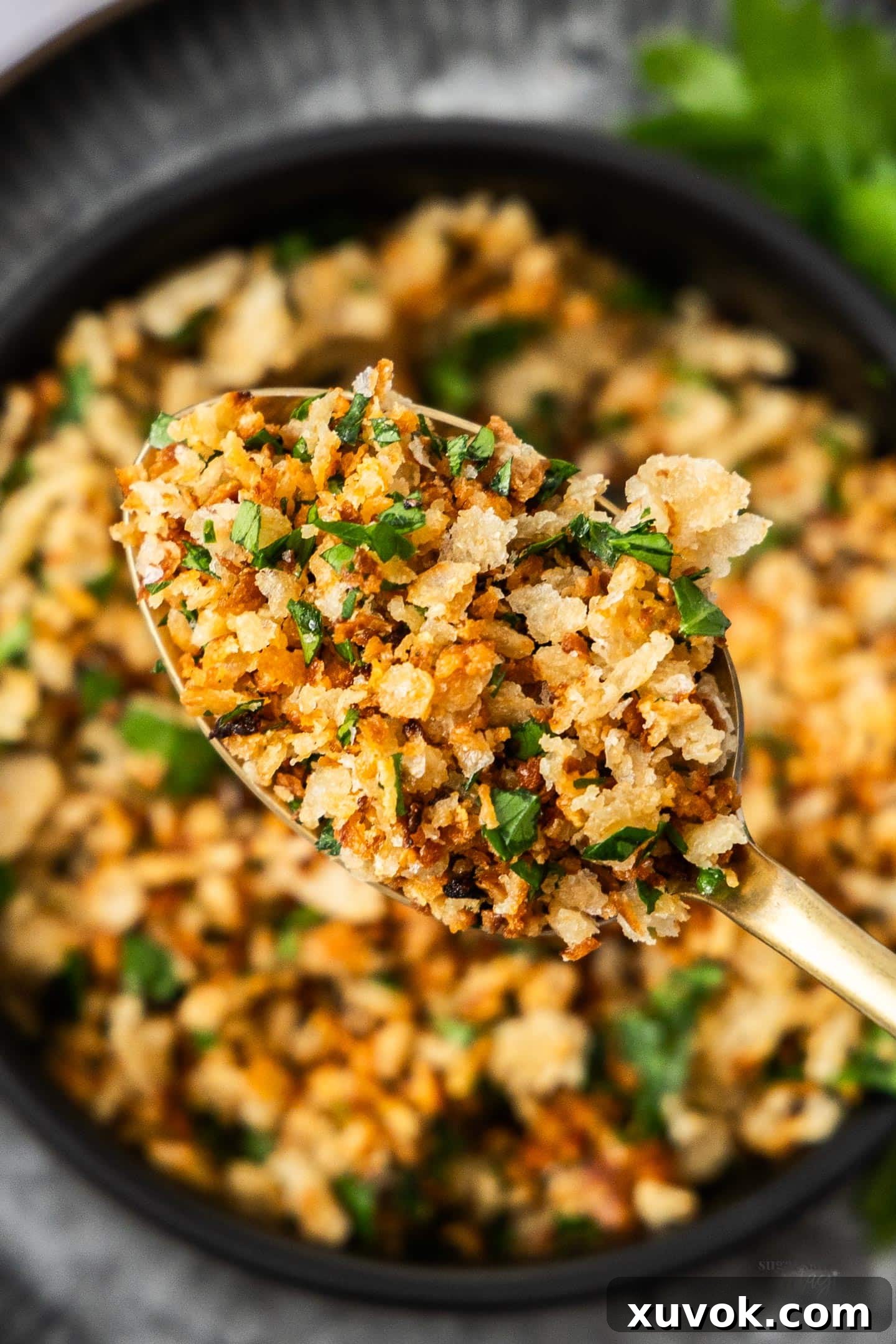
More Recipes You’ll Love
If you’ve enjoyed the process of making and the versatility of using this fantastic pangrattato, we invite you to explore these other delicious and related recipes that celebrate the humble bread and simple, yet profound, flavors:
- How to Make Bread Crumbs from Scratch
- No-Knead Rosemary Parmesan Bread
- Irresistible Cheese and Garlic Croutons
- Classic Sizzler Cheese Toast Recipe
- The Best Cheesy Garlic Crack Bread
⭐⭐⭐⭐⭐
Did you try this pangrattato recipe? Show it some love in the comments below! We’d be thrilled to hear your thoughts.
Hungry for more culinary inspiration? Subscribe to our newsletter for a regular dose of free, delectable recipes delivered straight to your inbox. Additionally, connect with us and follow along on Facebook, Pinterest, and Instagram for daily updates and mouth-watering content.

Pangrattato (Crunchy Italian Breadcrumbs)
Rate
Pin
Ingredients
- 65 g stale bread crumbs (2 ¼ oz)
- 1 clove garlic minced
- 2 tablespoons oil (notes 1)
- pinch sea salt flakes
- 1 tablespoon finely chopped parsley (notes 1)
For best results, always weigh ingredients where a weight is provided
Equipment
-
Frying pan / skillet
Instructions
-
Add the bread crumbs, minced garlic, and olive oil to a small frying pan or skillet. Place over medium heat. Cook, stirring constantly and attentively, for 4-5 minutes until the breadcrumbs are beautifully golden brown and distinctly crispy.
-
Once perfectly toasted, stir in a good pinch of flaky sea salt. Immediately transfer the hot crumbs out of the pan onto a plate or baking sheet. This crucial step prevents them from continuing to cook and potentially burn from the pan’s residual heat. Allow them to cool completely for a few minutes before gently stirring in the finely chopped fresh parsley.
-
For the best crispness and flavor, use your pangrattato immediately. If preparing in advance, store it in an airtight container. If you have included fresh parsley, refrigerate it for up to 1 week. If made without parsley, it will keep well in a cool, dry pantry for up to 2 weeks, or refrigerated for a longer period. For extended storage, you can freeze pangrattato in an airtight container for up to 3 months.
-
Please take a moment to leave a comment & rating on this recipe. Your feedback is greatly appreciated and incredibly helpful to us!
Notes
- Tablespoons: For this recipe, we use a standard Australian 20ml tablespoon, which is equivalent to 4 teaspoons. Please ensure you check your measuring spoons for accuracy to achieve the best results.
- Pangrattato is designed for maximum crunch. Consequently, it will soften if added too early to dishes containing sauce or high moisture. To preserve its delightful crispness, always add pangrattato just before serving your meal.
- The nutrition details provided are approximate values only, derived from an online calculator. Please note that actual nutritional content may vary based on the specific brands and types of ingredients you choose to use.
DISCOVER MORE ACCOMPANIMENTS AND CONDIMENTS!
Calories from Fat 72