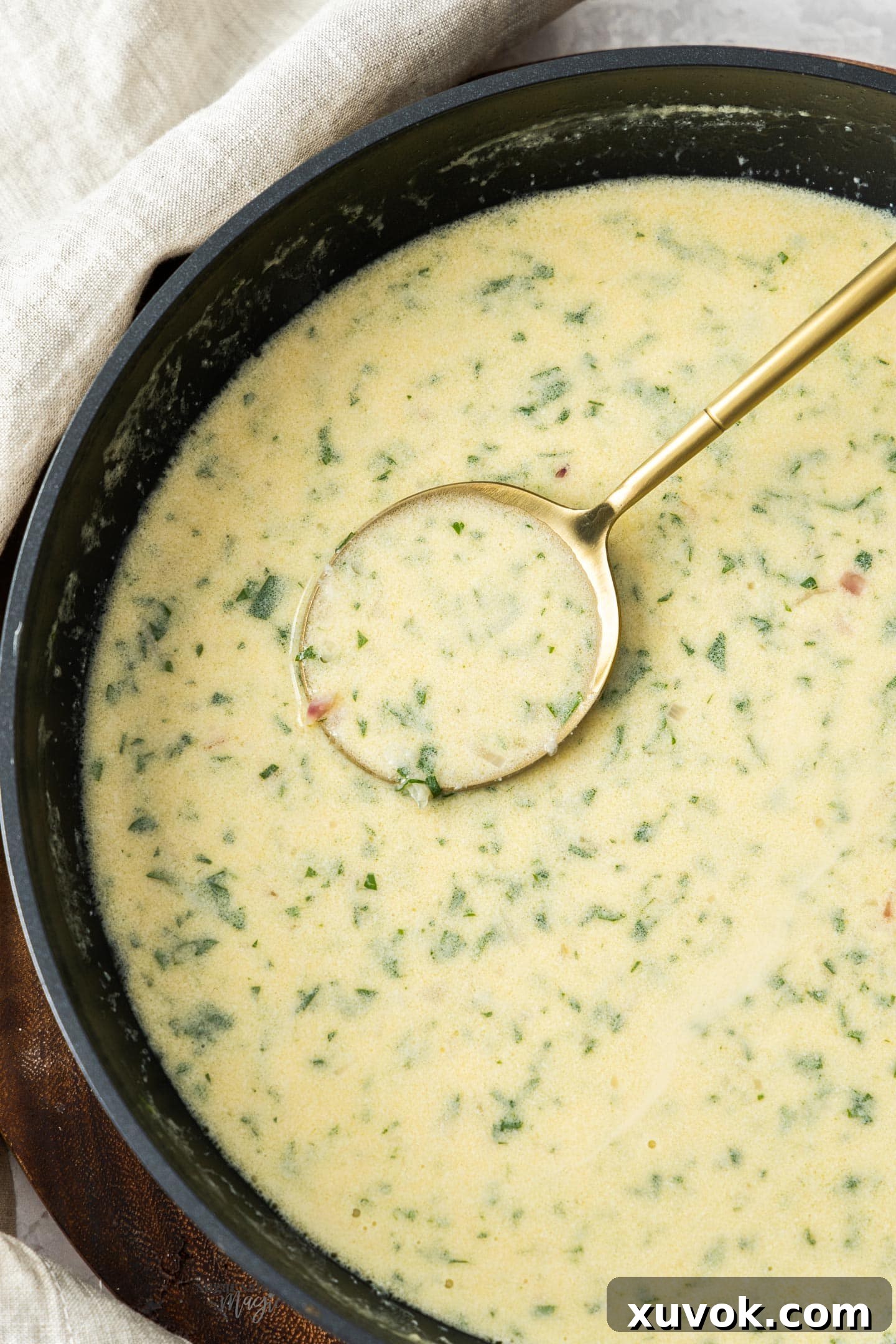
Imagine a sauce that can transform a simple meal into a gourmet experience – rich, vibrant, and bursting with flavor, yet surprisingly easy to make. That’s exactly what you’ll get with this incredible **Creamy White Wine Sauce**. It’s a versatile culinary masterpiece that strikes the perfect balance between tangy zest, luxurious creaminess, and a subtle, sophisticated zing, making it an indispensable addition to your recipe repertoire.
This isn’t just any sauce; it’s a culinary secret weapon. Crafted with a handful of accessible ingredients, this homemade white wine cream sauce comes together in under 20 minutes, delivering robust flavors that taste like they simmered all day. Forget bland dinners – with this easy creamy white wine sauce, you’re just moments away from elevating everyday dishes into something truly special. It’s ideal for home cooks looking to impress without the fuss, offering a touch of restaurant-quality elegance right in your own kitchen.
Whether you’re looking for the ultimate **sauce for salmon**, a delectable topping for **chicken**, or a luxurious base for **pasta**, this recipe has you covered. Its unique blend of dry white wine, Dijon mustard, fresh lemon, and velvety cream creates a harmonious flavor profile that complements a wide array of ingredients. Get ready to discover your new favorite creamy sauce – one that promises to tantalize your taste buds and inspire countless delicious meals!
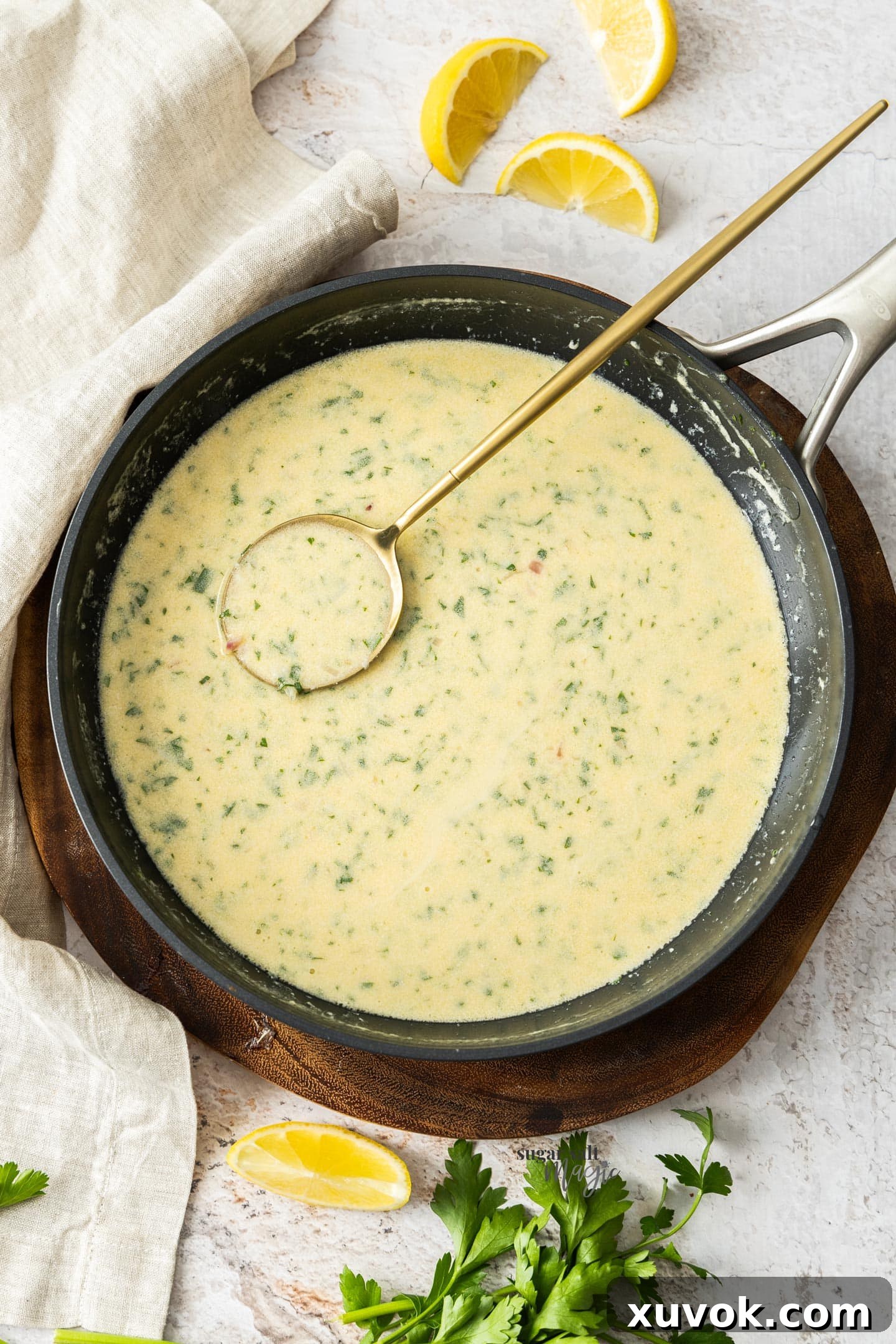
Table of Contents
- Why You’ll Love This Sauce
- Perfect Pairings & Serving Suggestions
- Key Ingredients & Smart Substitutions
- How to Make Creamy White Wine Sauce
- Expert Tips for the Best Sauce
- Storage & Reheating
- Frequently Asked Questions
- More Delicious Recipes
Why You’ll Love This Easy Creamy White Wine Sauce
This Creamy White Wine Sauce isn’t just another recipe; it’s an invitation to effortlessly create gourmet-level meals at home. Here’s why it’s destined to become a staple in your kitchen:
- Unbelievably Quick & Easy: Forget spending hours in the kitchen! This sauce comes together in about 20 minutes from start to finish. It’s perfect for busy weeknights when you want something special without the extensive prep.
- Restaurant-Quality Flavor at Home: The combination of dry white wine, shallots, garlic, Dijon mustard, and lemon creates a sophisticated flavor profile usually found in high-end restaurants. You’ll be amazed at how easily you can replicate such an exquisite taste.
- Incredibly Versatile: Its vibrant, balanced flavor makes it an ideal companion for a myriad of dishes. Whether you’re serving seafood, poultry, pasta, or vegetables, this sauce elevates everything it touches. It’s the ultimate “one sauce fits all” solution.
- Simple Ingredients, Big Impact: You don’t need exotic items for this recipe. Just a few common pantry and fridge staples come together to create a profoundly flavorful and robust sauce that will have everyone asking for seconds.
- Boosts Any Meal: Tired of plain grilled chicken or steamed fish? A generous drizzle of this creamy white wine sauce instantly transforms mundane meals into exciting culinary adventures, adding moisture, richness, and an irresistible tang.
- Perfect for Entertaining: Want to impress guests without breaking a sweat? This sauce is a fantastic secret weapon. Its elegant flavor and appearance make it seem much more complex than it actually is, leaving you more time to enjoy your company.
Once you try this creamy white wine sauce, you’ll wonder how you ever managed without it. It’s simple, sensational, and guaranteed to become a cherished favorite in your home.
Perfect Pairings & Serving Suggestions
The beauty of this creamy white wine sauce lies in its incredible versatility. Its bright, savory, and rich profile makes it a fantastic accompaniment to a wide variety of main courses. Here are some of our favorite ways to enjoy it:
- Seafood Sensation: This sauce is a match made in heaven for all types of seafood.
- Salmon: It’s perhaps most famously delicious with a perfectly cooked salmon fillet or my show-stopping Salmon Wellington. The creamy tang beautifully complements the richness of the fish.
- White Fish: Drizzle it over flaky baked cod, pan-seared halibut, or delicate sea bass. It adds moisture and an immediate flavor boost.
- Shellfish: Enhance the sweetness of shrimp, scallops, or crab. It’s absolutely divine paired with my Sizzling Garlic Prawns, turning them into an unforgettable dish.
- Chicken Perfection: Elevate simple chicken dishes to new heights.
- Grilled or Pan-Seared Chicken Breast: A dollop of this sauce makes even the plainest chicken breast feel luxurious.
- Roasted Chicken: Serve it alongside roasted chicken for an extra layer of flavor and moisture.
- Creamy Garlic Chicken: Pair it with dishes like my Creamy Garlic Chicken with Spinach for an even more indulgent experience.
- Pasta Paradise: Transform your pasta nights with a touch of gourmet.
- Simple Pasta Dish: Add some freshly grated Parmesan cheese to the warm sauce, toss it with your favorite pasta (linguine, fettuccine, or spaghetti), and you have a quick, comforting, and incredibly flavorful meal.
- Vegetable Pasta: Incorporate sautéed mushrooms, spinach, or cherry tomatoes for a complete meal.
- Vegetable Enhancement: Even your side dishes can benefit from this delightful sauce.
- Steamed or Roasted Vegetables: A light drizzle over asparagus, broccoli, green beans, or roasted potatoes adds a creamy, tangy finish.
- Potatoes: Great with mashed potatoes, dauphinoise, or even simple boiled potatoes.
No matter how you choose to serve it, this creamy white wine sauce is guaranteed to add a layer of sophistication and irresistible flavor to your meals. Don’t be afraid to experiment – you might discover your own perfect pairing!
Key Ingredients & Smart Substitutions
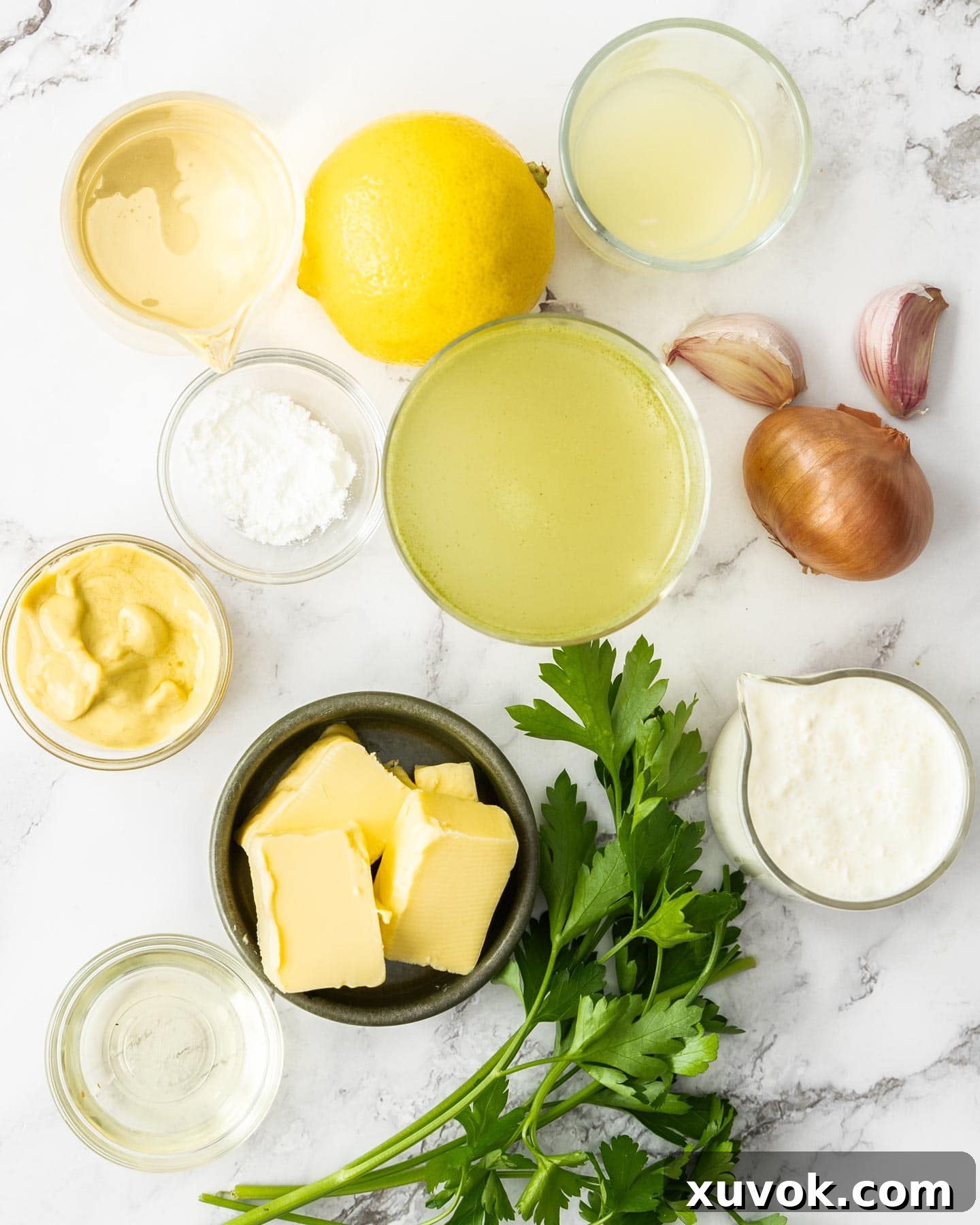
Crafting this incredible creamy white wine sauce requires just a few key ingredients, each playing a vital role in creating its complex and balanced flavor profile. Quality matters here, so choose the best you can for the most outstanding results.
Jump to the full recipe card for exact measurements and detailed instructions.
- White Wine: The Heart of the Sauce
This is where much of the sauce’s depth and distinct character come from. The wine adds complexity, acidity, and a bold flavor that truly defines the sauce.- Recommendation: Always opt for a dry white wine, and most importantly, choose one that you genuinely enjoy drinking. If you wouldn’t drink it, you likely won’t appreciate its flavor in your sauce. Excellent choices include Sauvignon Blanc, Pinot Grigio (also known as Pinot Gris), or an unoaked Chardonnay. These wines offer crisp acidity and subtle fruit notes that complement the richness of the cream without overpowering it.
- Why Dry? Sweet wines would make the sauce cloying and unbalanced. The alcohol cooks off during the reduction process, leaving behind concentrated flavors.
- Thickened Cream (Heavy Cream): For Luxurious Richness
Also known as heavy cream, this ingredient is crucial for achieving the sauce’s signature creamy, rich, and smooth texture. It mellows out the other vibrant flavors, creating a harmonious balance.- Substitutes: While thickened cream provides the best consistency, you can use whole milk or a mixture of cream and milk. However, be aware that the final texture will be thinner and less rich. For a slightly lighter option, half-and-half can also be used, though it might require a bit more cornflour for thickening.
- Salted Butter & Oil: The Flavor Foundation
Butter provides a rich, nutty base, while a touch of oil helps prevent the butter from burning at higher temperatures.- My Preference: I favor salted butter for this creamy white wine sauce, as it means less need for additional salt later. If you use unsalted butter, remember to taste the sauce before serving and adjust the seasoning accordingly.
- Dijon Mustard & Lemon Juice: The Dynamic Duo for Zing
These two ingredients are powerhouses, adding essential brightness and depth.- Dijon Mustard: Contributes a lovely tang, a hint of spice, and a subtle umami note that enhances the overall savory profile. Don’t worry, the sauce won’t taste like mustard, but it will taste wonderfully balanced.
- Lemon Juice: Freshly squeezed lemon juice is non-negotiable here. It provides a crucial zing that cuts through the richness of the cream, preventing the sauce from being too heavy and adding a refreshing finish.
- Shallot & Garlic: The Aromatic Core
These aromatic vegetables form the fundamental flavor base of the sauce, providing a sweet, savory, and pungent depth.- Preparation: You’ll gently sauté finely chopped shallots and minced garlic in butter until softened and fragrant. This slow sautéing is key to developing their sweetness without any bitterness.
- Fresh is Best: While garlic powder and onion powder can be used in a pinch, fresh shallots and garlic provide a superior, more nuanced flavor.
- Vegetable Stock: Building the Base
Stock adds further savory depth and volume to the sauce, helping to balance and dilute the more robust flavors of the wine and cream.- Substitute: Chicken stock is an excellent alternative if you don’t have vegetable stock on hand. Opt for a low-sodium version if you’re sensitive to salt, as you can always adjust seasoning later.
- Cornflour (Cornstarch): The Secret to Perfect Thickness
This fine starch is essential for achieving the desired velvety consistency, ensuring the sauce is beautifully rich without being overly thick or gummy.- Global Names: Known as cornflour in many parts of the world (like Australia and the UK) and cornstarch in North America, it’s the go-to thickening agent for smooth sauces.
- Method: It’s crucial to mix cornflour with a small amount of cold water to form a “slurry” before adding it to the hot sauce. This prevents lumps and ensures even thickening.
- Fresh Herbs: The Finishing Touch
A sprinkle of fresh herbs at the end brightens the sauce, adding a burst of freshness and a beautiful pop of color.- Choices: Fresh parsley or dill are classic choices that complement the sauce’s flavors wonderfully. Chives also work well. Add them just before serving to preserve their vibrant color and delicate flavor.
- Salt and Pepper: Seasoning to Perfection
These fundamental seasonings are vital for bringing all the flavors together. Always taste and adjust as you go – you can always add more, but you can’t take it away!
How to Craft Your Own Creamy White Wine Sauce (Step-by-Step)
Creating this flavorful creamy white wine sauce is a straightforward process that yields impressive results. Don’t be intimidated by the idea of making a gourmet sauce from scratch – with these simple steps, you’ll have a rich, tangy, and velvety sauce ready in just about 20 minutes. The key is in building layers of flavor, starting with aromatic sautéed vegetables and reducing the wine to concentrate its essence before creating the creamy base.
Once you’ve mastered this technique, you’ll realize just how quickly and easily you can achieve restaurant-quality results at home, transforming your everyday meals into something extraordinary. This guide breaks down each stage, ensuring a perfect sauce every time.
Jump to the recipe card for precise quantities and full instructions.
1. Sauté Aromatics & Reduce Wine
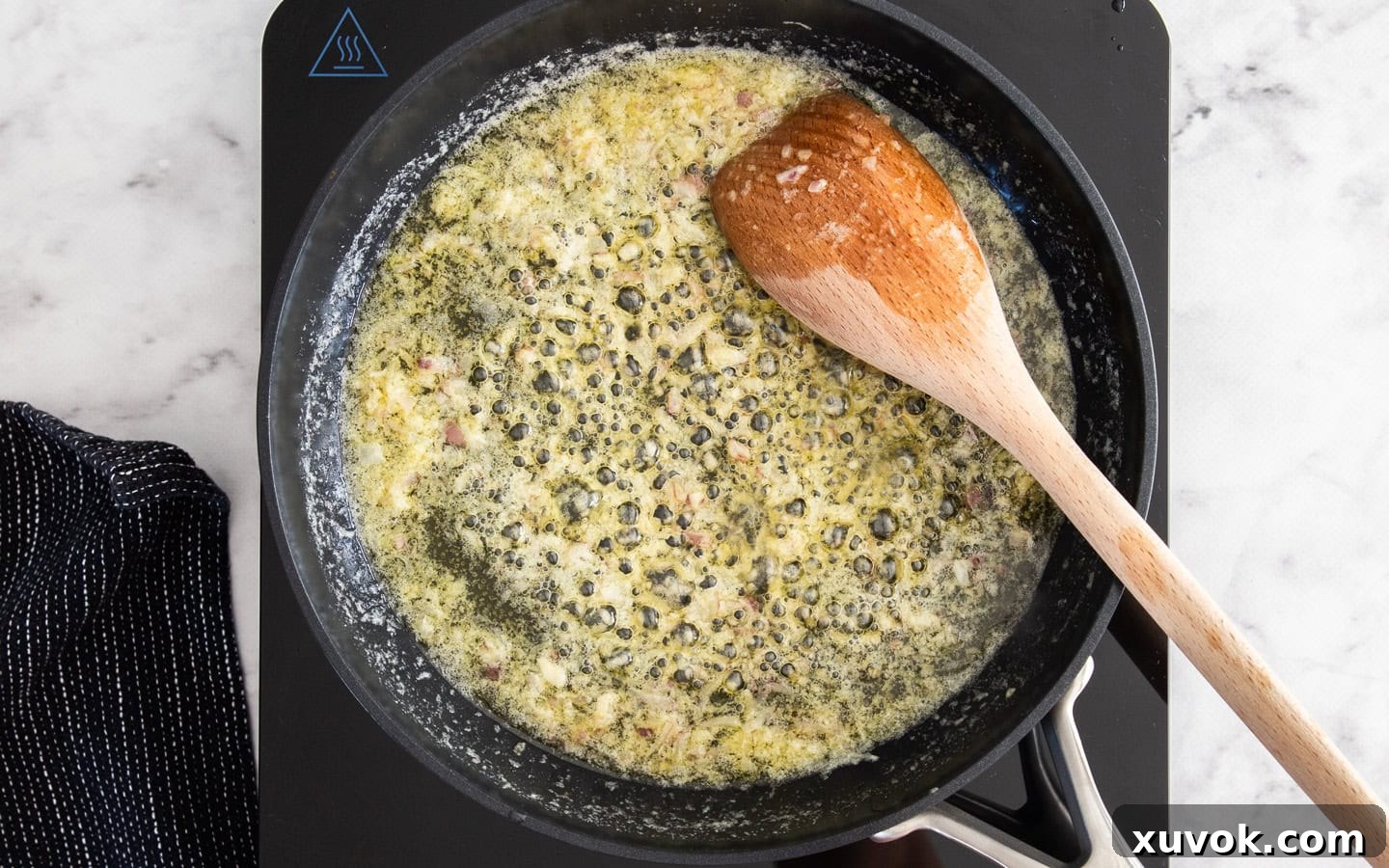
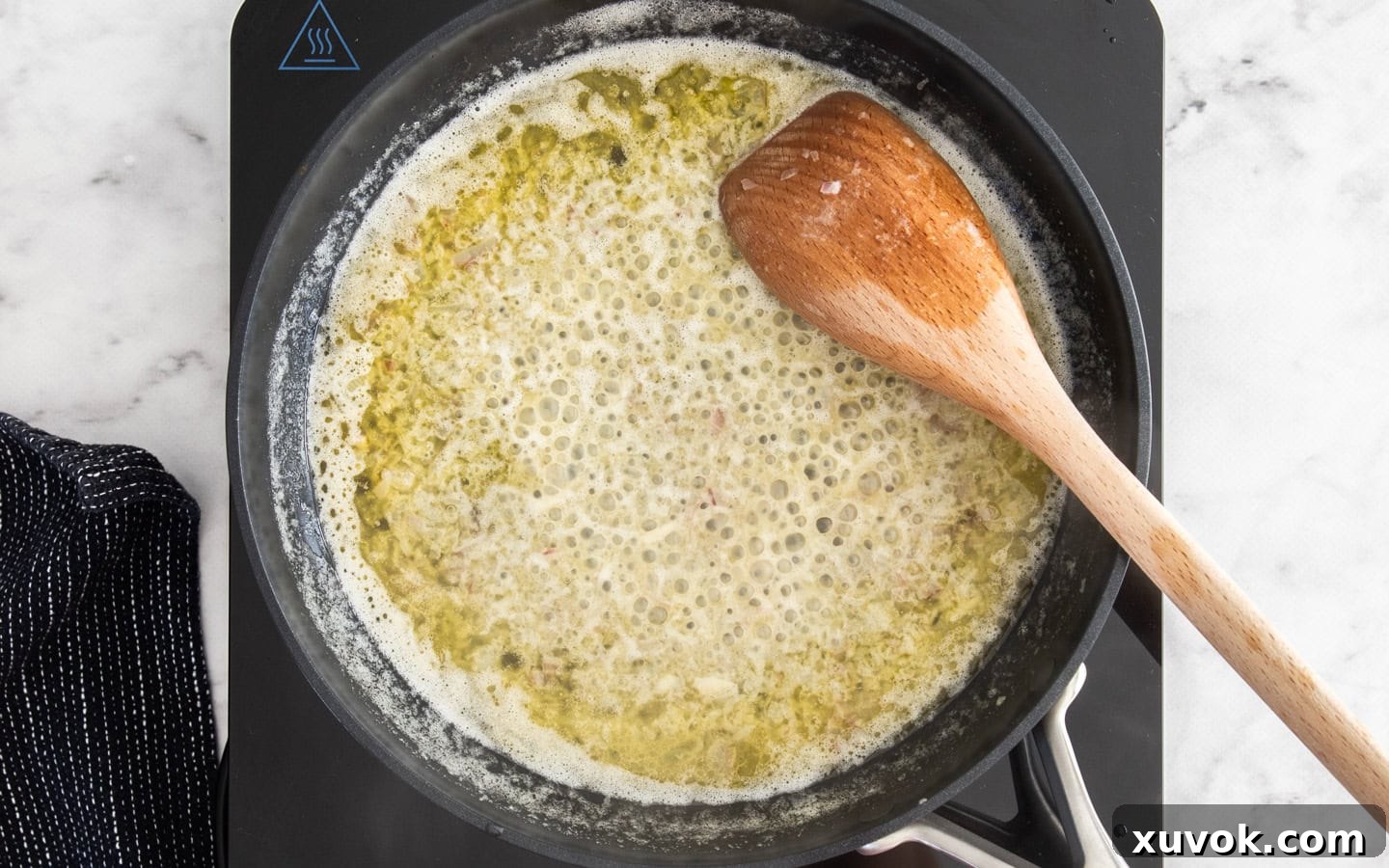
Begin by placing a large skillet or saucepan over medium heat. Add the salted butter and oil, allowing them to melt and shimmer. Once melted, add your finely chopped shallot and minced garlic. Sauté gently for 2-3 minutes, stirring occasionally, until they become softened and translucent. Be careful not to let them brown or burn, as this can impart a bitter flavor to your sauce. The goal is to release their sweet, aromatic essence.
Next, pour in the dry white wine. Whisk it vigorously into the shallot and garlic mixture, scraping up any browned bits from the bottom of the pan – this is called deglazing and adds a tremendous amount of flavor. Bring the mixture to a gentle simmer and continue to cook, stirring occasionally, until the wine has reduced almost completely. This process, which usually takes about 3 minutes, concentrates the wine’s flavor and allows the alcohol to evaporate, leaving behind a rich, complex base for your sauce.
2. Build the Creamy Base
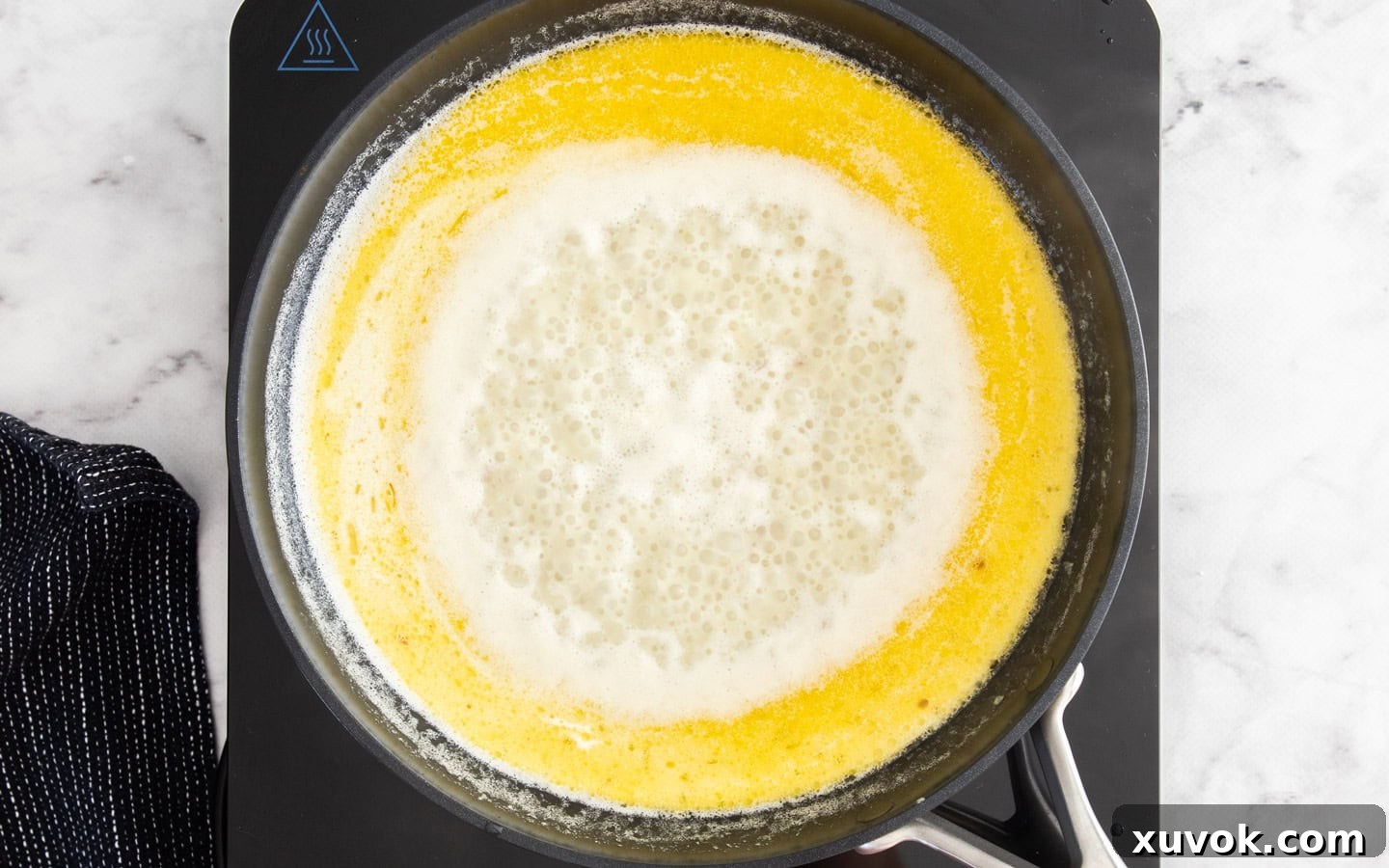
Once the wine has reduced, it’s time to create the luscious creamy body of your sauce. Add the vegetable stock and thickened cream to the skillet. Give it a good whisk to combine all the ingredients thoroughly. Increase the heat slightly, if needed, to bring the mixture to a gentle simmer. Allow it to bubble softly at a simmer for approximately 4-5 minutes, or until the sauce has visibly reduced by half. This reduction process is crucial as it further concentrates the flavors and begins to thicken the sauce naturally, contributing to its rich texture. Keep an eye on it to ensure it doesn’t come to a rolling boil, which could cause the cream to separate or scorch.
3. Finish with Tang and Freshness
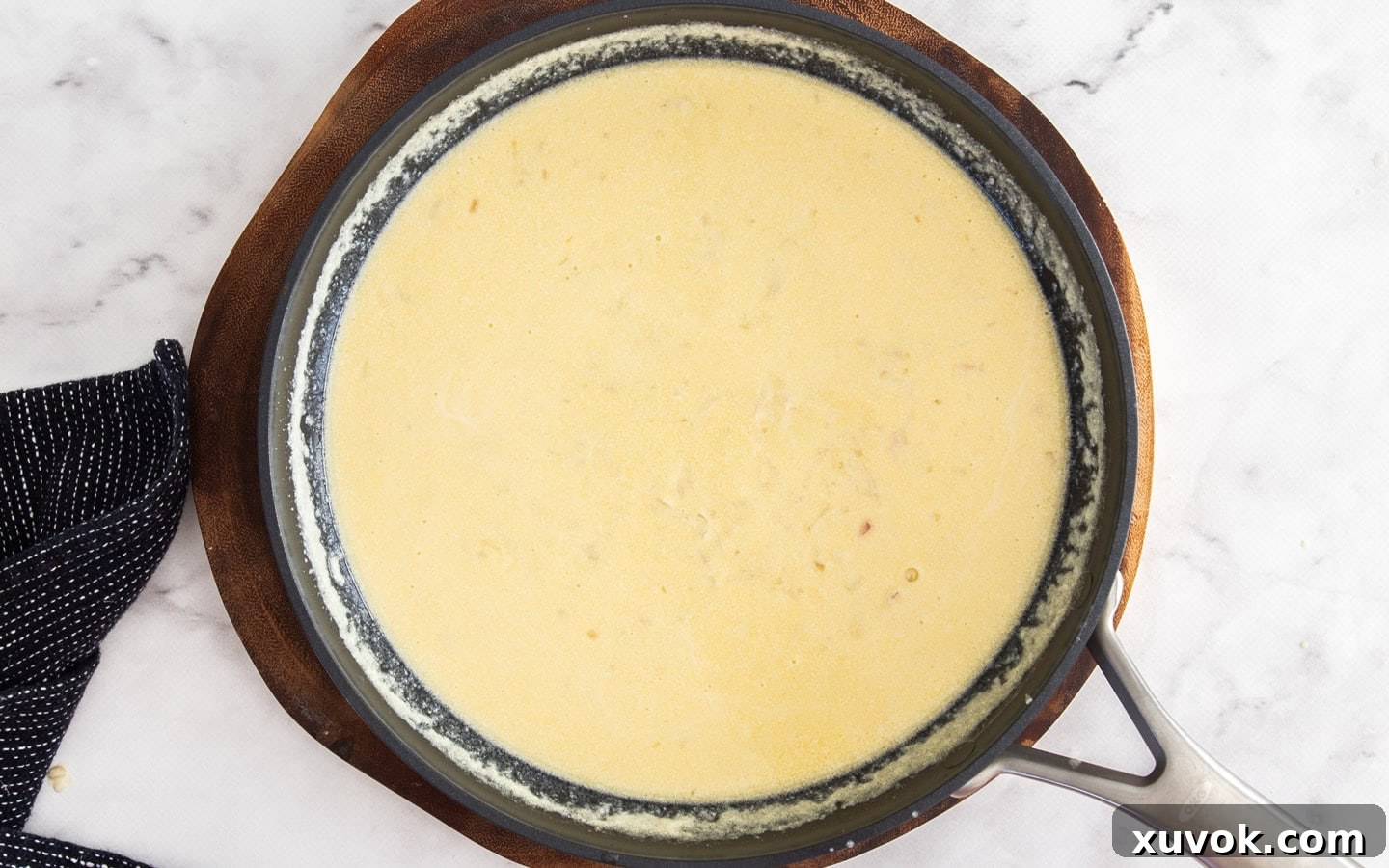
With your creamy base established, it’s time for the final flavor adjustments that truly make this sauce shine. Whisk in the Dijon mustard until it’s fully incorporated and smooth. In a small separate bowl, combine the cornflour (or cornstarch) with 1 teaspoon of cold water, stirring until you have a smooth, lump-free slurry. Gradually whisk this slurry into the simmering sauce in the skillet. Continue to cook for just about 20 seconds, stirring constantly, until the sauce thickens to your desired consistency. Cornflour works quickly, so be attentive. Once thickened, immediately remove the pan from the heat to prevent over-thickening.
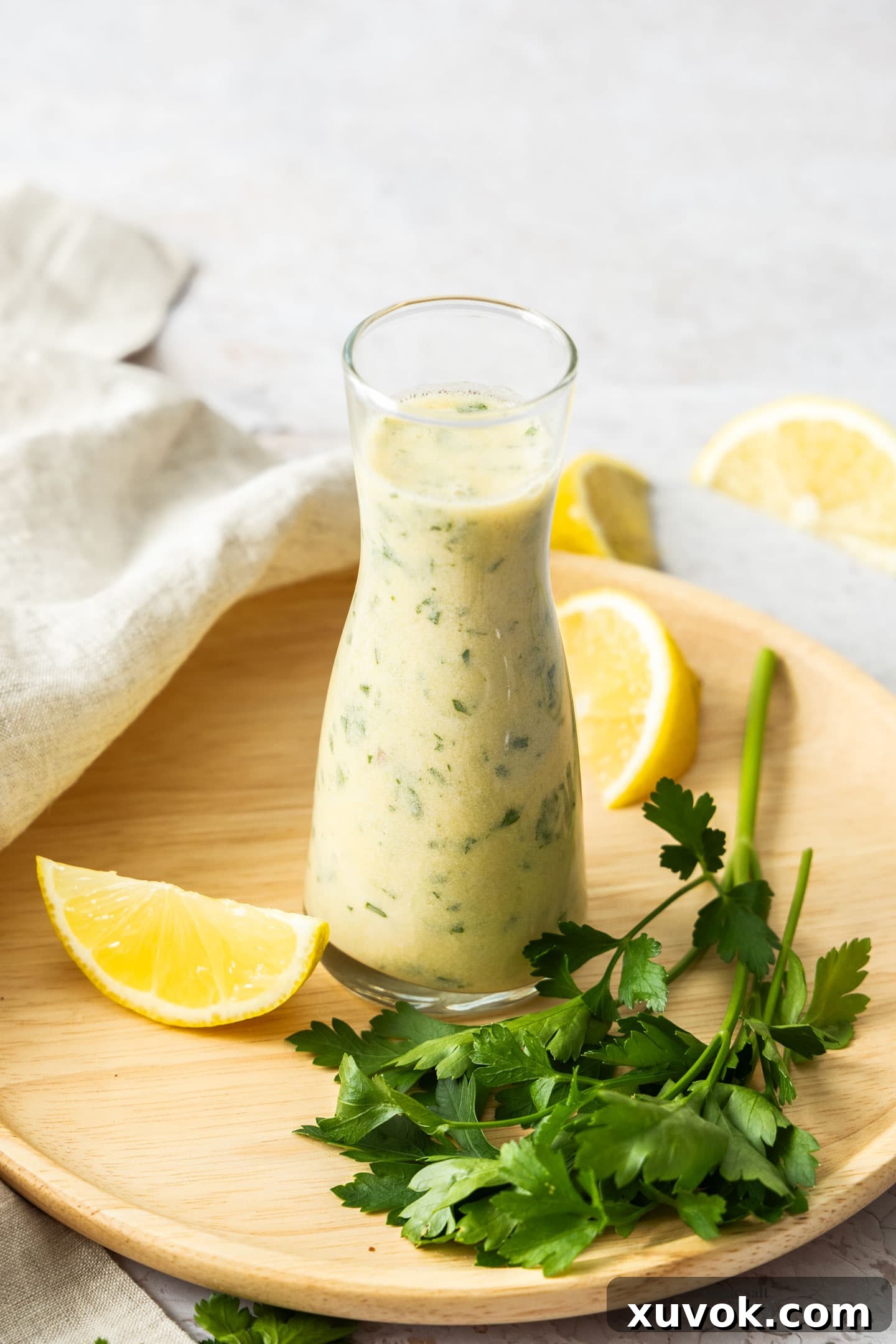
Finally, stir in the fresh lemon juice and finely chopped parsley (or dill). The lemon juice adds a crucial bright acidity that cuts through the richness of the cream, while the fresh herbs provide a pop of color and an aromatic finish. Taste your creamy white wine sauce and season generously with salt and freshly ground black pepper as desired. Remember, seasoning to taste is essential for balancing all the flavors perfectly. Serve this exquisite sauce immediately over your favorite dishes and enjoy the gourmet experience!
Expert Tips for Crafting the Perfect Creamy White Wine Sauce
Achieving a truly exceptional creamy white wine sauce is simple when you keep a few key tips in mind. These insights will help you prevent common pitfalls and ensure your sauce is consistently delicious, rich, and perfectly balanced every time.
- Sauté Aromatics Gently: When cooking the shallot and garlic, maintain a low to medium heat for just 2-3 minutes. This gentle sautéing allows them to soften and release their sweet flavors without browning or burning. Overcooking them, or cooking at too high a heat, can lead to a bitter taste that will permeate your entire sauce. Patience here is key for a sweet, aromatic foundation.
- Always Simmer, Never Boil: Whether you’re reducing the wine, stock, or the final creamy mixture, keep it at a gentle simmer. A rolling boil can cause the liquids to evaporate too quickly, leading to an overly concentrated or scorched flavor. More importantly, boiling cream vigorously can cause it to separate or curdle, ruining the smooth texture of your sauce. A slow, steady simmer allows for gradual reduction and harmonious blending of flavors.
- Reduce Wine & Stock Fully Before Adding Cream: This step is critical for both flavor and texture. Allowing the wine and stock to reduce almost completely before incorporating the cream concentrates their essences, creating a more robust and complex flavor profile. It also ensures that the sauce will have a thicker, more luxurious consistency without needing excessive thickener. This careful reduction helps prevent curdling and creates a stable base for the cream.
- Taste and Adjust Seasoning Continuously: Your palate is your best tool. Taste the sauce at various stages – after the wine reduction, after adding the cream and stock, and definitely before serving. This allows you to adjust the salt, pepper, and lemon juice precisely to your preference. Remember the golden rule: you can always add more seasoning, but you can’t take it away once it’s in the sauce!
- Choose a Wine You Enjoy Drinking: This can’t be stressed enough. The flavor of the wine will be concentrated in your sauce, so if you wouldn’t drink it, you won’t like the sauce. Opt for a dry white wine like Sauvignon Blanc, Pinot Grigio, or an unoaked Chardonnay for the best results.
- Prevent Curdling by Tempering (If Needed): While reducing the wine first greatly minimizes curdling risk, if you’re using a very light cream or want extra assurance, you can temper it. Whisk a small amount of the hot wine-stock mixture into the cream in a separate bowl before adding the warmed cream back into the pan. This gradually brings the cream’s temperature up, preventing shock.
- Achieving Perfect Thickness: If your sauce is too thin, you can either let it simmer gently for a few more minutes to reduce further, or prepare another small cornflour slurry (1/4 teaspoon cornflour mixed with 1 teaspoon cold water) and whisk it in, cooking for 20-30 seconds until thickened. If it becomes too thick, simply whisk in a tablespoon or two of warm vegetable stock or a splash of cream to loosen it to your desired consistency.
- Fresh Ingredients Make a Difference: For the best possible flavor, use fresh shallots, garlic, and lemon juice. The vibrancy they bring simply cannot be replicated by dried or pre-packaged alternatives. Fresh herbs like parsley or dill also contribute significantly to the sauce’s bright, fresh finish.
By following these expert tips, you’ll be able to create a consistently perfect creamy white wine sauce that is sure to impress every time.
Storage & Reheating Your Creamy White Wine Sauce
While this creamy white wine sauce is best enjoyed fresh, its deliciousness often means you might have some leftovers or wish to prepare it slightly ahead of time. Here’s how to properly store and reheat it to maintain its quality and flavor:
- Refrigeration: If you don’t use all of your homemade white wine sauce with cream, allow it to cool completely to room temperature before transferring it to an airtight container. Store it in the refrigerator for up to 2-3 days. Beyond this, the quality and freshness may begin to diminish.
- Reheating: To reheat, gently place the sauce in a saucepan over very low heat. Stir constantly and patiently as it warms through to prevent it from sticking to the bottom or scorching. Cream-based sauces can sometimes thicken considerably in the fridge, so you may need to add a splash of milk, cream, or vegetable stock to loosen it back to your desired consistency. Whisk continuously until it is smooth and heated through, but avoid bringing it to a rapid boil.
- Freezing: I generally do not recommend freezing this creamy white wine sauce. Cream-based sauces, especially those thickened with cornflour, tend to change in texture when thawed. They can become grainy or separate, losing their smooth, luxurious consistency. Given how quickly and easily this sauce comes together (in just about 20 minutes!), it’s almost always best to make it fresh when you need it for the optimal flavor and texture experience.
Frequently Asked Questions About Creamy White Wine Sauce
In my opinion, the absolute best way to thicken a creamy white wine sauce is by using a cornflour (cornstarch) slurry. Simply mix 1/2 teaspoon of cornflour with 1 teaspoon of cold water until smooth, then whisk it into your simmering sauce. It thickens quickly and creates a silky-smooth texture without any lumps. Arrowroot powder is another excellent substitute for cornflour and behaves very similarly. You can also use all-purpose flour, but it will need to be made into a roux (cooked with butter) at the very beginning, after the shallots have softened, to cook out the raw flour taste.
The primary key to preventing curdling is to properly reduce the white wine before you introduce the cream. This process stabilizes the wine’s acidity. When the alcohol evaporates, the wine’s composition changes, making it far less likely to curdle the cream. Additionally, ensure you add the cream to a warm (not boiling) liquid and keep the sauce at a gentle simmer, never a rolling boil, after the cream has been added. If you’re particularly concerned or using a very light cream, you can temper the cream by whisking a small amount of the hot sauce into the cream first before adding the warmed cream to the rest of the sauce.
The golden rule for cooking with wine is always to choose a wine that you would genuinely enjoy drinking. For creamy sauces like this one, dry white wines work best. Excellent choices include Sauvignon Blanc, Pinot Grigio (also known as Pinot Gris), or an unoaked Chardonnay. These wines offer a crisp acidity and subtle fruit notes that beautifully balance the richness of the cream without making the sauce overly sweet or heavy. Avoid cooking wines, which often contain added salt and preservatives, and steer clear of sweet wines like Moscato, as they will throw off the flavor balance of a savory cream sauce.
Yes, with some adjustments! You can replace the dairy thickened cream with full-fat coconut cream (from a can, not coconut milk beverage) for a richer sauce, though it will impart a subtle coconut flavor. Alternatively, a plant-based heavy cream substitute or a homemade cashew cream can work well. For the butter, use a good quality dairy-free butter alternative. Be mindful that the flavor profile will shift slightly with these substitutions, but it can still be a delicious dairy-free creamy white wine sauce.
If your sauce is too thin, you have a couple of options. You can continue to simmer it gently for a few more minutes to allow it to reduce further, concentrating its flavors and thickening naturally. Alternatively, prepare another small cornflour slurry (1/4 teaspoon cornflour with 1 teaspoon cold water) and whisk it in, cooking for 20-30 seconds until it reaches your desired consistency. If your sauce is too thick, simply whisk in a tablespoon or two of warm vegetable stock, milk, or cream until it loosens to the perfect pouring consistency. Always add liquid gradually to avoid over-thinning.
Yes, you can prepare this creamy white wine sauce up to 2-3 days in advance and store it in an airtight container in the refrigerator. When ready to serve, reheat it gently in a saucepan over low heat, stirring constantly. You may need to add a splash of stock or cream to restore its original consistency as it tends to thicken upon cooling. While making it fresh is always recommended for the best flavor and texture, preparing it ahead can be a great time-saver for entertaining.
More Irresistible Sauce Recipes You’ll Adore
If you loved this creamy white wine sauce, you’re in for a treat! Explore more of our favorite sauce recipes and dishes that feature amazing sauces designed to elevate your home cooking:
- Steak and Peppercorn Sauce: A classic, robust sauce perfect for red meats, featuring cracked peppercorns and a rich, creamy base.
- Sage Butter Sauce: Simple yet elegant, this aromatic sauce with fresh sage and browned butter is fantastic with pasta, gnocchi, or roasted vegetables.
- Creamy Mushroom Sauce: Earthy and comforting, this rich mushroom sauce is versatile enough for steaks, chicken, or vegetarian meals.
- Creamy Peppercorn Chicken: A full meal featuring tender chicken smothered in a luxurious, peppery cream sauce – inspired by classic steak dishes.
⭐⭐⭐⭐⭐
Loved this creamy white wine sauce recipe? Share your thoughts and experience in the comments below! Your feedback helps other home cooks.
Craving more culinary inspiration? Subscribe to our newsletter for exclusive recipes delivered straight to your inbox. Follow us for daily deliciousness on Facebook, Pinterest and Instagram.
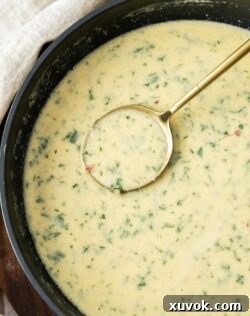
Creamy White Wine Sauce
4 servings
5
15
20
Rate
Pin
Ingredients
- 57 g salted butter (¼ cup/2oz)
- 3 teaspoons oil
- 1 small shallot finely chopped
- 2 cloves garlic minced
- ½ cup dry white wine (125ml)
- ⅔ cup vegetable stock (160ml)
- ⅔ cup thickened cream (160ml)
- 2 teaspoons Dijon mustard
- ½ teaspoon cornflour (US cornstarch)
- 1 tablespoon lemon juice
- 1 ½ tablespoons finely chopped parsley or dill
- salt and pepper, to taste
For best results, always weigh ingredients where a weight is provided
Equipment
-
frying pan, skillet or saucepan
Instructions
-
Melt the butter and oil over medium heat, then add the shallot and garlic and cook for 2-3 minutes until softened and translucent, being careful not to burn them.
-
Whisk in the dry white wine and bring the mixture to a gentle simmer. Cook for 3 minutes, or until the wine has reduced almost completely, leaving behind concentrated flavor.
-
Next, add the vegetable stock and thickened cream to the skillet. Bring it back to a gentle simmer and let it bubble for 4-5 minutes until the sauce has reduced by half and visibly thickened.
-
Whisk in the Dijon mustard, ensuring it is fully incorporated into the creamy sauce.
-
In a small bowl, mix the cornflour (or cornstarch) with 1 teaspoon of cold water to create a smooth slurry. Whisk this slurry into the simmering sauce. Cook for just 20 seconds, allowing the sauce to further thicken, then remove the pan from the heat immediately.
-
Stir in the fresh lemon juice and finely chopped parsley (or dill). Taste the creamy white wine sauce and season generously with salt and pepper to your preference. Serve immediately and enjoy!
-
We love hearing from you! Please take a moment to leave a comment & rating below after you’ve tried this recipe. Your feedback is greatly appreciated and helps others.
Notes
- Tablespoons: I use a standard Australian 20ml tablespoon (equal to 4 teaspoons). Please check your measuring spoons for accuracy before using.
- Nutrition details provided below are approximate only and derived from an online calculator. The specific brands and quantities of ingredients you use may cause variations in nutritional values.
EXPLORE MORE DELICIOUS SAUCES AND SEASONINGS!
301kcal
Marie Roffey
accompaniment
French
Calories from Fat 261