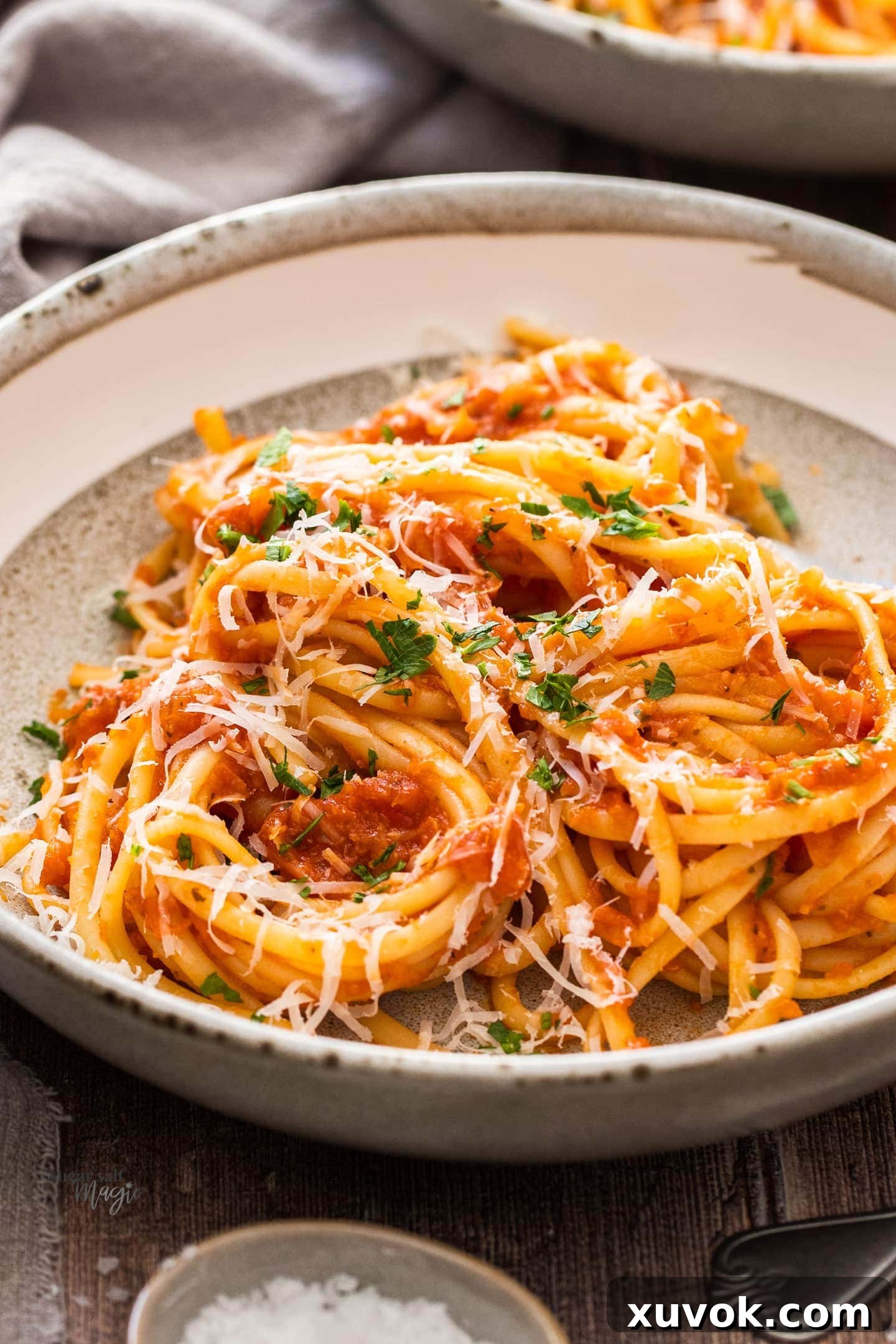
Delve into the heart of Italian home cooking with a recipe for Pasta Napoletana – a dish that perfectly embodies simplicity, richness, and comfort. This exquisite pasta is a celebration of vibrant flavors, born from ripe tomatoes, aromatic onion and garlic, and a medley of fresh herbs. While traditionally a staple of meatless Italian cuisine, our rendition introduces a subtle twist, making it even more irresistibly hearty and satisfying for any palate.
For those who cherish a well-crafted pasta meal, this Napoletana recipe is an absolute must-try. Its straightforward preparation and incredible depth of flavor make it an instant classic in any home kitchen. If you’re eager to explore more delightful pasta creations that are both easy and packed with flavor, consider these popular options: a rich creamy pesto pasta, or a savory chicken basil pesto pasta. For vegetarian enthusiasts, the comforting embrace of sage butter pasta and the spirited kick of spaghetti arrabbiata offer equally satisfying meat-free alternatives.
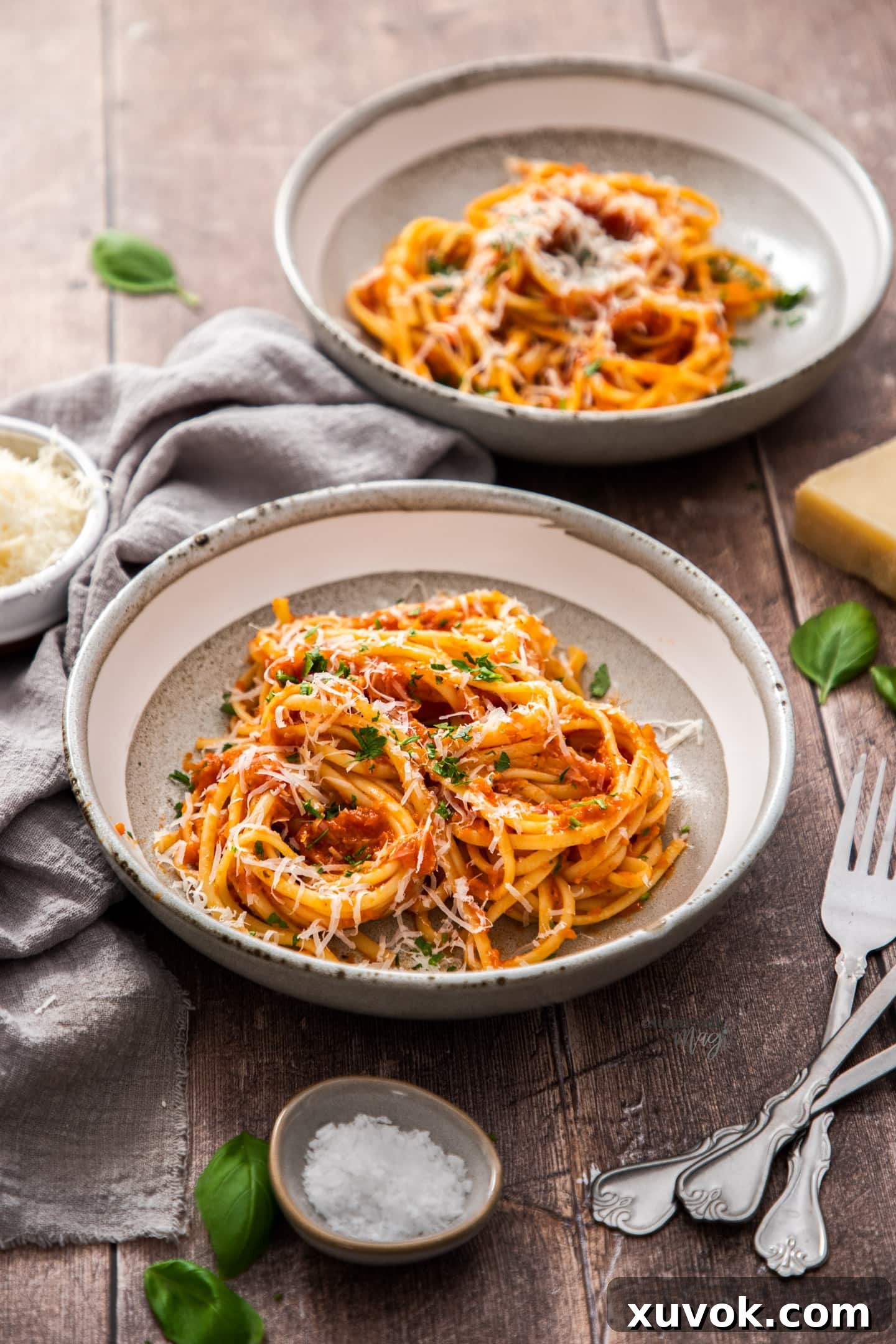
Why You’ll Love This Easy Pasta Napoletana
Life can be undeniably hectic, but that doesn’t mean your weeknight dinners have to be anything less than extraordinary. Our Pasta Napoletana is the ultimate culinary solution for a delicious, home-cooked meal that can be on your table in less than 30 minutes, from the initial chop to the final garnish. This isn’t merely a fast meal; it’s a deeply satisfying and flavorful experience, brimming with the authentic tastes of Italian tradition.
The beauty of this dish lies in its exquisite balance of richness and simplicity. The sauce, while inherently hearty, is naturally meatless, making it an ideal choice for vegetarian diners or those observing “Meatless Mondays.” However, its versatility allows for effortless customization; feel free to incorporate your favorite protein for an even more substantial meal, should you desire. This recipe is your secret weapon when time is short but your craving for robust, homemade flavor is strong. For another speedy and intensely delicious pasta option, explore this vibrant prawn and chorizo linguine, proving that quick meals can indeed be gourmet.
What Exactly is Napoletana Sauce? A Culinary Journey
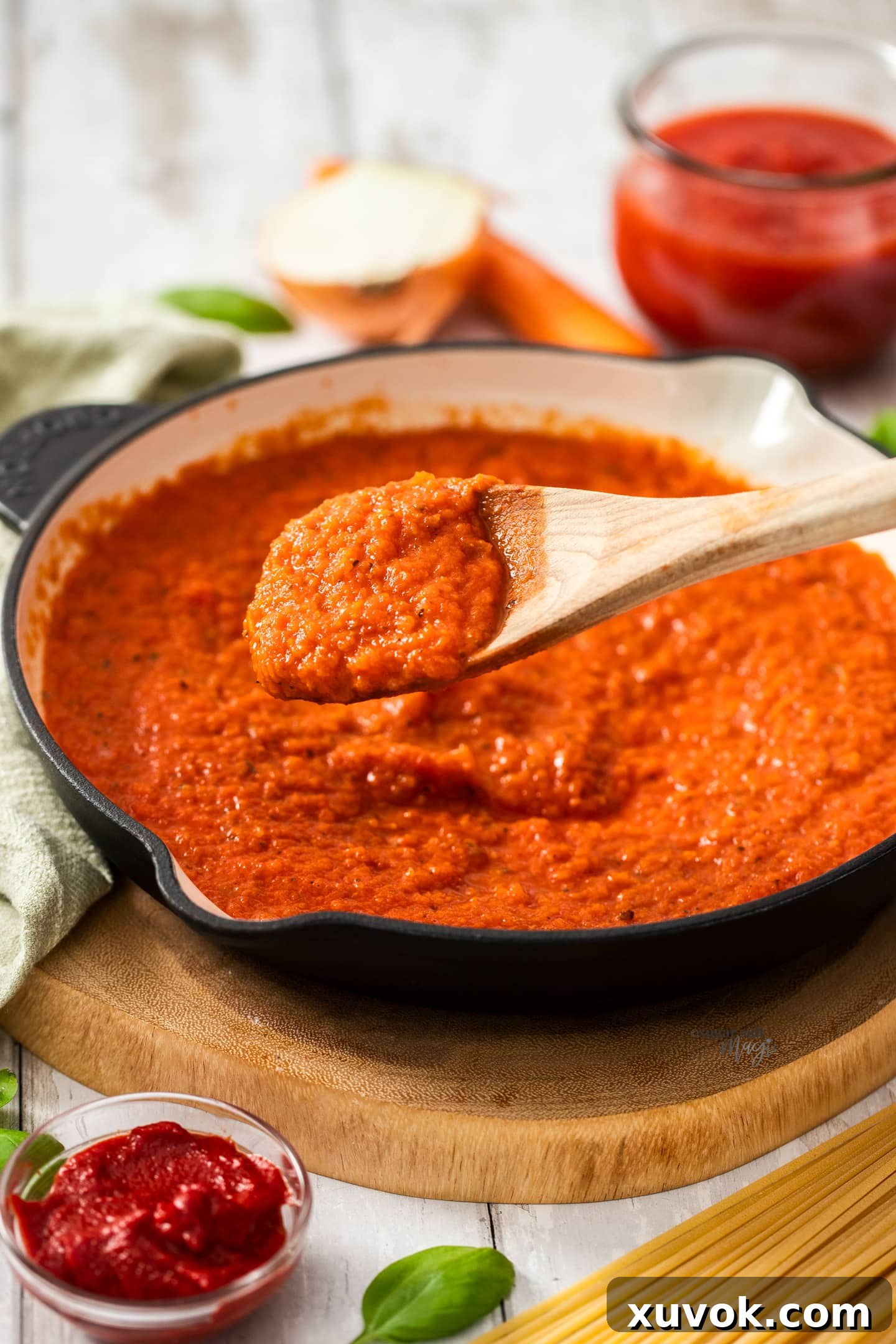
Napoletana sauce, also spelled Napolitana, Neapolitan sauce, or affectionately known as Napoli sauce outside of Italy, is far more than just a simple tomato sauce; it’s a cornerstone of Southern Italian cuisine, particularly revered in Naples. In its true homeland, this fundamental sauce is so integral to daily cooking that it’s often simply referred to as la salsa – “the sauce” – a testament to its pervasive importance and universal appeal. Unlike more elaborate regional Italian sauces, Napoletana sauce is celebrated for its purity and straightforwardness, allowing the quality of each core ingredient to shine through.
The authentic essence of Napoletana sauce is captured by a concise list of high-quality components: plump, ripe tomatoes, fragrant onion, pungent garlic, and a selection of aromatic, fresh or dried herbs. These elements are gently simmered, allowing their individual flavors to meld and deepen, transforming into a deeply flavored, vibrant red sauce that is the quintessential partner for a wide array of pasta shapes. Our recipe, however, introduces a small yet impactful deviation from the strictest tradition – the subtle addition of finely grated carrot. This thoughtful inclusion serves two fantastic purposes: it contributes an extra layer of natural sweetness and complexity to the sauce, making it incredibly hearty and robust, while also cleverly boosting the vegetable content for a more nutritious and well-rounded meal, a detail often appreciated by families.
To ensure this recipe remains incredibly simple, accessible, and quick for busy home cooks, we highly recommend using good quality canned finely-chopped or crushed tomatoes. This choice dramatically reduces preparation time without compromising on the depth of flavor. While fresh, vine-ripened tomatoes can certainly be used for an even more authentic taste, they would necessitate a longer simmering period to properly break down and fully develop their rich flavor profile. For the herbs, dried Italian blends offer convenience and a consistently classic taste. Nevertheless, if you have access to fresh herbs and a little extra time, incorporating them will undoubtedly elevate your dish with a brighter, more vibrant aroma and flavor.
Essential Ingredients for an Authentic and Flavorful Napoletana
Crafting a truly memorable Pasta Napoletana hinges on the thoughtful selection of quality ingredients. Each component, no matter how humble, plays a vital role in building the layered flavors of this beloved Italian dish. Here’s a closer look at what you’ll need and why each choice makes a significant difference:
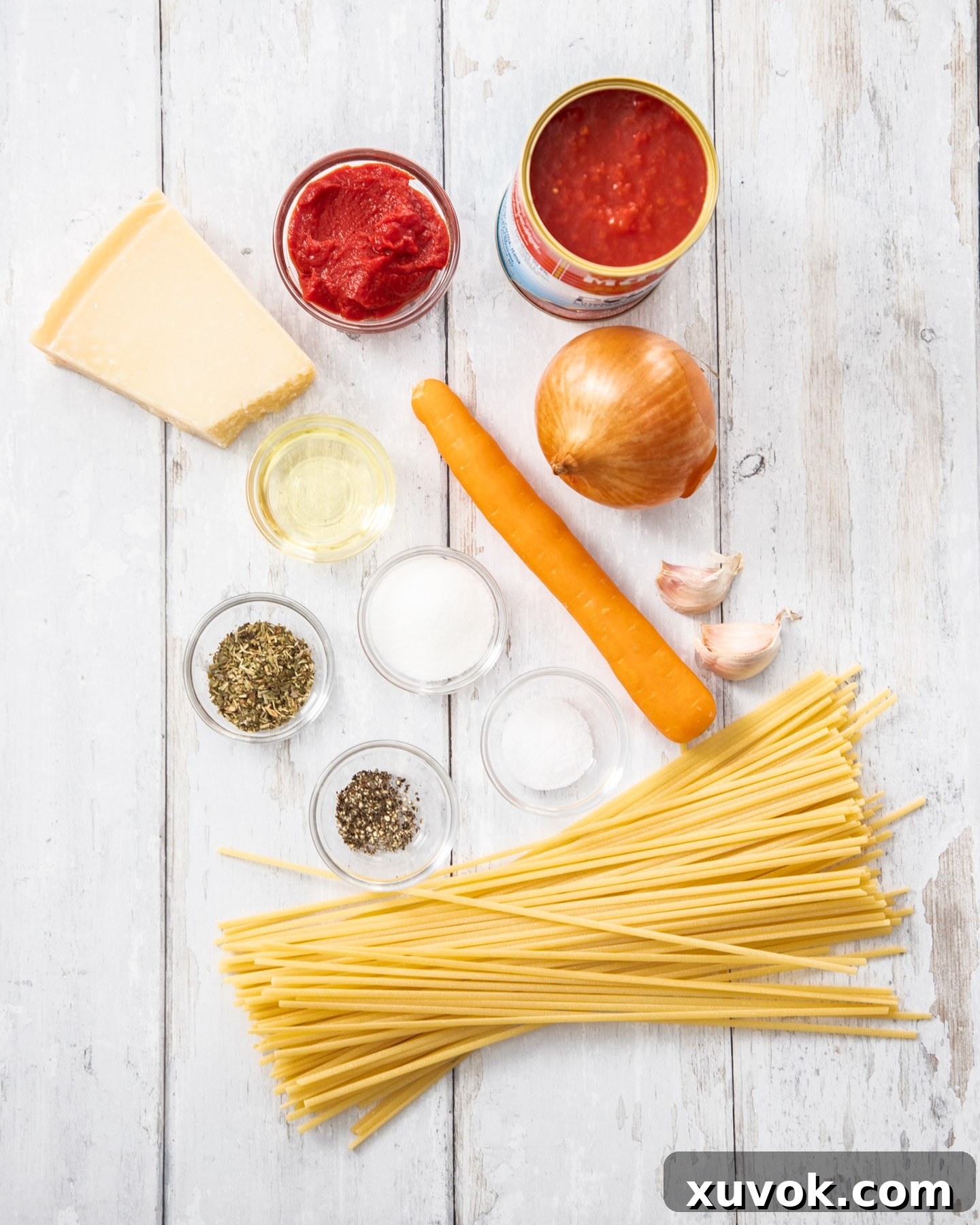
Detailed quantities and comprehensive step-by-step instructions are provided in the complete recipe card below.
- Tomatoes: These are undeniably the heart and soul of any Napoletana sauce. For ease and consistent results, opt for high-quality tinned finely chopped or crushed tomatoes. The caliber of your canned tomatoes directly dictates the depth and vibrancy of your sauce, so investing in a reputable brand is always recommended. For those who prefer a slightly coarser sauce texture, diced tinned tomatoes make an excellent alternative. If you have the luxury of time and access, authentic San Marzano tomatoes from Italy are often considered the gold standard for their balanced sweetness and low acidity.
- Onion: A freshly diced brown onion forms the essential aromatic base for the sauce. When gently sautéed, the onion releases sweet, savory notes that lay a crucial foundation for the entire flavor profile of the dish.
- Carrot (Our Special Addition): While not strictly traditional in all Napoletana recipes, a finely grated small-medium carrot is our secret ingredient. It introduces a wonderful natural sweetness, adds significant depth to the sauce, and subtly enhances its earthy undertones. Beyond flavor, it’s also a fantastic way to boost the nutritional value and make the sauce feel more substantial and satisfying.
- Tomato Paste: This concentrated powerhouse of tomato flavor is indispensable for enriching the sauce’s body and intensifying its natural umami. It imparts a deeper, more complex tomato note that cannot be fully achieved with just canned tomatoes alone.
- Sugar: A small measure of white sugar is included to expertly balance the natural acidity of the tomatoes and amplify their inherent sweetness, alongside that of the carrots. This creates a more harmonious and rounded flavor profile. Feel free to adjust the amount or omit it entirely based on the inherent sweetness of your chosen tomatoes and your personal taste preferences.
- Garlic: Fresh garlic cloves, minced just before they hit the pan, are absolutely essential. Their pungent, aromatic essence is vastly superior to any garlic powder, granules, or pre-minced jarred varieties, providing a foundational flavor that permeates and defines the sauce beautifully.
- Dried Herbs: A good quality blend of dried Italian herbs (typically including basil, oregano, thyme, and rosemary) offers incredible convenience and a reliably classic flavor profile. Should you prefer, fresh herbs can be used for a brighter, more vibrant taste, though they may require a slightly longer simmering period to fully release their essential oils and aromas. Adding a bay leaf during the simmering stage can also contribute an additional layer of subtle, savory complexity.
- Pasta: The perfect canvas for your magnificent sauce! Spaghetti and linguine are perennially popular choices due to their ability to beautifully cling to and carry the sauce. However, almost any pasta shape, whether dried or freshly made, will perform wonderfully. The key is to cook your pasta to a perfect al dente consistency – firm to the bite – to ensure a truly satisfying eating experience.
- Fresh Basil: A generous garnish of freshly torn or chopped basil leaves added just before serving is transformative. It brightens the dish with its sweet, peppery aroma and provides a delightful visual pop of vibrant green, enhancing both flavor and presentation.
- Parmesan Cheese: For an undeniably authentic Italian finish, always choose a block of high-quality Parmesan (ideally Parmigiano-Reggiano) and grate it yourself just before serving. Pre-shredded cheeses often contain anti-caking agents that can affect texture and diminish flavor, while the dried, shelf-stable varieties offer a vastly inferior and less desirable taste experience.
To further enhance the heartiness and nutritional value of your Pasta Napoletana without introducing meat, consider incorporating additional vegetables. Sautéed mushrooms, finely diced bell peppers (known as capsicum in some regions), or finely chopped celery can be added alongside the onions and carrots, offering appealing extra texture and a deeper spectrum of flavors. For those who appreciate a touch of warmth and excitement, a pinch of chili flakes or red pepper flakes stirred into the sauce will provide a delightful and invigorating spicy kick.
Essential Tools for Making Pasta Napoletana
You don’t need a professional chef’s arsenal to whip up this amazing pasta dish. A few basic, everyday kitchen tools are all you’ll need to successfully create a delicious Pasta Napoletana:
- A good quality large saucepan or a robust Dutch oven for preparing and simmering the flavorful sauce.
- Another large pot with a lid, essential for boiling the pasta to perfection.
- A sturdy spatula or a wooden spoon for stirring and combining ingredients effectively.
- A reliable strainer or a pair of kitchen tongs for safely draining the cooked pasta while reserving that vital pasta water.
How to Master Pasta Napoletana: A Step-by-Step Guide to Perfection
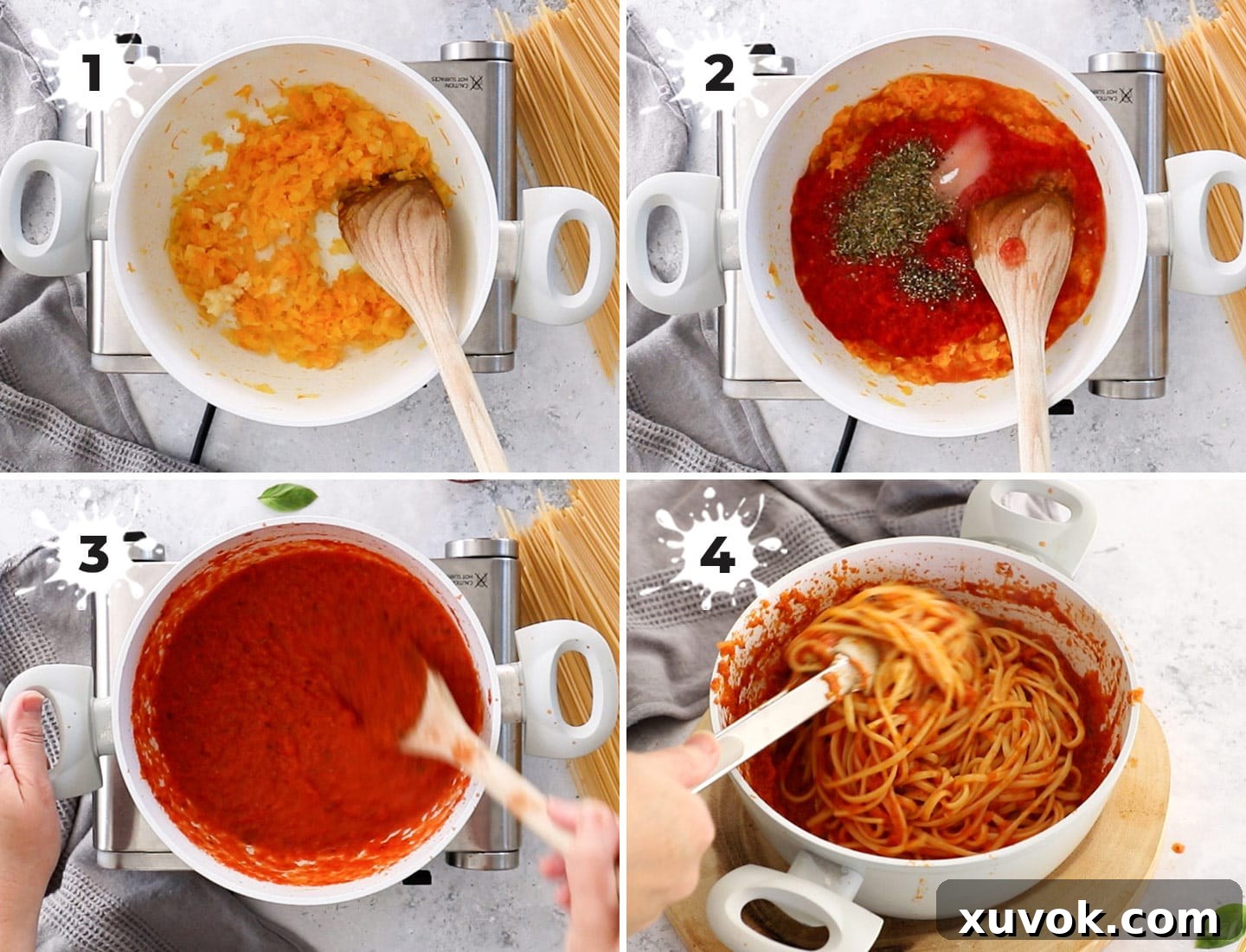
For precise measurements and comprehensive step-by-step instructions, please refer to the full recipe card below.
- Prepare the Pasta (The Foundation): This recipe comes together with impressive speed, so efficient multitasking is key to success. Begin by bringing a large pot of water to a vigorous rolling boil. It is absolutely crucial to season this pasta water generously with salt – it should taste distinctly salty, much like the sea! Once the water is boiling fiercely, add your chosen pasta (spaghetti or linguine are classic and excellent choices) and give it a good stir to ensure it’s fully submerged and doesn’t clump or stick together. Cook the pasta until it reaches the perfect al dente stage – meaning it still retains a slight, satisfying bite. Avoid overcooking, as mushy pasta can detract significantly from the overall dish. Before you drain the pasta, make sure to reserve approximately half a cup of the starchy pasta water – this often-overlooked ingredient is your secret weapon for achieving a wonderfully silky and perfectly emulsified sauce. Drain the cooked pasta thoroughly and set it aside.
- Craft the Sauce (The Heart of the Dish): While your pasta is diligently cooking, you can begin the delightful process of crafting the Napoletana sauce. Heat one tablespoon of extra virgin olive oil in a large, deep saucepan or a sturdy Dutch oven over medium heat. Add the finely diced onions, grated carrots, and a pinch of salt to the hot oil. Sauté these aromatic vegetables for 3-4 minutes, stirring occasionally, until they soften beautifully and the onions become translucent, releasing their sweet essence. Next, add the minced garlic and cook for just another minute until it becomes fragrant, taking care not to let it brown or burn, which can turn it bitter. At this point, incorporate the canned finely chopped tomatoes, tomato paste, water, white sugar, dried Italian herbs, and black pepper into the saucepan. Stir everything thoroughly to ensure all ingredients are well combined. Bring the sauce to a gentle simmer, then reduce the heat to low. Cover the pan (you can leave the lid slightly ajar or use a splatter guard to prevent splattering) and allow it to cook for 8-10 minutes, stirring periodically. This crucial simmering time allows all the magnificent flavors to meld, deepen, and concentrate beautifully.
- Combine and Serve (The Grand Finale): Once your sauce has sufficiently simmered and thickened to your liking, add the cooked al dente pasta directly into the saucepan with the sauce. Toss everything together vigorously and thoroughly, ensuring that every single strand of pasta is sumptuously coated in the rich, vibrant Napoletana sauce. If the sauce appears a little too thick or needs a slight loosening, gradually add a tablespoon or two of your previously reserved starchy pasta water until it achieves your desired consistency. The starches in the pasta water are magical; they will help create a beautiful, silky texture that clings perfectly to the pasta, rather than just watering down the flavor. Serve this exquisite Pasta Napoletana immediately, finishing it with a generous scattering of freshly chopped basil and a fine grating of authentic Parmesan cheese.
Pasta Napoletana is a meal that truly shines brightly on its own, a testament to its perfectly balanced flavors. However, it’s often made even more delightful when thoughtfully paired with complementary side dishes. Consider serving it alongside warm, crusty artisan bread – ideal for soaking up every precious last drop of that incredible sauce. Alternatively, elevate your meal with our wonderfully aromatic pesto garlic bread or our savory, cheesy Parmesan toast. A simple, crisp green salad dressed with a light vinaigrette would also offer a refreshing and palate-cleansing contrast, rounding out a truly memorable Italian dining experience.
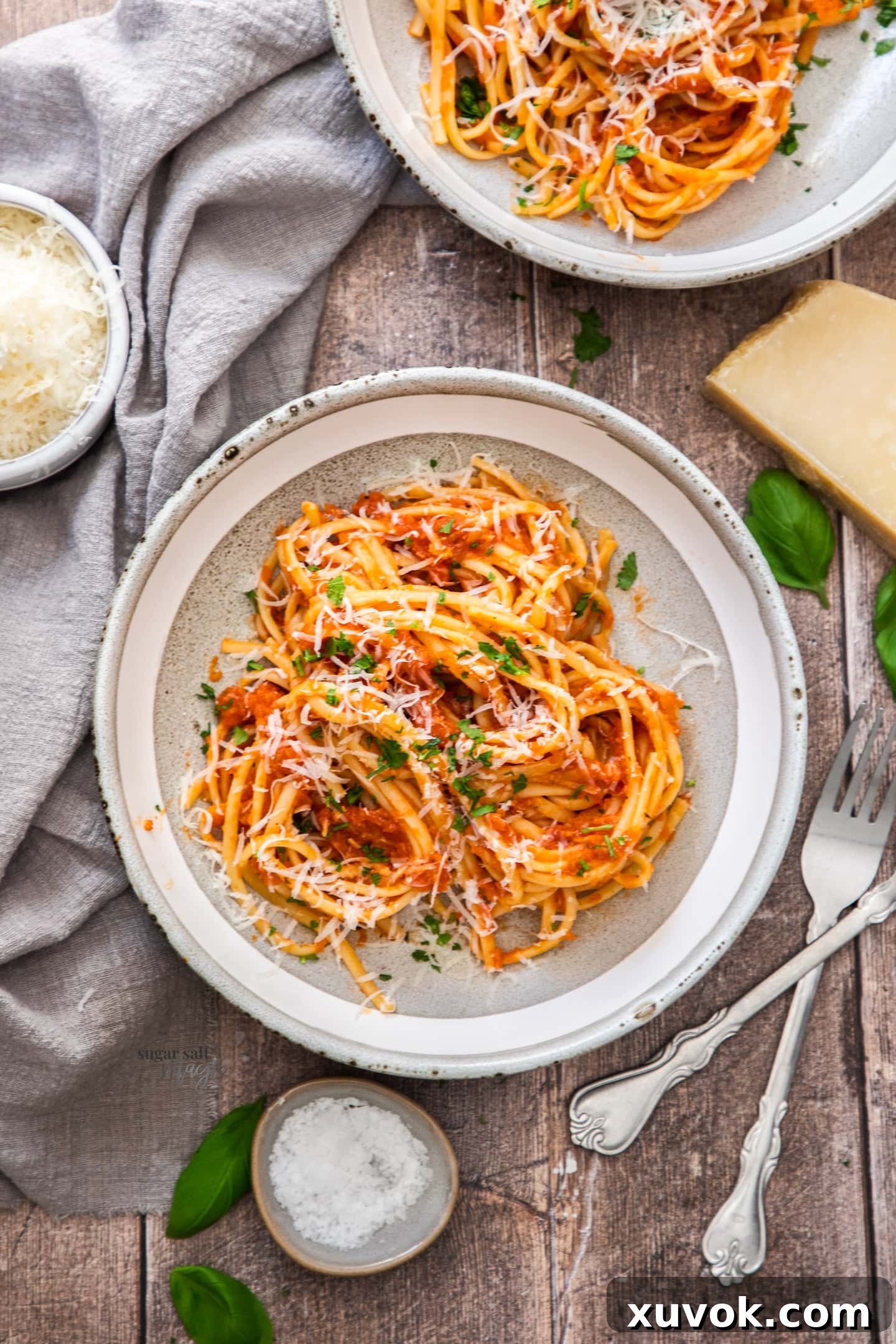
Expert Tips and Tricks for the Perfect Napoletana
- Achieving Your Desired Sauce Texture: The beauty of homemade sauce is customization. If you crave a smoother, more refined sauce, an immersion blender or a standard blender can be used to puree the sauce partially or completely after it has simmered. For a more rustic, robust, and chunky sauce, simply cut your carrots into small dice instead of grating them and purposefully omit the blending step. Using diced tinned tomatoes, as opposed to finely chopped, will also contribute to a heartier, more textured sauce. Always ensure that any diced carrots are perfectly tender before serving to ensure the best mouthfeel.
- Choosing the Right Pasta Shape: The shape of your chosen pasta can significantly influence the overall eating experience. Generally, heartier, chunkier sauces (like a less blended Napoletana) tend to pair best with substantial pasta shapes such as penne, rigatoni, orecchiette, or large shells, which are adept at capturing and holding bits of vegetable and sauce. Conversely, smoother sauces, particularly a well-pureed Napoletana, are exquisitely complemented by long, thin pastas such as spaghetti, linguine, or fettuccine, allowing the sauce to elegantly coat each delicate strand.
- Embrace the Classic (Carrot-Free Option): For those who desire a strictly traditional Napoletana sauce, adhering to the historical recipe, simply omit the grated carrot from the ingredients list. The sauce will still be incredibly flavorful and authentic, purely showcasing the beautiful essence of tomatoes, onion, garlic, and classic Italian herbs.
- Adding Even More Vegetables: This sauce is remarkably adaptable and welcoming to additional fresh produce. Enhance its nutritional value and complex flavor profile by incorporating other finely diced vegetables. Sauté bell peppers (capsicum), zucchini, or celery along with the initial onions and carrots. Cooked mushrooms or tender spinach can also be gently stirred into the sauce during the final few minutes of simmering, adding both texture and goodness.
- Incorporating Meat for a Heartier Meal: If your culinary desires lean towards a meatier meal, this versatile sauce provides an excellent base. Brown off some ground beef, pork, chicken mince (ground meat), or Italian sausage alongside the onions and carrots. It’s important to ensure the meat is fully cooked and any excess fat is thoroughly drained before proceeding with the addition of the tomatoes and the remaining sauce ingredients.
- The Unsung Magic of Pasta Water: Make it an unwavering habit to always reserve a cup or so of that precious, starchy pasta water before you drain your cooked pasta. This culinary secret weapon is truly invaluable. Its inherent salt and starch content enables it to beautifully loosen and emulsify the sauce, creating an incomparably richer, silkier texture that adheres perfectly to the pasta without ever diluting its rich flavor. This starchy liquid is also fantastic for subtly rehydrating pasta that may have sat for a moment too long and started to stick together. While you may not always need it, it is always far better to have it readily on hand!
- Taste and Adjust (The Chef’s Final Touch): Always make it a point to taste your sauce thoroughly just before serving. Adjust seasonings such as salt, black pepper, or a tiny pinch more sugar as needed to achieve your absolute perfect balance of flavors. Sometimes, a very small dash of red wine vinegar can also cleverly brighten the sauce if it feels a little flat or heavy, adding a spark of acidity.
Storage and Meal Prep Made Easy for Convenience
One of the many delightful attributes of Napoletana sauce is its excellent shelf life, which makes it an outstanding candidate for efficient meal prepping. The sauce can be meticulously prepared 2-3 days in advance and stored safely in the refrigerator within a tightly sealed mason jar or any other appropriate airtight container. In fact, many culinary enthusiasts find that the flavors of the sauce actually deepen and meld even more harmoniously after a day or two of resting, often resulting in an even more delicious and complex meal when reheated.
Beyond refrigeration, Napoletana sauce also freezes exceptionally well, offering remarkable flexibility for future meals. Freezing pre-portioned quantities of this incredibly versatile sauce is a brilliant and highly effective way to ensure you always have a quick, convenient, and homemade meal base readily on hand. To freeze, first allow the freshly prepared sauce to cool completely to room temperature. Then, carefully pour it into freezer-safe ziplock bags (laying them flat in the freezer for optimal space-saving storage) or into robust airtight containers. When properly frozen, the sauce will maintain its peak quality for an impressive period of up to 3 months. When you’re ready to enjoy it, simply thaw the sauce in the refrigerator overnight, or gently reheat it from its frozen state directly on the stovetop, adding a splash of water or vegetable broth if necessary to achieve your desired consistency.
Discover More Italian-Inspired Recipes From Our Collection
If this delightful Pasta Napoletana has successfully piqued your interest and ignited your passion for authentic Italian home cooking, you will undoubtedly love exploring these other delectable and inspiring recipes from our curated collection. Each dish offers a unique taste of Italy, perfect for any occasion:
- The Best Spaghetti Bolognese: A deeply rich, slow-simmered, and utterly classic meat sauce for pasta, guaranteed to be a family favorite.
- Rigatoni al Forno: A wonderfully comforting and hearty baked pasta dish, perfect for feeding a crowd or enjoying on a cozy evening.
- Venetian Crab Linguine: A sophisticated and elegant seafood pasta featuring delicate flavors, inspired by the culinary traditions of Venice.
- Easy Homemade Pasta Sauce: A fundamental and versatile recipe for any Italian kitchen, serving as a perfect base for countless dishes.
- Homemade Italian Meatballs: Tender, incredibly flavorful meatballs that pair exquisitely with any pasta and sauce combination.
- Spicy Chicken Pasta: A vibrant and exciting dish with a delightful kick, perfect for those who appreciate a touch of heat in their pasta.
- One Pan Prawn and Chorizo Pasta: An incredibly convenient, full-flavored, and surprisingly easy one-pan wonder, minimizing cleanup.
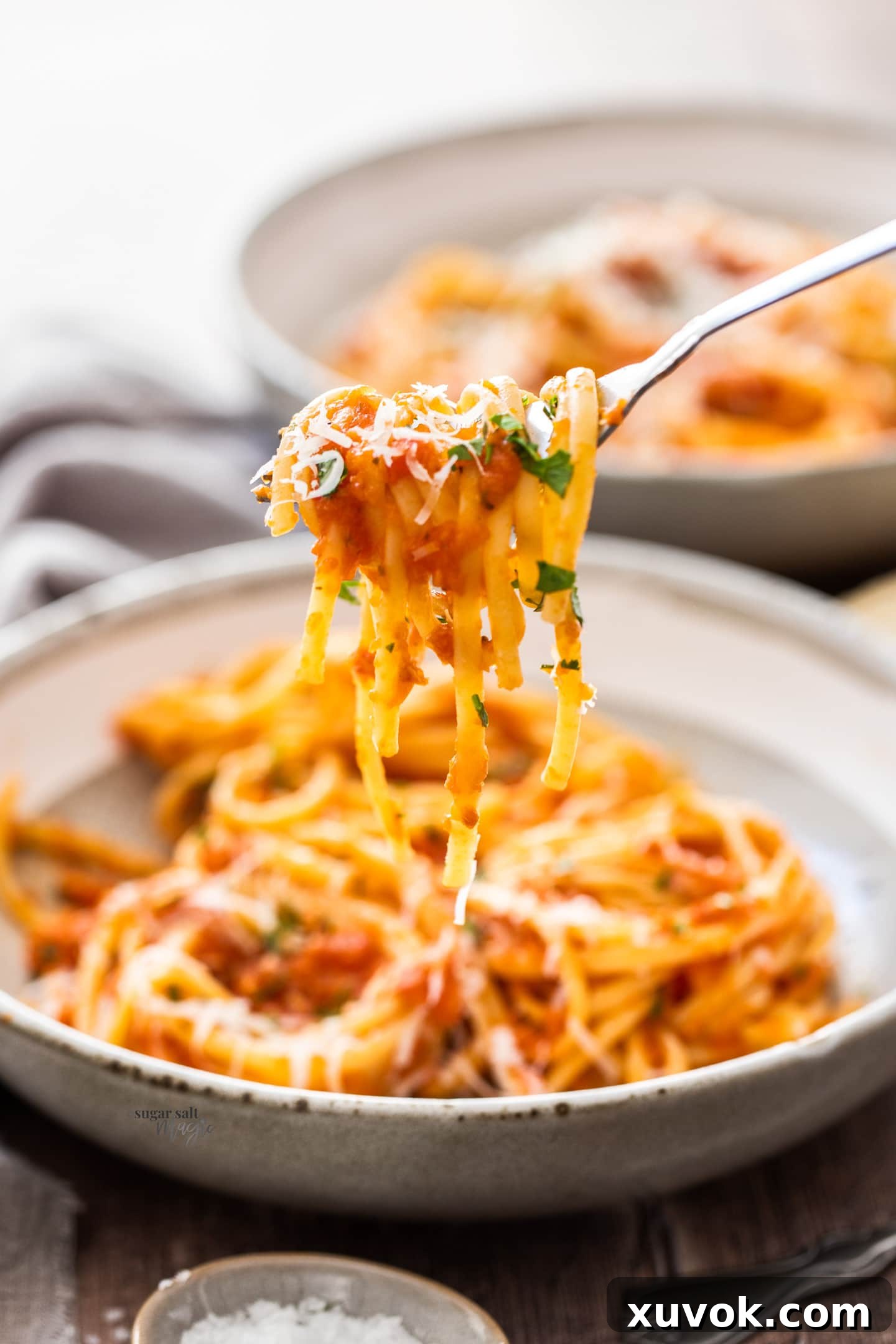
WE LOVE HEARING FROM YOU! If you try this exquisite Pasta Napoletana recipe, please take a moment to leave a rating and share your valuable comments below. Your feedback is incredibly precious to us, and it genuinely helps other readers discover and savor this truly delicious and comforting Italian dish!
Never Miss a Recipe!
Stay updated with our latest culinary creations and delightful recipes by subscribing to our exclusive newsletter.
Pasta Napoletana
Need a quick weeknight dinner that doesn’t skimp on flavor? This Pasta Napoletana can be on the table in less than 30 minutes. Crafted with minimal, high-quality ingredients, al dente pasta is perfectly smothered in a rich, classic Italian tomato sauce with our special hearty twist – making it ideal for meatless Mondays or any busy evening. It’s a simple yet incredibly satisfying dish that brings the authentic taste of Naples right into your home.
Rate This Recipe
Pin Recipe
Video Tutorial
Watch our video tutorial for a visual guide on how to prepare this delicious Pasta Napoletana. It makes following the steps even easier!
Ingredients
- 350 g spaghetti or linguine
- 1 tablespoon extra virgin olive oil
- 1 medium onion, finely diced (roughly 1 cup)
- 1 small-medium carrot, finely grated (roughly ½ cup)
- ½ teaspoon salt
- 1 (400g) tin finely chopped or crushed tomatoes (or San Marzano for best flavor)
- 2 tablespoons tomato paste
- ½ cup water
- 3 teaspoons white sugar (adjust to taste)
- 2 cloves garlic, minced
- 1 ½ teaspoons dried Italian herbs (or a mix of basil, oregano, thyme)
- ⅛ teaspoon black pepper
- Fresh basil for serving (generous handful)
- Parmesan for serving (freshly grated)
For the most accurate results, always weigh ingredients where a weight is provided.
Instructions
- Preparation Strategy: Given the speed of this recipe, you can efficiently start preparing the sauce as soon as your pasta water is on the stove and the pasta has been added.
- Bring a large saucepan of water to a vigorous boil. Season the water generously with salt until it tastes like the sea. Add your pasta and cook until it is just al dente, following the package instructions. Before draining, reserve about ½ cup of the starchy pasta water. Drain the pasta thoroughly and set it aside.
- In the meantime, in a deep saucepan or Dutch oven, heat the extra virgin olive oil over medium heat.
- Add the finely diced onions, grated carrot, and ½ teaspoon of salt to the hot oil. Sauté for 3-4 minutes, stirring frequently, until the vegetables have softened and the onions become translucent.
- Stir in the minced garlic and cook for an additional minute until fragrant. Be vigilant not to burn the garlic, as this can make it bitter.
- Add the tinned finely chopped or crushed tomatoes, tomato paste, water, white sugar, dried Italian herbs, and black pepper to the saucepan. Stir all ingredients thoroughly to combine them well. If you desire a smoother sauce consistency, this is the ideal point to use an immersion blender to achieve your preferred texture.
- Bring the sauce to a gentle simmer, then reduce the heat to low. Cover the saucepan (you may leave the lid slightly ajar or use a splatter guard) and let it simmer for 8-10 minutes, stirring occasionally. This simmering time is crucial for allowing the flavors to deepen and the sauce to thicken perfectly.
- Add the cooked al dente pasta directly into the sauce. Mix everything well to ensure every strand of pasta is evenly and sumptuously coated in the rich Napoletana sauce. If the sauce appears too thick or needs a little loosening, gradually add a tablespoon or two of your reserved starchy pasta water until it reaches your desired silky consistency.
- Serve immediately, garnished generously with freshly chopped basil and a fine grating of authentic Parmesan cheese. Enjoy your exquisite homemade Pasta Napoletana!
- After you’ve savored this dish, please take a moment to rate this recipe. Your valuable feedback is genuinely appreciated and helps us continue to create and share more delicious recipes with our community.
Recipe Notes
- Tomatoes for Texture: For a slightly chunkier texture in your sauce, you can effectively use diced tinned tomatoes instead of finely chopped or crushed varieties.
- Achieving a Chunkier Sauce: If you distinctly prefer a very chunky sauce, dice the carrots instead of grating them and purposefully skip the blending step entirely.
- For a Classic Version: If you desire a strictly classic, traditional Napoletana sauce, simply omit the grated carrot from the ingredients list.
- Adding More Vegetables: Enhance the sauce’s nutritional profile and flavor by adding more vegetables. Finely diced bell peppers (capsicum), zucchini, or celery can be sautéed alongside the onions and carrot. Cooked mushrooms or tender spinach can also be stirred in towards the end of the simmering process.
- Incorporating Meat: To transform this into a heartier meat-based meal, brown off approximately 200g-250g of ground beef, pork, chicken mince (ground meat), or Italian sausage with the onions and carrots. Ensure to drain any excess fat before proceeding with the sauce ingredients.
- Make Ahead & Freeze: This Napoletana sauce is excellent for meal prep. It can be prepared 2-3 days in advance and stored in an airtight container in the refrigerator. For longer storage, the sauce freezes beautifully in portions for up to 3 months. Refer to the detailed storage section of the main post for comprehensive freezing tips.
EXPLORE MORE DELICIOUS PASTA DISHES!
Have you tried this recipe?
Don’t forget to leave a rating and comment below and let me know how it was! I love hearing from you. Please note that nutrition information is approximate and typically derived from an online calculator; the specific brands and quantities of ingredients you use may cause variations.