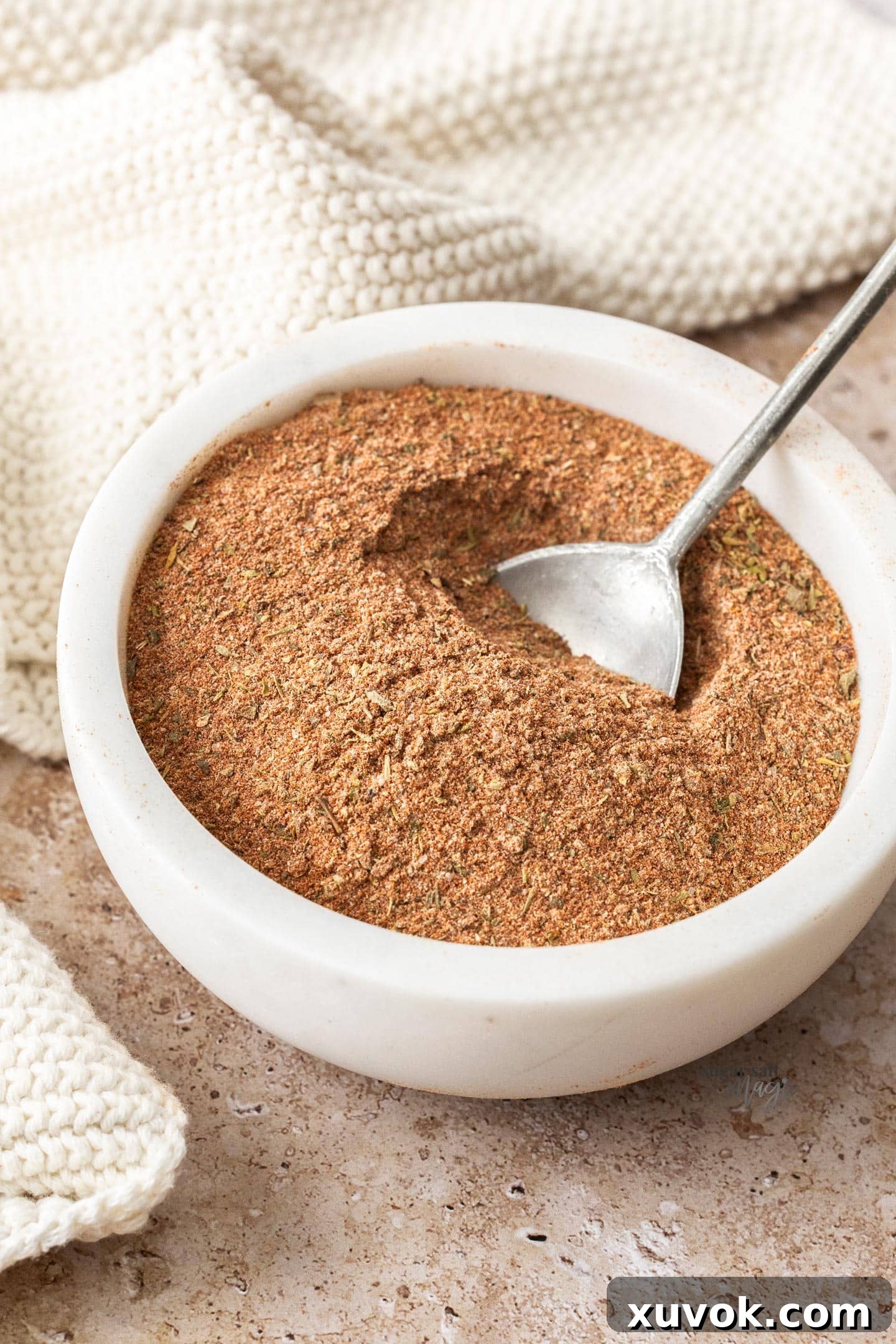
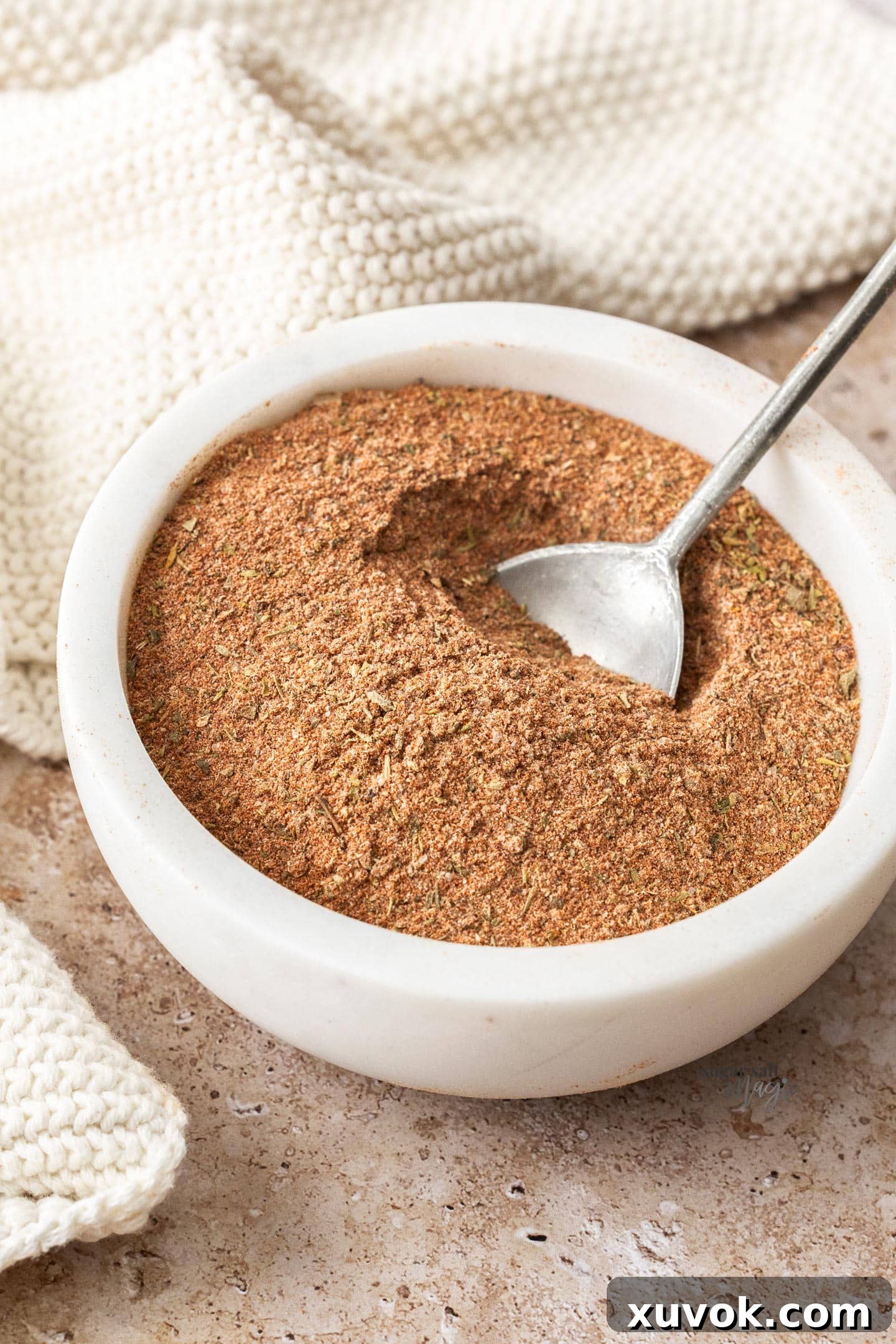
Are you ready to transform your culinary creations with an explosion of bold, savory, and perfectly spicy flavors? Ditch the often bland and additive-filled store-bought versions and dive into the world of homemade Cajun seasoning. My recipe provides a vibrant, robust blend of spices and fragrant herbs that will elevate everything from everyday meals to special occasion feasts. This versatile spice mix is an essential staple for any kitchen, promising a fresher taste and customizable heat that commercial products simply can’t match.
Crafting your own Cajun seasoning at home offers a multitude of benefits:
- It boasts an incredibly punchy and complex flavor profile, combining robust spices with fresh, aromatic herbal notes for a truly authentic taste.
- This versatile seasoning mix is perfect for a wide variety of proteins, adding depth and excitement to chicken, seafood, beef, and pork.
- Beyond meats, it’s an exceptional choice for seasoning roasted vegetables, bringing a zesty kick to your healthy sides.
- Enjoy a taste that’s distinctly superior to most store-bought alternatives, free from fillers and excessive sodium.
- Made with common pantry staples, you likely already have all the necessary spices on hand, making it incredibly convenient and cost-effective.
My homemade Cajun spice mix is an invaluable asset to keep in your pantry. It’s perfect for seasoning a vast array of dishes, from succulent prawns and flaky salmon to juicy chicken, tender steak, flavorful pork, and even plant-based options like tofu. Indeed, Cajun spice is renowned for its incredible versatility, pairing harmoniously with almost any protein you can imagine. The beauty of this recipe lies in its adaptability; you have complete control to adjust the spice levels to your exact preference. This freedom to experiment with quantities allows you to craft the ultimate Cajun seasoning blend tailored to your dream flavor profile. If you’re eager to explore more homemade spice blends, be sure to check out my delightful fajita seasoning and homemade taco seasoning recipes.
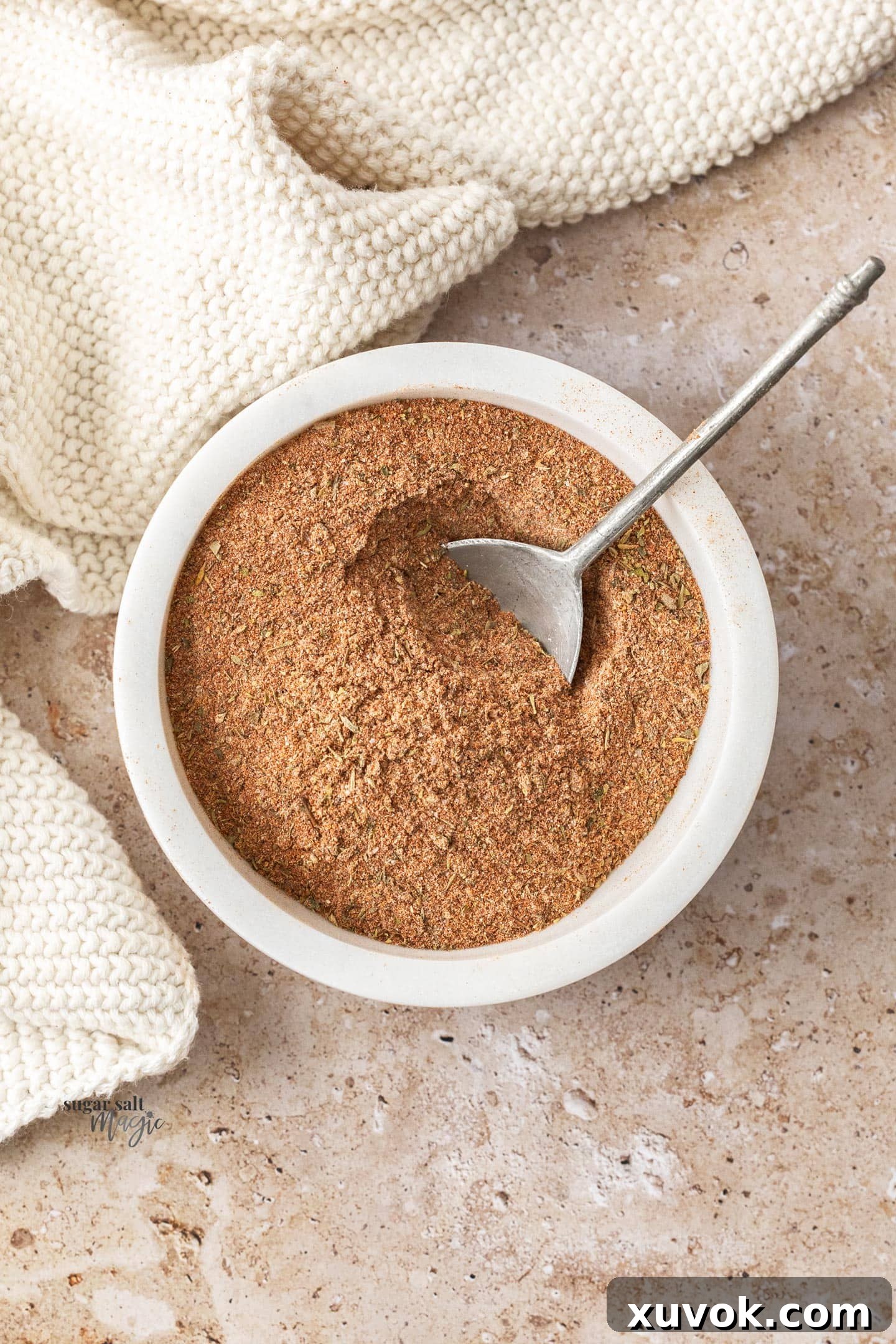
Table of Contents: Crafting the Perfect Cajun Spice Blend
- Cajun Seasoning Ingredients: The Flavor Foundation
- Creole vs. Cajun Seasoning: Unraveling the Southern Spice Debate
- Crafting Your Own Cajun Seasoning: A Simple Step-by-Step Guide
- The Culinary Versatility of Cajun Seasoning: Beyond the Basics
- Frequently Asked Questions About Cajun Seasoning
- More Flavorful Recipes You’ll Love
Never Miss a Recipe!
Get the latest, most delicious recipes straight to your inbox and elevate your home cooking!
Cajun Seasoning Ingredients: The Flavor Foundation
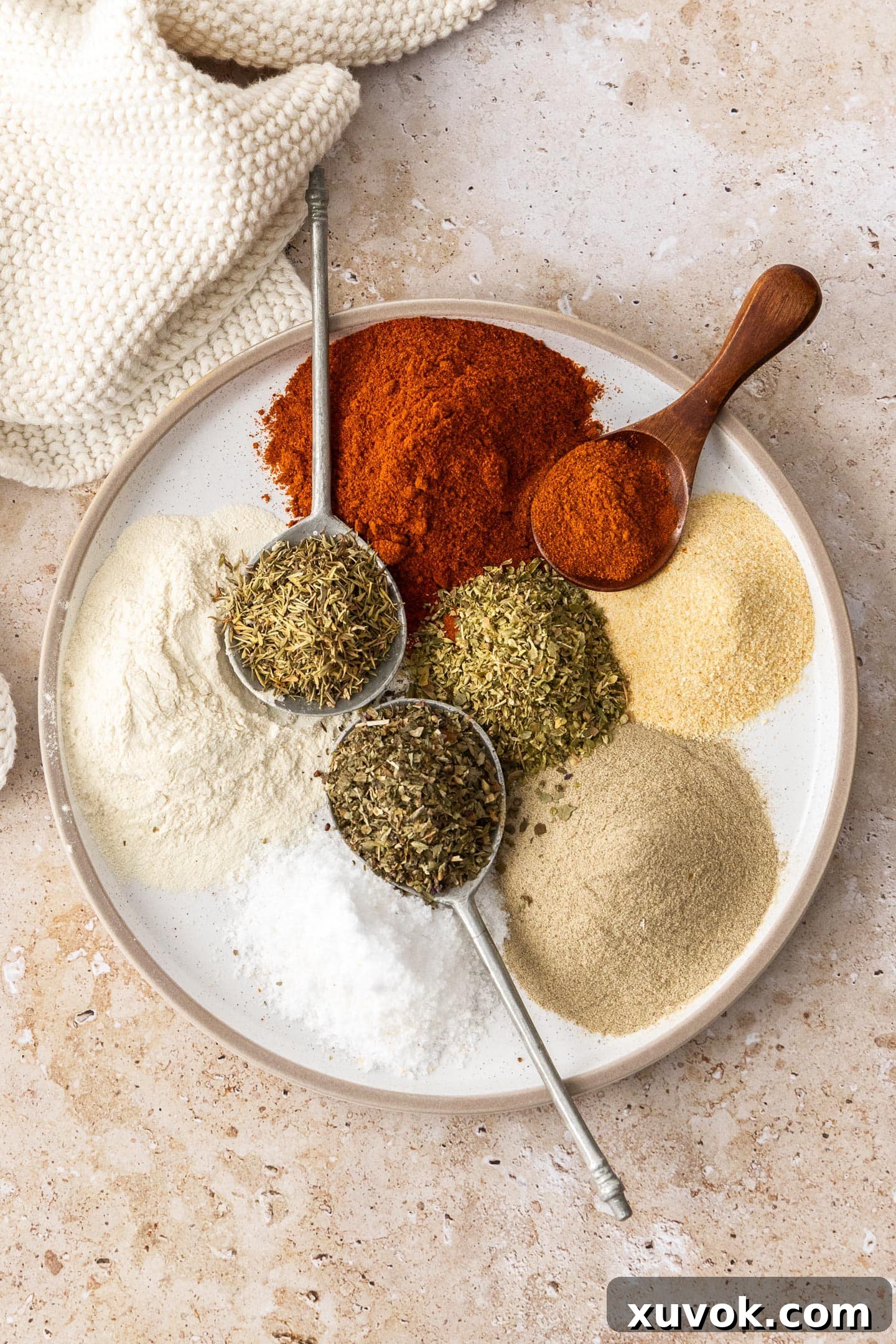
For detailed quantities and step-by-step instructions, please refer to the recipe card below.
Each ingredient in this homemade Cajun seasoning plays a crucial role in building its signature robust and spicy flavor profile. Sourcing high-quality, fresh spices will make a significant difference in the final taste and potency of your blend.
- Paprika: This vibrant spice is the cornerstone of Cajun seasoning, contributing not only a beautiful rich color but also a deep, mellow flavor. You can opt for regular sweet paprika for a classic taste or experiment with smoked paprika to introduce a complex, smoky undertone that pairs wonderfully with grilled or roasted dishes.
- Ground White Pepper: I prefer the subtle, earthy heat of ground white pepper, which offers a distinct pungency without the strong aroma of black pepper. However, if white pepper isn’t readily available, ground black pepper can be used as a substitute, though it will impart a slightly different flavor profile.
- Onion Powder: Providing a pungent, sweet, and distinctly earthy base note, onion powder is essential for adding savory depth and enhancing the overall complexity of the seasoning blend. It offers concentrated onion flavor without the moisture or texture.
- Salt: A critical component, salt is not just for seasoning but also acts as a flavor enhancer, intensifying the individual notes of all the other spices. It balances the heat and bitterness, making the entire blend more harmonious.
- Garlic Powder: For an even more robust, aromatic, and earthy flavor, garlic powder is a must. It complements the onion powder, creating a foundational savory layer characteristic of Cajun cuisine.
- Dried Oregano: This herb introduces an herbaceous quality with a hint of citrus and a slightly bitter, peppery note. Dried oregano adds a Mediterranean warmth that beautifully rounds out the spice blend.
- Dried Thyme: Boasting a floral, peppery, and slightly minty taste, dried thyme is indispensable for achieving the authentic herbal essence of Cajun seasoning. Its aromatic qualities add a fresh layer to the rich spices.
- Dried Basil: Sweet, subtly minty, and with a delicate peppery finish, dried basil contributes another layer of aromatic complexity. It helps to brighten the overall flavor and provides a lovely counterpoint to the spicier elements.
- Cayenne Pepper: This is where the signature heat of Cajun seasoning comes from. I understand that individual heat level preferences vary greatly. My recipe aims for a medium heat, similar to many commercially available varieties. The true advantage of homemade seasoning is the freedom to customize. Start with 1 teaspoon of cayenne, mix, and carefully taste a small amount. If you desire more heat, gradually add more until it perfectly suits your palate.
Creole vs. Cajun Seasoning: Unraveling the Southern Spice Debate
The distinction between Creole seasoning and Cajun seasoning is a fascinating aspect of Louisiana culinary history, though in modern times, their differences have largely blurred. Historically, Cajun cuisine, originating from the French Acadians who settled in rural Louisiana, was simpler and more rustic, focusing on readily available local ingredients and a straightforward blend of dried spices, primarily various peppers. Creole cuisine, born in the bustling urban center of New Orleans, was influenced by a wider array of cultures—French, Spanish, African, Italian, and Caribbean—leading to a more refined and often more herbal spice blend, frequently incorporating fresh ingredients. In the past, Creole seasoning was the more “herbal” of the two, while Cajun leaned heavily into pepper-based heat and earthiness.
However, over the decades, the culinary lines between these two distinct traditions have intertwined considerably. Today, most commercial and homemade versions of both Creole and Cajun seasoning mixes share a very similar ingredient list, often containing many of the same spices and dried herbs. While subtle differences may still exist depending on the specific recipe or brand—some Creole blends might lean slightly more on herbs or contain ingredients like bay leaf, while some Cajun blends might prioritize a bolder peppery kick—for most home cooks, the two can be used almost interchangeably. Now you’re equipped with the knowledge of their historical roots and modern convergence!
Crafting Your Own Cajun Seasoning: A Simple Step-by-Step Guide
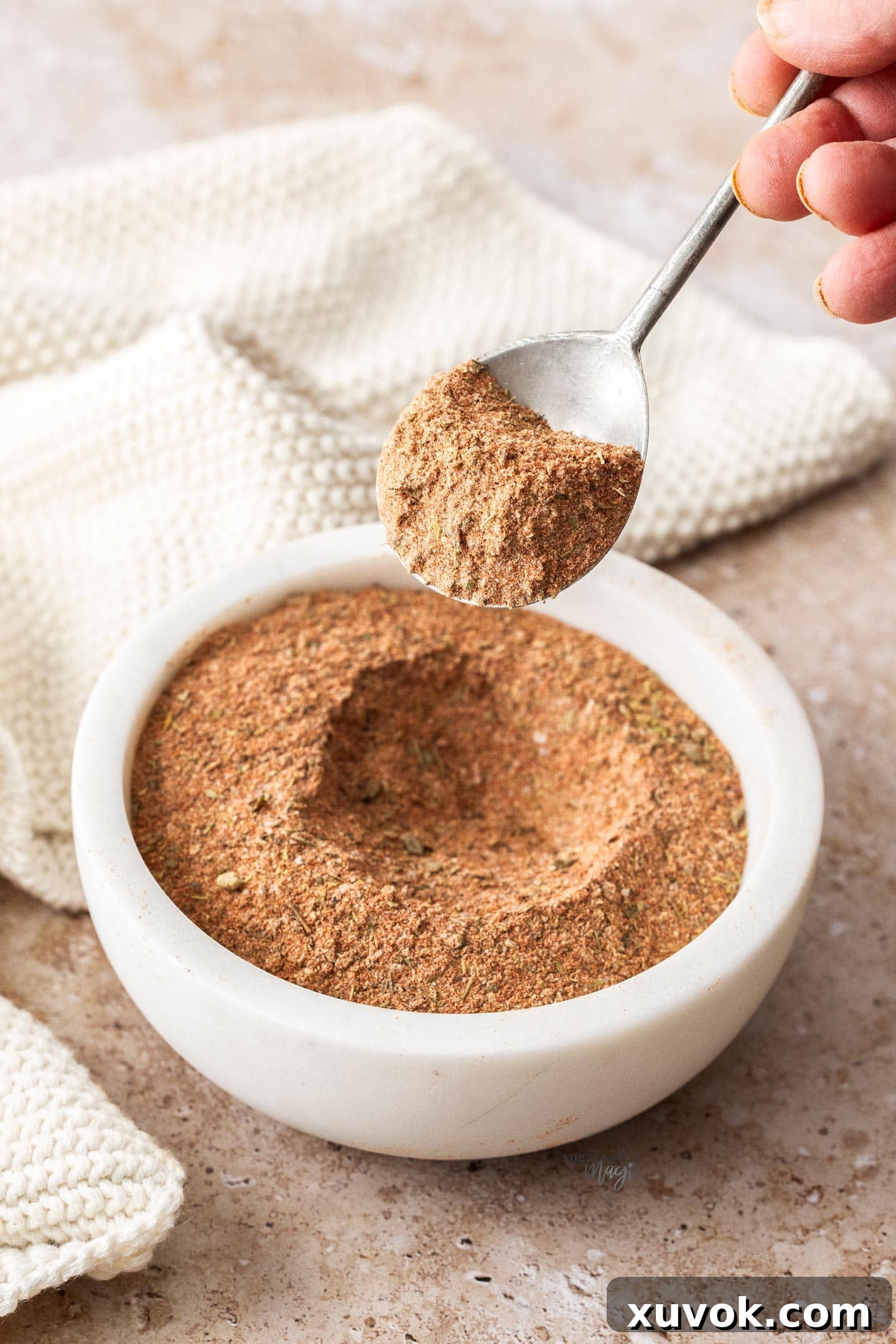
For precise quantities and detailed instructions, please refer to the recipe card below.
- Gather Your Ingredients with Care: Begin by accurately measuring out all your individual spices and dried herbs. Precision is key for a balanced blend, so ensure you use level measurements. Once measured, place all the ingredients into a small mixing bowl. If you prefer a finer, more powdered Cajun spice mix, which can be particularly good for marinades or to ensure even coating on smaller items, you can transfer the combined seasonings into a spice grinder or coffee grinder (dedicated solely for spices) at this stage.
- Mix Thoroughly and Store Properly: Once all your spices are in the bowl, use a spoon or small whisk to mix them together thoroughly. Ensure that the blend is completely homogenous, with no clumps of individual spices. If you’re using a grinder, pulse until the blend reaches your desired consistency – a finer grind will intensify the flavors and aroma. To maintain optimal freshness and potency, store your freshly made homemade Cajun seasoning in an airtight container, such as a glass jar with a tight-fitting lid. Place it in a cool, dry, and dark place in your kitchen, like a pantry or cupboard, away from direct sunlight and heat. When stored correctly, your Cajun seasoning will retain its vibrant flavor for several months, although for the very best taste, it’s recommended to use it within three months.
The Culinary Versatility of Cajun Seasoning: Beyond the Basics
The applications for homemade Cajun seasoning are truly boundless, limited only by your imagination! This vibrant spice blend adds an irresistible kick and depth of flavor to an incredible array of dishes. Here are numerous ways to incorporate your fresh batch of Cajun spice mix into your cooking:
- As a Dry Rub for Roasts: Generously apply it as a dry rub on various roasting cuts of meat, including whole chicken, pork tenderloin, or beef roasts. The spices will meld with the meat as it cooks, creating a flavorful crust.
- Seafood’s Best Friend: Cajun spice truly shines with seafood! Sprinkle it liberally over prawns (shrimp) before sautéing or grilling, dust it over crispy fried calamari, or rub it onto white fish fillets (especially firm, thick fish like cod or snapper) and salmon before baking or pan-searing for a burst of zesty flavor.
- Elevate Your Steak and Chicken: Before pan-frying or grilling, sprinkle a good amount over your favorite cut of steak or chicken pieces, like these delicious spicy chicken bites, for an instant flavor upgrade.
- Flavorful Ribs: Rub it all over ribs before slow-baking or grilling them. The seasoning will tenderize and infuse the meat with incredible flavor – a truly delicious experience!
- Perfect for Wings: Toss your chicken wings with Cajun seasoning before air frying or baking, then serve them with a cooling dip like my homemade jalapeno mayo for a fantastic appetizer.
- Infuse Your Rice Dishes: Stir it into your rice as it steams to impart a subtle, aromatic background flavor, or incorporate it into pan-cooked rice dishes such as paella-style rice, or my savory arroz rojo for a rich, spicy foundation.
- Spice Up Pasta Creations: Add a spoonful to your pasta sauces, especially creamy ones or tomato-based recipes like my hearty spicy chicken pasta, for an exciting Southern twist.
- Spicy Snacks: Sprinkle it over nuts or chickpeas before roasting them in the oven for a wonderfully crunchy and spicy snack that’s hard to resist.
- Enhance Soups and Stews: Either mix it directly into the pot to liven up comforting dishes like tomato soup, or simply sprinkle a pinch over individual servings as a garnish for an added layer of flavor and a touch of color.
- Essential for Classic Cajun Dishes: Naturally, it’s a classic and indispensable flavoring for traditional Louisiana favorites like rich gumbo and hearty jambalaya.
- Zesty Halloumi: Lightly dust halloumi cheese with the seasoning before pan-frying until golden. Serve this flavorful halloumi in an amazing fresh salad.
- Cajun Croutons: Add a dash to your bread cubes before baking them into homemade croutons for a spicy, savory crunch perfect for soups and salads.
- Creamy Dips and Spreads: Mix it into cream cheese and sour cream for a quick, delicious dip perfect for crackers, chips, or vegetable sticks.
- Build Better Burgers: Incorporate the seasoning directly into your ground meats (mince) right before forming them into burger patties for an unforgettable, flavorful burger experience.
- Spicy Potatoes: Sprinkle generously over oven fries before baking, or toss it with your roast potatoes for a wonderfully crispy and spicy side dish.
- Corn on the Cob Perfection: After cooking your corn on the cob, slather it with butter and then sprinkle a generous amount of Cajun spice mix on top for a truly irresistible summer treat.
Frequently Asked Questions About Cajun Seasoning
While recipes can vary slightly, you can generally expect a consistent blend of core spices across most traditional Cajun seasoning recipes. My version stays true to these classics, featuring the essential combination of paprika (often sweet or smoky), garlic powder, onion powder, a mix of peppers (typically white and/or black pepper, and cayenne for heat), and a selection of dried herbs such as oregano, thyme, and basil. Salt is also a crucial component, balancing and enhancing all the other flavors.
Despite often being compared due to their use in Southern-inspired cooking, Cajun seasoning and Old Bay are distinctly different blends with unique flavor profiles and regional origins. Cajun seasoning mix hails from the heart of Louisiana, particularly New Orleans, and is integral to the robust and spicy flavors of Cajun cuisine. Its primary characteristics are savory depth and a pronounced kick from cayenne pepper, alongside a rich blend of garlic, onion, and various herbs.
Old Bay seasoning, on the other hand, originated in the Chesapeake Bay region of the United States and is most famously associated with seafood boils and crab cakes. It features a unique blend including celery salt, mustard powder, paprika, bay leaf, red pepper flakes, and other proprietary spices. Old Bay offers a more zesty, tangy, and subtly spicy flavor, often described as having a brighter, more aromatic complexity than Cajun seasoning.
Absolutely! If you are monitoring your sodium intake or prefer to control the salt content in your dishes independently, feel free to omit the salt from this Cajun seasoning recipe. When making a salt-free blend, you might consider slightly increasing the amounts of other flavor-enhancing spices like garlic powder, onion powder, and paprika to ensure the blend remains potent and flavorful. Remember that salt does play a significant role in bringing out the best in other spices, so you will likely need to adjust the salt levels directly in your dishes when using a salt-free homemade Cajun seasoning.
When properly stored, your homemade Cajun seasoning will maintain its freshness and potency for several months. The key to longevity is keeping it in a cool, dry, and dark environment, such as a pantry, cupboard, or spice drawer, away from direct light and heat, which can degrade the spices. To ensure the best possible flavor and maximum aromatic impact, it’s always advisable to prepare smaller batches that you anticipate using within a few months. While it won’t spoil, its vibrant flavors will gradually diminish over time if stored for too long.
Yes, typically homemade Cajun seasoning is naturally gluten-free and entirely suitable for vegetarian and vegan diets. The ingredients are solely dried spices and herbs, which do not contain gluten or animal products. Always double-check your individual spice labels if you have severe allergies or dietary restrictions, as very rare cross-contamination can occur in processing facilities, but the core ingredients themselves are compliant.
More Flavorful Recipes You’ll Love
If you enjoyed crafting this Cajun seasoning, explore more homemade essentials and delightful dishes from my collection:
- Homemade Satay Seasoning
- Authentic Homemade Pizza Sauce
- Fresh Jalapeno Relish
- Zesty Sweet and Sour Dipping Sauce
- Classic Greek Marinade
- Quick Pink Pickled Onions
Did you try this incredible recipe for homemade Cajun seasoning?
Your feedback is invaluable! Leaving a rating and comment below the recipe card is so helpful and truly appreciated!
Hungry for more culinary inspiration? Subscribe to the newsletter for free, delicious recipes delivered straight to your inbox. Also, connect and follow along on Facebook, Pinterest and Instagram for daily foodie delights and tips.
Homemade Cajun Seasoning: The Ultimate Flavor Enhancer
Rate Recipe
Pin Recipe
Ingredients
- 8 teaspoons paprika
- 5 teaspoons ground white pepper
- 5 teaspoons onion powder
- 4 teaspoons salt
- 3 teaspoons garlic powder
- 3 teaspoons dried oregano
- 2 teaspoons dried thyme
- 3 teaspoons dried basil
- 1-2 teaspoons cayenne pepper to taste
For the most accurate results and consistent flavor, always weigh ingredients where a weight is provided
Equipment
-
Spice jar with tight fitting lid
-
Small mixing bowl
-
Whisk or spoon for mixing
Instructions
-
Carefully measure all the specified spices and herbs. Place them into a small mixing bowl. Stir well to ensure all ingredients are thoroughly combined and no clumps remain. For a finer powder, transfer the mixture to a spice grinder and pulse until smooth.
-
Store your freshly made Cajun seasoning in an airtight jar, preferably a glass one, to preserve its freshness. Keep it in a cool, dry, and dark place like your pantry or a cupboard. For the best flavor and potency, aim to use your homemade seasoning within 3 months.
-
Please take a moment to leave a comment & rating below if you tried this recipe. Your feedback is truly appreciated and incredibly helpful!
Notes
- Tablespoon Measurement: Please note that I use a standard Australian 20ml tablespoon in this recipe, which is equivalent to 4 US teaspoons. Always check the capacity of your measuring spoons to ensure accurate results.
- Yield Information: This recipe yields approximately ⅔ cup of finished Cajun seasoning, providing ample supply for multiple uses.
- Suggested Serving Size: The serving size listed is based on using 1 tablespoon of seasoning per 500g (or 1lb) of meat, which provides a balanced and flavorful coating.
DISCOVER MORE DELICIOUS SAUCES AND SEASONINGS!
Calories from Fat 4