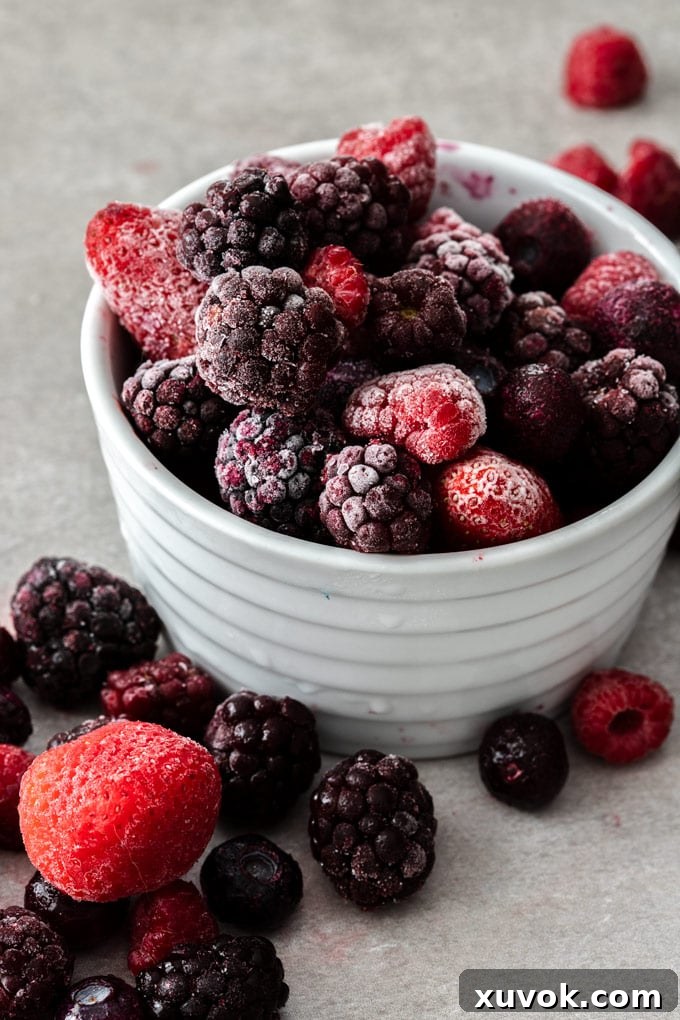
Embracing the Chill: Your Comprehensive Guide to Using Frozen Berries and Fruit
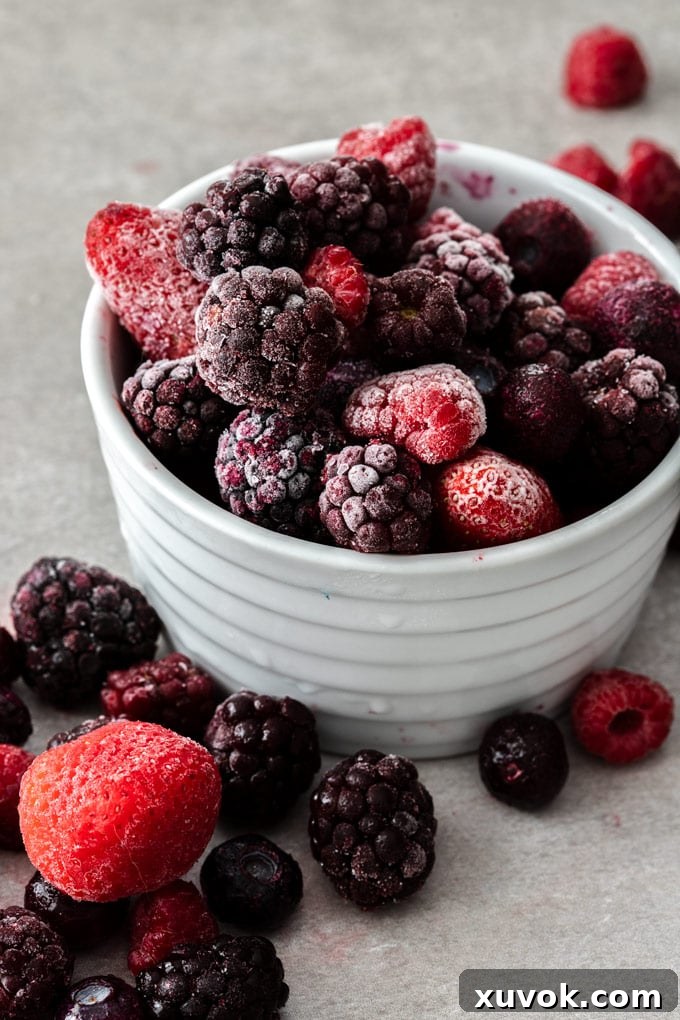
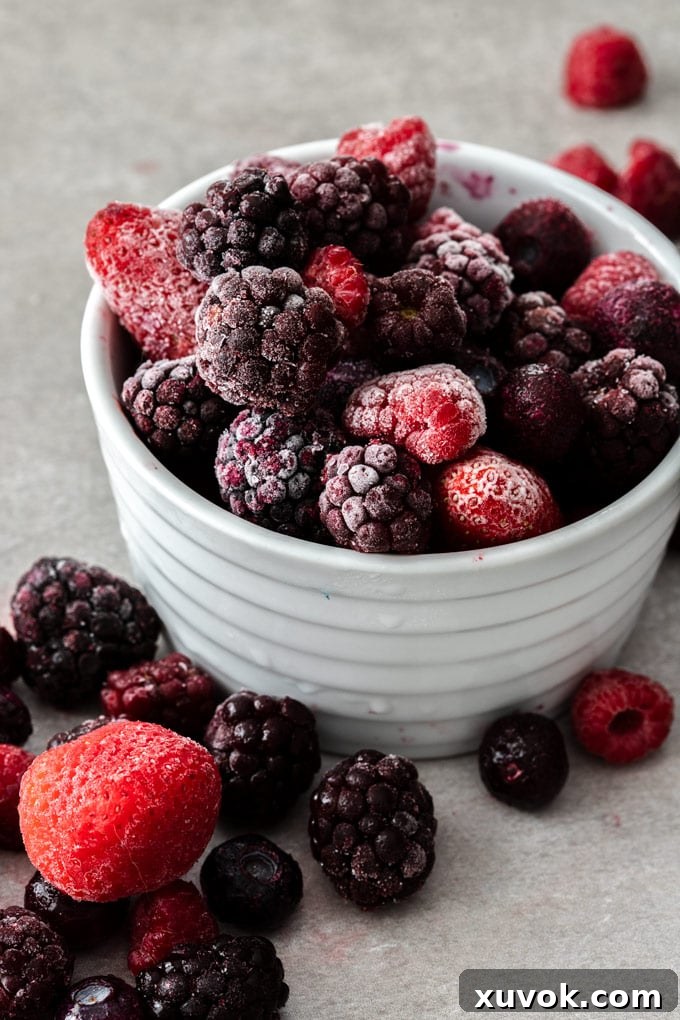
When it comes to enjoying nature’s bounty, the debate between fresh and frozen produce often sparks lively discussion. While intuition might lead us to believe that fresh is always superior, the truth, especially concerning berries and fruits, is far more nuanced. Frozen fruit, often picked at its absolute peak of ripeness and immediately flash-frozen, can actually boast a richer flavor profile and a higher concentration of nutrients compared to its “fresh” counterparts that have traveled long distances or sat on supermarket shelves for days. Furthermore, opting for frozen varieties can be a significantly more economical choice, even during peak growing seasons. This guide will delve into the world of frozen fruits, offering best practices and innovative ideas to help you create stunning and delicious fruity delights all year long.
Table of Contents
- Embracing the Chill: Your Comprehensive Guide to Using Frozen Berries and Fruit
- The Surprising Benefits of Frozen Fruit: Beyond Convenience
- Baking Brilliance: Mastering Frozen Berries in Your Oven
- Frozen Delights: Crafting Treats with Frozen Fruit
- Versatile Creations: More Recipes You Can Make with Frozen Fruit
- Decorating with Frozen Berries and Fruits: A Word of Caution
- Extend the Season: How to Freeze Fruit at Home
- Conclusion: Enjoying Frozen Fruit Year-Round
Never Miss a Recipe!
Get the latest recipes, tips, and culinary inspiration straight to your inbox. Join our community of home bakers and cooks today!
[Sign-up form placeholder – Imagine an email subscription box here]
The Surprising Benefits of Frozen Fruit: Beyond Convenience
While frozen fruit might lack the initial crispness or immediate vibrant texture of its fresh counterpart, the advantages it offers are compelling and numerous. Understanding these benefits can transform your cooking and baking habits, opening up a world of possibilities for delicious, healthy, and affordable meals.
- Year-Round Availability: This is perhaps the most obvious benefit. Frozen fruits allow you to enjoy your favorite berries, peaches, or mangoes regardless of the season. Craving a strawberry pie in winter? Frozen berries make it possible, bringing a burst of summer flavor to the colder months.
- Peak Freshness and Nutrient Retention: Most commercially frozen fruits are picked at their prime ripeness, when their flavor is most intense and their nutrient content is highest. They are then flash-frozen within hours of harvest. This rapid freezing process locks in vitamins, minerals, and antioxidants, often preserving them more effectively than fresh produce that undergoes extensive shipping and storage. Studies even suggest that in some cases, frozen fruits can have a higher nutritional value than fresh ones that have spent significant time in transit or on display.
- Ultimate Convenience: Forget washing, peeling, or chopping. Frozen fruits come pre-prepped and ready to use straight from the freezer. This saves valuable time in the kitchen, making healthy eating and baking more accessible, especially on busy days.
- Cost-Effectiveness: Frozen fruits are generally much more affordable than fresh, particularly when specific fruits are out of season. This allows you to experiment with a wider variety of recipes without breaking the bank. Buying in bulk and storing in your freezer is an excellent way to save money and reduce food waste.
- Reduced Food Waste: With frozen fruit, you only use what you need, when you need it. This significantly reduces spoilage compared to fresh fruit, which has a limited shelf life. Any unused portions can simply be returned to the freezer, cutting down on waste and maximizing your grocery budget.
Beyond the practical advantages, supporting the frozen fruit industry can also contribute to a more sustainable agricultural system by allowing farmers to process and sell their produce even when market demand for fresh options is lower. My personal opinions aside, these factors make frozen fruit an incredibly versatile ingredient, suitable for everything from refreshing smoothies and creamy ice creams to hearty baked goods. However, to truly harness their potential, there are a few golden rules to follow.
Baking Brilliance: Mastering Frozen Berries in Your Oven
Baking with frozen fruit, particularly delicate berries, requires a slightly different approach than using fresh. The key challenge lies in managing their high water content. Understanding how frozen fruit behaves during baking will help you achieve perfect results every time.
Keep Them Frozen Until the Last Moment
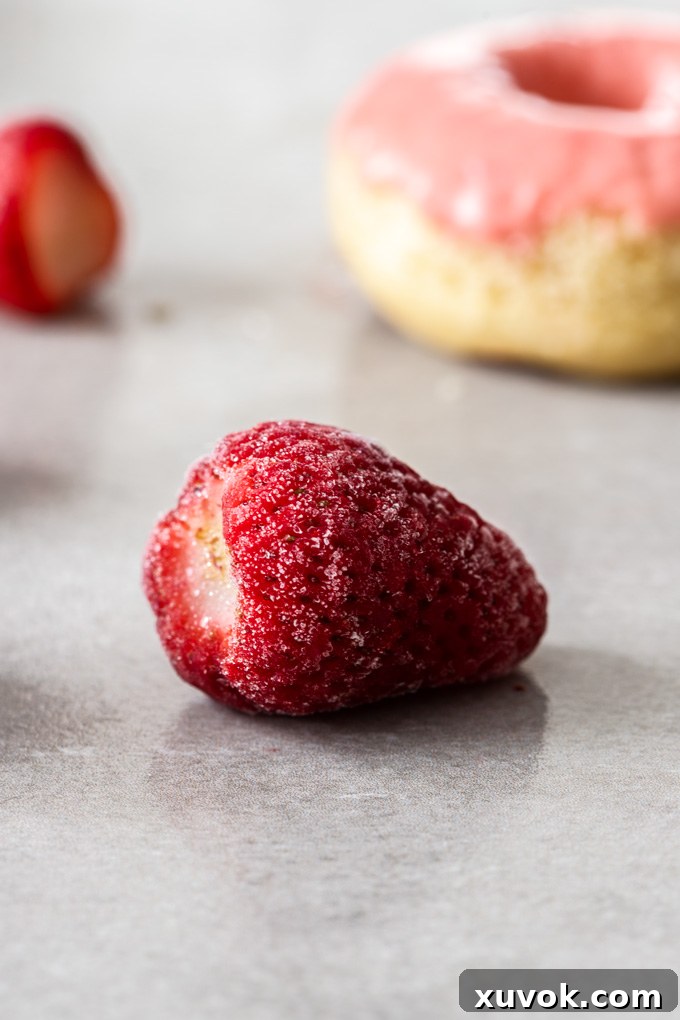
Frozen fruits, especially berries, contain a significant amount of water. As the fruit thaws, this moisture is released. Berries, with their naturally brittle skins, tend to burst upon thawing, allowing their juices to escape freely. This can lead to several undesirable outcomes in your baked goods:
- Color Bleeding: The vibrant juices can bleed into your batter, staining it an unappealing color (think greyish-purple streaks in a vanilla cake).
- Increased Batter Moisture: The released moisture significantly increases the overall liquid content of your batter, potentially leading to a dense, gummy, or even undercooked texture.
- Mushy Texture: Thawed berries lose their structural integrity, turning mushy and losing their distinct shape within your baked goods.
For these reasons, it is crucial to keep frozen fruits completely frozen right up until the precise moment you incorporate them into your mixture or batter. Avoid thawing them at room temperature or in the microwave.
Coat Frozen Berries in Flour for Even Distribution
Due to their high water content, frozen berries are denser than their fresh counterparts. This added weight makes them prone to sinking to the bottom of your batter during baking, resulting in an uneven distribution of fruit. To counteract this common issue:
Just before you’re ready to add your frozen berries to your batter or dough, remove them from the freezer and gently toss them in a small amount of flour or cornstarch. A light coating is all that’s needed – about 1-2 tablespoons per cup of frozen fruit.
This flour coating achieves two things:
- It creates a protective layer that helps absorb some of the initial moisture released as the fruit begins to thaw in the oven, preventing it from immediately thinning the surrounding batter.
- The flour creates friction, allowing the fruit to “stick” better within the batter, significantly reducing the chances of them sinking.
This simple step ensures your berries remain suspended throughout your cake, muffin, or scone, providing a delightful burst of flavor in every bite.
Strategic Thickening: Controlling Moisture in Fruit Fillings
When making fruit fillings for pies, tarts, crumbles, or cobblers, the extra moisture from frozen fruit can be problematic. This moisture often leads to a thin, watery sauce that pools at the bottom of your dish, rather than a luscious, thick sauce that beautifully coats and suspends the fruit.
To achieve the perfect consistency, it’s advisable to add a little extra thickening agent to your fruit mixture. Common choices include:
- Cornstarch (Cornflour): A popular choice for fruit pies, it provides a clear, glossy finish. Add 1-2 tablespoons more per batch than a recipe calling for fresh fruit.
- All-purpose Flour: Creates a more opaque, matte finish and is excellent for heartier fillings.
- Tapioca Starch (Tapioca Flour): Known for creating a very clear, glossy, and stable gel, it works exceptionally well with juicy fruits and doesn’t break down under prolonged heat.
- Arrowroot Powder: Similar to cornstarch but works well at lower temperatures and with acidic ingredients.
The exact amount will depend on the type of fruit you’re using (some fruits are naturally juicier than others) and the desired thickness of your sauce. Start with a small increase and adjust to your preference. Mixing the thickener with a little sugar or cold liquid before adding it to the fruit can help prevent lumps.
Ventilation is Key: Allowing Moisture to Evaporate
For baked goods with fruit fillings, facilitating the escape of steam is crucial. When fruit bakes, the water content turns into steam. If this steam gets trapped, it can make your crust soggy and prevent the filling from thickening properly.
Baking a pie with an open top (like a crumble or a lattice pie) naturally allows much of this moisture to escape. If you’re making a double-crust pie with frozen fruit, remember to cut several slits or vents into the top crust. These openings act as chimneys, allowing excess steam to escape and contributing to a crisper crust and a perfectly set filling.
Adjust Your Bake Time
Introducing frozen fruit into a batter will lower its overall temperature. This means your oven will need more time to bring the batter up to temperature and cook it thoroughly. If you are substituting frozen fruit in a recipe that originally calls for fresh fruit, it’s generally best to add an extra 3-5 minutes (or even up to 10 minutes for larger items) to your bake time. Always rely on visual cues (golden brown crust, springy texture, toothpick test) to confirm doneness, rather than strictly adhering to the original recipe’s timing.
Opt for Thick Batters
The consistency of your batter plays a significant role in how well frozen fruit performs. Thicker batters are much more capable of suspending the weight of frozen fruit, preventing it from sinking to the bottom. Recipes with a robust, substantial batter are ideal candidates for frozen fruit. Think about dishes such as:
- Muffins: Their dense batter holds fruit exceptionally well.
- Scones: A firm dough prevents sinking and creates lovely pockets of fruit.
- Bundt Cakes: Often have a sturdy batter that can handle the extra moisture and weight.
- Cake Doughnuts: Their thicker consistency is perfect for incorporating frozen berries without issues.
- Crumb Cakes: The streusel topping helps to hold fruit in place, and the cake base is usually quite sturdy.
For lighter batters, like those used in delicate sponge cakes, using thoroughly drained or reduced fruit purees might be a better option to avoid a dense or watery final product.
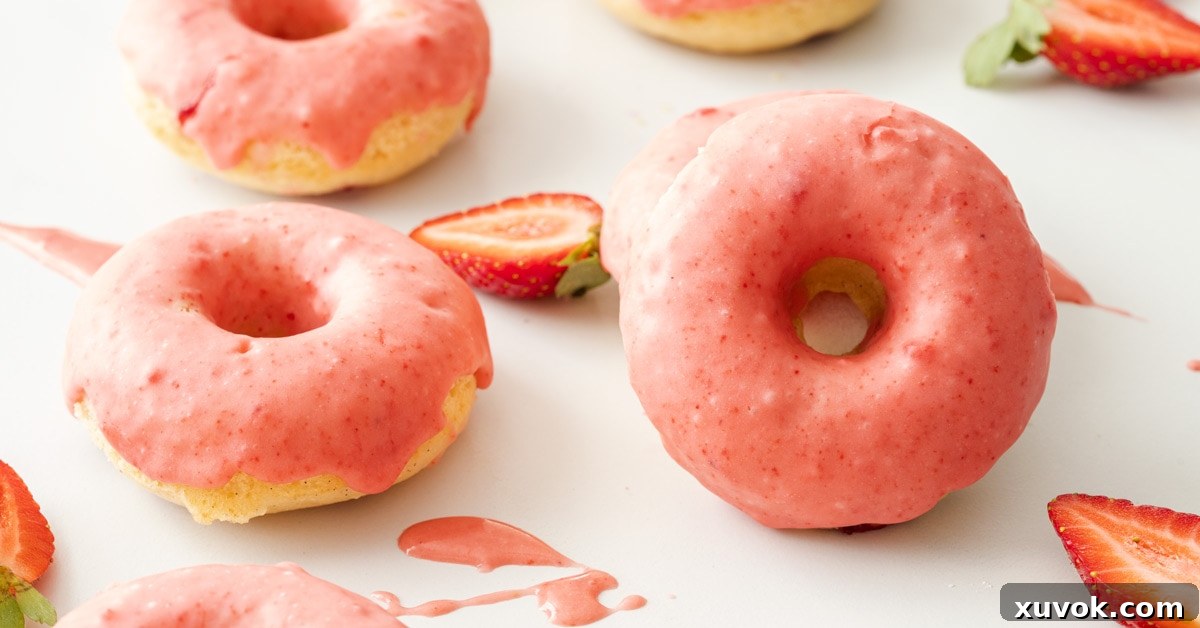
Baked Strawberry Doughnuts
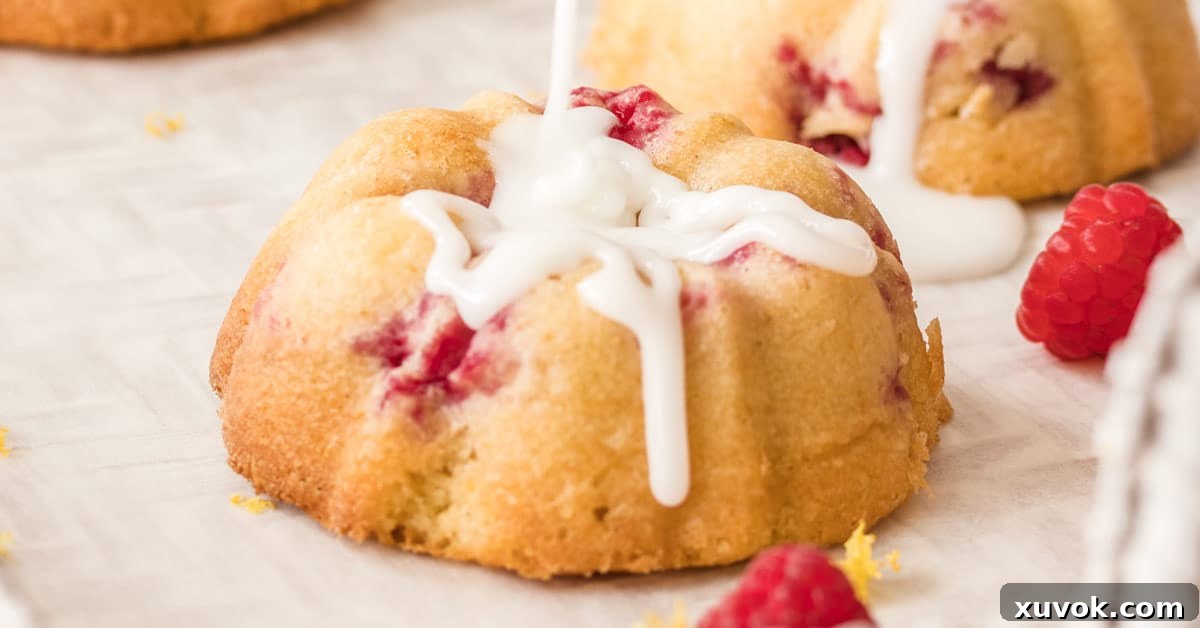
Lemon Raspberry Mini Bundt Cakes
Frozen Delights: Crafting Treats with Frozen Fruit
Beyond baking, frozen fruit truly shines in the realm of frozen treats. From refreshing sorbets to creamy smoothies, its pre-chilled state is a major advantage. However, understanding how water content affects the final product is still important.
When making ice cream with frozen fruit, be mindful of our recurring challenge: the extra water content. While delicious, frozen fruit and berries can cause ice cream to turn out icy rather than gloriously creamy. This happens because the water freezes into distinct ice crystals, which can interrupt the smooth, rich texture of traditional ice cream. To mitigate this:
- Use Fruit Whole (or almost): If your recipe allows, using larger pieces of frozen fruit might distribute the water more evenly.
- Reduce Fruit Puree: If you’re incorporating fruit as a puree, it’s highly recommended to first puree the fruit and then gently cook it down in a saucepan over medium heat. This process evaporates excess water, concentrating the flavor and reducing the chance of iciness. Allow the reduced puree to cool completely before adding it to your ice cream base.
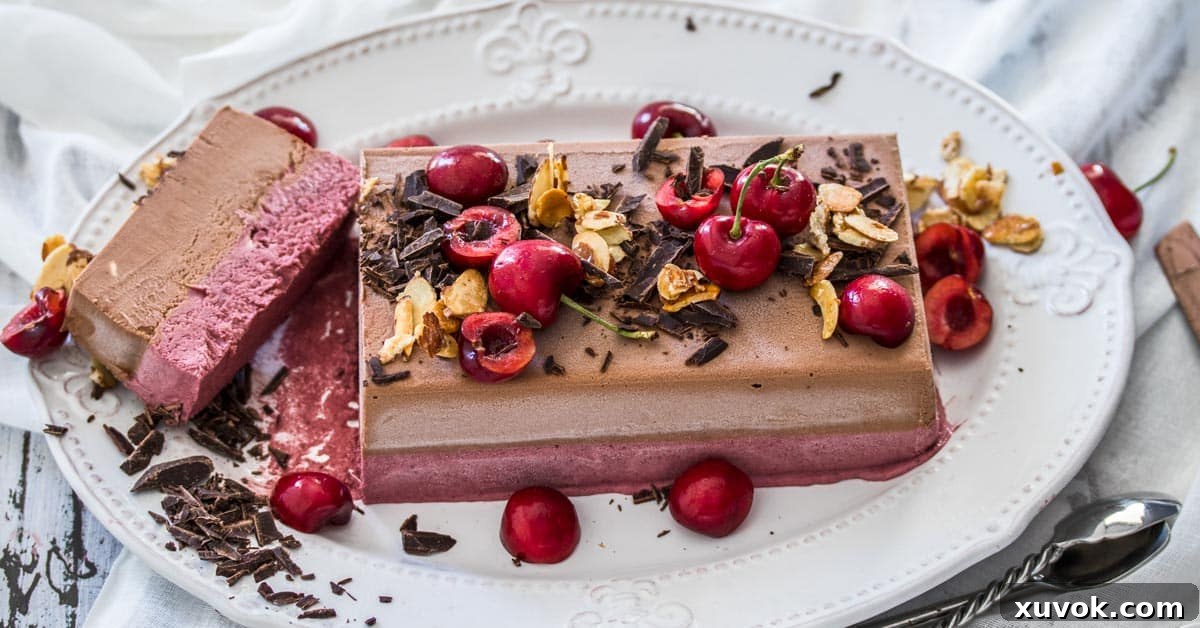
Frozen Cherry Chocolate Parfait
However, for other frozen treats like sorbet, granita, and especially smoothies, the inherent chill and water content of frozen fruit are absolute assets. Frozen fruit eliminates the need for adding ice to your smoothies, which often dilutes the flavor. Instead, you get a thicker, colder, and more intensely flavored beverage. It’s the perfect way to create refreshing summer drinks without compromising on taste or consistency.
You can even go a step further by freezing whole or sliced frozen fruit directly into ice blocks. These colorful and flavorful ice cubes are fantastic for adding to a glass of water, iced tea, or cocktails in the summer, slowly infusing your drink with natural fruit essence as they melt.
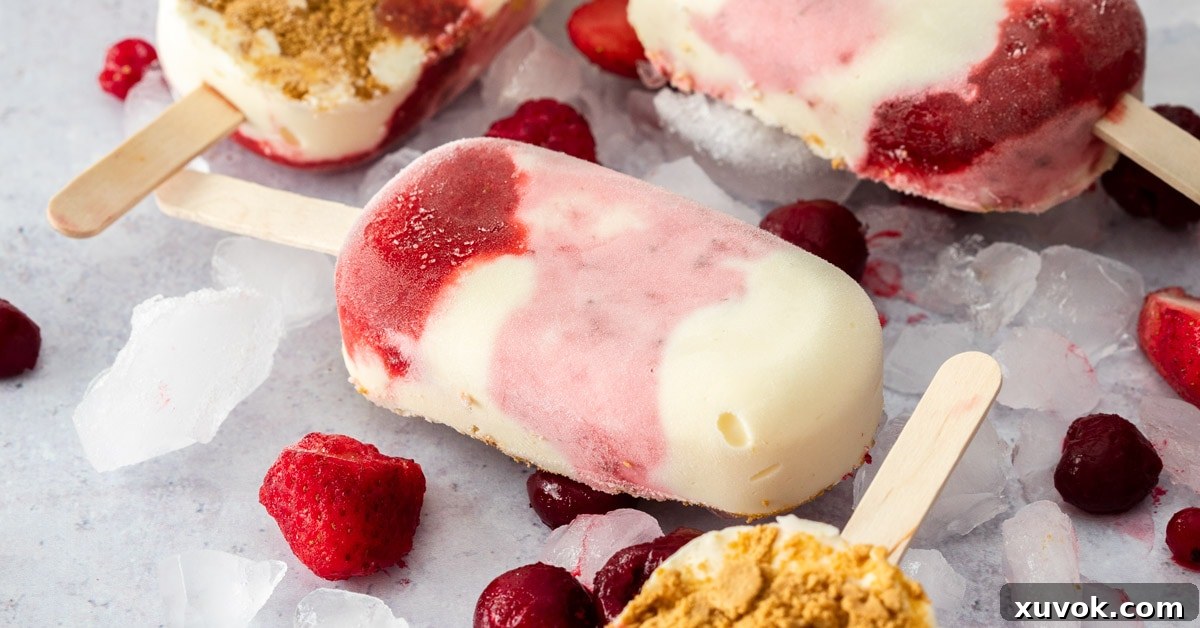
Strawberry Cheesecake Ice Cream Bars
Versatile Creations: More Recipes You Can Make with Frozen Fruit
The utility of frozen fruit extends far beyond baking and frozen desserts. Its concentrated flavor and convenient format make it an ideal ingredient for a myriad of other culinary applications, ensuring you can enjoy delicious, fruit-infused dishes any time of the year.
Flavorful Beverages
Transform everyday drinks into something special with real frozen fruit. Flavored milks, like this delightful Homemade Strawberry Milk, are incredibly delicious and easy to prepare. Simply blend frozen fruit with milk and a touch of sweetener for a nostalgic and wholesome treat. You can also use frozen fruit in:
- Smoothies and Smoothie Bowls: The classic use, providing natural sweetness and thickness.
- Infused Water: Drop a few frozen berries or fruit slices into your water for a subtle, refreshing flavor.
- Cocktails and Mocktails: Muddle frozen fruit into your drinks for extra flavor and a beautiful presentation.
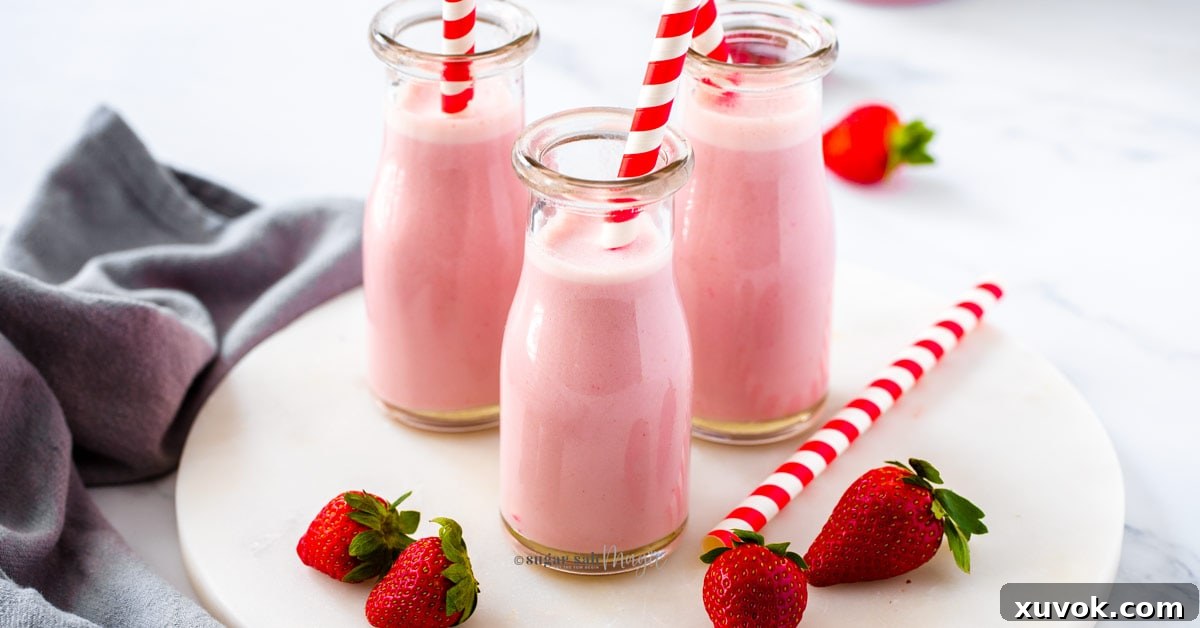
Homemade Strawberry Milk
Sweet Sauces and Toppings
With frozen fruit, you can effortlessly create a variety of delectable sauces, coulis, compotes, and toppings year-round. These are perfect for drizzling over pancakes, waffles, ice cream, yogurt, or even savory dishes like roasted meats. The freezing and thawing process actually helps break down the fruit’s cell walls, making it easier to cook down into a smooth consistency.
- Blueberry Topping / Compote
- Easy Blackberry Compote
- Homemade Strawberry Sauce
- Raspberry Coulis: Perfect for cheesecakes or chocolate desserts.
- Mixed Berry Syrup: A fantastic addition to breakfast or dessert.
These versatile preparations allow you to capture the essence of summer fruits and enjoy them in countless ways, adding a burst of natural flavor to your culinary creations.
Decorating with Frozen Berries and Fruits: A Word of Caution
While frozen fruit is a superstar in baking and frozen treats, it’s generally not recommended for decorative purposes on cakes, pastries, or desserts where appearance is paramount. The primary reason, once again, is their high water content.
As frozen fruit thaws, it releases moisture and juices. This inevitably leads to a soggy, deflated appearance and often causes unsightly streaks of color to run down your beautifully frosted cake or delicate pastry. Unless you are intentionally going for a rustic, “juice-running-down-the-side” effect (which is rarely the goal for elegant decoration), it’s best to avoid using frozen fruit for garnishing.
For stunning visual appeal, decoration is best done with fresh, vibrant fruits that are firm, perky, and full of natural color. Save your frozen bounty for incorporating into the actual recipe, where its flavor and texture can truly shine.
Extend the Season: How to Freeze Fruit at Home
If you’re like many home cooks, you often find yourself craving seasonal favorites long after their growing season has ended. The good news is you can easily make the most of in-season abundance by freezing fruits at home. This not only saves money but also ensures you have a supply of perfectly ripe fruit whenever inspiration strikes. Here’s how to properly freeze different types of fruit:
Freezing Berries (Strawberries, Blueberries, Raspberries, Blackberries)
Berries are among the easiest fruits to freeze.
- Prepare: Gently wash the berries under cool water. Pat them thoroughly dry with a paper towel. Ensure they are completely dry to prevent ice crystals from forming and making them stick together.
- Arrange: Spread the prepared berries in a single, even layer on a baking tray or cookie sheet lined with parchment paper. This “flash-freezing” step prevents them from clumping together.
- Freeze Solid: Place the tray in the freezer for 2-4 hours, or until the berries are completely frozen solid.
- Store: Once frozen, transfer the individual berries to an airtight container, freezer-safe bag, or vacuum-seal bag. Label with the date. Frozen berries can be stored for 6-12 months.
Freezing Fruits That Oxidize (Apples, Pears, Peaches, Nectarines, Bananas)
Fruits that brown quickly when exposed to air require a little extra preparation to maintain their color.
- Prepare: Wash, peel (if desired), and slice or chop the fruit into preferred sizes.
- Prevent Browning: Toss the fruit slices or chunks in a small amount of lemon juice (about 1-2 tablespoons per 4 cups of fruit). This citric acid acts as an antioxidant, preventing discoloration. Alternatively, you can briefly blanch some fruits. Pat dry any excess lemon juice before freezing.
- Arrange & Freeze: Spread the fruit in a single layer on a parchment-lined baking tray and freeze until solid, similar to berries.
- Store: Transfer to an airtight freezer container or plastic zip-lock bag, removing as much air as possible. Label and date. These fruits can be stored for 8-12 months.
Freezing Citrus (Lemons, Limes, Oranges)
Citrus fruits can be frozen in several useful ways:
Juiced Citrus
- Juice: Squeeze the juice from the citrus fruits.
- Portion: Pour the juice into ice cube trays.
- Freeze & Store: Once the cubes are frozen solid, transfer them to an airtight container or plastic zip-lock bag. This is a fantastic way to portion out lemon or lime juice for recipes as needed.
Sliced Citrus
- Slice: Wash and slice the citrus into thin rounds.
- Arrange & Freeze: Spread the slices in a single layer on a parchment-lined baking tray. Place the tray in the freezer until the slices are completely frozen.
- Store: Transfer the frozen slices to an airtight container. These are perfect for adding to drinks or as garnishes directly from the freezer.
Conclusion: Enjoying Frozen Fruit Year-Round
So there you have it – a comprehensive guide to understanding and effectively using frozen fruits and berries, primarily focusing on baking and frozen treats. Far from being a mere substitute, frozen fruit offers a world of benefits, from year-round availability and cost-effectiveness to superior nutrient retention and undeniable convenience. By following these simple best practices, you can unlock its full potential in your kitchen, ensuring your dishes are consistently flavorful, beautifully textured, and wonderfully fresh, no matter the season.
Now, armed with this knowledge, go forth and grab some frozen fruit! Experiment with new recipes, revisit old favorites, and elevate your culinary creations with these versatile treasures from your freezer. Happy baking and cooking!
Hungry for more delicious recipes and cooking tips? Subscribe to our newsletter for free recipes straight to your inbox. Also, connect with us and find daily inspiration on Facebook, Pinterest, and Instagram.