
Step into a world of pure indulgence with Maritozzi, the quintessential Italian cream buns that promise a taste of Roman charm with every bite. These delightful sweet buns are more than just a pastry; they are a centuries-old tradition, an edible expression of love, and a testament to simple, delicious baking. Imagine a perfectly soft, subtly sweet brioche-style bun, generously sliced and overflowing with the lightest, most luscious vanilla-scented Chantilly cream, then delicately dusted with a cloud of icing sugar. The experience is utterly irresistible.
Our Maritozzi recipe brings together the best of traditional Italian baking with a few modern twists to ensure truly exceptional results:
- Rich and Luscious, Yet Surprisingly Light: The enriched dough offers a beautiful depth of flavor, while the whipped cream filling remains airy and delicate, creating a perfect harmony of textures and tastes.
- The bun boasts an incredibly soft and fluffy texture, thanks to a special technique that keeps it moist for longer, ensuring every bite is a dream.
- This recipe is **relatively easy to master**, even for home bakers, making the joy of homemade Maritozzi accessible to all.
- While straightforward, it does require **preparation ahead for the essential rising times**, allowing the dough to develop its signature light structure and rich flavor.
More than just a dessert, Maritozzi are a picture of pure indulgence. They are not merely any bun; infused with a hint of golden honey and bright orange zest, they possess a unique character that truly elevates them. Each bite is a journey to the bustling streets of Rome, where these sweet treats are savored with an espresso or a cappuccino. Close your eyes, take a bite, and let yourself be transported to a charming local pasticceria.
If you have a fondness for Italian sweets, be sure to also explore our delightful Baci di Dama Cookies. For those curious about international bakery delights, our recipe for Finger Buns offers a delightful Australian equivalent.
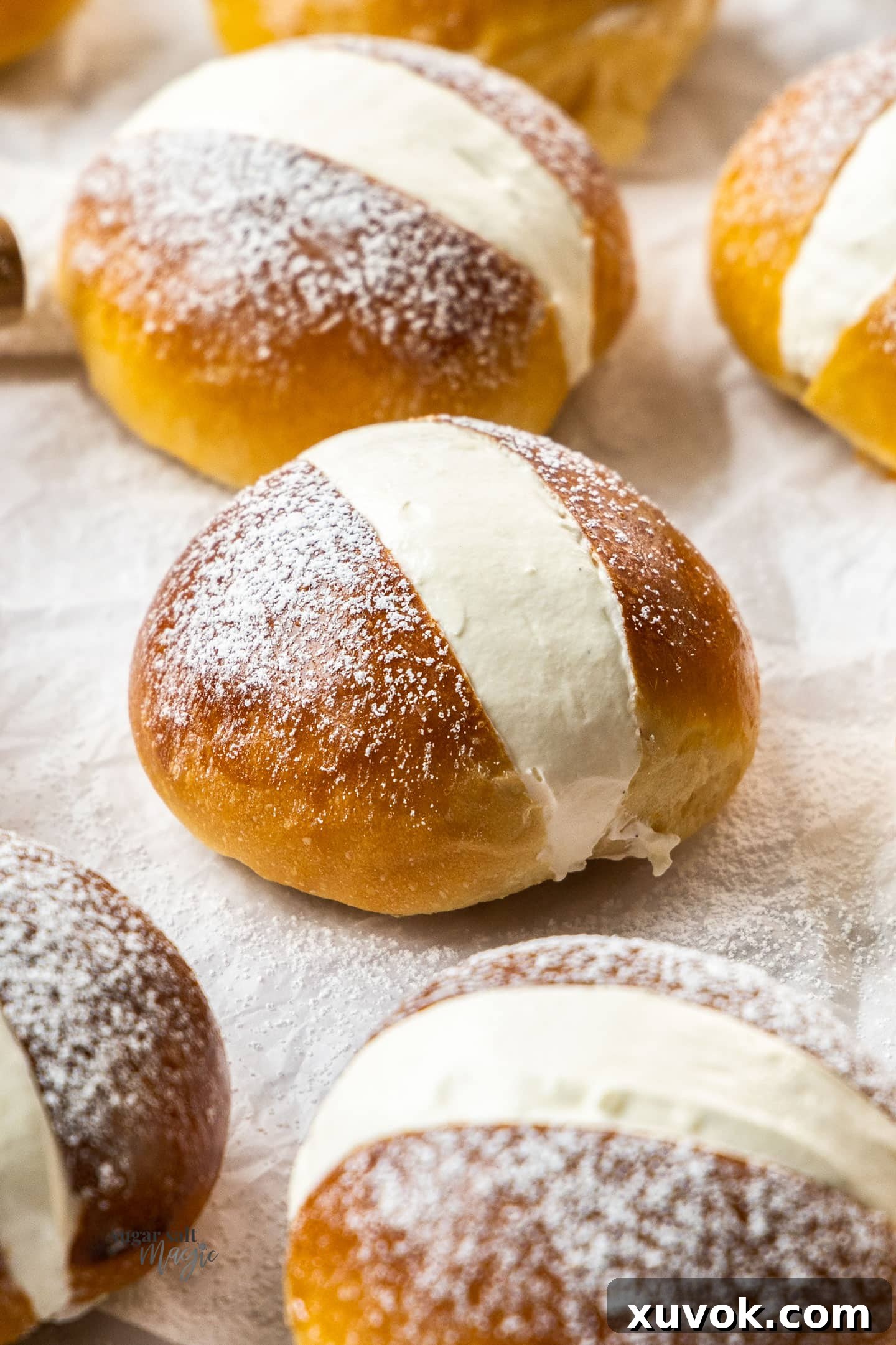
Table of Contents
- What are Maritozzi?
- Why You’ll Love This Maritozzi Recipe
- Ingredients You’ll Need for Perfect Maritozzi
- How to Make Maritozzi (Step-by-Step Guide)
- Make the Dough
- Make the Cream Filling
- How to Fill Maritozzi Buns
- Expert Tips and Tricks for Maritozzi
- Maritozzi Variations to Explore
- Frequently Asked Questions About Maritozzi
- How to Store Maritozzi for Freshness
- More Delicious Recipes You’ll Love
Never Miss a Recipe!
Get the latest recipes straight to your inbox by subscribing to our newsletter!
What are Maritozzi? A Dive into Roman Sweet History
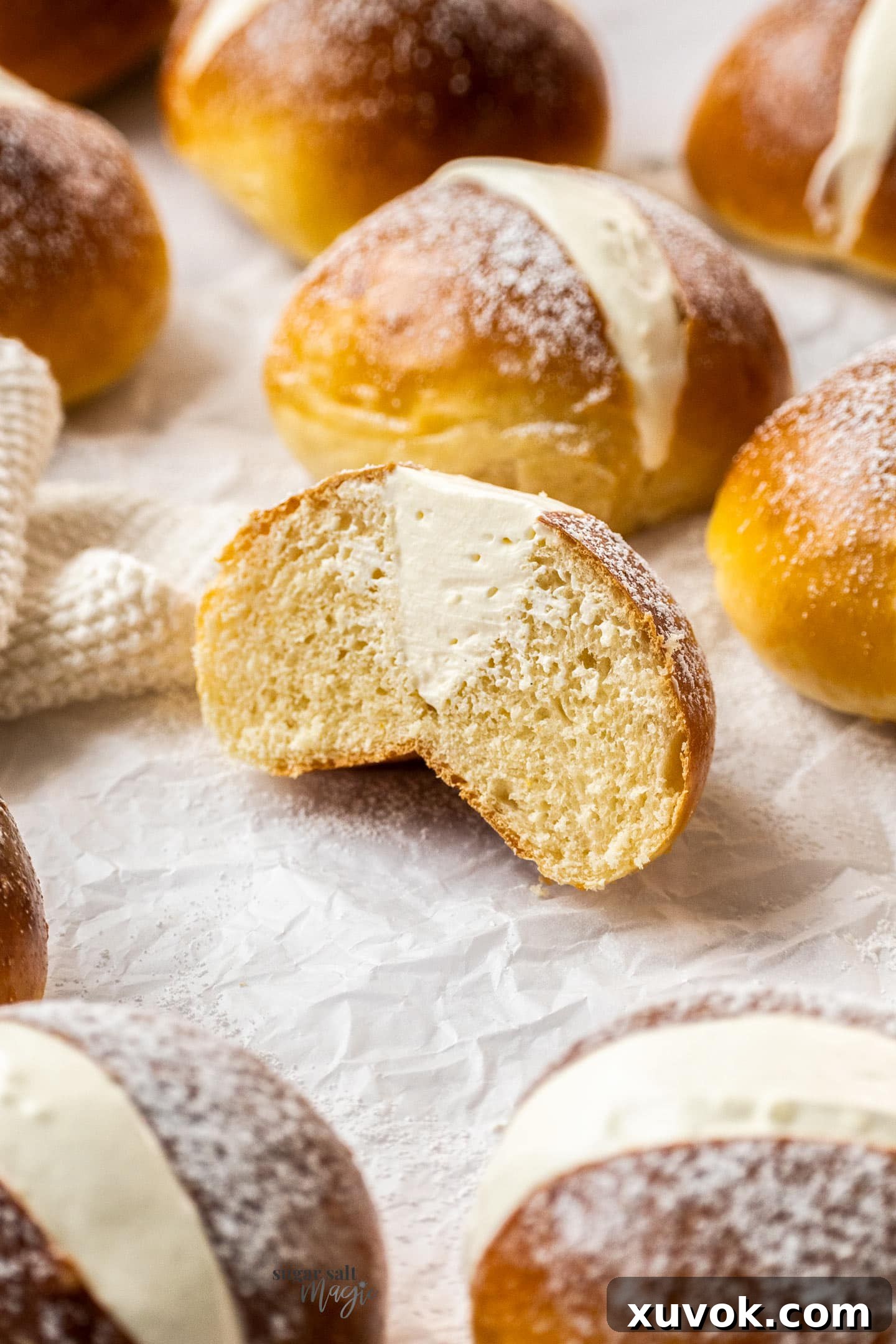
Maritozzi (the plural form) or maritozzo (singular) are an iconic sweet treat hailing from Rome, Italy. At their heart, they are small, oblong buns crafted from a rich, yeasted dough—often compared to a delicate brioche—generously split and filled with a cloud of freshly whipped cream. These delectable Italian cream buns are a staple in Roman bakeries, especially for breakfast or as a delightful afternoon pick-me-up.
The history of Maritozzi is as rich as their flavor. Historically, they began as a simpler, more rustic bread eaten by laborers during ancient Roman times. These early versions were often enriched with dried fruits, pine nuts, and a touch of honey, providing sustenance and a hint of sweetness. As centuries passed, Maritozzi evolved, particularly gaining popularity as a traditional Lenten food. During this period of fasting, the sweetened bread, eventually brushed with a light sugar syrup and later filled with cream, offered a permissible indulgence, symbolizing sweetness and new life.
The very name “Maritozzi” is steeped in charming Roman tradition. It is believed to derive from the Italian word “marito,” meaning “husband.” Legend has it that young Roman men would give these sweet buns to their fiancées or wives on the first Friday of March (or even Valentine’s Day), often hiding a small engagement ring or a romantic gift inside. This romantic gesture solidified their place in Roman culture as a symbol of love and affection.
Today, while still cherished for their historical and romantic roots, Maritozzi are simply celebrated for their incredible taste and texture. Pronounced “ma-ree-TOT-zee” (with the ‘zz’ sound as in ‘pizza’), they remain a beloved treat that Roman pastry chefs continue to innovate, with some even experimenting with savory fillings, though the classic sweet cream version holds a special place in the hearts of many.
Why You’ll Love This Maritozzi Recipe
Beyond their historical charm, these Maritozzi are a joy to bake and an absolute pleasure to eat. Our recipe stands out for several reasons:
- Unmatched Softness: Thanks to the tangzhong starter method, these buns achieve an ethereal softness that lasts for days, far outperforming many homemade bread recipes.
- Balanced Sweetness: The bun itself has a nuanced sweetness from honey and a bright note from orange zest, perfectly complemented by the lightly sweetened Chantilly cream.
- A Touch of Elegance: Maritozzi look incredibly impressive, making them perfect for special occasions, brunches, or simply elevating your everyday coffee break.
- Rewarding Baking Experience: While they involve rising times, the dough is forgiving and the process is deeply satisfying, culminating in a bakery-quality treat right from your kitchen.
Ingredients You’ll Need for Perfect Maritozzi
Creating Maritozzi involves a yeasted, enriched dough, meaning it’s lavishly enhanced with fats from milk, oil, and eggs, along with sugar. The quality of your ingredients significantly impacts the final texture and flavor of these delightful Italian cream buns. Here’s a detailed look at what you’ll need and why each component is crucial:
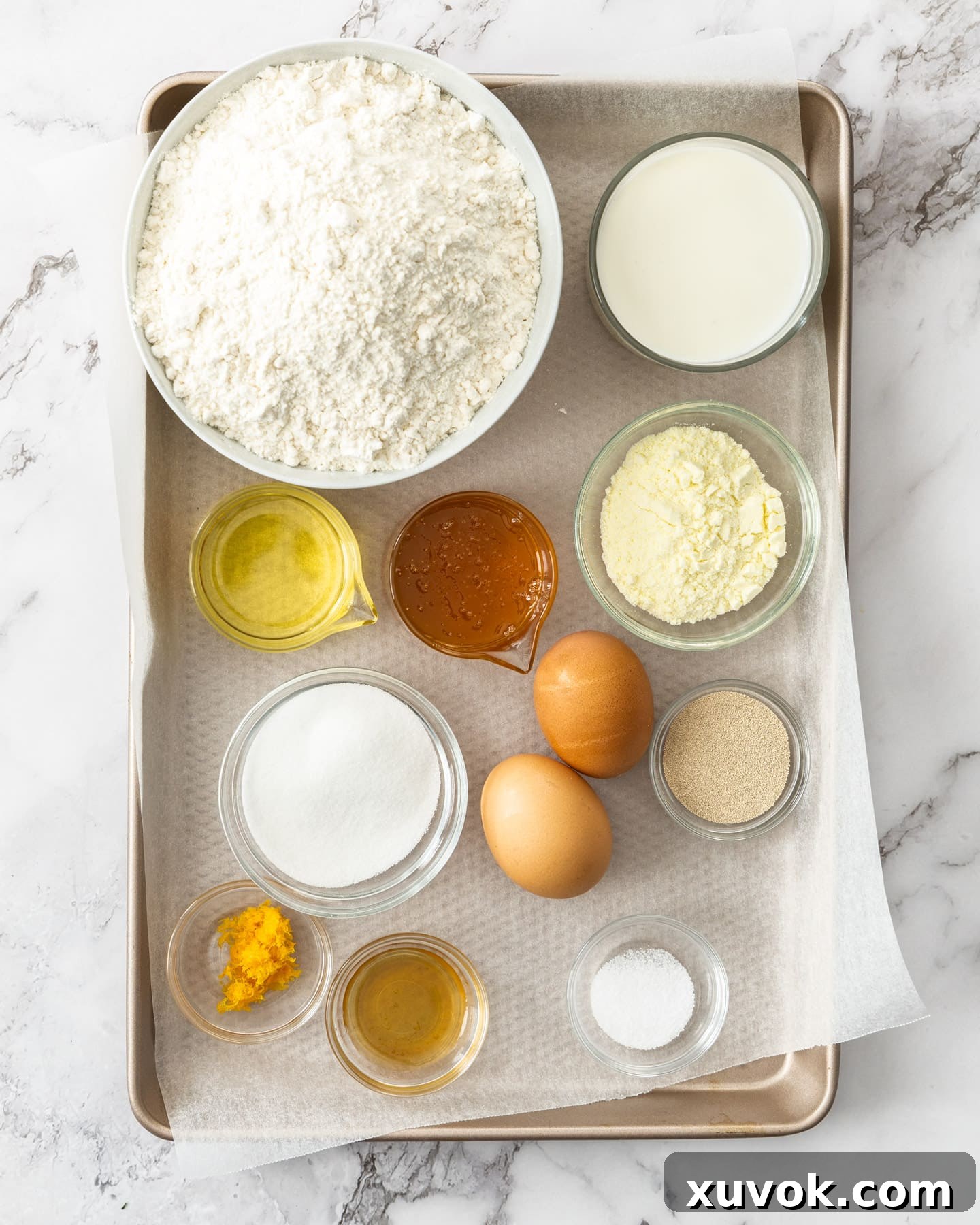
Jump to the full recipe card for precise measurements and detailed instructions.
- Bread Flour: This is key for achieving the signature chewy yet tender texture of the buns. Bread flour has a higher protein content than all-purpose flour, which helps develop stronger gluten, essential for a light and airy enriched dough.
- Whole Milk: Opt for whole milk in this recipe. Its higher fat content contributes significantly to the richness, tenderness, and overall flavor of the maritozzi dough, ensuring a luxurious mouthfeel.
- White Granulated Sugar: Used in the dough to activate the yeast, add sweetness, and aid in browning. Additionally, you’ll need fine icing sugar (powdered sugar) for a delicate dusting over the finished, cream-filled buns.
- Yeast: This recipe is designed for instant yeast (also known as instant dry yeast), which can be added directly to the dry ingredients without prior proofing. However, active dry yeast can also be used; if so, ensure it’s properly bloomed in warm milk first.
- Milk Powder: A secret weapon for many enriched bread recipes, milk powder significantly enhances both the flavor profile and the texture of the buns. It contributes to a softer crumb and also aids in moisture retention, keeping your maritozzi fresh for longer.
- Oil: A neutral-flavored vegetable oil, such as canola oil, or a very light-flavored olive oil is ideal. It adds essential fat to the dough, contributing to its softness and helping to keep it moist.
- Honey: Beyond just adding sweetness, honey plays a vital role in the dough’s texture and its ability to puff up beautifully. It also contributes to that desirable golden-brown color during baking and imparts a subtle, complex flavor note.
- Vanilla Extract or Vanilla Bean Paste: Crucial for infusing both the bun and, more importantly, the whipped cream filling with a warm, inviting aroma. Vanilla bean paste is highly recommended for the cream, as its visible black flecks offer a gorgeous artisanal appearance.
- Orange Zest: This provides a bright, fragrant lift that perfectly complements the richness of the dough and cream. You can easily swap it for lemon zest for a different citrus note or omit it entirely if you prefer a simpler vanilla profile; they’ll still be absolutely delicious.
- Eggs: Two large eggs are incorporated into the dough for enrichment, contributing to its structure, flavor, and tender crumb. A third egg, specifically the yolk, is used to create a rich egg wash that gives the baked buns a beautiful golden sheen.
- Heavy Whipping Cream (or Thickened Cream): This is the star of the filling (not pictured with other ingredients). Around the world, it goes by different names like heavy cream or thickened cream. The key is to use a cream with a milk fat content of 35% or higher, ensuring it can be whipped to light, stiff peaks for that perfect Chantilly texture.
How to Make Maritozzi (Step-by-Step Guide)
The journey to creating these exquisite Maritozzi begins with a special technique called tangzhong. This Asian bread-making method involves making a cooked roux of flour and water. The magic of tangzhong lies in its ability to gelatinize the starches in the flour, allowing them to absorb and retain significantly more moisture. The result? A final baked product that is incredibly soft, remarkably moist, and stays fresh and tender for much longer.
The tangzhong starter itself takes mere minutes to prepare and is absolutely worth the minimal effort. While many homemade breads can begin to stale within a day, I’ve consistently found that Maritozzi made with this method remain wonderfully soft for up to two days, making them perfect for preparing a day in advance for serving.
Despite the required rising times—one for the initial dough proof and another for the individual buns—this dough is surprisingly easy to handle. The waiting periods are an essential part of developing the complex flavors and airy texture that make these buns so special, and the end result is profoundly rewarding. Knowing they’ll stay soft longer also gives you the flexibility to bake them ahead of time without compromising on quality.
Jump to the full recipe card for detailed measurements and instructions.
Make the Dough
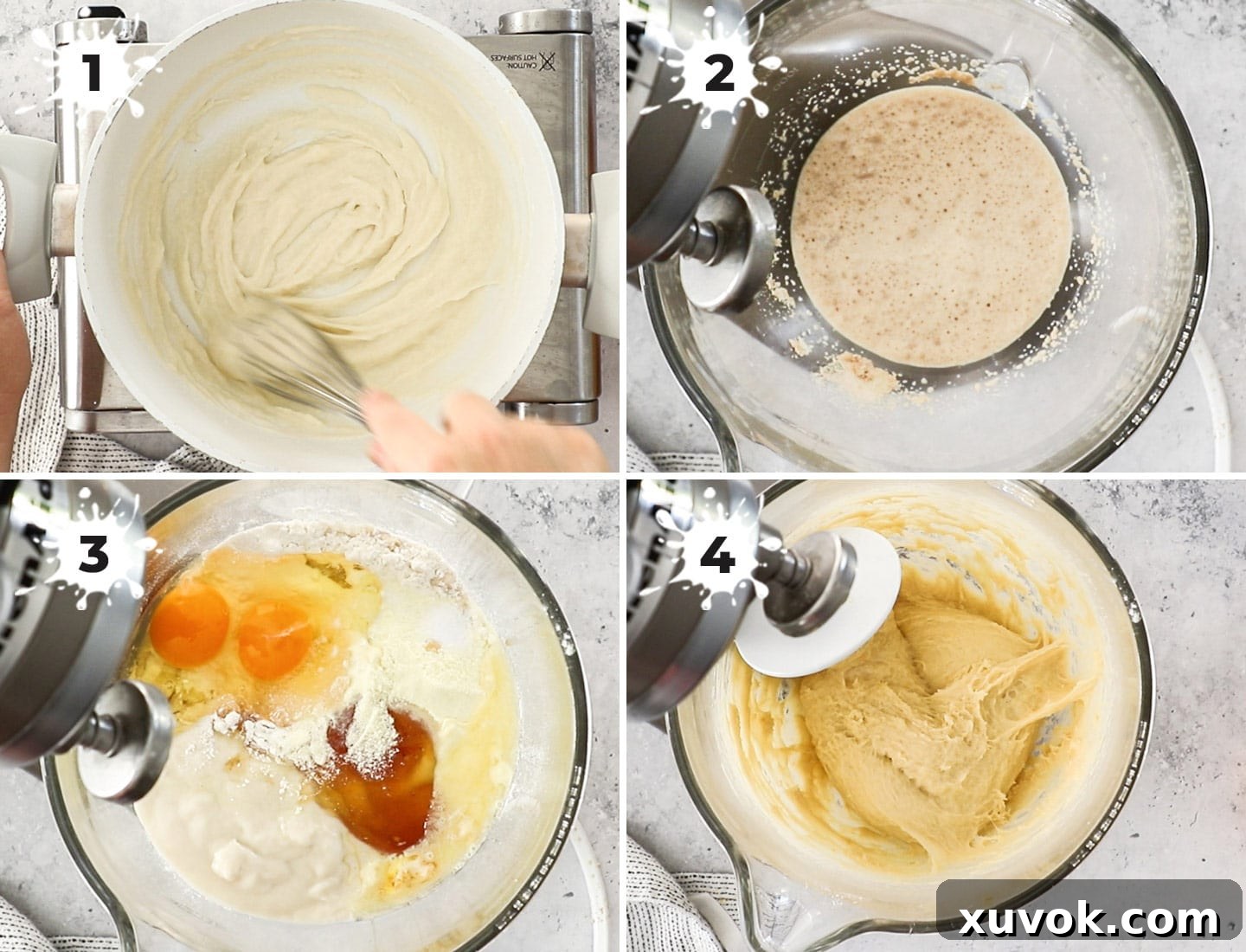
- Prepare the Tangzhong Starter: In a small, heavy-bottomed saucepan, whisk together the flour and water until a smooth paste forms. Place the saucepan over medium heat, whisking continuously for approximately one to two minutes, until the mixture thickens into a translucent, pudding-like paste. Remove from heat and set aside to cool slightly.
- Activate the Yeast: In the bowl of your stand mixer (this recipe is best with a stand mixer due to the dough’s stickiness), combine the lukewarm milk, 1 tablespoon of the granulated sugar, and the yeast. Give it a gentle stir. Allow the mixture to sit undisturbed for about 5 minutes until you observe it becoming puffy and foamy. This bubbling indicates that your yeast is active and ready to work its magic.
- Combine and Knead the Dough: Add all the remaining dough ingredients to the mixer bowl, ensuring the salt is added last and away from the yeast to avoid direct contact. Gently scrape in the prepared tangzhong starter; if it’s still warm, add it on the opposite side of the bowl from the eggs. Begin mixing on the lowest speed with the dough hook attachment until all ingredients are just combined. Increase the speed to level 2 and continue kneading for about 8 minutes. The dough will remain quite sticky and may cling to the sides of the bowl—this is perfectly normal and desired for its tender texture.
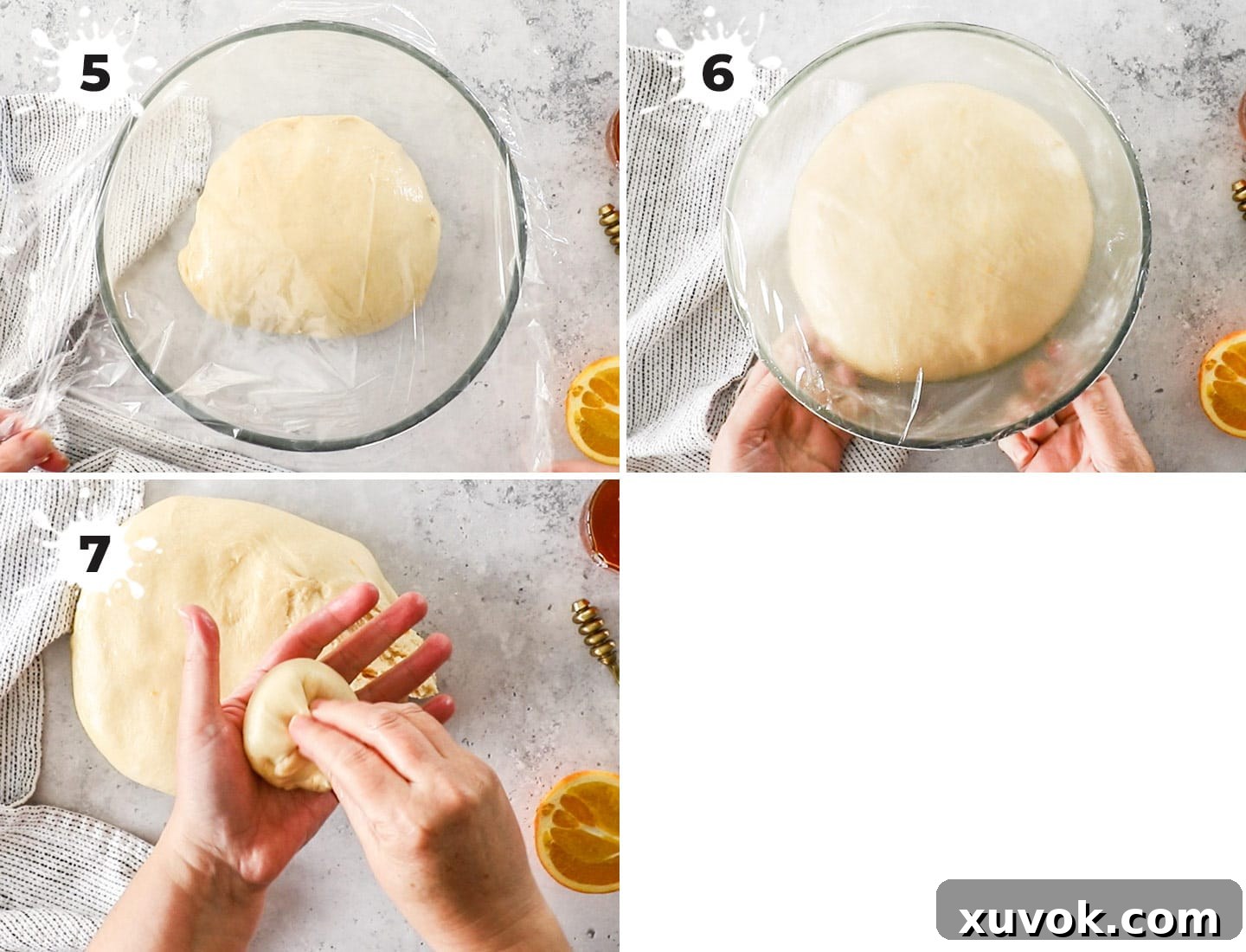
- First Rise: Transfer the sticky dough to a large, lightly oiled bowl. Turn the dough once to coat it evenly in oil. Cover the bowl tightly with plastic wrap and allow it to rise in a warm place for about 1 hour, or until it has roughly doubled in size.
- Portion and Shape Buns: Gently punch down the risen dough to release the air. Divide the dough into 12 equal portions. For consistently sized buns, consider weighing the entire dough and then dividing by 12 to get an approximate weight for each piece (around 90g each). To shape each bun, take a portion of dough and gently turn it in the palm of one hand, using the fingertips of your other hand to continually pinch the sides in towards the bottom, creating a smooth, taut surface on top. If the dough becomes too sticky, lightly dip your fingertips in the oil remaining in the rising bowl.
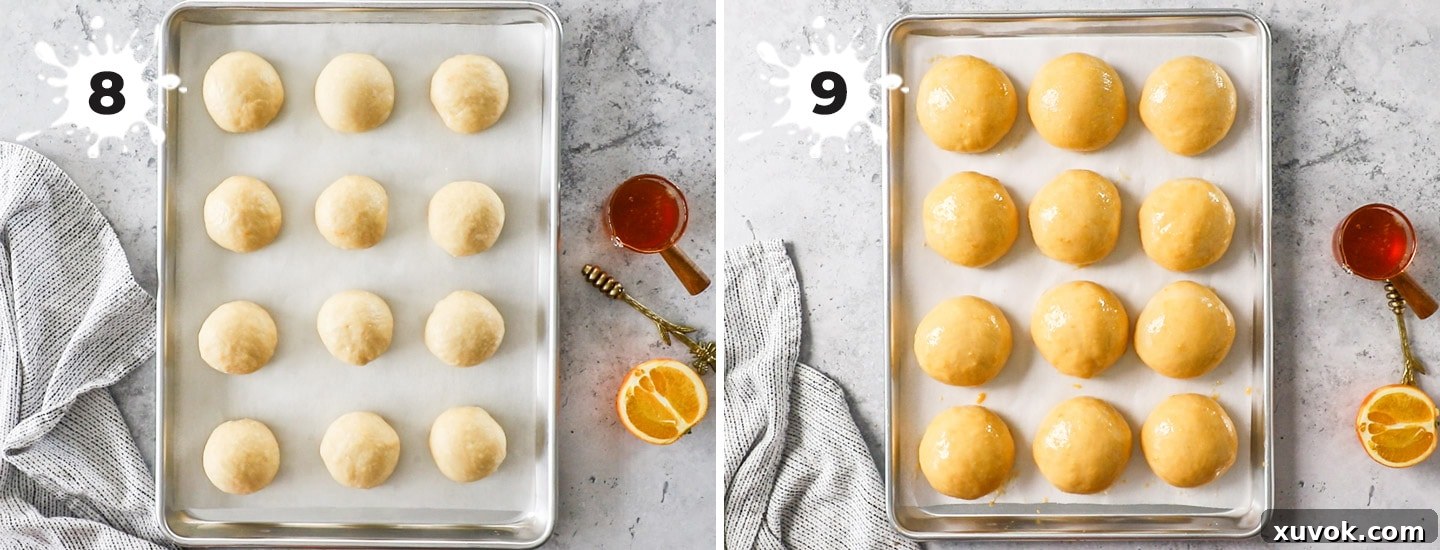
- Second Rise & Bake Preparation: Arrange the shaped dough balls, smooth side up, on a large baking sheet lined with parchment paper. Cover loosely and let them rise again in a warm place until they appear puffy and have almost doubled in size. This secondary proof is crucial for a light texture.
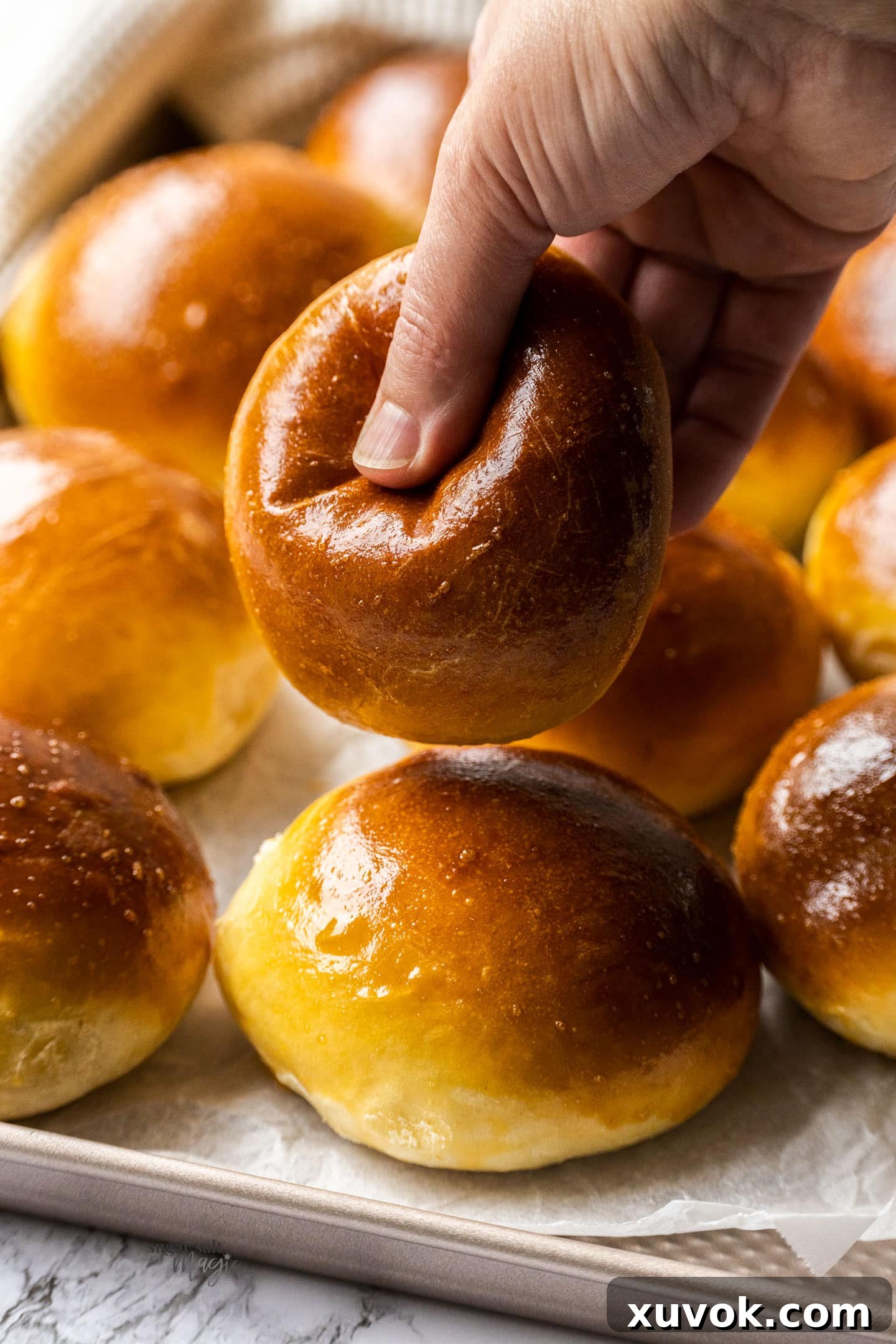
- Egg Wash and Bake: Preheat your oven to 180°C (160°C fan) / 350°F. Gently brush the tops and sides of the risen buns with the egg wash (egg yolk mixed with a teaspoon of milk). Bake for 18-20 minutes, rotating the tray halfway through, until the buns are beautifully puffed up and boast a deep golden-brown hue. Be careful not to overbake, as this can dry them out. The internal temperature should ideally reach 87-88°C (188-190°F) for perfect softness.
Make the Cream Filling
The exquisite cream filling for these Maritozzi buns is essentially a classic Chantilly cream – a delightful blend of rich heavy cream, delicate sugar, and aromatic vanilla. This filling is characterized by its remarkable lightness in both texture and sweetness, creating a perfect marriage with the soft, subtly flavored buns. Its simplicity allows the unique notes of the brioche-like dough to shine through, while providing a refreshing contrast.
- In a large mixing bowl, combine the chilled heavy whipping cream, vanilla extract or vanilla bean paste, and superfine (caster) sugar. Using an electric mixer (or the whisk attachment of a stand mixer), begin beating on low speed to prevent splattering, then gradually increase to medium-high. Whip until the cream forms stiff peaks, where it holds its shape firmly. Exercise caution not to overwhip, as this can cause the cream to become grainy or even turn into butter. Stop as soon as stiff peaks are achieved.
How to Fill Maritozzi Buns
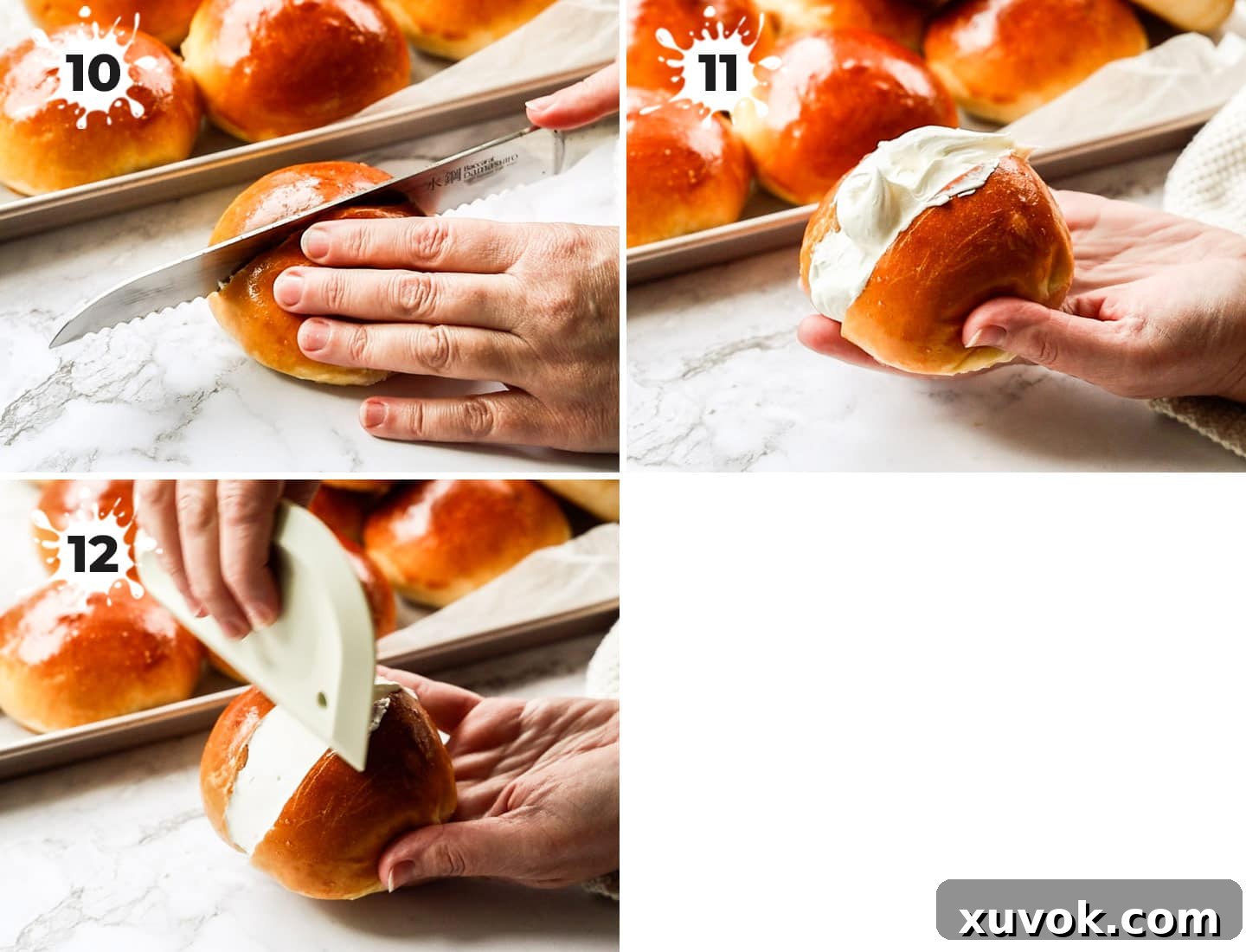
- Prepare the Buns for Filling: Ensure the Maritozzi buns are completely cooled before proceeding. Once cool, carefully slice each bun straight down the middle, cutting about two-thirds of the way through the bun horizontally, leaving a thick hinge at the bottom, much like a hotdog bun. This creates a perfect pocket for the cream.
- Generously Fill with Cream: Using a spoon or a piping bag, generously fill the opening of each bun with the prepared vanilla whipped cream. Don’t be shy – the generous cream filling is a hallmark of authentic Maritozzi.
- Create a Smooth Topping: For a neat and traditional appearance, use a flat edge, such as a bench scraper or a flat spatula, to gently scrape across the top of the cream, removing any excess and creating a beautifully flat, smooth surface.
These Maritozzi are, without a doubt, my favorite bread-based treat I’ve ever made. The dough itself possesses an exquisite texture that is simply a dream to work with and even more delightful to eat. While I’m not renowned for my patience, the anticipation built during the two essential dough rises is undeniably worth it the moment you take that first blissful bite.
Expert Tips and Tricks for Perfect Maritozzi
Achieving bakery-quality Maritozzi at home is incredibly rewarding, and these expert tips will help ensure your success, from perfect dough to luscious cream filling:
- Always Weigh Ingredients for Baking: I cannot emphasize this enough, especially when baking bread. Precision is paramount. Invest in a set of kitchen scales (they are inexpensive and a game-changer for baking accuracy) and weigh your flour. A slight excess of flour, even a tablespoon or two, can drastically alter the dough’s hydration, leading to dry, dense buns instead of the desired soft, fluffy texture.
- The “Spoon and Level” Method (If No Scales): If you find yourself without kitchen scales but are eager to make these maritozzi right away, use the spoon and level method for measuring flour. Gently spoon the flour into your measuring cup until it’s overflowing, then use the flat back of a knife or a straight edge to level it off. Never scoop flour directly from the bag, as this compacts it and can result in up to 25% more flour than needed.
- Test Your Yeast for Vitality: Even with instant yeast, which doesn’t technically require activation, it’s a good practice to let it sit in the warm milk for 5 minutes first. If it starts to get visibly puffy or foamy, you can be confident your yeast is active and ready to work. If it doesn’t show any activity, you’ll know to replace your yeast before wasting all your other valuable ingredients and precious time waiting for a dough that won’t rise.
- Don’t Be Intimidated by Tangzhong: The tangzhong starter might sound fancy, but it is incredibly simple to make. It literally takes less than two minutes: you just whisk flour and water in a saucepan over heat until it forms a thick paste. That’s it! There are no tricky steps, and it gets added straight into the dough, contributing immensely to the buns’ softness and shelf life.
- Avoid Overbaking the Buns: Proper baking is crucial for a moist interior. Bread is generally considered perfectly baked when its internal temperature reaches 87-88°C (188-190°F) in the center. Using a food thermometer to check will ensure you achieve perfectly soft and moist buns that stay that way longer. Baking beyond this temperature will cause the buns to dry out rapidly.
- Do Not Overwhip the Cream: When preparing the Chantilly cream, pay close attention to its consistency. Be very careful not to overwhip the heavy cream, as it will quickly lose its smooth, velvety texture and become grainy. If you continue whipping, you’ll eventually make homemade butter! As soon as you see the cream starting to hold the shape of the beaters and form stiff peaks, stop immediately.
- Cool Buns Completely Before Filling: This is a non-negotiable step. The Maritozzi buns must be entirely cool before you even think about adding the whipped cream filling. If the buns are even slightly warm, the delicate whipped cream will melt and become a runny mess, ruining the texture and presentation of your beautiful Italian cream buns.
Maritozzi Variations to Explore
While the classic vanilla whipped cream Maritozzi is undeniably perfect, there’s always room to explore delightful variations and customize these Italian cream buns to your personal taste. Here are some ideas to inspire your creativity:
- Citrus Zest Swaps: The original recipe uses orange zest for a bright, aromatic touch. Feel free to swap it for an equal amount of lemon zest for a tangier, equally refreshing note. Alternatively, you can omit citrus zest entirely for a more straightforward, pure vanilla bun flavor.
- Alternative Sweeteners: If you prefer, the honey in the dough can be substituted with an equal amount of white granulated sugar or light brown sugar. Each will impart a slightly different nuance to the bun’s flavor and texture.
- Traditional Dried Fruit Additions: For a more rustic, historical touch, consider folding in up to ¾ cup of dried fruits to the dough during the last stages of kneading. Excellent choices include golden sultanas, plump raisins, or finely chopped candied citrus peel, reminiscent of the earliest Maritozzi.
- Aromatic Spices: Introduce a hint of warmth and complexity by adding a small amount of ground spices to the dough. A pinch of nutmeg, cinnamon, or allspice can elevate the flavor profile beautifully, especially if paired with dried fruits.
- Creative Toppings for the Cream: Once filled, the cream-laden buns offer a canvas for additional toppings. Try rolling the exposed cream in finely shaved chocolate (dark or milk), crushed nuts (such as pistachios or almonds), crunchy praline, or vibrant freeze-dried fruit powder for an extra burst of flavor and visual appeal.
- Decadent Fillings: While traditionally filled with simple vanilla whipped cream, don’t hesitate to experiment with other luscious fillings. Consider a rich, smooth pastry cream (crème pâtissière) for a more custardy texture, or a decadent chocolate pastry cream for the ultimate chocolate lover’s treat.
Frequently Asked Questions About Maritozzi
The name “Maritozzi” is believed to originate from the Italian word “marito,” which means “husband.” This refers to the charming Roman tradition where husbands or fiancés would present these sweet buns to their wives or beloveds, often with a small gift hidden inside.
The distinction lies in number: “Maritozzo” is the singular form, referring to a single Italian cream bun. “Maritozzi” is the plural form, used when referring to multiple buns. So, if you’re ordering just one, you’d ask for a maritozzo; for more than one, it’s maritozzi.
While a stand mixer is highly recommended for this recipe, particularly because the dough is quite sticky and enriched, it is possible to knead by hand. If you choose to hand-knead, be very cautious not to add excessive flour, as this will result in a dry bun. Use a bench scraper to assist with handling the sticky dough.
Maritozzi buns are renowned for their incredibly soft, fluffy, and tender crumb, almost like a brioche. The tangzhong method ensures they are moist and stay fresh for longer, creating a delightful contrast with the light, airy whipped cream filling.
You can certainly prepare the dough a day in advance and let it undergo its first rise slowly in the refrigerator overnight. The baked, unfilled buns can also be frozen. However, it’s best to fill them with cream shortly before serving for the freshest taste and best texture.
Maritozzi are traditionally enjoyed as a breakfast pastry in Rome, often accompanied by a strong espresso or cappuccino. They also make a fantastic dessert or a luxurious afternoon treat with tea. Always serve them at room temperature or slightly chilled, ensuring the bun is soft and the cream is cool and fresh.
How to Store Maritozzi for Freshness
To preserve the exquisite taste and delicate texture of your Maritozzi, proper storage is key, especially given their fresh cream filling:
- Refrigeration: Filled Maritozzi buns must be stored in an airtight container in the refrigerator. They will remain fresh and delicious for 2-3 days. To enjoy them at their best, allow the buns to come nearly to room temperature for about 15-20 minutes before serving. This softens the bun, which can firm up when cold, and enhances the overall flavor experience.
- Freezing Unfilled Buns: The baked, unfilled Maritozzi buns can be frozen for longer storage. Once completely cooled, wrap each bun individually in plastic wrap, then place them in an airtight freezer-safe container or a heavy-duty ziplock bag. They can be stored in the freezer for up to 3 months.
- Thawing Frozen Buns: To thaw, simply remove the desired number of buns from the freezer and let them sit at room temperature for a few hours, or overnight in the refrigerator. Once thawed, you can lightly warm them in a low oven (around 150°C/300°F for 5-7 minutes) to refresh their texture before slicing and filling with fresh cream.
- Storing Unfilled Dough: If you prefer to bake fresh, the prepared dough (after its first rise) can be stored in an oiled, airtight container in the refrigerator for up to 24 hours. Bring it back to room temperature for about an hour before shaping and continuing with the second rise and baking.

More Delicious Recipes You’ll Love
If you enjoyed making and savoring these Maritozzi, you’re sure to love these other delightful sweet bread and pastry recipes:
- Lemon Donuts
- Jam Doughnuts
- Iced Coconut Buns
- Jumbo Swedish Cinnamon Buns
- Pecan Cinnamon Rolls
- Blueberry Cinnamon Rolls
- Finger Buns
Did you try this maritozzi recipe?
Leaving a rating and comment below the recipe is so helpful!
Hungry for more? Subscribe to the newsletter for free recipes straight to your inbox. Also, follow along on Facebook, Pinterest and Instagram.

Maritozzi (Italian Cream Buns)
12
buns
45 minutes
18 minutes
2 hours
2 hours
58 minutes
Rate
Pin
Ingredients
FOR THE STARTER (TANGZHONG)
-
½
cup
water -
⅓
cup
bread flour
(43g / 1 ½ oz)
FOR THE DOUGH
-
⅔
cup
whole milk, luke warm
(160ml) -
¼
cup
white granulated sugar
(50g / 1.8oz) -
2 ½
teaspoons
instant yeast or active dry yeast -
3 ¾
cups
bread flour
(490g / 17.3oz) -
¼
cup
milk powder
(25g / 1oz) -
¼
cup
vegetable oil
(60ml) -
¼
cup
honey
(60ml) -
1
teaspoon
vanilla extract -
1
teaspoon
orange zest -
2
large eggs -
½
teaspoon
salt
EGGWASH
-
1
egg yolk mixed with 1 teaspoon of milk
VANILLA WHIPPED CREAM
-
1 ½
cups
heavy whipping cream
(375ml) -
1
teaspoon
vanilla bean paste -
2
tablespoons
caster sugar (superfine sugar)
(8 tsp, see notes 1)
TOPPING
- Icing sugar (powdered sugar) for dusting
For best results, always weigh ingredients where a weight is provided
Equipment
-
heavy based saucepan
-
stand mixer
-
Bowl scraper
-
large baking sheet
-
Hand mixer
Instructions
-
Make the tangzhong (the starter): Add the water and flour to a small saucepan and whisk until smooth. Place of low-medium heat and cook, whisking constantly for a minute or two until you have very thick roux (thick paste). Remove from heat and set aside to cool.
-
Bloom the yeast: Add the warm milk, yeast and 1 tablespoon of sugar to the bowl of a stand mixer and mix a little. Let it sit for 5 minutes until you see it getting puffy and foamy.
-
(Keep in mind this is a very sticky dough and will be best made in a mixer. If you do try it by hand, don’t be tempted to add too much flour and use a bench scraper to help.)
-
Create the dough: Add the rest of the dough ingredients in the order listed, ensuring the salt doesn’t directly touch the yeast. Add the tangzhong (starter) to the opposite side of the bowl from the eggs if it’s still warm. Make sure to use a rubber spatula to scrape all of it in.
-
Knead: Using the dough hook, start on low speed until ingredients are just combined. Turn up to level 2 and knead for around 8 minutes. The dough will still be quite sticky and cling to the sides of the bowl, which is ideal.
-
Add a splash of oil to a large clean bowl and rub it around the sides. Rub a little of the oil over your hands and over the rounded edge of a dough scraper to make the dough easier to handle.
-
First Rise: Scrape the dough into a ball, then lift it out with oiled hands and roughly fold it into a ball. Place into the oiled bowl and flip to lightly coat. Cover the bowl with plastic wrap and let it rise for 1 hour, or until about doubled in size.
-
Portion the dough: Gently punch down the dough. Divide it into 12 even balls. For perfectly uniform buns, weigh the entire dough and divide by 12, then weigh each portion (mine are typically around 90g each).
-
Shape the buns: Place a dough portion in the palm of one hand and use the fingertips of your other hand to continually pinch the sides in towards the bottom, until the top surface is smooth and round. If sticking, dip fingertips in the oil from the rising bowl.
-
2nd Rise: Place the shaped dough balls, smooth side up, on a large baking sheet lined with baking paper. Let them rise until puffy and almost doubled in size again.
-
Preheat the oven to 180°C (160°C fan) / 350°F.
-
Bake: Brush the rolls all over with the egg wash, ensuring you coat the sides. Bake for 18-20 minutes, turning the tray halfway through, until puffed up and a deep golden brown. Do not overbake to avoid dryness. The internal temperature should reach 87-88°C (188-190°F).
-
FOR THE VANILLA WHIPPED CREAM:
Once the buns have completely cooled, beat the heavy whipping cream, vanilla bean paste, and caster sugar in a large mixing bowl using an electric mixer, or in a stand mixer with the whisk attachment.
-
Start on low speed to prevent splattering, then gradually increase to medium speed, monitoring the consistency. As it thickens significantly, reduce speed to low and check regularly until firm, stiff peaks form. Be careful not to overwhip.
-
ASSEMBLING THE BUNS:
Slice straight down through the center of each cooled bun, approximately 2/3 of the way down, leaving a thick hinge at the bottom, similar to a hotdog bun.
-
Generously fill each bun opening with cream. Use a bench scraper or spatula, holding it flat against the top of the bun, to scrape away any excess cream and create a smooth, clean top surface.
-
Lightly dust the filled buns with icing sugar before serving. For an optional flourish, roll the exposed cream edges in crushed nuts, almond or hazelnut praline, or finely shaved chocolate. Freeze-dried berry powder also adds a lovely color and flavor.
-
Please take a moment to leave a comment & rating if you tried this recipe. Your feedback is greatly appreciated and very helpful!
Notes
- Tablespoons: I use a standard Australian 20ml tablespoon (equal to 4 teaspoons). Please check the size of your measuring spoons for accuracy before using them.
- For optimal baking results, you should always weigh ingredients like flour and sugar when a weight is provided. Kitchen scales are relatively inexpensive and provide far greater accuracy than volume measurements. If weighing is not possible, utilize the “spoon and level” method (do not scoop flour directly from the bag).
DISCOVER MORE AMAZING BREAD RECIPES!
386
kcal
Marie Roffey
Dessert
Italian
Have you tried this recipe?
Don’t forget to leave a rating and comment below and let me know how it was! I love hearing from you. Nutrition information is approximate and derived from an online calculator. The brands you use may cause variations.
Calories from Fat 162