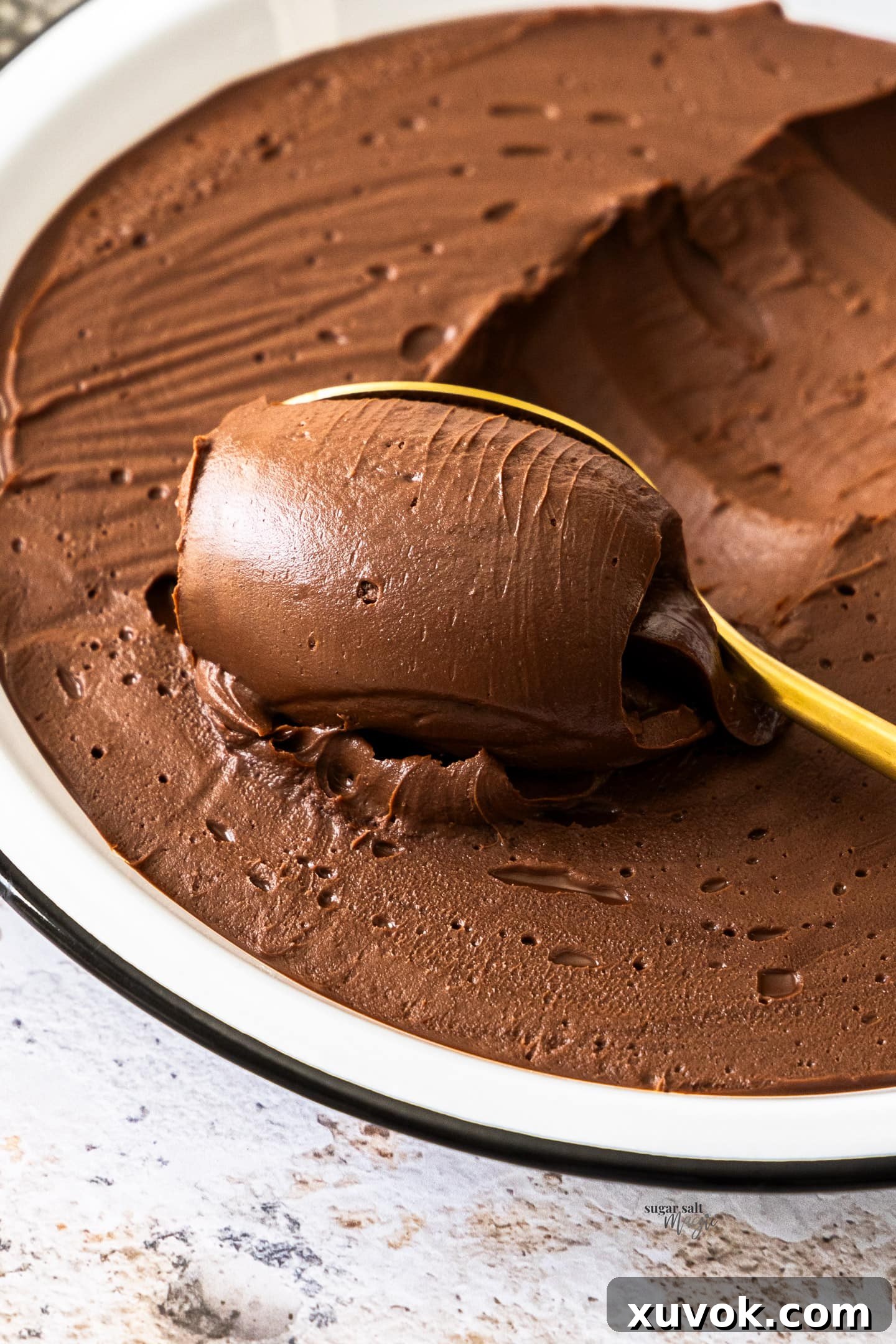
Indulge in the Ultimate Dark Chocolate Cremeux: A Silky French Delight
Prepare to be enchanted by the luxurious allure of Dark Chocolate Cremeux, a classic French dessert that epitomizes rich flavor and silken texture. This exquisite creation isn’t just a versatile component for your culinary masterpieces, like elegant tarts or beautifully piped cake decorations; it stands proudly as a sophisticated dessert in its own right. With its deep chocolate notes and incredibly smooth finish, chocolate cremeux promises a truly decadent experience.
- Unforgettably Luscious: Dive into a profoundly rich chocolate flavor, encased in a divinely creamy, smooth pudding-like texture that melts effortlessly in your mouth.
- Remarkably Simple: Crafted with just 6 core ingredients and requiring only about 20 minutes of active preparation time, this recipe proves that gourmet results don’t demand complex processes.
- Flavorfully Flexible: Adapt this recipe to your palate by experimenting with different types of chocolate or infusing it with a variety of flavorings and extracts.
- Incredibly Versatile: Whether served elegantly in scoops like a premium chocolate pudding, or as the star filling in tarts and layered cakes, its applications are endless.
- Perfect for Planning Ahead: Enjoy the convenience of preparing this dessert 6 hours to up to 3 days in advance, allowing it to chill and develop its optimal texture.
This dessert is so irresistibly good, it feels almost illicit! But fear not, recreating this French patisserie magic at home is wonderfully straightforward. This comprehensive guide will equip you with all the essential steps and expert tips you need to achieve perfection, beginning with a foundational crème anglaise base.
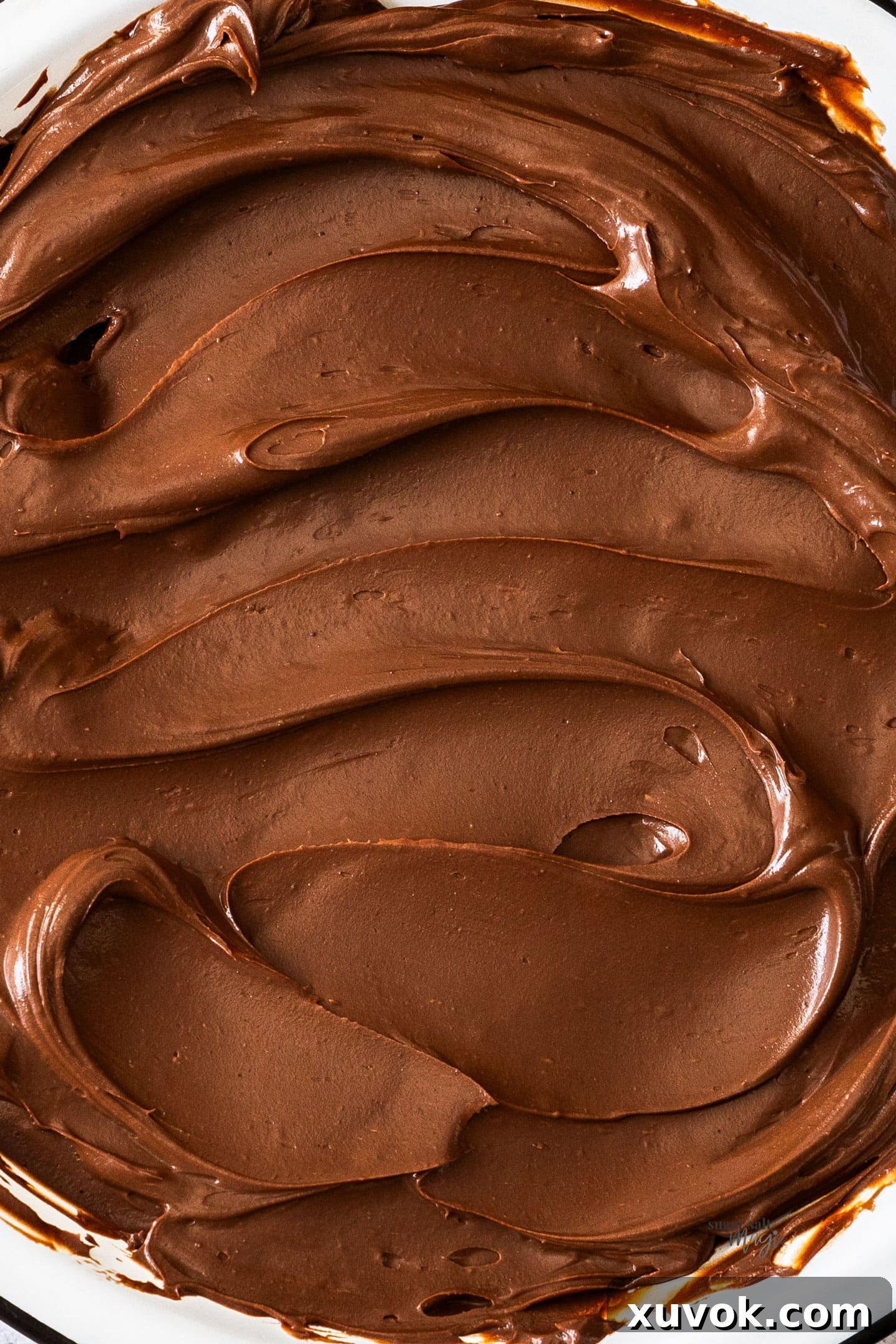
Table of contents
- Why it’s so good!
- What is cremeux?
- Ingredients in cremeux
- How to make cremeux
- Tips and tricks
- Serving suggestions
- Variations
- Troubleshooting
- More recipes you’ll love
- FAQs
Never Miss a Recipe!
Get the latest recipes straight to your inbox!
What Exactly is Chocolate Cremeux? Unpacking this French Culinary Gem
In the elegant world of French patisserie, crèmeux (pronounced “kreh-moo”) literally translates to “creamy,” a descriptor that perfectly encapsulates this decadent dessert. Crèmeux, often referred to as crèmeux au chocolat when chocolate is involved, is fundamentally a refined combination of crème anglaise – a pourable custard base – and a thickening agent, most commonly high-quality chocolate. This union allows it to set into a rich, thick, and utterly smooth pudding-like consistency. While chocolate is paramount for chocolate crèmeux, other thickeners like butter, or even flavorful additions such as pistachio paste, can be incorporated. Occasionally, gelatin is added to achieve a firmer set, particularly with lower cocoa content chocolates.
Many liken crèmeux to a sophisticated cousin of ganache, but with a distinct twist. Traditional chocolate ganache is created by emulsifying hot cream with chocolate. Crèmeux, however, elevates this concept by blending hot, sweet, and incredibly unctuous crème anglaise with chocolate. This substitution of crème anglaise for plain cream results in a dessert that is not only sweeter but boasts an unparalleled richness and silkiness, setting it apart in both flavor and mouthfeel.
While chocolate crèmeux shares a luscious, smooth texture with crème pâtissière (or pastry cream), their thickening methods differ significantly. Crème pâtissière relies on cornstarch (or flour) to achieve its thickness, whereas crèmeux gains its dense yet yielding body primarily from the high cocoa solids and fats present in the chocolate, alongside the rich base of crème anglaise. This fundamental difference gives crèmeux its signature melt-in-your-mouth quality, making it a true testament to French culinary artistry.
Essential Ingredients for a Perfect Dark Chocolate Cremeux
Crafting this divine dark chocolate crèmeux requires a surprisingly concise list of just 6 ingredients, with one being an optional, yet highly recommended, flavor enhancer. Each component plays a vital role in achieving the signature richness and texture of this French dessert.
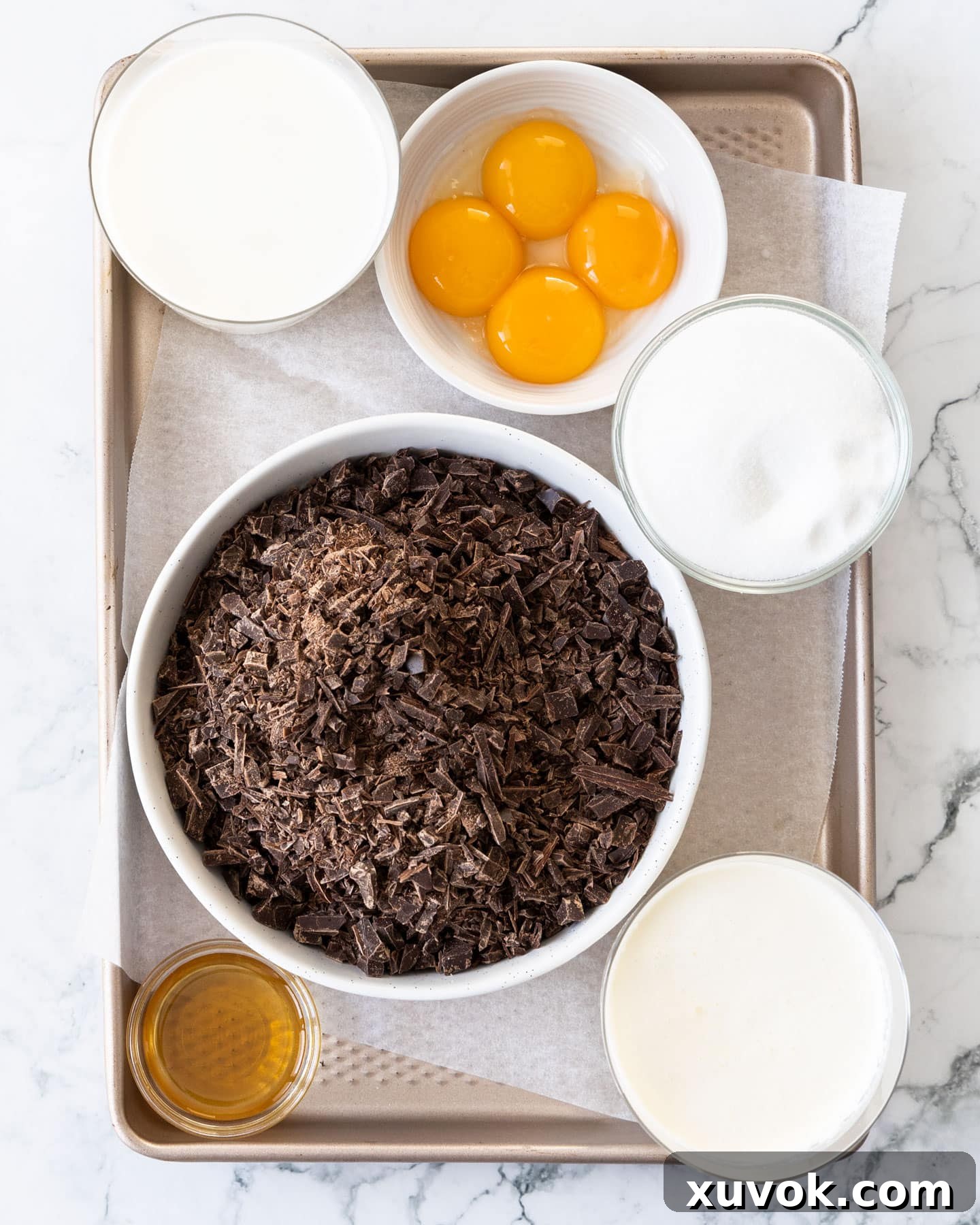
Jump to the recipe for full ingredients and detailed instructions.
Chocolate: The Soul of Your Cremeux. This is undeniably the most crucial ingredient, dictating both flavor depth and final consistency.
- Type Matters: For the absolute best results in terms of texture and stability, opt for a high-quality couverture chocolate, such as Callebaut. Couverture chocolate has a higher cocoa butter content, which contributes to a smoother melt and a more stable set. However, excellent results can still be achieved with good quality baking chocolate. Blocks of eating chocolate are generally not recommended as they typically result in a softer, looser consistency due to lower cocoa solid content, though they can be used if you prefer a less firm crèmeux.
- Intensity and Set: The cocoa solid percentage directly impacts the firmness of your crèmeux. Chocolates with lower cocoa solids will yield a softer set. For a perfect dark chocolate crèmeux, I typically aim for a cocoa solid percentage of around 60%. This can be achieved by combining two types of dark chocolate, for example, a 40% and a 70% bar. You can certainly use milk chocolate, white chocolate, or even caramelized white chocolate. Be aware that white chocolate, with its much lower cocoa solids (around 30%), will produce a significantly softer crèmeux that will likely require the addition of gelatin to achieve a pipeable consistency.
Milk: Essential for the crème anglaise base. Always use whole milk. Its higher fat content is crucial for the richness and contributes significantly to the proper setting and creamy texture of the crèmeux. Skim or low-fat milk will not provide the necessary body and richness.
Cream: Just like milk, the quality and fat content of your cream are non-negotiable. Use a full-fat cream, such as thickened cream, heavy cream, or whipping cream, with a minimum milk fat content of 36%. This ensures the rich, luxurious texture and contributes to a robust, thick set for your crèmeux.
Large Egg Yolks: These are the backbone of the crème anglaise, providing emulsification, richness, and thickening without the use of starches. You’ll only need the yolks from large eggs. Don’t let the whites go to waste; they’re perfect for making delicate pavlova or crispy meringues.
Sugar: Simple is best here. Plain white granulated sugar or superfine caster sugar works perfectly. It provides the essential sweetness that balances the rich bitterness of the dark chocolate and aids in the caramelization process during the crème anglaise creation.
Vanilla Extract: While technically optional, a good quality vanilla extract is highly recommended. It beautifully complements and intensifies the chocolate flavor, adding a subtle warmth and depth that rounds out the overall profile of the crèmeux.
For an extra layer of complexity and to perfectly balance the sweetness, feel free to add a tiny pinch of salt to taste. It surprisingly enhances the chocolate notes!
Mastering Chocolate Cremeux: A Step-by-Step Guide to Silky Perfection
Creating an exquisite chocolate crèmeux is a straightforward process, primarily involving the preparation of a classic crème anglaise followed by its seamless incorporation with chocolate. Follow these detailed steps, complete with visual guidance, to achieve a perfectly smooth and decadent French dessert.
Jump to the recipe for full ingredients and precise instructions.
1. Gently Heat Milk and Cream
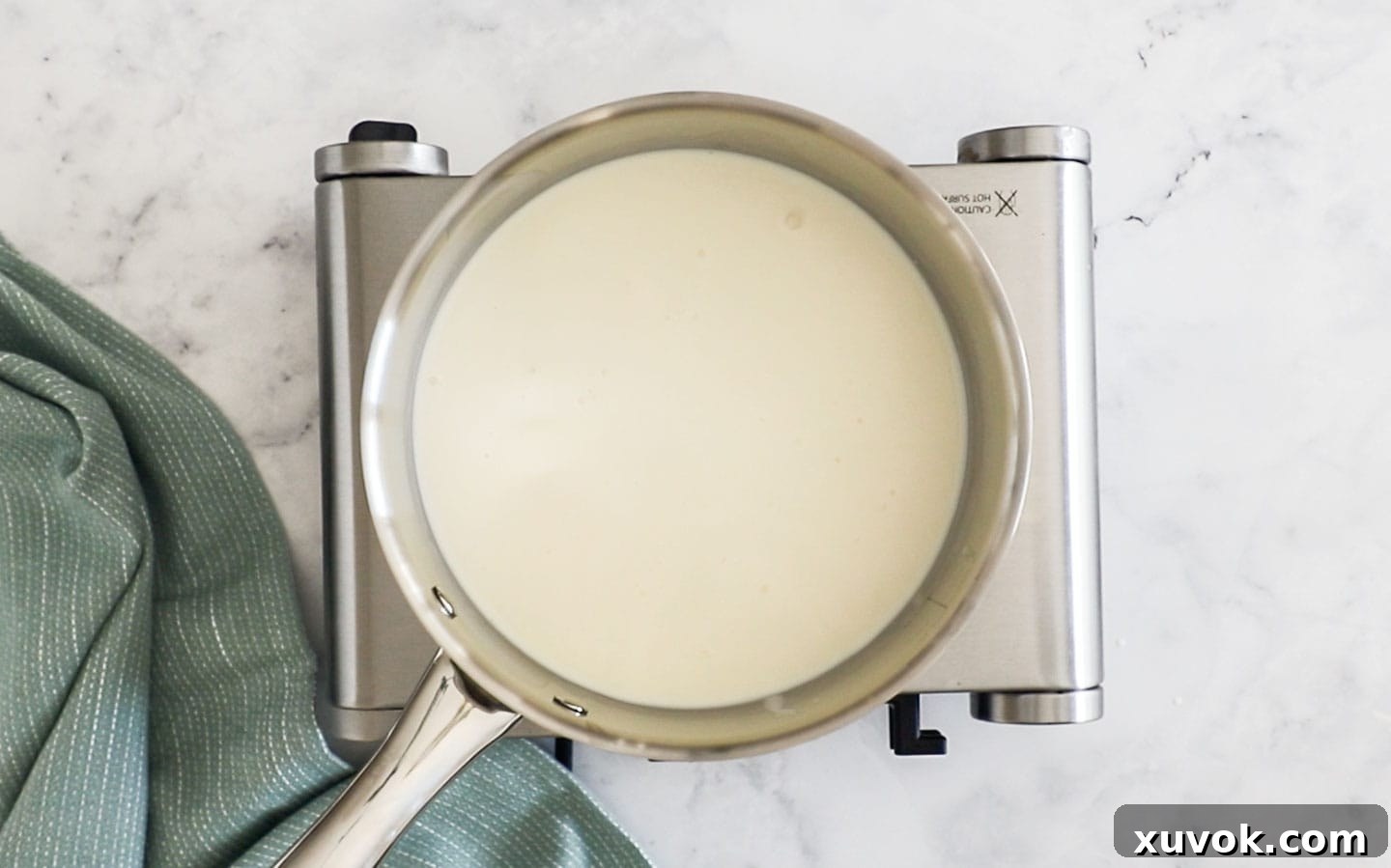
In a heavy-based saucepan, combine the whole milk and heavy cream. Heat this mixture over a low-medium flame, stirring occasionally to prevent scorching, until you just begin to see small bubbles forming around the edges of the pan. The goal is to scald the milk, not boil it vigorously. This gentle heating primes the dairy for the crème anglaise and helps infuse flavors.
2. Whisk Egg Yolks and Sugar
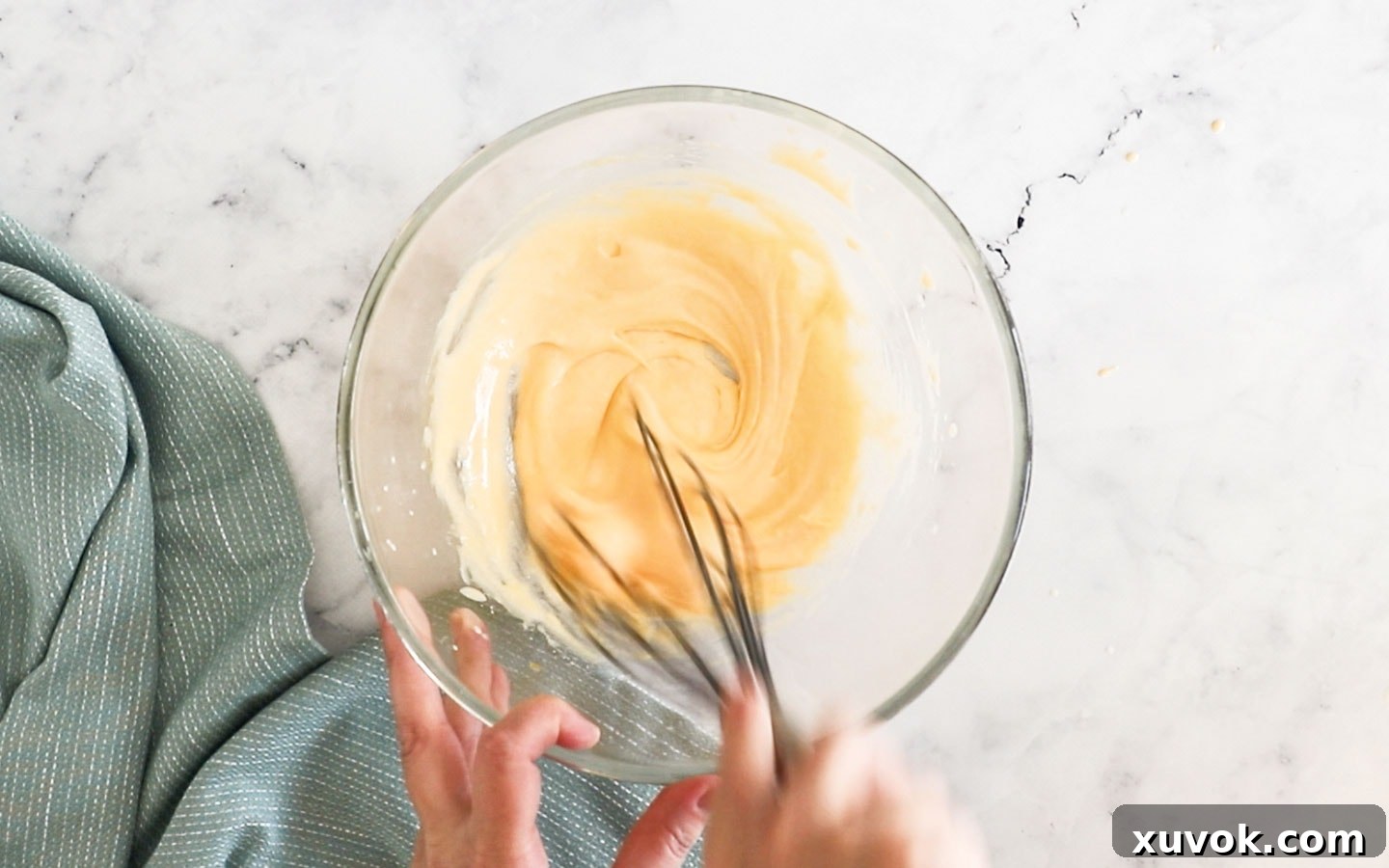
While the milk and cream are heating, prepare your egg mixture. In a separate medium-sized bowl, whisk together the large egg yolks and granulated sugar. Continue whisking vigorously until the mixture becomes smooth, pale yellow, and noticeably lightened in texture. This process helps to dissolve the sugar and creates a stable base for the custard.
3. Carefully Temper the Eggs
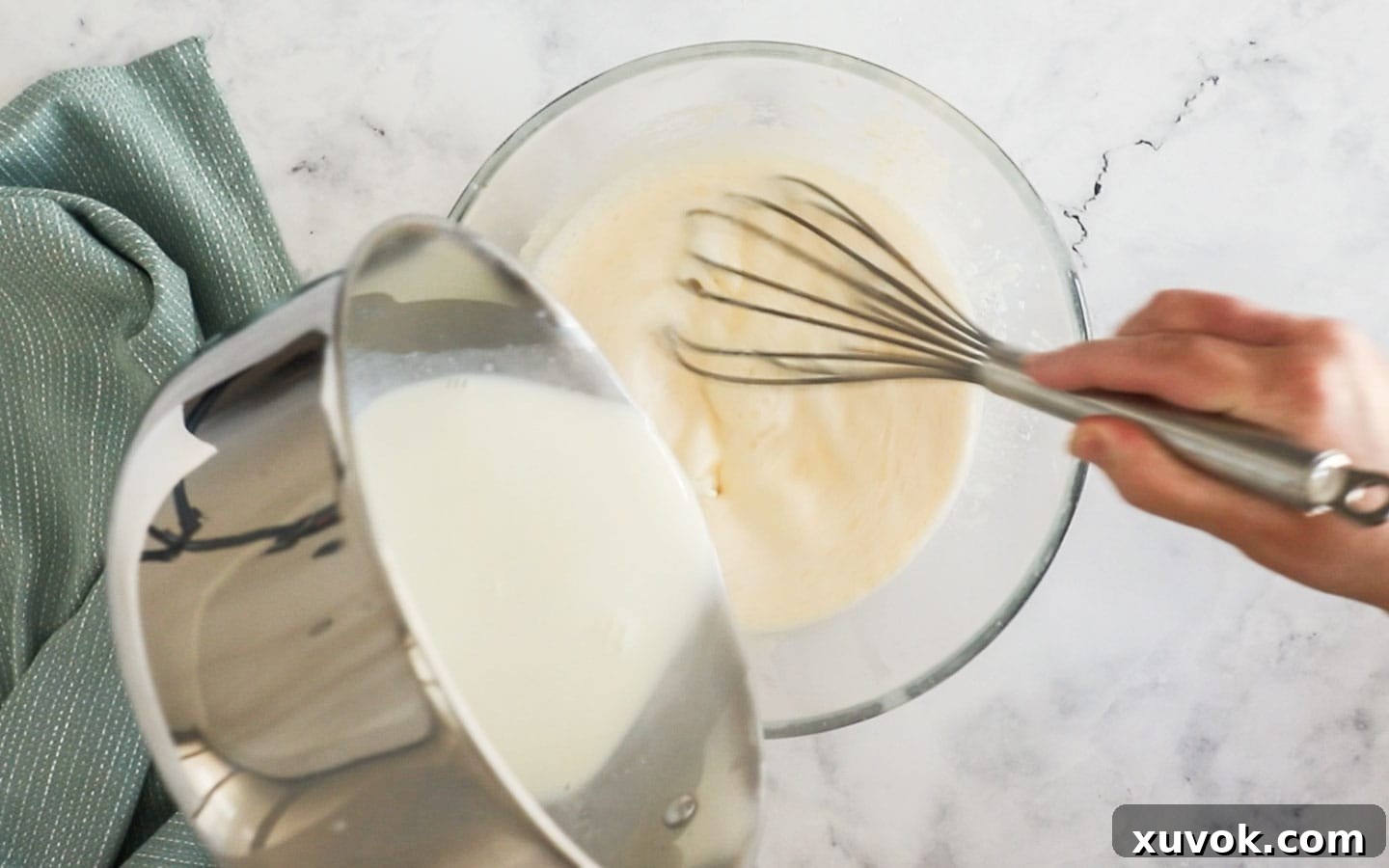
Tempering is a crucial step that gradually raises the temperature of the egg yolks, preventing them from scrambling when mixed with the hot milk. To do this, slowly drizzle a thin stream of the scalding hot milk mixture into the egg and sugar mixture while continuously whisking the eggs. Pouring slowly and whisking constantly ensures the eggs are gently warmed and combined without cooking them prematurely. Once about half of the hot milk is incorporated, you can add the remaining milk a bit faster, still whisking.
4. Thicken the Custard to Nappe Consistency
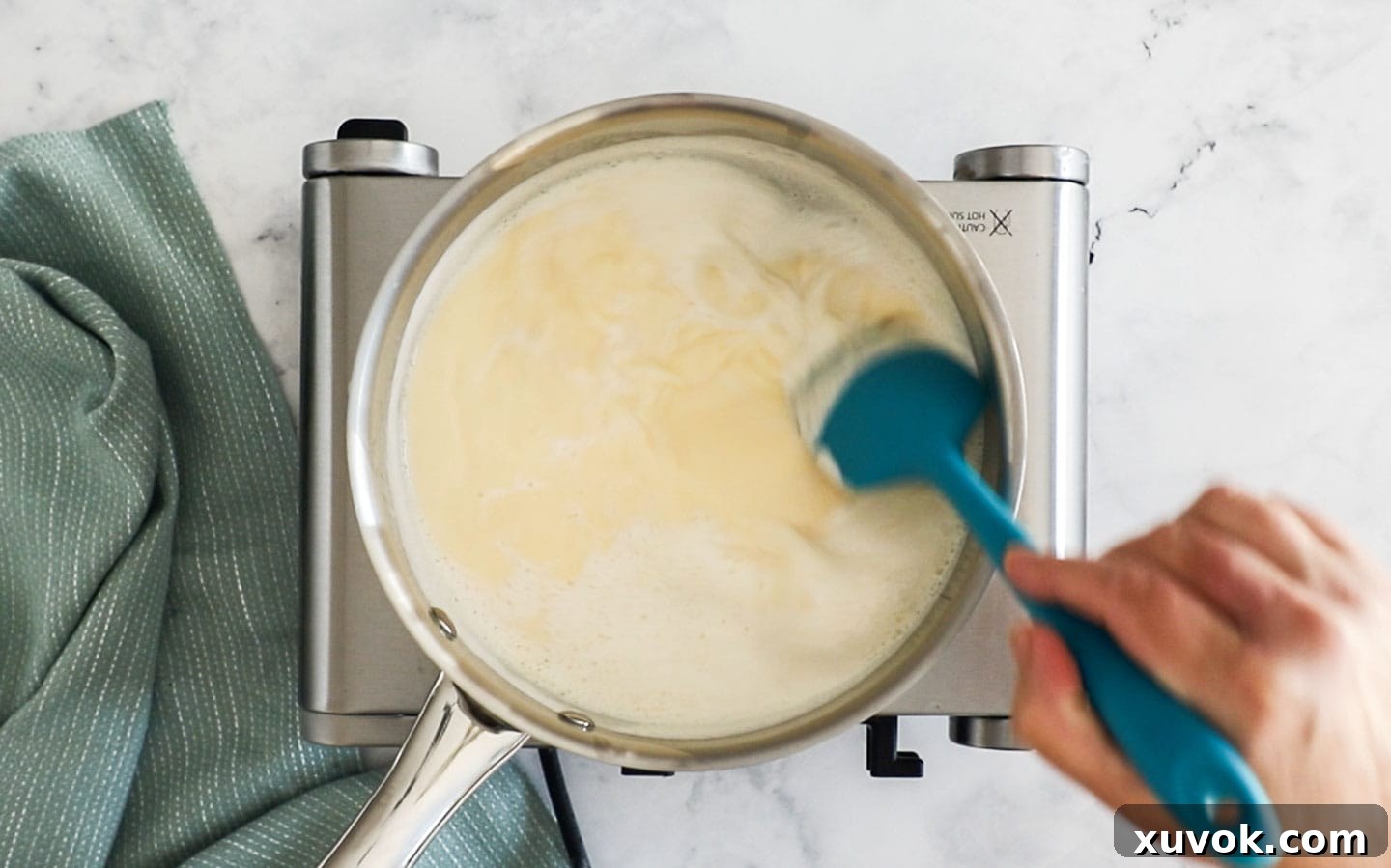
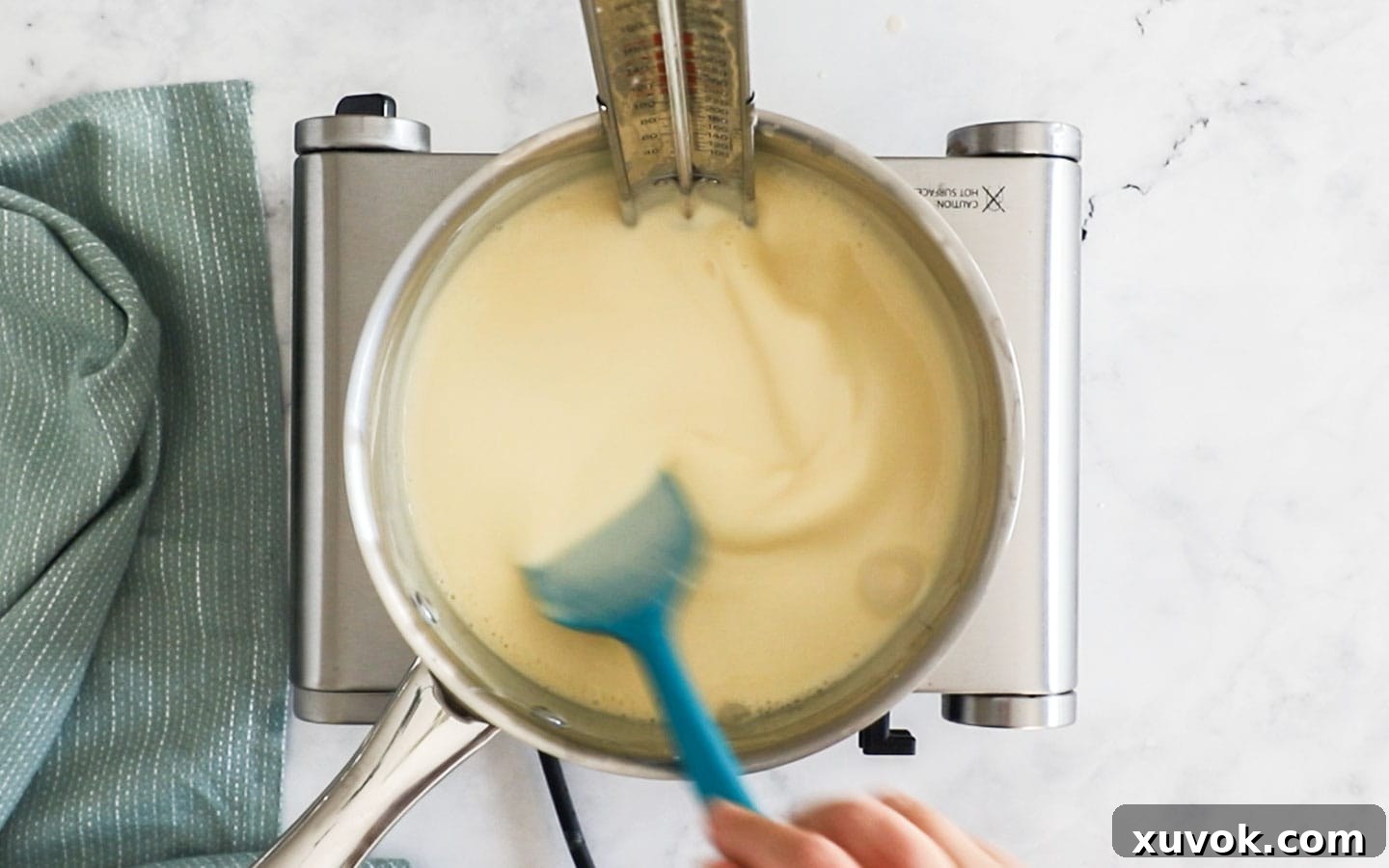
Return the tempered egg-milk mixture to the saucepan. Continue to heat it over low heat, stirring constantly with a rubber spatula or wooden spoon, for approximately 10-15 minutes. This slow and steady cooking is essential to thicken the custard without scrambling the eggs. A candy thermometer is incredibly helpful here: aim for a temperature of about 82°C (180°F). Do not allow the custard to exceed this temperature, or you risk overcooking the eggs. The custard should thicken enough to coat the back of a spoon, and when you run your finger across the spoon, a clear line should remain without the custard running back into it (known as “nappe” consistency).
5. Combine Custard and Finely Chopped Chocolate
Once the custard reaches the desired thickness, remove it from the heat and stir in the vanilla extract (if using). Immediately pour the hot crème anglaise over your finely chopped chocolate, which should be waiting in a heatproof bowl. Let the mixture sit undisturbed for one to two minutes. This crucial resting period allows the residual heat from the custard to melt and soften the chocolate, setting the stage for a smooth emulsion.
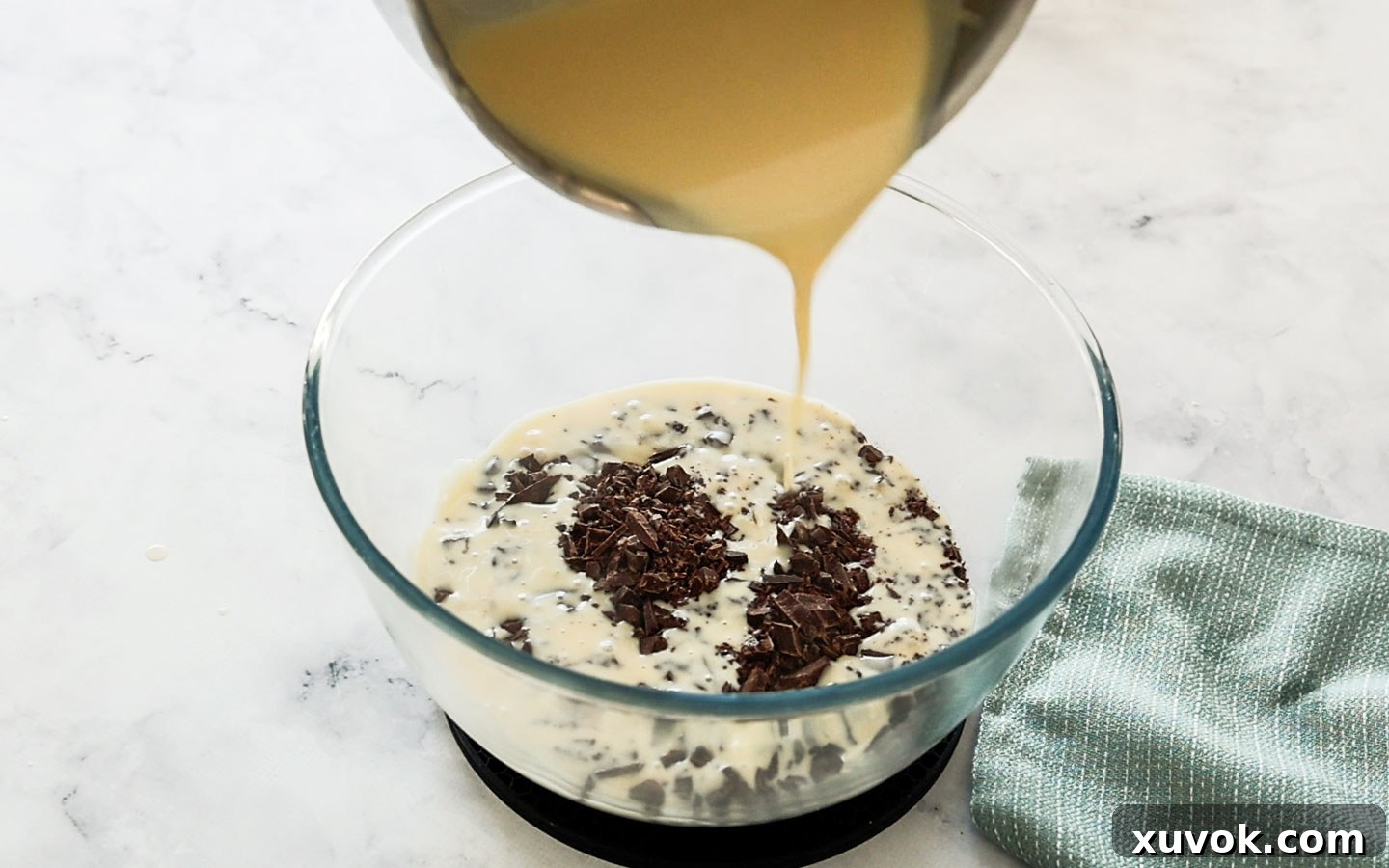
6. Gently Stir to Create a Silky Emulsion
After allowing the chocolate to soften, gently begin stirring the mixture from the center outwards, gradually incorporating the melted chocolate into the crème anglaise. Continue stirring until the chocolate is fully melted and thoroughly combined with the custard, forming a glossy, homogeneous, and perfectly smooth emulsion. Avoid aggressive whisking, which can introduce unwanted air bubbles.
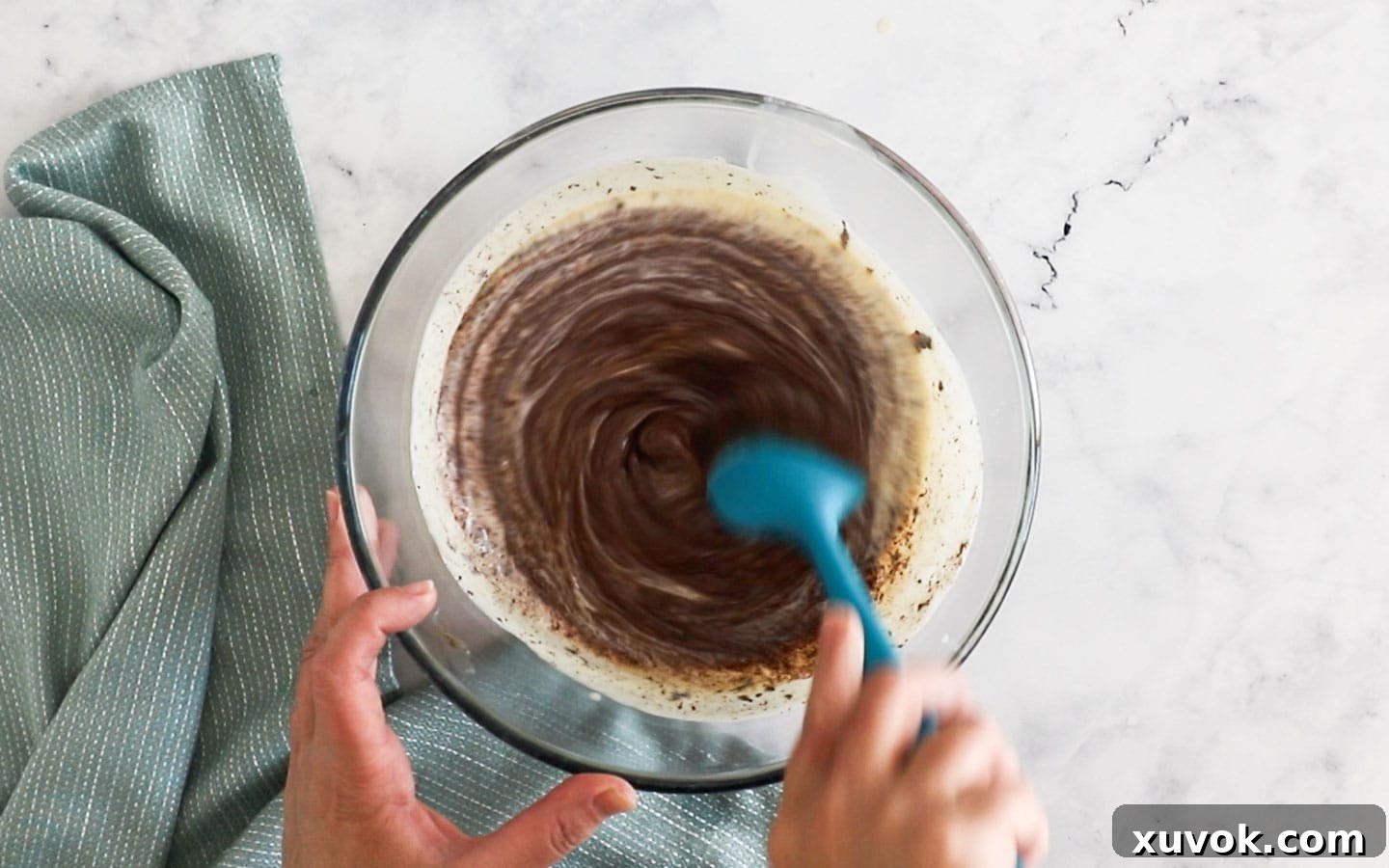
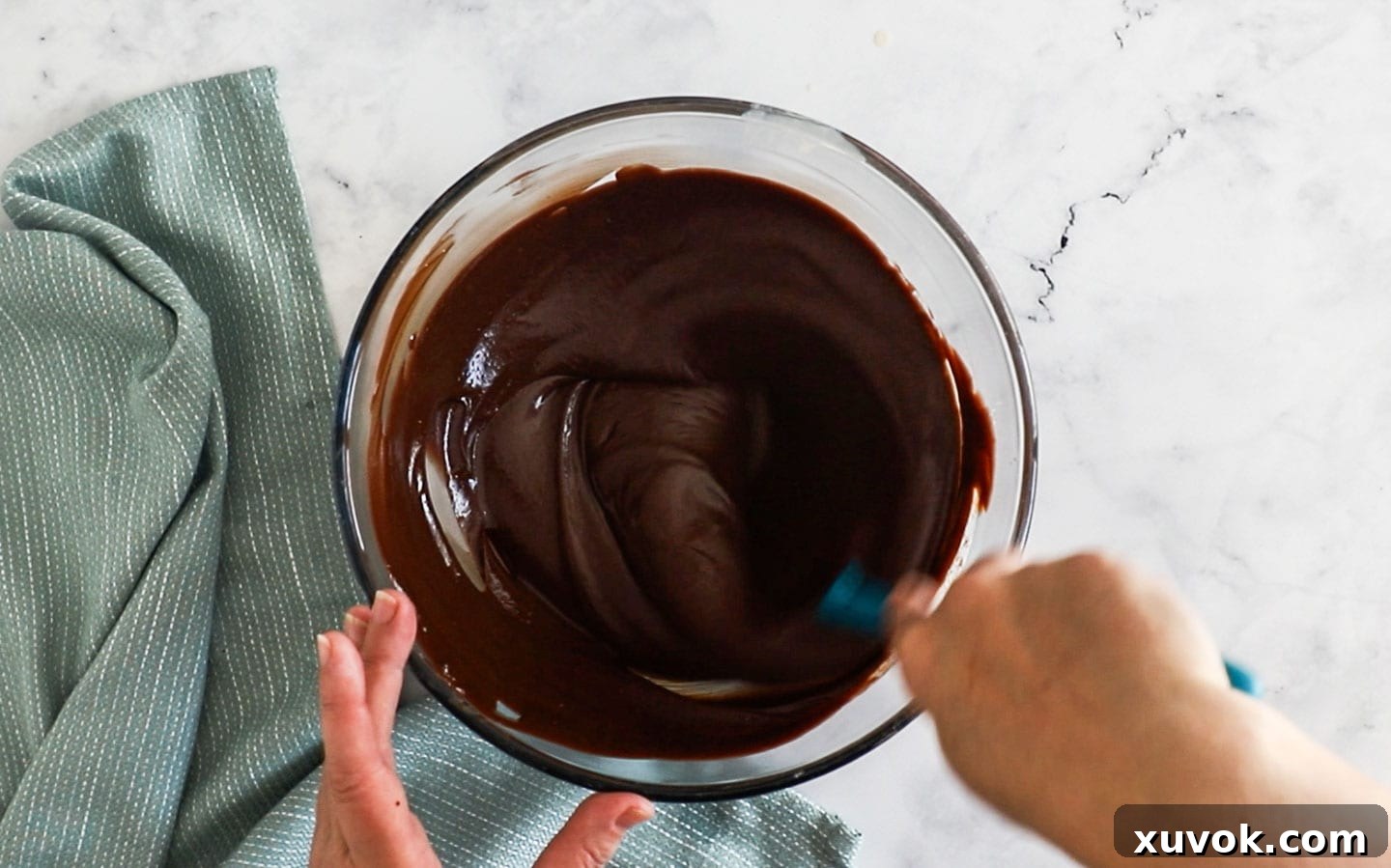
7. Optional Enhancement: Utilize an Immersion Blender
For an exceptionally smooth and perfectly emulsified crèmeux, or if you notice any small, stubborn unmelted chocolate bits, an immersion blender (also known as a stick mixer) is your secret weapon. Place the blender head deep into the mixture, ensuring it stays below the surface at all times, and pulse a few times. This action helps to fully incorporate any unmelted chocolate and creates an even finer, silkier texture. Crucially, avoid lifting the blender up and down, as this will incorporate air and create unwanted bubbles, compromising the dense, smooth quality of the crèmeux.
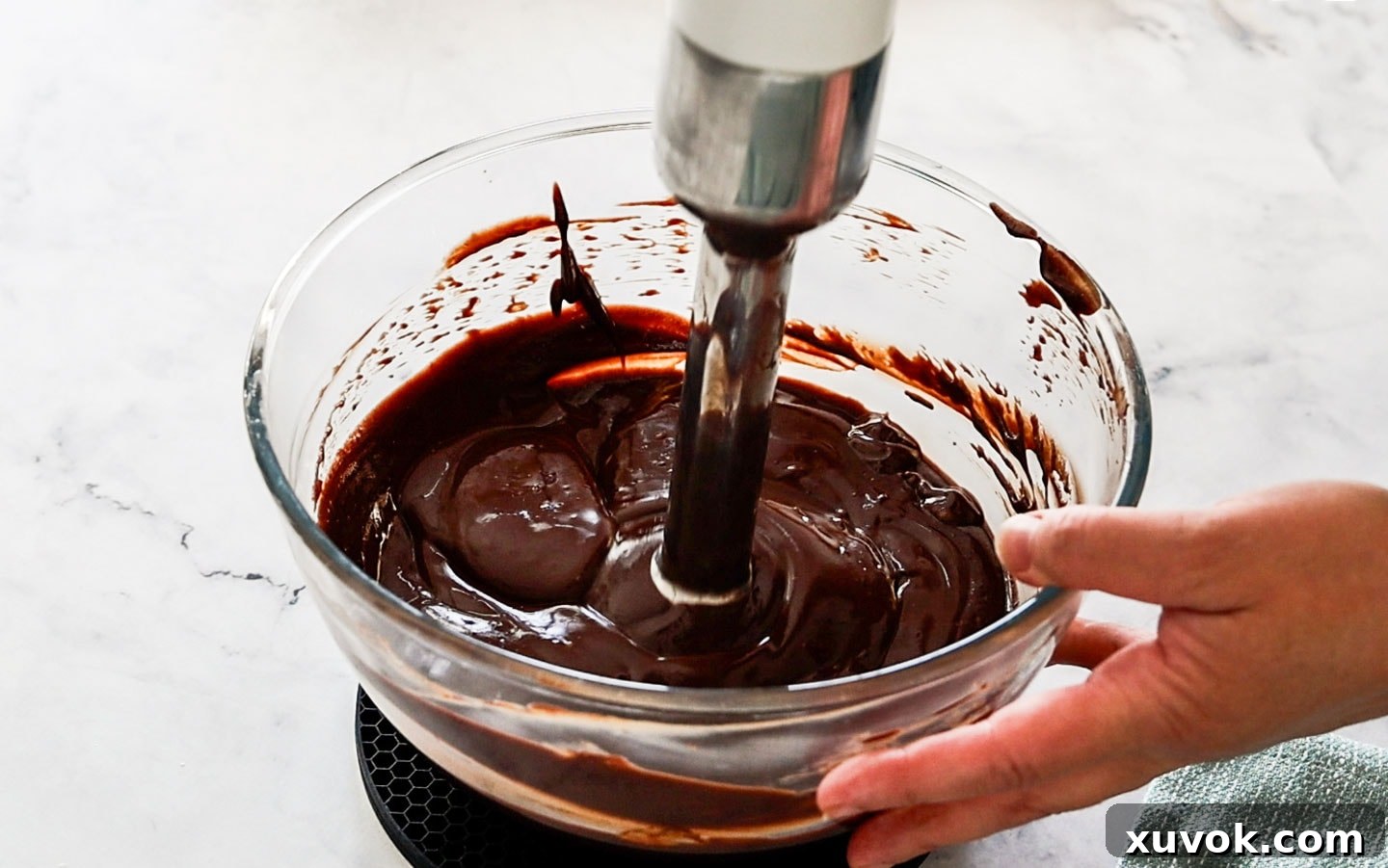
8. Chill to Achieve Optimal Set and Texture
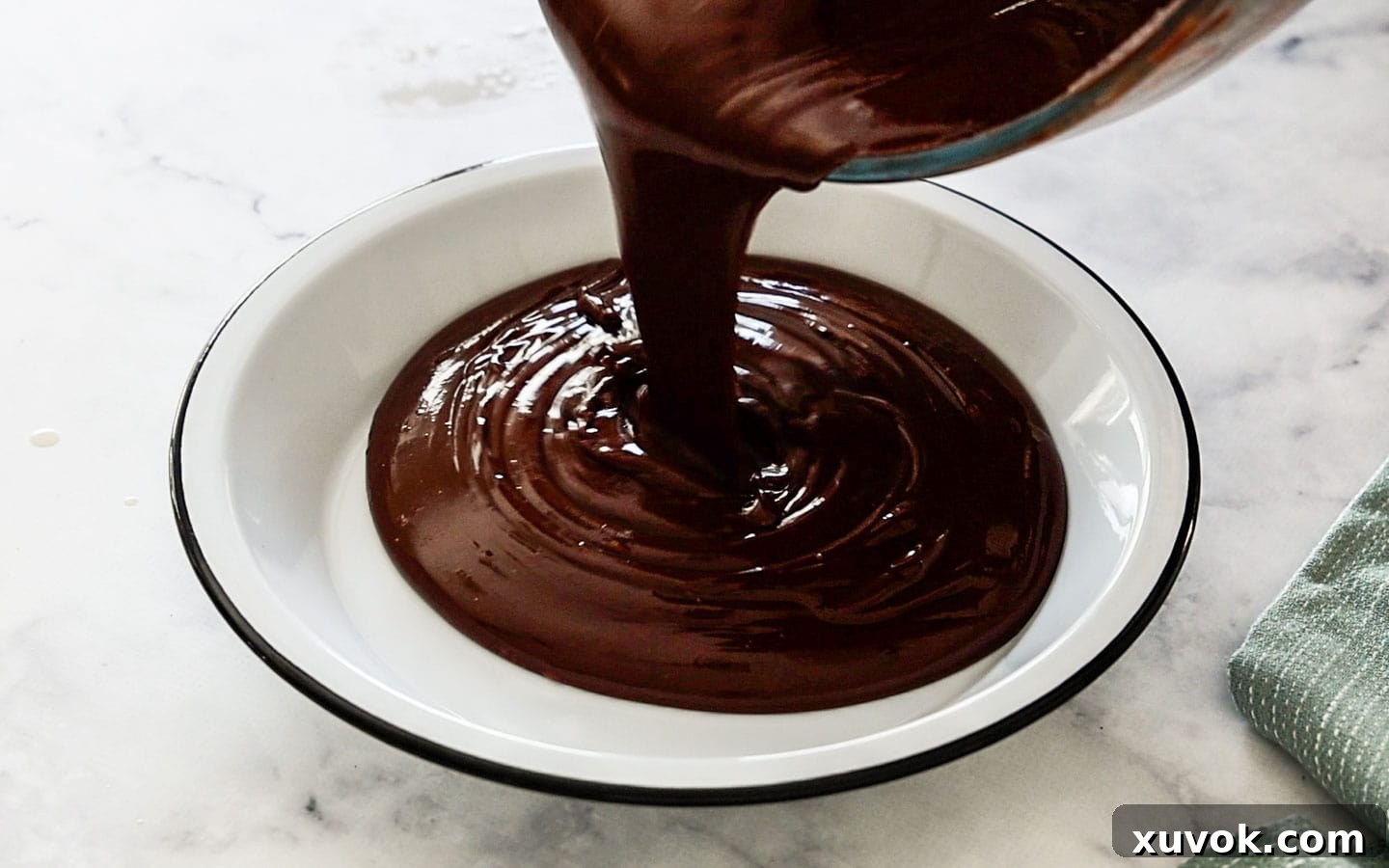
Pour the warm chocolate crèmeux into a flat, deep dish or leave it in the mixing bowl. The next critical step is to cover the surface of the crèmeux directly with plastic wrap, pressing it down firmly to eliminate any air pockets. This prevents a skin from forming and maintains its smooth texture. Transfer the dish to the refrigerator and chill for a minimum of 4-6 hours, or ideally, overnight. While tempting, resist the urge to taste too soon, as the magic truly happens during this chilling period when the crèmeux fully sets and develops its characteristic dense, yet yielding, consistency. It can be stored in the fridge for 2-3 days, making it an ideal make-ahead dessert.
Expert Tips for Crafting Flawless Chocolate Cremeux
Achieving crèmeux perfection is within reach with these helpful tips and tricks. They’ll guide you through potential pitfalls and ensure a consistently outstanding result every time:
- Embrace Your Thermometer: A digital kitchen thermometer or a candy thermometer is an invaluable tool for this recipe. It ensures you heat the crème anglaise to the precise temperature (around 82°C/180°F) required for thickening the eggs without scrambling them, guaranteeing a smooth and properly set crèmeux.
- Temper Eggs with Care: When incorporating the hot milk and cream mixture into the egg yolks, proceed slowly. Drizzle the hot liquid in a thin, steady stream while whisking the egg mixture continuously. This gradual addition allows the temperature of the delicate egg yolks to rise slowly and evenly, preventing them from cooking and becoming lumpy.
- Stabilize Your Bowl: To make the tempering process much easier and safer, place the mixing bowl containing your egg yolks on a damp tea towel. This creates friction, preventing the bowl from sliding around on your counter while you simultaneously whisk and pour the hot milk mixture.
- Patience is a Virtue for Custard: When thickening the crème anglaise, maintain a low and consistent heat. Rushing this step by increasing the temperature too quickly is the most common cause of scrambled eggs in custard. Slow cooking with constant stirring ensures a smooth, even thickening.
- The Immersion Blender Advantage: Even if your crèmeux appears smooth after stirring, a quick few pulses with an immersion blender can make a significant difference. It helps to further emulsify the mixture, creating an even silkier, creamier texture and eliminating any microscopic lumps that might be present. Remember to keep the blender head submerged to avoid incorporating air.
- Preventing a Skin: Always press plastic wrap directly onto the surface of the warm crèmeux before chilling. This barrier prevents the top layer from drying out and forming an undesirable skin, ensuring a uniformly smooth texture throughout.
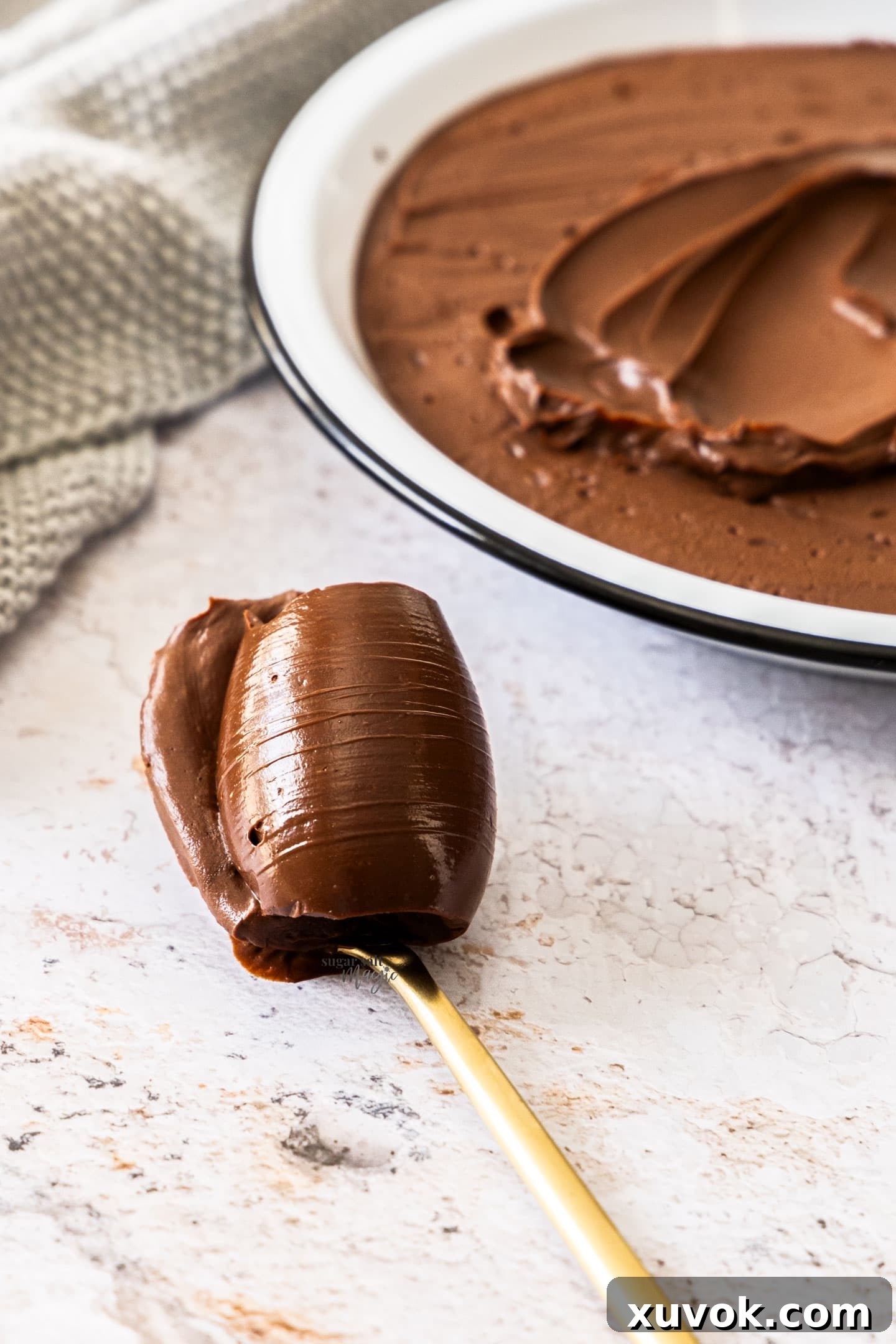
- Allow Ample Setting Time: While the tempting aroma of chocolate crèmeux might call to you immediately after mixing, resist! The true magic and ideal texture emerge after sufficient chilling. A properly set crèmeux transforms into a stable, almost soft ganache-like consistency that can be elegantly scooped, quenelled, or piped. It requires a minimum of 6 hours in the refrigerator for a firm set. For quicker setting, a brief stint in the freezer can help, but don’t freeze it solid for long-term storage as it can affect the texture upon thawing.
Creative Ways to Serve Your Decadent Chocolate Cremeux
Chocolate crèmeux is a truly versatile dessert component, offering a myriad of presentation possibilities beyond simply enjoying it with a spoon straight from the bowl (which is, of course, perfectly acceptable!). Its rich flavor and smooth texture make it adaptable to both elegant and casual serving styles.
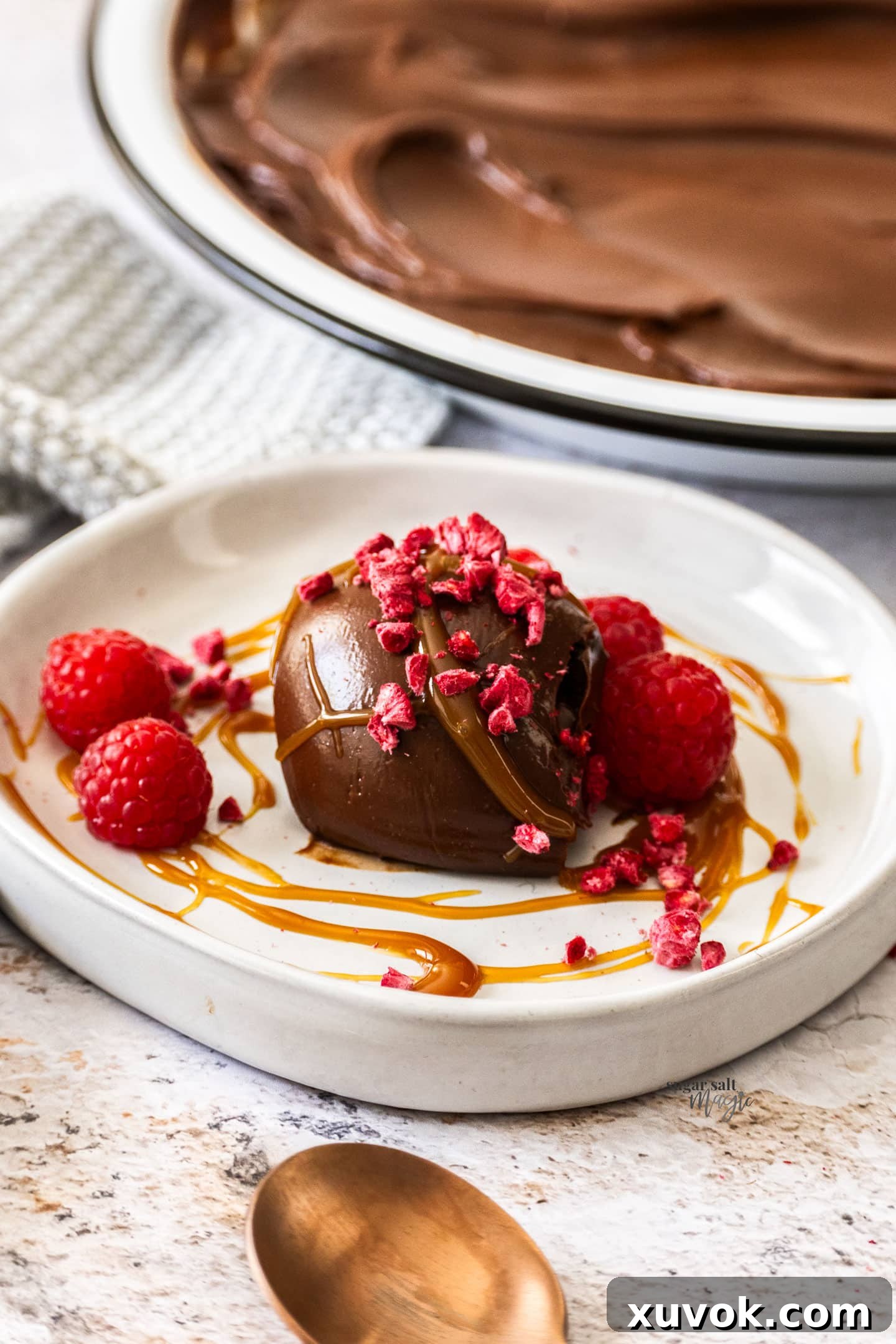
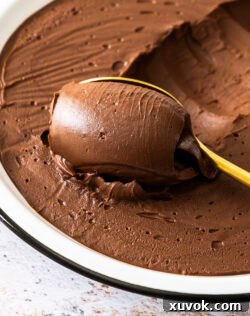
Elegant Quenelles or Simple Scoops: Once chilled and set, crèmeux is firm enough to be shaped into beautiful quenelles using two spoons, or simply scooped into appealing mounds. Serve these as an individual dessert, perhaps garnished with fresh berries (raspberries and strawberries are a classic pairing), toasted nuts, crunchy cookie pieces, or a delicate praline. A drizzle of contrasting sauce, like caramel or a berry coulis, adds another layer of flavor and visual appeal, creating an effortlessly elegant plated dessert, as shown in the image above.
Tarts and Layered Cakes: Chocolate crèmeux makes an exceptional filling. You can spread it smoothly into a pre-baked tart shell and chill until firm for a rich and satisfying tart. Alternatively, once set, it can be spread or piped between cake layers, offering a dense, moist, and intensely chocolatey contrast to lighter cake sponges. Try incorporating it into a classic chocolate raspberry tart for a delightful flavor combination.
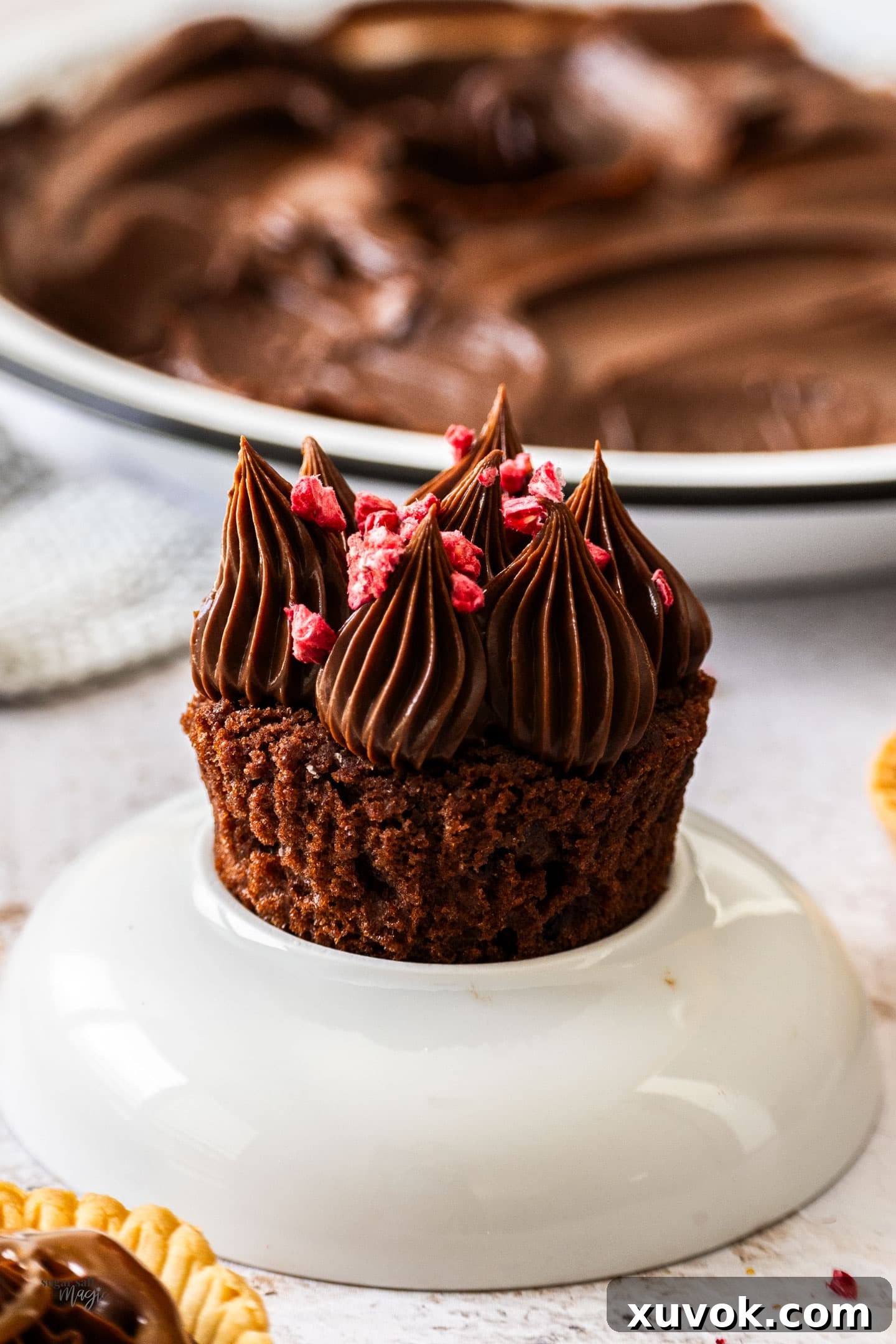
Gourmet Cookie Toppings: Elevate simple cookies or delicate French sables by piping a swirl of chilled chocolate crèmeux on top. This transforms them into sophisticated mini-desserts, perfect for entertaining or a luxurious afternoon treat.
Transform into a Light Mousse: For a lighter, airier dessert, you can gently fold some freshly whipped cream into the set chocolate crèmeux. This creates a luxurious chocolate mousse-like dessert that retains the deep chocolate flavor but with a lighter, fluffier texture.
Exquisite Pastry and Doughnut Fillings: Crèmeux is an ideal candidate for filling a variety of pastries after they’ve been baked. Think classic French éclairs, delicate choux buns, creative chouxnuts, or even elegant Danish pastries. Its stability and rich flavor also make it a fantastic and indulgent filling for homemade doughnuts.
Exciting Variations to Customize Your Chocolate Cremeux
The beauty of this chocolate crèmeux recipe lies in its adaptability. While dark chocolate is a classic choice, you can easily explore other delightful variations to suit your preference or specific dessert needs. Understanding how the chocolate type impacts the final texture is key to successful customization.
Exploring Different Chocolate Types:
You can readily adapt this recipe to make a milk chocolate crèmeux, a luxurious white chocolate crèmeux, or even an indulgent caramelized white chocolate crèmeux. However, it’s crucial to remember that the stability of your crèmeux is directly related to the percentage of cocoa solids or cocoa butter in the chocolate. Dark chocolate, with its higher cocoa content, naturally provides a firmer set.
When using sweeter chocolates like milk or white chocolate, which have lower cocoa solids, the exact same ratios as this dark chocolate recipe will result in a much softer crèmeux. To counteract this, you’ll need to increase the chocolate quantity by about 1.5 times. For white or caramelized white chocolate crèmeux, which are significantly softer, you may also need to incorporate a small amount of gelatin to achieve a pipeable or stable consistency, particularly if you plan to use it as a filling or for intricate decorations.
The Importance of Chocolate Quality:
While couverture chocolate will consistently deliver the absolute best flavor and a wonderfully smooth, stable texture due to its higher cocoa butter content, you can still achieve excellent results with most good quality baking chocolates. For instance, the luscious crèmeux featured in these photos was made using a combination of 40% and 70% Plaistowe baking chocolate, aiming for an overall cocoa solid percentage of approximately 60%. The result was perfectly stable, incredibly smooth, and utterly delicious, proving that premium results are accessible without always needing specialized couverture brands.
Infusing with Additional Flavors:
Don’t hesitate to experiment with flavorings to personalize your crèmeux. These can be added along with the vanilla extract or stirred in after the chocolate has melted:
- Spices: A pinch of cinnamon, a hint of cardamom, or a touch of cayenne pepper (for a Mexican hot chocolate vibe) can add an exciting aromatic dimension.
- Extracts: Beyond vanilla, try a few drops of orange extract (classic chocolate-orange pairing), peppermint extract (for a refreshing mint chocolate crèmeux), or even almond extract for a subtle nutty note.
- Liqueurs: A tablespoon or two of a complementary liqueur can add sophistication. Consider Grand Marnier (orange), Kahlúa (coffee), rum, or even a raspberry liqueur for a fruity twist.
- Coffee: A teaspoon of instant coffee powder or espresso powder, dissolved in the warm milk mixture, is a fantastic way to intensify and deepen the chocolate flavor, even if you don’t want a distinct coffee taste.
- Nut Pastes: For a truly gourmet touch, stir in a spoonful of high-quality hazelnut or almond paste after the chocolate has melted to create a praline-like crèmeux.
Chocolate Cremeux Troubleshooting: Common Issues and Solutions
While making chocolate crèmeux is generally straightforward, certain steps demand precision. If things don’t go perfectly, don’t fret! Here are common issues you might encounter and how to resolve them, ensuring your crèmeux is nothing short of exceptional.
Why is my cremeux grainy or lumpy?
A grainy or lumpy texture in your crèmeux usually points to one of two common culprits:
- Overcooked Egg: This occurs if the crème anglaise was cooked for too long, over too high a heat, or wasn’t stirred constantly. Bits of egg may have scrambled, creating a grainy texture. If the lumps are minimal, immediately straining the warm custard through a fine-mesh sieve before adding the chocolate (or even after, if necessary) can help. For small, persistent lumps, an immersion blender is excellent for smoothing out the mixture and ensuring everything is properly emulsified.
- Unmelted Chocolate: If your chocolate wasn’t finely chopped, or if the crème anglaise cooled down too much before being poured over it, the chocolate might not fully melt. For small, unmelted chocolate bits, an immersion blender can often do the trick. For larger, more significant lumps, gently reheat the mixture in a bain-marie (a bowl set over a saucepan of simmering water, ensuring the bowl doesn’t touch the water) while stirring constantly until the chocolate is fully melted and smooth.
Why didn’t my cremeux set properly?
A crèmeux that doesn’t set to the desired firm, yet yielding, consistency can be attributed to several factors:
- Undercooked Custard: The crème anglaise must reach the proper “nappe” consistency (around 82°C/180°F) to activate the thickening power of the egg yolks. If it was removed from the heat too soon, it won’t be thick enough to provide the necessary structure for the crèmeux to set.
- Insufficient Chilling Time: Patience is key! Crèmeux requires a minimum of 4-6 hours, and ideally overnight, in the refrigerator to fully set and achieve its stable texture. Rushing this step will result in a runny or overly soft crèmeux.
- Low Cocoa Solids in Chocolate: As discussed in the variations section, chocolate with a lower percentage of cocoa solids (e.g., milk or white chocolate without adjustments) will naturally yield a softer crèmeux. If you suspect this is the cause, consider adding a small amount of gelatin next time for extra stability.
My chocolate didn’t melt completely.
This is a common issue with a straightforward solution:
- Chocolate Pieces Too Large: Ensure your chocolate is finely chopped into small, even pieces. This increases the surface area, allowing the hot custard to melt it quickly and completely. A little extra effort with chopping at the beginning will make the blending process much smoother, literally!
- Custard Cooled Too Much: The crème anglaise needs to be piping hot when poured over the chocolate. If it cools down significantly before you add it, it won’t have enough residual heat to melt all the chocolate. Make sure to pour the custard immediately after removing it from the stove. Also, remember to let the hot custard sit over the chopped chocolate for a vital minute or two, allowing the chocolate to soften before you begin stirring. This pre-softening step greatly aids in achieving a perfectly smooth emulsion.
More Decadent Recipes You’ll Adore
- Chantilly cream
- Chocolate pastry cream
- Creme anglaise
- Chocolate fudge frosting
- Chocolate creme brulee
- Chocolate raspberry tart
⭐⭐⭐⭐⭐
Did you try this chocolate cremeux recipe? Show it some love in the comments below.
Hungry for more? Subscribe to the newsletter for free recipes straight to your inbox. Also, follow along on Facebook, Pinterest and Instagram.
Chocolate Cremeux
Rate
Pin
Ingredients
- ¾ cup full-fat milk (180ml)
- ¾ cup heavy cream (180ml)
- 4 egg yolks from large eggs, room temperature
- ⅓ cup white granulated sugar (65g/2.3oz)
- 1 ½ teaspoons vanilla extract, optional
- 200 g dark chocolate (50-60% cocoa solids), finely chopped (notes)
For best results, always weigh ingredients where a weight is provided
Equipment
-
medium heavy based saucepan
-
mixing bowls
-
Balloon whisk and rubber spatula
Instructions
-
Pour the milk and cream into a heavy based medium saucepan over low-medium heat. Heat, stirring from time to time, until bubbles just start appearing around the edges, indicating it’s scalding hot but not boiling.
-
Meanwhile, in a medium bowl, whisk together the egg yolks and sugar with a balloon whisk until the mixture is smooth, pale, and lightened in color and texture.
-
To temper the eggs, slowly drizzle the scalding hot milk mixture into the egg yolks while constantly whisking. Placing the bowl on a damp tea towel can help keep it stable. Once fully combined, return the entire mixture to the saucepan and heat for another 10-15 minutes over low heat, stirring constantly with a spatula. This gentle cooking thickens the custard. It should coat the back of a spoon and hold a clean line when you draw your finger through it, or reach approximately 82°C (180°F) on a candy thermometer. Do not let it boil.
-
Remove the thickened crème anglaise from the heat and stir in the vanilla extract, if using.
-
Immediately pour the hot custard over the finely chopped chocolate in a clean bowl. Allow it to sit undisturbed for about a minute to let the chocolate soften from the residual heat, then gently stir until the chocolate is completely melted and the mixture is smooth and emulsified.
-
Optionally, for an even silkier texture and to ensure no small lumps remain, use an immersion blender. Keep the blender head fully submerged below the surface and pulse a few times. Avoid lifting it out of the mixture, as this will incorporate air bubbles, which are undesirable in crèmeux.
-
Pour the chocolate crèmeux into a wide, shallow dish (or leave it in the bowl). Cover the surface directly with plastic wrap, pressing it firmly onto the crèmeux to prevent a skin from forming. Chill in the refrigerator for at least 6 hours, or preferably overnight, to allow it to fully set. It can be stored for up to 3 days.
-
Please take a moment to leave a comment & rating. It’s appreciated and so helpful.
Notes
- Chocolate Selection: For the ultimate texture, stability, and depth of flavor, prioritize couverture chocolate if available. However, high-quality baking chocolate will still yield excellent results. Avoid using standard eating chocolate bars, as their lower cocoa content typically results in a less stable crèmeux.
- Nutrition details are approximate only – scroll below the recipe to find the full nutritional information, which can vary based on the specific brands of ingredients used.
MORE FROSTINGS AND SWEET SPREADS!
Calories from Fat 783
Frequently Asked Questions About Chocolate Cremeux
It is generally not recommended to freeze chocolate crèmeux for extended periods. While it won’t spoil, the delicate emulsion can break upon thawing, leading to a grainy or separated texture that compromises its signature silkiness. For best results, always consume within 2-3 days of refrigeration.
The primary distinction between crèmeux and mousse lies in their texture and the method of achieving it. Mousse is characterized by its light, airy, and fluffy consistency, which is achieved by incorporating air, typically through whipped egg whites or whipped cream. Crèmeux, on the other hand, is intentionally dense, rich, and intensely smooth, with no air whipped into it. It aims for a melt-in-your-mouth, velvety texture that is far more substantial than a mousse.
Crème anglaise is actually the foundational component of crèmeux. Crème anglaise is a light, pourable custard made from egg yolks, sugar, milk, and cream. Crèmeux is then created by taking this rich crème anglaise and combining it with a thickening agent, most commonly high-quality chocolate, along with other fats or sometimes gelatin, which allows it to set into a much thicker, yet still incredibly smooth and decadent, pudding-like consistency. So, you could say crèmeux is a more structured and intensified form of crème anglaise.
When properly stored in an airtight container with plastic wrap pressed directly onto its surface, chocolate crèmeux can last for up to 3 days in the refrigerator. After this, its quality may begin to decline, though it might still be safe to eat for another day or two.
Yes, you can adjust the sugar content to your preference. However, sugar contributes to the texture and stability of the crème anglaise. If reducing the sugar significantly, especially with darker chocolates, you might find the final crèmeux slightly less firm or sweeter. Taste as you go and make minor adjustments, keeping in mind the balance between sweetness and the natural bitterness of dark chocolate.