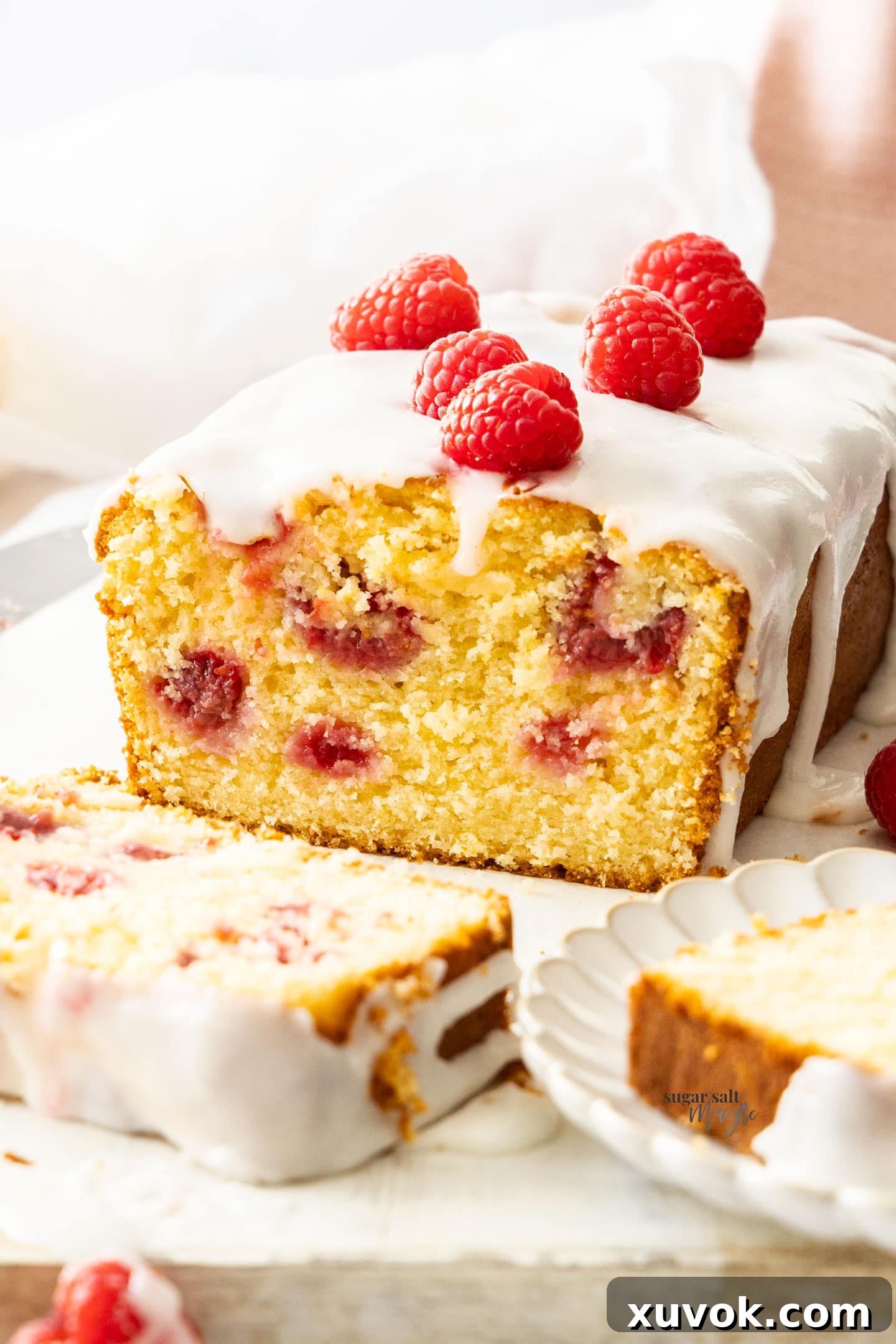
Irresistible Raspberry Lemon Loaf Cake: A Zesty & Moist Delight
Prepare to be enchanted by this truly irresistible Raspberry Lemon Loaf Cake. Boasting vibrant flavors, a delightful zing, and a perfectly sweet, tangy icing, this cake is a celebration of fresh produce and simple baking joy. Its incredibly soft, tender, and moist texture, achieved with the help of Greek yogurt and fresh lemon juice, perfectly complements the bright burst of fresh raspberries, especially when they are at their peak season.
What makes this loaf cake even better? Its astonishing ease of preparation! The recipe comes together much like any standard cake batter, but a clever initial step elevates the lemon flavor to an intense, unforgettable level. By gently massaging lemon zest with sugar, the essential oils are released, infusing the entire cake with a wonderfully fragrant and profound lemon taste that will have everyone asking for more.
If you’re a fan of citrus-infused bakes, you might also enjoy our beautiful Blood Orange Loaf Cake (easily made with regular oranges when blood oranges aren’t in season) or one of our all-time favorites, the delightful Coconut and Raspberry Cake.

Table of Contents
- Key Ingredients for Success
- Step-by-Step Baking Guide
- 1. The Secret to Intense Lemon Flavor
- 2. Perfecting the Creaming Process
- 3. Incorporating Eggs for Structure
- 4. Alternating Wet and Dry Ingredients
- 5. Layering Batter and Raspberries
- 6. Crafting the Irresistible Lemon Icing
- Expert Tips for the Perfect Loaf
- Delightful Serving Ideas
- Frequently Asked Questions
- Yield and Storage Instructions
- More Delicious Recipes You’ll Love
Never Miss a Recipe!
Get the latest, most delectable recipes straight to your inbox by subscribing to our newsletter.
Key Ingredients for Success
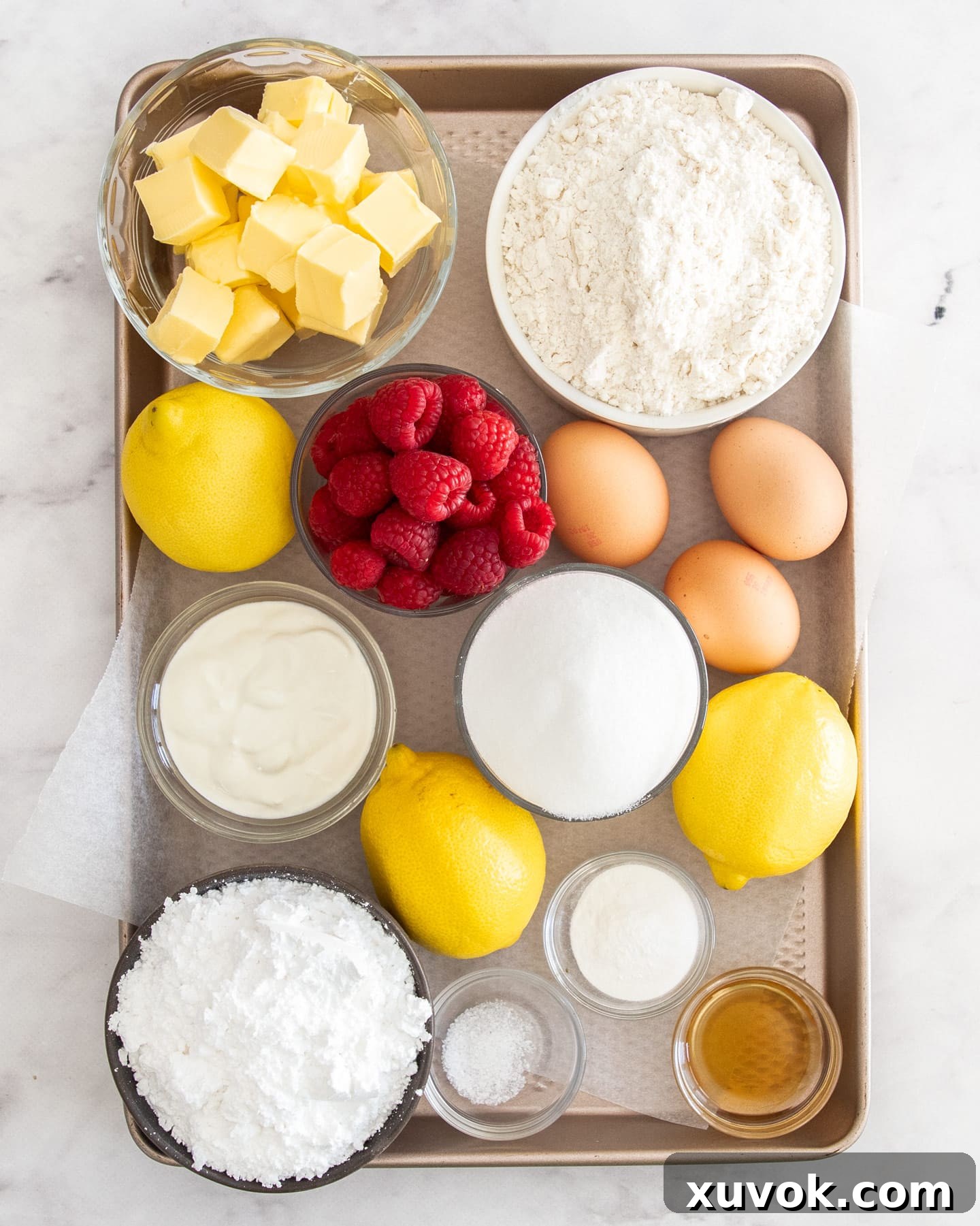
For a complete list of precise measurements and detailed instructions, scroll down to the full recipe card.
- All-Purpose Flour: The foundation of our tender loaf cake. Ensure you use plain or all-purpose flour for the best results in terms of texture and structure. Proper measurement, ideally by weight, is crucial to avoid a dense cake.
- Baking Powder: This leavening agent is essential for giving the cake its beautiful lift and airy crumb. It’s important not to confuse it with baking soda, as they react differently and are not interchangeable in this recipe without adjustment. Always check the expiration date to ensure it’s active.
- Sugar: We use white granulated sugar (caster or superfine sugar also works beautifully) in the cake batter to provide sweetness and moisture. For the luscious icing, powdered sugar (also known as icing sugar or confectioners’ sugar) is used to achieve that smooth, glossy finish.
- Lemons: The star of the show! You’ll need about 2-3 medium-sized, fresh lemons. We harness both the vibrant zest for intense flavor and the refreshing juice for tanginess in the cake and the icing. Choose organic lemons if possible, as you’ll be using the rind.
- Unsalted Butter: Softened unsalted butter is critical for creaming with sugar, which incorporates air and creates a light texture. If you only have salted butter, simply omit any additional salt specified in the recipe. Always ensure your butter is at room temperature for optimal creaming.
- Large Eggs: Eggs contribute to the cake’s structure, richness, and moisture. Using large eggs at room temperature is recommended, as they incorporate more evenly into the batter and help prevent curdling.
- Greek Yogurt: This is a secret weapon for an incredibly tender crumb and a delightful tangy note that complements the lemon and raspberries perfectly. Its thickness adds moisture without making the cake greasy. Plain regular yogurt or sour cream can be used as alternatives if Greek yogurt isn’t available.
- Vanilla Extract: A touch of pure vanilla extract enhances the overall flavor profile, adding warmth and depth. Always opt for pure vanilla extract over imitation vanilla essence for a superior taste.
- Fresh Raspberries: The jewel-like addition to our loaf cake! Fresh raspberries are highly recommended for their bright flavor and delicate texture. If using frozen raspberries, do not thaw them; add them directly to the batter to prevent them from bleeding too much color. This recipe is also wonderfully versatile; feel free to swap raspberries for other berries like blackberries or blueberries.
Using high-quality, fresh ingredients will undoubtedly make a difference in the final taste and texture of your Raspberry Lemon Loaf Cake. Remember, precision in measurement, especially when it comes to flour and leavening agents, is key to baking success.
Step-by-Step Baking Guide
For the complete, printable recipe with precise measurements, please refer to the recipe card below.
1. The Secret to Intense Lemon Flavor
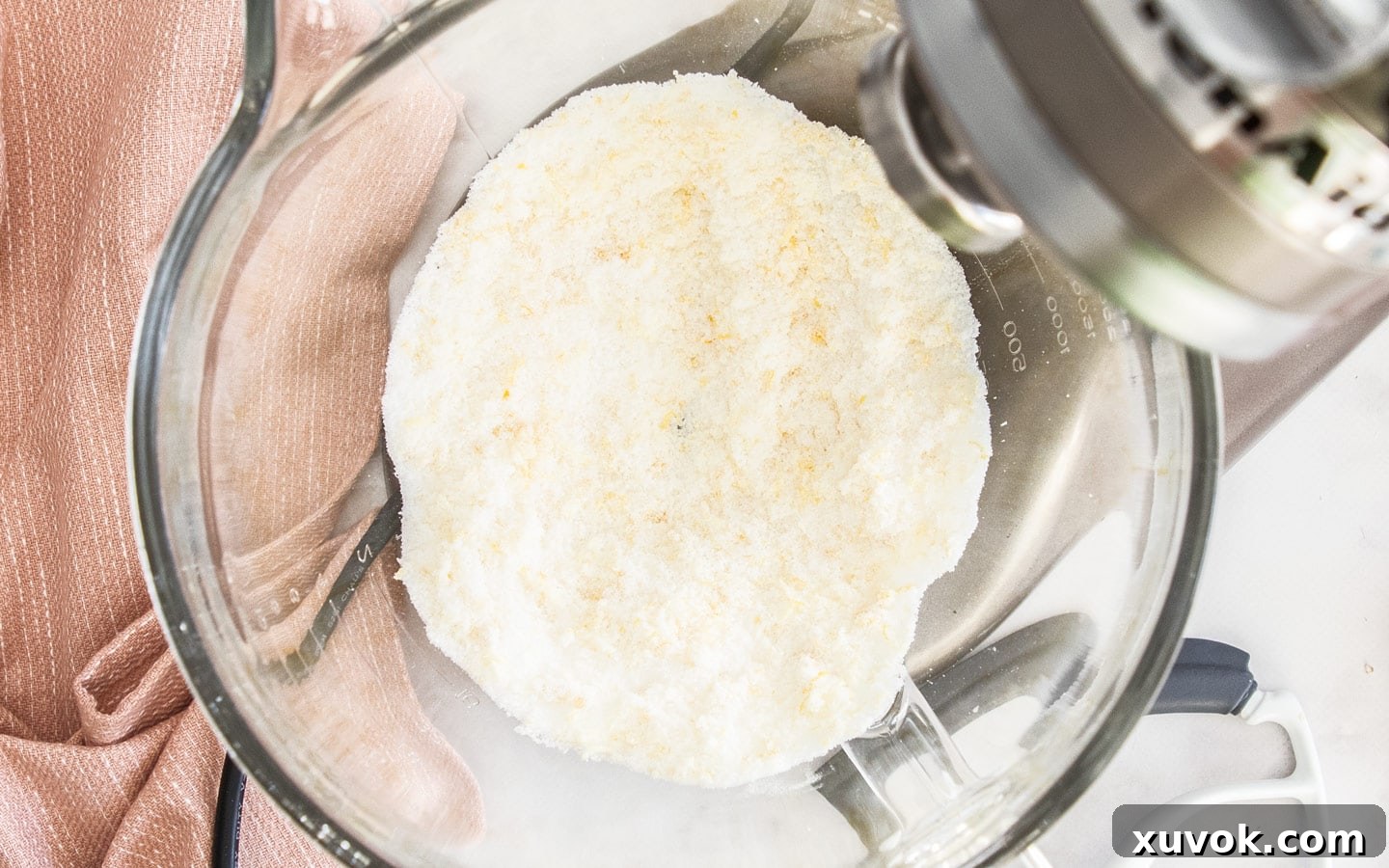
While simply adding lemon zest to your batter would give you some lemony essence, we’re aiming for an intensely vibrant lemon flavor here. The trick lies in a simple yet powerful technique: massaging the lemon zest and granulated sugar together with your fingertips. Take a moment to really work the zest into the sugar until the mixture resembles damp sand. This physical action helps to rupture the tiny oil glands in the lemon rind, releasing their fragrant, potent essential oils directly into the sugar. This step isn’t just about mixing; it’s about infusing, ensuring every bite of your cake bursts with bright, fresh lemon.
2. Perfecting the Creaming Process
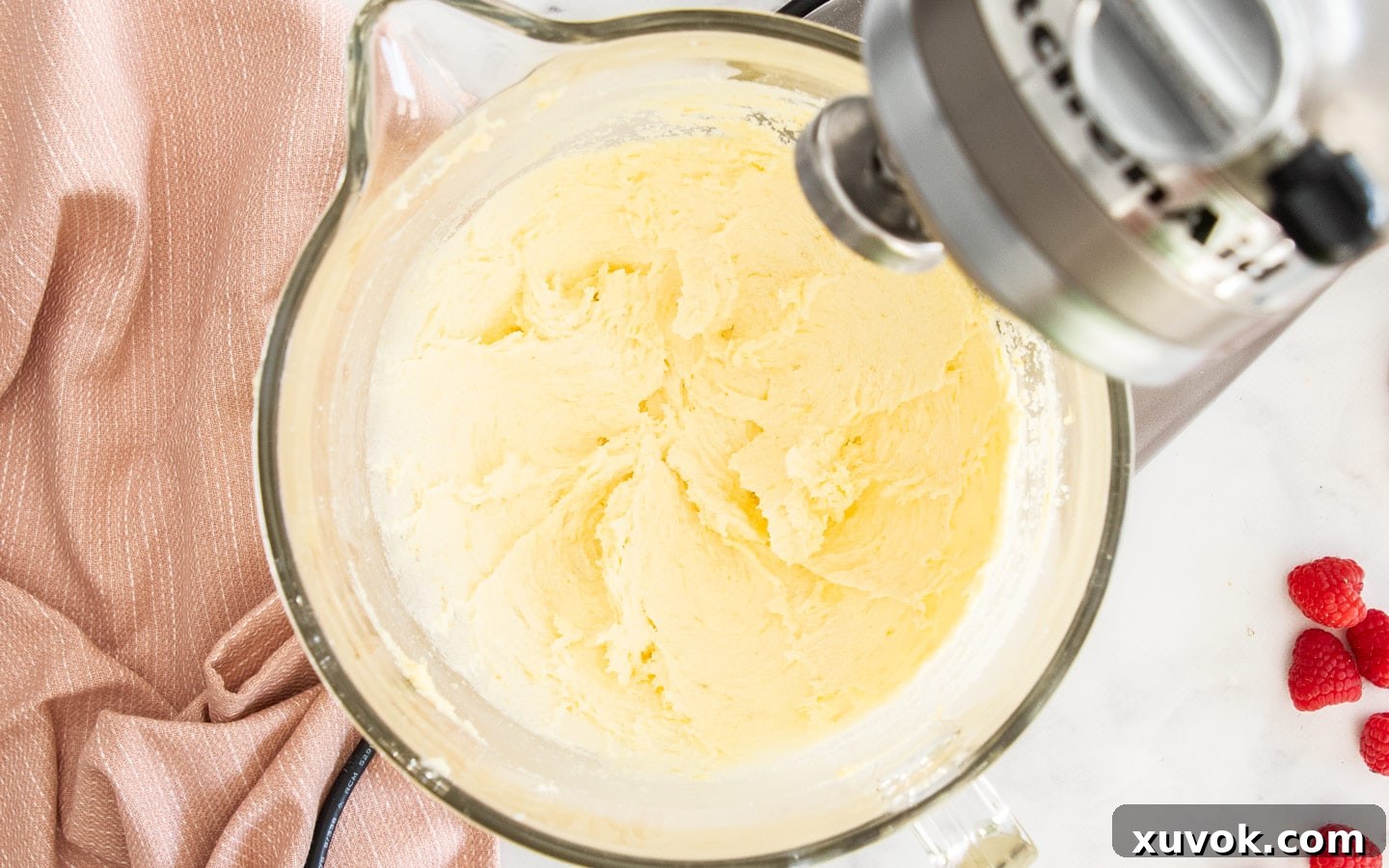
Just like in many classic cake batters, the next crucial step is creaming together the softened unsalted butter with your fragrant lemon sugar. Using a stand mixer with a paddle attachment or a hand mixer, beat the mixture on medium speed until it transforms into a pale, light, and fluffy consistency. This process incorporates air into the butter, creating tiny pockets that will expand during baking, resulting in a beautifully tender and airy cake crumb. Don’t rush this step; properly creamed butter and sugar are fundamental to the cake’s final texture and volume.
3. Incorporating Eggs for Structure
Once your butter and lemon sugar are perfectly creamed, it’s time to add the eggs. Incorporate them one at a time, beating on a low to medium-low speed after each addition until it’s just combined. Avoid overmixing here; simply ensure each egg is fully integrated before adding the next. You might notice the batter appearing slightly curdled or split at this stage. Do not fret! This is a common reaction between the acidity of the lemon and the fats in the butter and egg yolks. The batter will magically come back together and smooth out beautifully once the flour is added. Remember to scrape down the sides of the bowl periodically to ensure everything is evenly mixed.
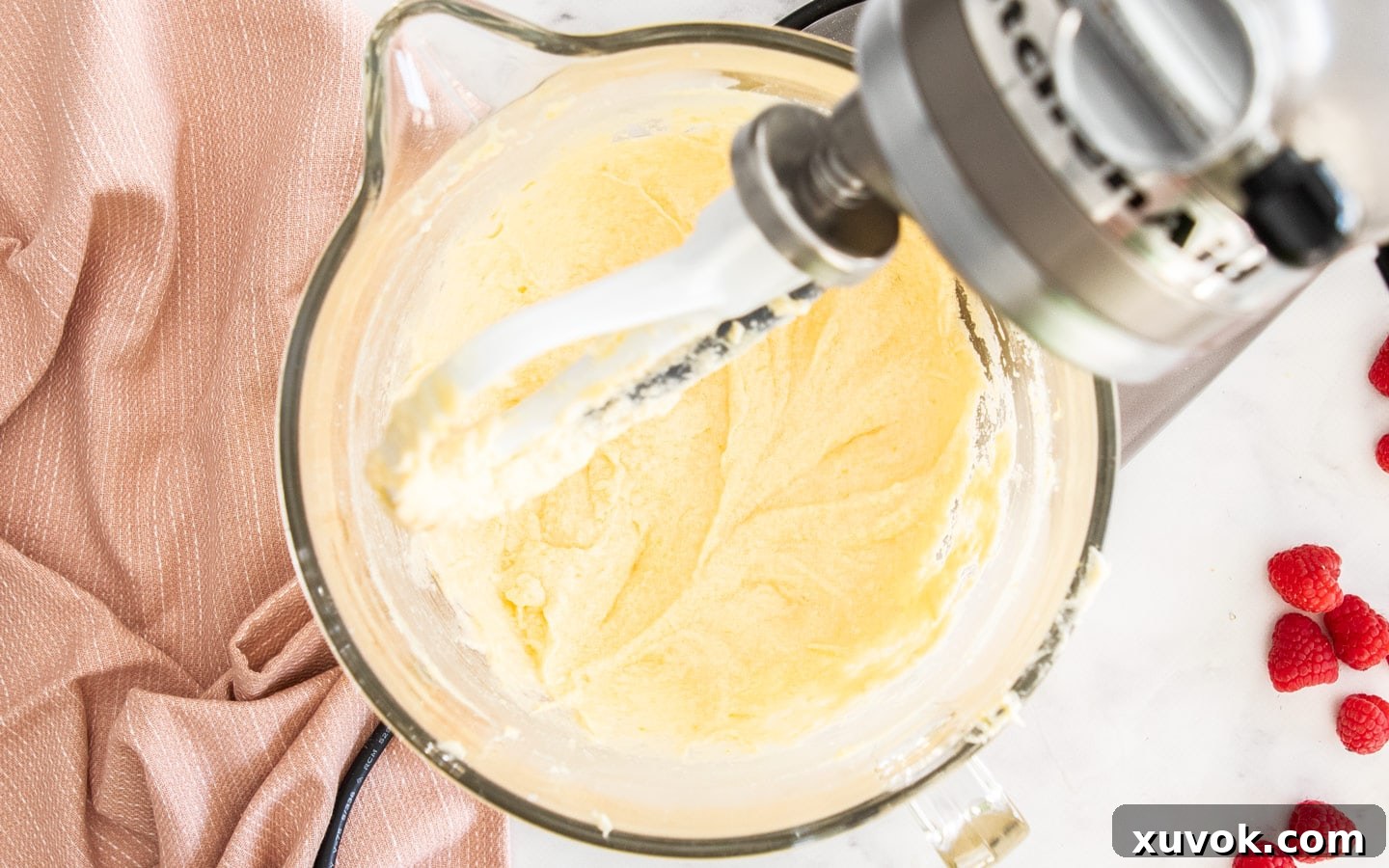
4. Alternating Wet and Dry Ingredients
This technique is key to maintaining a tender crumb and preventing overmixing. We’ll alternate additions of the dry flour mixture with the remaining wet ingredients in five distinct stages: flour, then wet, then flour, then wet, and finally, the last portion of flour. Begin by adding about one-third of your whisked flour mixture to the butter-egg mixture and gently mix until it’s about 90% combined. Next, incorporate the Greek yogurt and mix until just blended. Follow this with another portion of flour, then the lemon juice and vanilla extract. Finish by adding the last third of the flour mixture, mixing just until no dry streaks remain. This careful, gentle approach ensures the gluten in the flour doesn’t overdevelop, which could lead to a tough cake.
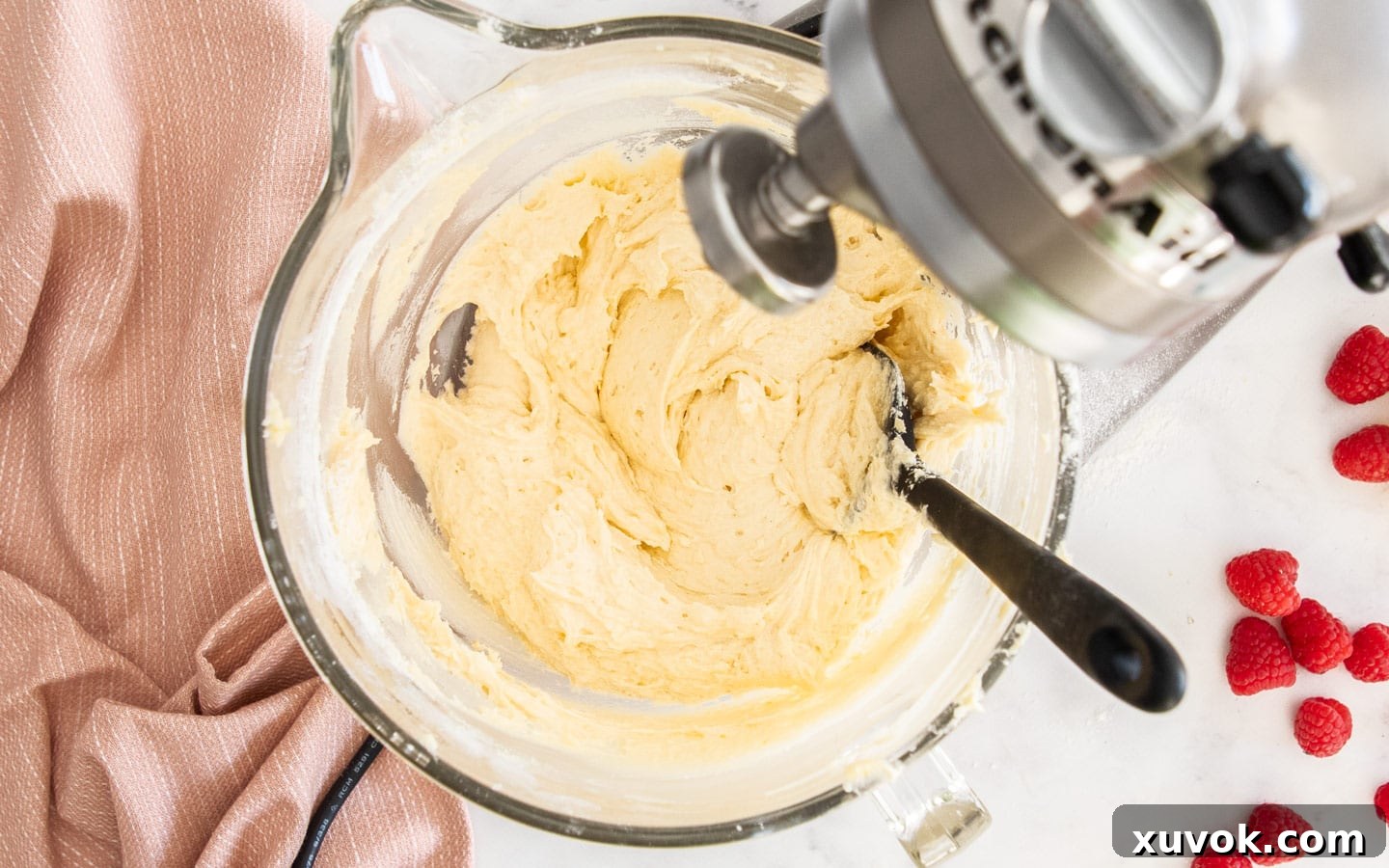
5. Layering Batter and Raspberries
Our cake batter is intentionally thick to cradle the delicate raspberries perfectly, preventing them from sinking to the bottom during baking. Instead of mixing the berries throughout the batter, which could crush them and cause excessive bleeding of color, we layer them. Spoon approximately one-third of the batter into your prepared loaf pan and gently spread it evenly. Then, dot one-third of the fresh raspberries over this layer. Repeat this process two more times, ensuring you finish with a top layer of batter and a final scattering of raspberries for a beautiful presentation. This layering method guarantees a lovely distribution of fruit throughout every slice. Once layered, your loaf is ready for the oven!
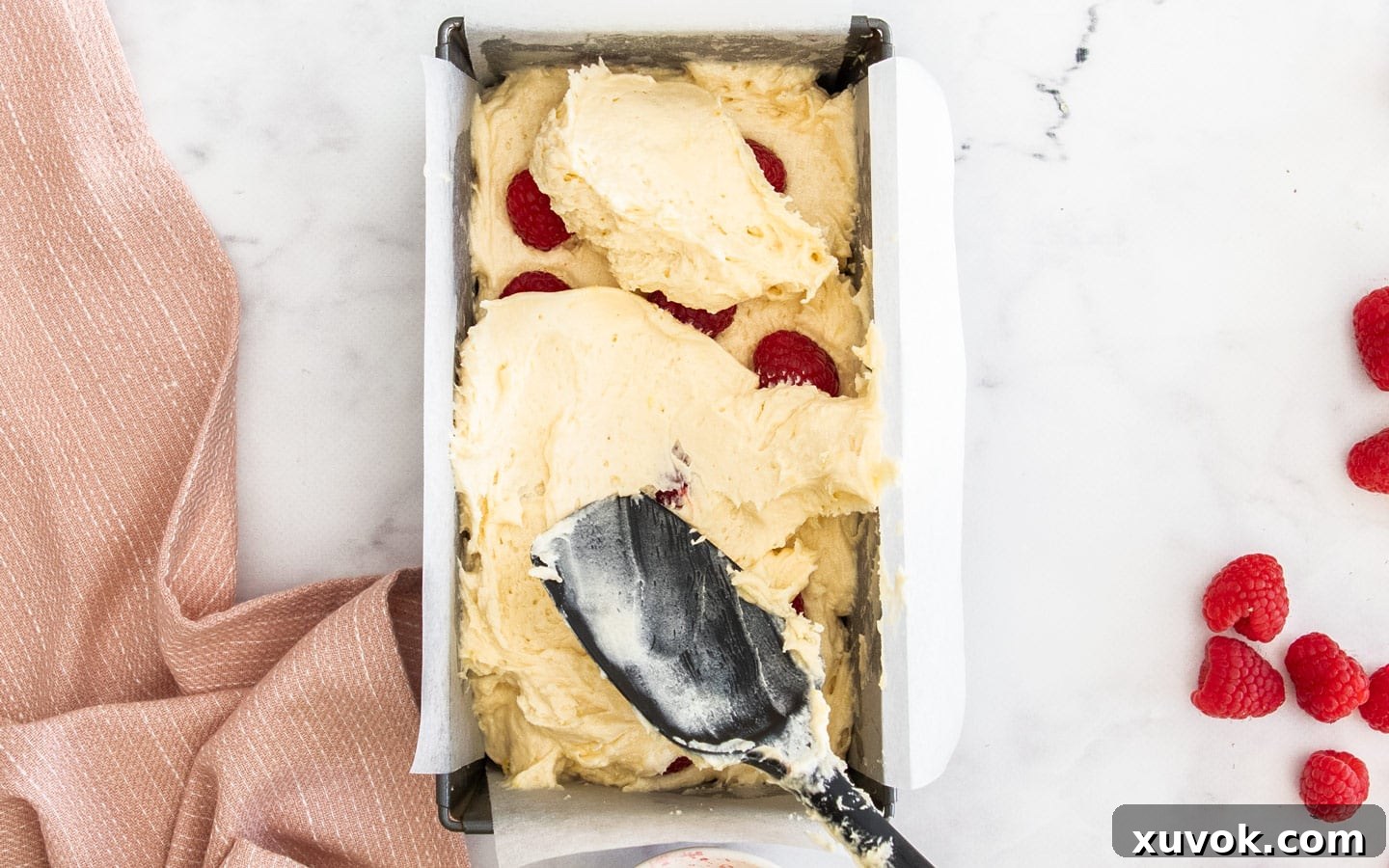
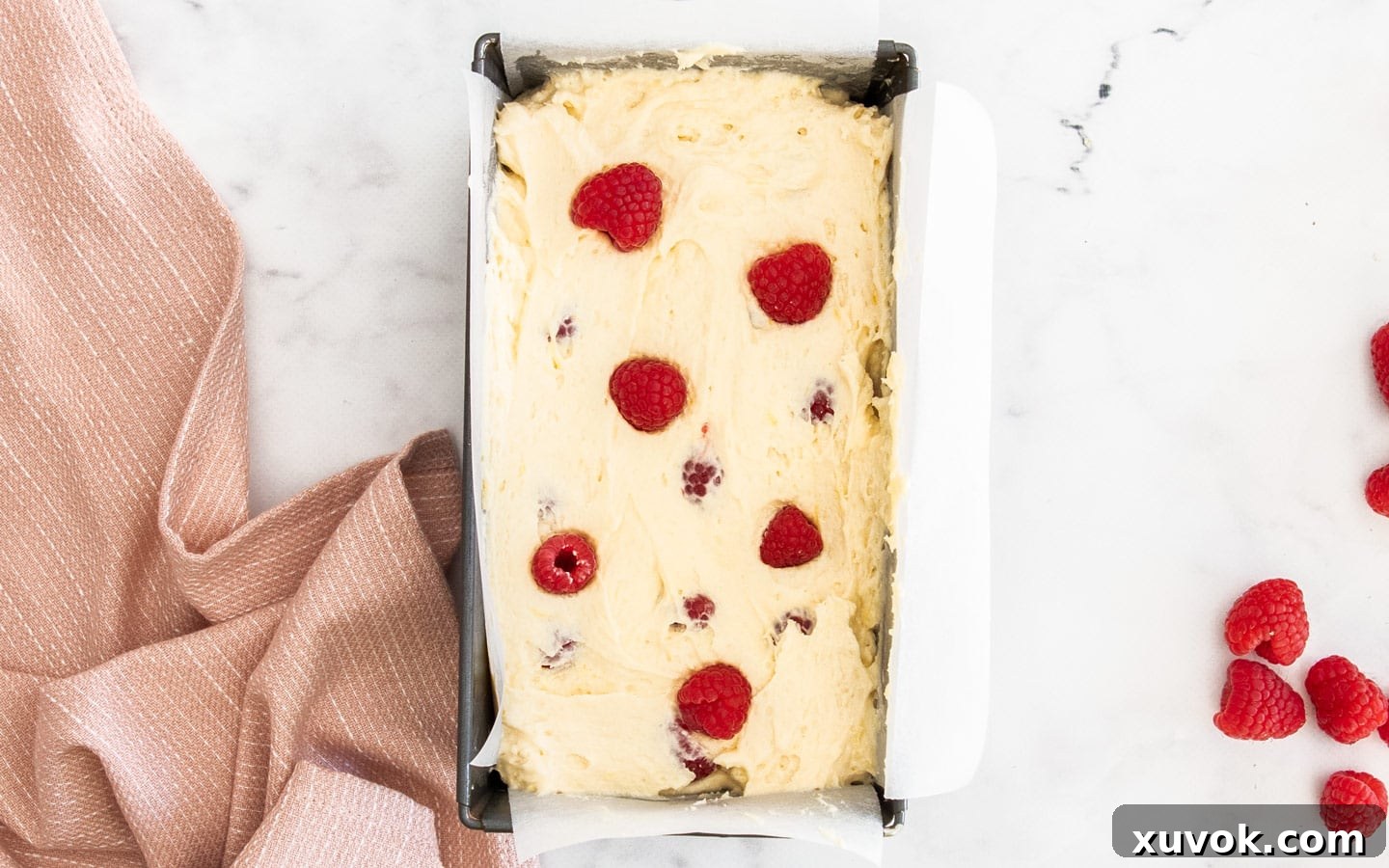
6. Crafting the Irresistible Lemon Icing
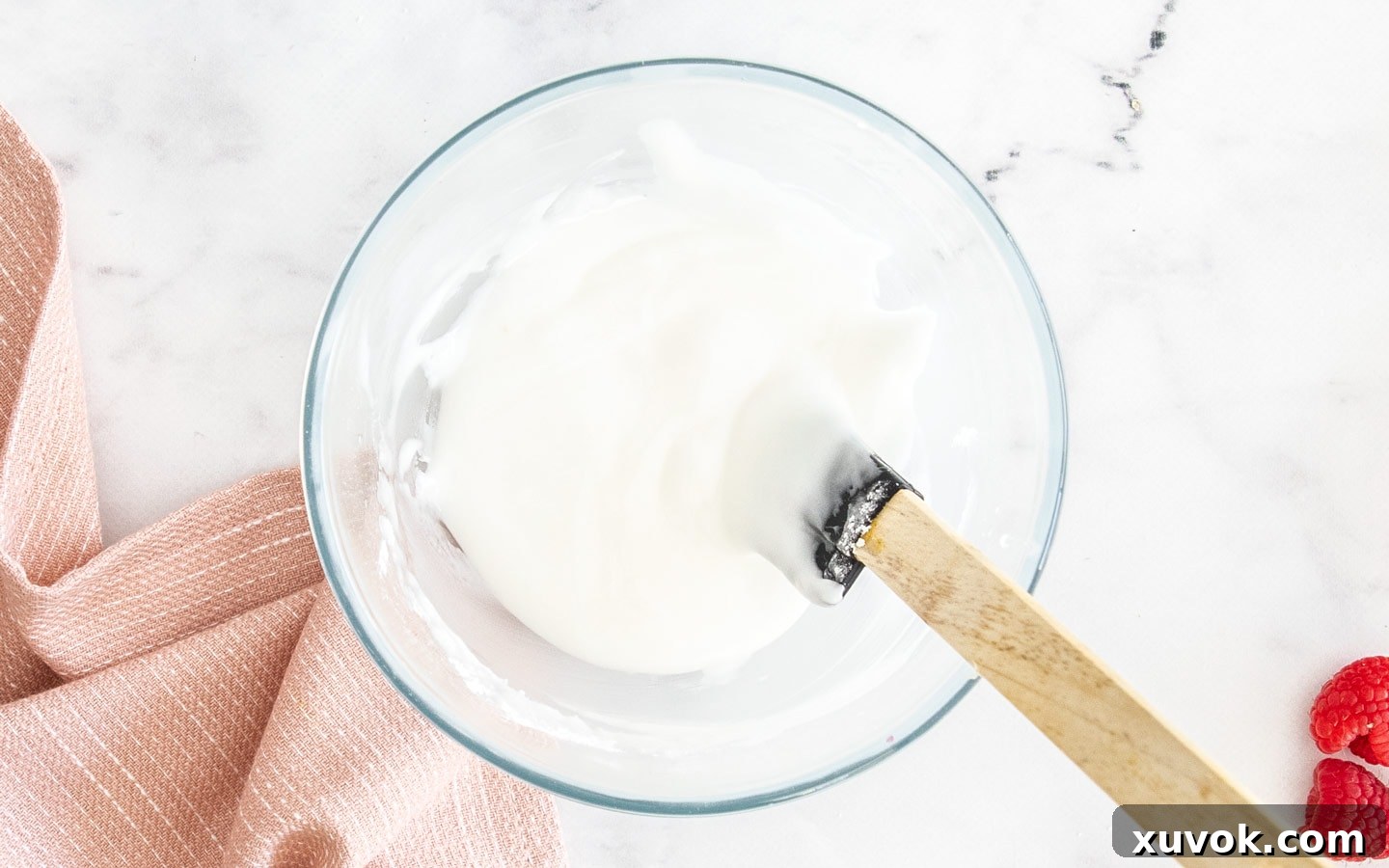
While a simple dusting of powdered sugar is always an option, the vibrant lemon icing truly elevates this loaf cake from delicious to absolutely divine. This delectable glaze is intensely lemony, wonderfully sticky, gooey, and utterly scrumptious. To prepare it, simply combine powdered sugar with fresh lemon juice in a mixing bowl. Whisk until you achieve a thick yet pourable consistency. You can adjust the amount of lemon juice to reach your desired thickness – less juice for a thicker glaze, more for a thinner drizzle. Once your cake has cooled completely, generously drizzle this glorious icing over the top, letting it cascade down the sides. It’s the perfect finishing touch!
Expert Tips for the Perfect Loaf
- Avoid Overmixing the Batter: This is arguably one of the most crucial tips for any cake recipe. Once you introduce flour to your wet ingredients, the development of gluten begins. Overmixing will lead to excessive gluten development, resulting in a tough, chewy, or dense cake rather than the desired soft and tender crumb. Mix just until the ingredients are combined and no dry streaks of flour are visible. If you are using gluten-free flour, this particular concern is less relevant.
- Weigh Your Ingredients for Accuracy: For consistently perfect baking results, weighing your ingredients, especially flour and sugar, is highly recommended. Volume measurements (cups) can vary significantly depending on how ingredients are scooped and leveled. Using a kitchen scale ensures you’re adding the exact amount of each ingredient, mirroring the recipe’s intended balance and achieving the best possible outcome every time.
- Understand Your Oven’s Personality: Ovens can be notoriously temperamental, with actual temperatures often differing from their display. A cake that takes 55 minutes in one oven might be ready in 50 or require 60 minutes in another. Factors like your specific loaf pan’s material and color can also influence baking time. Always use the provided baking duration as a guide. Start checking for doneness around the 48-50 minute mark. A toothpick inserted into the center of the loaf should emerge with a few moist crumbs clinging to it, but not wet batter.
- Room Temperature Ingredients Are Key: Ensure your butter and eggs are at room temperature before you begin. Room temperature ingredients emulsify much better, creating a smoother, more uniform batter that holds more air, leading to a lighter, more tender cake.
- Prepare Your Loaf Pan Properly: Always grease and line your loaf pan with parchment paper, leaving an overhang on the longer sides. This makes it incredibly easy to lift the baked loaf out of the pan once it’s cooled slightly, preventing sticking and preserving its beautiful shape.
- Cool Completely Before Icing: Patience is a virtue, especially when it comes to icing a cake. Drizzling warm icing onto a warm cake will result in the glaze melting and soaking into the cake, rather than forming a lovely, visible layer. Allow your loaf cake to cool completely on a wire rack before applying the lemon glaze.
- Don’t Be Afraid of the “Curdled” Batter: As mentioned in the instructions, the batter might look curdled after adding the eggs, due to the lemon’s acidity reacting with fats. This is completely normal and will resolve once the flour is added. Trust the process!

Delightful Serving Ideas
The beauty of this Raspberry Lemon Loaf Cake lies in its versatility. Once adorned with its tangy lemon glaze, it truly needs nothing more to shine. The vibrant flavors and moist texture are captivating on their own. However, for those looking to explore different serving experiences, here are a few delightful suggestions:
- Simple Elegance: A light dusting of powdered sugar offers a classic, understated presentation if you prefer to skip the full glaze.
- A Scoop of Creaminess: Serve a slice alongside a generous scoop of high-quality vanilla bean ice cream or a dollop of freshly whipped cream. The coolness and creaminess beautifully complement the cake’s zesty sweetness.
- Fresh Berry Boost: Enhance the raspberry flavor by serving slices with a handful of extra fresh raspberries or mixed berries on the side. A few fresh mint leaves can add a pop of color and freshness.
- Brunch or Afternoon Tea: This loaf cake is absolutely perfect for a leisurely weekend brunch or an elegant afternoon tea gathering. Pair it with a cup of your favorite tea or coffee for a truly comforting experience.
- Dessert Platter: Cut the loaf into smaller, bite-sized pieces and arrange them on a dessert platter with other treats for a special occasion. Its bright flavors make it a refreshing addition.
- Warm Option: While delicious at room temperature, a quick warm-up in the microwave for a few seconds can enhance its tender texture, especially if served with ice cream.
No matter how you choose to enjoy it, this Raspberry Lemon Loaf Cake promises a moment of pure, zesty bliss.
Frequently Asked Questions
Adding an excessive amount of lemon juice to a cake can have several undesirable effects. Firstly, it can significantly alter the pH balance of the batter, potentially hindering the leavening agents and resulting in a cake that takes much longer to bake or doesn’t rise properly. Secondly, it can overpower the other flavors, leading to a cake that tastes overly sour or unbalanced. For the best flavor and texture, it’s always recommended to stick to the amount specified in the recipe.
Several factors can contribute to a loaf cake sinking. Correctly measuring your baking powder is paramount; both too much and too little can cause issues. Ensure your oven temperature is accurate (an oven thermometer can be very helpful). Avoid opening the oven door too early in the baking process, as sudden temperature drops can cause the cake to collapse. Also, be gentle when handling the pan during baking. While some sinking can occur at higher altitudes, don’t worry too much – it often creates a delightful little well perfect for pooling that delicious lemon icing!
This Raspberry Lemon Loaf Cake maintains its wonderful freshness and flavor for 3-4 days when stored properly. Place any leftovers in an airtight container and keep it in the refrigerator. For optimal texture and taste, allow slices to come to room temperature before serving.
Yes, you can certainly use frozen raspberries if fresh ones are not available. The key is to add them to the batter while they are still frozen. Do not thaw them first, as this can cause them to release too much moisture and color into the batter, potentially making the cake watery or turning the batter purple. Adding them frozen helps them hold their shape better during baking.
For the best results and to avoid bitter white pith, use a microplane zester. Gently grate only the bright yellow outer layer of the lemon skin. Rotate the lemon as you go, stopping once you reach the white part underneath. This ensures you capture only the fragrant, flavorful zest.
Yield and Storage Instructions
This recipe for Raspberry Lemon Loaf Cake typically yields one standard loaf, providing approximately 8 generous servings. This makes it perfect for sharing with family and friends, or for enjoying over several days. Its delightful flavors tend to deepen slightly on the second day.
To ensure maximum freshness and to preserve its tender, moist texture, any leftover Raspberry Lemon Loaf should be stored in an airtight container. Keep the container in the refrigerator for up to 4 days. While it can be enjoyed chilled, for the absolute best taste and softest crumb, we highly recommend allowing slices to come to room temperature for about 15-30 minutes before serving. This allows the butter to soften slightly and the flavors to fully bloom.
For longer storage, this loaf cake also freezes beautifully. Once completely cooled and before icing, wrap the whole loaf or individual slices tightly in plastic wrap, then again in aluminum foil. Store in the freezer for up to 2-3 months. Thaw frozen slices overnight in the refrigerator, then bring to room temperature before adding the fresh lemon icing and serving.

More Delicious Recipes You’ll Love
If you’re a fan of our Raspberry Lemon Loaf Cake, you’re sure to adore these other delightful bakes:
- Classic Lemon Drizzle Cake
- Indulgent Chocolate Zucchini Loaf Cake
- Comforting Chocolate Chip Loaf Cake
- Elegant Marble Loaf Cake
- Pure Lemon Loaf Cake
⭐⭐⭐⭐⭐
Did you try this amazing Raspberry Lemon Loaf Cake recipe? Share your experience and show it some love in the comments below! Your feedback means the world to us.
Hungry for more? Subscribe to our free newsletter for delicious new recipes delivered straight to your inbox. Also, connect with us on Facebook, Pinterest, and Instagram for daily inspiration and baking tips.

Raspberry Lemon Loaf
8
serves
15
minutes
55
minutes
1
hour
10
minutes
Rate
Pin
Ingredients
- 260 g plain flour (all-purpose flour) (2 cups / ~9oz)
- 2 teaspoons baking powder
- ¼ teaspoon fine sea salt
- 1 cup white granulated sugar (200g / 7oz)
- 2 tablespoons lemon zest, not packed (from 2 medium lemons)
- 170 g unsalted butter, softened (¾ cup / 6oz)
- 3 large eggs, room temperature
- ⅓ cup Greek yogurt
- ⅓ cup lemon juice
- 1 ½ teaspoons vanilla extract
- 1 cup fresh raspberries, washed and dried well (150g / 5.3oz)
THE ICING
- 1 ½ cups icing sugar (powdered sugar) (195g / ~7oz)
- 1 ½-2 tablespoons lemon juice
For best results, always weigh ingredients where a weight is provided.
Equipment
-
8×5 inch loaf pan
-
Mixing bowls, spatulas
-
Stand mixer (helpful but not required)
Instructions
-
Preheat your oven to 180°C (160°C fan forced) / 350°F. Lightly grease your loaf tin and line it with baking paper, leaving an overhang on the sides for easy removal.
-
FOR THE CAKE:
In a medium bowl, combine the plain flour, baking powder, and fine sea salt. Whisk these dry ingredients together thoroughly to ensure they are well dispersed. Set aside.
-
In a large mixing bowl or the bowl of a stand mixer fitted with the paddle attachment, use your fingertips to massage the white granulated sugar and lemon zest together. This crucial step releases the essential oils from the zest, intensifying the lemon flavor. Continue until the sugar resembles wet sand.
-
Add the softened unsalted butter to the lemon sugar mixture and beat on medium speed until the mixture is light, pale, and creamy. This process incorporates air into the batter, contributing to a tender cake.
-
Add the large eggs one at a time. After each egg, beat on a low to low-medium speed until it is just smooth and completely combined before adding the next. Remember to scrape down the sides of the bowl as needed. It’s normal for the batter to look slightly split or curdled at this point; it will come together once the flour is added.
-
Now, alternate the dry and wet ingredients. To avoid overmixing and developing tough gluten, add the remaining ingredients gently and in stages:
Add approximately one-third of the reserved flour mixture to the butter-egg mixture and mix on low speed or gently fold in with a spatula until about 90% combined.
Next, add the Greek yogurt and gently mix until just incorporated.
Then, mix in another portion of the flour, followed by the lemon juice and vanilla extract.
Finish by adding the final portion of the flour mixture, mixing just until no dry streaks of flour are visible. Be very gentle during this stage.
-
Spoon about one-third of the thick cake batter into your prepared loaf pan and carefully spread it out evenly. Dot about one-third of the fresh raspberries over this layer. Repeat this process two more times until all the batter and raspberries are in the pan, finishing with a scattering of raspberries on top.
-
Bake for 50-60 minutes, or until a wooden skewer or toothpick inserted into the center of the loaf comes out with a few moist crumbs attached, but no wet batter.
-
Allow the cake to cool in the pan for 10 minutes before using the parchment paper overhang to gently lift it out of the tin. Transfer the loaf to a wire rack to cool completely before proceeding to the icing step.
-
FOR THE ICING:
Once the cake has cooled completely, combine the icing sugar and lemon juice in a mixing bowl. Whisk until you achieve a thick, yet pourable consistency. Drizzle this luscious lemon icing generously over the cooled cake. You can serve it immediately or allow the icing to set slightly.
-
We encourage you to leave a comment & rating below after trying this recipe! Your feedback is incredibly valuable and truly appreciated.
Notes
- Tablespoons: Please note that Australian standard tablespoons measure 20ml (equal to 4 teaspoons). Double-check your measuring spoons to ensure accuracy.
- For consistent and superior baking results, you should always weigh ingredients like flour and sugar using a reliable kitchen scale. If you must use volume measurements (cups), use the spoon and level method (spoon flour into the cup and level with a straight edge; do not scoop directly from the bag).
- Oven Variability: All ovens can vary in temperature. Always monitor your cake closely and check for doneness 5-8 minutes before the suggested baking time.
- Nutrition details are approximate only and derived from an online calculator. The specific brands and types of ingredients you use may cause variations in the nutritional information.
EXPLORE MORE CAKE RECIPES!
503
kcal
Marie Roffey
Dessert
American/Australian, World
Have you tried this recipe?
Don’t forget to leave a rating and comment below and let me know how it was! I love hearing from you. Nutrition information is approximate and derived from an online calculator. The brands you use may cause variations.
Calories from Fat 180