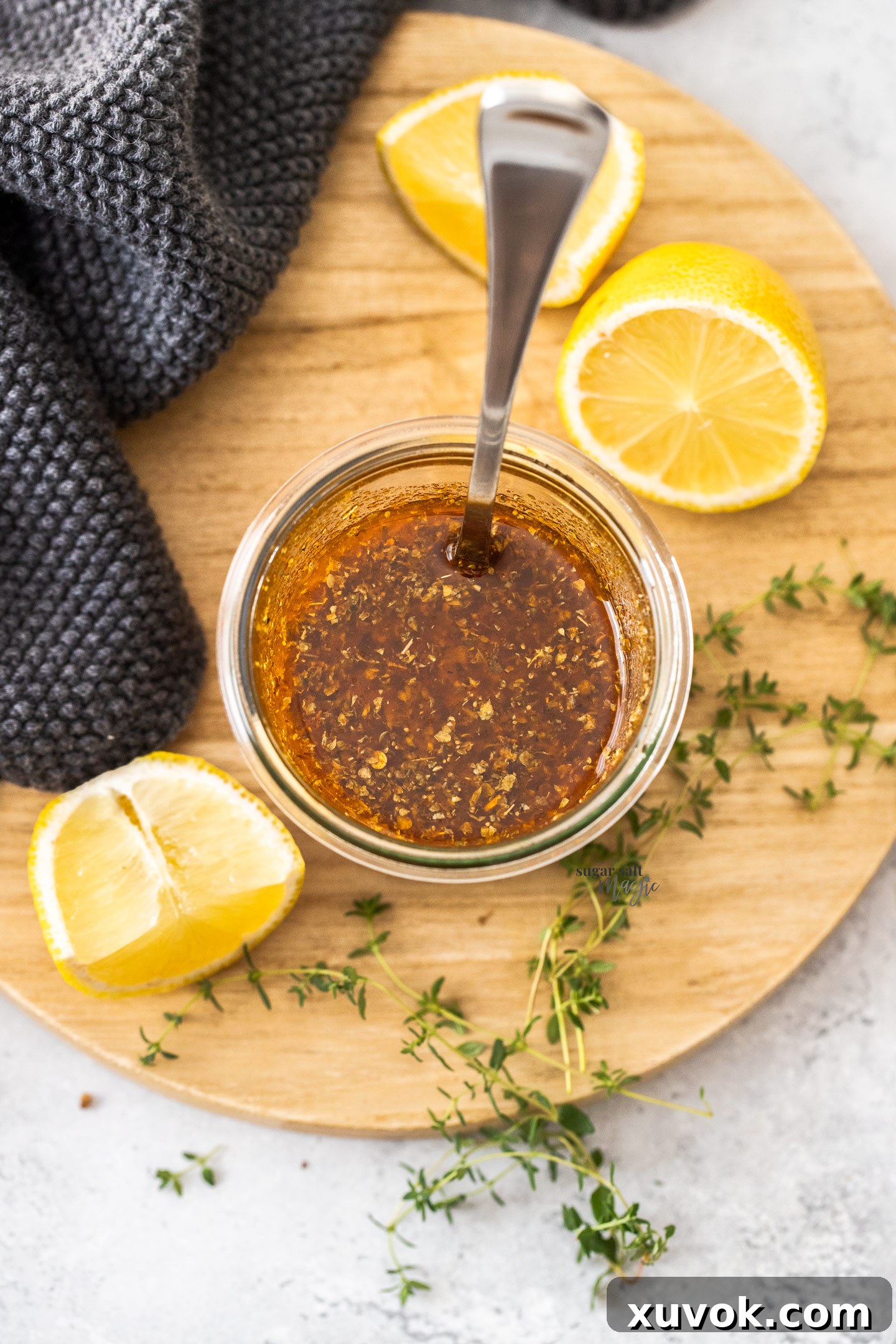
The Ultimate Greek Marinade for Incredibly Flavorful and Tender Meat
Unlock the secrets to perfectly tender, deeply flavorful meat with this exceptional Greek marinade recipe. Bursting with the vibrant tastes of the Mediterranean, this marinade is a culinary game-changer, transforming ordinary cuts of lamb, chicken, pork, beef, and even seafood into extraordinary dishes. Whether you’re dreaming of succulent lamb gyros, juicy grilled chicken thighs, or flavorful roasted vegetables, this versatile marinade is your passport to authentic Greek flavors.
What makes this Greek marinade truly stand out?
- It delivers a complex flavor profile that is both tangy and rich in umami.
- Amazingly quick and easy to prepare, making it perfect for busy weeknights or weekend barbecues.
- Consistently creates beautifully tender and moist meat thanks to its natural tenderizing agents.
- Incredibly versatile – ideal for everything from a classic Greek lamb souvlaki to grilled chicken, pan-fried prawns, or even drizzled over roasted potatoes and vegetables.
- Easily customizable with simple variations to suit your personal taste preferences.
Originally crafted as a Greek *lamb* marinade, its incredible efficacy and irresistible flavor quickly proved it perfect for a wider range of ingredients. Imagine juicy lamb chops infused with aromatic herbs, tender chicken breasts ready for grilling, or shrimp elevated with a zesty kick. Every time you use this marinade, you’ll achieve that coveted balance of tender texture and mouth-watering taste that leaves everyone asking for more.
Consider this your new staple – your go-to Greek lamb marinade, your essential Greek chicken marinade, or even a secret weapon to impart sensational flavor to simple side dishes. Have you ever tried drizzling it over pan-fried potatoes while they cook? Trust us, it’s an absolute revelation!
If you’re as passionate about Greek flavors as we are, you’ll also adore our popular recipes for Greek Lamb Kebabs and our readers’ favorite Greek Seasoned Chicken, which perfectly complement this marinade.
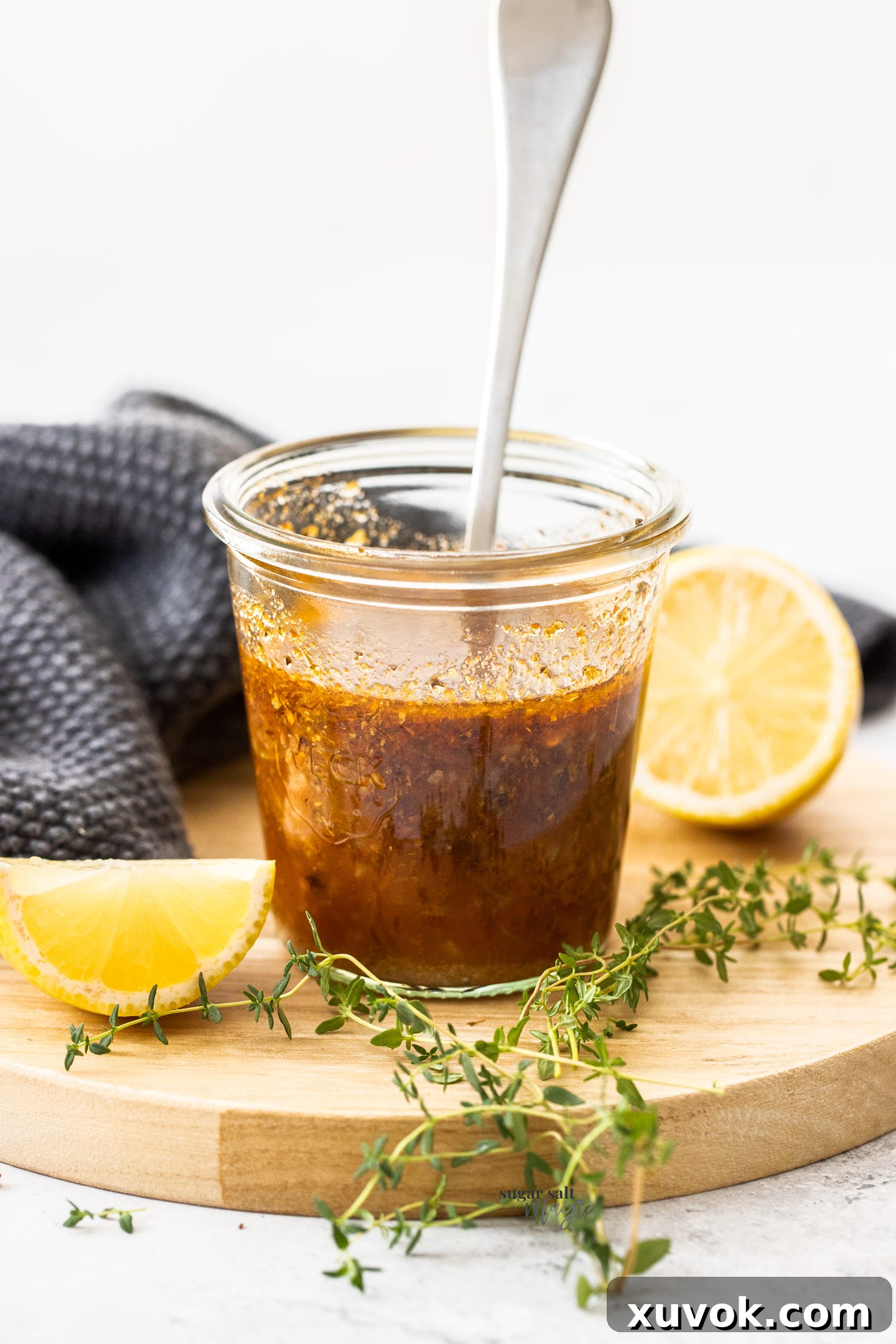
Table of Contents
- Why This Greek Marinade is a Must-Try
- Ingredients You’ll Need
- Variations / Substitutions
- How to Make It (Step-by-Step)
- The Art and Science of Marinating Time
- How Much Meat Will This Marinade Cover?
- Storage and Meal Prep
- Serving Suggestions
- More Recipes You’ll Love
Never Miss a Recipe!
Get the latest recipes straight to your inbox and elevate your cooking!
Why This Greek Marinade is a Must-Try
This Greek marinade isn’t just another recipe; it’s a cornerstone of Mediterranean cooking that brings authentic flavors and incredible texture to your table with minimal effort. Here’s why it deserves a permanent spot in your culinary repertoire:
- Unforgettable Flavor: The carefully balanced blend of citrus, garlic, and aromatic herbs creates a symphony of flavors that is distinctly Greek. It’s savory, tangy, and subtly earthy, enhancing rather than overpowering the natural taste of your chosen protein.
- Superior Tenderness: The lemon juice acts as a natural tenderizer, gently breaking down tough fibers in the meat without making it mushy. This results in every bite being unbelievably tender and pleasant to eat.
- Juicy Results Every Time: Olive oil and the marinade’s inherent moisture work together to keep your meat succulent during cooking, preventing it from drying out, whether you’re grilling, pan-frying, or roasting.
- Effortless Preparation: With just a few basic ingredients and a simple mixing step, this marinade comes together in mere minutes. It’s the perfect solution for adding gourmet flavor without the fuss.
- Endless Culinary Possibilities: From traditional Greek dishes like souvlaki and gyros to everyday meals like grilled chicken salads or roasted vegetable platters, this marinade is incredibly adaptable. It truly shines on a variety of ingredients, making it a valuable tool for any home cook.
Ingredients You’ll Need
Crafting this incredible Greek marinade requires just a handful of staple ingredients, most of which you likely already have in your pantry or fridge. Simplicity truly meets sensational flavor in this recipe.
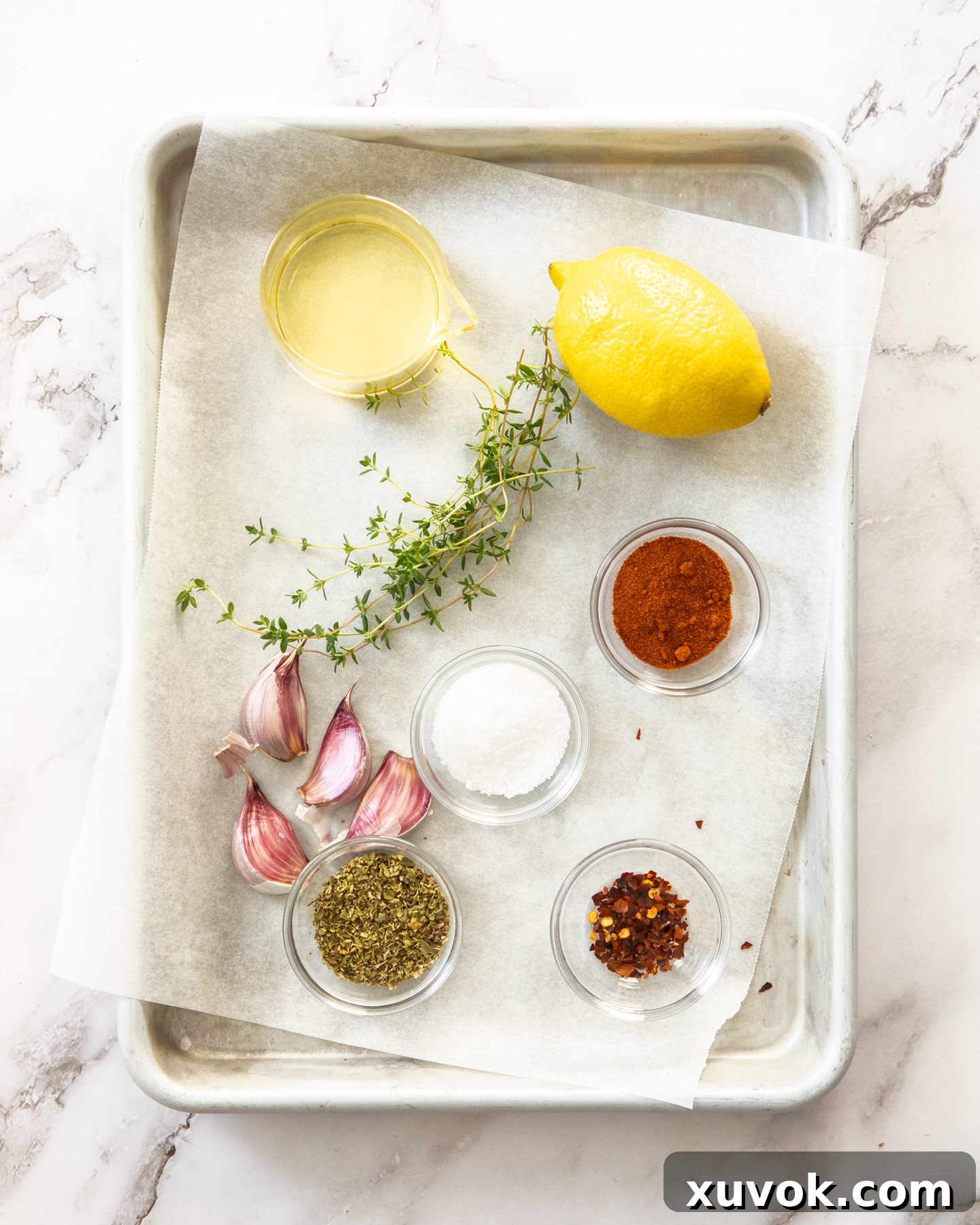
For detailed quantities and comprehensive instructions, please refer to the recipe card below.
- Olive Oil: The foundation of any good Mediterranean marinade. A high-quality extra virgin olive oil not only binds the ingredients together but also imparts a rich, fruity flavor and acts as a barrier, sealing in moisture during cooking. While a robust olive oil is excellent, a lighter flavored version can allow the other ingredients to truly shine. Feel free to substitute with other neutral oils like rice bran oil or avocado oil if preferred.
- Lemon Juice & Zest: The star of the show for tenderizing and adding that signature bright, tangy Greek flavor. The acidity in the lemon juice works to break down tough meat fibers, resulting in a more tender bite. Furthermore, the natural sugars present in lemon help create those beautifully caramelized, slightly charred edges on your meat when grilled or seared. Don’t forget the zest – it contains potent essential oils that provide an intense burst of fresh lemon aroma and flavor that juice alone cannot achieve.
- Fresh Garlic: An indispensable ingredient in Greek cuisine. Freshly minced garlic provides a pungent, aromatic depth that permeates the meat, creating a robust and savory base. There’s truly no substitute for the vibrant flavor of fresh garlic here.
- Fresh Thyme: A delicate yet aromatic herb that contributes an earthy, slightly minty, and floral note. Using fresh thyme makes a noticeable difference in the marinade’s fragrance and taste. Stripping the leaves from the stalks ensures a smoother texture and better distribution of flavor.
- Spices: A carefully chosen blend of dried spices rounds out the flavor profile:
- Paprika: Often underestimated in Greek recipes, sweet paprika adds a gentle sweetness, warm earthiness, and a beautiful reddish hue to the marinade. It complements the savory and tangy notes perfectly.
- Salt: More than just a seasoning, salt is crucial for enhancing all the other flavors. It also plays a vital role in the tenderizing process, helping the meat retain moisture and become juicier by breaking down protein structures.
- Dried Oregano: The quintessential Greek herb. Dried oregano is intensely aromatic and brings a rustic, herbaceous flavor that is synonymous with Mediterranean cooking. If using fresh oregano, double the amount for comparable intensity.
- Dried Chilli Flakes (Red Pepper Flakes): An optional addition for those who enjoy a subtle warmth and a gentle kick. These flakes provide a pleasant hint of spice that awakens the palate without overwhelming the other flavors. Adjust the quantity to your preferred level of heat, or omit entirely if you prefer a milder marinade.
Variations / Substitutions to Customize Your Marinade
While the classic Greek marinade recipe is undeniably perfect, there’s always room to experiment and tailor it to your personal preferences or what you have on hand. Here are some fantastic variations and substitutions to consider:
- Experiment with Herbs: While fresh thyme is our top recommendation for its delicate flavor, other herbs can add wonderful dimensions.
- Dried Herbs: If fresh thyme isn’t available, you can use dried thyme (use half the amount of fresh). Similarly, you can swap dried oregano for fresh; just remember to double the quantity of fresh leaves to achieve the same potency.
- Mint: A staple in some Greek dishes, fresh mint can introduce a refreshing, bright note. Be cautious not to overdo it, as mint has a strong flavor that can easily dominate. Start with a small amount and adjust to taste.
- Rosemary: Especially excellent with lamb, a sprig of fresh rosemary, finely chopped, can add a woody, pungent aroma.
- Introduce Greek Yogurt for Extra Tenderness: Adding 1-2 tablespoons of full-fat Greek yogurt to your marinade is a traditional technique for good reason. Yogurt contains lactic acid and enzymes that further tenderize the meat, resulting in an incredibly soft texture. It also adds a wonderful tanginess and can help create a beautiful, slightly crispy crust on meats when grilled or pan-fried. Ensure it’s plain, unsweetened yogurt.
- Acid Alternatives: Lemon is a must-have for that authentic Greek taste. However, if your lemon yields less juice than desired, or if you want to explore different acidic notes, you can make up the difference with:
- Red Wine Vinegar: Offers a slightly sharper, more robust tang that pairs wonderfully with red meats like lamb and beef.
- White Wine Vinegar: A milder acidity, suitable for chicken and seafood, adding a delicate layer of flavor.
- Orange Juice: For a slightly sweeter, fruitier twist that still provides acidity. This can be particularly good with pork or chicken.
- Spice It Up (or Down): Adjust the amount of dried chilli flakes to your heat preference. For a smokier flavor, a pinch of smoked paprika can be a delightful addition.
How to Make It (Step-by-Step)
One of the many charms of this Greek-style marinade, beyond its incredible flavor and ability to keep meat moist, is its sheer simplicity. You’ll be amazed at how quickly it comes together, making meal prep a breeze.
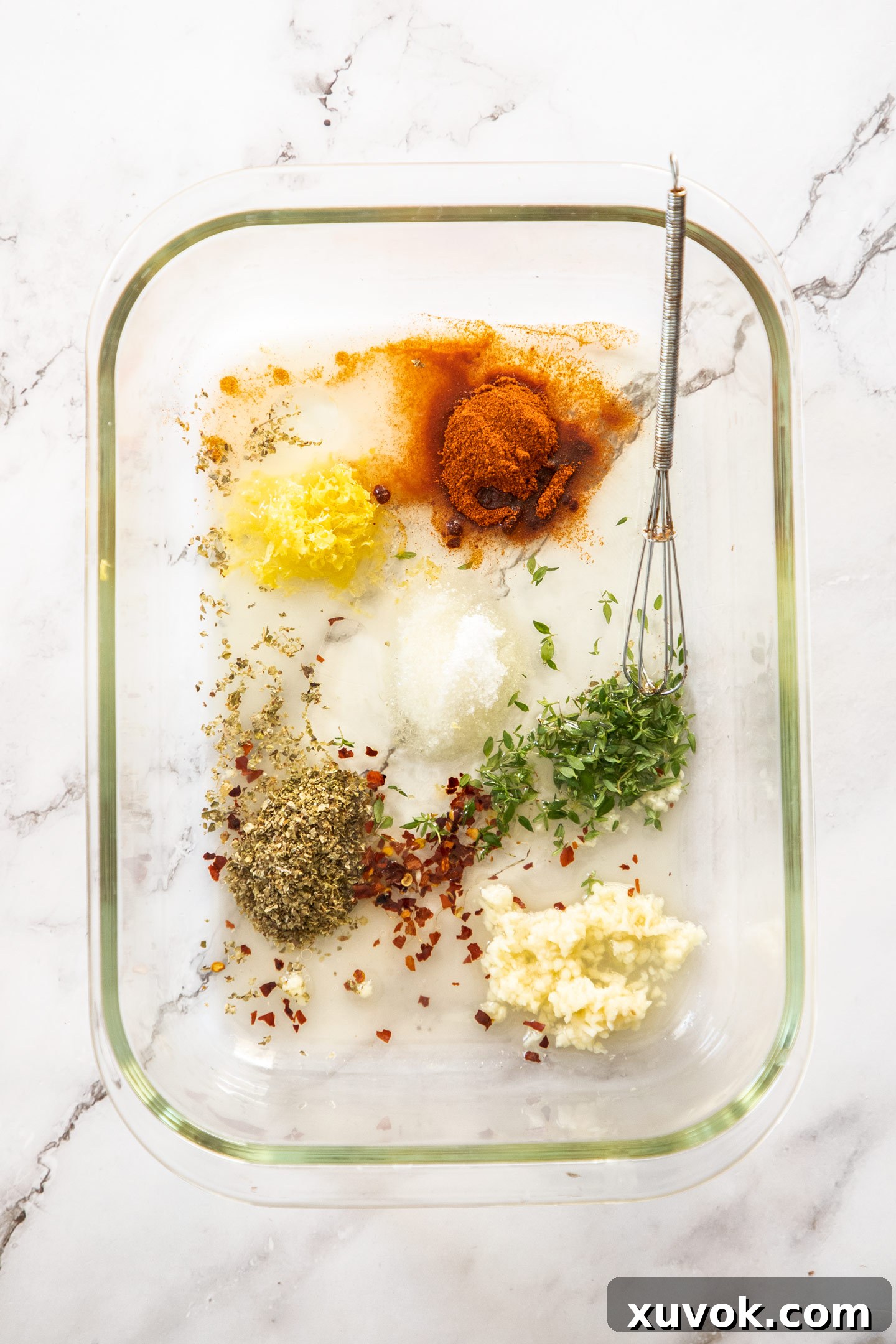
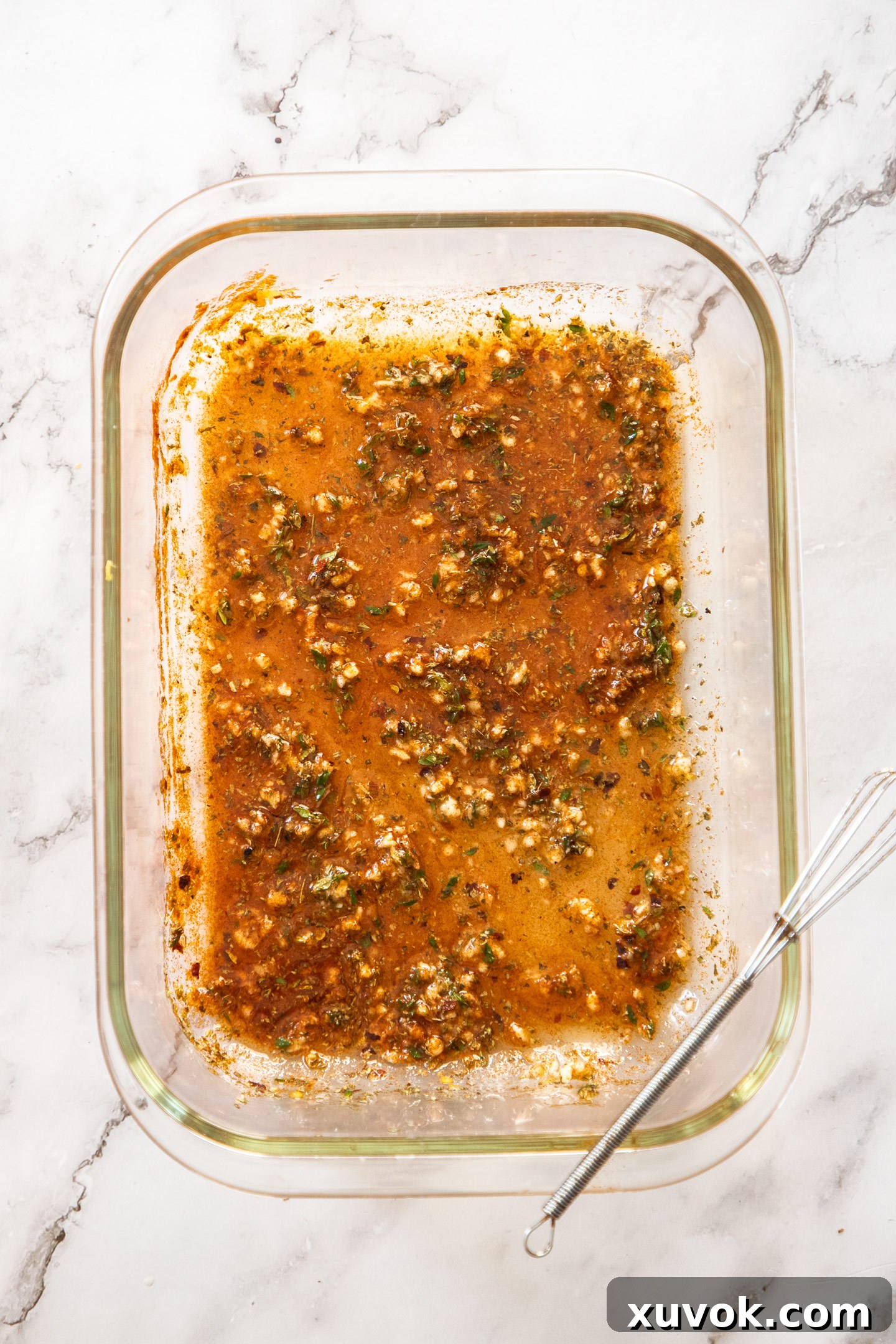
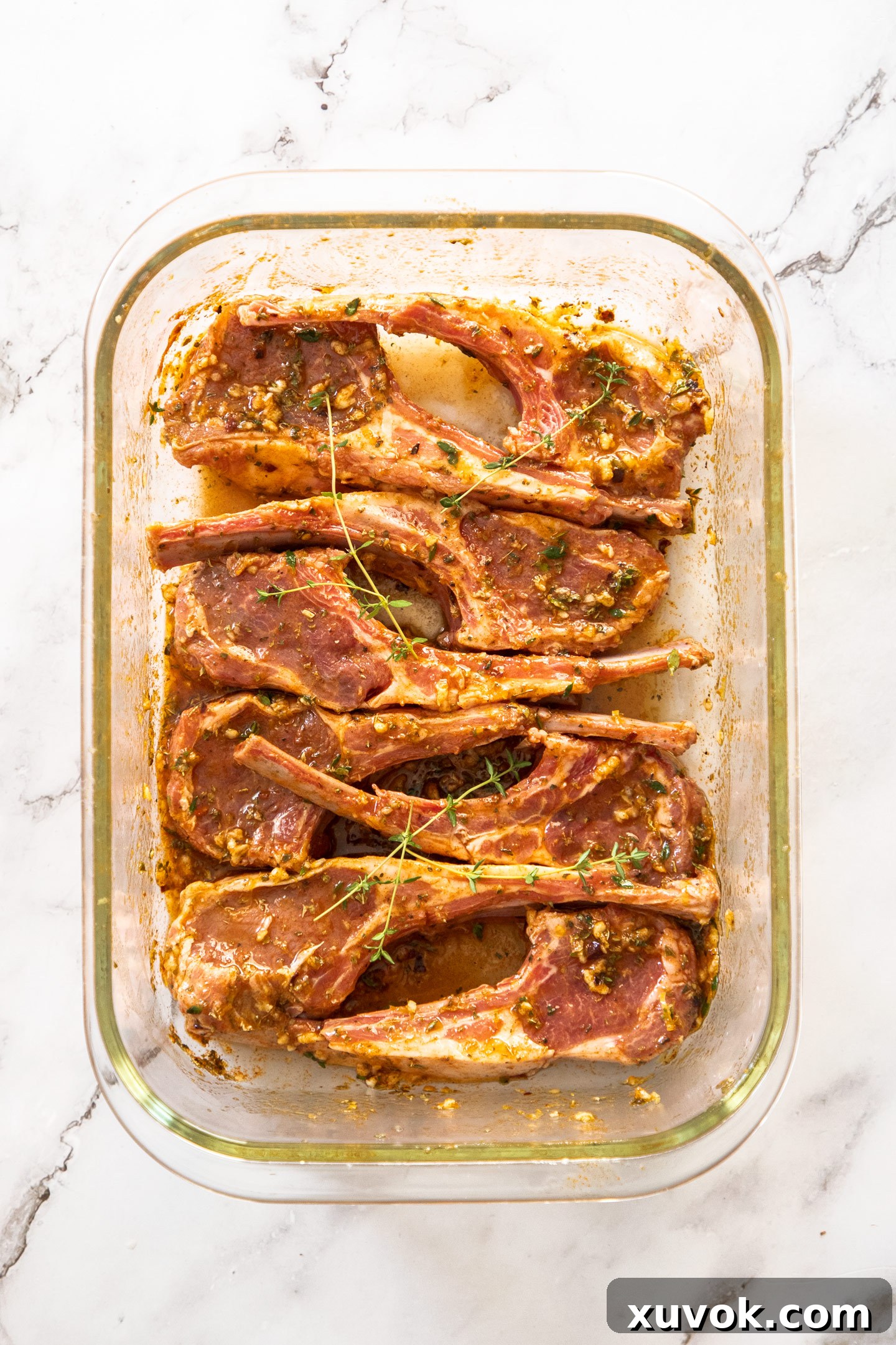
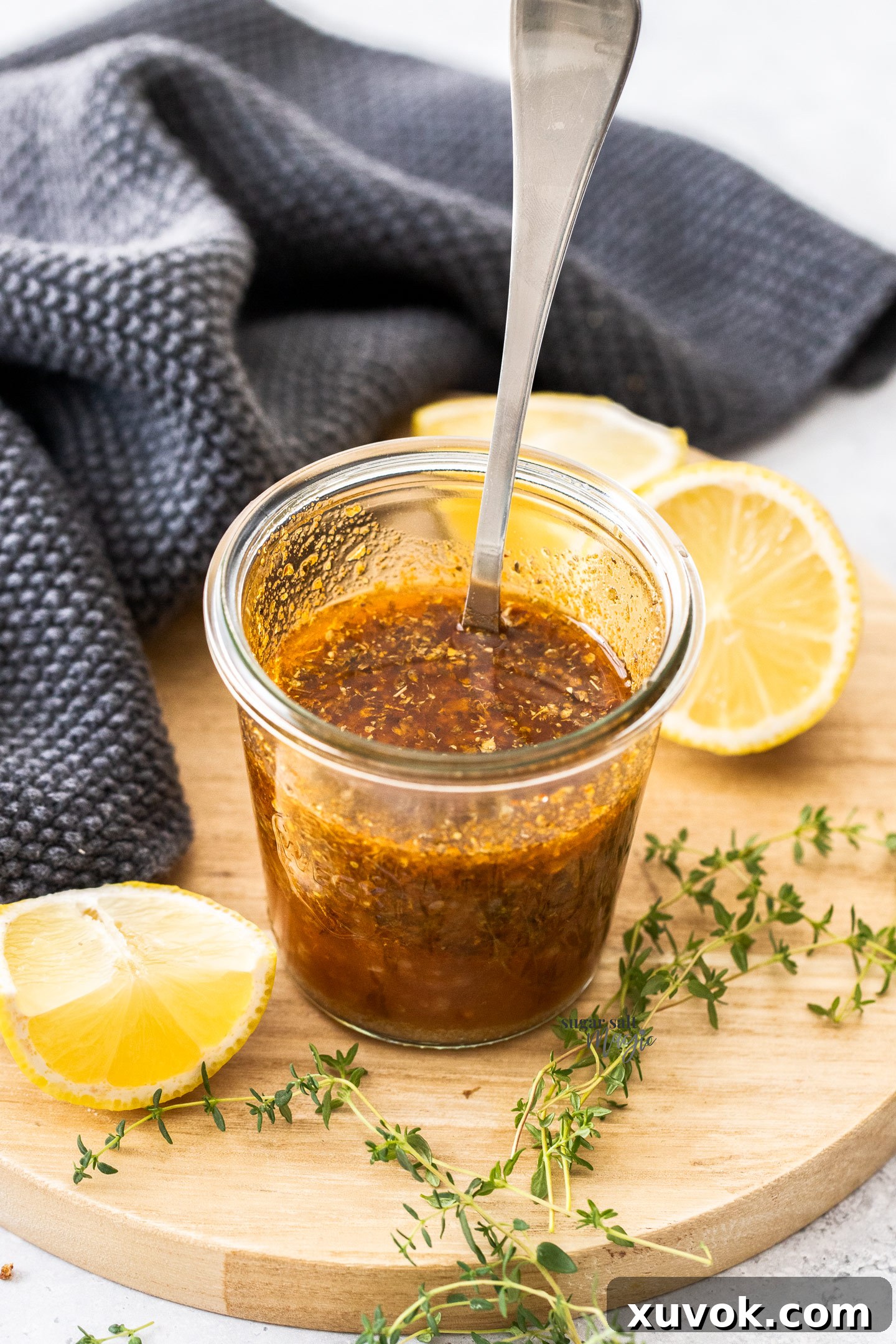
For ultimate convenience, this marinade can be prepared in advance. Simply combine all ingredients in a mason jar, seal tightly, and give it a good shake. It will keep perfectly fresh in the refrigerator for up to 6 days, ready to use whenever inspiration strikes.
The Art and Science of Marinating Time
Marinating is a delicate balance of time and chemistry. While it’s tempting to think that longer is always better, it’s crucial to understand that it is possible to over-marinate meat, especially with acid-based marinades like this Greek one. The general rule of thumb is to marinate no longer than 24 hours. Beyond this period, the acid begins to break down muscle fibers excessively, which can result in a strange, mushy, or stringy texture that is far from pleasant. We want to preserve some of that natural fiber for a satisfying, meaty bite.
Even a short marinating period can yield fantastic results. As little as 1-2 hours is often enough for smaller or more delicate cuts of meat to absorb significant flavor and benefit from tenderization. For instance, our popular Greek Lamb Kebabs are marinated for just this amount of time and consistently turn out incredibly tender and full of flavor using this very Greek marinade.
Here’s a more specific guide for various types of protein:
- Chicken and Pork: These meats have a moderate density and benefit from marinating anywhere up to 6 hours. This allows ample time for flavor penetration and tenderization without compromising texture.
- Beef and Lamb: Red meats and gamier cuts can withstand longer marinating times due to their denser muscle structure. You can confidently marinate them for an extended period, up to overnight (approximately 12-24 hours), to achieve maximum flavor and tenderness.
- Fish and Prawns/Shrimp: These are very delicate proteins and require a much shorter marinating time. It’s best to marinate fish and prawns for no longer than an hour. For thin fish fillets, as little as 20-30 minutes is often sufficient to infuse flavor without “cooking” the fish with the acid, which can result in a rubbery texture.
Remember, these are guidelines, but even just 1-2 hours in this vibrant Greek marinade will work wonders for the flavor and texture of any of these proteins, making your meals notably more delicious and tender.
How Much Meat Will This Marinade Cover?
This Greek marinade is designed to cling beautifully to your meat, ensuring every surface is generously coated with its aromatic blend. It’s not a watery marinade that will run off but rather a rich coating that adheres, delivering maximum flavor with every bite.
One batch of this recipe will perfectly marinate approximately 500g (about 1 pound) of meat. However, its robust flavor profile means it can comfortably cover up to 1kg (about 2 pounds) of meat and still impart a fantastic taste, especially if the meat is cut into smaller pieces or steaks. If you plan to marinate a larger quantity, say closer to the 1kg mark, we highly recommend easily doubling the recipe. This ensures a thick, even coating for every piece, guaranteeing that rich, intense flavor throughout.
Storage and Meal Prep Tips
Efficient storage and smart meal prep can make your culinary journey even more enjoyable. This Greek marinade is perfect for both!
For Marinating Meats: Once your meat is coated in the marinade, transfer it to an airtight container or a large, sturdy zip-top bag. Ensure any excess air is removed from the bag to allow the marinade to fully envelop the meat. Store it in the coldest part of your refrigerator for up to 24 hours, adhering to the marinating times discussed earlier for optimal texture and safety.
Storing Unused Marinade: The marinade itself, without any raw meat, can be prepared in advance. Combine all the ingredients and store it in an airtight container, such as a mason jar, in the refrigerator. It will stay fresh and vibrantly flavorful for up to 6 days. This makes it a fantastic component for meal prepping, allowing you to quickly marinate proteins throughout the week with minimal effort.
Serving Suggestions for Your Greek Marinated Delights
This versatile Greek marinade doesn’t just promise delicious meat; it opens up a world of serving possibilities that will transport your taste buds straight to the sun-drenched shores of Greece. Here are some ideas to inspire your next meal:
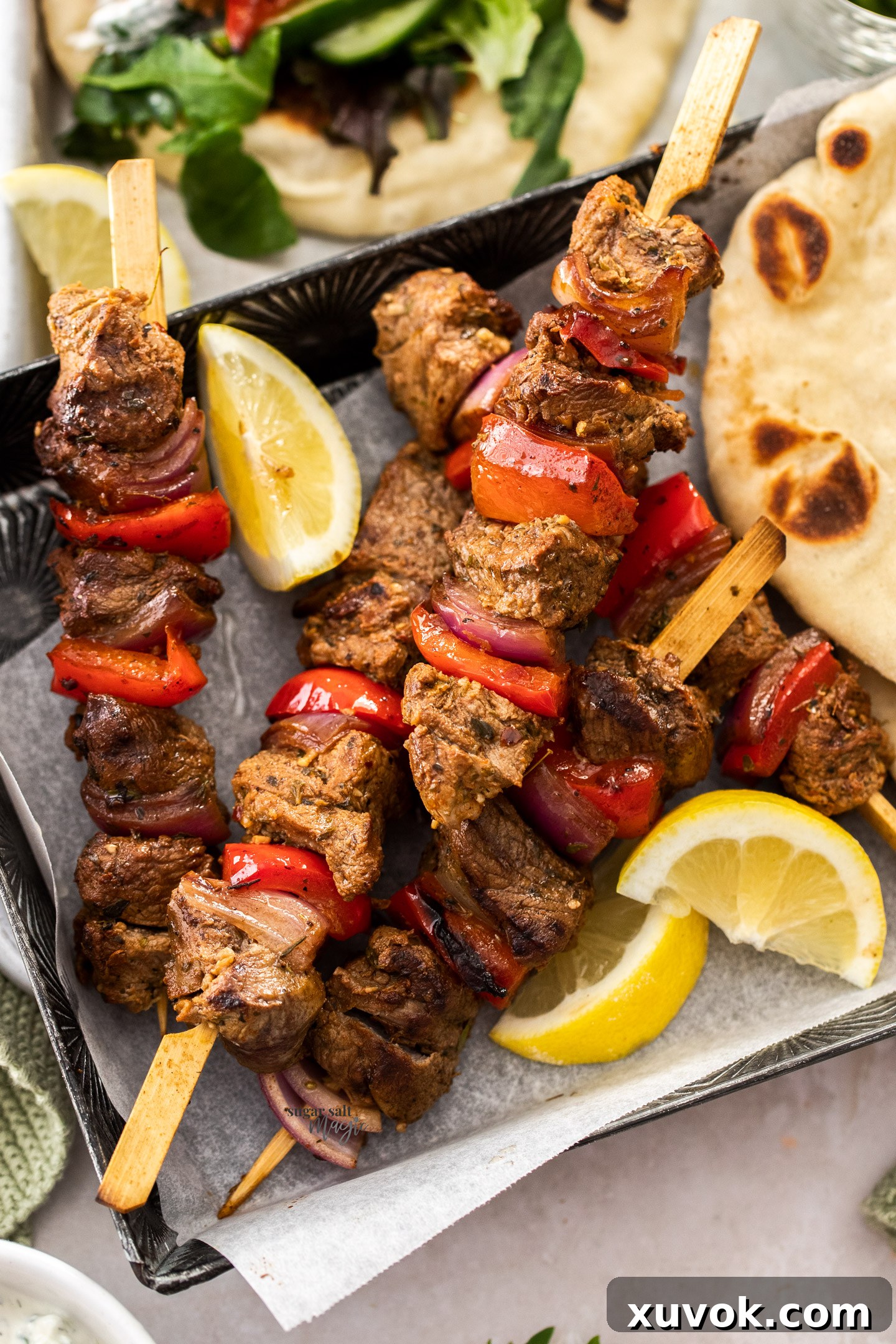
- Classic Greek Souvlaki or Gyros: Marinate cubes of lamb, chicken, or pork, then thread onto skewers with colorful bell peppers and red onions. Grill or broil until perfectly cooked. Serve wrapped in warm pita bread with a generous dollop of homemade tzatziki sauce, crisp lettuce, sliced tomatoes, and red onions for an authentic experience.
- Grilled or Pan-Seared Chicken/Lamb: Simply grill or pan-fry marinated chicken breasts, thighs, or lamb chops until golden and cooked through. Serve alongside a refreshing Greek salad (cucumber, tomatoes, red onion, olives, feta with a lemon-oregano dressing) and a side of fluffy rice or quinoa.
- Roasted Vegetables: Toss cubed potatoes, zucchini, bell peppers, or eggplant with a little of the marinade before roasting until tender and slightly caramelized. The marinade adds incredible depth to even the simplest vegetables.
- Mediterranean Bowls: Create vibrant and healthy bowls by combining your marinated and cooked protein with couscous or bulgur, roasted chickpeas, fresh greens, cherry tomatoes, Kalamata olives, and a drizzle of extra virgin olive oil.
- Fish and Seafood Feasts: Quick-marinated prawns or fish fillets can be grilled or pan-seared and served with a squeeze of fresh lemon, a sprinkle of fresh parsley, and a light orzo pasta salad.
- Appetizer Skewers: For a delightful starter, marinate cherry tomatoes, feta cubes, and cucumber chunks with a touch of the marinade, then thread onto small skewers for a fresh and flavorful bite.
More Recipes You’ll Love
- Greek Lamb Kebabs
- Greek Seasoned Chicken
- Greek Pastitsio
- Crispy Oven Roasted Pork Belly
- Herb Roasted Chicken
Did you try this Greek marinade recipe?
Leaving a rating and comment below the recipe is so helpful!
Hungry for more? Subscribe to the newsletter for free recipes straight to your inbox. Also, follow along on Facebook, Pinterest and Instagram.
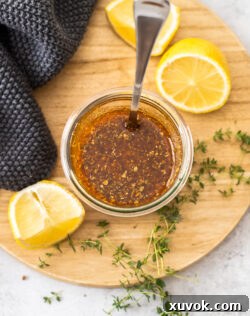
Greek Marinade
Rate
Pin
Ingredients
- 1 medium lemon
- 4 cloves garlic, minced
- 8 sprigs fresh thyme, leaves stripped, discard stalks (roughly 2 teaspoons of leaves)
- 1 ½ tablespoons extra virgin olive oil (notes 1)
- 2 teaspoons salt
- 2 teaspoons dried oregano
- 1 ½ teaspoons sweet paprika
- ¼ teaspoon dried chilli flakes (red pepper flakes), optional
For best results, always weigh ingredients where a weight is provided
Equipment
-
airtight glass containers or large zip lock bags
-
mason jar (I love Weck preserving jars)
Instructions
-
First, zest your lemon, then juice it. Add 2 teaspoons of fresh lemon zest and 2 tablespoons of lemon juice to a large mixing bowl. If your lemon doesn’t yield enough juice, you can make up the difference with a small amount of white wine vinegar or red wine vinegar for additional acidity.
-
Add all the remaining marinade ingredients to the bowl: minced garlic, stripped fresh thyme leaves, extra virgin olive oil, salt, dried oregano, sweet paprika, and the optional dried chilli flakes. Whisk everything together thoroughly until all ingredients are well combined and the mixture is emulsified.
-
Place your chosen meat into the bowl with the marinade. Use your hands or tongs to toss and massage the marinade into the meat, ensuring every piece is evenly and generously coated. Cover the bowl (or transfer to an airtight container/zip-top bag) and chill in the refrigerator for the recommended marinating time (refer to “The Art and Science of Marinating Time” section for specific guidelines).
-
When you are ready to cook, simply lift the marinated meat out of the container. There’s no need to blot it dry or drain off excess marinade; the clinging marinade will contribute to a delicious crust and keep the meat juicy during cooking. Proceed with your preferred cooking method (grilling, baking, pan-frying, etc.).
-
Please take a moment to leave a comment & rating. It’s appreciated and so helpful.
Notes
- Tablespoons: I use a standard Australian 20ml tablespoon equal to 4 teaspoons. Check yours before measuring, as US tablespoons are typically 15ml.
- Yield: This recipe is perfect for marinating up to 500g (~1lb) of meat beautifully, but it will also cover up to 1kg (~2lb) effectively. For larger portions, feel free to easily double the recipe to ensure generous coating and maximum flavor.
- Serving suggestions: This marinade is delicious for crafting the perfect Greek-style lamb souvlaki, skewered with red onions and bell peppers. Serve it with a simple Greek salad of tomatoes and cucumber, or wrapped in warm pita bread with creamy tzatziki sauce. It’s also fantastic for roasting or pan-frying various vegetables.
More Information
These links will take you up to the post – just scroll down to get back to the recipe card.
- Variations / Substitutions
- Step-by-step photos
- Marinating Time
- How much meat will this marinade cover?
- Storage and Meal Prep
MORE SAUCES AND SEASONINGS!
Calories from Fat 27