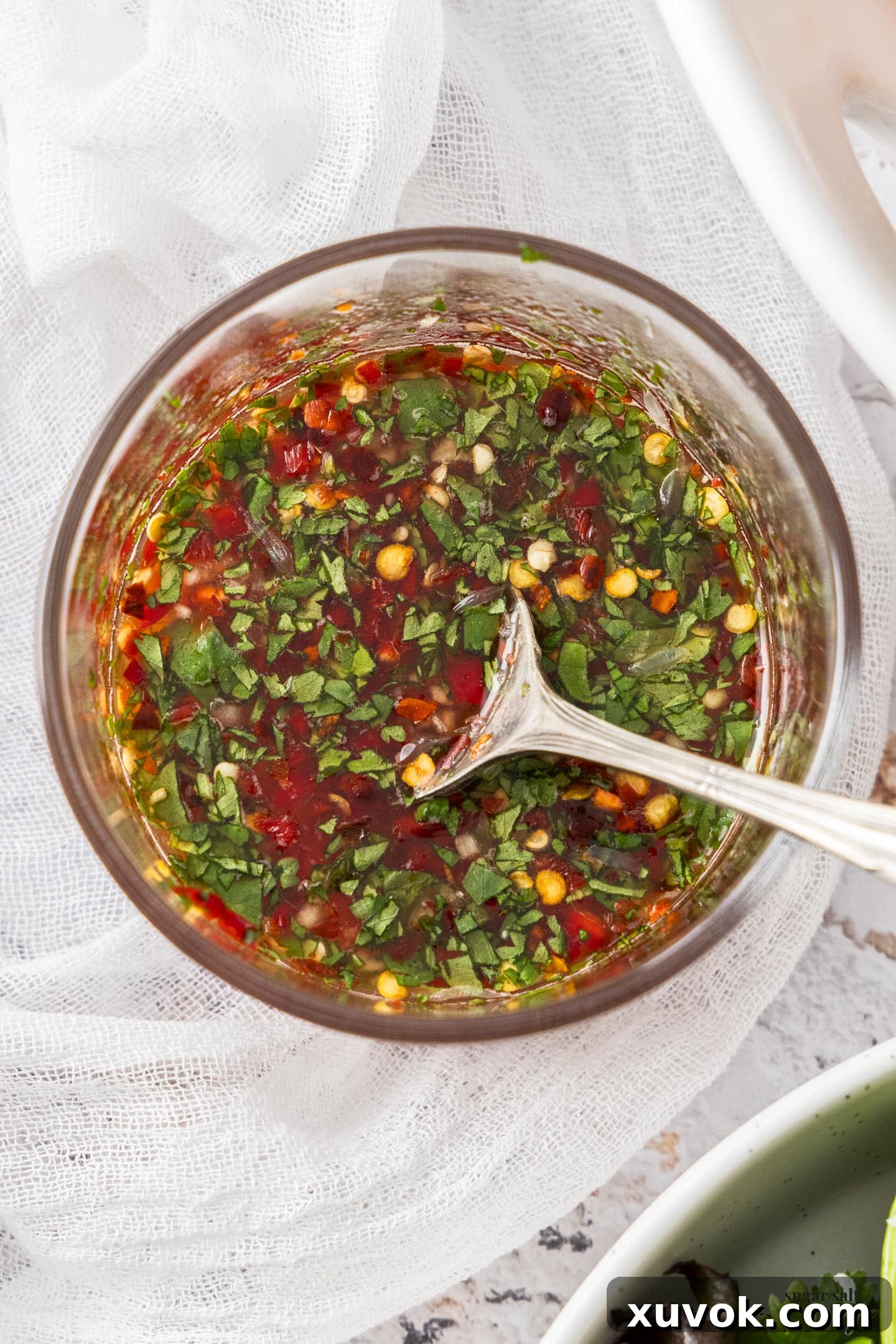
Authentic Nam Jim Dressing: The Ultimate Thai Dipping Sauce Recipe
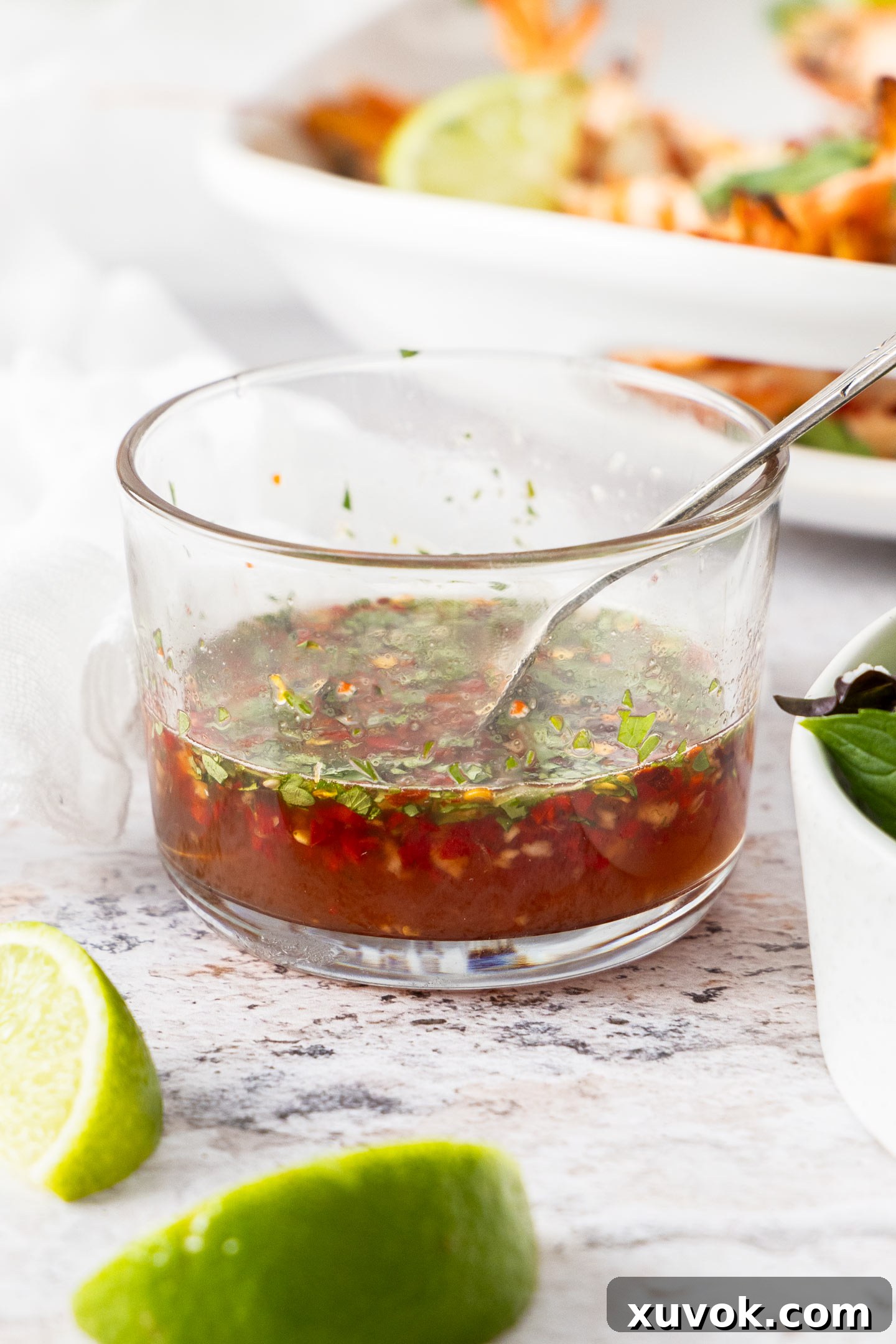
Discover the vibrant flavors of Thailand with this incredibly easy-to-make Nam Jim dressing (also known as Nam Jim sauce). A true staple in Thai cuisine, this versatile chili dipping sauce boasts a complex profile that is at once umami-rich, distinctly sweet, refreshingly zingy, and perfectly spicy. Crafted with just six essential ingredients, it’s a culinary gem that elevates any meal, whether served as a zesty accompaniment for fresh seafood, a vibrant drizzle over grilled meats, or a bright, tangy salad dressing.
One of the most appealing aspects of Nam Jim is its inherent adaptability. Unlike many rigid recipes, this sauce invites personal interpretation, allowing you to tailor its balance of flavors to suit your palate and the dishes it accompanies. Whether you prefer a sweeter sauce to cut through richness, or a more savory profile with reduced sugar, the possibilities are endless. You can intensify the heat with extra chilies or mellow it for a milder experience. Even the addition of fresh herbs like coriander/cilantro is a matter of personal preference, making Nam Jim a truly customizable culinary creation.
This classic Thai condiment is a testament to how simple, fresh ingredients can combine to create something extraordinary. Forget the overly processed bottled sweet chili sauces; homemade Nam Jim offers a depth of flavor that is far more sophisticated yet remains wonderfully straightforward to prepare. Its bright and dynamic taste makes it an essential component for many Thai dishes, transforming simple ingredients into a gourmet experience.
Beyond its standalone appeal, Nam Jim complements a wide array of other Thai delights. For instance, it’s a superb pairing for crispy prawn spring rolls, where its sharp flavors cut through the richness. It’s also a perfect companion to the Thai fish cakes, adding a fiery kick and aromatic depth that enhances every bite. Embrace the culinary adventure and make this foundational Thai sauce your own.

Table of Contents
- What is Nam Jim?
- Essential Ingredients for Nam Jim Sauce
- How to Make Authentic Thai Nam Jim Dressing
- 1. Prepare Your Fresh Ingredients
- 2. Combine and Mix All Ingredients
- Creative Ways to Use Nam Jim Sauce
- Exciting Variations and Customizations
- Frequently Asked Questions About Nam Jim
- Yield and Storage Tips
- More Delicious Thai Recipes You’ll Love
Never Miss a Recipe!
Get the latest recipes straight to your inbox!
What is Nam Jim?
In Thai, “Nam Jim” directly translates to “dipping sauce,” a term that aptly describes its primary role in Thai cuisine. This fundamental sauce serves as the foundation for countless other Thai condiments, embodying the country’s rich culinary tradition. The basic Nam Jim recipe, often interchangeable with “dressing,” is traditionally served alongside a variety of grilled or steamed seafood dishes, offering a crucial element of flavor balance.
At its core, authentic Nam Jim is characterized by a harmonious blend of pungent chilies, aromatic garlic, savory fish sauce, tangy lime juice, and sweet sugar (traditionally palm sugar, though white sugar is commonly used today). The preparation method can vary: ingredients are either finely chopped by hand for a rustic texture or pounded meticulously in a mortar and pestle to create a smoother, more integrated paste, allowing the flavors to truly meld and intensify.
While the basic recipe is wonderfully versatile, Nam Jim boasts a fascinating array of variations, each tailored to complement specific dishes or regional tastes:
- Nam Jim Jaew: A popular Northeastern Thai (Isaan) version, Nam Jim Jaew distinguishes itself with the addition of finely sliced shallots or green onions and a unique smoky, nutty flavor from toasted sticky rice powder. It’s often served with grilled meats like Thai Satay Chicken, offering a more robust and earthy profile.
- Nam Jim Gai: Meaning “chicken dipping sauce,” Nam Jim Gai is significantly sweeter and thicker than its counterparts. Its syrupy consistency makes it an ideal accompaniment for fried chicken or spring rolls, providing a sweet and mildly spicy counterpoint.
- Ajaat/Ajaad Sauce: This refreshing cucumber relish incorporates thinly sliced cucumbers, often with chilies and shallots, in a sweet and sour vinegar-based dressing. It’s frequently paired with richer, fried dishes to add a refreshing crunch and cut through fattiness.
These are just a few examples from the extensive repertoire of Thai sauces. The basic Nam Jim recipe highlighted here, with its liquid consistency and vibrant flavor, is incredibly versatile. It’s perfect not only for dipping grilled meats and seafood but also as a lively dressing for salads, proving its indispensable role in the Thai kitchen.
Essential Ingredients for Nam Jim Sauce
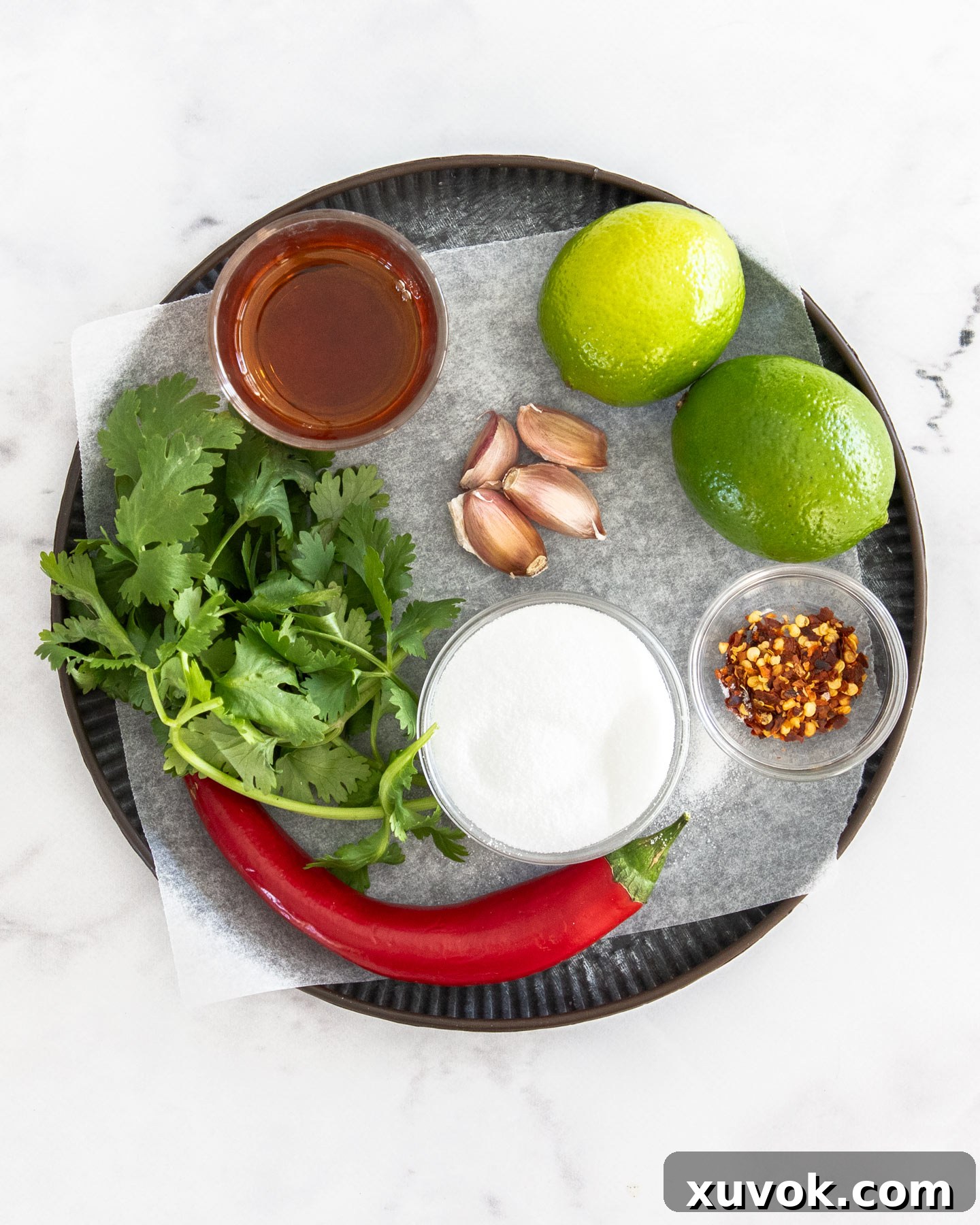
Jump to the recipe for full ingredients and instructions.
Crafting the perfect Nam Jim relies on a handful of key ingredients, each playing a crucial role in achieving its signature flavor balance. Here’s a detailed look at what you’ll need and why:
- Fish Sauce: This is the soul of Nam Jim dressing. High-quality Thai fish sauce, a potent fermented anchovy condiment, provides the deep, savory umami base that is indispensable in so many Thai recipes. It offers a salty, earthy complexity that regular salt simply cannot replicate. While some traditional recipes might incorporate shrimp paste for an even deeper funk, a good fish sauce is paramount for this dressing. Look for brands that are clear and amber-colored for the best flavor.
- Lime Juice: The bright, zesty tang in Nam Jim typically comes from freshly squeezed lime juice. Its sharp acidity is vital for cutting through richness and balancing the other intense flavors. While fresh is always best, good quality rice wine vinegar can sometimes be used as a substitute, or for a deeper, more earthy sourness, a touch of tamarind paste can be added, though it will alter the flavor profile slightly.
- Garlic: A generous amount of fresh garlic is a non-negotiable component for Nam Jim, contributing significantly to its umami depth and aromatic punch. Whether finely minced or pounded, garlic provides a pungent warmth that grounds the sauce and enhances its overall richness.
- Chillies: This Thai dipping sauce gets its characteristic heat and visual appeal from a combination of chilies. A long red chilli is often included for its vibrant color, a pleasant mild heat, and some textural interest. However, the majority of the fiery kick traditionally comes from small, potent birdseye chilies (also known as Thai chilies). For convenience, or if fresh birdseye chilies are unavailable, hot dried chili flakes can be used to achieve the desired level of spice, as demonstrated in this recipe. Remember, you can always adjust the amount of chilies to your personal heat preference.
- Sugar: Sugar plays a critical role in balancing the fierce heat, zesty tang, and savory depth of the other ingredients. Traditionally, earthy palm sugar is used, which lends a subtle caramel note. However, as Thai cuisine evolves and adapts, it is perfectly acceptable to substitute with more readily available white sugar or even brown sugar, which will contribute a slightly richer molasses flavor. The key is to achieve a harmonious sweet-sour-spicy balance.
- Coriander/Cilantro: Fresh coriander (cilantro) provides a refreshing, herbaceous counterpoint to the bold flavors of Nam Jim. While not always present in every variation, a small amount adds a beautiful vibrant color and a burst of fresh, citrusy notes. If you’re not a fan of coriander, you can easily omit it or swap it for fresh parsley to retain the visual appeal without altering the core taste too much.
Ensuring fresh, high-quality ingredients will make all the difference in the final taste of your homemade Nam Jim. Each component is chosen for its unique contribution, creating a symphony of flavors that is truly unforgettable.
How to Make Authentic Thai Nam Jim Dressing
Creating your own Nam Jim dressing is astonishingly simple, proving that some of the most flavorful condiments require minimal effort. Whether you prefer the rustic charm of finely chopped ingredients or the traditional method of pounding them with a mortar and pestle, you’ll achieve a gorgeous Thai dressing in mere minutes. This quick preparation makes it an ideal go-to for impromptu meals or when you want to add a burst of fresh flavor without fuss.
Jump to the recipe for full ingredients and instructions.
1. Prepare Your Fresh Ingredients
Begin by meticulously preparing your fresh ingredients. Finely chop the long red chili, adjusting the amount and whether you include seeds based on your desired heat level. Next, mince the garlic cloves; using a garlic mincer can significantly speed up this process, ensuring a consistent texture. Finally, squeeze fresh lime juice – aim for about ¼ cup, which typically comes from two medium limes. Having all your components ready makes the mixing process seamless and efficient.
2. Combine and Mix All Ingredients
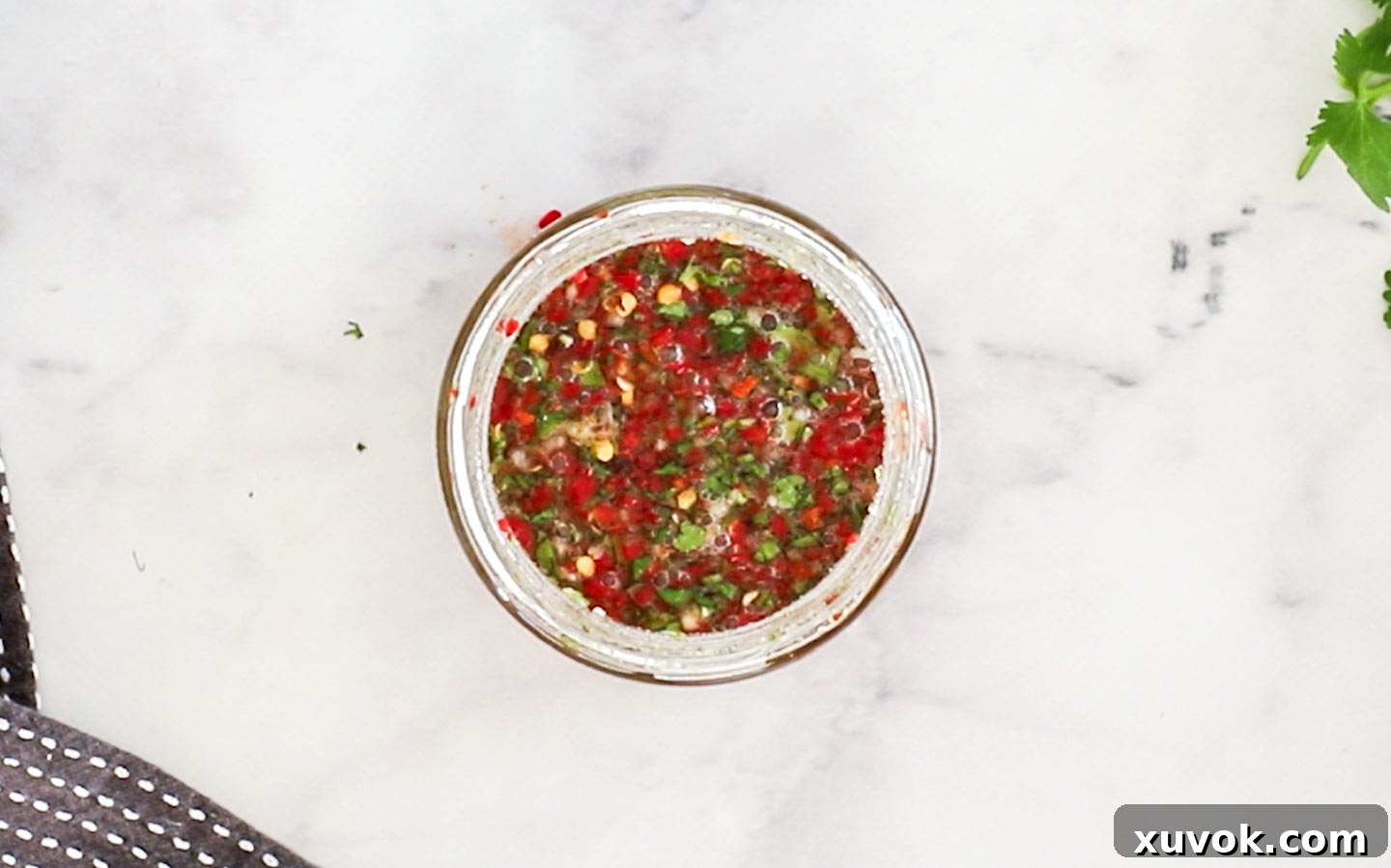
Once your ingredients are prepped, it’s time to bring them all together. If you’re using a traditional mortar and pestle, you can add all the prepared ingredients directly into the mortar and pound them until they form a coarse or fine paste, depending on your preference. This traditional method extracts maximum flavor and aroma. Alternatively, for a quicker approach, grab a clean jar with a tight-fitting lid, such as an old jam jar or a mason jar. Add the chopped chili, minced garlic, chili flakes (if using), fresh lime juice, sugar, fish sauce, and fresh coriander to the jar. Secure the lid tightly and give it a vigorous shake for about 30 seconds to a minute. This shaking motion helps to dissolve the sugar evenly and thoroughly combine all the flavors. If you don’t have a jar, a simple bowl and spoon will also work; just stir diligently until the sugar is fully dissolved. Taste and adjust seasonings as needed – perhaps a little more lime for tang, sugar for sweetness, or chili for heat. And just like that, your vibrant Nam Jim dressing is ready to elevate your meal!
Creative Ways to Use Nam Jim Sauce
The beauty of Nam Jim lies in its incredible versatility, making it a culinary chameleon that enhances a vast array of dishes. Its vibrant, balanced flavors of sweet, sour, salty, and spicy make it an indispensable condiment in any kitchen. Here are some creative and traditional ways to incorporate this delicious Thai dipping sauce into your meals:
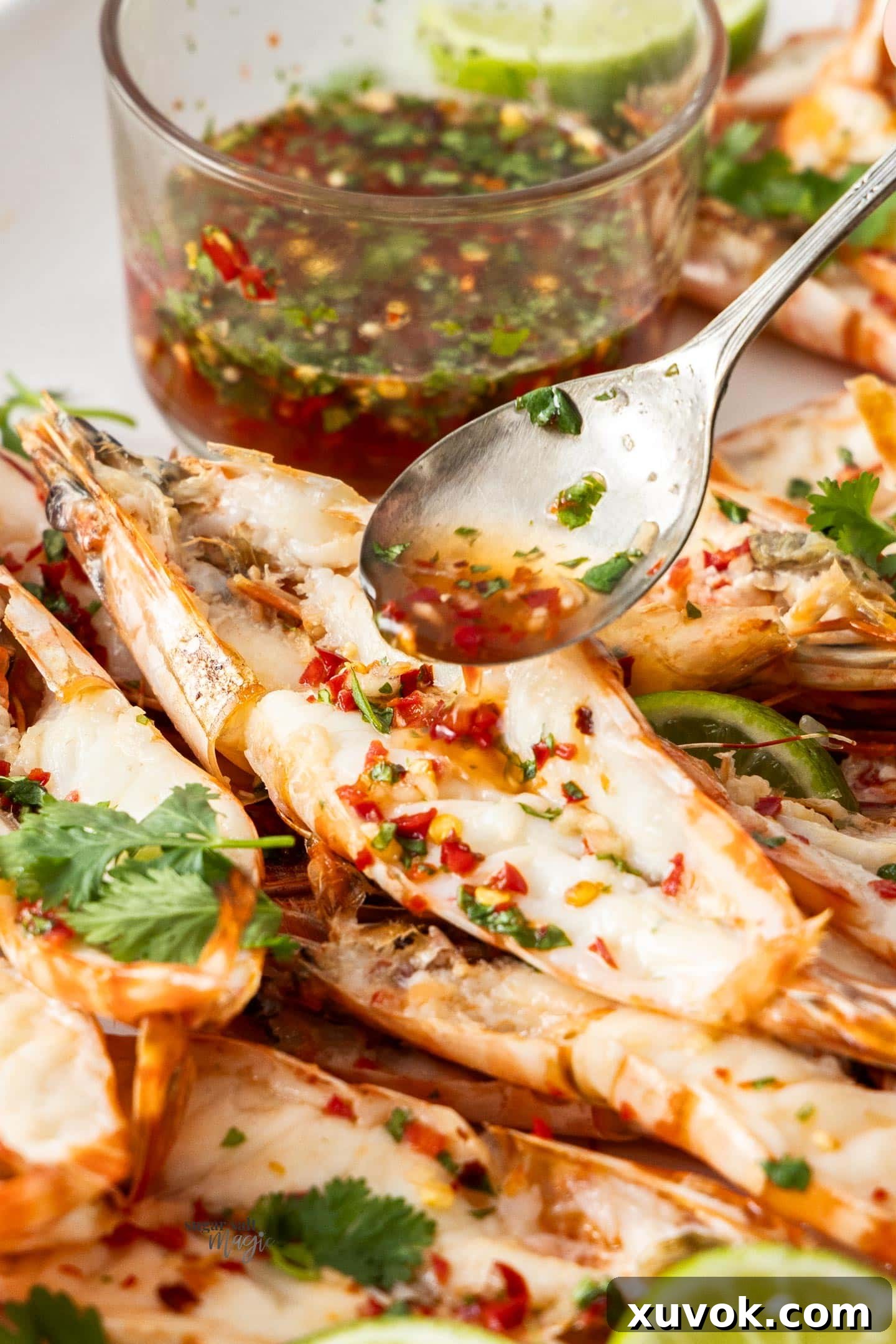
- Seafood Sensation: Nam Jim is traditionally celebrated as the perfect partner for simple, fresh seafood. It breathes new life into plain steamed or grilled fish, prawns, or squid. Imagine the delicate flavor of butterflied prawns, elevated by a generous drizzle of this zesty sauce, or the classic pairing with flavorful Thai fish cakes. Its bright notes cut through the richness of seafood, creating a harmonious and refreshing bite.
- Grilled Meats & BBQ: Beyond seafood, Nam Jim is fantastic with various grilled meats. It’s a common accompaniment for Thai BBQ chicken, infusing the smoky, charred meat with a much-needed zing. Its sharp, fresh profile can also beautifully complement richer meats like beef, lamb, or even succulent crispy roast pork belly. Simply serve it on the side as a dipping sauce, allowing each diner to customize their flavor experience.
- Asian Appetizers & Finger Food: Elevate your favorite Asian-style finger foods and appetizers with a side of Nam Jim. It’s an ideal dipping sauce for crunchy prawn spring rolls, light vegetable spring rolls, or even savory Japanese karaage chicken. The sauce’s bold flavors add an exciting contrast to the fried textures.
- Salad Dressing Reinvented: While perhaps not a traditional Thai application, Nam Jim makes an absolutely exquisite salad dressing, especially for Thai-inspired salads. Its zingy, fresh character brightens up leafy greens and vegetables. Try it on a salad featuring crisp cucumber, mixed greens like mesclun and peppery rocket (arugula), generously studded with fresh herbs such as Thai basil, coriander, and mint. Even a hint of dill can add an unexpected yet delightful twist, transforming a simple salad into a vibrant, flavor-packed dish.
- Marinade Base: For an extra layer of flavor, consider using Nam Jim as a base for marinades. Its acidic and savory components work wonders in tenderizing and infusing meats or firm tofu before grilling or stir-frying.
- Roasted Vegetables: Drizzle Nam Jim over roasted vegetables like asparagus, broccoli, or bell peppers after they come out of the oven. The sauce adds a punchy, fresh contrast to the caramelized sweetness of the vegetables.
With its remarkable versatility, Nam Jim is much more than just a dipping sauce; it’s a culinary tool that can truly transform and enhance the flavor profile of countless dishes, making every meal an exciting adventure.
Exciting Variations and Customizations
The beauty of Nam Jim is its inherent flexibility, allowing for endless customization to suit individual palates and culinary creations. Since “Nam Jim” isn’t a single fixed recipe but rather a category of dipping sauces, you’re encouraged to adjust it to your liking and explore exciting variations:
- Adjusting Sweetness: If you prefer your sauce on the sweeter side, simply add more sugar, stirring until fully dissolved. For a less sweet, more savory profile, reduce the sugar content. Experiment with different types of sugar, such as brown sugar for a hint of molasses, or even a touch of honey for a unique sweetness.
- Controlling Saltiness: The primary source of saltiness comes from fish sauce. If you desire a saltier kick, add a small splash more. Remember to taste as you go, as fish sauce can be quite potent. For a different kind of savory depth, some recipes incorporate a tiny bit of shrimp paste, though this will introduce a stronger fermented aroma.
- Enhancing Tanginess: For an extra burst of tartness, increase the amount of fresh lime juice. If limes are scarce or you’re looking for an alternative, rice wine vinegar can be a great substitute, or you can even combine both for a more complex sour note. A small amount of tamarind paste can also be used to add a deeper, fruitier tang, often found in more rustic Thai sauces.
- Spice Level Customization: The heat of Nam Jim is entirely in your hands. To make it spicier, simply add more bird’s eye chilies or increase the amount of hot dried chili flakes. For a milder version, remove the seeds and membranes from the fresh chilies, or use fewer chilies altogether. You can also experiment with different types of chilies, such as jalapeños for a milder heat, or even a dash of hot honey for a sweet and spicy kick.
- Adding Depth and Texture:
- Nam Jim Jaew Style: Transform your basic Nam Jim into the classic Nam Jim Jaew by incorporating dry-toasted and ground sticky rice powder (khao khua) and finely sliced shallots. This adds a wonderful nutty flavor and a slight thickening texture.
- Creaminess and Umami: For a richer, thicker sauce, you can add a spoon of oyster sauce or a hint of peanut butter (for a satay-like twist).
- Aromatics: Don’t hesitate to introduce other aromatic elements like finely grated fresh ginger, minced lemongrass, or galangal for added complexity and fragrance.
- Herb Additions: While coriander is common, consider incorporating other fresh herbs like mint, Thai basil, or even saw-leaf coriander for varied aromatic notes, especially when pairing with specific dishes.
Don’t be afraid to experiment! The true joy of making Nam Jim at home is the freedom to adjust and innovate, creating a sauce that perfectly matches your preferences and the meal you’re serving.
Frequently Asked Questions About Nam Jim
The basic Nam Jim sauce, as featured in this recipe, is primarily composed of fresh Thai fish sauce, vibrant lime juice, pungent garlic, spicy chilies (typically a combination of long red and birdseye chilies or chili flakes), balancing sugar (traditionally palm sugar), and fresh coriander (cilantro). These core ingredients create its signature complex profile of sweet, sour, salty, and spicy flavors.
Yes, Nam Jim dressing is inherently spicy, as it contains fresh chilies. However, the exact level of heat is entirely customizable to your preference. This recipe yields a sauce with what most would consider a medium heat level, offering a pleasant kick without overwhelming the palate. If you prefer it milder, you can discard the seeds from the fresh chilies, which carry most of the heat, and reduce the amount of dried chili flakes. For a fiery experience, add more chilies or opt for hotter varieties. Always taste and adjust as you go!
While often related and sharing similar core ingredients, Nam Jim and Nam Prik generally refer to different categories of Thai sauces. “Nam Jim” (dipping sauce) is typically a more liquid, fresh, and often brighter sauce used for dipping or drizzling. “Nam Prik” (chili paste or relish) traditionally refers to a broader family of chili-based relishes or dips that are often thicker, chunkier, and can be quite spicy, sometimes including roasted ingredients, fermented fish, or vegetables pounded into a paste. While some versions of Nam Prik might resemble a very chunky Nam Jim, Nam Prik often focuses more on the chili and can be eaten as a main condiment with rice and raw vegetables, whereas Nam Jim is primarily for dipping cooked foods. Nam Prik may also contain shallots and might not always include sugar, or will have a lower sugar content compared to many Nam Jim varieties.
When stored in an airtight container or jar in the refrigerator, homemade Nam Jim dressing typically stays fresh for about 1-2 weeks. The fresh lime juice and chilies help preserve it, but its vibrancy is best enjoyed within the first few days. Always give it a good shake or stir before serving after storage.
The main non-vegan ingredient in traditional Nam Jim is fish sauce. To make it vegan or vegetarian, you can substitute the fish sauce with a high-quality vegan fish sauce substitute (often made from seaweed or mushroom extracts), or use a savory soy sauce or tamari, adjusting the saltiness to taste. Some recipes also use mushroom seasoning or a pinch of salt to round out the savory notes.
Yield and Storage Tips
This recipe for Nam Jim dressing yields approximately ½ cup, making it perfect for a family meal or a small gathering. For optimal freshness and flavor, store your homemade Nam Jim in an airtight jar in the refrigerator. It will maintain its vibrant taste and quality for 1 to 2 weeks. Always give the jar a good shake or stir before each use, as some ingredients may settle at the bottom.
More Delicious Thai Recipes You’ll Love
If you enjoyed making this Nam Jim dressing, be sure to explore more authentic and flavorful Thai recipes:
- Thai Fish Cakes
- Thai Green Curry Chicken
- Homemade Thai Green Curry Paste
- Thai Satay Chicken with Peanut Sauce
- Thai Panang Curry with Prawns
- Spicy Hot Honey (A versatile condiment for many cuisines)
⭐⭐⭐⭐⭐
Did you try this authentic Nam Jim dressing recipe? Show it some love in the comments below!
Hungry for more? Subscribe to our newsletter for free recipes straight to your inbox. Also, follow along on Facebook, Pinterest and Instagram for daily inspiration.
Nam Jim Dressing
4
serves
10 minutes
10 minutes
Rate
Pin
Ingredients
-
1
long red chilli
finely chopped with or without seeds -
4
cloves
garlic
minced -
½
teaspoon
hot dried chilli flakes (or 2-4 birdseye chilli)
to taste -
¼
cup
lime juice
from 2 limes -
¼
cup
white sugar -
2
tablespoons
fish sauce
(notes 1) -
1
tablespoon
fresh coriander (fresh cilantro)
(notes 1)
For best results, always weigh ingredients where a weight is provided
Equipment
-
Jam jar or mason jar with tight fitting lid
Instructions
-
Finely chop the red chilli. Nam Jim sauce is a spicy sauce, but depending on how much spicy heat you like, you can put the seeds aside and add them back as much as you like after tasting.
-
In a mason jar, add the chopped chilli, minced garlic, chilli flakes, lime juice, sugar, fish sauce and coriander. Shake well until the sugar dissolves and it’s ready to use.
-
Please take a moment to leave a comment & rating. It’s appreciated and so helpful.
Notes
- Tablespoons: I use a standard Australian 20ml tablespoon (equal to 4 teaspoons). Check yours before measuring.
- Yield: This recipe makes about ½ cup.
- Nutrition details are approximate only and based on 4 serves per ½ cup – scroll below the recipe to find the full nutritional information.
65
kcal
Marie Roffey
Have you tried this recipe?
Don’t forget to leave a rating and comment below and let me know how it was! I love hearing from you. Nutrition information is approximate and derived from an online calculator. The brands you use may cause variations.
Calories from Fat 1
0%
0%
31%
3%
5%
2%
16%
2%
4%
27%
1%
2%