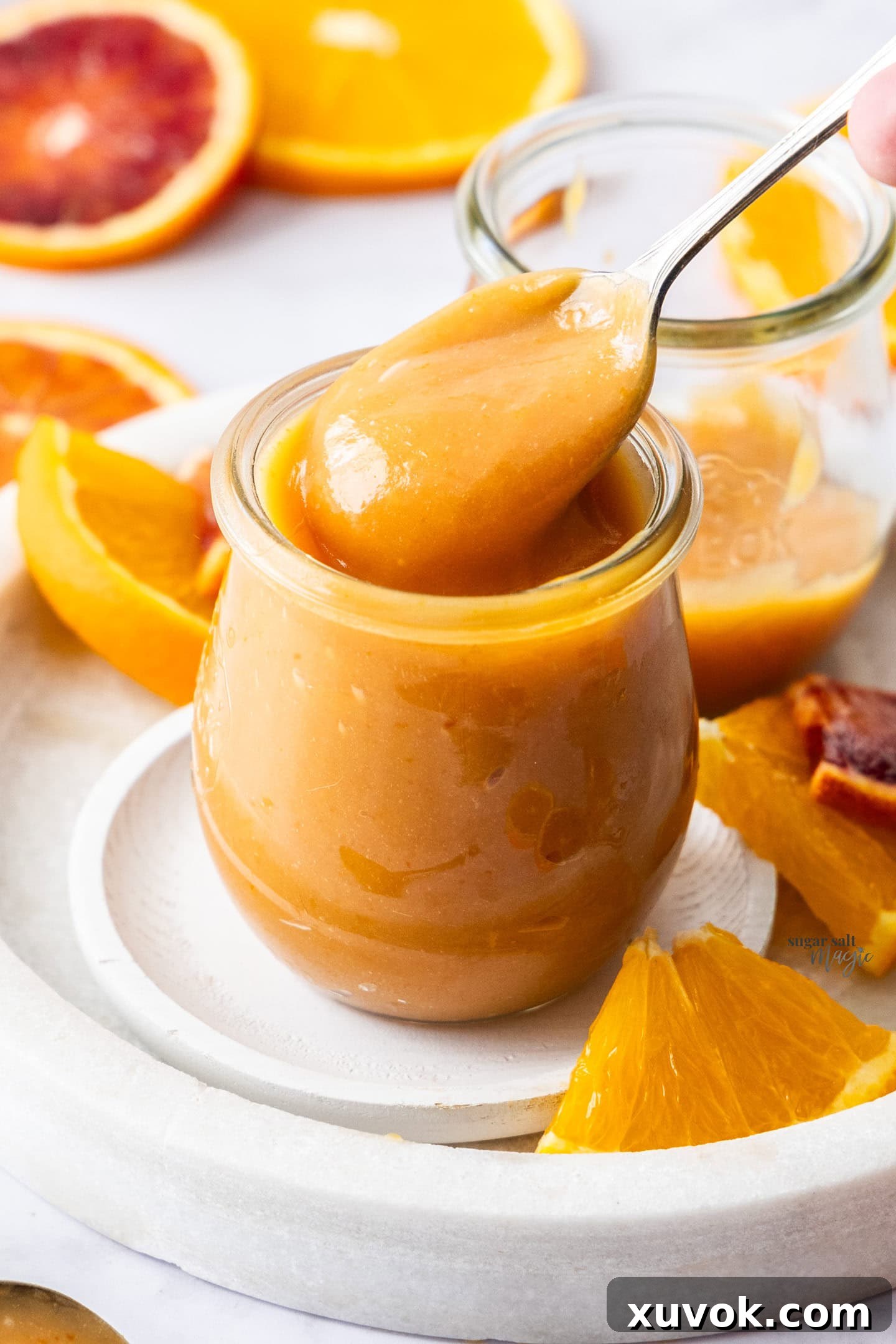
Homemade Orange Curd: A Burst of Sunshine in Every Spoonful
Imagine a spread that’s effortlessly sweet, boasts a delicate tang, and absolutely bursts with vibrant citrus flavor. That’s the magic of homemade orange curd! It’s truly like having a jar of sunshine ready in your fridge. While I personally adore using juicy blood oranges for their unique hue and subtle raspberry notes, this versatile recipe welcomes any orange variety you prefer. With just a handful of readily available ingredients and less than 15 minutes of active preparation time, you can whip up this gorgeous, silky-smooth orange curd to elevate everything from delicate cakes to fluffy pancakes and beyond.
This perfected orange curd recipe is a delightful adaptation of my widely adored lemon curd. Its immense popularity stems from its consistently silky-smooth texture, incredibly bright flavor, and its remarkable simplicity to prepare. The best part? No fussy double boiler is necessary. All you need is a single saucepan, low heat, and quality ingredients. There’s also a clever little secret to achieving its intensely concentrated flavor: by gently reducing the fresh orange juice first, you create a more potent and aromatic base, ensuring every bite is packed with authentic orange goodness.
If you share my passion for the exquisite flavor and stunning appearance of blood oranges, you simply must try these mesmerizing candied blood orange slices. They make a fantastic garnish or a sweet treat on their own!
This delicious recipe was initially published on September 17th, 2019, and has been thoroughly updated with enhanced instructions, step-by-step photographs, and additional tips for your perfect batch.
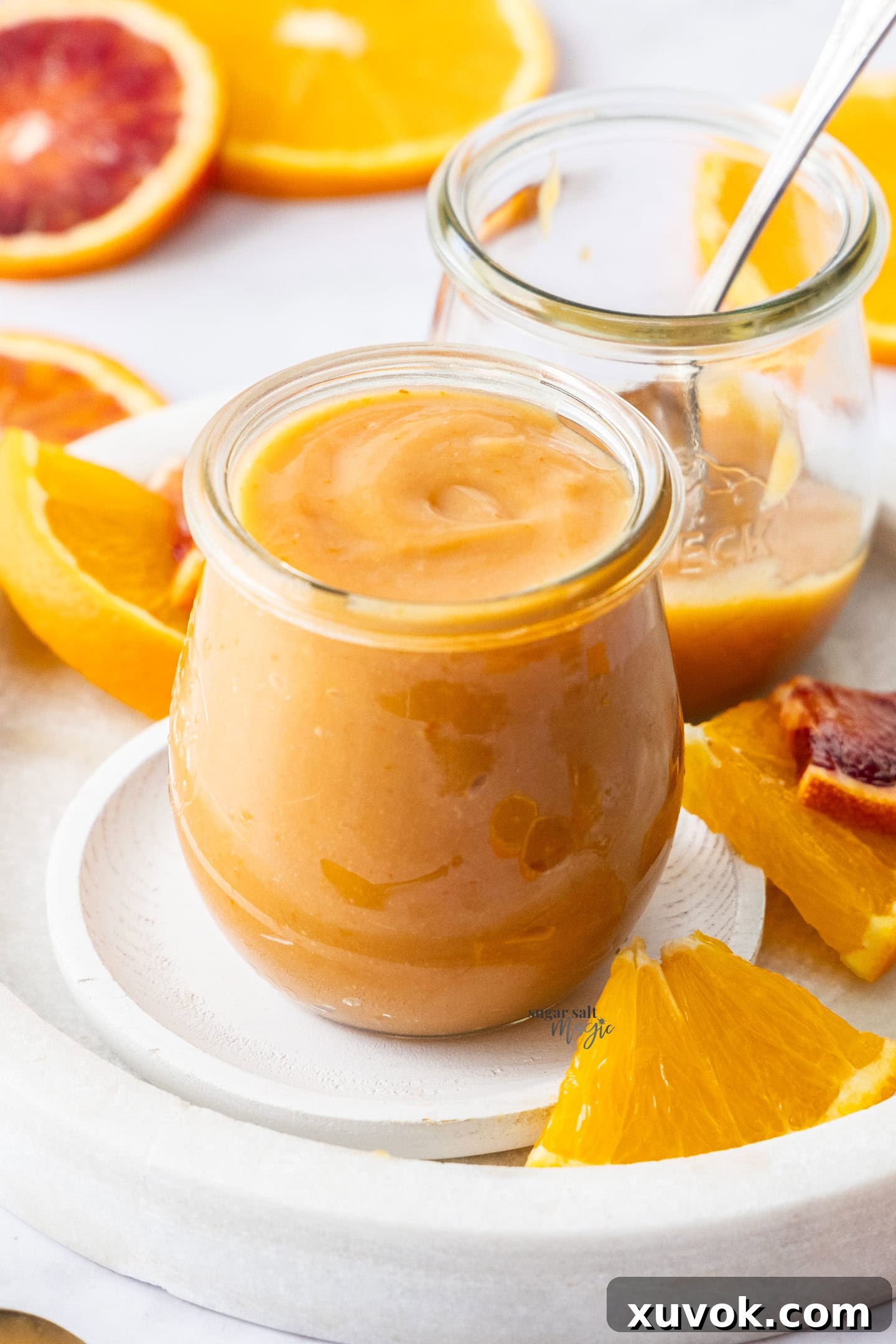
Table of Contents
- What is Orange Curd?
- Ingredients You’ll Need
- How to Make Orange Curd
- Frequently Asked Questions (FAQs)
- Expert Tips and Tricks for Perfect Curd
- What Colour Should Blood Orange Curd Be?
- Troubleshooting Common Curd Issues
- Delicious Ways to Use Orange Curd
- More Citrus & Fruit Curd Recipes You’ll Love
Never Miss a Recipe!
Get the latest delightful recipes straight to your inbox!
With their notoriously short season, I eagerly anticipate the arrival of blood oranges in stores each year. Their unique flavor and stunning color are simply irresistible. In the past, I’ve crafted this gorgeous buttermilk panna cotta with blood orange jelly, which is truly divine. This time, however, the allure of creating a vibrant blood orange curd proved too strong to resist, adding another favorite to my citrus repertoire.
What is Orange Curd?
At its heart, orange curd is a luxurious, thick, and incredibly smooth citrus-flavored spread. It’s crafted from a handful of incredibly simple yet essential ingredients: fresh eggs, granulated sugar, vibrant orange juice, and rich butter. The combination of these elements, cooked gently, transforms into a truly decadent condiment.
While you can certainly make this recipe with any type of orange for a classic flavor, using blood oranges, as I have, introduces a fascinating dimension. Blood oranges offer a distinct orange flavor with a subtle yet captivating hint of raspberry, making them my absolute favorite citrus fruit. Beyond their unique taste, they also impart a breathtaking hue, giving the finished curd a beautiful peachy, sometimes even rosy, color that is as pleasing to the eye as it is to the palate.
Essential Ingredients You’ll Need
You’ll be amazed that such an incredibly flavorful and sophisticated spread requires only four core ingredients. Simplicity truly meets elegance in this easy citrus curd recipe.
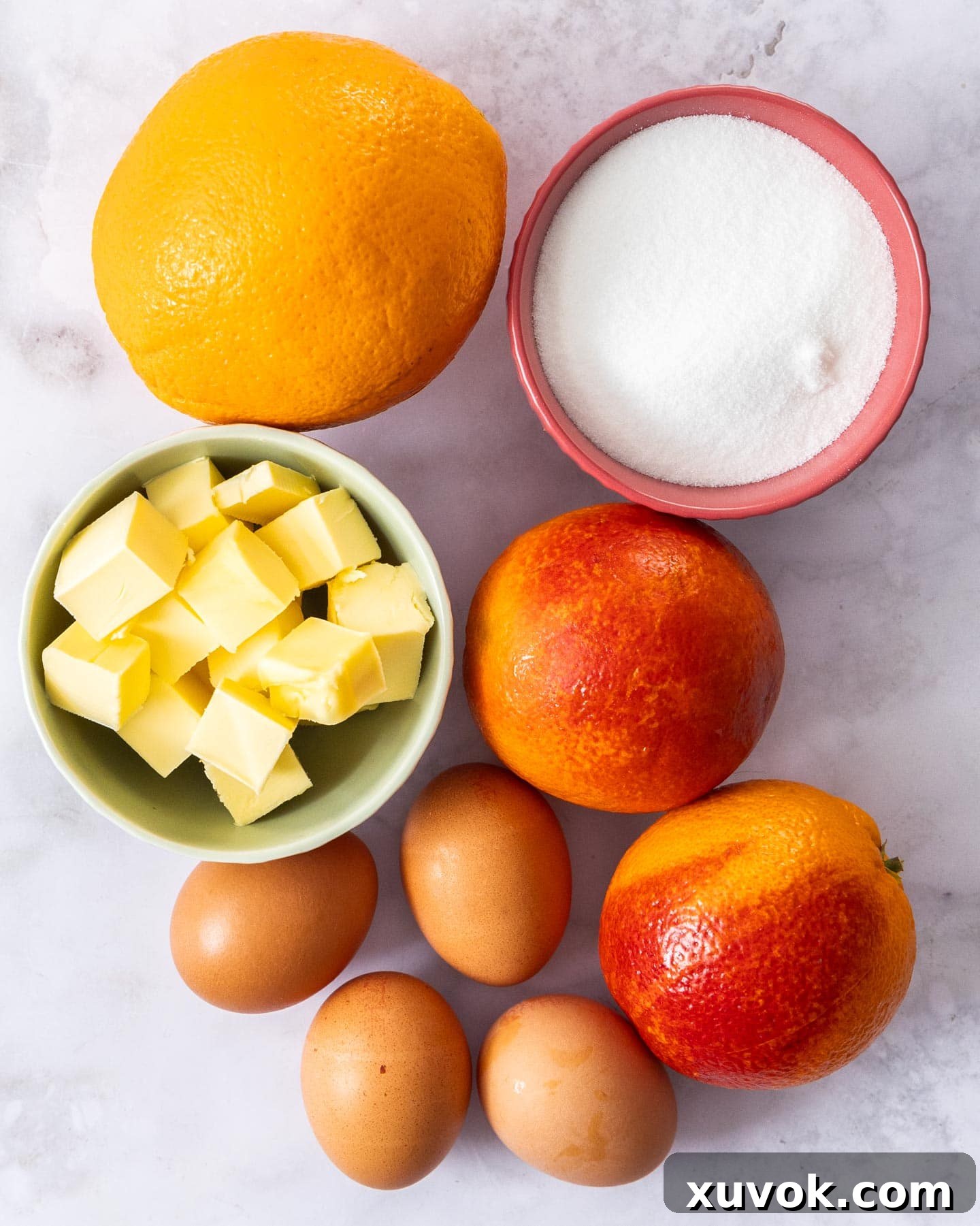
For precise measurements and detailed instructions, please refer to the complete recipe card at the end of this post.
- Oranges: I’ve chosen vibrant blood oranges for this particular batch to create a distinctive blood orange curd. However, the beauty of this recipe lies in its adaptability. Feel free to use any type of orange you prefer, such as Navel oranges, Cara Cara oranges, or Valencia oranges. Beyond oranges, other citrus fruits like clementines, mandarins, or tangelos can yield equally delicious results. If you appreciate a more pronounced tartness, even grapefruit can be used for a wonderfully sharp and refreshing curd.
- Eggs: Eggs are absolutely fundamental to the structure and texture of fruit curd. They act as a natural thickener, giving the curd its characteristic rich, creamy consistency as it gently cooks.
- Sugar: Simple white granulated sugar is all you need here. It balances the tartness of the oranges and contributes to the curd’s smooth texture and glossy finish.
- Butter: Unsalted butter plays a crucial dual role. It imparts a luxurious, rich, and buttery flavor that perfectly complements the citrus notes, and it also contributes significantly to the curd’s final thick and spreadable set, ensuring a beautifully emulsified product.
How to Make Orange Curd: A Simple One-Pan Method
Forget complicated techniques! This incredibly easy homemade orange curd recipe is achieved through a super simple method, utilizing only low heat and a single saucepan. It’s designed for maximum flavor with minimum fuss.
Detailed ingredient quantities and step-by-step instructions can be found in the comprehensive recipe card below.
1. Concentrate the Orange Juice for Intense Flavor
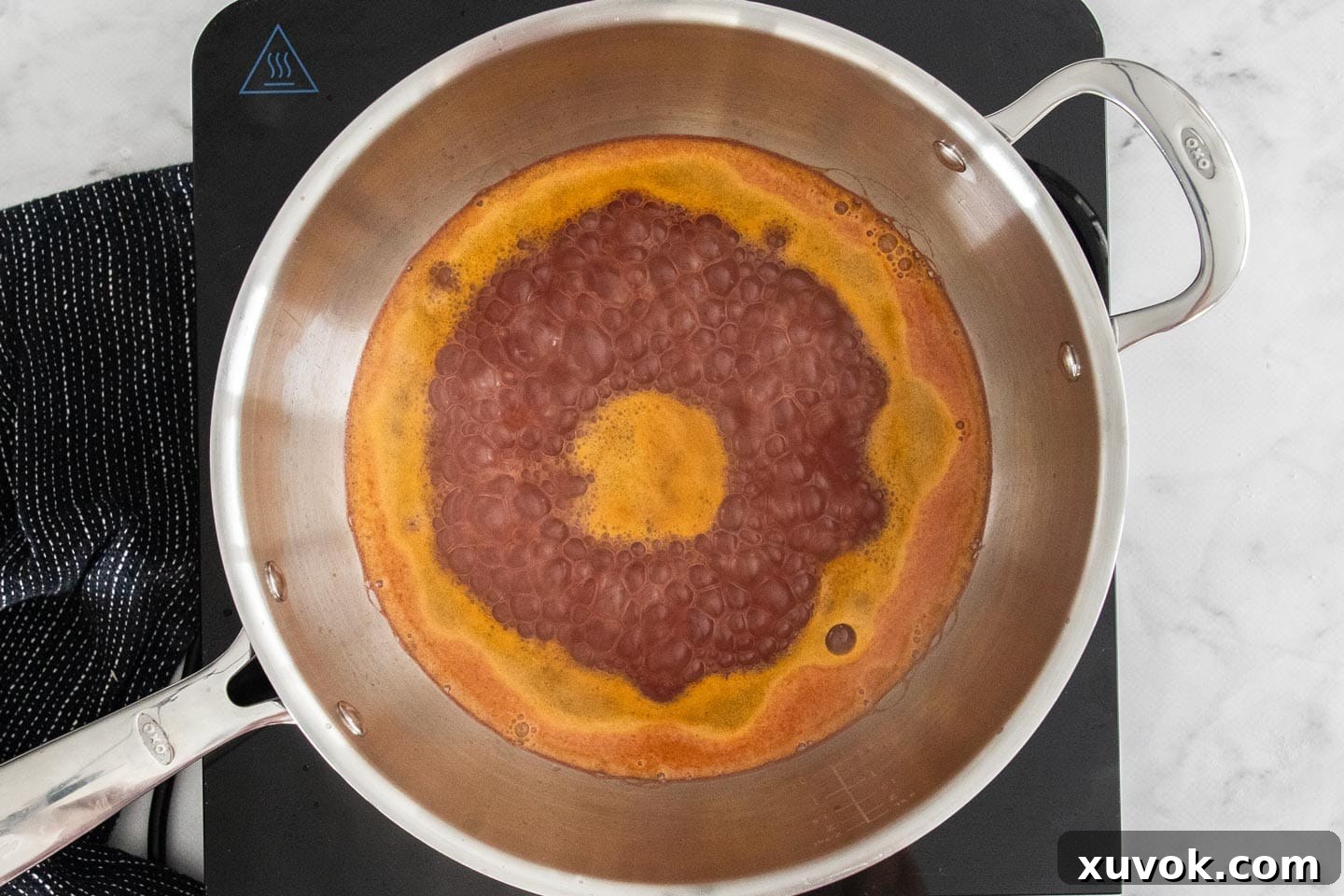
As I’m using blood oranges for this demonstration, note the captivating color of the juice. Begin by pouring your fresh orange juice into a heavy-bottomed saucepan. Bring it to a gentle simmer over low-medium heat, allowing it to reduce down to approximately ½ cup. This crucial step is entirely optional but comes highly recommended if you desire an incredibly intensified orange flavor. If you prefer to skip this concentration, simply start with ½ cup of fresh orange juice (or blood orange juice) directly in the next step.
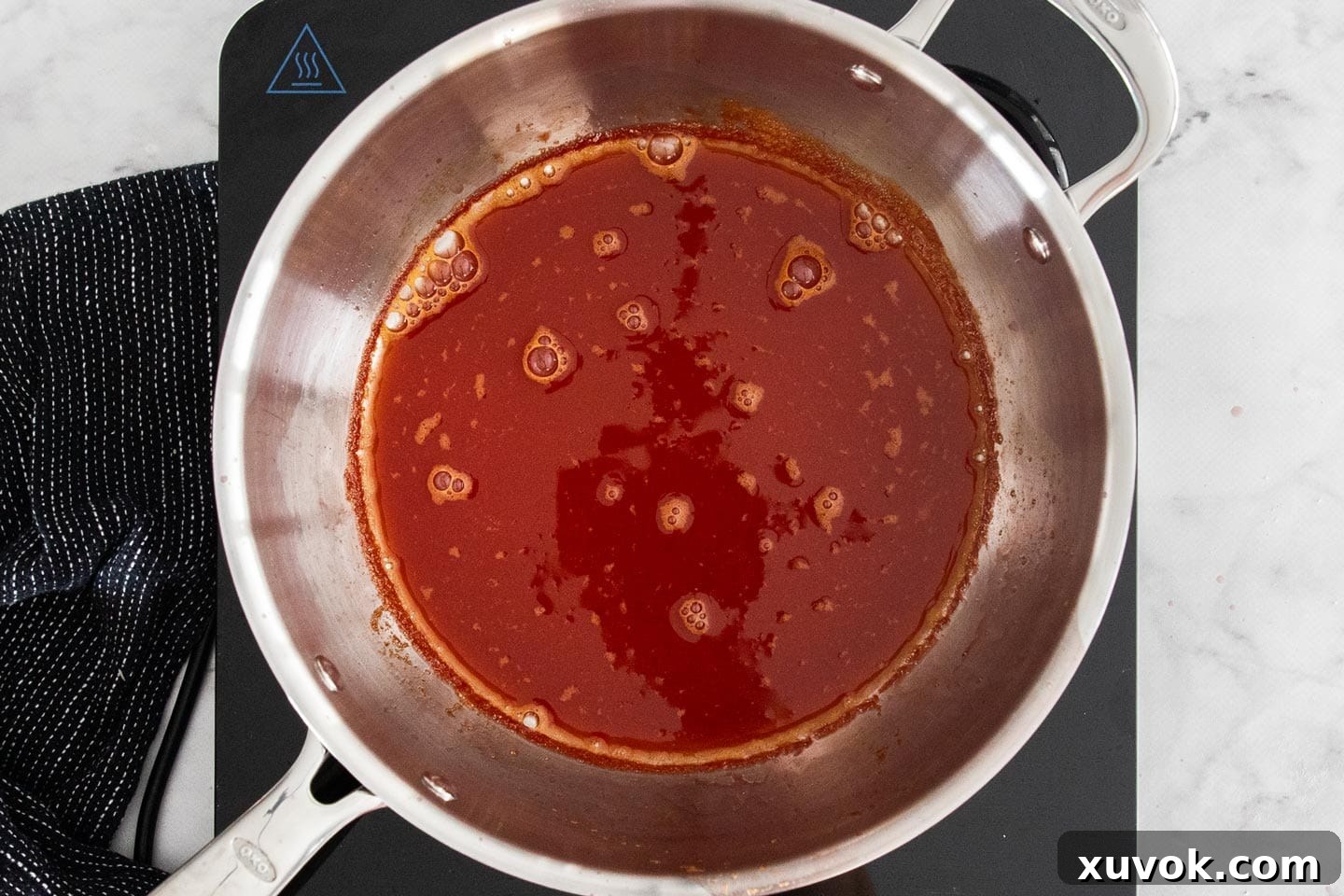
2. Combine Remaining Ingredients and Begin Cooking
Once your orange juice is reduced (or you’re starting with ½ cup), remove the saucepan from the heat. Carefully add the sugar, then the eggs and egg yolks, followed by the orange zest. Whisk everything together thoroughly until the sugar is completely dissolved and all ingredients are smoothly combined. Return the saucepan to a very low heat. Begin incorporating the cold, cubed butter, adding it in small batches of 2-3 cubes at a time. Whisk continuously after each addition until the butter has fully melted and integrated into the mixture before adding more. This gradual process is essential for achieving a perfect emulsion.
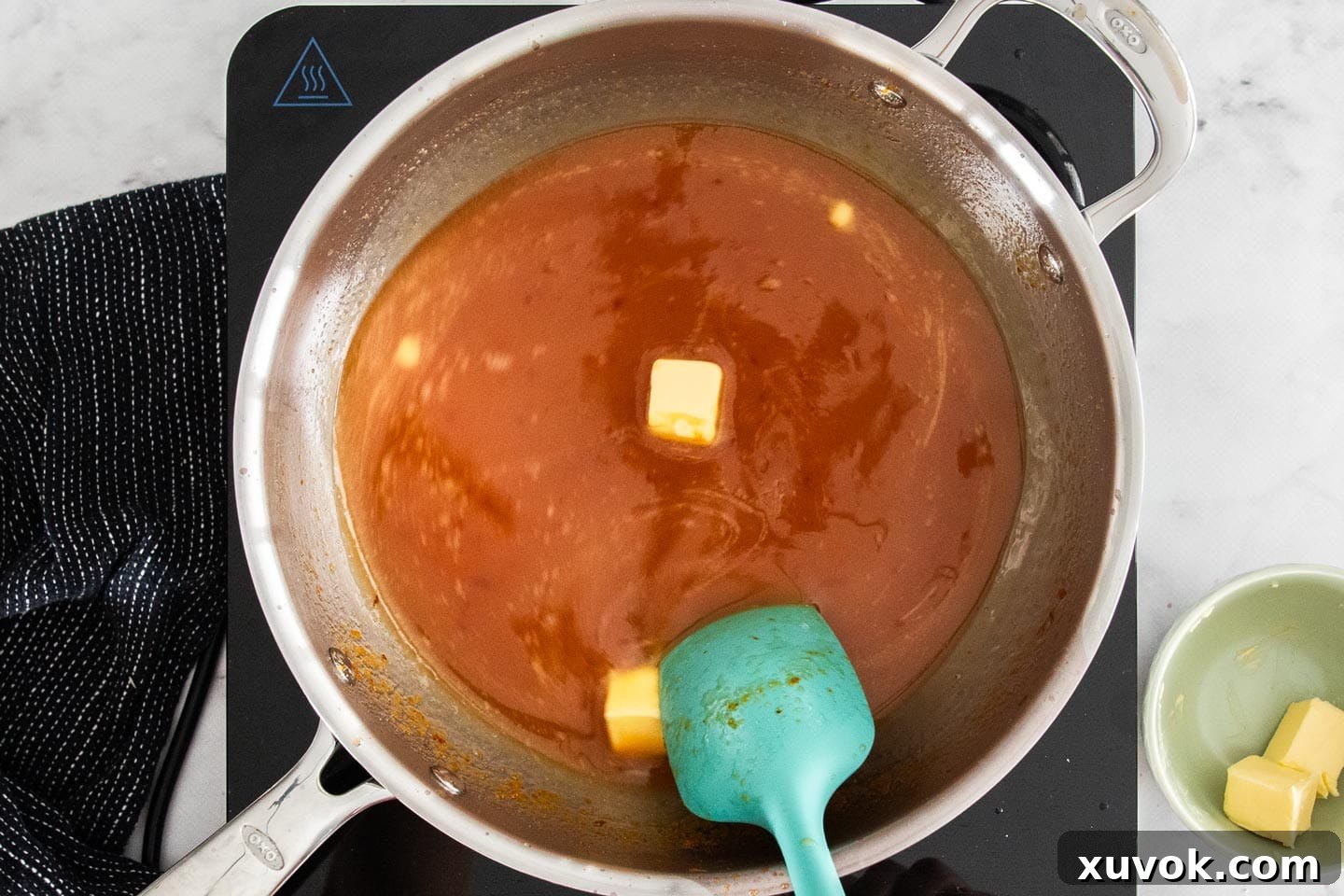
3. Cook Gently Until Perfectly Thickened
After all the butter has been incorporated and melted, continue to stir the mixture consistently over low heat. The key here is patience; avoid rushing the process with high heat, which can scramble the eggs. Cook just until the curd thickens sufficiently to coat the back of a spoon thickly, or leaves a distinct trail on the side of the pan when you tilt it. If you’re using a reliable kitchen thermometer, aim for a temperature of 75°C (170°F). This temperature ensures the eggs are cooked through and the curd is safely thickened without overcooking.
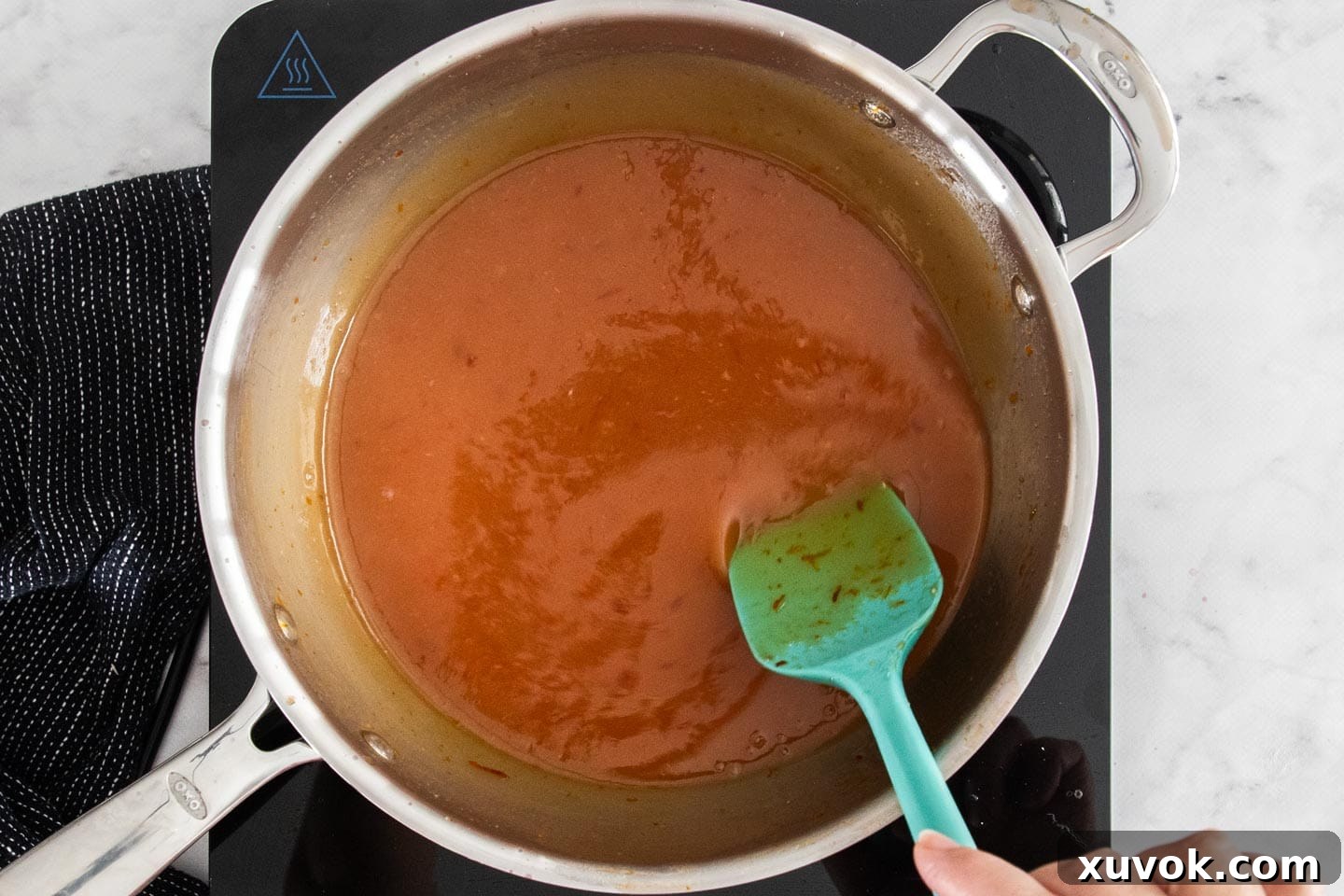
4. Strain for Silky Smoothness and Cool
Immediately after reaching the desired thickness, pour the hot curd through a fine-mesh sieve into a clean bowl. This crucial step catches any minuscule bits of egg that might have solidified during cooking, ensuring your orange curd is incredibly silky-smooth. It will also remove the orange zest, which has already imparted its fragrant oils. Allow the curd to cool slightly at room temperature, then transfer it into your pre-sterilized preserving jars. I personally adore these charming small Weck tulip jars for their aesthetic appeal and functionality. Once jarred, chill the orange curd in the refrigerator until it’s perfectly set and ready for use.
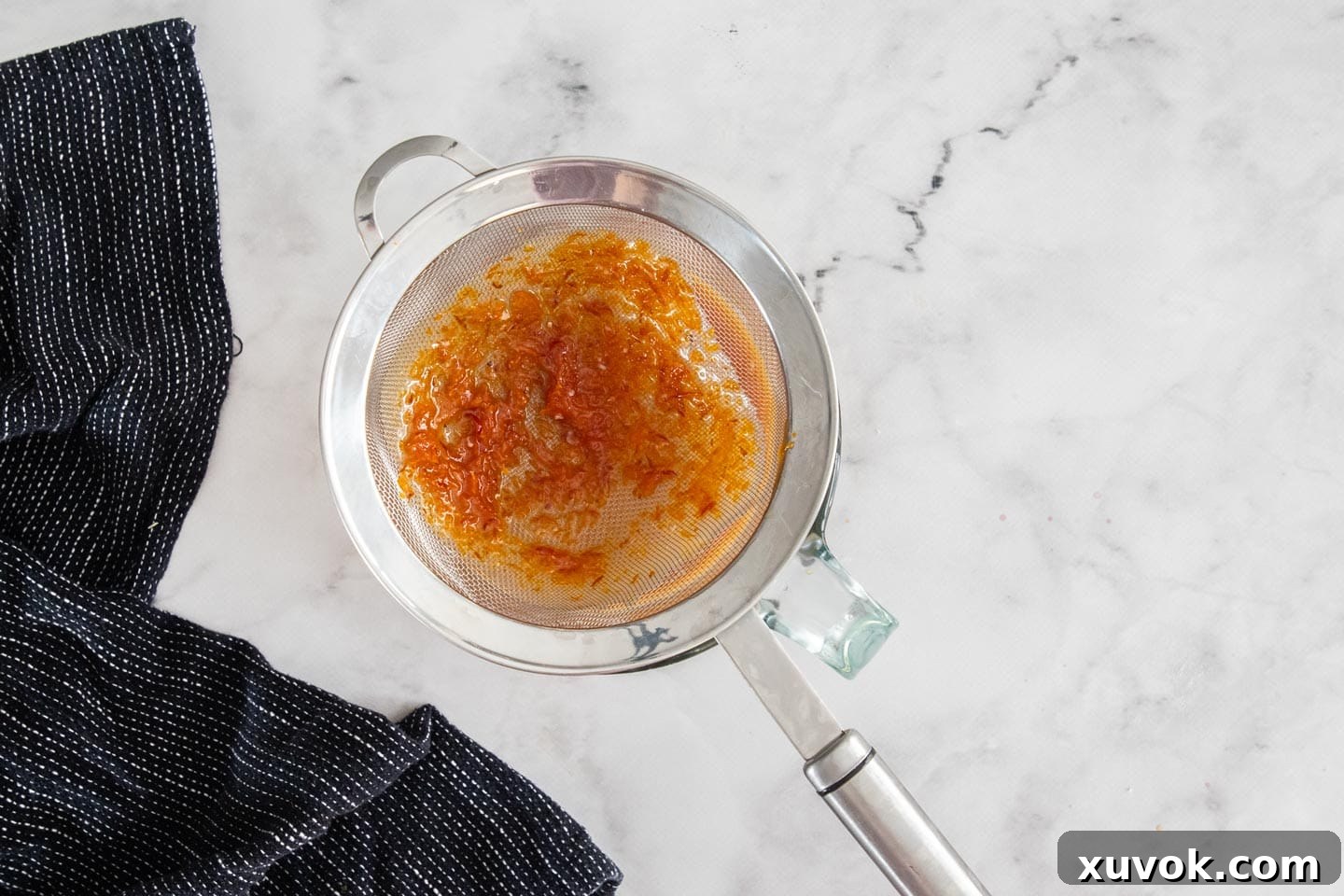
Frequently Asked Questions (FAQs) About Orange Curd
Proper storage is key to enjoying your homemade orange curd for as long as possible. Store the curd in clean, airtight preserving jars. When unopened and refrigerated, it will maintain its quality for up to 1 month. Once you open a jar, it’s best to consume the curd within 7-10 days to ensure optimal freshness and flavor.
Absolutely! Orange curd freezes exceptionally well, making it perfect for preparing ahead or extending its shelf life. To freeze, simply transfer the cooled curd into freezer-safe containers, leaving a little headspace. For the best results in terms of texture and consistency, thaw the frozen curd slowly in the refrigerator for approximately 24 hours before you plan to use it. A quick whisk after thawing can help restore its original smooth texture.
While you can slightly adjust the sugar to your preference, it plays a crucial role not only in sweetness but also in the curd’s texture and preservation. Reducing sugar too much can result in a less stable or thinner curd. If you prefer a tarter flavor, a better approach is to substitute a small amount of orange juice with lemon or lime juice, rather than drastically cutting the sugar.
Yes, sterilizing jars is highly recommended, especially since curd is a preserve that benefits from extended shelf life. Sterilization helps eliminate bacteria that could cause spoilage. You can sterilize jars by boiling them in water for 10 minutes or by heating them in an oven at 120°C (250°F) for the same duration. Ensure they are completely dry before filling.
Expert Tips and Tricks for Making Perfect Orange Curd
- Concentrate the orange juice first – This optional but highly recommended step significantly intensifies the flavor of your homemade orange curd. By reducing the juice, you evaporate water, leaving behind a more potent, vibrant orange essence, resulting in a true burst of flavor.
- Whisk it well before heating – Before you even turn on the heat, give all the initial ingredients (juice, sugar, eggs, zest) a thorough whisk. This ensures everything is perfectly combined and the sugar is dissolved, preventing any scrambling of the eggs and promoting a smooth final texture.
- Keep the heat consistently low – This is paramount for successful curd making. You absolutely do not need to set up a double boiler if you use a heavy-based saucepan and maintain the lowest possible heat setting. Low heat is the secret to preventing the eggs from cooking too quickly and scrambling, which would result in a lumpy texture.
- Ensure the sugar is fully dissolved – Before you start adding the butter, make sure the sugar crystals have completely dissolved into the liquid mixture. Grainy sugar can lead to a less smooth curd.
- Add the butter gradually and slowly – This is a critical step for proper emulsification. Introduce the cold butter in small increments, just 2-3 cubes at a time. Whisk continuously and vigorously until each addition of butter is completely melted and fully incorporated into the mixture before adding more. If you add too much butter at once, the fats and liquids may struggle to emulsify correctly, potentially leading to a separated or grainy curd.
- Know when it’s perfectly done – The curd is ready when it has thickened enough to generously coat the back of a spoon. A simple test is to draw a line through the coating on the spoon with your finger; if the line holds without the curd running back together, it’s done. For those who prefer precision, using a candy thermometer is a reliable method; aim for a temperature of 75°C (170°F).
- Always strain your curd – After cooking, immediately pass the curd through a fine-mesh sieve. This step is essential for achieving that characteristic silky-smooth texture, removing any tiny bits of cooked egg or zest that could detract from its luxurious feel.
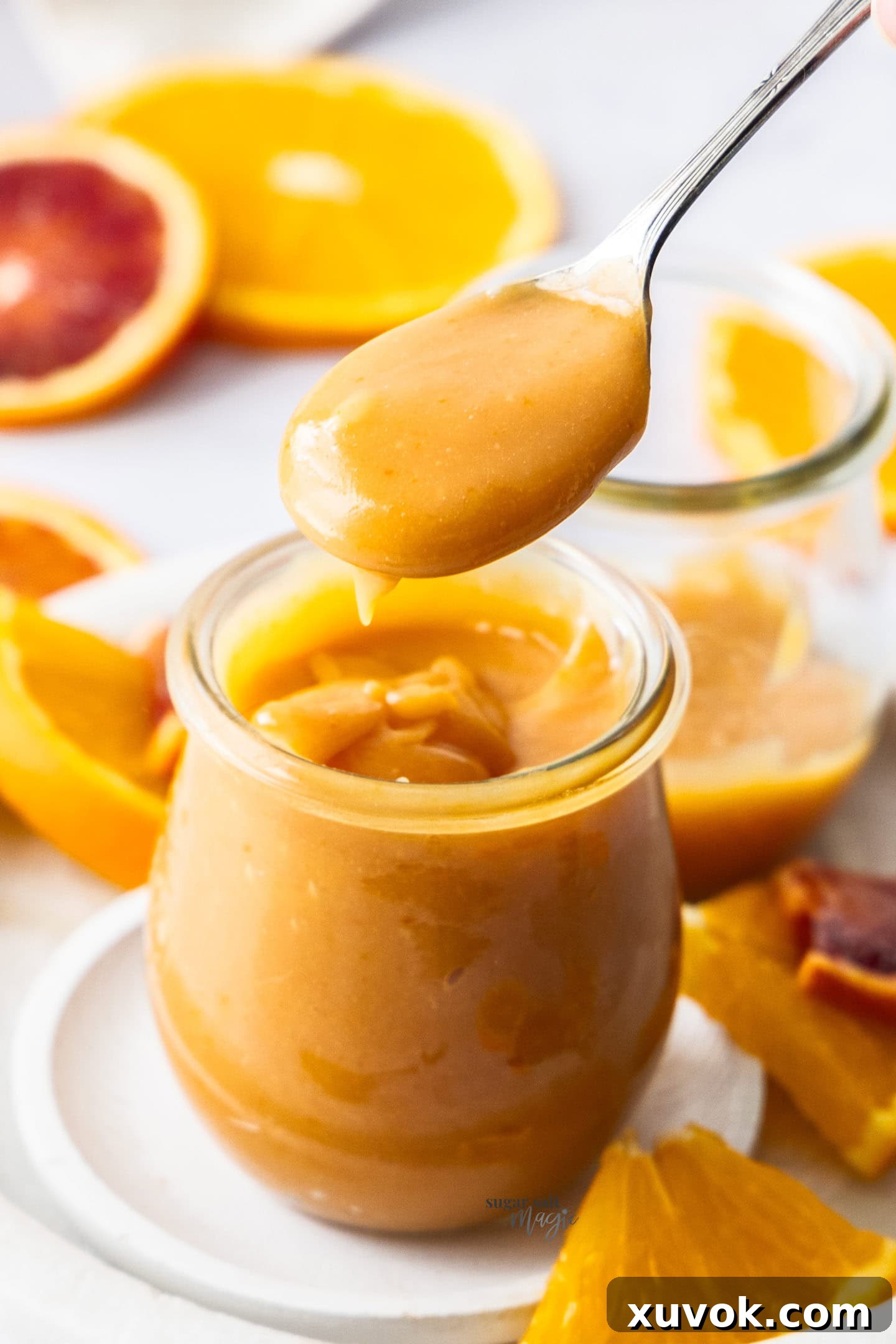
What Colour Should Blood Orange Curd Be? Understanding the Hues
The visual appeal of blood orange curd is undeniable, but its exact color can be a delightful mystery, varying based on a couple of fascinating factors. It’s important to understand these influences so you’re not surprised by the final shade:
- Egg Yolks – Just like with any fruit curd, the natural pigment of your egg yolks will significantly impact the final color. I consistently use free-range eggs, which typically boast a more vibrant, deeper orange hue in their yolks compared to eggs from caged hens. This richer yolk color will naturally contribute to a more intense and appealing shade in your finished curd.
- The Intensity of the Oranges Themselves – Blood oranges are celebrated for their distinctive red blush, but the internal pigmentation can vary considerably. Sometimes, they might present as a very dark orange rather than a deep red. If you’re making blood orange curd, the color can genuinely range anywhere from the bright yellow-orange of a regular orange rind to a soft, inviting peach color, or even a deeper rosy shade, depending entirely on the amount of anthocyanin (the red pigment) present in the specific blood oranges you use. Generally, blood oranges with a darker, more pronounced red coloring on their exterior skin tend to have a deeper, more vibrant color on the inside as well, leading to a more intensely colored curd.
- Regular Oranges vs. Blood Oranges – If you opt to use regular oranges (like Navel or Valencia) for your curd, the resulting color will naturally be much paler, typically a soft yellow or light orange, reflecting the absence of the unique red pigments found in blood oranges.
Troubleshooting Common Orange (and Lemon) Curd Issues
During my recipe development and testing, I often encountered common questions like “my curd is too runny,” “my curd is not thickening,” and “why is my curd grainy?” To help you achieve perfect results every time, I’ve compiled this comprehensive troubleshooting guide.
- Curd too runny – If your orange curd is too thin, it’s highly likely that you haven’t cooked it quite long enough. While adhering to the precise ratios in this recipe should prevent issues with too much liquid, undercooking is the most common culprit. The good news? It’s fixable! The solution: You can absolutely return the curd to the stove. Continue to cook it over low heat, stirring constantly, until it visibly thickens and coats the back of a spoon. Perform the finger test: draw a line through the curd on the spoon – if it holds, it’s ready. Alternatively, use a candy thermometer to ensure it reaches 75°C (167°F).
- Curd is not thickening – Remember, fruit curd isn’t meant to be as firm as a set custard. It should be thick enough to spoon but still spreadable. If it’s still too thin even after prolonged cooking (as mentioned above), it might be a subtle ingredient imbalance. The solution: If you still desire a thicker consistency, carefully whisk in one additional egg yolk. Return the mixture to low heat and continue cooking and stirring gently until it reaches the desired thickness and passes the spoon test, ensuring the added yolk is fully cooked.
- Why is my curd grainy? In my research, I found many cooks lamenting grainy curd after refrigeration, often receiving unhelpful advice suggesting their eggs had scrambled. I felt for them because if your eggs scramble, you’ll know it! You’d see the cooked bits as you pour it into jars, and eggs don’t spontaneously scramble in the fridge overnight.
My answer to this? Not necessarily true.
The sciency reason: Graininess is most commonly caused by a breakdown of the emulsification process. Essentially, the fats (from the butter) and liquids (orange juice and eggs) haven’t properly combined into a stable emulsion, or that emulsion has separated. This can occur due to insufficient whisking and agitation during cooking, overheating, or a combination of both factors. The exciting news is, I’ve tested it, and it can be fixed! Yay!
The solution: How to fix grainy curd. In a clean saucepan, whisk together one fresh egg yolk and 1 tablespoon of orange juice (from this recipe’s allocated amount). Place the saucepan over the lowest possible heat setting. Now, add one tablespoon of your cold, grainy curd back into this saucepan and whisk it in thoroughly until smooth. Continue this process, adding the grainy curd back one tablespoon at a time, whisking vigorously after each addition, until all the curd has been returned to the pan. Gently heat this mixture, stirring constantly, until it reaches 75°C (167°F) on a thermometer or coats the back of a spoon once again. Strain it through a fine-mesh sieve (if not already done) and pour it back into your sterilized jars. Refrigerate, and you should find your curd beautifully smooth!
Delicious Ways to Use Your Homemade Orange Curd
The versatility of this tangy, sweet, and rich orange curd is truly remarkable. Once you’ve made a batch, you’ll find countless ways to incorporate its vibrant flavor into your culinary creations. Here are some of my favorite ideas:
- Drizzle generously over fluffy pancakes, waffles, or crepes for a bright and zesty breakfast or brunch.
- Spread it thickly on warm toast, homemade crumpets, or freshly baked scones – it’s a delightful alternative to jam.
- Incorporate it into your baking! Swirl it into the batter of a cake like this elegant lemon butter cake for an extra layer of flavor and moisture.
- Use it as a luscious filling inside cupcakes, such as these fluffy lemon cupcakes, adding a surprising burst of citrus.
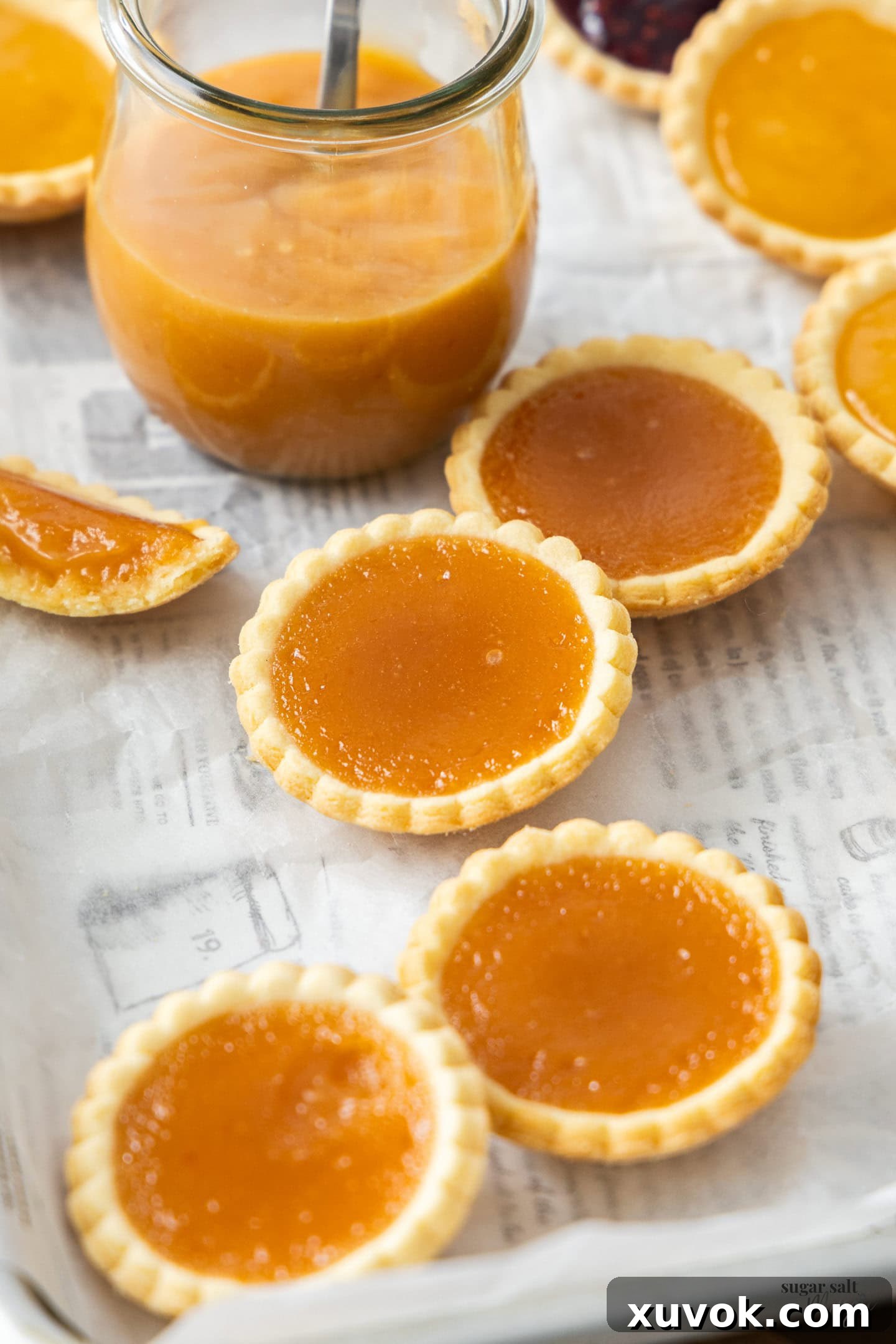
- Create stunning desserts by filling tarts, like a vibrant twist on this passionfruit tart, with creamy orange curd.
- Elevate your cheesecakes by using it as a bright and tangy cheesecake topping, cutting through the richness beautifully.
- Swirl it through a classic buttercream frosting to create a delightful orange-flavored buttercream perfect for cakes and cupcakes.
- For a truly indulgent treat, swirl orange curd through your favorite ice cream base before freezing – it’s particularly divine with my no-churn ice cream base.
- Fill delicate meringue shells or tartlets for an elegant dessert.
- Mix it into yogurt or oatmeal for a refreshing breakfast.
This luscious, smooth homemade orange curd can truly be the tangy, sweet, and rich star addition to an endless array of treats. Given how incredibly well it keeps in the fridge and how quickly – around 15 minutes – it takes to prepare, there’s no reason not to take full advantage of the stunning, jewel-like blood oranges when they make their fleeting appearance during their season. Their vibrant color and unique flavor profile add an extra layer of magic to this already delightful spread.
And if blood oranges aren’t currently in season or readily available where you are, there’s absolutely no need to wait! This recipe is wonderfully adaptable. Simply use regular oranges for a classic taste, or experiment with other citrus fruits like lemons, limes, or even grapefruit. Whatever your fancy, this recipe ensures a delicious, vibrant fruit curd is always within your reach.
More Citrus & Fruit Curd Recipes You’ll Love
- Blood Orange Loaf Cake
- Homemade Lime Curd
- Classic Homemade Lemon Curd
- Creamy & Easy Pineapple Curd
- Luscious Homemade Passionfruit Curd
- Rich Homemade Blackberry Curd
⭐⭐⭐⭐⭐
Did you create this homemade orange curd recipe? Your rating and comments below the recipe card are incredibly helpful and much appreciated!
Hungry for more culinary inspiration? Subscribe to our newsletter for a steady stream of free recipes delivered directly to your inbox. Additionally, connect with us and follow along on Facebook, Pinterest, and Instagram for daily deliciousness!
Easy Homemade Orange Curd
1
⅓ cups
3 minutes
12 minutes
2 hours
15 minutes
Rate
Pin
Ingredients
MAKES ABOUT 1 ⅓ CUPS
- 2 large eggs
- 2 egg yolks
- 150 g caster sugar (superfine sugar) (¾ cup / 5.3oz)
- 1 cup fresh orange juice (250ml) (see notes for reduction)
- 1 tablespoon orange zest
- 130 g unsalted butter, cubed and cold (4 ½oz)
For best results, always weigh ingredients where a weight is provided.
Equipment
-
Heavy-based saucepan
-
Fine mesh strainer
-
Whisk and heatproof spatula
-
Sterilized preserving jars
Instructions
-
Pour the fresh orange juice into a heavy-based saucepan. Bring it to a gentle simmer over low-medium heat and let it simmer for 6-8 minutes until the volume has reduced to approximately half a cup. (Refer to notes below if you wish to skip this optional step for flavor intensification).
-
Remove the reduced juice from the heat. Add the caster sugar, orange zest, then the whole eggs and egg yolks, in that precise order. Whisk all ingredients together very thoroughly until the sugar has fully dissolved and the mixture is well combined. Place the saucepan back over low heat and continue to stir with a spatula until no sugar crystals remain.
-
Begin adding the cold, cubed unsalted butter a couple of pieces at a time. Whisk continuously and thoroughly until each butter addition has completely melted and been incorporated into the mixture before adding the next batch. This gradual process is crucial for achieving a smooth, emulsified curd.
-
Continue cooking the mixture over low heat, stirring constantly, for an additional 4-5 minutes. The curd is ready when it has thickened considerably, easily coats the back of a spoon, or leaves a thick, distinct coating on the side of the pan when tilted. If using a thermometer, the ideal temperature is 75°C (167°F).
-
Immediately strain the hot mixture through a fine-mesh sieve into a clean bowl. This ensures a perfectly silky-smooth texture by catching any minuscule bits of cooked egg that may have formed, and it also removes the orange zest, which has already infused its flavor.
-
Allow the curd to cool slightly in the bowl for about 15 minutes to reduce excess steam, then carefully pour it into your pre-sterilized preserving jars. Once jarred, store the orange curd in the refrigerator, where it will continue to thicken as it chills.
-
We would be so grateful if you could take a moment to leave a comment & rating on this recipe. Your feedback is truly appreciated and incredibly helpful!
Notes
- Yield: This recipe typically yields approximately 1 ⅓ cups of rich, homemade orange curd.
- Orange Choice: You can use any type of fresh orange juice for this recipe, whether it’s regular orange juice, blood orange juice (as featured here), or even juice from tangerines or mandarins for a slightly different flavor profile.
- Skipping Reduction: If you prefer to skip the initial juice reduction step (Step 1), please ensure you start with only ½ cup of fresh orange juice. Keep in mind that doing so will result in a less intensely flavored curd.
- Storage & Shelf Life: Unopened, your homemade orange curd will keep beautifully in the refrigerator for up to 3 weeks. Once a jar has been opened, it should be consumed within one week for optimal freshness and quality. This curd also freezes exceptionally well for longer storage; simply thaw in the refrigerator before use.
- Adjusting Tartness: For those who prefer a more pronounced tart flavor, you can easily swap one tablespoon of the orange juice for an equal amount of fresh lemon juice.
- Jar Sterilization Methods: To properly sterilize your preserving jars, you have two reliable options:
a) Boil the jars in a large saucepan of boiling water for a full 10 minutes. Then carefully remove them with tongs, allow them to drain thoroughly, dry completely, and cool before filling.
b) Alternatively, wash the jars meticulously with hot soapy water, rinse them well, and then place them in an oven preheated to 120°C (250°F) for 10 minutes. Let them cool slightly before using. - Dairy-Free Option: To adapt this recipe for a dairy-free diet, you can successfully swap the unsalted butter for a high-quality, vegetable-based spread or dairy-free butter substitute.
- Other Citrus Options: Beyond oranges, this versatile curd recipe works wonderfully with other citrus fruits, including lemons, limes, or even grapefruit.
- Orange Quantity: You will generally need about 3 medium blood oranges or 2 large regular oranges to yield the required amount of juice and zest for this recipe.
- Nutrition Disclaimer: The provided nutrition details are approximate calculations only and are based on an estimated tablespoon per serving. Variations may occur depending on the specific brands of ingredients you use.
EXPLORE MORE SPREADS AND SAUCES!
81
kcal
Marie Roffey
Dessert, Sauces, Spreads, Breakfast
American, Australian, British, European, World
Have you tried this recipe?
Don’t forget to leave a rating and comment below and let me know how it was! I love hearing from you. Nutrition information is approximate and derived from an online calculator. The brands you use may cause variations.
Calories from Fat 54