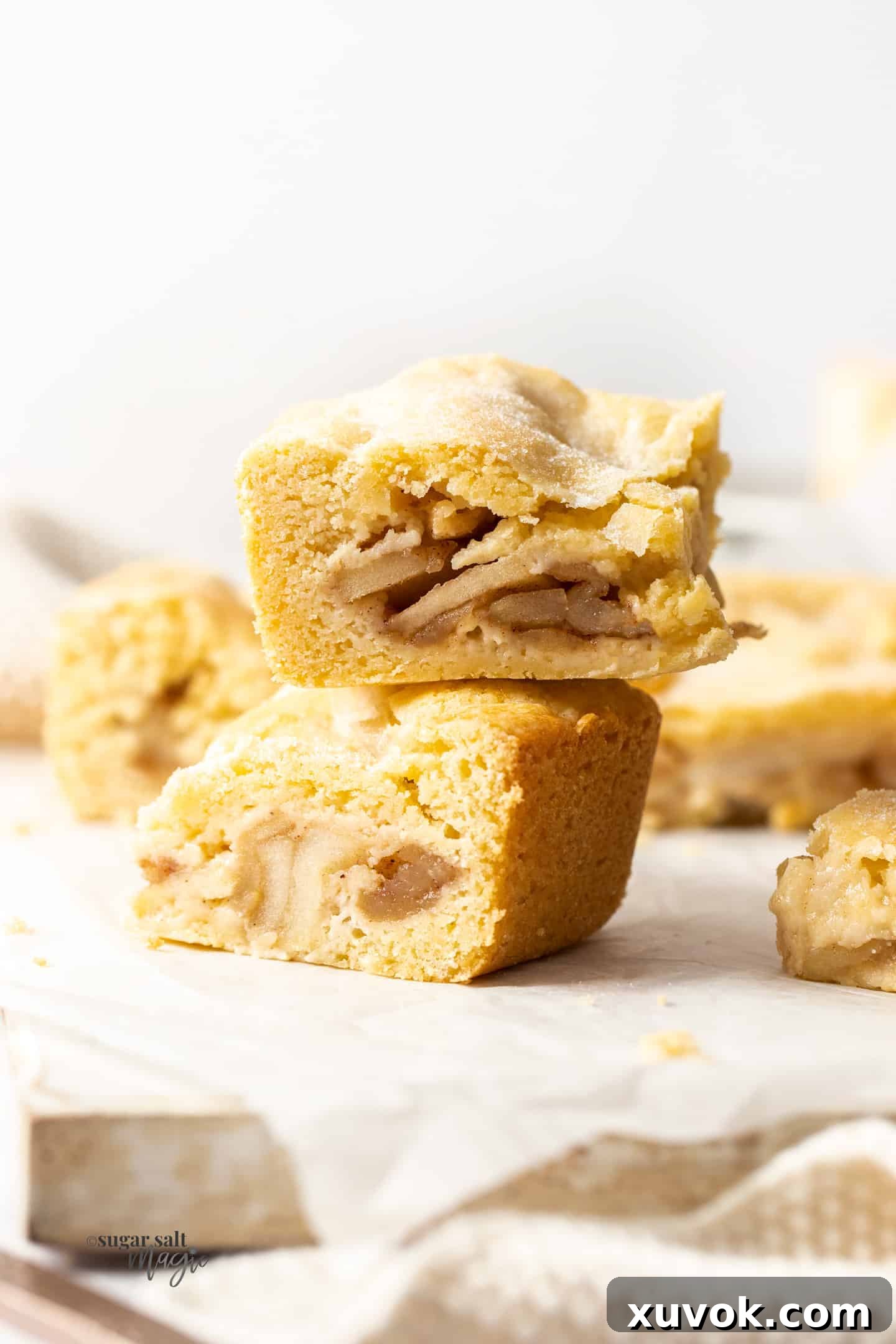
Irresistible Apple Shortcake: A Buttery, Cinnamon-Spiced Delight
Prepare to fall in love with this incredible apple shortcake recipe. It’s not just easy to make; it’s a symphony of flavors and textures that truly captivates. Imagine a dessert where the rich, buttery shortbread melts in your mouth, perfectly complemented by the tender, aromatic embrace of cinnamon-spiced apples. This isn’t just a cake; it’s an experience.
This classic dessert is an absolute crowd-pleaser, consistently earning rave reviews from everyone who tries it. My recipe testers couldn’t stop praising its delightful taste, declaring it one of their all-time favorites. It truly is a remarkable cake, combining sophisticated taste with surprising simplicity in preparation.
Why You’ll Love This Apple Shortcake
- Effortlessly Simple: Despite its impressive appearance and taste, this recipe is designed for ease, making it perfect for bakers of all skill levels.
- Melt-in-Your-Mouth Shortbread: The dough is wonderfully buttery, sweet, and has that signature shortbread-like crumb that simply dissolves on your tongue.
- Flavorful Cinnamon Apple Filling: Boasting generous chunks of perfectly cooked apples infused with warm cinnamon, offering a delightful texture contrast.
- A Timeless Classic: Some recipes stand the test of time for a reason, and this apple shortcake embodies that enduring appeal.
- Versatile for Any Occasion: Whether it’s a casual morning or afternoon tea, a festive holiday gathering, or a special dessert, this shortcake fits every bill.
While many recipes might call for store-bought fillings, this recipe shines brightest with a homemade touch. I craft my own apple filling using a refined adaptation of my beloved sautéed cinnamon apples. This method is incredibly quick, surprisingly easy, and yields a fresh, vibrant, and perfectly textured filling that far surpasses any pre-packaged alternative. The difference in flavor and quality is truly astounding.
If you’re an apple enthusiast like me, you’ll find a treasure trove of apple-based delights on this blog. After mastering this shortcake, I highly recommend exploring my simple apple crumble for another comforting treat, or these delightful apple pie cupcakes with salted maple buttercream for a whimsical twist.
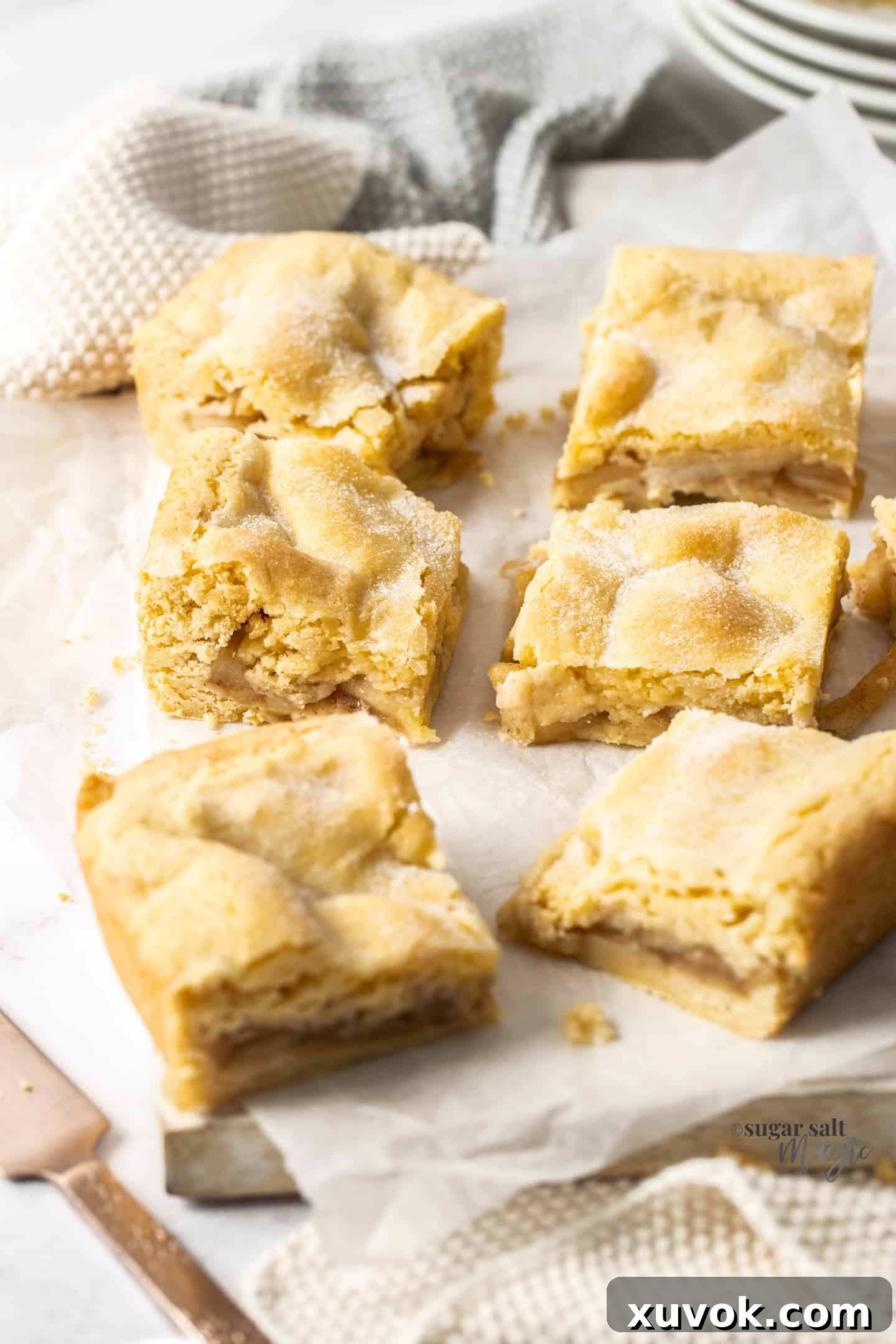
Table of Contents
- What is Apple Shortcake?
- The Magic of Homemade Apple Filling
- Ingredients for Apple Shortcake
- Essential Tools for Baking
- How to Make the Perfect Shortcake Dough
- Crafting the Cinnamon Apple Filling
- Assembling Your Apple Shortcake
- Pro Tips for a Flawless Shortcake
- Removing the Cake from the Tin with Ease
- Creative Fruit Variations for Your Shortcake
- Storing Your Apple Shortcake
- More Apple Desserts You’ll Adore
Never Miss a Recipe!
Get the latest, most delicious recipes straight to your inbox and elevate your baking!
Sign up to our newsletter for free recipes!
What is Apple Shortcake? Decoding a Delicious Classic
Often, when people hear “shortcake,” their minds drift to the American-style version: light biscuits layered with fresh berries (most commonly strawberries) and whipped cream. However, the apple shortcake we’re celebrating here is a distinct and equally cherished classic. It presents a more substantial, almost shortbread-textured cake, generously filled with sweet, tender apples, offering a unique and comforting dessert experience.
This dessert truly embodies the best elements of both an apple pie and a comforting apple cake. The rich, buttery crust provides a wonderful contrast to the soft, fruity interior, making every bite a delight. You could absolutely bake this in a pie tin and serve it just as you would a traditional apple pie. It’s utterly lovely on its own, allowing the pure flavors to shine. For an added touch of indulgence, a dollop of fresh cream or a scoop of vanilla bean ice cream takes it to another level. But if you truly know my dessert preferences, you’ll know I’m always inclined to drench a slice of this magnificent shortcake in a silky crème anglaise – a combination that is simply heavenly.
The Magic of Homemade Apple Filling
While convenience might tempt you to reach for a store-bought apple pie filling, I strongly advocate for making your own for this shortcake. The difference is truly night and day. A homemade filling allows you to control the freshness of the ingredients, the sweetness level, and the texture of the apples – elements that are crucial for a truly outstanding dessert.
Store-bought fillings often contain excessive moisture, which can lead to a soggy shortcake crust, and lack the vibrant flavor and satisfying texture that fresh apples provide. By taking just a few extra minutes to prepare the apple filling from scratch, you ensure your shortcake has crisp, distinct apple pieces, bursting with natural flavor, beautifully infused with cinnamon. It’s a small effort that yields monumental results in taste and quality.
Essential Ingredients for a Perfect Apple Shortcake
One of the many charms of this apple shortcake recipe is its reliance on simple, everyday ingredients you likely already have in your pantry. Minimal fuss, maximum flavor – that’s the motto here!
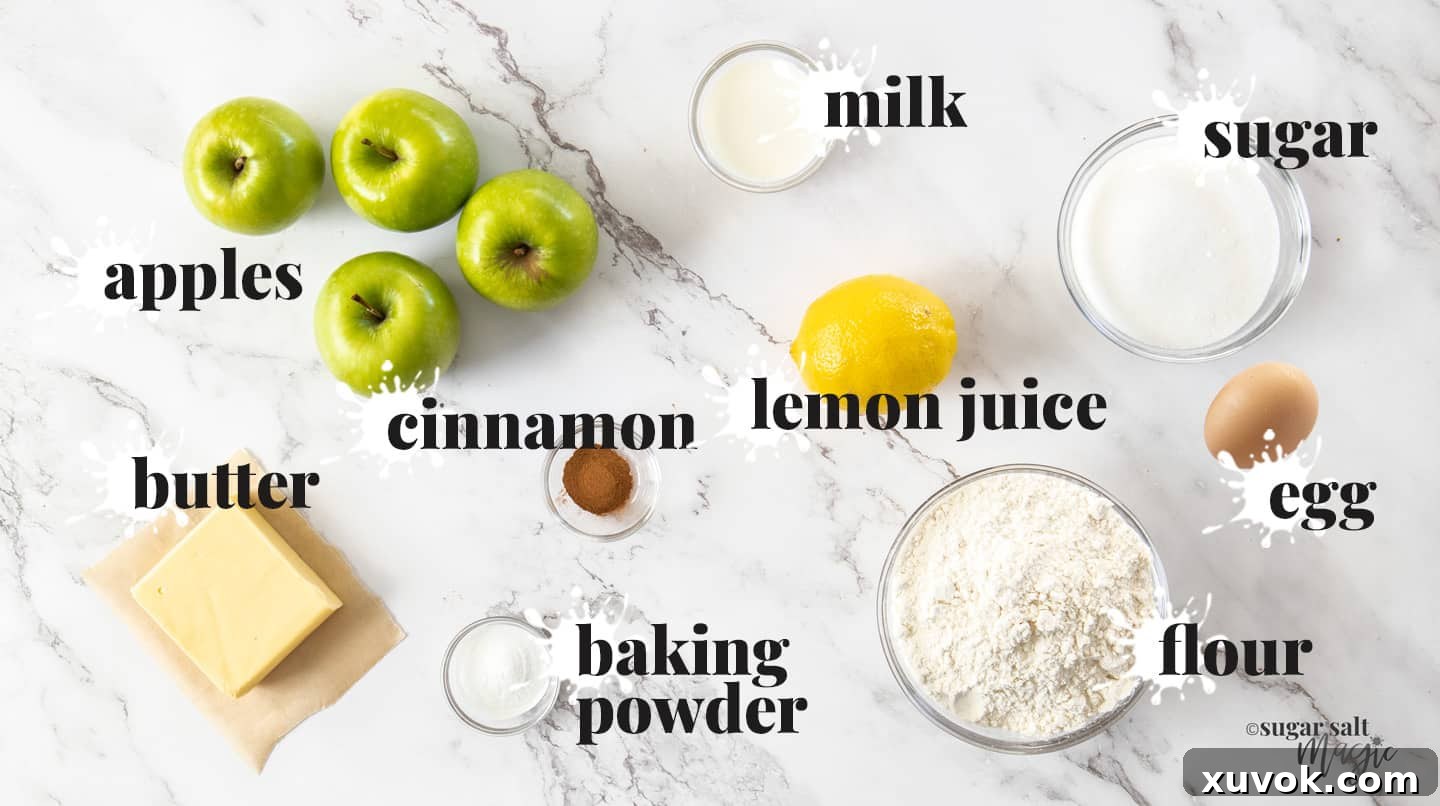
For precise quantities and detailed step-by-step instructions, please refer to the comprehensive recipe card below.
- Apples: Granny Smith apples are the star here. Their firm texture is ideal, as they hold their shape beautifully during baking without turning mushy. This characteristic is crucial for preventing a soggy shortbread dough. Furthermore, their delightful tartness provides a perfect counterpoint to the sweet, buttery dough, creating a balanced flavor profile.
- Butter: Always opt for unsalted butter. Different brands of salted butter contain varying amounts of salt, which can significantly alter the taste of your shortcake. Using unsalted butter gives you complete control over the seasoning. Ensure your butter is cold and cubed for the dough to achieve that desirable crumbly texture.
- Lemon Juice: A small amount of lemon juice added to the apples serves multiple purposes. It helps the apples soften slightly as they cook, brightens their natural flavor, and adds a subtle, refreshing tang that complements the cinnamon beautifully.
- Cinnamon: This warm spice is essential for that classic apple dessert flavor. While I use a measured amount for a balanced taste, feel free to adjust to your personal preference. If you adore a more pronounced cinnamon aroma and flavor, a little extra won’t hurt!
- Sugar: Caster sugar (also known as superfine sugar) is my preferred choice for this recipe due to its finer granules, which dissolve easily and create a wonderfully smooth texture in both the dough and the apple filling. Granulated sugar can also work in a pinch. It’s incorporated into both the shortbread dough and the apple filling, with a final sprinkle on top for a beautiful golden crust.
- Flour: Standard plain or all-purpose flour is all you need for the shortcake dough. Ensure it’s accurately measured, ideally by weight, for consistent results.
- Baking Powder: Just a touch of baking powder is included to give the shortbread dough a slight lift, contributing to its light and tender crumb.
- Egg: A single large egg adds crucial structure and richness to the dough, binding the ingredients together to create a cohesive yet crumbly texture. Ensure it’s at room temperature for better incorporation.
- Milk: Whole milk is used to bring the dough together, providing just enough moisture to form large clumps without making it sticky or overly wet. A little extra is also used for brushing the top before baking.
As mentioned previously, I cannot stress enough the importance of making your own apple filling for this shortcake. Store-bought options often contain too much moisture, which can lead to a dreaded soggy bottom crust, and they typically lack the fresh texture and robust flavor that chunky, homemade apples provide. The delightful texture of the apples is a key component of this dessert’s charm.
Essential Tools for Baking Your Apple Shortcake
You don’t need a professional kitchen setup to achieve baking perfection with this apple shortcake. Here are the simple tools that will make your process smooth and enjoyable:
- Food Processor: For the dough, a food processor is a game-changer. It makes whipping up the shortbread dough incredibly quick and effortless, ensuring the butter is perfectly cut into the flour for that ideal crumbly texture. If you don’t have one, you can certainly make the dough by hand: cut the cold butter into the flour mixture using a pastry blender or your fingertips, much like you would for scones, but aim for a much finer, sand-like consistency.
- Baking Tin: I typically use a 20cm / 8-inch square baking tin for this recipe. It also works beautifully in a round springform tin, either 20cm (8-inch) or 22.5cm (9-inch). The key is to bake until the top is a lovely golden brown, indicating it’s cooked through. If you opt for a glass baking dish, be aware that the bottom may take a little longer to cook, so adjust your baking time accordingly and keep an eye on it.
- Rolling Pin: A simple rolling pin is essential for evenly rolling out the shortcake dough. However, don’t fret if you don’t have one; the dough is forgiving. You can simply break it into pieces, flatten them with your hands, and then “patchwork” them together in the pan to form the base and top layers. The rustic charm will still be delightful!
- Medium Saucepan: For cooking the apple filling, a medium-sized saucepan is perfect. It allows the apples to soften and release their moisture while simmering with sugar, lemon juice, and cinnamon.
How to Make the Perfect Shortcake Dough
Crafting this apple shortcake involves two main, straightforward components: the rich, buttery dough and the vibrant, cinnamon-spiced apple filling. While the apples gently cook in a saucepan, the dough comes together quickly and efficiently in a food processor, making the whole process a breeze.
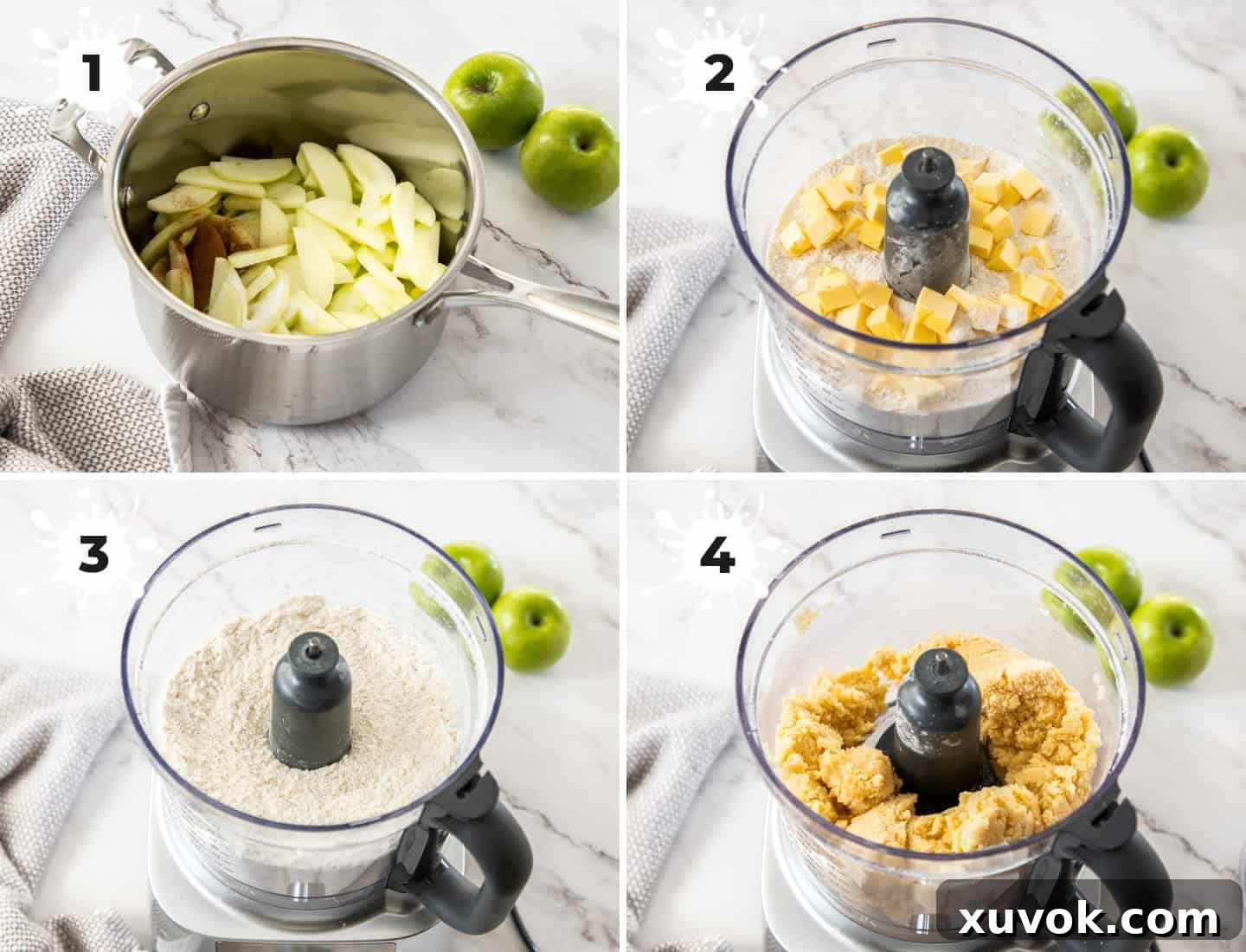
For precise quantities and detailed step-by-step instructions, please refer to the comprehensive recipe card below.
- Prepare the Apples: Start by peeling, coring, and thinly slicing your Granny Smith apples (aim for about 4mm or 1/6 inch thick). Combine these slices with sugar, lemon juice, and cinnamon in a medium saucepan. Cook over low-medium heat, stirring occasionally, until the apples soften and most of the liquid has evaporated. This step is crucial for flavor and texture, preventing a soggy shortcake. Once cooked, set them aside to cool completely to room temperature.
- Make the Shortbread Dough: In a food processor, combine the dry ingredients: flour, sugar, and baking powder. Pulse briefly to mix. Add the cold, cubed unsalted butter and pulse until the mixture resembles coarse sand or fine breadcrumbs. This ensures the butter is evenly distributed without overworking. Next, add the room temperature egg and pulse until just incorporated. Finally, with the food processor running on low, gradually drizzle in the whole milk until the dough begins to form large, shaggy clumps. Be careful not to add too much milk; you want it just combined.
- Form and Chill the Dough: Turn the dough out onto a lightly floured surface. Gently bring it together and shape it into a neat rectangle, roughly twice as long as it is wide. Cut the rectangle in half to create two equal squares. Wrap each square tightly in plastic wrap and chill in the refrigerator for at least 30 minutes. This chilling period is vital; it firms up the butter, making the dough easier to handle and contributing to the shortbread’s flakiness and tenderness.
Why Pre-Cooking the Apples is Crucial
It is strongly recommended against using raw apples in this shortcake. Pre-cooking the apples serves two vital functions: it allows them to soften slightly before they go into the cake, ensuring they are perfectly tender once baked, and it helps evaporate excess moisture. Baking raw apples would not only result in firmer, less cooked apples but also introduce too much liquid into the dough, leading to a disappointingly soggy shortcake base. A little patience in this step guarantees a superior final product.
Assembling Your Apple Shortcake for Baking
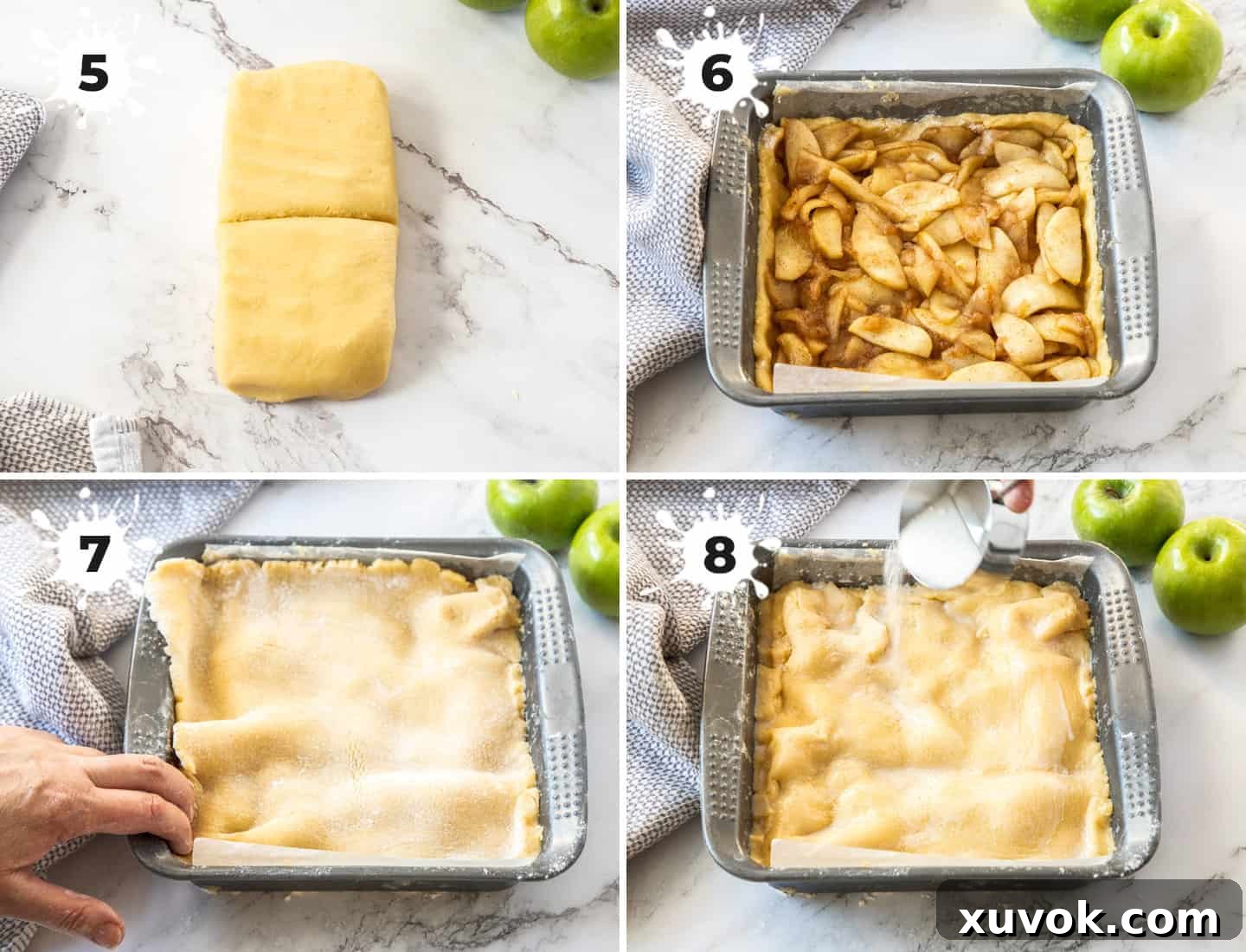
- Create the Base: Once your dough has chilled and firmed up, take one of the squares and roll it out on a lightly floured surface. Aim for a square that is slightly larger than your baking tin (around 22.5cm / 9 inches). Carefully transfer this rolled-out dough into your prepared tin. Don’t worry if it tears or breaks; the shortbread dough is very forgiving. Simply press it gently into place, patching up any cracks as needed, ensuring it covers the bottom evenly and extends about 1 inch up the sides of the pan. Pay attention to thinning out any thicker spots, especially in the corners.
- Add the Filling: Generously spoon the cooled cinnamon apple filling over the shortcake base. Use the back of a spoon or an offset spatula to spread the apples out evenly across the entire surface. Ensure the filling is level to allow the top crust to sit nicely.
- Place the Top Crust: Roll out the second piece of chilled dough to roughly 22.5cm / 9 inches square. Gently lay this dough over the apple filling. Press down around the edges with your fingertips to seal the top crust to the bottom layer. This creates a beautiful, rustic border, and allows for natural ruffles and undulations, which look stunning when baked.
- The Finishing Touch: Before baking, lightly brush the entire top surface of the shortcake with about 1 teaspoon of whole milk. This will help achieve a beautiful golden-brown color. Then, generously sprinkle the remaining tablespoon of caster sugar evenly over the milk-brushed top. This creates a slightly crisp, sweet crust.
With these steps completed, your apple shortcake is now ready for the oven, poised to transform into a golden, aromatic masterpiece that will fill your home with an irresistible scent.
Pro Tips for a Flawless Apple Shortcake
- Prepare Your Tin Properly: To ensure your shortcake comes out of the tin without a hitch, I highly recommend greasing the base thoroughly before lining it with baking paper. Allow the baking paper to extend up two opposite sides of the tin; these “slings” will be your best friend when it’s time to lift the cake out easily after baking.
- Embrace the “Short” in Shortcake: The shortcake dough lives up to its name; it’s designed to be “short,” meaning it’s tender and crumbly, which can sometimes lead to it breaking apart when handled. Do not worry! This is completely normal and part of its charm. The dough is incredibly forgiving. Simply press any broken pieces back together, trim edges, and patch as needed, especially when forming the base layer. A rustic look is perfectly acceptable and often more appealing!
- Resist Excess Flour When Rolling: When rolling out the dough, you might find it a touch sticky. It’s tempting to dust generously with flour, but try to resist adding too much. Excess flour can make the dough even shorter, drier, and more prone to cracking. Instead, work quickly, move the dough around often, and use minimal flour on your surface and rolling pin. A little gentle persuasion goes a long way.
- Roll the Top Crust Generously: Even if you’re using a 20cm (8-inch) baking tin, I suggest rolling the top piece of dough out to approximately 22.5cm (9 inches). This extra size allows for a slight overhang, which you can gently press down around the edges, creating beautiful ruffles and subtle “rolling hills” on the surface. This not only adds to the homemade aesthetic but also gives the top a lovely, textured crust when baked.
- Chill Your Dough: Don’t skip the chilling step! Chilling the dough for at least 30 minutes (or even longer if you have time) is crucial. It allows the butter to firm up, making the dough much easier to handle, preventing it from becoming too sticky, and ultimately contributing to the shortbread’s signature tender, flaky texture.
- Avoid Overmixing the Dough: When using a food processor, pulse just until the ingredients are combined and the dough starts to form large clumps. Overmixing develops gluten, which can lead to a tough, less tender shortcake.
- Preheat Your Oven Accurately: Ensure your oven is fully preheated to the correct temperature before introducing the shortcake. An accurately preheated oven ensures even baking and a beautifully golden crust.
Removing the Cake from the Tin with Ease
After all your careful preparation, getting the shortcake out of the tin gracefully is the final hurdle. Thankfully, this apple shortcake is incredibly forgiving.
My preferred method is to line the tin in such a way that two sides of the baking paper extend above the rim, creating convenient “handles.” Once the shortcake has cooled in the tin for about 30 minutes, these paper overhangs allow you to simply lift the entire cake out with ease onto a cooling rack or serving board.
If, however, you’ve forgotten the paper overhang or if the butter you used to grease the tin has set too firmly, making it difficult to release, here’s a clever trick: gently sit the base of your baking tin in a shallow pan of warm water for about 10-15 seconds. The warmth will slightly melt the butter on the bottom, allowing the cake to release and lift out effortlessly. Just be sure not to let water get into the cake itself.
Even if you find yourself without sufficient paper overhang, there’s no need to panic. This shortcake is robust enough that you can literally flip it to turn it out! Place a sturdy plate on top of the tin, carefully invert the tin so the cake falls onto the plate, then use another plate to flip it right side up. The most important rule here is to ensure the shortcake is completely cool before attempting this maneuver; attempting to flip a warm cake might cause it to break apart.
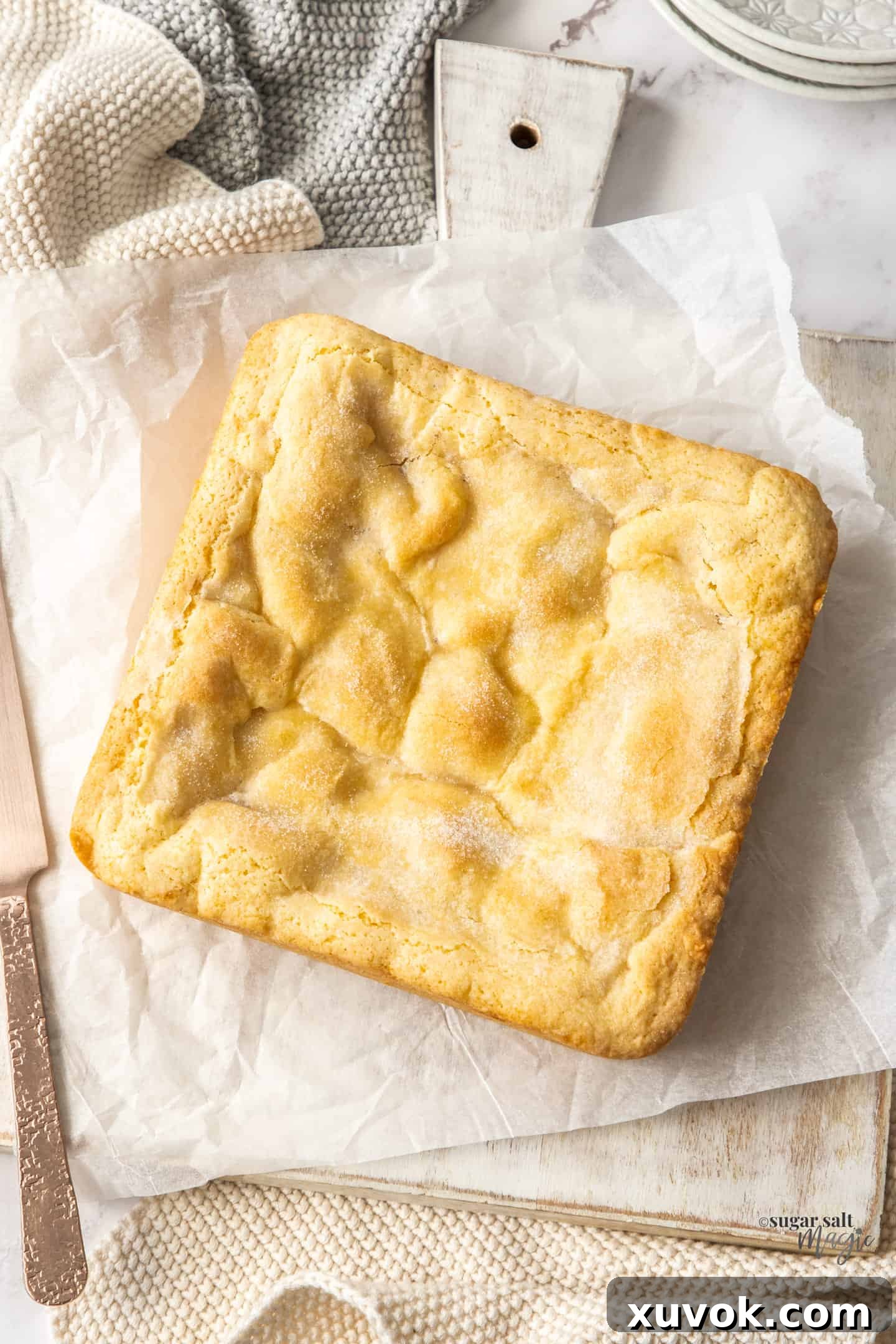
Creative Fruit Variations for Your Shortcake
While the classic apple shortcake is undeniably delicious, the beauty of this recipe lies in its versatility. The buttery, crumbly dough provides a perfect canvas for a myriad of fruit fillings. I’m already buzzing with ideas for trying various fruits in this shortcake, and I encourage you to experiment too! Here are some fantastic alternatives to apples that I’m eager to explore and update you on:
- Stonefruit Delights: Imagine the succulent sweetness of ripe peaches, plums, or cherries baked within this shortcake. For these delicate fruits, I wouldn’t pre-cook them at all; simply slice them thinly and arrange them fresh within the dough. Their natural juices will mingle beautifully with the shortbread. Tinned peaches or apricots, well-drained, would also make a delightful and convenient option.
- Zesty Curd Fillings: This is a variation I’m particularly excited about. While I haven’t tried it yet, I envision a vibrant lemon curd creating a wonderfully tangy contrast to the sweet shortbread. You could also explore other citrus curds, like this luscious blood orange curd, for a sophisticated twist. I’ll be sure to update this section as soon as I’ve experimented!
- Tropical Mango Bliss: Fresh slices of ripe mango would introduce a tropical sweetness and unique texture to this buttery, crumbly dessert. The vibrant flavor of mango would be an excellent, refreshing alternative.
- Elegant Pear Perfection: Pears offer a subtle sweetness and slightly different texture than apples. You could prepare them similarly to the apples, gently cooking them until just tender, or use canned pears, thoroughly drained of their syrup, for a quicker option. Both methods would yield a truly lovely shortcake.
- Mixed Berry Medley: A combination of fresh raspberries, blueberries, and blackberries could create a colorful and intensely flavorful shortcake, bursting with summer fruit goodness.
I genuinely adore this apple shortcake recipe, and its filling component is exceptionally adaptable for customization. I eagerly anticipate trying all these suggested variations as seasonal fresh fruits become available, continually discovering new and exciting ways to enjoy this beloved dessert.
Storing Your Apple Shortcake for Optimal Freshness
Let’s be honest, it’s highly unlikely you’ll have many leftovers of this delicious apple shortcake; it’s simply too good to resist! However, should you find yourself with a few slices remaining, proper storage will help maintain its quality and deliciousness.
You can store the shortcake at room temperature for up to 2 days. To do so, simply drape a clean tea towel over it or place it in an airtight container. If you prefer, or if your kitchen is particularly warm, it can also be stored in an airtight container in the refrigerator for the same duration.
It’s important to note that the apple filling will naturally continue to soften the shortbread crust the longer it sits. For the absolute best texture and flavor, it is most delightful when enjoyed as fresh as possible, ideally within the first day of baking. If reheating, a quick warm-up in a moderate oven can help revive some of its crispness.
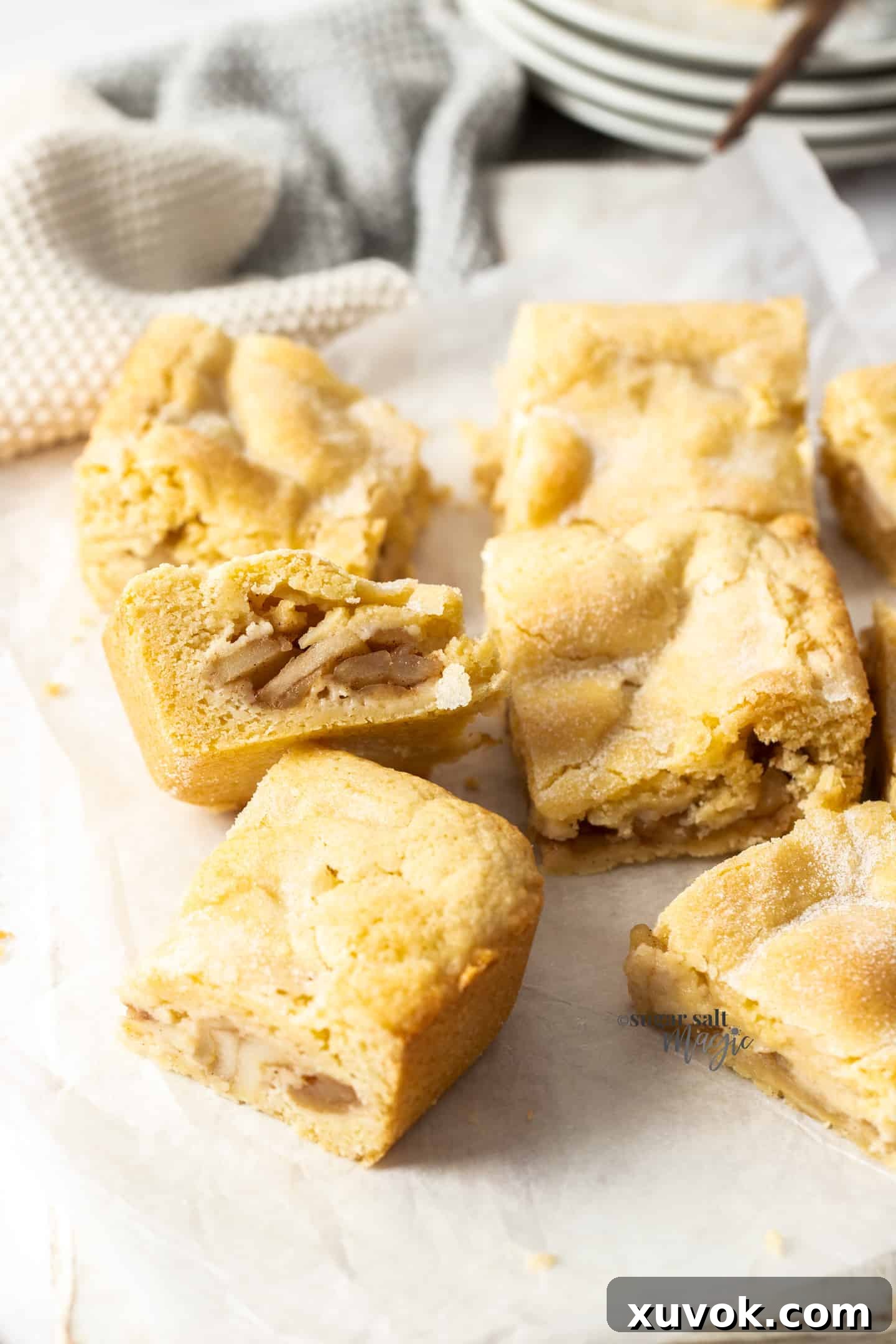
More Apple Desserts You’ll Adore
If this apple shortcake has sparked your love for apple-based treats, you’re in for a real treat! Here are more fantastic apple desserts from the blog that are guaranteed to delight your taste buds:
- Cinnamon Apple Crumb Cake: A moist cake topped with a generous, buttery cinnamon crumb.
- Apple Frangipane Tart: Elegant and sophisticated, combining tender apples with a rich almond filling.
- Apple Tray Bake Cake: Simple, comforting, and perfect for feeding a crowd.
- Apple and Plum Cobbler: A wonderful marriage of sweet apples and tart plums under a fluffy biscuit topping.
- Caramel Apple Cinnamon Rolls: Sticky, sweet, and utterly irresistible, with the added goodness of apples and caramel.
- Warm Apple Crostata: A rustic, free-form tart showcasing fresh apples in a flaky crust.
- Caramel Apple Pie Bars: All the flavors of apple pie in a convenient, handheld bar form.
Did you try this incredible apple shortcake recipe?
Your feedback means the world! Leaving a rating and comment below the recipe is incredibly helpful to others and deeply appreciated!
Hungry for more culinary inspiration? Subscribe to our newsletter for a steady stream of delicious, free recipes delivered straight to your inbox. Also, connect with us and join our vibrant community on Facebook, Pinterest, and Instagram for daily inspiration and behind-the-scenes glimpses!
Classic Apple Shortcake
16
small serves
25 minutes
30 minutes
55 minutes
Rate
Pin
Ingredients
FOR THE APPLE FILLING
-
4
medium
granny smith apples
(roughly 4 cups once sliced) -
2
tablespoons
caster (superfine) sugar
(notes 1&2) -
1
tablespoon
lemon juice
(notes 1) -
½
teaspoon
cinnamon
FOR THE SHORTCAKE DOUGH
-
260
g
plain flour (all-purpose flour)
(2 cups / 9.2oz) -
150
g
sugar (caster sugar or granulated sugar)
(¾ cup / 5.3oz) -
2
teaspoons
baking powder -
1
large egg, room temperature -
140
g
unsalted butter, cold and cubed
(1 stick + 2 tablespoons / 5oz / 10 tablespoons) -
1 ½
tablespoons
whole milk (+ 1 teaspoon extra)
(notes 1) -
1
tablespoon
caster sugar for sprinkling at end
For best results, always weigh ingredients where a weight is provided
Equipment
-
8 inch square baking pan -
Food Processor (optional, can be made by hand) -
Medium Saucepan
Instructions
-
Peel and core the granny smith apples, then slice them into even 4mm (approximately ⅙ inch) thick pieces. You should end up with roughly 4 cups of sliced apples.
-
In a medium saucepan, combine the sliced apples, 2 tablespoons of caster sugar, lemon juice, and cinnamon. Cook this mixture over low-medium heat for about 10-12 minutes, stirring occasionally, until the apples begin to soften but still hold their shape, and most of the liquid has evaporated. Remove from heat and set aside to cool completely to room temperature.
-
Preheat your oven to 180°C / 350°F (160°C fan forced). Grease the base of an 8-inch square baking tin, then line it with baking paper, ensuring the paper extends up two opposite sides to create a lift for easy removal.
-
For the dough, place the plain flour, baking powder, and ¾ cup of sugar into a food processor. Pulse a few times to thoroughly combine the dry ingredients.
-
Add the cold, cubed unsalted butter to the food processor. Pulse until the mixture resembles coarse breadcrumbs or a sandy texture. Next, add the room temperature egg and pulse until it is just incorporated. Then, with the food processor running on a low setting, slowly drizzle in 1 ½ tablespoons of whole milk until the dough just begins to form large, shaggy clumps. Be careful not to overmix.
-
Turn the dough out onto a lightly floured surface. Gently bring it together with your hands and shape it into a neat rectangle, approximately twice as long as it is wide. Cut this rectangle in half to create two equal squares. Wrap each square tightly in plastic wrap and chill in the refrigerator for a minimum of 30 minutes. This step is crucial for managing the dough.
-
On a lightly floured surface, roll out one of the chilled dough squares to approximately 22.5cm (9 inches) square. Carefully transfer this dough into your prepared baking tin. If the dough breaks (which is common for shortbread), simply press it back together to patch any tears. Press the dough down evenly across the base of the tin and up about 1 inch on the sides, ensuring the corners are not overly thick.
-
Evenly spread the cooled apple filling over the shortcake base. Ensure the apples are distributed in a level layer.
-
Roll out the second piece of dough to approximately 22.5cm (9 inches) square. Gently place this over the apple filling. Press down firmly around all the edges with your fingers to seal the top and bottom crusts together. Allow for natural ruffles and undulations in the top crust; this adds to its rustic charm.
-
Lightly brush the top of the shortcake with the remaining 1 teaspoon of whole milk, then evenly sprinkle the tablespoon of caster sugar over the entire surface. This creates a beautiful, golden, and slightly crisp top crust.
-
Bake for approximately 30-35 minutes, or until the shortcake is cooked through and the top has turned a beautiful golden brown.
-
Allow the shortcake to cool in the tin for at least 30 minutes before gently lifting it out using the baking paper overhangs. This cooling time allows it to firm up. You can serve it warm for a comforting treat, or let it cool completely to room temperature for easier slicing and a firmer set.
-
We would love to hear from you! Please take a moment to leave a comment & rating below. Your feedback is truly appreciated and incredibly helpful to our community of bakers.
Notes
- I use a standard Australian 20ml tablespoon (equal to 4 teaspoons). Please adjust if your tablespoons are a different size.
- For the most accurate and consistent baking results, it is always recommended to weigh ingredients like flour and sugar using a digital kitchen scale. If you do not have a scale, use the “spoon and level” method: spoon flour/sugar into your measuring cup and level off with a straight edge, rather than scooping directly from the bag.
- Oven temperatures can vary significantly. Always monitor your shortcake during the last 8-10 minutes of baking, and adjust the time as needed until it’s golden brown and cooked through.
- Ensure the unsalted butter for the dough is very cold and cubed. This is key to achieving that desirable shortbread texture.
- This apple shortcake is absolutely divine served slightly warm, especially when accompanied by a rich Crème Anglaise, a scoop of vanilla ice cream, or a dollop of whipped cream.
EXPLORE MORE CAKE RECIPES!
201
kcal
Marie Roffey
Dessert
Australian, New Zealand, World
Have you tried this recipe?
Don’t forget to leave a rating and comment below and let me know how it was! I love hearing from you. Nutrition information is approximate and derived from an online calculator. The brands you use may cause variations.