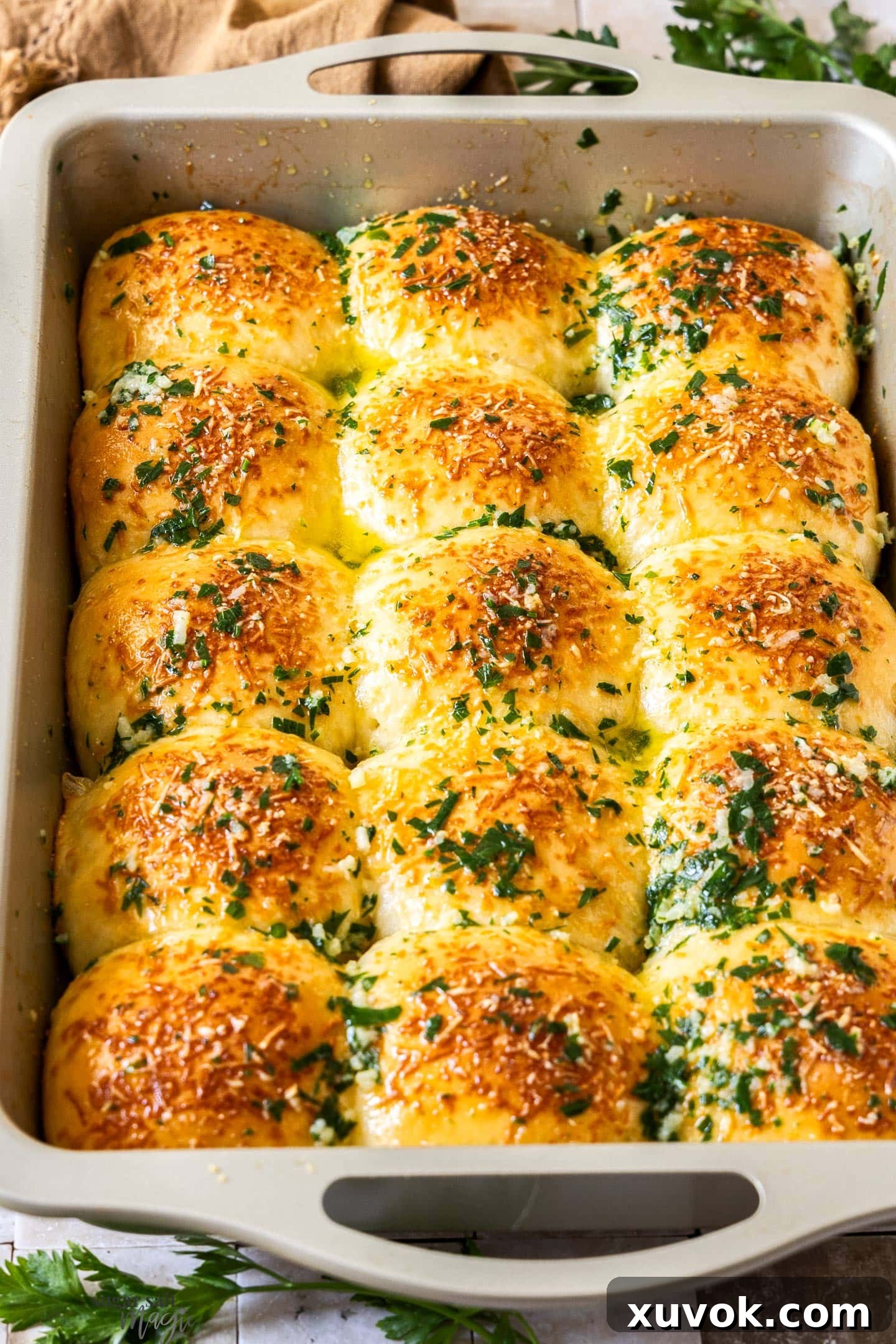
Irresistible Garlic Dinner Rolls: Soft, Fluffy, and Bursting with Flavor
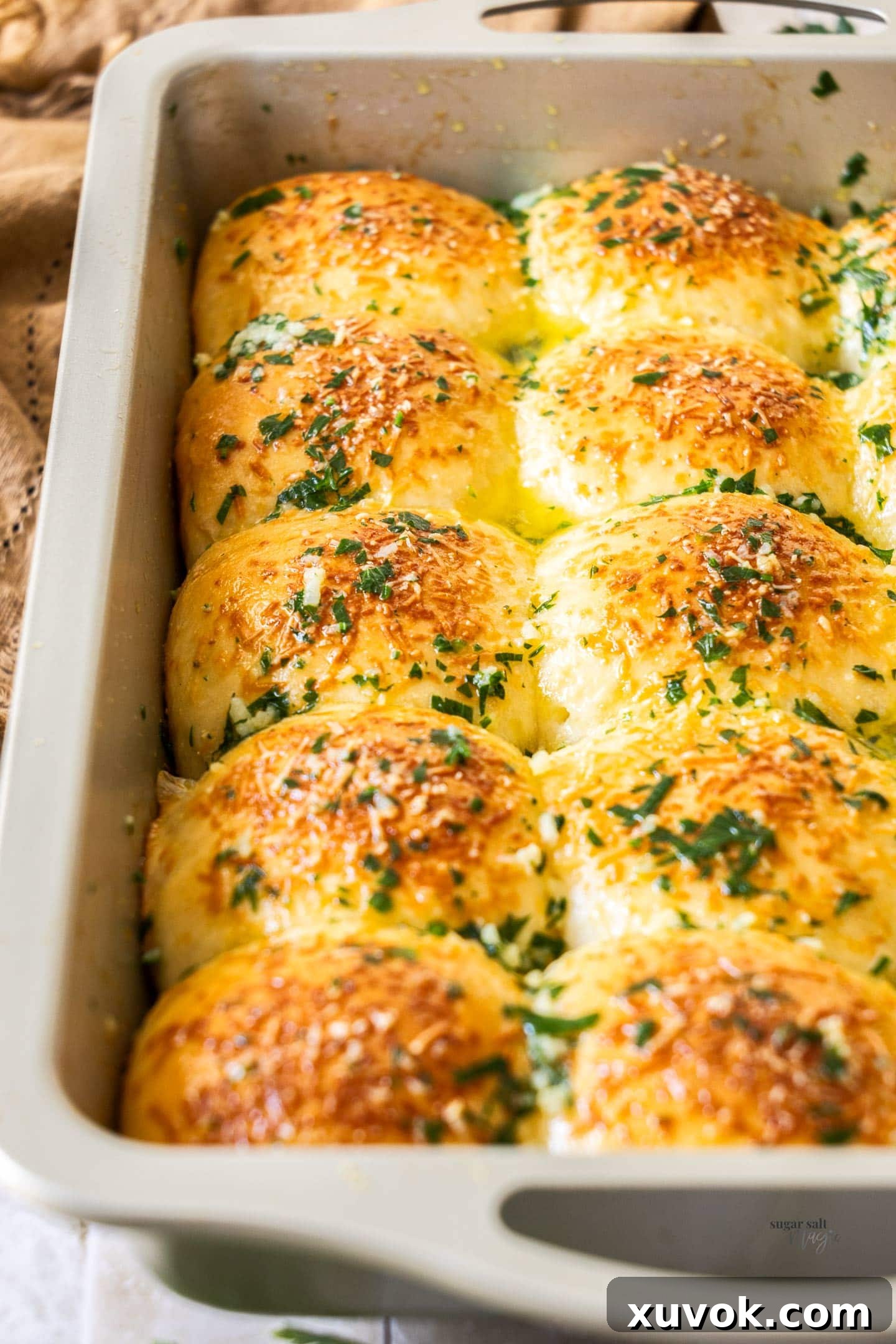
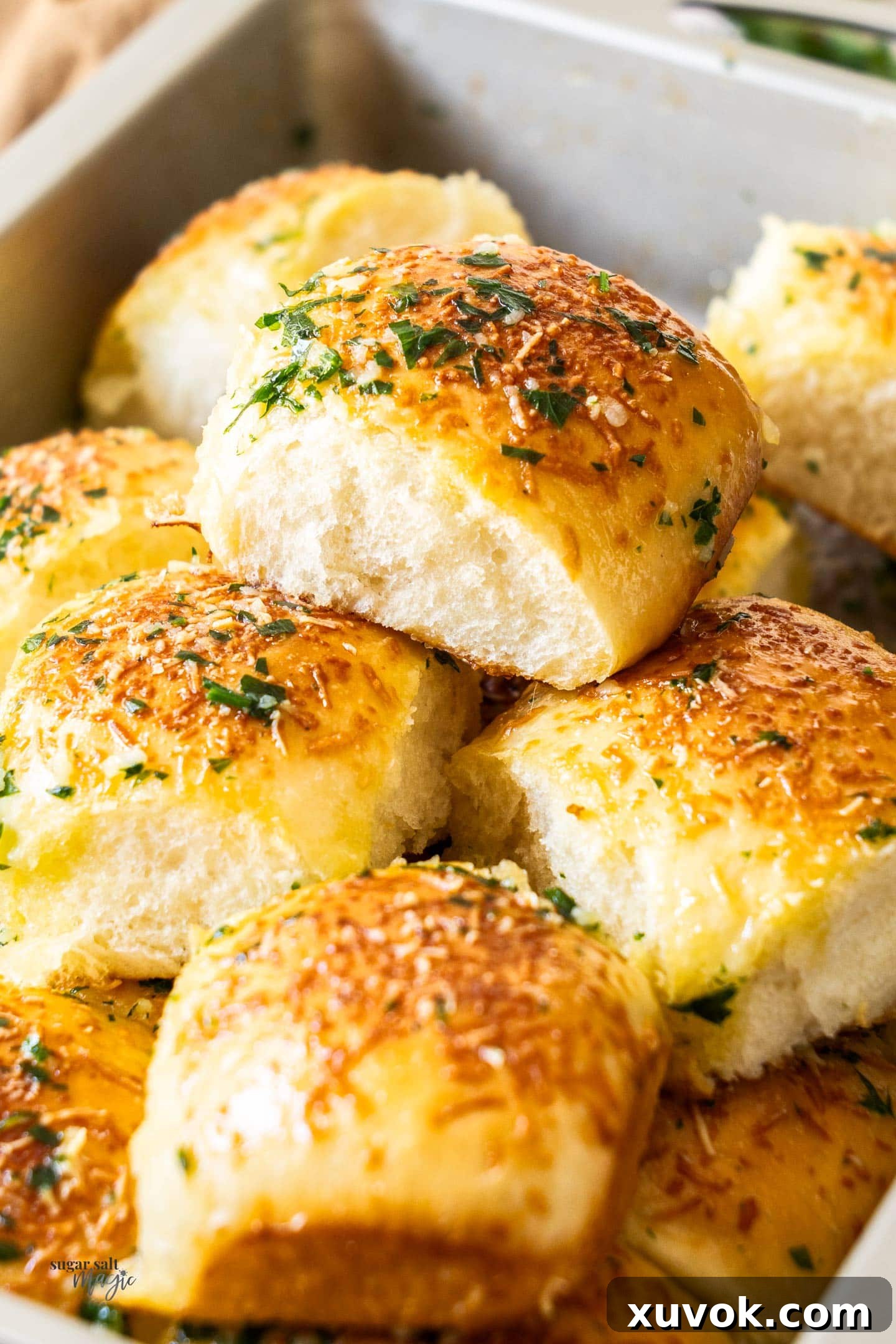
Get ready to fall in love with these extraordinary garlic dinner rolls. Imagine beautifully soft, incredibly fluffy bread, topped with golden parmesan and generously brushed with a rich, aromatic garlic butter. These rolls aren’t just a side dish; they’re a showstopper, elevating any meal from casual family dinners to grand holiday feasts like Thanksgiving and Christmas.
Crafted entirely from scratch, this recipe features an easy-to-handle bread dough that consistently yields perfectly light, airy, and utterly squishable rolls. While the dough itself is subtly seasoned, the real flavor explosion comes from two key elements: the parmesan cheese, which transforms into a nutty, golden crust in the oven, and the easy-to-make garlic butter. We gently cook the fresh garlic in butter, mellowing its raw heat while preserving its vibrant, punchy flavor – a truly irresistible combination.
If you’re a fan of homemade bread, you’ll also adore our no-knead rosemary parmesan bread or perhaps our vibrant pesto focaccia for another flavorful journey.
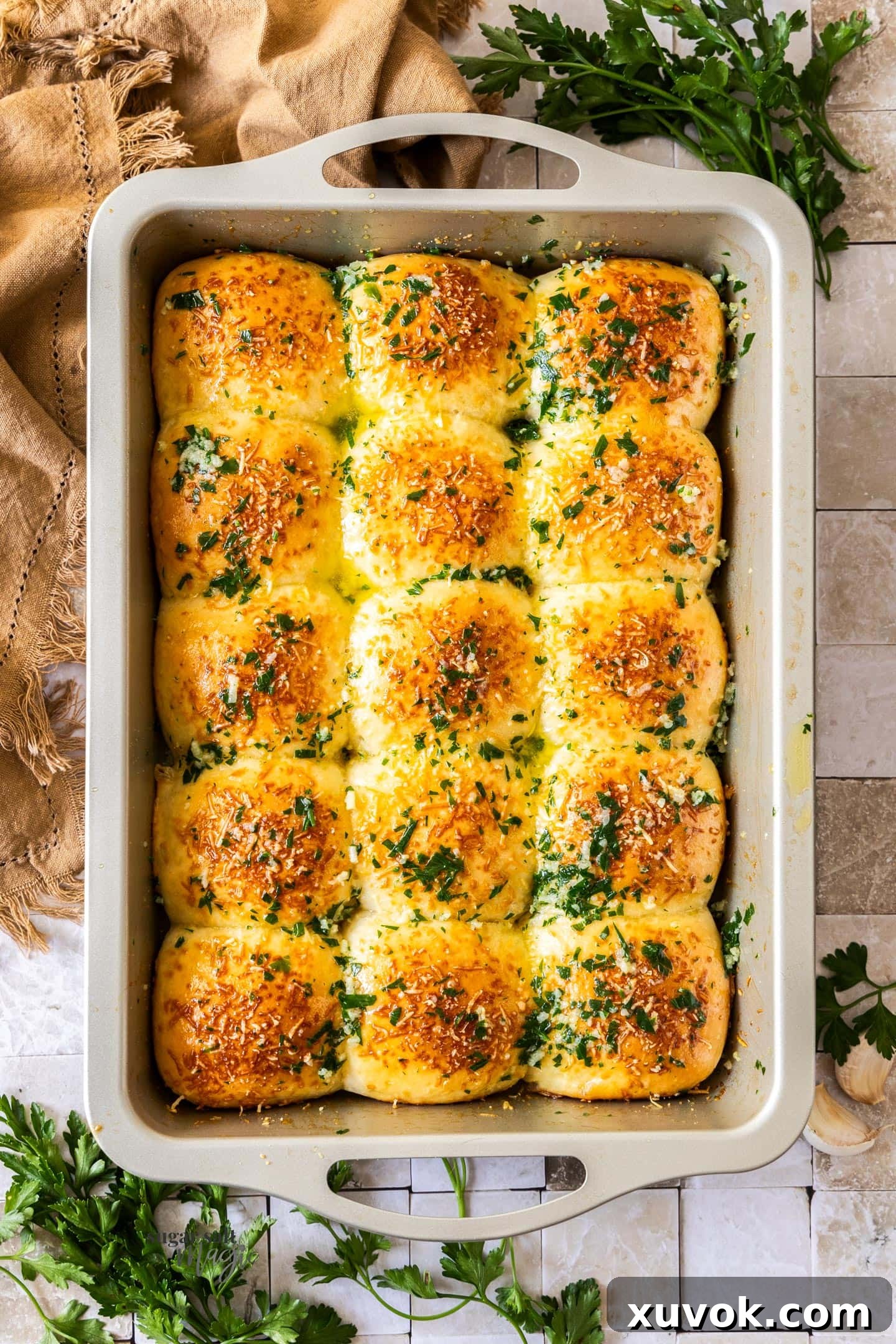
Table of Contents
- Why You’ll Love These Garlic Dinner Rolls
- Essential Ingredients for the Best Garlic Rolls
- How to Make Garlic Dinner Rolls (Step-by-Step Guide)
- Expert Tips and Tricks for Perfect Bread Rolls
- Storing and Reheating Your Garlic Bread Rolls
- More Delicious Bread Recipes to Explore
Never Miss a Recipe!
Get the latest, mouth-watering recipes straight to your inbox and elevate your cooking!
Why You’ll Love These Garlic Dinner Rolls
These garlic dinner rolls are more than just bread; they’re an experience. Here’s why they’ll become a cherished recipe in your kitchen:
- Unmatched Softness & Fluffiness: The meticulously developed dough creates a light, airy texture that practically melts in your mouth. You’ll love how easily they tear apart, revealing a tender crumb.
- Golden Parmesan Crust: A generous sprinkle of fresh parmesan cheese before baking yields a savory, slightly crispy, and wonderfully nutty top crust that perfectly complements the soft interior.
- Aromatic Garlic Butter Glaze: The final touch is a generous brushing of warm garlic butter. By gently cooking the garlic, we infuse the butter with its distinctive flavor while removing any harshness, resulting in an incredibly fragrant and savory glaze.
- Perfect for Any Occasion: While they shine brightly during holidays like Thanksgiving and Christmas, these versatile rolls are equally fantastic for Sunday dinners, potlucks, barbecues, or simply as an elevated accompaniment to your favorite weeknight meal.
- Surprisingly Easy to Make from Scratch: Don’t be intimidated by homemade bread! This recipe is designed to be straightforward and rewarding, even for novice bakers. The dough is forgiving and simple to work with, guaranteeing a successful batch every time.
Essential Ingredients for the Best Garlic Rolls
One of the beauties of these garlic butter dinner rolls is that they are made from incredibly simple, everyday ingredients. You likely have most of them in your pantry already, proving that extraordinary flavor doesn’t require exotic components. Freshness and quality, however, make all the difference!
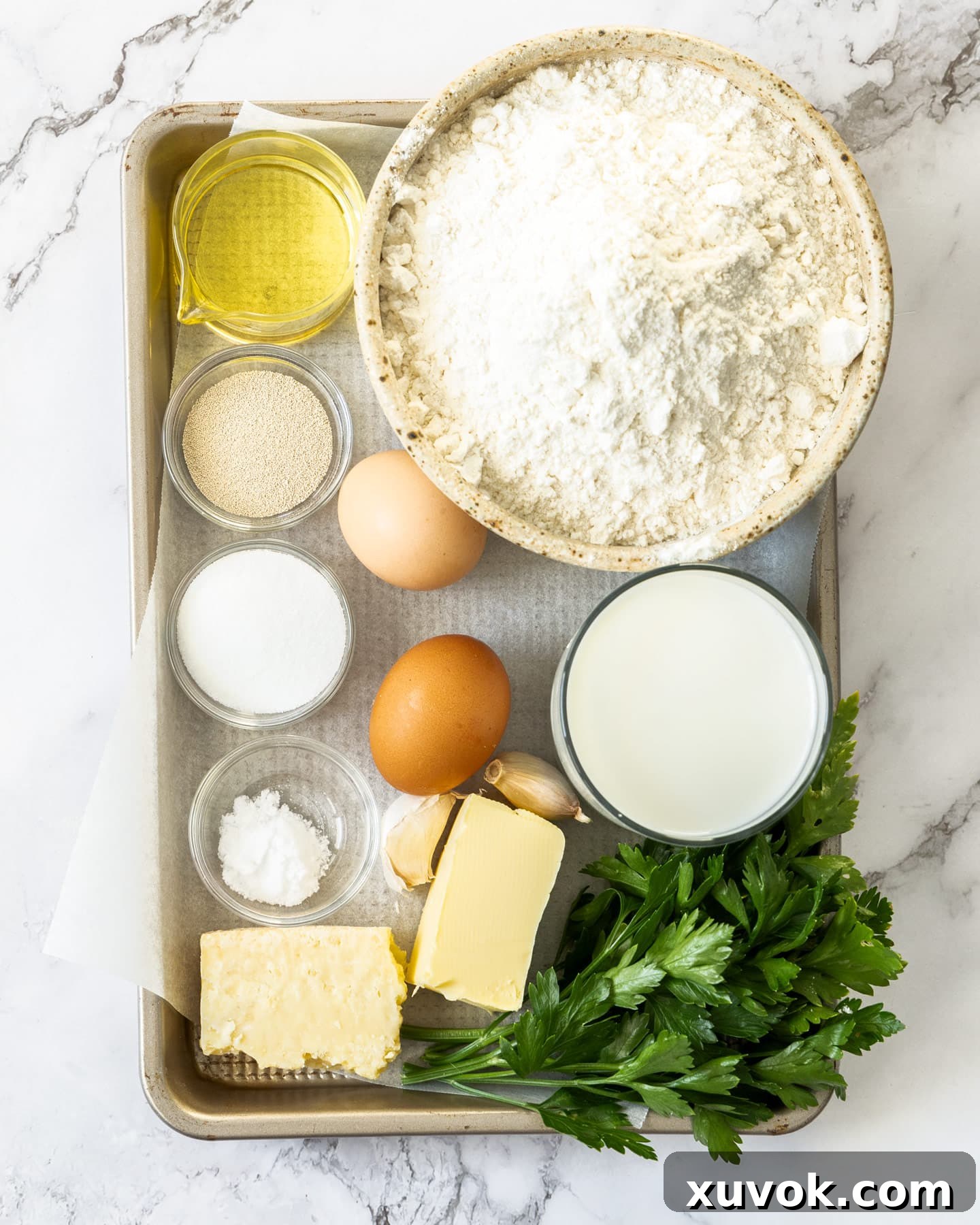
For a complete list of quantities and detailed instructions, please jump to the full recipe card at the bottom of the page.
- Yeast: We recommend starting with instant yeast (also known as instant dried yeast). This type doesn’t require prior activation. However, you can use active dry yeast in the same quantity; simply activate it first by letting it bloom in the warm milk and sugar for 5-10 minutes. If using rapid rise yeast, be aware your dough may rise significantly quicker.
- Milk: For the richest flavor and most tender crumb, whole milk is ideal. The fat content contributes to both texture and taste. That said, other types of milk, such as 2% (hilo), soy milk, or almond milk, will also work effectively, though the final texture might vary slightly. Ensure your milk is warm (around 45°C / 110°F) but not hot, to properly activate the yeast without killing it.
- Sugar: While these are savory rolls, a small amount of granulated white sugar is crucial. It acts as food for the yeast, helping it to thrive and produce the carbon dioxide necessary for the dough to rise beautifully. It also contributes to the golden-brown crust.
- Bread Flour: This is our flour of choice for a reason! Bread flour has a higher protein content, which translates to more gluten development. This extra gluten provides the optimal structure and chewiness essential for light, airy bread rolls. If bread flour isn’t available, plain flour (all-purpose flour) can be used as a substitute, but expect a slightly less chewy texture.
- Eggs: Two large eggs are incorporated into the dough, adding wonderful richness, moisture, and helping to create a beautifully golden and shiny top crust. The egg wash applied before baking further enhances this golden hue.
- Oil: A neutral-flavored oil, such as vegetable oil, canola oil, or light olive oil, is perfect here. There’s no need to use expensive extra virgin olive oil, as its strong flavor might compete with the garlic and parmesan. The oil contributes to the dough’s tenderness and keeps it from sticking during the first rise.
- Parmesan: This is a non-negotiable! For the best flavor and melting quality, always use parmesan shredded directly from a block of good quality cheese. Pre-shredded, shelf-stable parmesan often contains anti-caking agents that can hinder its ability to melt beautifully and impact flavor.
- Butter: Unsalted butter is preferred for the garlic butter topping, as it gives you control over the overall saltiness. Since the parmesan already adds a salty kick, additional salt isn’t usually necessary. If you only have salted butter, reduce any added salt in the dough slightly. For those seeking a plant-based option, margarine or dairy-free spreads can be used interchangeably for the garlic butter.
- Garlic: Fresh garlic cloves are absolutely essential for that vibrant, pungent garlic flavor that defines these rolls. Skip the pre-minced jarred garlic and garlic powder; neither can replicate the depth and aroma of fresh garlic.
- Parsley: Fresh parsley and garlic are a classic pairing. Finely chopped fresh parsley adds a burst of vibrant color, a hint of fresh, herbaceous flavor, and an attractive finish to the garlic butter, making the rolls look as good as they taste.
How to Make Garlic Dinner Rolls (Step-by-Step Guide)
There’s immense satisfaction in baking bread from scratch, and these garlic butter dinner rolls are no exception. This recipe features a wonderfully easy dough to bring together, simple to handle, and consistently bakes up beautifully soft and fluffy. If you’re striving for the best homemade garlic rolls, starting with this tried-and-true dough is your secret weapon.
For detailed quantities and the full printable recipe, please refer to the recipe card below.
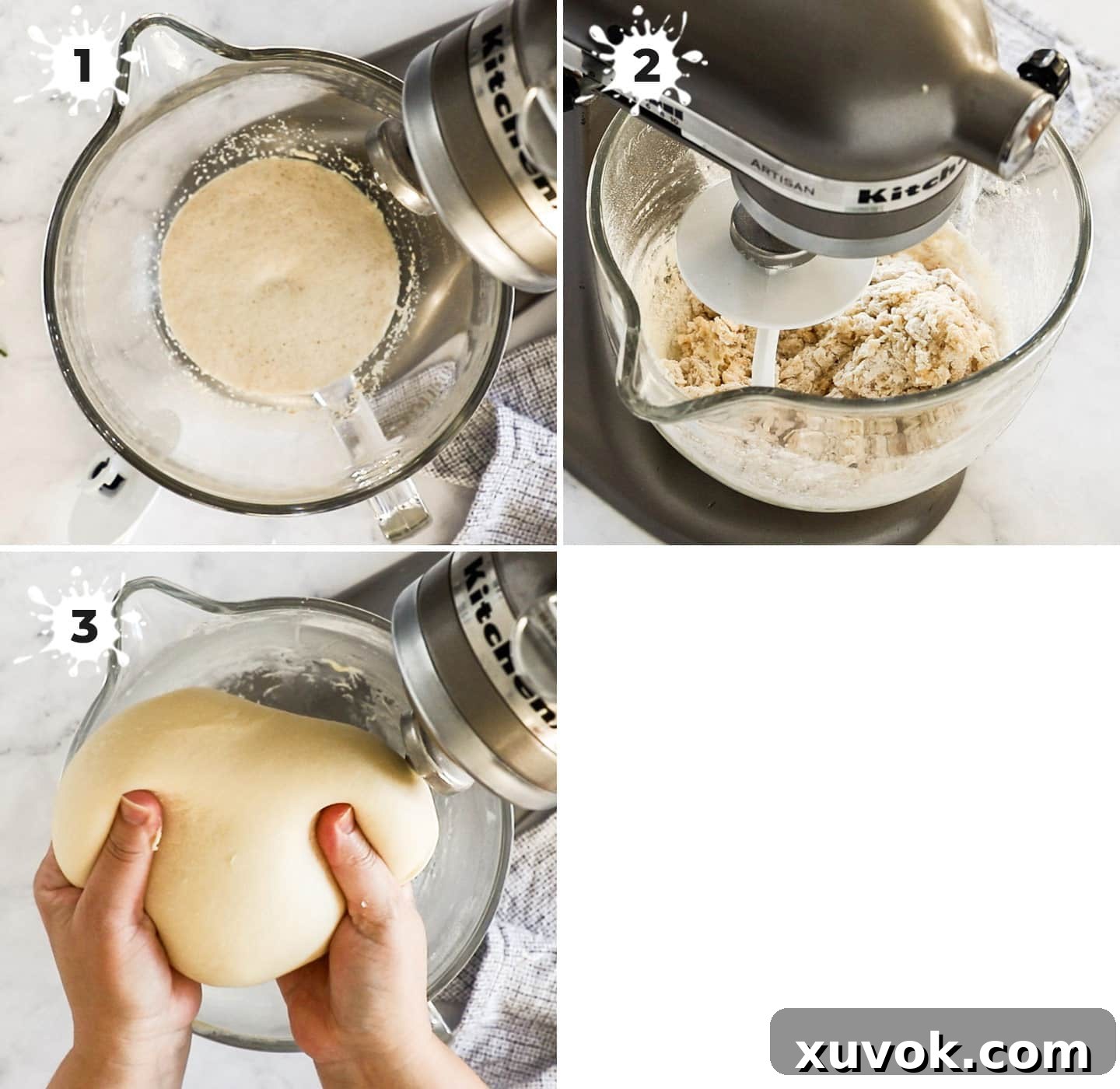
- Activate the Yeast (and Check its Vitality): Even though instant yeast doesn’t technically require activation, taking this step is a smart habit. It allows you to confirm your yeast is active and alive before committing all your ingredients. In a stand mixer bowl (or a large mixing bowl if kneading by hand), combine the warm milk, sugar, and yeast. Give it a gentle stir, then let it sit for 5-10 minutes. You should see a foamy, puffy layer form on the surface, indicating the yeast is active and happy (photo 1). If it doesn’t puff up, your milk might have been too cold, or your yeast may be expired – in which case, it’s best to get new yeast.
- Mix and Knead the Dough: Add the bread flour, salt, one large egg, and neutral-flavored oil to the yeast mixture. Mix everything roughly with a spoon until a shaggy dough forms (photo 2). If using a stand mixer, attach the dough hook and knead on low speed for about 6-7 minutes. Watch as the dough transforms from sticky and lumpy to soft, elastic, and smooth (photo 3). It should clean the sides of the bowl but still stick slightly to the bottom. If it’s too sticky, add a tablespoon of flour at a time until the desired consistency is reached.
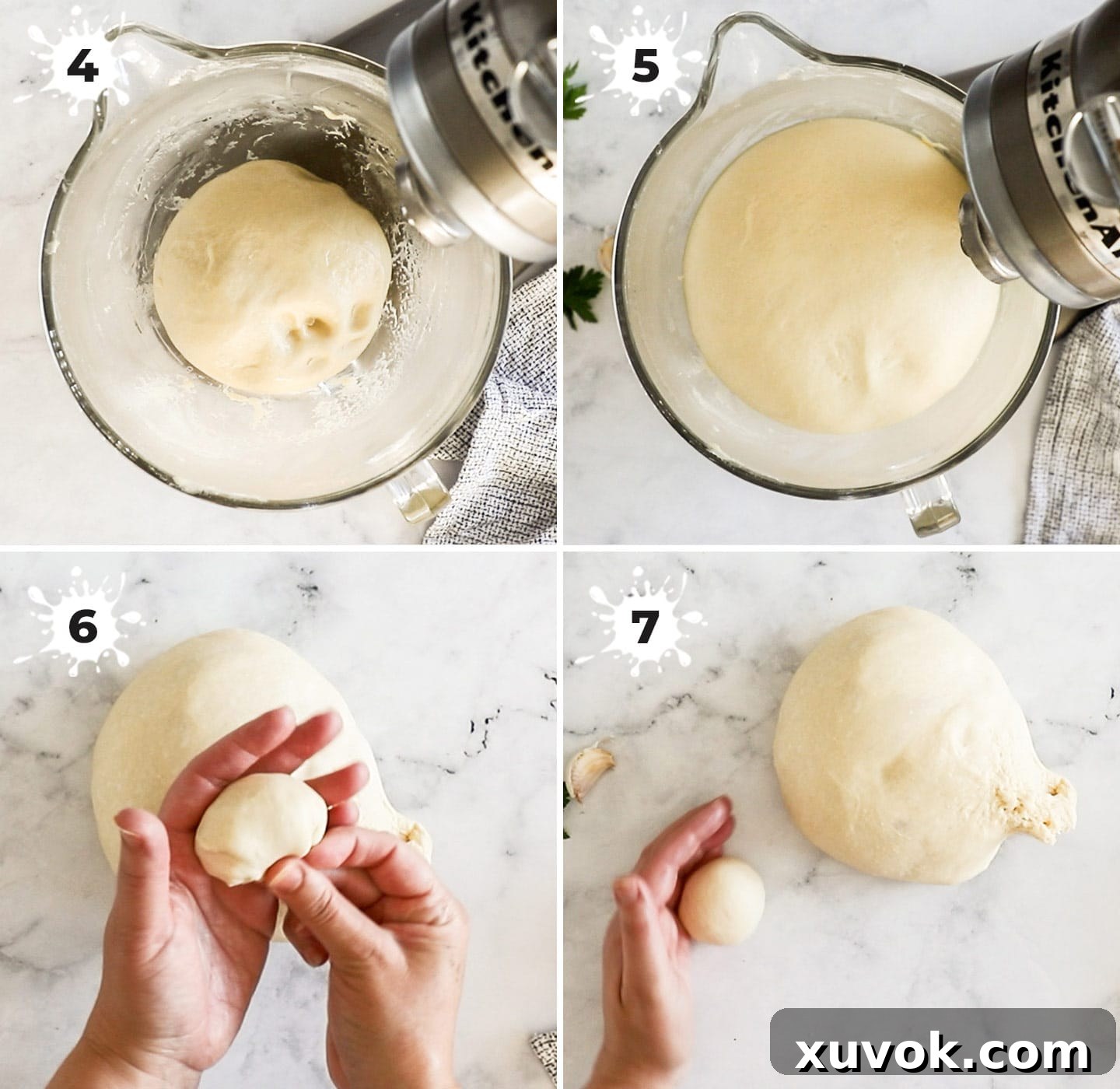
- The First Rise (Bulk Fermentation): Once kneaded, remove the dough from the bowl and pour a small amount of oil into the bottom of the bowl. Roll the dough ball around in the oil to lightly coat its entire surface (photo 4). This prevents it from drying out and sticking. Cover the bowl tightly with plastic wrap or a plate and allow the dough to rise in a warm, draft-free place until it has doubled in size (photo 5). This usually takes 45-60 minutes, depending on your room temperature.
- Shaping the Dinner Rolls: Transfer the risen dough to a lightly floured or clean work surface. Gently deflate the dough and divide it into 15 equal pieces. For precise and uniform rolls (which ensures even baking), use a kitchen scale to weigh each portion. To shape each roll, hold a piece of dough in one hand and use your other hand to repeatedly pinch the sides of the dough into the center, forming a tight ball (photo 6). Continue until the side against your palm feels relatively smooth. For an even smoother, perfectly round top, place the ball seam-side down on the countertop, cup your hands around it, and gently drag it towards you in small circles (photo 7). This tightens the surface of the dough.
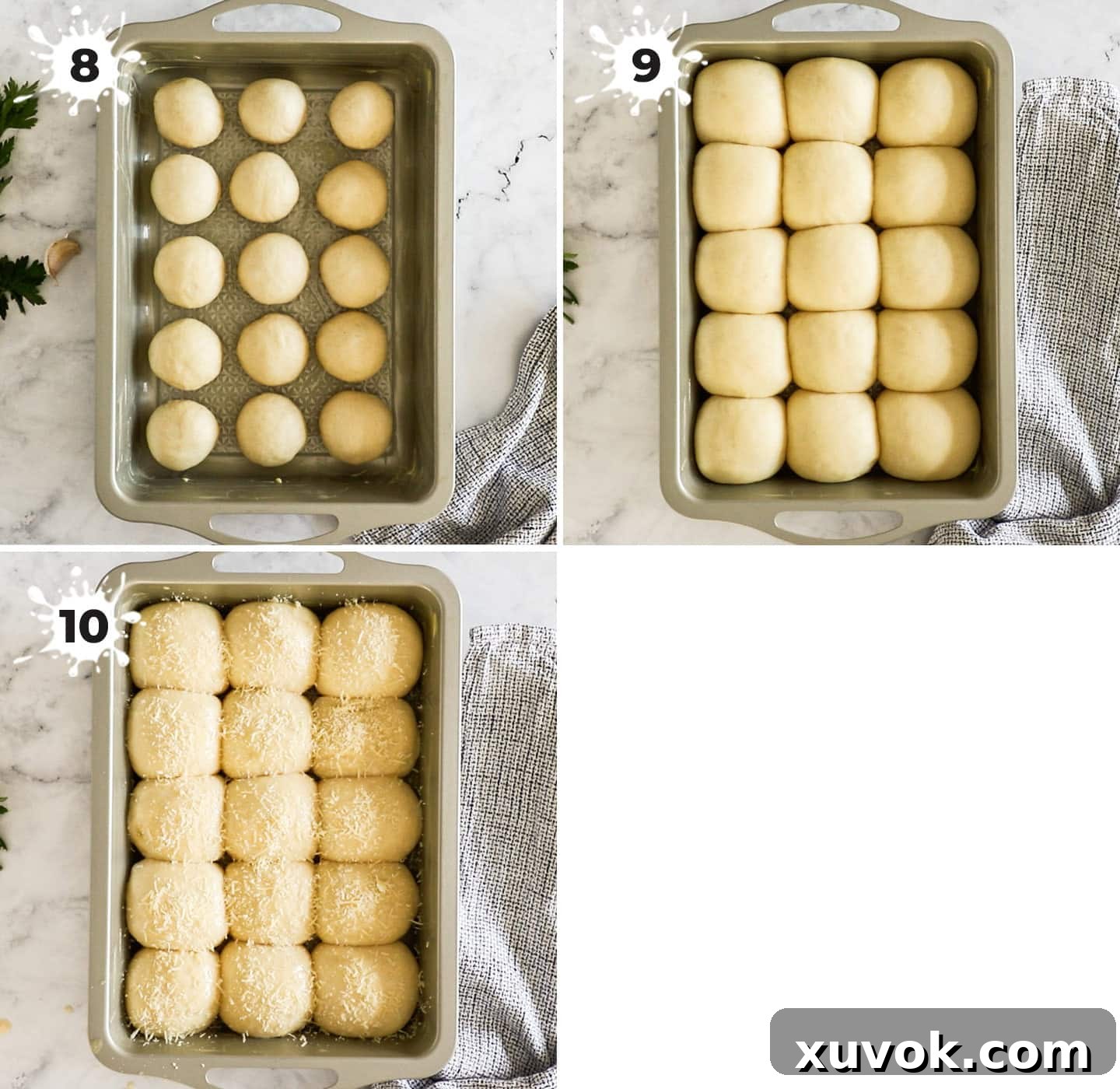
- The Second Rise (Proofing): Arrange the shaped dough balls side-by-side in a well-greased 9×13 inch baking dish (photo 8). The rolls should be close enough to touch, as this helps them rise upwards and maintain their soft sides. Cover the dish loosely with a clean tea towel and let them rise again in a warm spot until they have doubled in size and look visibly puffy (photo 9). This typically takes about 45 minutes to an hour.
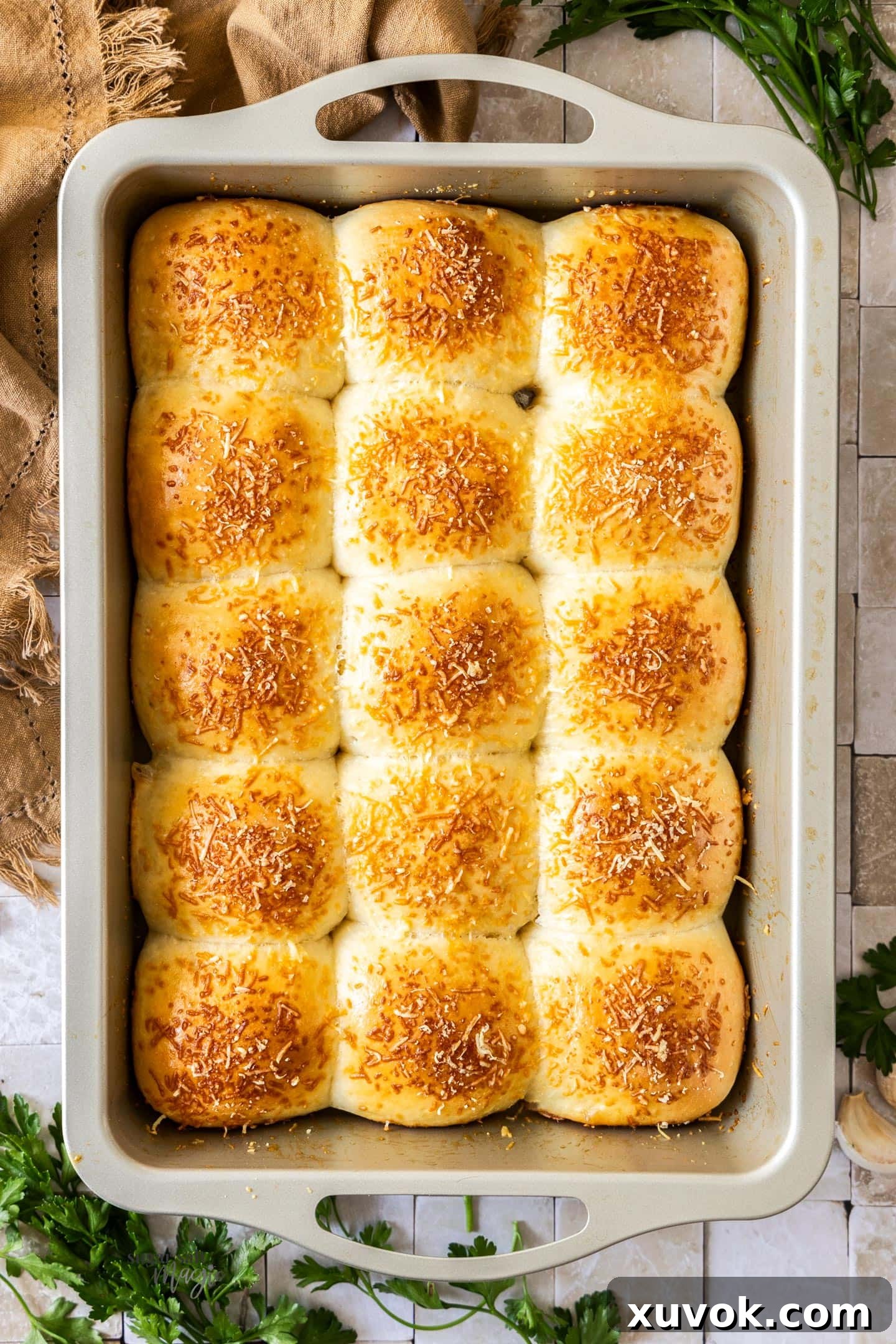
- Top and Bake to Golden Perfection: While the rolls are completing their second rise, preheat your oven to 180°C (160°C fan forced) / 350°F. Once the rolls are fully proofed, gently brush their tops with a beaten egg wash. This egg wash will give them a beautiful golden sheen. Immediately sprinkle generously with your freshly shredded parmesan cheese (photo 10). Bake for approximately 22 minutes, or until the tops are gloriously golden brown and the rolls are cooked through. An internal temperature of 90°C (195°F) indicates they are perfectly done.
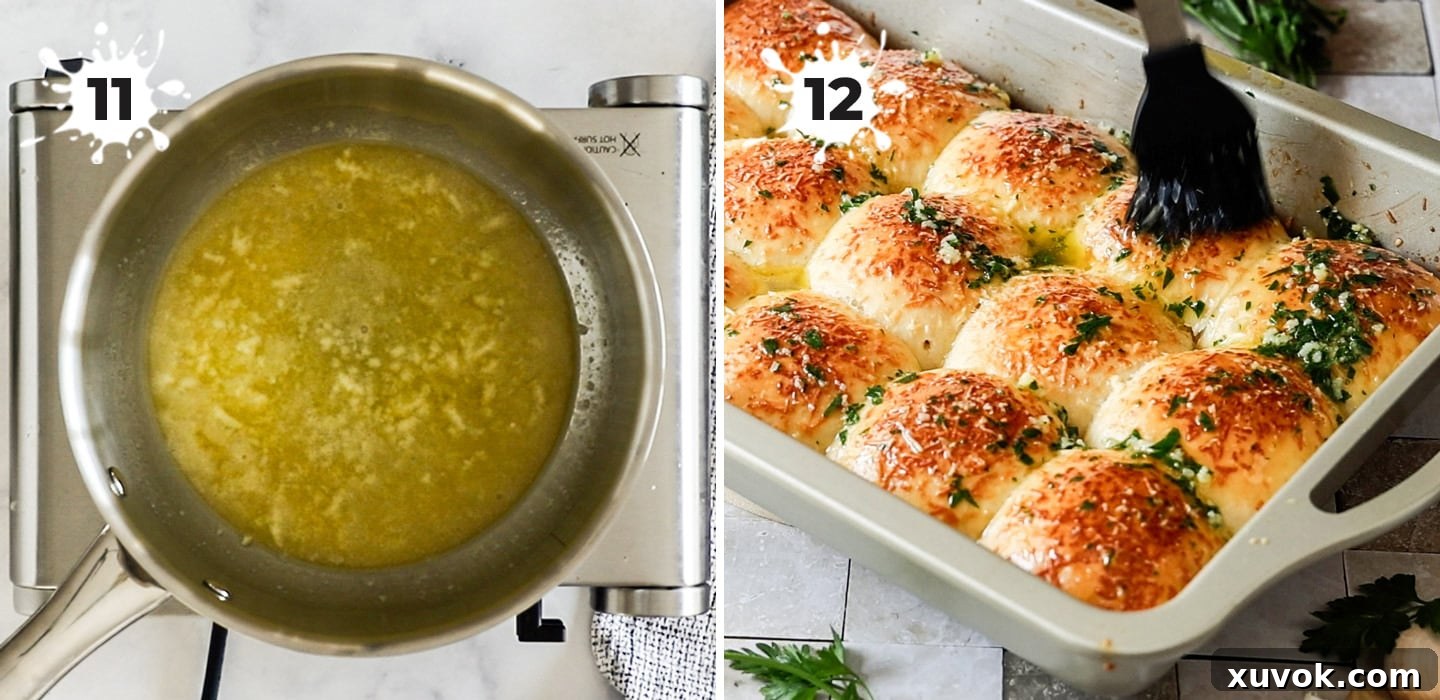
- Prepare the Irresistible Garlic Butter: While your dinner rolls are baking, prepare the magic topping. In a small saucepan, combine the unsalted butter and minced fresh garlic. Cook this mixture over medium heat. Once the butter has melted and begins to bubble, let it gently sizzle for 1-2 minutes. The goal here is to slightly cook the garlic, mellowing its raw intensity and infusing the butter, but without letting it brown or burn. As soon as you see the slightest hint of color change, or before it reaches a deep golden hue, remove the pan from the heat. Stir in the finely chopped fresh parsley. As soon as the golden rolls emerge from the oven, generously brush this fragrant, melted garlic butter mixture all over their warm tops. Serve immediately and enjoy the incredible aroma and taste!
Unleash Your Creativity: Customize Your Dinner Rolls! This versatile garlic dinner roll dough serves as a fantastic blank canvas. Its lightly seasoned nature means it’s incredibly adaptable to various flavors. Not in the mood for garlic? Simply omit it! Want to add a Mediterranean twist? Fold in some sun-dried tomatoes, a sprinkle of dried oregano, or even some crumbled feta cheese. Experiment with different herbs like rosemary or thyme for a unique aroma. The possibilities are endless, allowing you to tailor these rolls to any meal or craving.
Expert Tips and Tricks for Perfect Bread Rolls
Achieving bakery-quality dinner rolls at home is entirely possible with a few insider tips:
- Always Weigh Your Flour: This is perhaps the single most crucial tip for consistent baking results, especially with bread. Flour can pack down differently depending on how it’s stored and scooped, leading to wildly inconsistent volume measurements. Even a slight variation of a tablespoon can significantly alter the dough’s hydration and texture. Investing in a digital kitchen scale is relatively inexpensive and will instantly elevate your baking game, providing far more accurate results than cup measurements. If you absolutely must use cups, use the “spoon and level” method: gently spoon flour into the measuring cup until overflowing, then level it off with the back of a knife without tapping or shaking the cup.
- Stand Mixer vs. Hand Kneading: A stand mixer fitted with a dough hook makes the kneading process incredibly easy and efficient, yielding a perfectly smooth and elastic dough with minimal effort. However, don’t despair if you don’t own one! You can absolutely knead the dough by hand. Be prepared for a good 10-15 minutes of vigorous kneading. Look for the same visual cues: the dough should become smooth, elastic, and pass the “windowpane test” (where a small piece can be stretched thin enough to see light through it without tearing).
- Adjusting for Sticky Dough: Dough consistency can vary slightly due to factors like humidity, altitude, and even different brands of flour (which have varying protein and moisture absorption rates). If your dough feels excessively sticky and clings to the sides of the bowl even after sufficient kneading, don’t panic. Add a tablespoon of bread flour at a time and continue kneading until it achieves the desired soft, slightly sticky, yet manageable texture. Avoid adding too much flour, as this can result in dense, dry rolls.
- Optimizing Rising Time: The ambient temperature of your kitchen significantly impacts how quickly (or slowly) your dough rises. For ideal results, aim for a warm, draft-free environment. If you’re lucky enough to have a proving drawer or an oven with a dedicated “dough rising” setting, use it! In cooler months, creative warm spots can include placing the covered bowl on top of a preheating oven (turned off, but still radiating warmth), near a sunny window, or even in a microwave (turned off, but acting as a draft-free chamber) with a cup of hot water alongside it to create a steamy, warm environment. Always rely on visual cues (doubled in size) rather than strictly adhering to a timer.
Storing and Reheating Your Garlic Bread Rolls
These homemade garlic dinner rolls are best enjoyed fresh from the oven, but you can certainly prepare them ahead or store leftovers for later enjoyment. This recipe is designed to yield 15 rolls, but you can easily stretch the dough into 16 or even 18 smaller rolls, or create larger, more substantial ones by dividing it into fewer portions.
- Making the Dough Ahead: For ultimate convenience, you can prepare the dough and shape the garlic dinner rolls the day before you plan to bake them. After shaping the rolls and arranging them in the baking dish, cover the dish tightly with plastic wrap to prevent a skin from forming, and refrigerate overnight. The next day, remove them from the fridge and let them sit at room temperature for about 30-60 minutes (or until they appear slightly puffy and have lost their refrigerator chill) before proceeding with the egg wash, parmesan, and baking instructions. This slow, cold rise can even enhance the flavor!
- Freezing Baked Rolls: These garlic rolls freeze beautifully! Once baked and completely cooled, arrange the rolls in a single layer on a baking sheet and flash freeze for about an hour until solid. Then, transfer the frozen rolls to a freezer-safe airtight container or heavy-duty freezer bag, removing as much air as possible. They will keep well for up to 3 months. When you’re ready to enjoy them, simply warm the frozen rolls in a preheated oven (around 160°C / 325°F) for 10-15 minutes, or until heated through. For that “fresh-baked” experience, prepare a fresh batch of garlic butter and brush it over the warm rolls right before serving.
- Storing Leftover Rolls: Any leftover baked rolls, once cooled, should be stored in an airtight container at room temperature for 1-2 days to maintain their softness. While they won’t be quite as soft as when freshly baked, a quick reheat can revive them beautifully. For a perfect fluff-up, place a roll in the microwave and heat on high for just 10-12 seconds. They’ll emerge wonderfully soft and warm, almost like new!
More Delicious Bread Recipes to Explore
If you loved making these garlic dinner rolls, you’ll undoubtedly enjoy expanding your homemade bread repertoire with these other fantastic recipes:
- No-Knead Rosemary Parmesan Bread: Simple, rustic, and bursting with herby, cheesy goodness.
- Turkish Flatbread (Bazlama): Soft, chewy, and perfect for dipping or as a sandwich wrap.
- Cheesy Garlic Crack Bread: An addictive pull-apart loaf loaded with cheese and garlic.
- Pizza Scrolls: Fun, savory spirals packed with classic pizza flavors, great for snacks or lunchboxes.
- Focaccia di Recco (Cheese-Filled Focaccia Flatbread): A decadent, paper-thin focaccia filled with gooey, melted cheese.
- Pesto Focaccia: A vibrant, flavorful focaccia topped with fragrant basil pesto.
Did you try this garlic dinner rolls recipe?
Leaving a rating and comment below the recipe is so helpful!
Hungry for more? Subscribe to our newsletter for free recipes straight to your inbox. Also, follow along on Facebook, Pinterest and Instagram for daily inspiration!
Garlic Dinner Rolls
15
rolls
25
22
1
45
2
32
Rate
Pin
Ingredients
FOR THE DINNER ROLLS
-
1 ¼
cups
warm milk, around 45C/110F, not hot
(310ml) -
2 ½
teaspoons
instant dry yeast
(or active dry yeast) -
1
tablespoon
white granulated sugar
(notes 1) -
455
g
bread flour
(3 ½ cups / 1lb) -
1
teaspoon
salt -
2
large
eggs -
¼
cup
neutral flavoured oil -
2
tablespoons
finely shredded parmesan cheese
FOR THE GARLIC BUTTER
-
57
g
unsalted butter
(¼ cup / 2oz) -
2
cloves
garlic, minced -
1
tablespoon
finely chopped fresh parsley
(notes 1)
For best results, always weigh ingredients where a weight is provided
Equipment
-
Kitchen scales (extremely helpful)
-
Stand mixer (helpful but optional)
-
Dough scraper
-
9×13 inch baking pan
-
Saucepan
Instructions
-
MAKING THE DOUGH:
In the bowl of a stand mixer (or a large mixing bowl for hand kneading), combine the warm milk, sugar, and the yeast. Stir gently and set aside to bloom for 5 minutes. This confirms your yeast is active.
-
Add the bread flour, salt, one of the eggs, and the neutral-flavored oil to the bowl. Mix with a spoon or spatula until a shaggy dough forms.
-
If using a stand mixer, attach the dough hook attachment and mix the dough on low speed for 5-6 minutes until it becomes mostly smooth and elastic. The dough should gather from the sides of the bowl but still stick slightly to the bottom. If it’s too sticky, add a tablespoon of flour at a time and mix until the desired consistency is achieved. See notes for hand-kneading instructions.
-
Remove the dough from the bowl using a dough scraper. Pour a little oil around the bottom of the bowl, then return the dough to the bowl, turning it to lightly coat all sides with oil.
-
Cover the bowl tightly with plastic wrap and let it rise at room temperature (or in a warm place if your home is cool) for 45-60 minutes, or until the dough has doubled in size. A proving drawer or oven’s dough setting works perfectly here.
-
ASSEMBLING THE GARLIC BUTTER ROLLS:
Generously grease a deep 9×13 inch baking pan or cake pan with butter.
-
Transfer the risen dough to a clean work surface. You shouldn’t need much flour, but sprinkle a little over if the dough is sticking.
-
Divide the dough into 15 equal portions. For uniform size and even rising, it’s highly recommended to weigh the entire batch of dough and divide by 15.
-
To shape each roll, take one portion of dough into the palm of one hand. With your other hand, pinch the sides of the dough repeatedly into the bottom center until you form a neat little ball. For an extra smooth finish, place the pinched side down on the benchtop, cup both hands around it, and gently drag it towards you a few times in a circular motion.
-
THE SECOND RISE:
Place the shaped dough balls directly into the prepared baking pan, ensuring they are snug. Cover the pan loosely with a clean kitchen towel and allow them to double in size again, which will take approximately 45 minutes to an hour.
-
Preheat your oven to 180°C (160°C fan forced) / 350°F during the last 15 minutes of the second rise.
-
Beat the second egg to create an egg wash, then gently brush it over the tops of your risen rolls. Immediately sprinkle the finely shredded parmesan cheese generously over all the rolls.
-
Bake for approximately 22 minutes, or until the tops are beautifully golden brown and the rolls are fully cooked through. If using a digital thermometer, bread is done when it reaches an internal temperature of 90°C / 195°F in the center.
-
THE TOPPING: While the bread bakes.
Place the unsalted butter and minced garlic into a small saucepan. Cook over medium heat. Once the butter is melted and begins to bubble, let it simmer gently for 1-2 minutes. Be careful not to let the garlic brown or burn; remove from heat if it starts to turn golden. Stir in the fresh parsley.
-
As soon as the rolls come out of the oven, generously brush the melted garlic butter mixture over their hot tops. Serve immediately, perhaps with a final sprinkle of flaky sea salt for an extra touch of flavor.
-
Please take a moment to leave a comment & rating on this recipe. Your feedback is greatly appreciated and helps others discover these amazing rolls!
Notes
- Tablespoons: This recipe uses a standard Australian 20ml tablespoon (equal to 4 teaspoons). Please check the size of your measuring spoons to ensure accuracy, as tablespoon sizes can vary internationally.
- Oven Variability: All ovens vary in temperature and heating efficiency. Always keep a close eye on your rolls and check for doneness 2-3 minutes before the suggested baking time to prevent overbaking.
- Weighing Ingredients for Accuracy: For the most precise and consistent baking results, we strongly recommend weighing dry ingredients like flour and cocoa using a kitchen scale. If you do not have one and must use volumetric measurements (cups), use the “spoon and level” method: gently spoon the flour into the measuring cup and level off the top with a straight edge, without compacting the flour.
- Yeast Types: You can successfully use either instant dry yeast or active dry yeast in this recipe. If you opt for rapid rise yeast, be aware that your dough may double in size more quickly than the suggested times.
- Flour Substitutions: While bread flour is recommended for its superior texture and gluten development, resulting in a chewier roll, plain flour (all-purpose flour) can be used as a substitute if needed. The rolls may have a slightly softer crumb.
- No Stand Mixer? No Problem! This dough can be kneaded by hand. Expect to knead for about 10-12 minutes until the dough becomes smooth, elastic, and passes the windowpane test.
- Nutrition Information: The nutrition details provided are approximate only and have been derived from an online calculator. The specific brands and quantities of ingredients you use may cause variations in the final nutritional values.
EXPLORE MORE GREAT SIDE DISH RECIPES!
200
kcal
Marie Roffey
Side Dish
American
Have you tried this recipe?
Don’t forget to leave a rating and comment below and let me know how it was! I love hearing from you. Nutrition information is approximate and derived from an online calculator. The brands you use may cause variations.
Calories from Fat 81