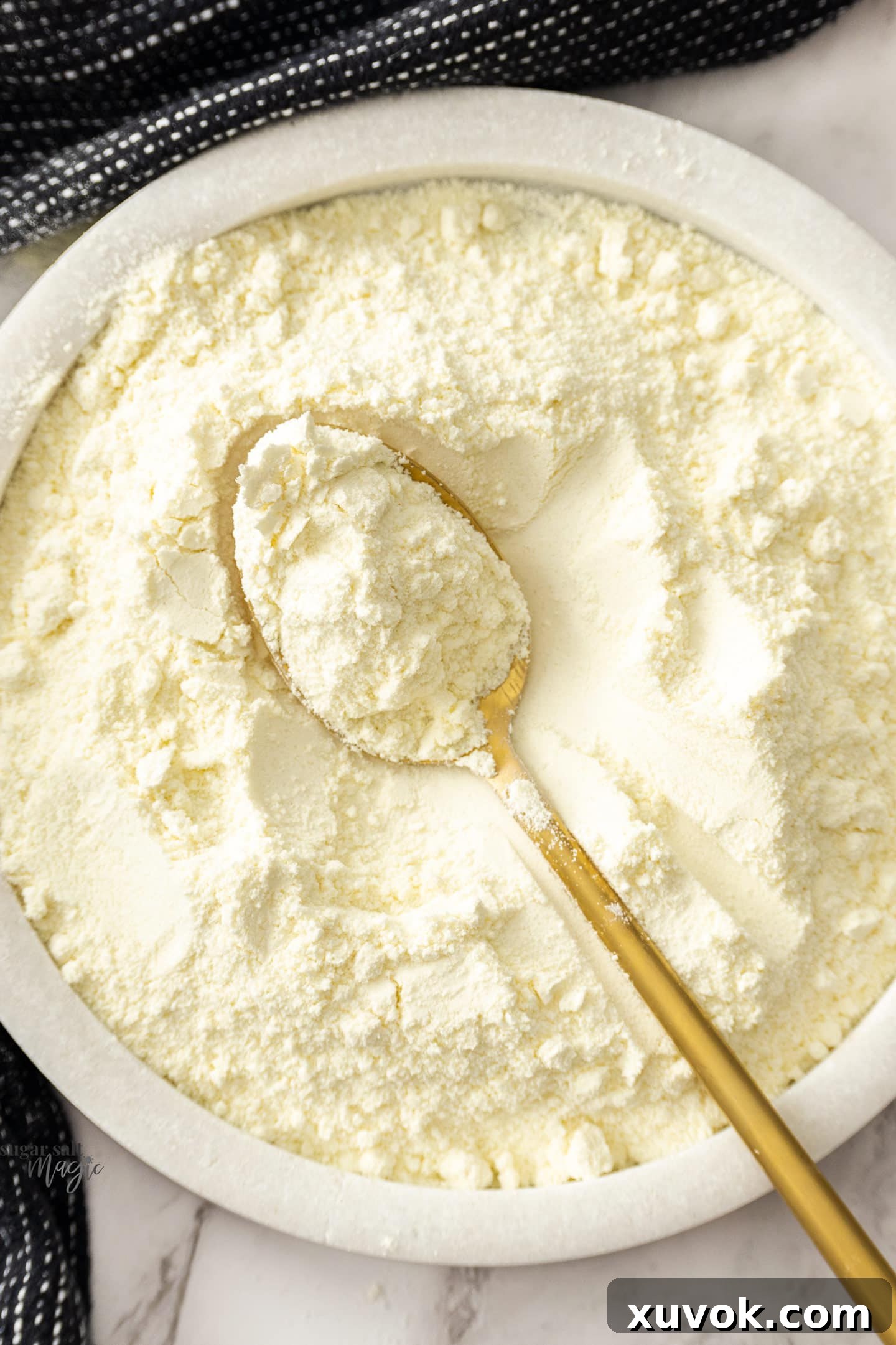
Effortless Elegance: Your Guide to Homemade Custard Powder
Discover the secret to always having a smooth, creamy, vanilla-flavored sauce ready in your pantry with this incredible homemade custard powder recipe. This kitchen hack transforms simple ingredients into a versatile, shelf-stable mix, ensuring that a delightful dessert accompaniment is always just minutes away.
Custard holds a special place as a beloved dessert sauce, often preferred over ice cream or simple cream for its rich texture and comforting vanilla notes. It pairs exquisitely with a wide array of baked goods, elevating classics like pies and tarts, making it the perfect pour-over for a warm apple crostata, a comforting apple crumble, or a hearty apple plum cobbler.
Beyond serving as a luxurious sauce, custard powder is a fantastic ingredient in its own right, adding a unique richness to various baked treats. For instance, it’s a key component in these delightful homemade custard creams. Its versatility might surprise those who haven’t encountered it before, as many readers inquired, “What is custard powder?” upon discovering its use in our recipes. This highlights the brilliant convenience and widespread appeal of this pantry staple, though its familiarity varies across different regions.
This recipe was originally published on September 4th, 2019, and has been thoroughly updated with fresh images and expanded information to enhance your culinary experience.
Table of Contents
- What is Custard Powder?
- Why Make Your Own Custard Powder?
- Custard Powder Ingredients
- How to Make Custard Powder
- How to Turn Homemade Powder into Custard
- Tips and Tricks for Perfect Custard
- Creative Ways to Use Custard Powder
Never Miss a Recipe!
Get the latest recipes straight to your inbox!
Sign up to receive our delicious recipes!
What is Custard Powder?
At its core, custard powder is a brilliant culinary convenience: a finely milled, yellow-hued ingredient designed to simplify the creation of a classic vanilla custard sauce or crème anglaise. Unlike traditional custards that often require tempering eggs and meticulous stirring, this powdered alternative provides a virtually foolproof path to a rich, creamy, and sweet pourable sauce. It’s essentially a clever blend of thickening agents, dehydrated milk solids, and aromatic vanilla flavoring. When combined with milk and sugar and gently heated, these components magically transform into a decadent, smooth custard, ready to be enjoyed.
This remarkable powder is a staple in many kitchens around the globe, particularly in places like Australia and the UK, where it’s widely available on supermarket shelves. However, its presence is less common in other regions. While you might be able to source commercial custard powder through online vendors, the true beauty lies in its simplicity: you can effortlessly make your own version from scratch using everyday ingredients you likely already have in your pantry.
While a truly homemade, egg-yolk-rich crème anglaise from scratch might offer an unparalleled depth of flavor, requiring careful heating of milk and tempering of eggs, not everyone has the time or inclination for such a delicate process. This is where homemade vanilla custard powder shines. It delivers a wonderfully satisfying result that comes remarkably close to traditional custard, offering immense convenience without significant compromise on taste or texture. It’s the perfect solution for busy home cooks who crave that comforting vanilla warmth without the fuss.
Why Make Your Own Custard Powder?
Opting to make your own custard powder comes with a host of advantages that cater to both convenience and culinary control:
- Ingredient Control: When you make it yourself, you know exactly what goes into your custard. You can choose high-quality milk powder, control the amount and type of sugar, and decide whether to add artificial color or keep it all-natural. This is a huge benefit for those with dietary preferences or who prefer to avoid certain additives often found in commercial products.
- Always on Hand: Never run out of this versatile dessert base! With homemade powder, you can whip up a batch whenever you need it, ensuring a creamy, comforting treat is always within reach without an extra trip to the grocery store.
- Cost-Effective: The individual ingredients for homemade custard powder are typically inexpensive and often already present in your pantry. Making it yourself can be significantly more economical than repeatedly purchasing store-bought versions.
- Customization: Beyond basic vanilla, making your own powder opens up possibilities for custom flavors. You can easily adjust the vanilla intensity or experiment with adding other powdered flavorings directly into the mix, creating unique variations like chocolate or strawberry custard powder.
- Shelf-Stable Convenience: Like its commercial counterpart, homemade custard powder is incredibly shelf-stable. Stored in an airtight container, it will last as long as the expiration date of your milk powder, making it an excellent pantry staple for impromptu desserts.
- Global Accessibility: For those in regions where custard powder isn’t readily available, making it at home is a game-changer. It bypasses the need for specialty stores or expensive online imports, bringing this classic comfort food to every kitchen.
- Freshness: While the powder itself is shelf-stable, making it in smaller batches as needed ensures your flavorings (especially if using fresh vanilla bean or extract) are at their peak when you prepare the custard.
Essential Custard Powder Ingredients
Crafting your own batch of delicious custard powder requires just 4 simple, readily available ingredients, forming the perfect foundation for a creamy, vanilla-infused sauce:
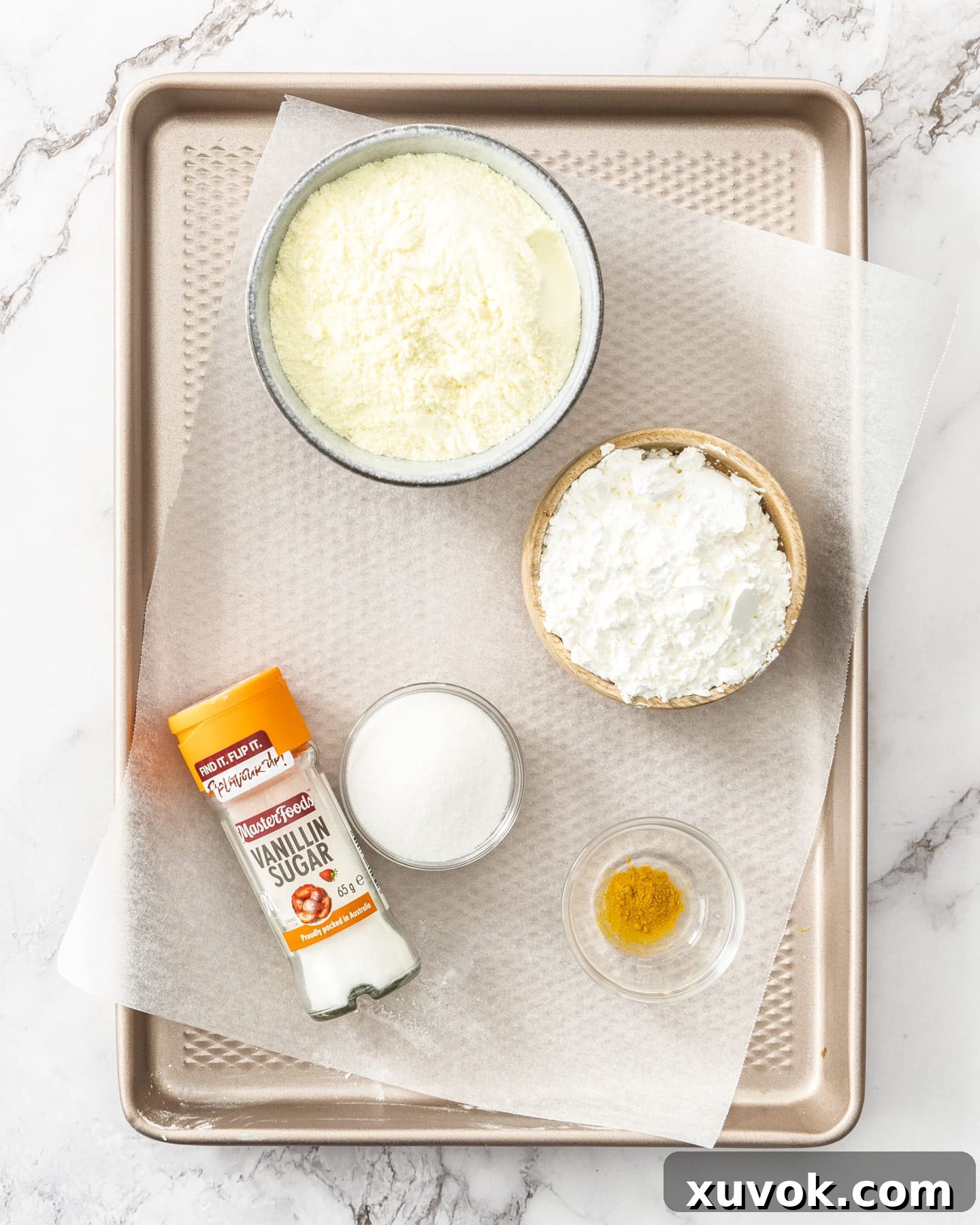
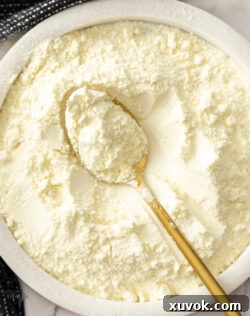
- Milk Powder: This dehydrated form of milk provides the essential creamy body and dairy richness to your custard. It’s a key component for achieving that familiar velvety texture.
- Cornflour / Cornstarch: This is the primary thickening agent in custard powder. It’s important to note that we’re referring to pure corn starch (known as cornflour in Australia and the UK), not corn meal or maize flour, which has a coarser texture and different thickening properties. It creates that lovely thick consistency when heated with liquid.
- Vanilla Sugar / Vanillin Sugar: This ingredient infuses your custard with its signature sweet vanilla aroma. You can use your own homemade vanilla sugar, or easily find many excellent store-bought brands, such as the Masterfoods one pictured above. Vanilla sugar adds both sweetness and a delicate, pervasive vanilla flavor throughout the powder.
- Powdered Yellow Food Colouring: This is purely for aesthetic appeal, giving the custard its traditional pale yellow hue. It’s entirely optional, so feel free to omit it if you prefer a natural, lighter colored custard.
What is Vanilla Sugar?
Vanilla sugar is granulated sugar that has been infused with the rich, aromatic essence of vanilla. It’s a delightful ingredient commonly found in the spice aisle of many grocery stores, especially in European and some Australian markets. If you’re having trouble locating vanilla sugar, you have several excellent options:
- Homemade Vanilla Sugar: This is the simplest and most rewarding alternative. You can easily make your own by blending vanilla bean seeds (or even whole, dried vanilla beans) with granulated sugar in a food processor until finely combined. This not only saves money but also allows you to control the quality and intensity of the vanilla flavor.
- Vanilla Extract: While the aim for custard powder is a completely dry mix, you can incorporate a small amount of liquid vanilla extract into your custard powder. Be aware that this may introduce some small lumps, but as long as they are minimal and evenly distributed, the powder will still perform beautifully. Alternatively, and for a completely lump-free, shelf-stable powder, you can simply omit vanilla from the dry mix and add a splash of vanilla extract directly when you are cooking the custard.
Substitutions and Customization Options
One of the great benefits of making custard powder at home is the flexibility to tailor it to your preferences or dietary needs. Here are some popular substitutions and options:
- Powdered Milk: You can use either skim (non-fat) or full cream (whole milk) powdered milk. Skim milk powder will result in a slightly lighter custard, which is what I typically use and base my nutritional information on. Full cream milk powder will yield a richer, creamier end product.
- Vanilla Source: As mentioned, vanilla extract or even fresh vanilla bean seeds can be used instead of vanilla sugar. If using wet ingredients, you might get tiny lumps, but these can be minimized by thoroughly blending and ensuring even distribution. For maximum shelf stability, however, sticking to vanilla sugar or omitting vanilla from the powder and adding extract during cooking is recommended.
- Liquid for Custard: When preparing the liquid custard from the powder, you have complete control over the base. Use full cream milk for a decadent, rich sauce, or opt for lighter versions like skim milk, low-fat milk, or even water for a less calorific option. For those following a plant-based diet, dairy-free milk alternatives such as almond milk, soy milk, or oat milk can also be successfully used, though they may impart their own subtle flavor nuances to the finished custard.
- Sweetness Level: The amount of sugar added during the cooking phase of the custard is entirely adjustable to your taste. The recipe provides a perfect balance of sweetness for most palates, but you are free to increase or decrease the sugar to match your personal preference.
- Cornflour / Cornstarch Alternative: If cornstarch is not available, an equal quantity of potato starch can be used as a substitute thickener, yielding similar results in terms of custard consistency.
How to Make Homemade Custard Powder
This convenient, quick-mix dessert powder is astonishingly simple to prepare, requiring minimal effort for maximum reward. You’ll be amazed at how quickly you can create your own batch of this versatile kitchen essential.
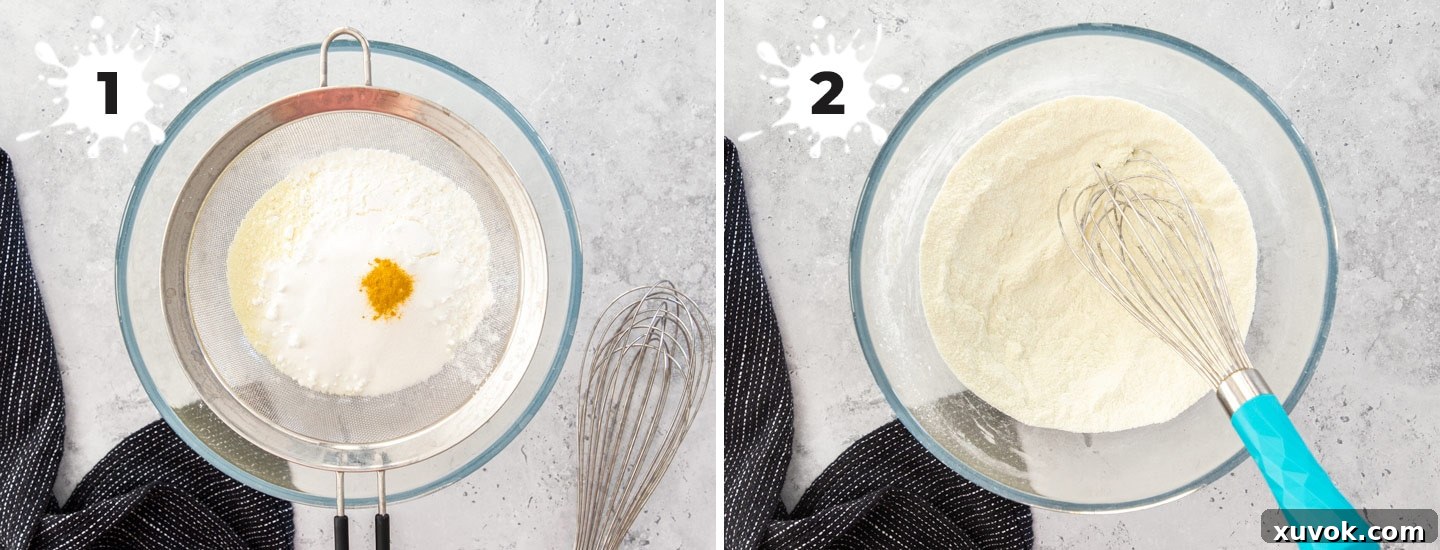
- Combine and Sift: Begin by placing all your dry ingredients – the milk powder, cornflour (cornstarch), vanilla sugar, and the optional powdered yellow food coloring – into a fine mesh sieve. Position the sieve over a large mixing bowl. Sifting these ingredients together is a crucial step as it breaks up any lumps, aerates the mixture, and ensures a perfectly smooth, homogenous powder.
- Whisk Thoroughly: Once sifted, use a balloon whisk to thoroughly combine all the ingredients in the bowl. Whisk vigorously for a minute or two, ensuring that the components are uniformly distributed. This guarantees that every spoonful of your homemade custard powder will have a consistent flavor and thickening power.
- Store Properly: Carefully transfer your freshly made custard powder into an airtight container. A glass jar with a tight-fitting lid or a sturdy plastic container works perfectly. Store it in a cool, dark place, such as your pantry. This shelf-stable powder will remain fresh and potent for as long as the expiration date printed on your powdered milk package, providing a long-lasting, ready-to-use ingredient.
How to Turn Homemade Powder into Custard
Transforming your homemade custard powder into a warm, luscious sauce is just as easy as making the powder itself. Follow these simple steps for a perfect, creamy custard every time.
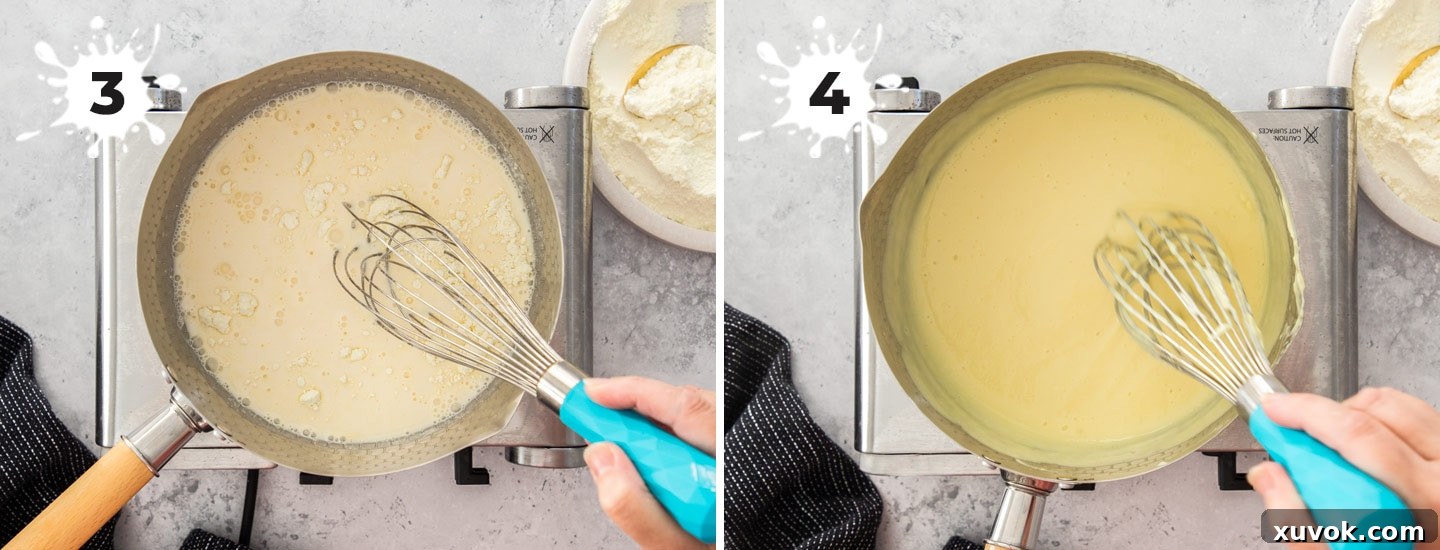
- Combine Ingredients: In a medium saucepan, add approximately ½ cup of your homemade custard powder, 2 cups of your preferred milk (full cream, skim, or plant-based), and about 2 ½ tablespoons of granulated sugar. Remember, the sugar amount can be adjusted to your personal taste preferences.
- Whisk and Heat: Before placing the saucepan on the heat, vigorously whisk the mixture until all the powder is completely dissolved and no lumps remain. This initial whisking is key to achieving a smooth custard. Once lump-free, place the saucepan over a low to medium heat. Continue to stir constantly with your whisk. The mixture will gradually thicken.
- Thicken to Perfection: Keep stirring, gently but continuously, as the custard heats up. Do not agitate it too forcefully, just ensure consistent movement to prevent sticking and lumps. Once it starts to bubble and visibly thicken, continue to cook for an additional 30 seconds while stirring. This brief simmering ensures the cornstarch is fully cooked out and the custard reaches its optimal consistency. Remove from heat immediately once thickened to your liking.
- Adjust Consistency (Optional): If you find the custard too thick for your preference, you can easily thin it down by gradually whisking in a little more milk until the desired consistency is achieved. Serve warm and enjoy!
Tips and Tricks for Perfect Custard
Achieving a consistently delicious homemade custard is simple with these expert tips:
- Maintain Smoothness: The golden rule for a perfectly smooth, creamy custard is continuous stirring while it cooks. This prevents lumps from forming and ensures even heating and thickening. A balloon whisk is your best friend here.
- Thicker Custard for Baking: For applications like trifles, tart fillings, or other desserts that require a firmer custard, simply increase the ratio of custard powder to milk. A slightly higher proportion of thickener will yield a denser, more stable custard that holds its shape beautifully when set.
- Food Colouring Options: If you can’t find powdered yellow food colouring (often available in specialty cake supply shops), don’t fret! You can omit it entirely for a naturally off-white custard. Alternatively, if you desire the classic yellow hue, add a few drops of liquid yellow food colouring directly into the milk and custard powder mixture while it’s cooking.
- Flavour Variations – Chocolate Custard: To transform your vanilla custard into a rich chocolate delight, simply add about ½ cup of unsweetened cocoa powder to your dry custard powder mixture. Proceed with the normal cooking steps, and prepare to indulge in a decadent chocolate sauce.
- Flavour Variations – Strawberry Custard: For a fruity twist, incorporate ¼ cup of freeze-dried strawberry powder into your custard powder blend. This will give your custard a lovely pink color and a natural, intense strawberry flavor.
- Preventing a Skin: Custard often forms a ‘skin’ on top as it cools. To prevent this, cover the surface of the hot custard directly with plastic wrap, pressing it down so no air is trapped between the custard and the wrap. This keeps it perfectly smooth until serving.
- Cooling Custard: If you need to cool the custard quickly, place the saucepan in a larger bowl filled with ice water. Stir the custard occasionally until it reaches the desired temperature.
Creative Ways to Use Custard Powder
The versatility of homemade custard powder extends far beyond a simple pouring sauce. Here are numerous delightful ways to incorporate this ingenious ingredient into your culinary repertoire:
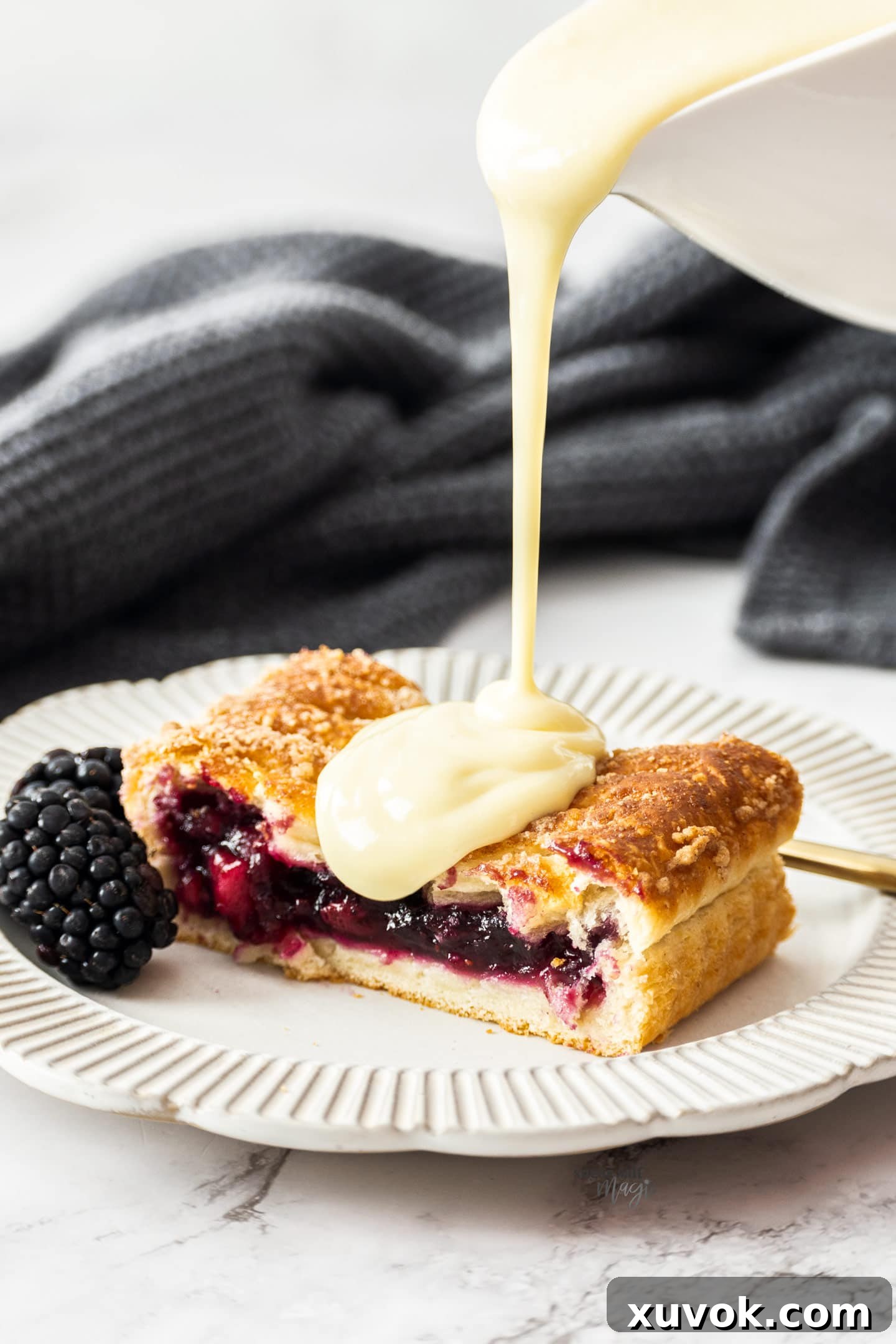
- Classic Pouring Sauce: The most common application, perfect for drizzling over virtually any warm dessert. Think Warm Apple Crostata, Apple Plum Cobbler, or Simple Apple Crumble.
- Trifle Layers: Prepare a thicker custard using the powder, and layer it with sponge cake, fruit, and whipped cream for a magnificent, classic trifle.
- Tart and Pie Fillings: A denser custard made from the powder can be used as a luscious filling for fruit tarts, particularly an Apple Frangipane Tart, or as a standalone custard pie.
- Custard Creams (Biscuits/Cookies): Incorporate the dry powder directly into biscuit or cookie dough for a delightful vanilla flavor and subtle texture, as seen in these homemade custard creams or Yo Yo biscuits.
- Cake and Cupcake Fillings: Use a thickened custard as a creamy, flavorful filling for layer cakes or a surprise center for cupcakes.
- Donuts and Pastry Fillings: Fill homemade donuts, éclairs, or other pastries with a smooth, chilled custard for a bakery-quality treat.
- Ice Cream Base: A rich custard can form the perfect base for homemade ice cream, adding a luxurious texture and deep vanilla flavor.
- Puddings and Desserts: Use it to enhance the flavor and creaminess of rice puddings, bread puddings, or even milkshakes.
- Hot Drinks: Stir a spoonful into hot milk or coffee for a comforting, vanilla-infused beverage.
- Thickening Agent: A small amount of the powder can also be used to thicken fruit sauces, gravies, or other liquid-based recipes where a creamy texture is desired.
Did you try this homemade vanilla custard powder recipe?
Leaving a rating and comment below the recipe is so helpful!
Hungry for more? Subscribe to the newsletter for free recipes straight to your inbox. Also, follow along on Facebook, Pinterest and Instagram.
How to Make Homemade Custard Powder
8 serves
5 minutes
0 minutes
5 minutes
Rate Recipe
Pin Recipe
Ingredients
FOR THE HOMEMADE CUSTARD POWDER
- 1 cup milk powder (120g / 4.2oz)
- ½ cup cornflour (US cornstarch) (65g / 2.3oz)
- ¼ teaspoon powdered yellow food colouring (optional)
- 1 ½ tablespoons (6 teaspoons) vanilla sugar
TO TURN IT INTO CUSTARD
- ½ cup homemade custard powder
- 2 cups milk (full cream, skim, or plant-based)
- 2 ½ tablespoons white granulated sugar (or to taste)
For best results, always weigh ingredients where a weight is provided.
Equipment
- Large bowl
- Fine mesh sieve
- Balloon whisk
- Medium saucepan
Instructions
-
FOR THE HOMEMADE CUSTARD POWDER:
Add the milk powder, cornflour, powdered yellow food colouring (if using), and vanilla sugar to a fine mesh sieve over a large bowl. Whisk well to combine thoroughly.
-
Transfer the combined powder to an airtight container and store in your pantry. It will keep for as long as the expiration date on your milk powder.
-
TO TURN IT INTO CUSTARD:
Add ½ cup of the homemade custard powder to a medium saucepan along with the sugar and milk.
-
Whisk thoroughly until no lumps remain. Heat over low-medium heat, stirring constantly with a whisk until the mixture begins to bubble. Continue to stir while the bubbles break the surface for about 30 seconds, until the custard is quite thick. Add more milk if you desire a thinner consistency.
-
Please take a moment to leave a comment & rating. It’s appreciated and so helpful!
Notes
- Tablespoons: This recipe uses a standard Australian 20ml tablespoon (equivalent to 4 teaspoons). Please check the capacity of your tablespoons for accurate measurement.
-
Milk Powder: You can use either skim (non-fat) or full cream (whole milk) powdered milk. I typically use skim milk powder, and the nutritional information provided is based on this choice.
-
Vanilla: I prefer using Masterfoods Vanillin Sugar or similar vanilla sugar brands because it blends easily and maintains the powder’s shelf stability. Many other brands of vanilla sugar are available.
-
If using pure vanilla extract, you may get a few small lumps in the powder due to its liquid nature. To minimize this, use a food processor or blender to combine the mixture instead of just a whisk and bowl. Ensure any small lumps are well dispersed so each batch of custard receives its vanilla flavoring. Avoid over-blending, as warmth can make lumps larger.
-
Alternatively, you can incorporate vanilla beans directly from the pod, blended thoroughly into the mixture.
-
-
Milk in the Custard: For the creamiest sauce, whole/full cream milk is ideal. However, lighter versions can be made with light or skim milk, or even water. Plant-based milk alternatives are also suitable, though they will subtly influence the custard’s flavor profile.
-
Storage: Store your homemade custard powder in an airtight container in a cool, dark pantry. The dry mix will last until the expiration date of the milk powder used. If you incorporate liquid vanilla extract or fresh vanilla beans into the powder, aim to use the custard powder within a month for optimal freshness and flavor.
- Nutritional values are approximate and based solely on the custard powder made with skim milk powder. The final nutritional content of the prepared custard will vary depending on the type of milk and sugar you choose to use.
EXPLORE MORE SWEET SAUCES AND CONDIMENTS.
94 kcal
Marie Roffey
Condiment, Dessert, Sweets
Australian, British
Don’t forget to leave a rating and comment below and let me know how it was! I love hearing from you. Nutrition information is approximate and derived from an online calculator. The brands you use may cause variations.
Calories from Fat 1