Indulge in the sun-kissed flavors of the Mediterranean with this exquisite Greek Orange Semolina Cake. Each slice offers a luxurious harmony of bright citrus and a wonderfully soft, moist texture that simply melts in your mouth. This isn’t just a cake; it’s an experience, promising to be a highlight of your baking repertoire.
If your ideal cake boasts a delicate, lighter texture while remaining profoundly moist, this Greek Orange Semolina Cake will quickly become a cherished favorite. Its unique crumb sets it apart, much like our beloved Fluffy Vanilla Cake and the vibrant Lemon Vanilla Butter Cake, offering a distinct and equally delightful experience.
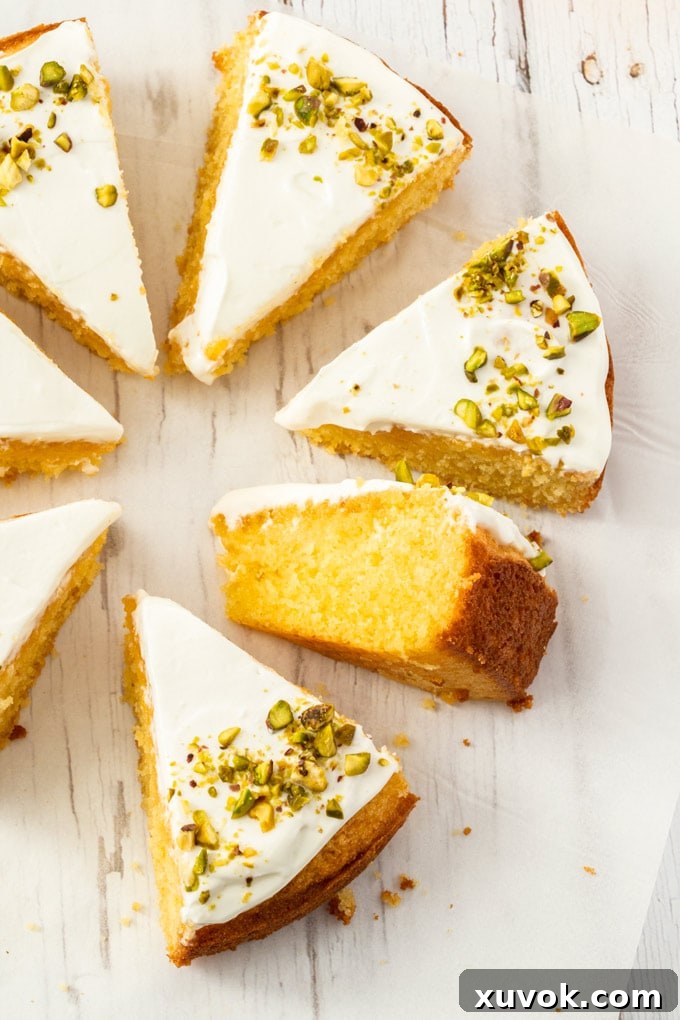
Table of Contents
- The Enchantment of Greek Orange Semolina Cake
- Understanding Semolina Flour: What It Is and How It Is Made
- Is Semolina Flour Gluten-Free?
- The Secret Ingredient: Why Semolina Flour in Cake?
- Semolina Flour Substitutes in Baking: What You Need to Know
- Mastering the Greek Orange Semolina Cake Recipe
- Crafting the Zesty Orange Syrup
- Delicious Variations and Substitutions
- Expert Tips for a Perfect Semolina Cake
- Discover More Citrus-Inspired Desserts
The Enchantment of Greek Orange Semolina Cake
There’s a reason this particular Greek Orange Semolina Cake has graced my kitchen countless times; it consistently delivers breathtaking results. The intense orange flavor, derived from fresh orange juice, aromatic zest, and a sweet, glistening orange syrup, is utterly captivating and profoundly addictive. It’s a taste that transports you straight to the sun-drenched landscapes of Greece, making every bite a mini-vacation. This cake strikes a perfect balance between being comforting and elegantly sophisticated, ideal for any occasion from a casual afternoon tea to a special dessert.
Understanding Semolina Flour: What It Is and How It Is Made
Semolina flour is a unique and versatile ingredient, distinguished from conventional flours by its origin. Unlike plain or all-purpose flours, which are typically milled from ‘soft’ wheat varieties, semolina is ground exclusively from durum wheat. Durum wheat is known for its high protein content and robust gluten structure, which gives semolina its characteristic golden hue and slightly coarser texture. Historically, semolina has been a staple in Mediterranean and Middle Eastern cuisines, famously used in pasta, couscous, and various traditional desserts. For this particular Greek Orange Semolina Cake recipe, it’s crucial to use fine semolina flour to achieve the desired delicate and even crumb. Coarse semolina, while excellent for pasta, would result in a much grittier texture unsuitable for a light cake.
Is Semolina Flour Gluten-Free?
A common misconception, but no, semolina flour is not gluten-free. As it is derived from durum wheat, a type of wheat, it naturally contains gluten. Individuals following a gluten-free diet should avoid semolina flour and seek alternative gluten-free options if they wish to replicate a similar cake experience with different ingredients.
The Secret Ingredient: Why Semolina Flour in Cake?
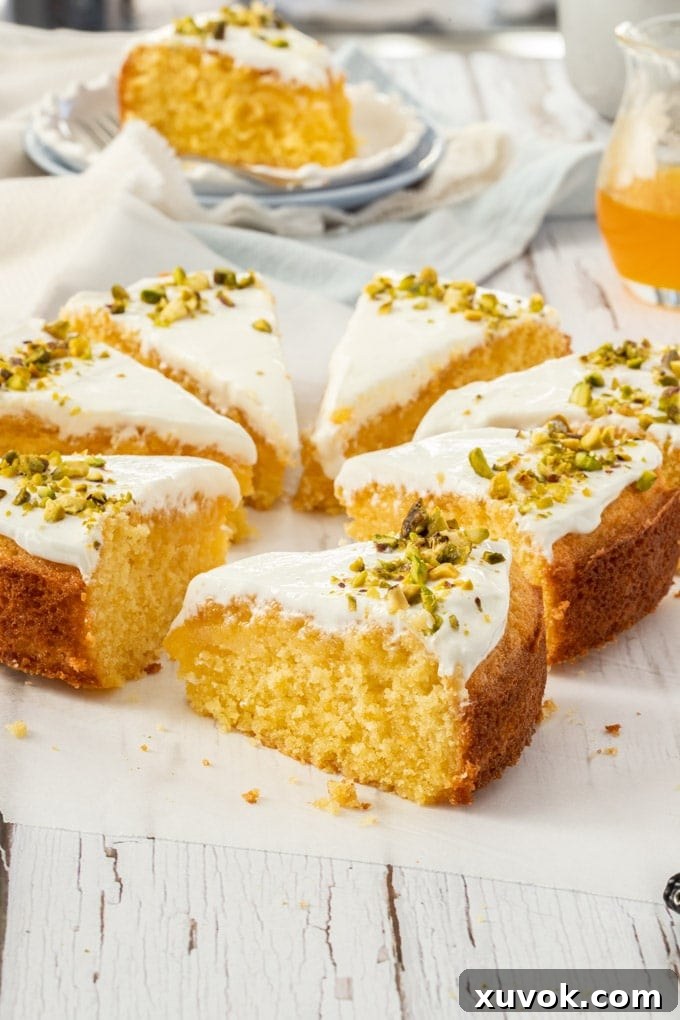
Incorporating semolina flour into a cake recipe, especially a Greek Orange Semolina Cake, is a culinary masterstroke. Its inherent texture, which is slightly more granular than regular white milled wheat flours, imparts a distinct character to the cake. This results in a crumb that is not only incredibly tender and moist but also possesses a delightful chewiness that you won’t find in typical cakes. Beyond its textural contribution, semolina flour also introduces a subtle, earthy, and slightly nutty flavor profile. This nuanced taste beautifully complements the vibrant zest and sweet tang of fresh oranges, creating a depth of flavor that is truly irresistible. It’s this unique combination of texture and taste that elevates the semolina cake from a simple dessert to a memorable culinary creation, embodying the rich traditions of Greek baking.
Semolina Flour Substitutes in Baking: What You Need to Know
While semolina flour lends this cake its signature texture and flavor, it is possible to use substitutes if necessary, though it will inevitably alter the final product. In most baking applications, you can swap semolina flour for standard plain or all-purpose flour. However, be prepared for a noticeable change: the cake will likely be lighter and less chewy, lacking the characteristic ‘bite’ and subtle nutty undertone that semolina provides. The unique moistness derived from semolina’s absorbency might also be less pronounced. For those seeking a different dimension, almond meal (almond flour) can be a creative substitute, offering an almond flavor and a denser, more substantial texture. When making substitutions, always consider the desired outcome and be open to a slightly different, yet still delicious, result.
Mastering the Greek Orange Semolina Cake Recipe
Creating this splendid Greek Orange Semolina Cake is a straightforward and rewarding process. While a stand mixer makes creaming butter and sugar an effortless task, a handheld beater or even a sturdy whisk and a little elbow grease can achieve equally delightful results. Patience and attention to detail during each step will ensure a perfect cake every time.
- Creaming the Foundation: Begin by creaming together softened butter and granulated sugar until the mixture transforms into a pale, airy, and fluffy consistency. This step is crucial for incorporating air, which contributes to the cake’s light texture.
- Adding Eggs for Structure: Introduce the eggs one at a time, beating thoroughly after each addition until fully incorporated. Remember to pause and scrape down the sides of your bowl regularly to ensure all ingredients are evenly mixed, preventing any pockets of unmixed batter.
- Alternating Dry and Wet Ingredients: In a separate bowl, whisk together all your dry ingredients (fine semolina flour, plain flour, baking powder, and a pinch of salt). In another, combine the fresh orange juice, fragrant orange zest, and vanilla extract. Now, gradually add these mixtures to your creamed butter and sugar, alternating between the dry and wet ingredients in five additions: dry, wet, dry, wet, dry. Mix just until combined.
A Note on Batter Consistency: Don’t be alarmed if the batter appears slightly “split” or curdled at any point during mixing. This is perfectly normal and often occurs due to the interaction between the eggs and sugar, as well as the acidity and oils present in the orange juice and zest. Rest assured, it will not negatively affect the final texture or flavor of your baked cake.
- Baking to Golden Perfection: Gently spread the thick, aromatic batter evenly into your prepared 8-inch springform tin. Bake for approximately 40-45 minutes, or until a wooden skewer inserted into the center comes out with just a few moist crumbs attached, indicating a perfectly baked cake.
Crafting the Zesty Orange Syrup
The sweet, tangy orange syrup is a non-negotiable component of this Greek cake, infusing it with unparalleled moisture and flavor. It’s remarkably simple to prepare:
- Dissolving the Sugar: Combine fresh orange juice and granulated sugar in a small saucepan. Heat gently over low heat, stirring occasionally until the sugar has completely dissolved. This prevents crystallization and ensures a smooth syrup.
- Simmering to Perfection: Once the sugar is dissolved, increase the heat slightly and bring the mixture to a low simmer. Allow it to gently bubble for just a minute or two, reducing the volume by approximately half. This concentrates the flavors and thickens the syrup slightly. Remember, the syrup needs to cool completely before being poured over the cake to avoid a soggy texture.
Delicious Variations and Substitutions
- Citrus Swap: While orange is classic, feel free to experiment! Replace all the orange components with lemon for a bright Lemon Semolina Cake, or combine both orange and lemon for a wonderfully complex citrus symphony. Any citrus fruit will work beautifully, offering a unique twist.
- Flour Alternatives: If semolina is unavailable, you can substitute it with plain (all-purpose) flour, though be aware it will yield a slightly different texture and less pronounced nutty flavor. For an intriguing variation, consider using almond meal (almond flour) in place of plain flour to impart a delicate almond flavor and a denser, more luxurious crumb.
- Syrup Enhancements: For a different kind of sweetness, a drizzle of honey can be a delightful alternative to the orange syrup, especially if you prefer a less overtly citrusy finish.
For an extra touch of elegance and an irresistible candied sweetness, consider garnishing your cake with stunning candied orange slices. They add both visual appeal and a burst of intense orange flavor.
Expert Tips for a Perfect Semolina Cake
- Cool Syrup, Not Soggy Cake: This is paramount! Always allow your orange syrup to cool completely before pouring it over the baked cake. Pouring hot syrup onto a cake can result in an overly soggy texture rather than a perfectly moist crumb, although it’s true, even the “soggy bits” are often still glorious!
- Adjusting Syrup Consistency: If your syrup becomes too thick after simmering (which can happen if it’s cooked a little too long), don’t despair. Simply add a small amount of water, one tablespoon at a time, and stir until it reaches your desired pourable consistency. You might need to gently reheat it over low heat to ensure proper incorporation.
- Even Syrup Distribution: To ensure the cake absorbs the syrup beautifully and evenly, use a fork to gently prick holes across the entire surface of the cooled cake. This allows the fragrant syrup to seep down into every nook and cranny, delivering maximum flavor and moisture with each bite.
- Preventing Syrup Pooling: If your cake has a slight dip in the middle, be mindful not to let the syrup gather and pool excessively in that spot. Use a pastry brush or the back of a spoon to gently spread the syrup evenly over the entire top surface of the cake, ensuring consistent saturation.
- Embrace the Tang of Greek Yogurt: While you might be tempted to swap the Greek yogurt topping for something like buttercream, resist the urge! The natural tanginess of Greek yogurt is an essential component, providing a crucial balance to the sweetness of the cake and its syrup. It cuts through the richness beautifully, creating a refreshing and harmonious finish that elevates the entire dessert. If you’re not a fan of yogurt, it’s better to serve the cake without a topping rather than with one that compromises its authentic flavor profile.
PIN IT:
Click to Pin this recipe for later!
Pinky promise, you will absolutely fall in love with this Greek Orange Semolina Cake recipe. It’s incredibly easy to make, and with its simple yet elegant Greek yogurt topping, it’s a relatively quick dessert to assemble, making it perfect for both spontaneous cravings and planned gatherings. Much like our Blood Orange Loaf Cake or the magnificent Orange and Poppy Seed Bundt Cake, this semolina cake is wonderfully versatile, equally at home as a sophisticated afternoon tea treat or a delightful dessert after dinner. Its rich, luscious profile boasts a unique soft denseness – a texture that’s hard to perfectly describe but supremely easy to devour. Don’t wait; you truly need to try this Mediterranean marvel as soon as possible!
Discover More Citrus-Inspired Desserts
- Lemon Ricotta Cake
- Mini Flourless Ginger Orange Cake
- Orange Cupcakes with the Creamiest Orange Buttercream
- Flourless Lemon Cake
- Baklava Frangipane Tart
- Vanilla Panna Cotta with Orange Syrup
- Lime and Coconut Cake
Never Miss a Recipe!
Get the latest recipes straight to your inbox!

Greek Orange Semolina Cake with Orange Syrup
Rate
Pin
Ingredients
For the cake
For the syrup
For the topping
For best results, always weigh ingredients where a weight is provided
Equipment
Instructions
FOR THE ORANGE SEMOLINA CAKE
-
Preheat oven to 180°C / 350°F / 160°C fan forced. Grease and line an 8 inch springform tin with baking paper.
-
Place the semolina flour, plain flour, baking powder, and salt in a bowl and whisk thoroughly to combine all dry ingredients evenly.
-
In a separate bowl, combine the orange juice, orange zest, and vanilla extract. Set this wet mixture aside.
-
In the bowl of your stand mixer (or using a handheld beater), beat together the softened butter and granulated sugar until the mixture is visibly lightened and fluffy, about 3-5 minutes. Remember to scrape down the sides of the bowl as needed to ensure even creaming.
-
Add the eggs one at a time, beating well after each addition until fully incorporated. Scrape down the bowl after adding each egg to ensure a smooth, homogeneous batter.
-
With the mixer on the lowest speed, or using a spatula, gently fold in 1/3 of the dry flour mixture, followed by 1/2 of the orange juice mixture. Repeat this sequence until all dry and wet ingredients have been added (ending with dry), mixing only until just combined. Overmixing can lead to a tough cake.
-
Pour the thick batter into your prepared tin, spreading it evenly. Bake for 40-45 minutes, or until a toothpick inserted into the center comes out with only a few moist crumbs attached. After about 5 minutes of cooling in the tin, carefully remove the cake and transfer it to a wire cooling rack to cool completely.
FOR THE ORANGE SYRUP
-
Pour the orange juice and sugar into a small saucepan. Heat over low heat, stirring gently until the sugar has completely dissolved. Once dissolved, bring to a low simmer and continue to cook for a minute or two, until the syrup has reduced by approximately half, intensifying its flavor.
TO FINISH
-
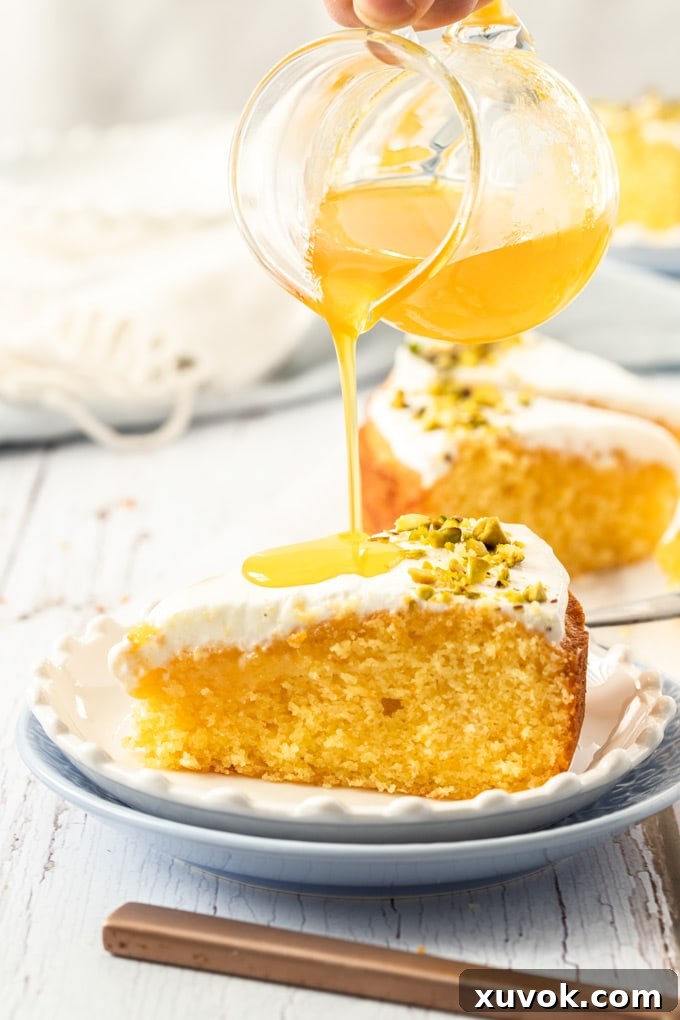
Once both the cake and syrup have cooled completely, gently prick the top surface of the cake all over with a fork. Pour about half of the prepared orange syrup evenly over the cake (reserving the remaining syrup for serving). If the syrup tends to pool in the center, use a pastry brush or spoon to carefully spread it out for even saturation.
-
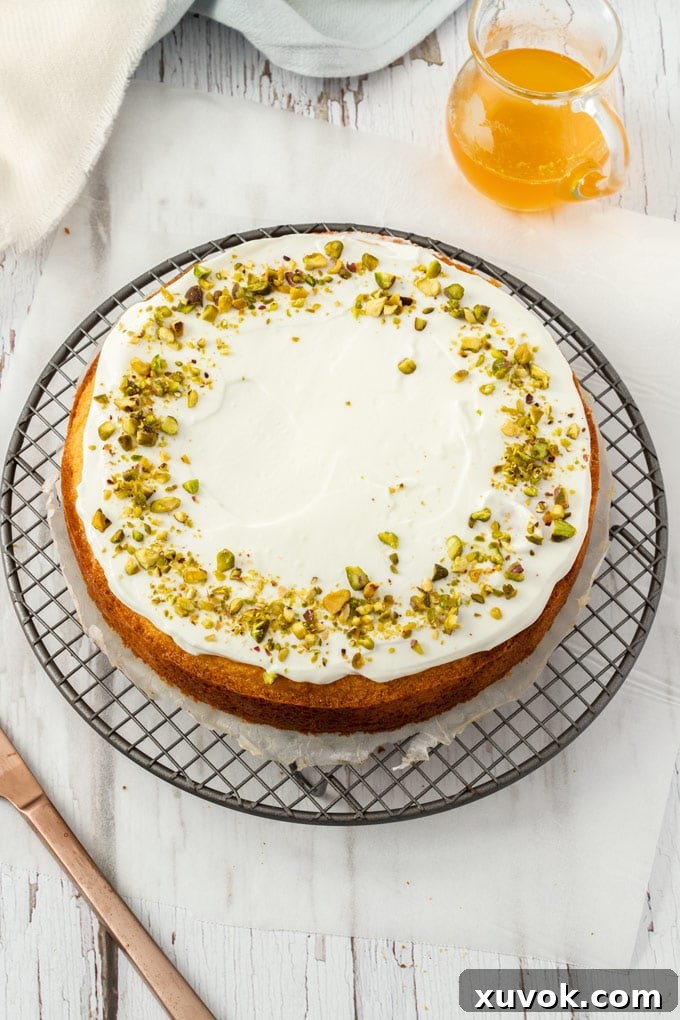
Finally, spread a layer of natural Greek yogurt over the top of the syrup-soaked cake and generously sprinkle with crushed pistachios for added texture and a beautiful presentation. Serve immediately with the remaining orange syrup on the side.
Notes
- For the most consistent and best baking results, it is highly recommended to always weigh ingredients like flour and sugar using a kitchen scale. Kitchen scales are relatively inexpensive and provide much greater accuracy than volume measurements. If weighing is not an option, use the spoon and level method for measuring flour (spoon flour into the cup, then level off with a straight edge), avoiding scooping directly from the bag, which can compact the flour and result in using too much.
- If your cake batter appears somewhat “split” or curdled during the mixing process, there’s no need to worry – this is a normal occurrence and will not negatively impact the final baked cake. It will bake up perfectly fine.
LOOKING FOR MORE CAKE RECIPES?
Orange Cupcakes with the Creamiest Orange Buttercream
Mini Flourless Orange Cakes