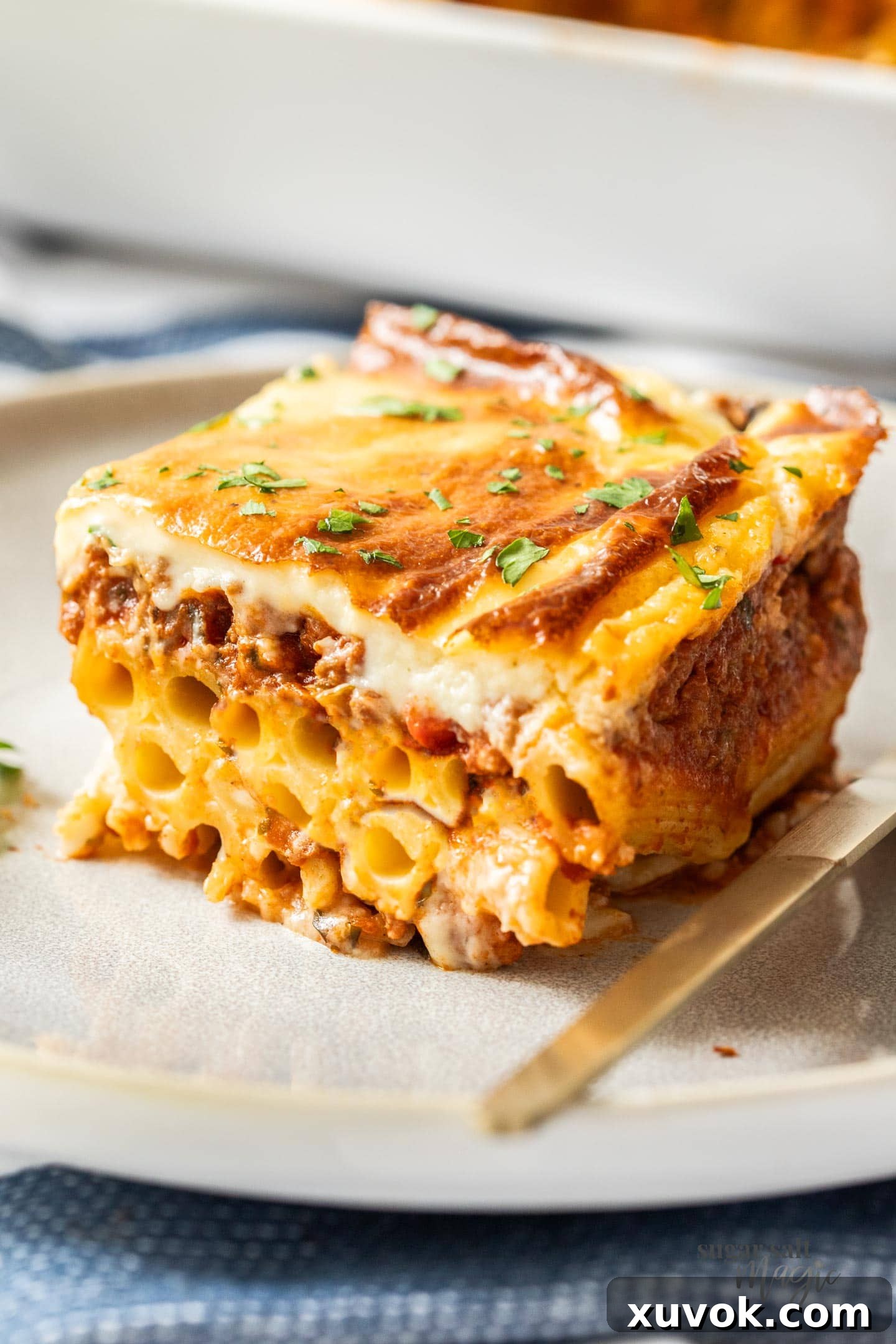
Authentic Greek Pastitsio: The Ultimate Comfort Food Classic
If you’re seeking a culinary journey to the heart of Greece, look no further than **Pastitsio**. Often affectionately dubbed “Greek lasagna,” this iconic baked pasta dish is a masterpiece of flavor and texture, yet it stands proudly as a unique creation in its own right. With its harmonious layers of rich, aromatic meat sauce, perfectly cooked pasta, and a crowning blanket of creamy béchamel, Pastitsio offers an unparalleled depth of comfort and satisfaction that makes it a beloved staple in Greek homes.
While it shares the comforting, layered structure of lasagna, Pastitsio’s distinct flavor profile and preparation methods set it apart. The subtle hint of warm spices in the meat sauce, combined with the specific type of pasta and the luxurious béchamel, creates an unforgettable taste experience that is both sophisticated and deeply familiar. It’s a dish that evokes family gatherings, Sunday dinners, and the warmth of Mediterranean hospitality.
Making Pastitsio is a rewarding experience, often simpler than a traditional lasagna due to its distinct three-layer construction. Each step, though seemingly intricate, is straightforward and culminates in a spectacular dish perfect for feeding a crowd or savoring as a special meal. To truly immerse yourself in a Greek feast, consider pairing your Pastitsio with delightful appetizers like crispy Spanakopita triangles, setting the stage for an authentic Hellenic dining adventure.
This recipe was originally published on July 28th, 2019, and has since been enhanced with a lusciously thicker béchamel layer to elevate your Pastitsio experience.
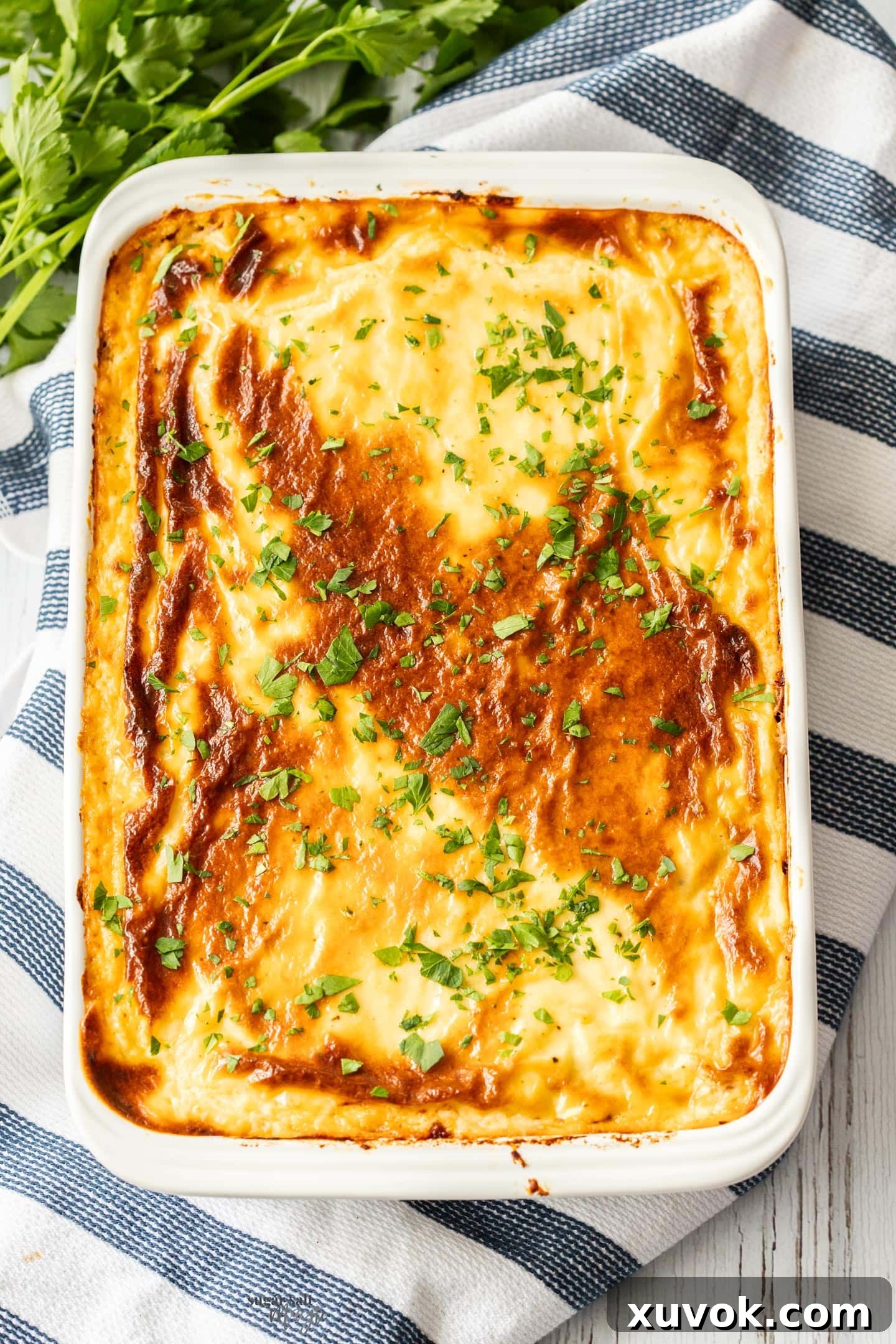
Table of Contents
- What is Pastitsio: A Greek Culinary Gem?
- Essential Ingredients and Clever Substitutions
- Mastering the Art of Pastitsio: A Step-by-Step Guide
- Crafting the Flavorful Meat Sauce
- Preparing the Perfect Pasta Base
- The Silky-Smooth Béchamel Sauce
- Assembling Your Pastitsio: Layers of Perfection
- Expert Tips for the Best Pastitsio
- Storage and Make-Ahead Options
- More Comforting Recipes You’ll Adore
Never Miss a Recipe!
Get the latest, most delicious recipes straight to your inbox!
What is Pastitsio: A Greek Culinary Gem?
Greek Pastitsio (also commonly spelled pastichio or pasticcio) is far more than just a baked pasta dish; it’s a testament to Greek culinary tradition, often served as a hearty centerpiece for family gatherings, Sunday lunches, and festive occasions. Originating from the Italian “pasticcio,” meaning “pie” or “pasty,” the Greek version has evolved into a distinctly Hellenic delight. It’s a glorious, oven-baked casserole composed of three magnificent layers, each contributing a unique flavor and texture to the overall symphony.
At its base lies a bed of thick, tubular pasta, typically tossed with a rich blend of egg white and grated cheese. This ingenious technique binds the pasta together, ensuring that each slice holds its shape beautifully. Above this, a generous layer of savory meat sauce, deeply flavored with tomatoes and aromatic spices, provides the heart of the dish. Finally, the entire creation is crowned with a thick, creamy, and golden béchamel sauce, creating a luxurious cap that bakes to a beautiful golden-brown perfection.
The magic of Pastitsio lies in the interplay of these layers: the firm yet tender pasta, the succulent and spiced meat, and the velvety, comforting béchamel. It’s a dish that offers warmth, richness, and a satisfying depth of flavor that lingers on the palate, making it a truly iconic and beloved dish in Greek cuisine.
Essential Ingredients and Clever Substitutions
The beauty of Pastitsio lies in its high-quality, straightforward ingredients that come together to create something truly extraordinary. Understanding each component and its role, along with flexible substitution options, ensures you can create a fantastic dish every time.
The Meat: Beef vs. Lamb
While Greece is renowned for its lamb, many classic Pastitsio recipes traditionally call for ground beef. The beef provides a robust, hearty base that perfectly complements the other layers. However, personal preference reigns supreme here. Some recipes suggest lamb, or even a combination of ground lamb and ground beef (a 1:1 ratio is popular for those seeking a richer, gamier flavor). I personally find the all-beef version provides a more classic and universally appealing taste, but feel free to experiment to discover your favorite.
The Pasta: Shape Matters
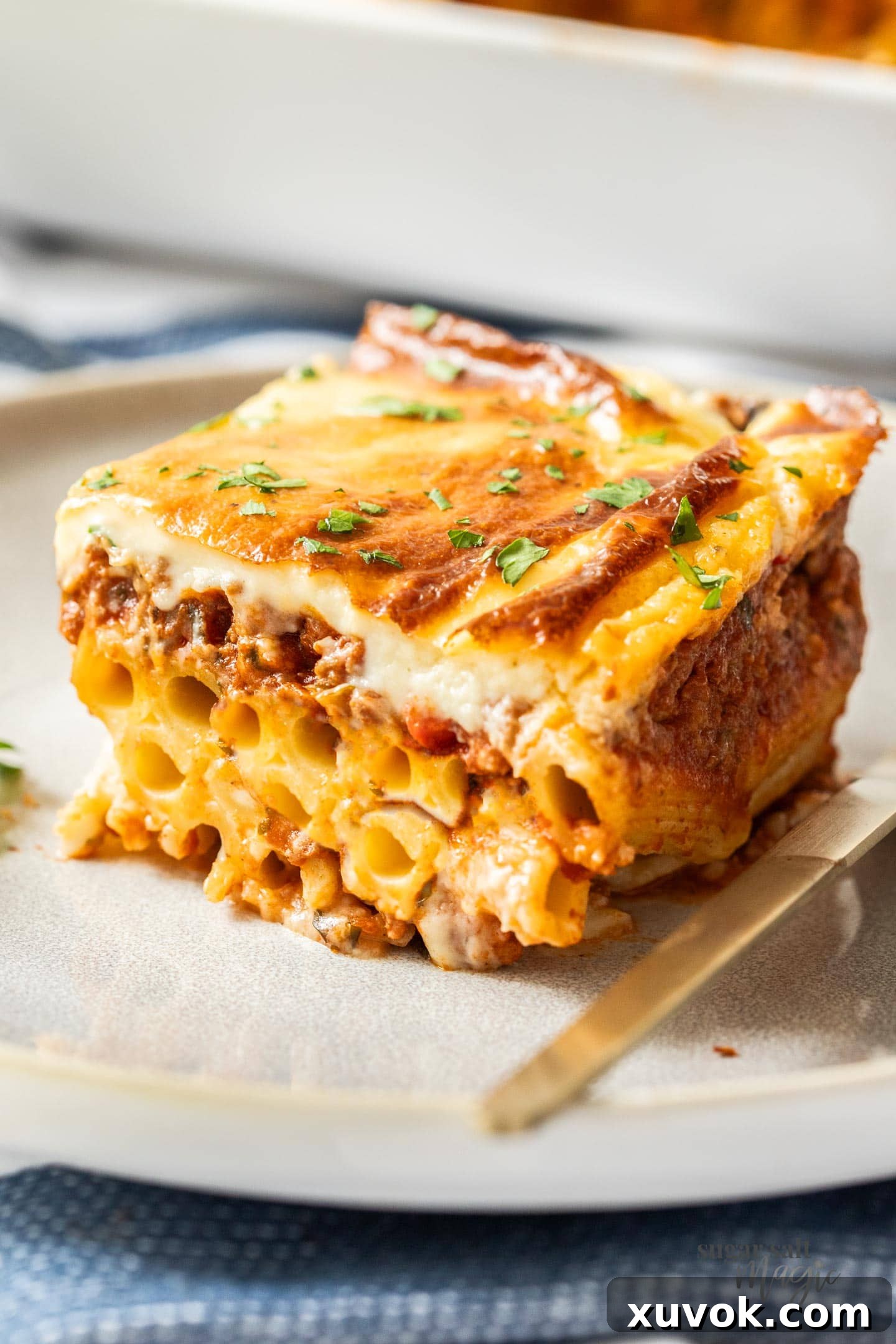
Authentic Pastitsio often features a specific Greek tube pasta known as Bucatini pasta No. 2, which is a long, hollow spaghetti-like noodle. The hollow center is perfect for capturing the rich meat sauce. If Bucatini is hard to find, don’t fret! Excellent alternatives include readily available penne pasta (as shown in the photos), ziti pasta, or even a thin style of rigatoni. The key is to choose a tubular pasta that can hold its shape and absorb the flavors.
The Cheese: Greek or Global
The traditional cheese used in Pastitsio is Greek Kefalotyri, a hard, salty, yellow cheese made from sheep or goat’s milk. It lends a distinct sharp, salty flavor to the dish. If Kefalotyri isn’t available in your local market, excellent substitutes include finely grated Parmesan cheese or Pecorino Romano cheese. Both offer a salty, umami kick that perfectly complements the meat and béchamel. Feel free to use your preferred hard grating cheese.
Tomato Base: Passata or Crushed Tomatoes
The rich tomato passata (puree) forms the foundation of the savory meat sauce, providing sweetness and acidity. If passata isn’t on hand, crushed tomatoes can be used as a simple swap, offering a slightly chunkier texture but similar depth of flavor.
Aromatic Spices: The Greek Signature
What truly distinguishes Greek Pastitsio is the unique blend of spices in its meat sauce. Ground cinnamon is a non-negotiable ingredient, imparting a warm, earthy sweetness that might surprise some, but is absolutely essential for that authentic Greek taste. Alongside cinnamon, dried oregano and a touch of nutmeg (often found in béchamel, but delightful in the meat sauce too) create a complex, fragrant profile that makes this dish so memorable.
Optional: A Splash of Red Wine
For an even deeper, more complex flavor in your meat sauce, consider adding about ½ cup of dry red wine. Incorporate it before adding the remaining sauce ingredients and allow it to simmer and reduce by half. This step concentrates the flavors, adding a wonderful richness to the dish.
Mastering the Art of Pastitsio: A Step-by-Step Guide
Creating Pastitsio is a true culinary pleasure, structured around three distinct layers that come together in perfect harmony. While layered dishes might seem time-consuming, each individual component is surprisingly simple to prepare. The reward for your efforts is a deeply satisfying and incredibly flavorful meal that will impress anyone at your table.
For a complete list of ingredients and detailed step-by-step instructions, please refer to the recipe card at the end of this post.
1. Crafting the Flavorful Meat Sauce
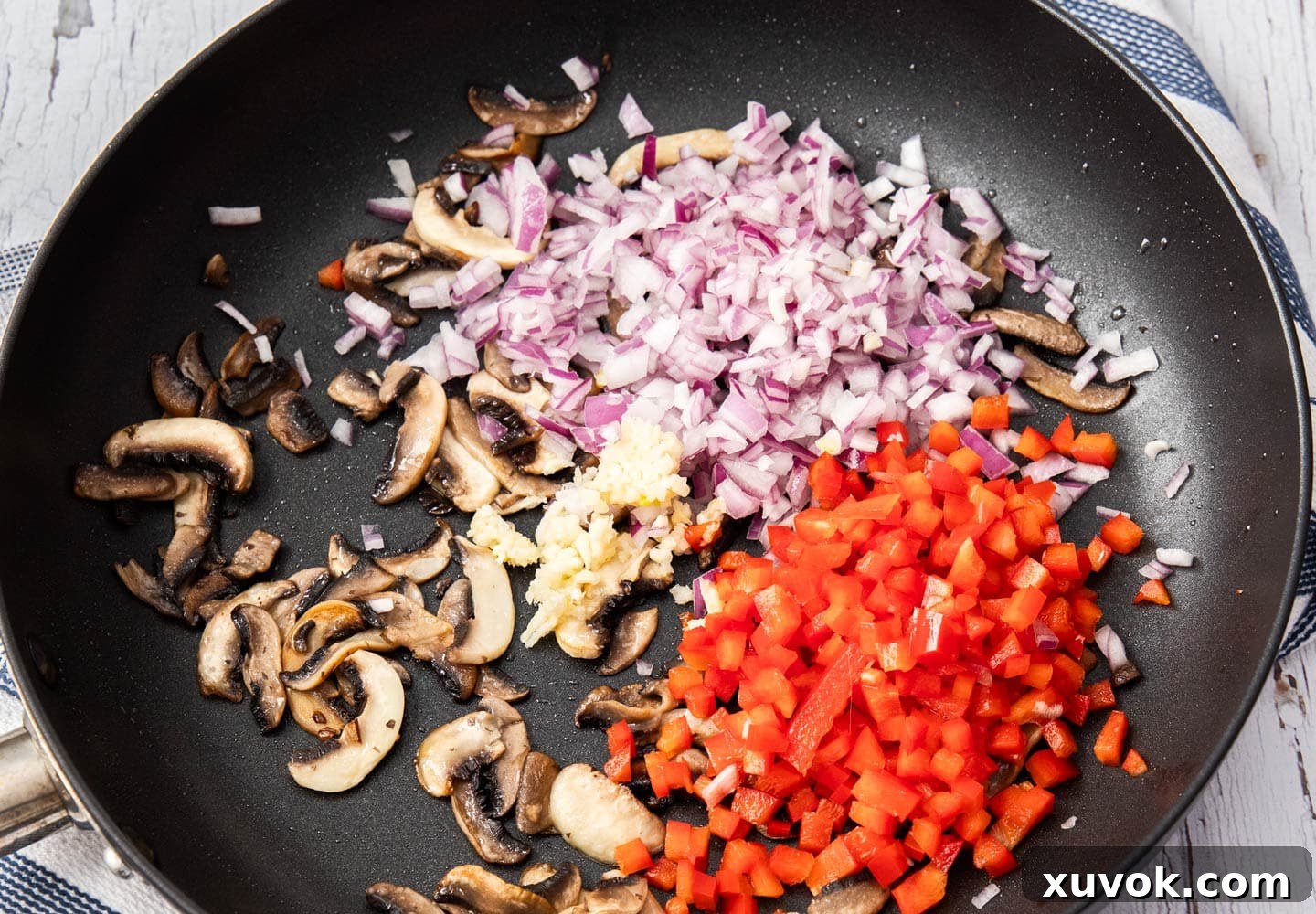
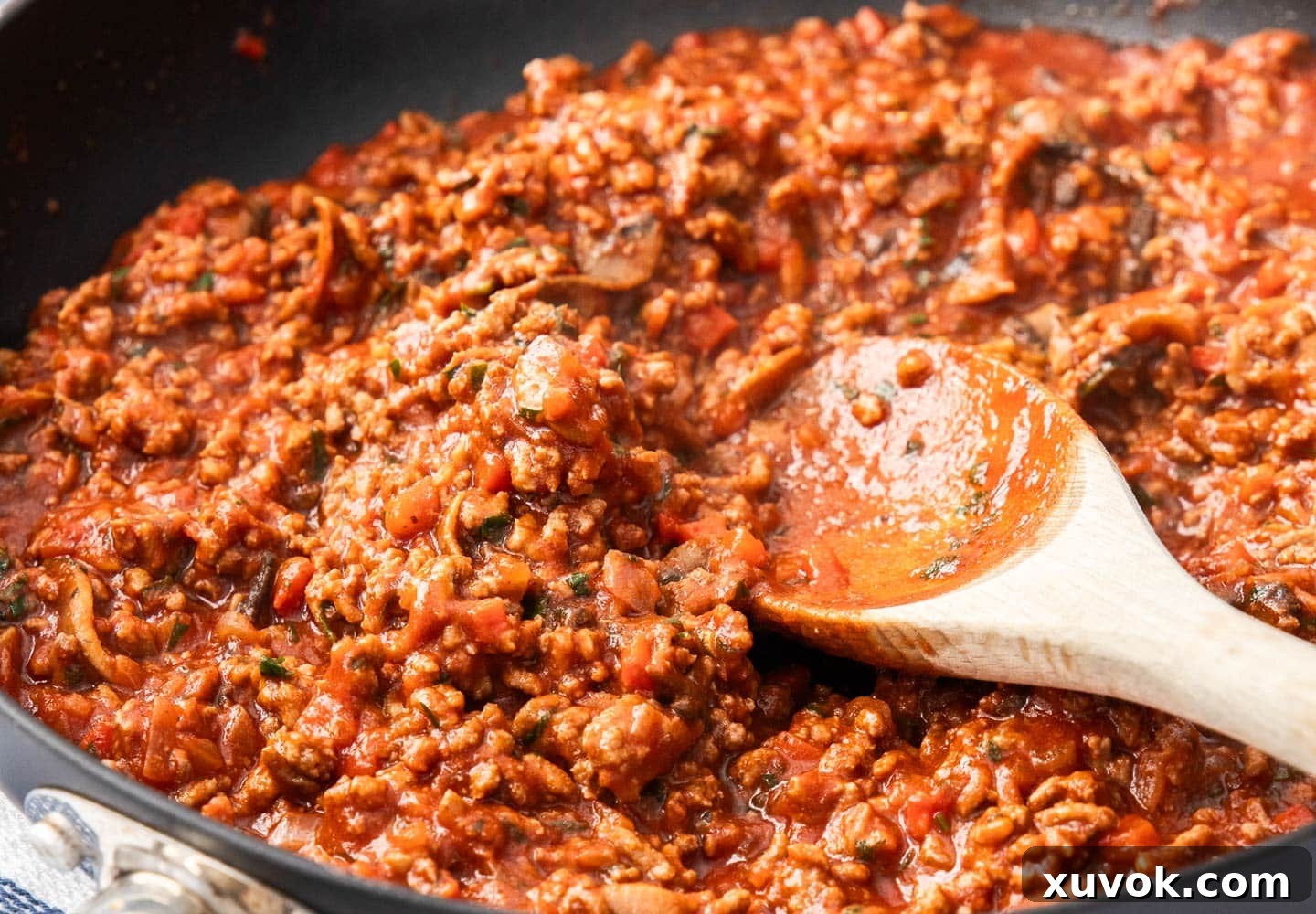
The foundation of any great Pastitsio is its rich, savory meat sauce. Begin by sautéing sliced mushrooms in a touch of olive oil until they achieve a beautiful golden hue. This crucial step caramelizes their natural sugars, intensifying their flavor significantly. Next, add finely diced onion, garlic, and red capsicum (bell pepper), cooking them until softened and fragrant. These vegetables add essential sweetness and aromatic depth to the sauce.
Once the vegetables are ready, introduce the ground beef. Brown the meat thoroughly, breaking it up with a wooden spoon as it cooks. Proper browning ensures maximum flavor development and a better texture. After the meat is browned, stir in the remaining sauce ingredients, including tomato passata (or crushed tomatoes), tomato paste for concentrated flavor, fresh parsley, and the signature Greek spices: ground cinnamon, dried oregano, salt, and freshly ground black pepper. Add a splash of water to help the sauce simmer gently.
Allow the sauce to simmer on low heat, stirring occasionally, until it thickens beautifully and coats the back of a spoon. This slow simmering process allows all the flavors to meld and deepen, creating a truly exceptional sauce that is the heart of your Pastitsio.
Preparing the Pasta Layer
The pasta layer is critical for the structure and texture of Pastitsio. Cook your chosen tubular pasta (such as penne, ziti, or bucatini) in a large pot of generously salted boiling water until it’s just barely al dente. This is crucial: the pasta should be cooked through but still have a slight bite. Regularly check its doneness towards the end of the cooking time to prevent it from becoming too soft. Remember, the pasta will continue to soften slightly during the baking process in the oven. If it’s overcooked at this stage, it will become mushy and collapse when layered, compromising the elegant structure of your Pastitsio.
2. The Silky-Smooth Béchamel Sauce
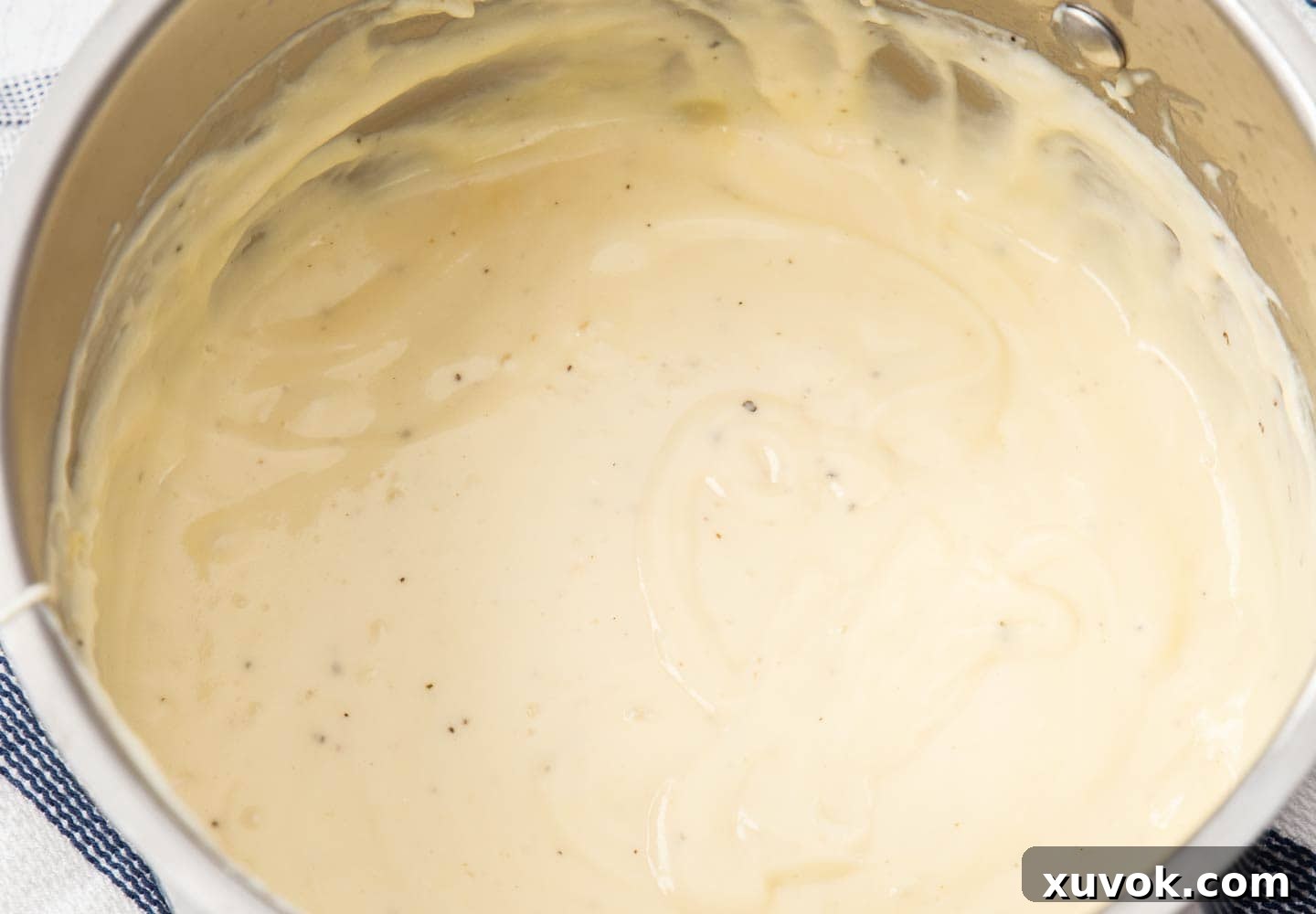
The béchamel sauce is the luxurious crown of Pastitsio, providing a creamy, comforting contrast to the savory meat. It’s a classic French mother sauce, made delightful with a Greek touch.
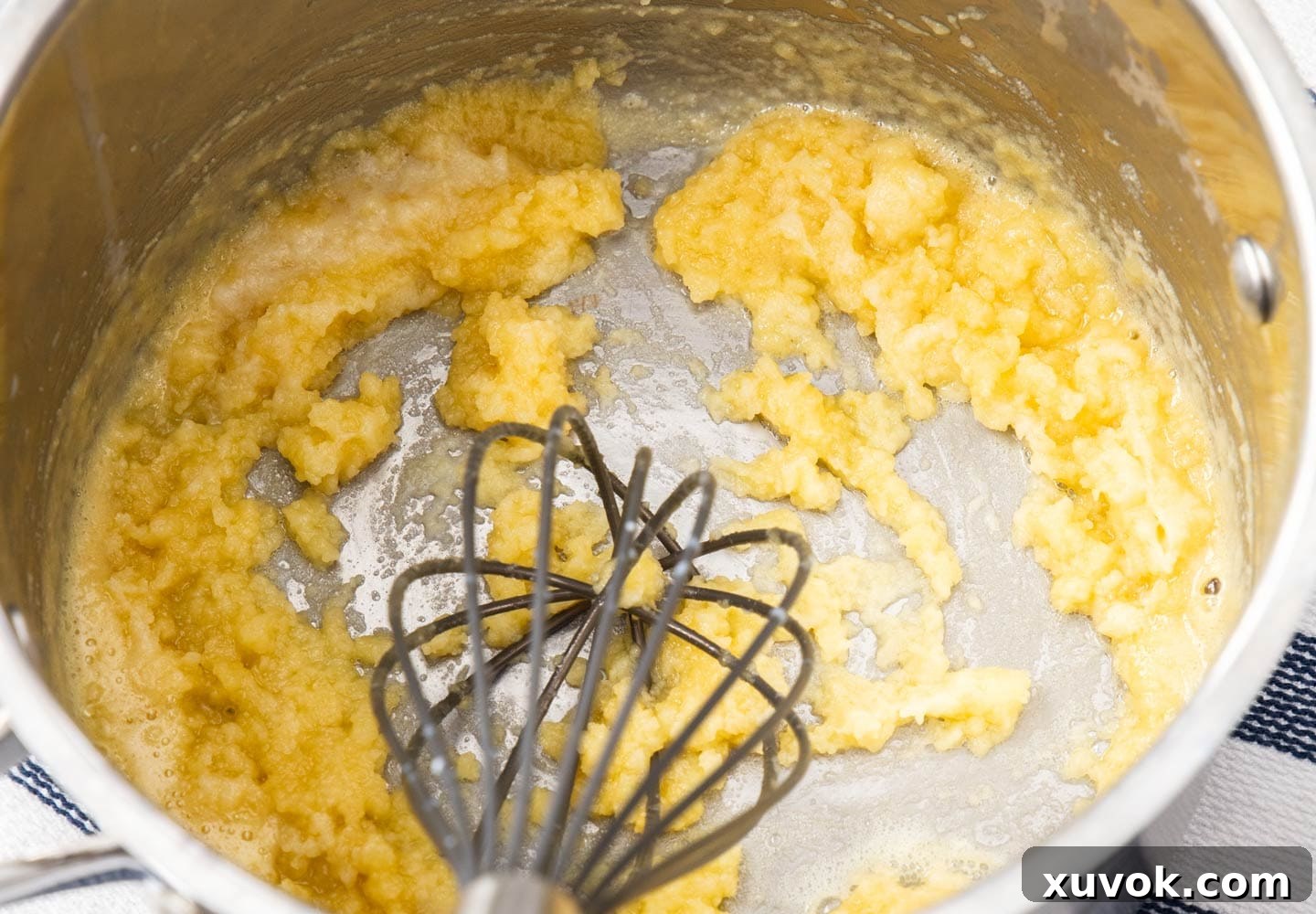
Start by melting butter in a large saucepan. Once melted, add plain flour to create a roux. Whisk constantly for about a minute, allowing the roux to cook and bubble gently. This step eliminates the raw flour taste and helps achieve a smooth sauce. Next, gradually dribble in the cold whole milk, whisking continuously. Patience is key here; adding milk slowly and whisking vigorously prevents lumps.
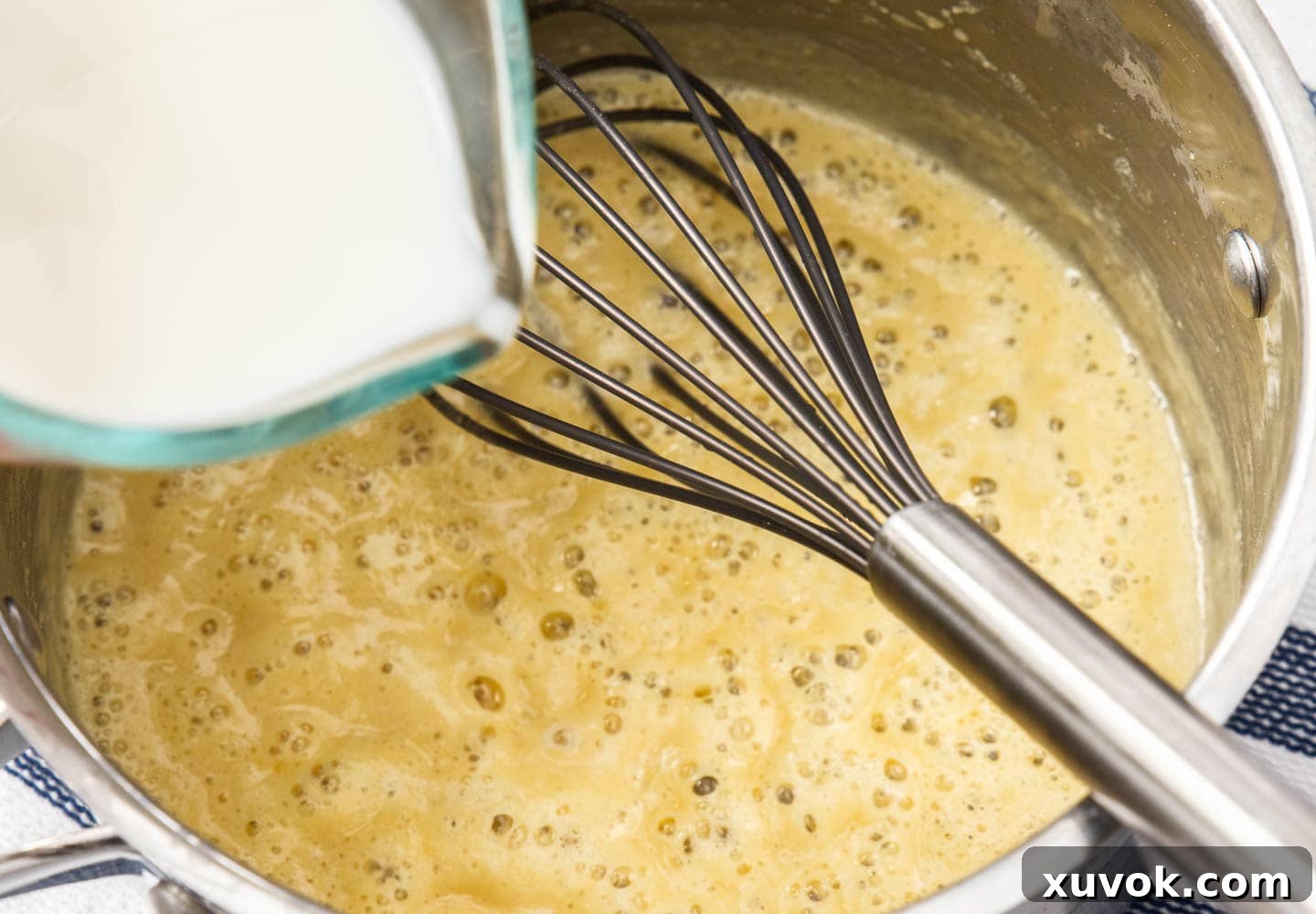
Initially, the mixture might appear lumpy, but persist with continuous whisking and slow milk addition, and it will miraculously transform into a beautifully smooth, thick white sauce.
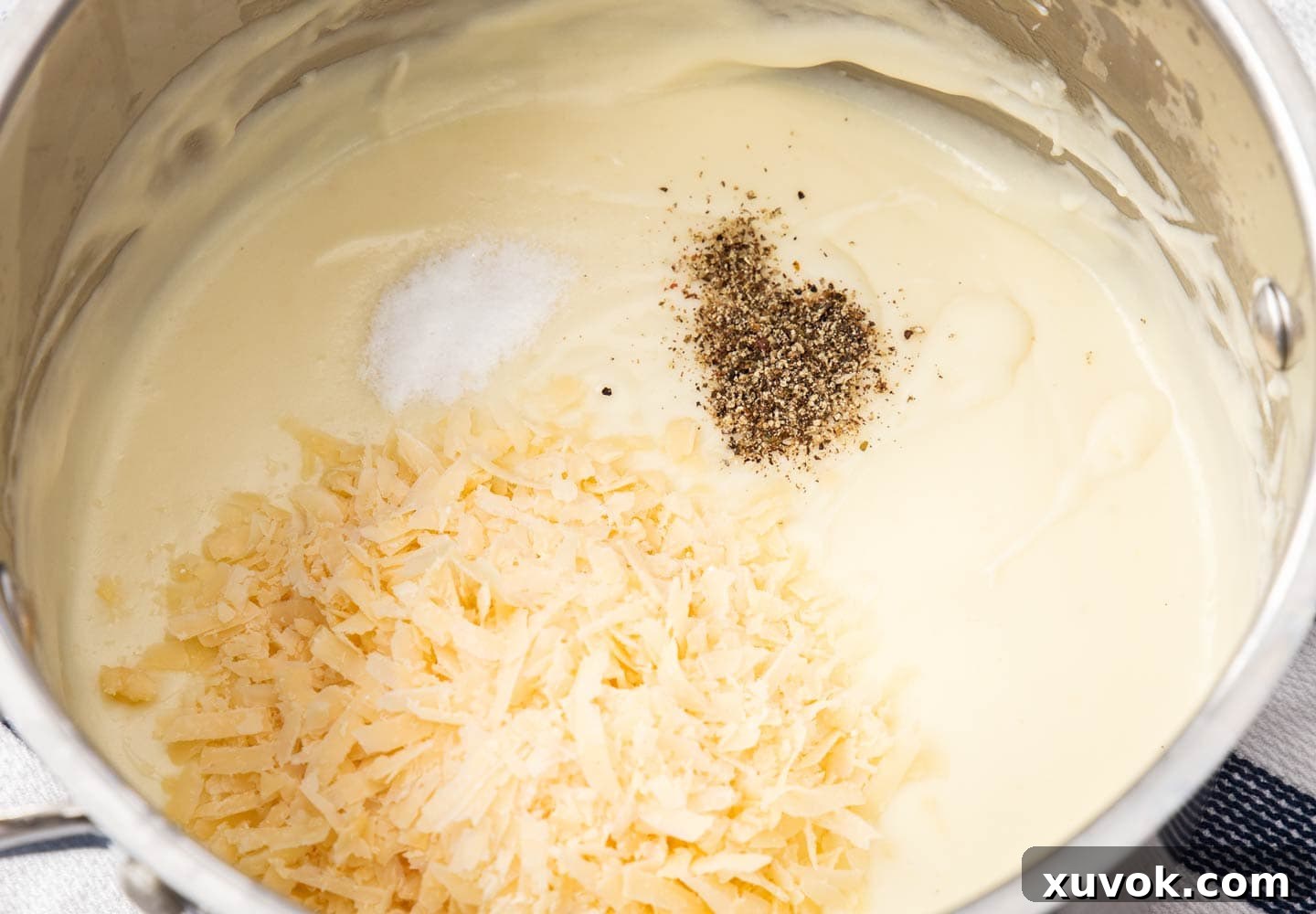
Continue to heat the mixture for 3-4 minutes, allowing it to thicken considerably. At this point, remove it from the heat and stir in salt, black pepper, and a generous amount of grated Parmesan or Kefalotyri cheese. This enhances the flavor and adds to the creamy texture. For an even richer béchamel, separate two egg yolks and temper them. This involves taking a couple of spoonfuls of the hot béchamel, mixing it into the egg yolks until warm, then slowly incorporating this mixture back into the main pot of béchamel, whisking vigorously. This method prevents the eggs from scrambling and ensures a perfectly smooth, luscious sauce.
3. Assembling Your Pastitsio: Layers of Perfection
With all components prepared, the exciting part begins: assembling your Pastitsio. Each layer is vital for the dish’s structure, flavor, and visual appeal.
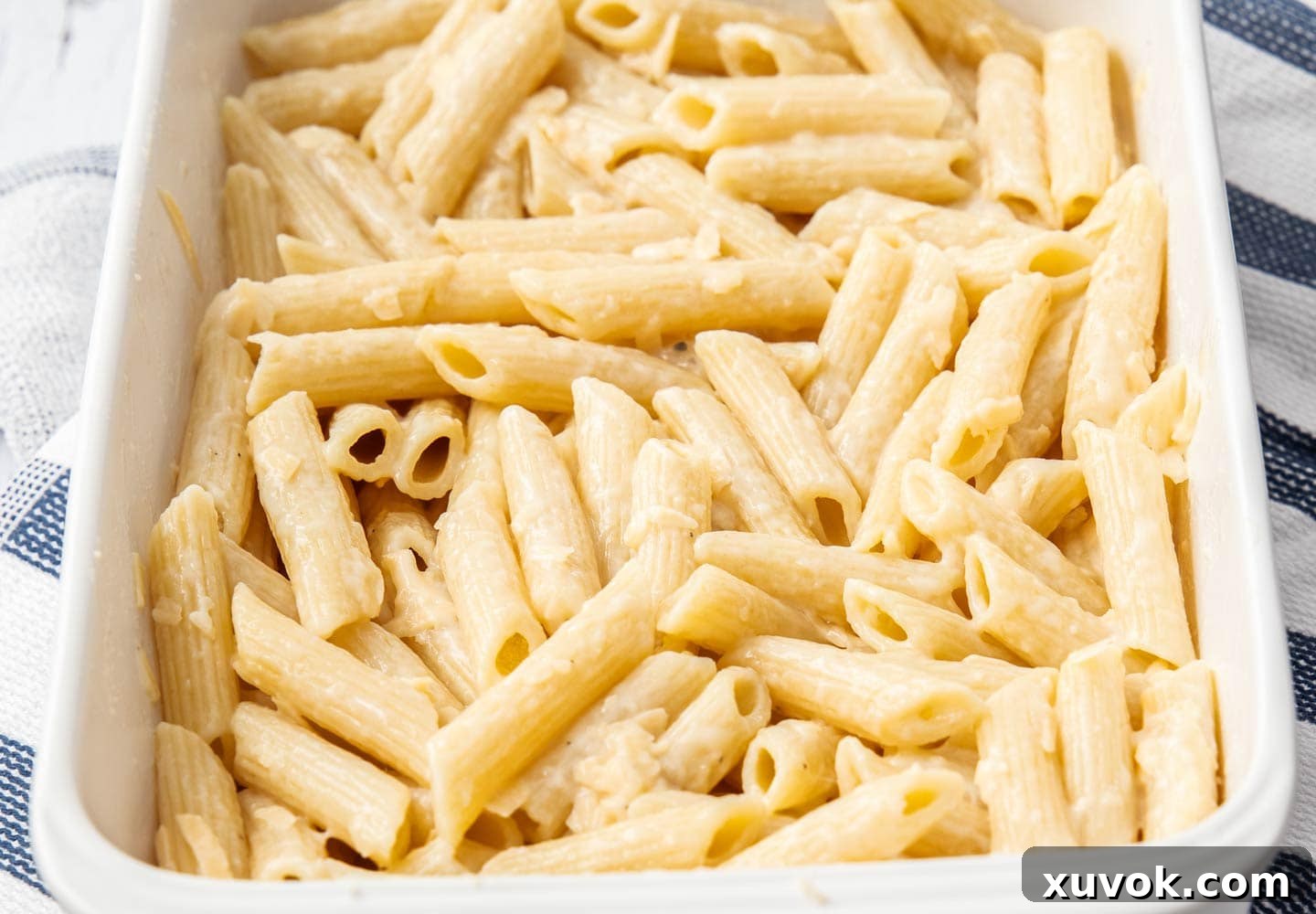
First, take your cooked pasta and mix it thoroughly with an egg white, a portion of the grated Kefalotyri or Parmesan cheese, and a dollop of your freshly made béchamel sauce. This mixture helps bind the pasta together, ensuring a firm and elegant base. Press this coated pasta evenly into the bottom of your baking dish, creating a solid, uniform layer.
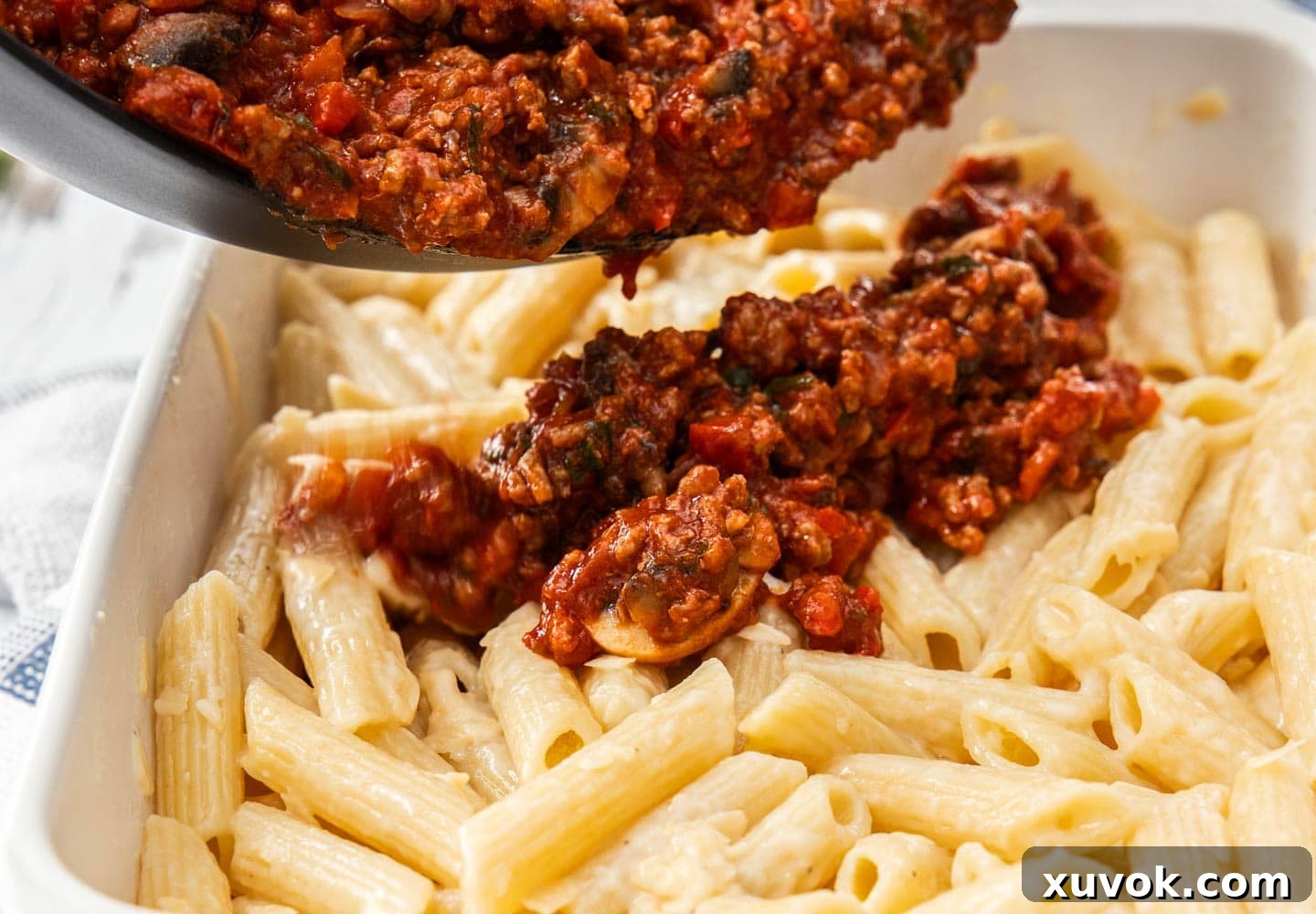
Next, spoon the rich, aromatic meat sauce evenly over the pasta layer. Spread it gently to cover the entire surface, ensuring every bite of Pastitsio will include a generous amount of this savory filling.
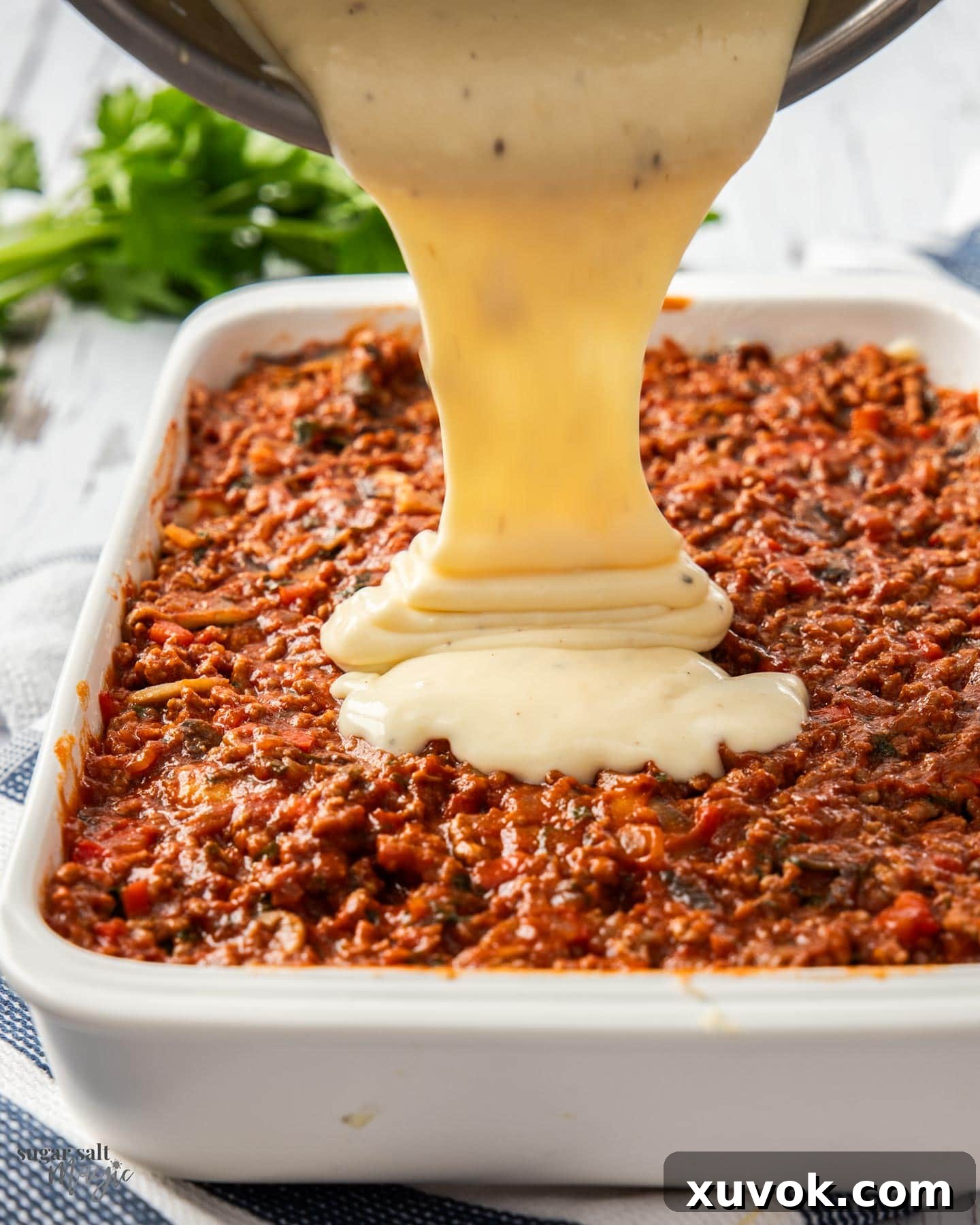
Finally, generously pour the creamy béchamel sauce over the meat layer. Use an offset spatula or the back of a spoon to gently spread it out, creating an even, thick blanket that completely covers the meat. This will bake into a beautiful golden crust. Once assembled, bake your Pastitsio for approximately 40 minutes, or until the top is gorgeously golden brown and bubbling around the edges. The aroma filling your kitchen will be absolutely irresistible!
Expert Tips for the Best Pastitsio
Achieving a truly exceptional Pastitsio is all about a few key techniques and a little patience. Follow these expert tips to ensure your Greek pasta bake is nothing short of perfection:
- Tempering the Egg Yolks: A Crucial Step for Béchamel
When adding egg yolks to your béchamel, tempering is essential to prevent them from scrambling. To do this, gradually introduce a couple of spoonfuls of the hot béchamel to the egg yolks in a separate bowl, whisking continuously. This slowly raises the temperature of the yolks. Once warmed, slowly pour the egg yolk mixture back into the main béchamel saucepan, whisking vigorously to combine. This ensures a smooth, creamy, and lump-free béchamel. - Allow Components to Cool Slightly Before Assembly
Resist the urge to immediately layer your Pastitsio once all components are cooked. Allowing the meat sauce and pasta to cool slightly (around 10-15 minutes) before assembly helps prevent the layers from mixing too much. This cooling period contributes to the distinct, beautiful layers when the dish is sliced. - The Importance of Resting Time After Baking
After your Pastitsio emerges from the oven, glistening and golden, it’s vital to let it rest for at least 15 minutes before cutting into it. This resting period allows the layers to set properly, ensuring clean, defined slices that hold their shape. Don’t worry, the dish will remain wonderfully hot when you serve it. - Prepare Ahead for Convenience
Pastitsio is an excellent make-ahead dish. Both the meat sauce and the pasta layer can be prepared a day in advance and stored separately in the refrigerator. When you’re ready to bake, simply make the béchamel sauce fresh, assemble the layers, and bake. This significantly cuts down on active cooking time on the day you plan to serve. - Season Each Layer Individually
While the recipe provides seasoning amounts, always taste and adjust the seasoning for each component (meat sauce, pasta, and béchamel) before assembly. Ensuring each layer is perfectly seasoned contributes to the overall robust flavor of the finished dish. - Choose Quality Ingredients
Starting with good quality ingredients, especially fresh ground meat, ripe tomatoes, and decent cheese, will always yield a superior flavor in your Pastitsio.
Storage and Make-Ahead Options
Pastitsio is a fantastic dish for meal prepping and enjoying as leftovers. Its flavors often deepen and become even more harmonious the next day.
Refrigeration: Any leftover Pastitsio should be stored in the fridge. You can either transfer individual slices to an airtight container or, if you have a larger portion, cover the baking dish tightly with plastic wrap. It will keep beautifully for 3-4 days.
Freezing (Unbaked): For ultimate convenience, you can prepare the entire Greek Pastitsio up to the point of baking and then freeze it. Wrap the unbaked dish extremely well in several layers of plastic wrap, followed by aluminum foil, to prevent freezer burn. It can be frozen for up to 3 months. When you’re ready to bake, transfer the frozen Pastitsio to the refrigerator to thaw completely, which can take up to 36 hours for a large dish. Once thawed, bake as per the recipe instructions.
Freezing (Baked): Baked and cooled Pastitsio can also be frozen. Cut it into individual portions, wrap each tightly in plastic wrap and then foil, and store in an airtight container or freezer-safe bag. Reheat individual portions in the microwave or oven until heated through.
Reheating: To reheat refrigerated Pastitsio, cover it loosely with foil and bake in a preheated oven at 160°C (325°F) until warmed through, usually about 20-30 minutes for a slice. For faster reheating, individual portions can be microwaved, though the crust will lose some of its crispness.
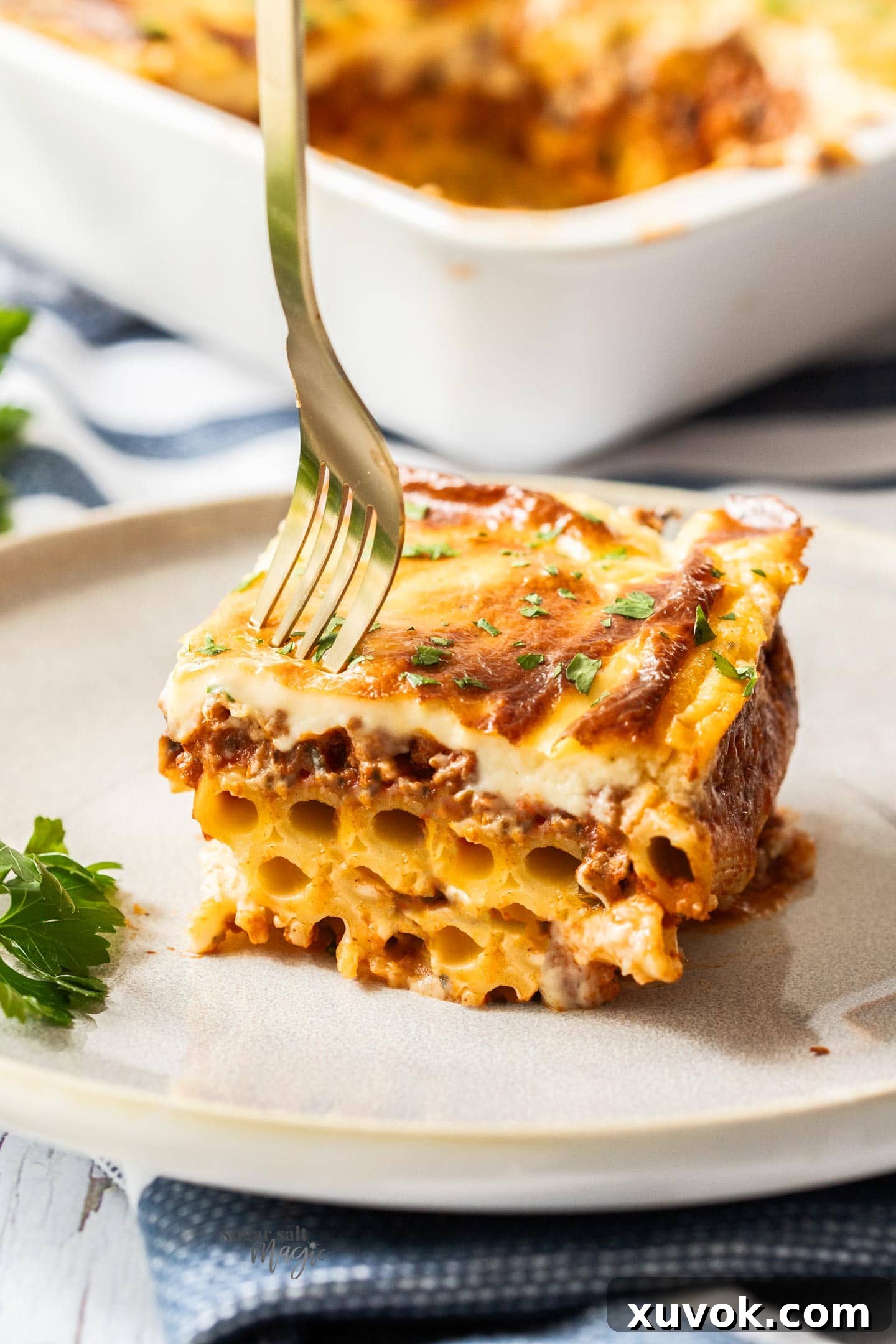
Since the initial publication of this recipe, and incorporating valuable feedback from readers, the béchamel recipe has been thoughtfully doubled. This ensures a wonderfully thick, luscious layer of béchamel on top of your Pastitsio, giving it that authentic, comforting finish that is truly irresistible. Following the updated recipe below, your Pastitsio will boast a significantly thicker béchamel layer than what might appear in some older images.
This Greek Pastitsio recipe creates a wonderfully comforting and substantial meal, perfectly suited to easily feed a crowd. Packed with rich, layered flavors, it can be effortlessly scaled up for larger gatherings and makes for truly delicious leftovers. It’s an ideal choice for a satisfying family dinner or an impressive dish for entertaining guests.
More Comforting Recipes You’ll Adore
- Classic Lasagna
- Greek Lamb Kebabs (Lamb Souvlaki)
- Hearty Meatball Pasta Bake
- One-Pan Creamy Chicken Pesto Pasta Bake
- Authentic Ragu Bolognese
- Delightful Mini Lasagna Cupcakes
- Savory Steak and Mushroom Pie
- Stovetop Roast Pumpkin Mac N Cheese
- Creamy Chicken Lasagna with Spinach and Mushrooms
⭐⭐⭐⭐⭐
Did you try this authentic Greek Pastitsio recipe? Share your experience and show it some love in the comments section below!
Hungry for more deliciousness? Subscribe to our newsletter for free, mouth-watering recipes delivered straight to your inbox. Also, connect with us on Facebook, Pinterest, and Instagram for daily inspiration!

Greek Pastitsio (Pastichio)
Rate
Pin
Ingredients
- 250 g pastitsio noodles (or use dried penne pasta) (~9oz) (notes 2)
FOR THE MEAT SAUCE
- 1 ½ cups sliced mushrooms
- ½ small onion finely diced
- 2 large cloves garlic minced
- ½ large red capsicum finely diced
- 500 g beef mince (~1lb)
- 1 ⅓ cups tomato passata (puree) (400ml)
- 1 tablespoon tomato paste (notes 1)
- ½ cup fresh parsley, lightly packed, roughly chopped
- ¾ teaspoon ground cinnamon
- ½ teaspoon salt
- ½ teaspoon dried oregano
- ¼ teaspoon freshly ground black pepper
- ¼ cup water (60ml)
FOR THE BECHAMEL
- 170 g butter (6oz / 1½ sticks)
- ¾ cup plain flour (all purpose flour) (95g/~3oz)
- 4 cups whole milk
- ½ teaspoon salt
- ¼ teaspoon ground black pepper
- 1 ½ cups finely grated kefalotyri cheese (or parmesan cheese) not packed (notes 3)
- 2 large eggs
For best results, always weigh ingredients where a weight is provided
Instructions
-
Preheat the oven to 200C (180C fan forced) / 395F.
-
Boil 6 cups of water with a tablespoon of salt. Once boiling add your pasta and let it boil away until just cooked (notes 3). Drain and tip into a roughly 9×12 inch baking dish.
-
FOR THE MEAT SAUCE:
In a large skillet / frying pan, cook the mushrooms in ½ tablespoon olive oil over medium-high heat until they start to colour. Add the onion, garlic and capsicum and cook for a further 3-4 minutes until starting to soften.
-
Add the mince and cooking, turning regularly, until browned all over.
-
Add the remaining meat sauce ingredients tomato passata (puree), tomato paste, parsley, cinnamon, salt, oregano and pepper. Then rinse the passata bottle with the water and add that too.
-
Mix well, then turn right down to very low and simmer, stirring every so often, for around 10-15 minutes until the sauce has thickened and is no longer pooling.
-
FOR THE BECHAMEL:
Melt the butter in a large saucepan over medium heat (you can use the pasta pan after the pasta has been cooked and drained).
-
Add the flour and whisk well. Cook for a minute or so whisking to keep it smooth.
-
Gradually add in the milk while continuing to whisk until it is all added and you have a smooth white sauce. Let this cook on low for around 3-5 minutes until thickened and it coats the back of a spoon.
-
Take it off the heat. Set aside ⅓ cup of the parmesan and add the rest to the bechamel. Add the salt and pepper. Whisk until smooth.
-
Separate the eggs into 2 small bowls. Add a couple of spoonfuls of the hot bechamel to the yolks and quickly whisk together. Add the yolk mixture back to the bechamel in the saucepan and mix well to combine.
-
TO ASSEMBLE:
Let everything cool for 10 minutes before assembling.
-
Tip the pasta into your casserole dish. Add one egg white, ¼ cup of the bechamel sauce and the reserved ⅓ cup of parmesan. Mix it well to combine, then level the pasta out and press down to flatten it a little.
-
Pour all the meat sauce over the pasta and level out.
-
Pour the bechamel sauce over the top of the meat and level out.
-
Bake for around 40 minutes until golden on top.
-
Let the pastitsio cool for 15 minutes before serving to get nice square serves.
-
Please take a moment to leave a comment & rating. It’s appreciated and so helpful.
Notes
- Tablespoons: I use a standard Australian 20ml tablespoon (equal to 4 teaspoons). Check yours before measuring.
- Pastitsio noodles are also called Bucatini pasta No2. They’re generally a long pasta which is hollow through the centre. Penne pasta, ziti pasta or a thin style rigatoni will work well in it’s place. I most often use penne since it’s so readily available.
- Kefalotyri cheese is a Greek cheese and the traditional cheese used in pastitsio, however parmesan cheese or even pecorino romano cheese will work well in it’s place.
- The pasta should be cooked through but only just. It will soften slightly more in the oven but if you cook it too soft in the water, it will then collapse in the pastitsio.
- For the bechamel, you can use whole milk or light (2%) milk. Both will work fine.
MORE PASTA RECIPES
Calories from Fat 333