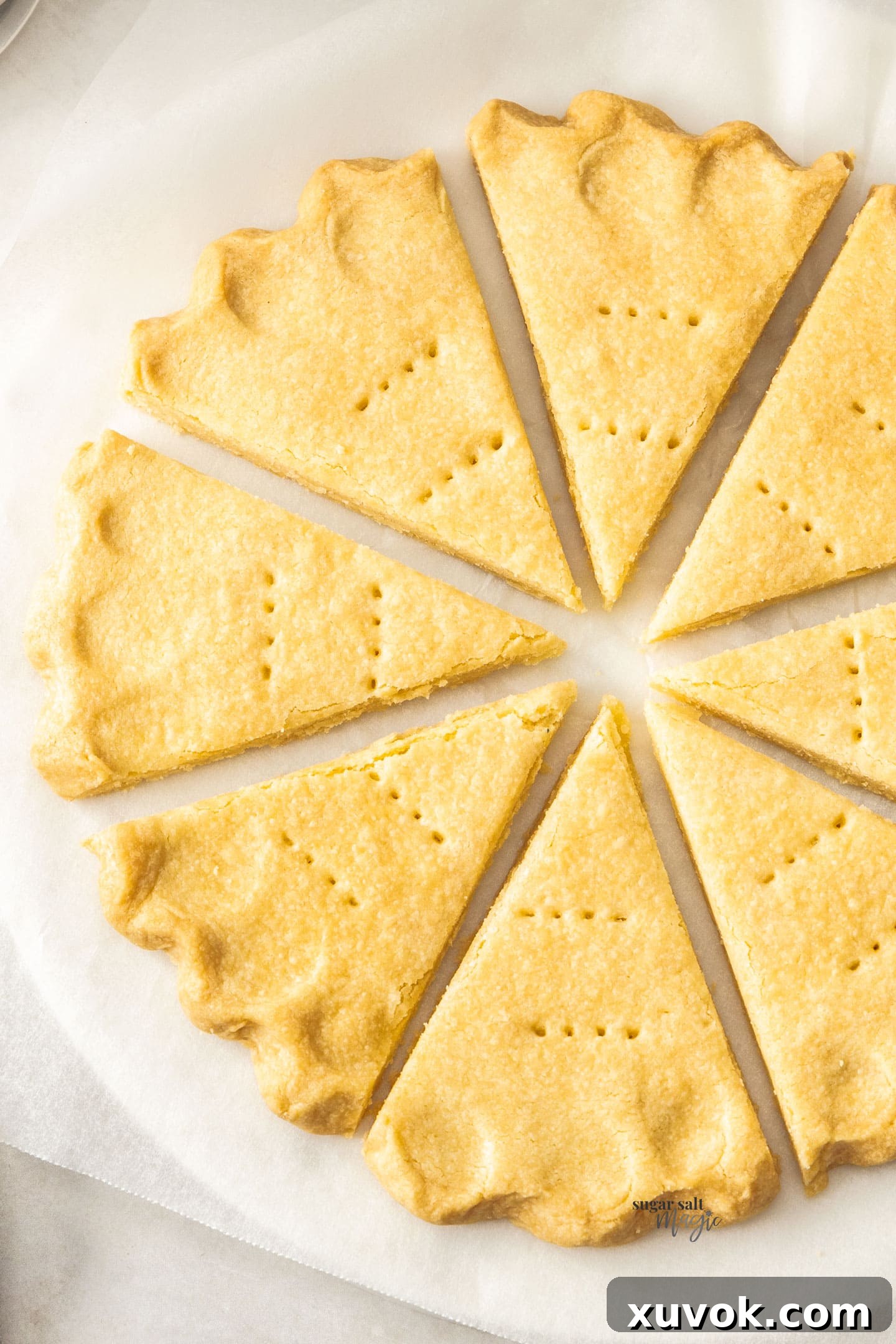
The Ultimate All-Butter Shortbread Recipe: Classic Petticoat Tails with Optional Passionfruit Icing
Craving the rich, buttery goodness of authentic Scottish shortbread? Look no further! This comprehensive guide provides all the expert tips and a time-tested recipe to create the most exquisite all-butter shortbread cookies. Expect a tender, melt-in-your-mouth texture that’s soft yet delightfully crumbly, embodying everything traditional shortbread should be. Shaped into classic petticoat tails, these irresistible cookies are perfect for any occasion, and we’ve even included a cheeky, non-traditional passionfruit icing for an extra tropical twist!
While often associated with festive seasons like Christmas, this shortbread recipe is so quick, easy, and undeniably delicious that you’ll want to bake it all year round. Its simplicity and pure, unadulterated buttery flavor make it a perennial favorite. Whether served with a cup of tea, as a sweet treat, or given as a homemade gift, this shortbread is guaranteed to impress.
This recipe, slightly adapted, shares a similar foundational dough with our popular melting moments cookies, known for their incredible melt-in-the-mouth quality. The primary distinction here lies in the sugar choice: this all-butter shortbread uses superfine caster sugar, which contributes to its signature texture, as opposed to the icing sugar (powdered sugar) often found in melting moments.
This recipe was originally published on February 17th, 2018. It has been thoroughly updated with fresh photos, enhanced details, and a more traditional presentation to elevate your baking experience.
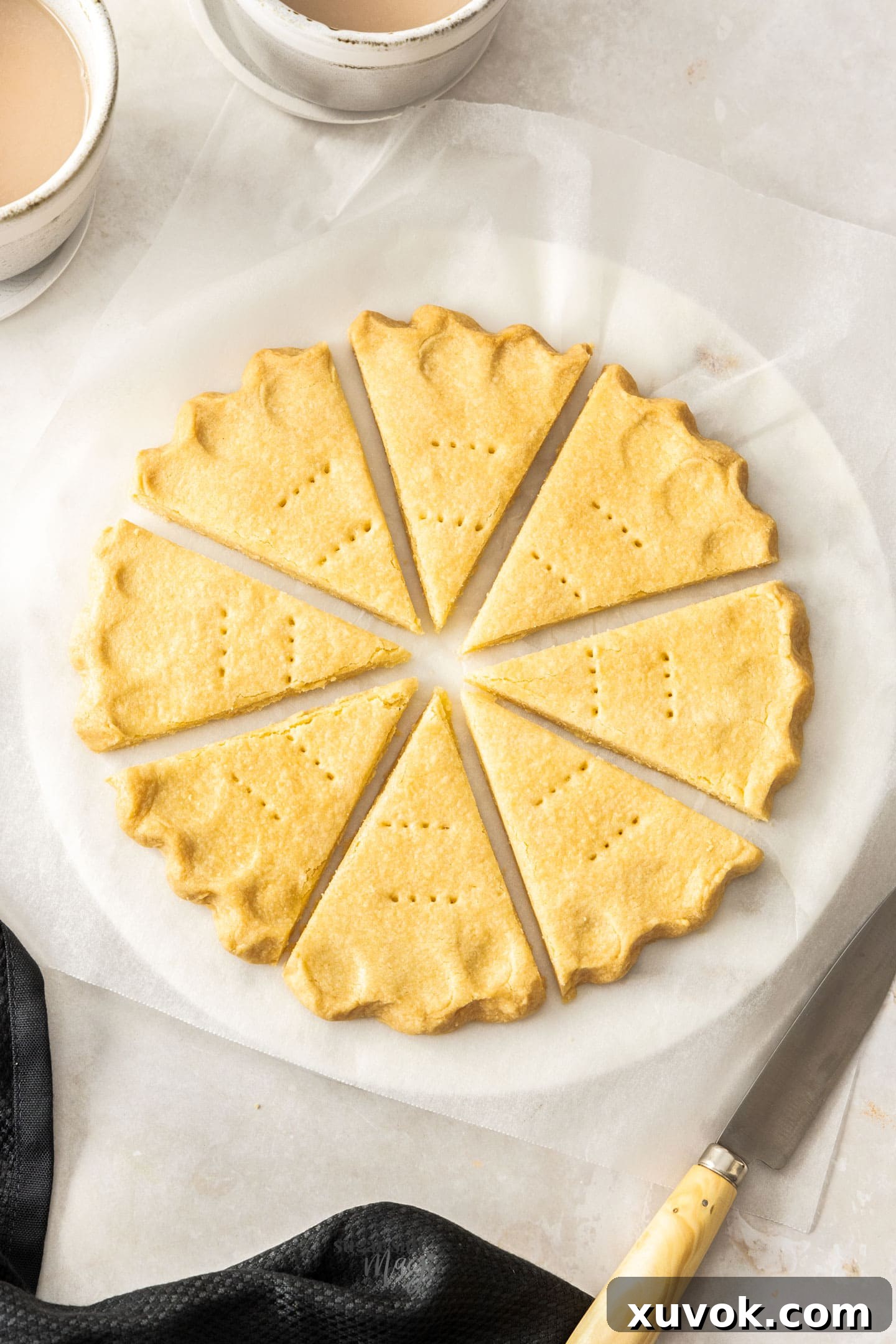
Table of Contents
- What Makes This Shortbread So Special?
- What is Shortbread?
- Scottish Origins and History
- Understanding the “Short” in Shortbread
- Traditional Shapes: Petticoat Tails, Fingers, Rounds
- Essential Ingredients for Perfect Shortbread
- The Role of Butter
- Choosing the Right Sugar
- Flour and the Secret to Melt-in-Your-Mouth Texture
- A Touch of Vanilla
- Optional Passionfruit Icing Components
- How to Make Shortbread: A Step-by-Step Guide
- Preparing the Dough: The Art of Creaming
- Rolling the Dough: Achieving Uniformity
- Shaping the Classic Petticoat Tails
- Baking to Golden Perfection
- The Delightful, Non-Traditional Passionfruit Icing
- Creative Variations and Flavor Enhancements
- Storage and Freezing Tips for Homemade Shortbread
- Frequently Asked Questions About Shortbread
- More Delicious Cookie Recipes You’ll Love
What Makes This Shortbread So Special?
This recipe isn’t just about making shortbread; it’s about perfecting it. We focus on the traditional ‘all-butter’ approach, ensuring every bite is rich with pure dairy flavor. The addition of cornflour (cornstarch) is key to achieving that uniquely tender, almost melt-away texture that sets superior shortbread apart. By following our detailed instructions, even novice bakers can achieve perfectly golden, crumbly yet soft shortbread every time. Plus, the optional passionfruit icing offers a vibrant, modern twist to a timeless classic, making these cookies truly unforgettable.
What is Shortbread?
Shortbread is a beloved Scottish biscuit (cookie) renowned for its rich, buttery taste and distinctive crumbly texture. Traditionally, it’s made with just three core ingredients: butter, sugar, and flour. A defining characteristic of shortbread is the absence of leavening agents like baking powder or baking soda, which results in its dense, non-rising structure.
Scottish Origins and History
While variations of rich, butter-laden biscuits existed for centuries, the shortbread we know today, particularly in its classic “petticoat tails” shape, is largely attributed to Mary, Queen of Scots, in the 16th century. She was said to have a particular fondness for shortbread, influencing its popularity and evolution into a staple of Scottish culinary heritage. Originally, shortbread was often baked with oats, but over time, wheat flour became the dominant ingredient, solidifying its modern form.
Understanding the “Short” in Shortbread
The term “short” in shortbread refers to its crumbly, melt-in-the-mouth texture. This characteristic is a direct result of the high fat content, typically from butter, which inhibits the formation of long gluten strands during mixing. When fat coats flour particles, it “shortens” the gluten, preventing it from developing elasticity and creating a tender, crumbly product rather than a chewy one. This is also where the culinary term “shortening” (any fat used to make baked goods crumbly) originates.
Traditional Shapes: Petticoat Tails, Fingers, Rounds
Shortbread is traditionally presented in three primary shapes:
- Round Cut Cookies: Simple circular shapes, often with a fork-pricked pattern.
- Fingers: Rectangular bars, easy to hold and dunk.
- Petticoat Tails: This classic shape is what we’ll be making. It involves forming the dough into a large circle, scoring it into wedges, and often crimping the edges. The name “petticoat tails” is thought to derive from the resemblance of these scalloped-edge wedges to pieces of fabric used for making petticoats, or perhaps the embroidered patterns on them. This method is not only visually appealing but also practical, minimizing dough waste.
Beyond tradition, some recipes incorporate alternative flours to fine-tune the texture. Rice flour, for instance, is a common addition that imparts a slight crispness. My personal favorite, however, is cornflour (also known as cornstarch), which yields an incredibly tender, almost melt-away cookie that truly lives up to the “short” designation.
Never Miss a Recipe!
Get the latest, most delicious recipes straight to your inbox and elevate your baking game!
Sign up for our newsletter to receive exclusive recipes and baking tips!
Essential Ingredients for Perfect Shortbread
The beauty of classic shortbread lies in its simplicity, requiring just a handful of quality ingredients. For the main shortbread recipe, you’ll need only five staples, with two additional items if you choose to add our delightful passionfruit icing. This minimal ingredient list makes them incredibly quick and straightforward to prepare, proving that sometimes, less truly is more for exceptional flavor.
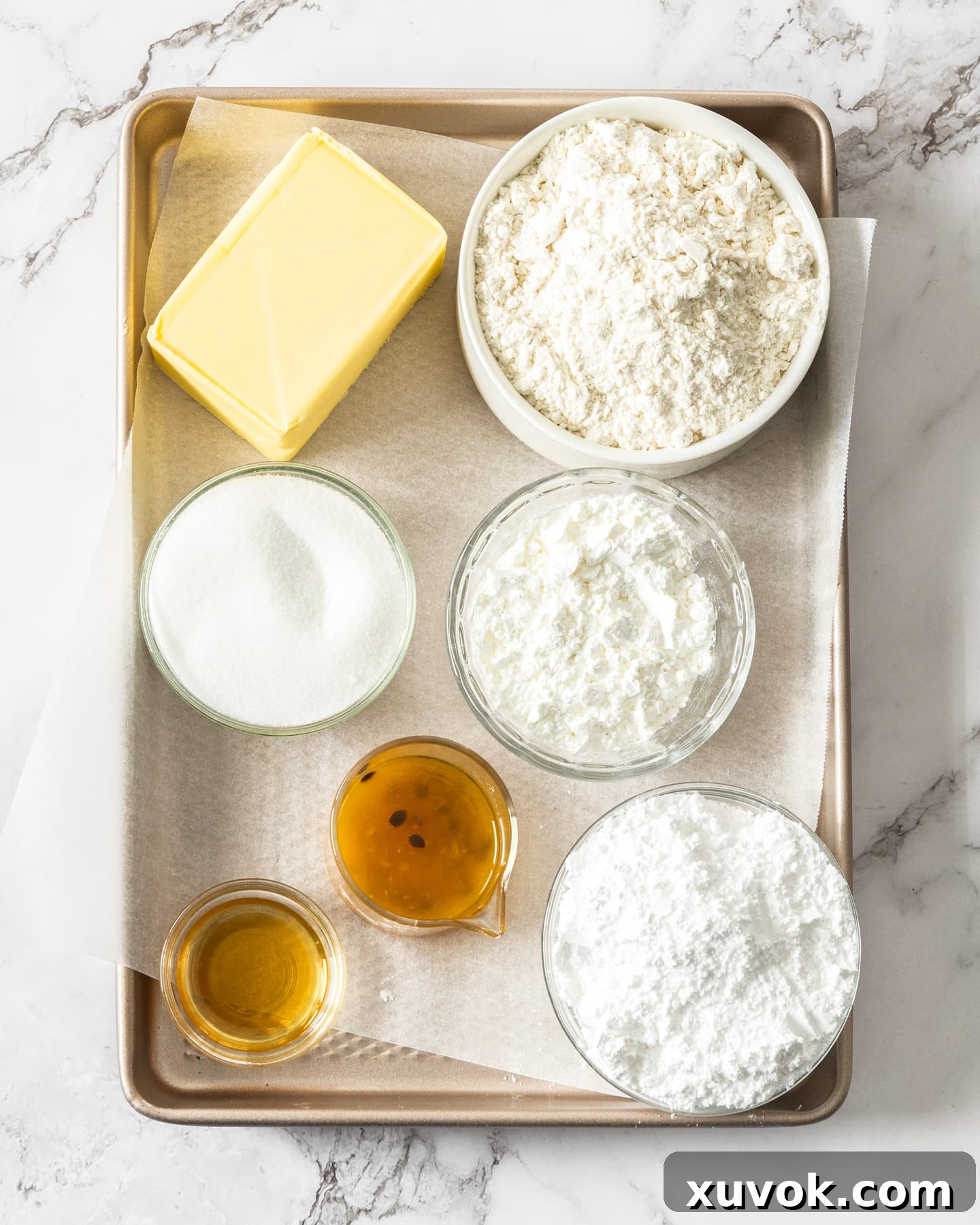
Jump to the full recipe card for precise measurements and detailed instructions.
- Unsalted Butter: This is the star of the show! High-quality unsalted butter is crucial because shortbread isn’t an overly sweet cookie, and salted butter could introduce an overpowering salty flavor. Ensure your butter is softened to room temperature for optimal creaming, but not so soft that it’s greasy.
- Caster Sugar: Also known as superfine sugar, caster sugar has finer crystals than granulated sugar, allowing it to dissolve more easily into the butter, creating a smoother, creamier base without a grainy texture. This contributes to the shortbread’s delicate crumb.
- Plain Flour (All-Purpose Flour): This forms the primary structure of your shortbread.
- Cornflour (US Cornstarch): This is the secret ingredient for that truly tender, “melty” texture. Cornflour is a very fine, soft starch that reduces gluten development, resulting in a more delicate and crumbly cookie. It’s often used for thickening or adding softness in baking.
- Vanilla Extract: Always opt for pure vanilla extract over imitation vanilla essence. The real extract provides a superior, more nuanced flavor that complements the butter perfectly.
- Icing Sugar (Powdered Sugar / Confectioners’ Sugar): For the smooth, pourable icing.
- Passionfruit Puree: Adds a bright, tangy, and wonderfully tropical flavor to the icing, creating a beautiful contrast to the rich shortbread.
The Role of Butter
Choosing the Right Sugar
Flour and the Secret to Melt-in-Your-Mouth Texture
A Touch of Vanilla
Optional Passionfruit Icing Components
How to Make Shortbread: A Step-by-Step Guide
Making shortbread is a surprisingly simple process, but understanding the dough’s unique characteristics is key to success. This dough is distinct; when first mixed, it will be quite sticky and soft—not typically suitable for immediate rolling and cutting with cookie cutters without some patience. However, this soft consistency allows it to bake beautifully, holding its shape perfectly in the oven. If your butter happens to be extra soft, or if your kitchen is particularly warm, a brief 10-15 minute chill in the refrigerator before baking can help firm up the dough and make it easier to handle.
Preparing the Dough: The Art of Creaming
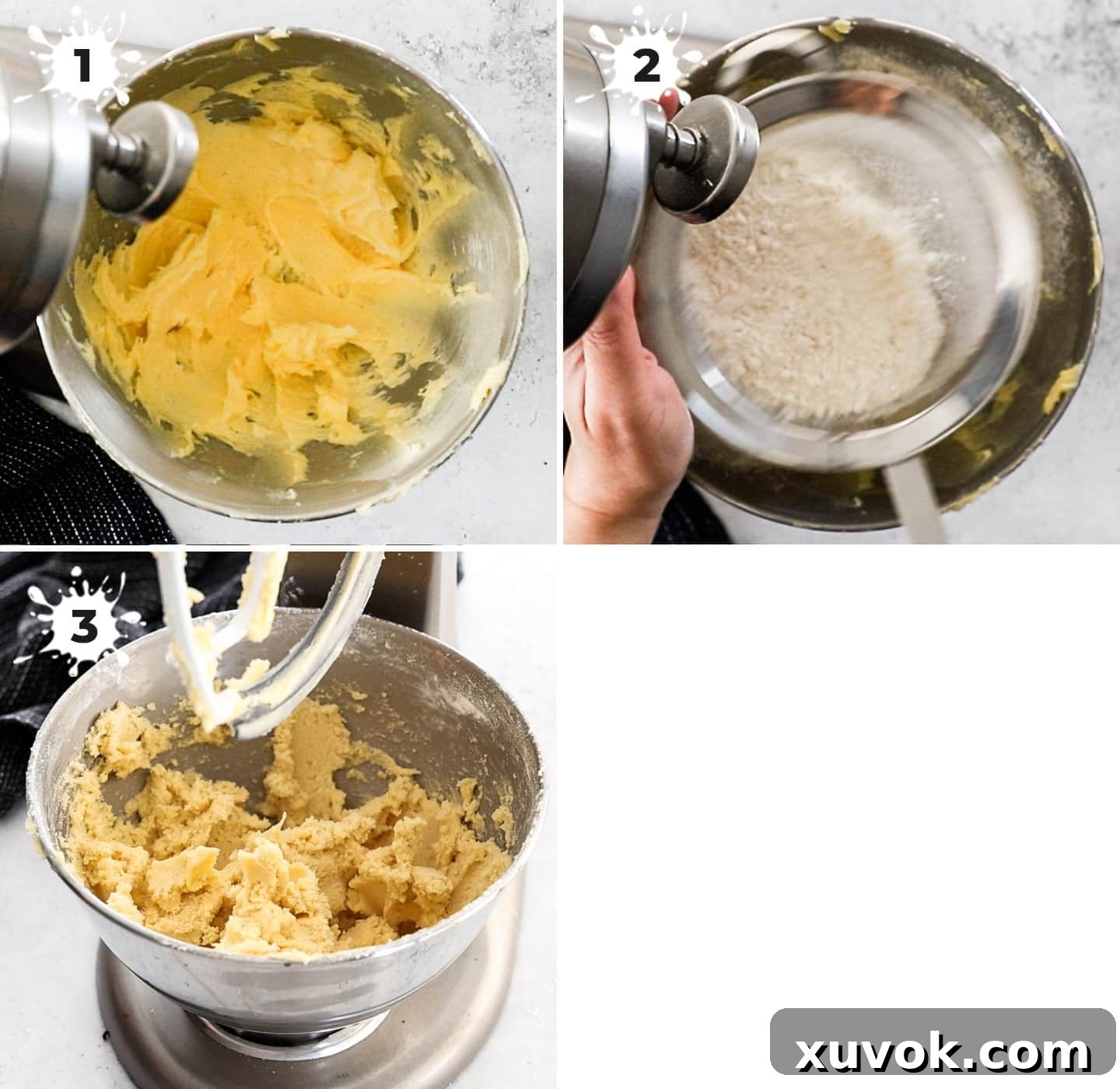
Jump to the full recipe card for precise measurements and detailed instructions.
- Cream Butter and Sugar: Begin by creaming together your softened unsalted butter and superfine caster sugar in a large bowl. Use a stand mixer with a paddle attachment or a hand mixer. Beat until the mixture is light, pale, and fluffy. This step incorporates air, which contributes to the shortbread’s tender texture. Remember, softened butter is key—too cold and it won’t cream properly; too warm and it can become oily.
- Add Flours: Sift the plain flour and cornflour directly into the butter and sugar mixture. Sifting ensures there are no lumps and helps distribute the flours evenly. Gently mix on low speed until just combined. Overmixing at this stage can develop gluten, making your shortbread tough, so stop as soon as no dry streaks of flour remain.
- Incorporate Vanilla: Finally, add the vanilla extract and mix gently until it is just incorporated into the dough. You will now have a soft, sticky, yet perfectly malleable shortbread dough ready for shaping.
Rolling the Dough: Achieving Uniformity
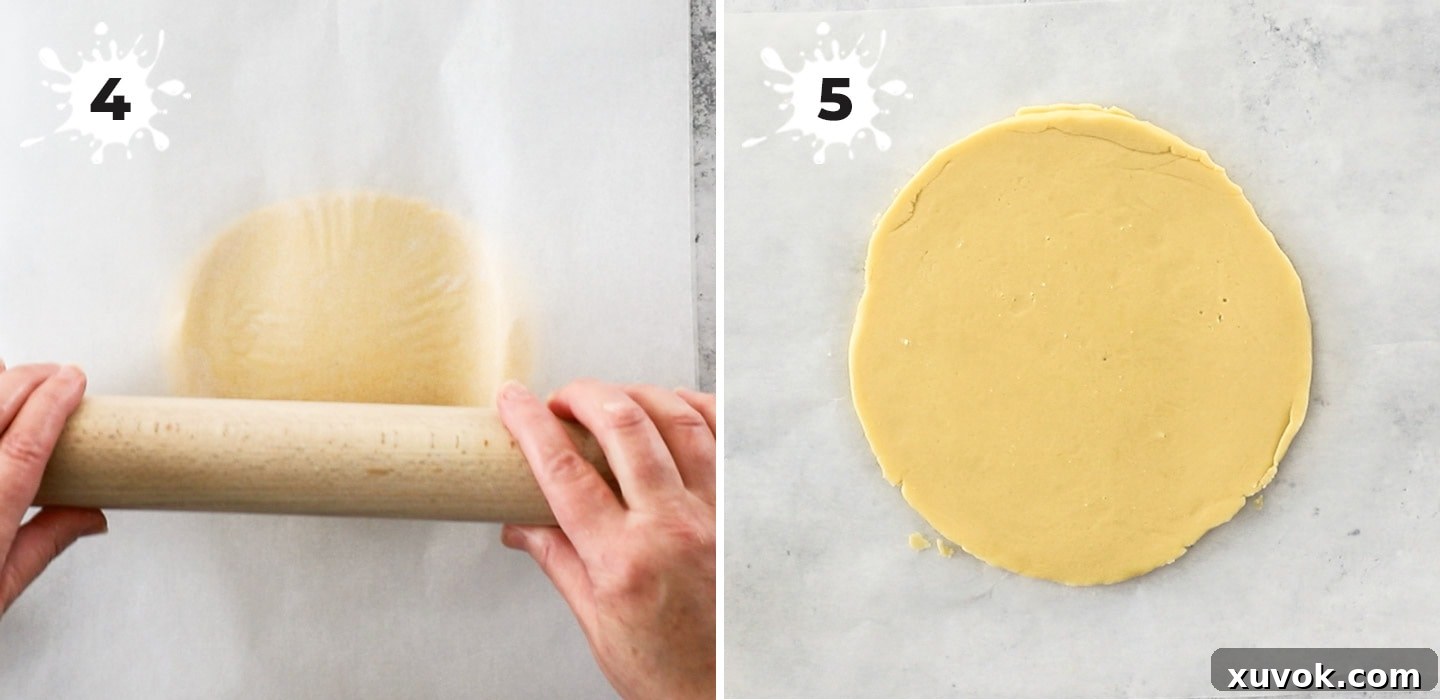
- Roll Out Evenly: Divide the prepared dough into two equal portions. Take one portion and place it between two sheets of baking paper. Using a rolling pin, roll the dough out to an even 8-inch circle, approximately 1/4 inch (6-7mm) thick. Rolling between baking paper prevents sticking and makes transfer easier, ensuring a smooth, uniform surface for your shortbread.
Shaping the Classic Petticoat Tails
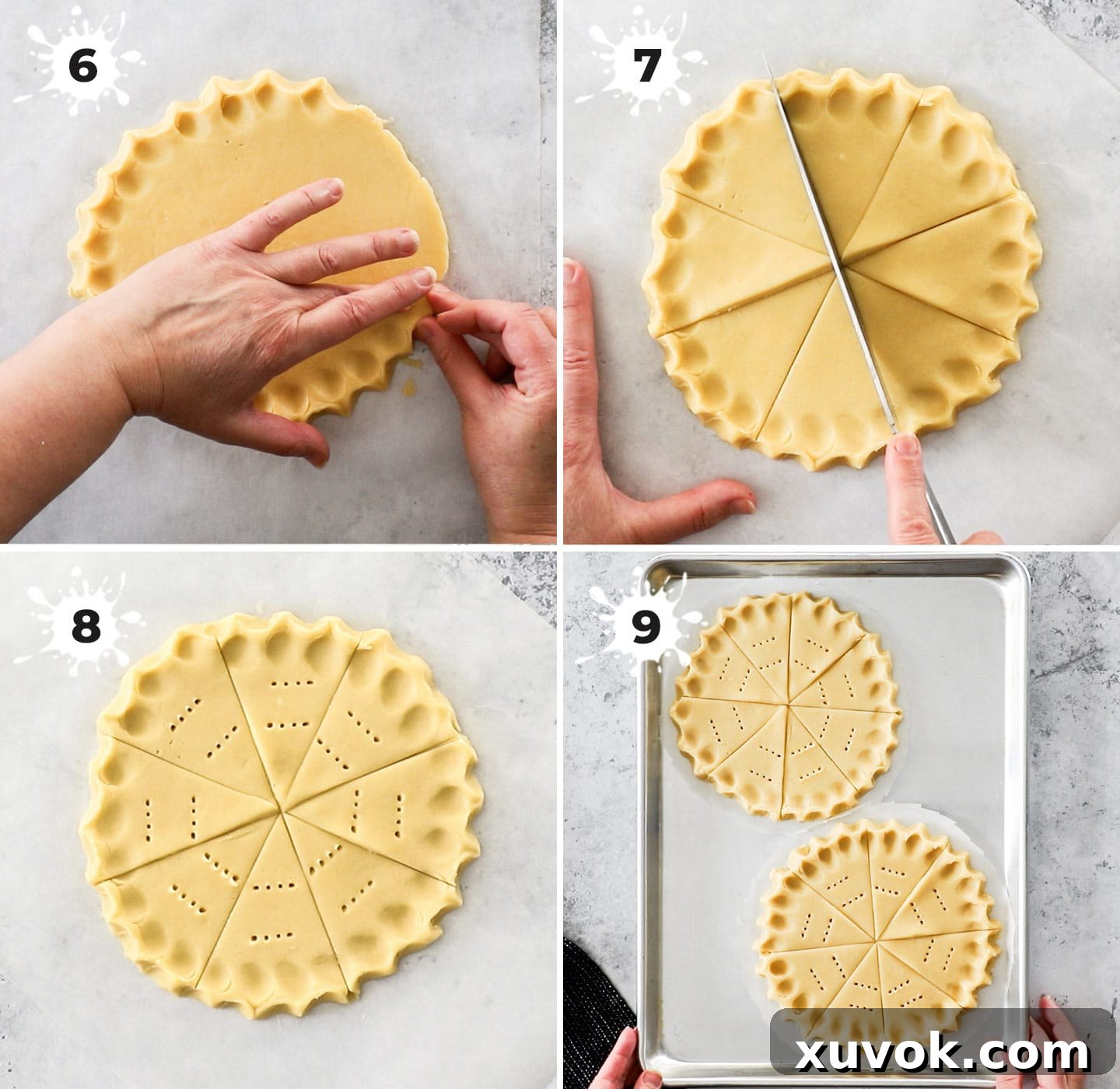
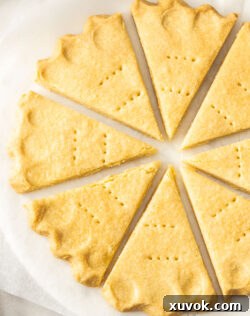
- Crimping and Cutting: Gently remove the top sheet of baking paper. Use your fingertips to create a decorative crimped or scalloped edge all the way around the circumference of the dough circle. Next, take a sharp knife and carefully cut the circle into 8 even wedges, much like slicing a pizza. Do not separate the wedges at this stage; they will bake together.
- Prick with a Fork: With a fork, make two to three small pricks into the top of each wedge. This traditional step helps steam escape during baking, preventing the shortbread from puffing up and ensuring a flat, evenly baked cookie.
- Prepare for Baking: Carefully transfer the entire sheet of baking paper with the shaped shortbread dough onto a baking sheet. Repeat the rolling and shaping process with the second portion of dough.
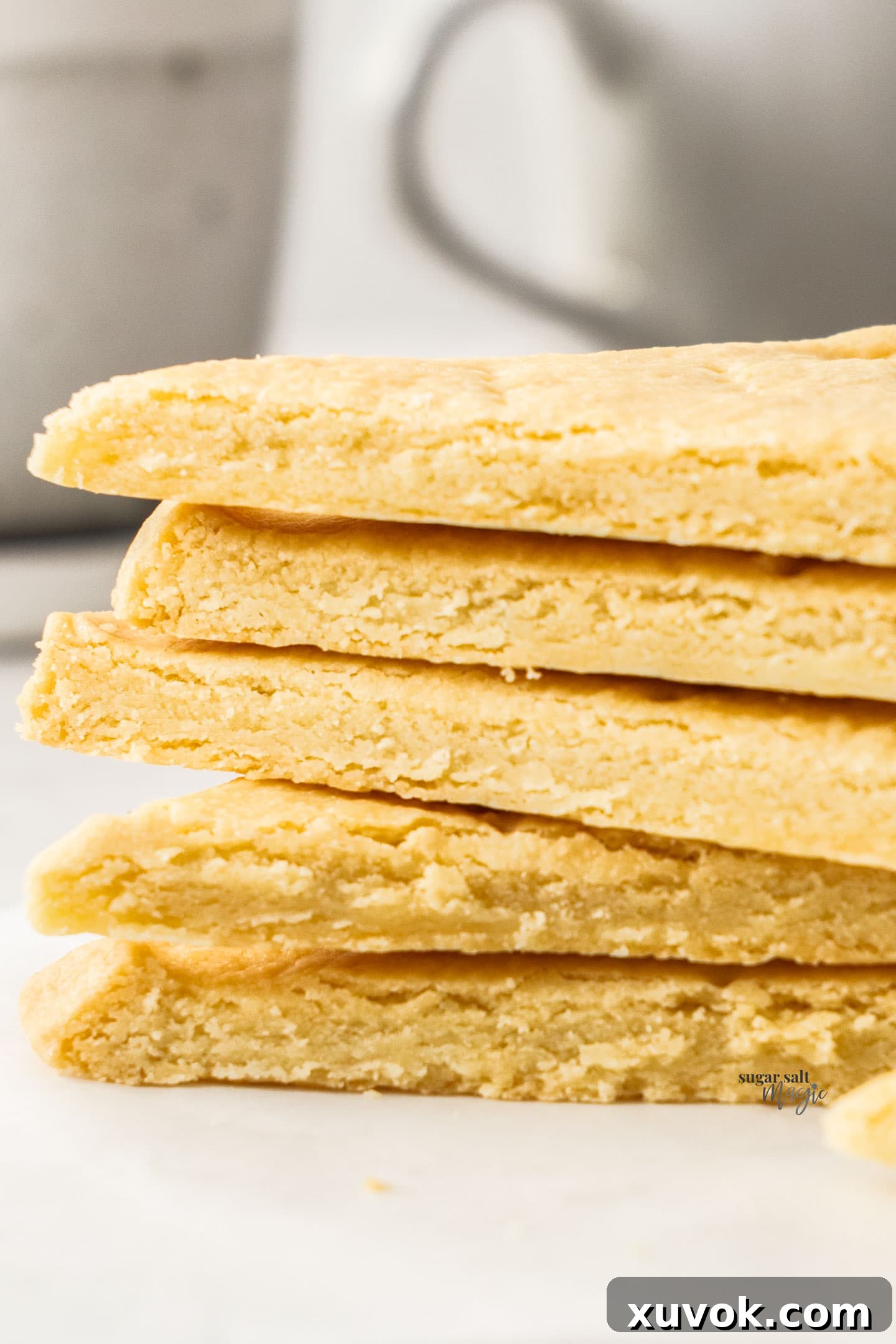
Important Baking Tip: For perfect all-butter shortbread, you want to bake them just until they are pale golden around the edges, but predominantly blonde in the center. Avoid over-browning! This ensures the ideal fully cooked, tender, and crumbly texture that melts delicately in your mouth.
Baking to Golden Perfection
- Bake! Bake in a preheated oven (see recipe card for temperature) for 25-30 minutes. The shortbread should be lightly golden, with edges just starting to turn a slightly deeper blonde.
- Cooling: Once baked, remove the tray from the oven. While still warm, gently re-score the cuts between the wedges with a knife to ensure they separate cleanly once cooled. Allow the shortbread to cool completely on the baking sheet until firm before carefully transferring them to a wire rack. They must be completely cool before applying any icing.
The Delightful, Non-Traditional Passionfruit Icing
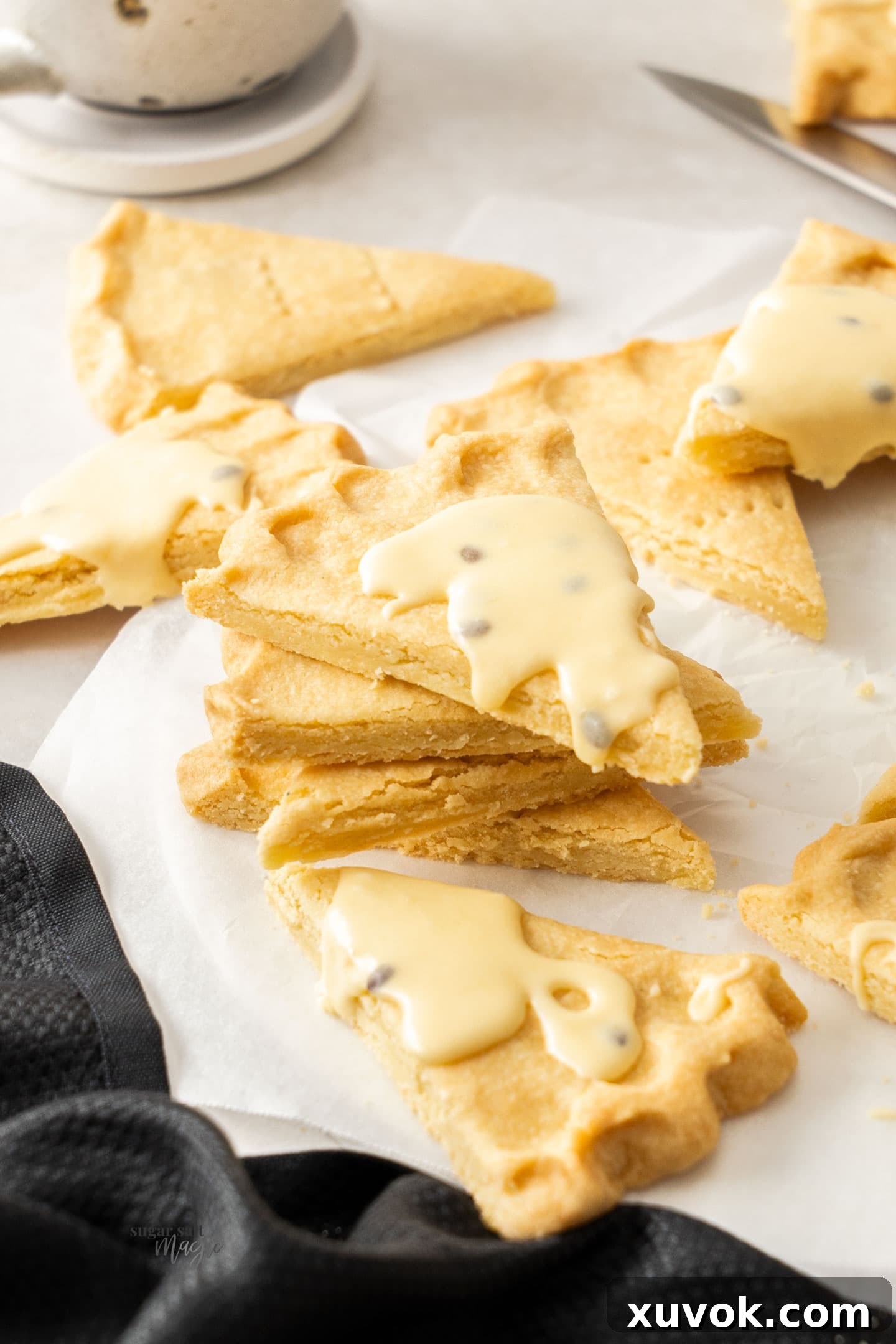
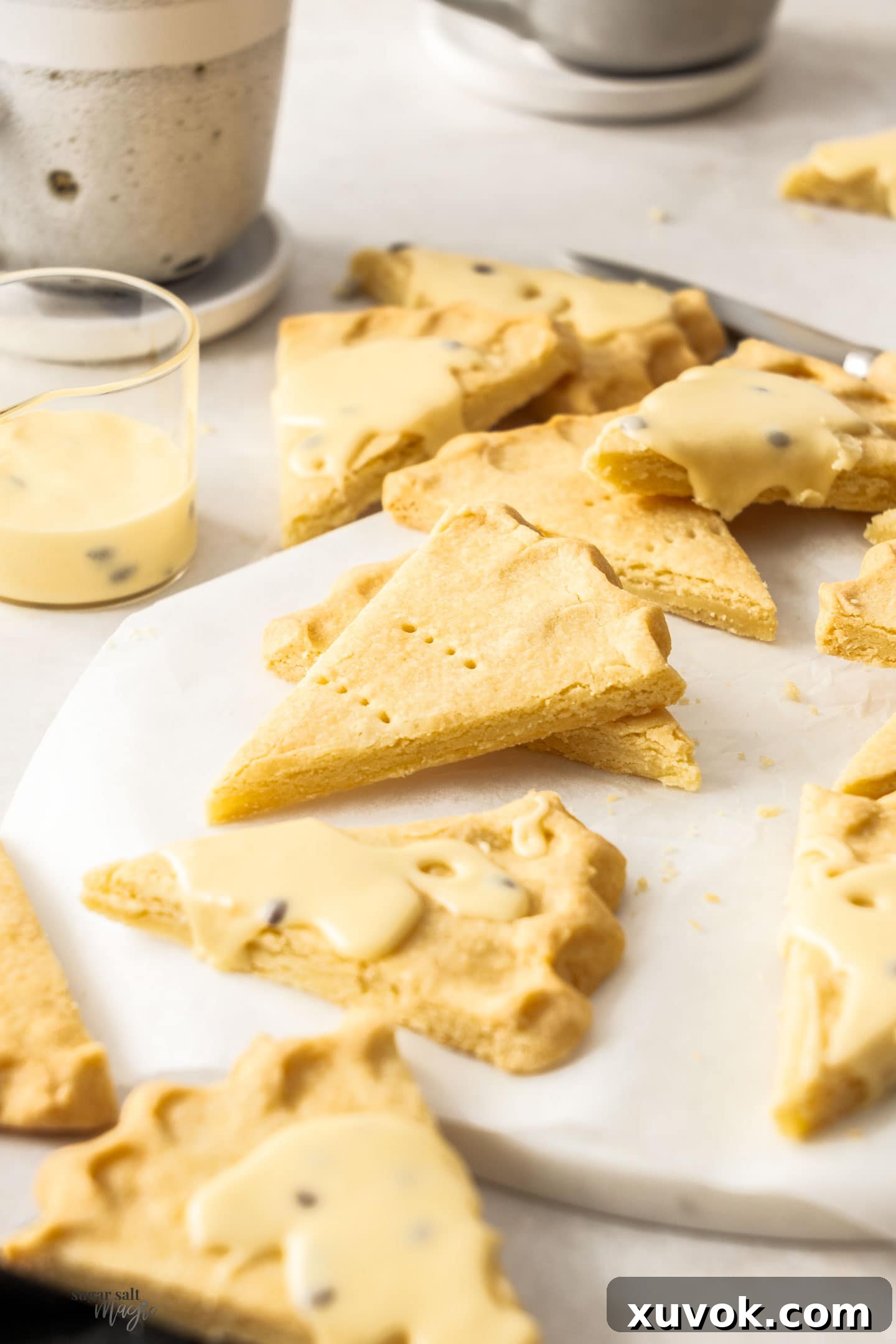
While traditional Scottish shortbread typically features only a simple sprinkling of caster sugar before baking (and nothing more!), this passionfruit icing offers an incredibly bright, sweet, and tropical counterpoint. It’s a non-traditional addition that elevates these cookies to a new level of deliciousness, truly putting the “icing on the cookie”!
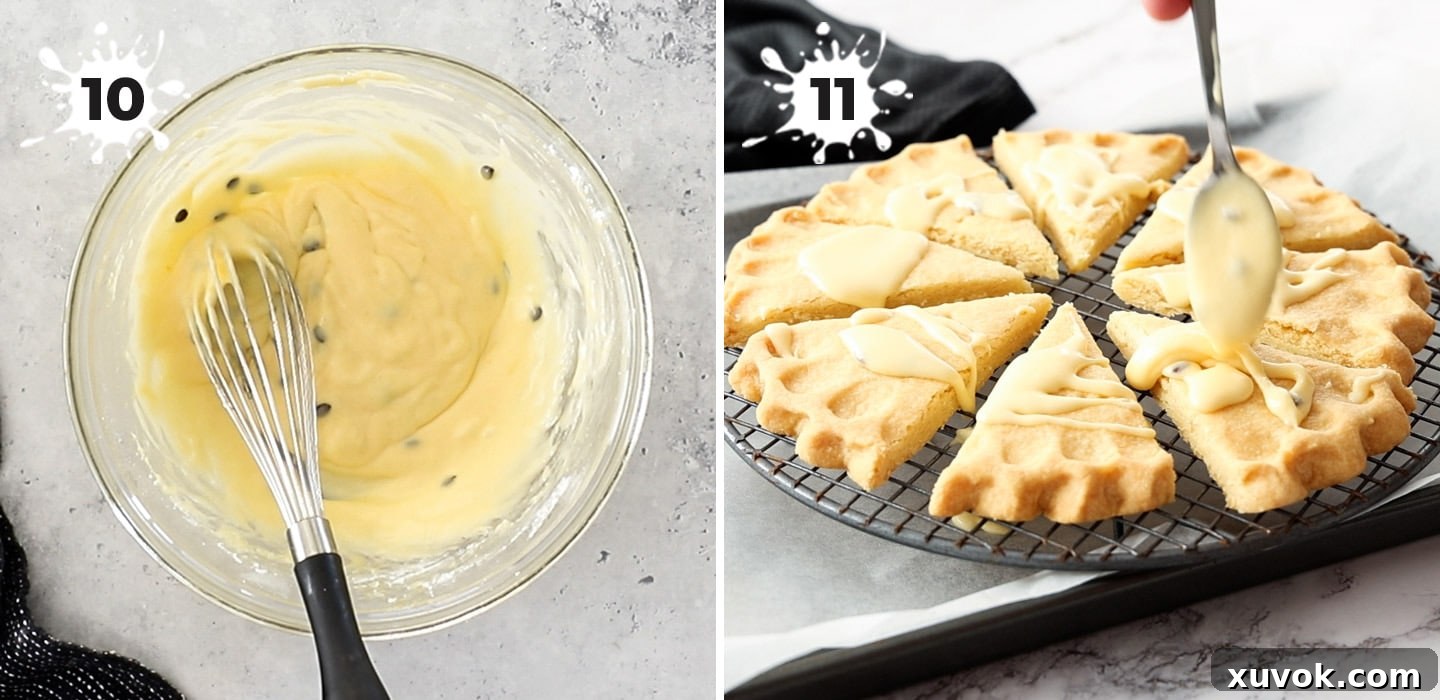
- Prepare the Icing: In a small bowl, whisk together the icing sugar, passionfruit pulp, and melted unsalted butter until smooth.
- Achieve the Right Consistency: The icing should be thick enough to slowly drizzle off a spoon and settle into a smooth glaze on the cookie surface within about 10-12 seconds. If it’s too runny, add a little more icing sugar (a teaspoon at a time) until the desired consistency is reached. If it’s too thick, add a tiny splash more passionfruit puree or melted butter.
- Apply the Icing: Separate your cooled shortbread wedges on a wire rack. Place the wire rack over a baking tray lined with baking paper to catch any drips. Drizzle the passionfruit icing generously over the top of each shortbread wedge. Allow the icing to set for a few minutes before serving or storing.
Creative Variations and Flavor Enhancements
While this all-butter shortbread recipe is perfect as is, its simple base makes it incredibly versatile for creative customization. Experiment with these delicious additions to personalize your batch:
- Spices: Infuse your shortbread with warm spices. Try cinnamon, nutmeg, ginger, or a pre-made blend like pumpkin spice. Our spiced shortbread cookies are a testament to this!
- Citrus Zest: For a bright, zesty kick, add the finely grated zest of a lemon, orange, or lime to the dough. It pairs wonderfully with the buttery flavor.
- Chocolate: Who can resist chocolate? Fold in mini chocolate chips (dark, milk, or white) for pockets of melty goodness. You can also make a dedicated chocolate shortbread by adding cocoa powder to the dry ingredients.
- Nuts: Toasted and finely chopped nuts like pecans, walnuts, or pistachios (like in our orange pistachio shortbread cookies) add a delightful crunch and nutty flavor.
- Dried or Freeze-Dried Fruit: Small pieces of dried cranberries, cherries, or finely crushed freeze-dried raspberries can introduce bursts of fruity flavor and vibrant color.
- Dipped or Drizzled Chocolate: After baking and cooling, dip half of each shortbread cookie in melted dark, milk, or white chocolate, or simply drizzle chocolate artfully over the tops.
Storage and Freezing Tips for Homemade Shortbread
Once you’ve baked a batch of these glorious, melt-in-your-mouth shortbread cookies, you’ll be delighted to know they store exceptionally well, making them ideal for meal prep, gifting, or simply enjoying over several days.
- Making Dough Ahead: The shortbread dough can be prepared up to one week in advance. Simply wrap it tightly in plastic wrap and store it in the refrigerator. When ready to bake, allow it to come to room temperature for easier rolling.
- Storing Baked Shortbread: Fully baked and cooled shortbread cookies will remain fresh and delicious when stored in an airtight container at room temperature for 7 to 10 days. If your shortbread has icing, ensure the icing is completely set before stacking or storing to prevent sticking.
- Freezing Dough: For longer storage, the unbaked shortbread dough can be frozen for up to 3 months. Wrap it securely in plastic wrap, then place it in a freezer-safe bag. Thaw in the refrigerator overnight before rolling and baking.
- Freezing Baked Cookies: Baked shortbread cookies also freeze beautifully. Once completely cooled, arrange them in a single layer on a baking sheet and freeze until solid. Then transfer the frozen cookies to an airtight freezer-safe container or bag, separating layers with parchment paper to prevent sticking. They can be frozen for up to 3 months. Thaw at room temperature before serving.
These buttery shortbread cookies make for truly wonderful homemade food gifts, especially when beautifully packaged. Their robust nature means they travel well, ensuring your thoughtful gesture arrives in perfect condition.
Frequently Asked Questions About Shortbread
Why is my shortbread hard instead of crumbly?
Shortbread can become hard if the dough is overmixed. Overmixing develops gluten in the flour, leading to a tougher texture. Ensure you mix only until the ingredients are just combined. Also, using butter that is too cold or over-baking can make shortbread hard. Always bake until just lightly golden.
Can I use regular granulated sugar instead of caster sugar?
While you can, caster sugar (superfine sugar) is recommended because its finer crystals dissolve more easily and create a smoother, more delicate crumb in the shortbread. Granulated sugar might result in a slightly grainier texture.
Is chilling the shortbread dough necessary?
While not strictly necessary for this particular recipe if your butter is at the right softened consistency, chilling the dough for 10-15 minutes can make it easier to handle, especially in warm kitchens. It also helps the butter firm up, leading to slightly sharper edges on your baked cookies.
What’s the best way to get even shortbread thickness?
Rolling the dough between two sheets of parchment paper is highly effective. You can also use rolling pin guides (silicone rings on the ends of your rolling pin) to ensure consistent thickness.
Can I make this shortbread gluten-free?
While this recipe is not designed for gluten-free flours, many bakers have success substituting plain flour with a good quality 1:1 gluten-free baking blend that contains xanthan gum. You might need to adjust the liquid very slightly, but the high butter content generally helps with texture in gluten-free baking.
More Delicious Cookie Recipes You’ll Love
- Raspberry Melting Moments
- Viennese Whirls
- Traditional Lemon Melting Moments
- Cranberry Pistachio Shortbread
- Dark Chocolate Shortbread
- Pecan Sandies (Pecan Shortbread)
- Danish Butter Cookies
- Lemon Shortbread
Did you try this traditional shortbread recipe?
Leaving a rating and comment below the recipe is so helpful!
Hungry for more? Subscribe to our newsletter for free recipes straight to your inbox. Also, follow along on Facebook, Pinterest and Instagram for daily inspiration!
All Butter Shortbread Cookies (with Passionfruit Icing)
16
petticoat tails / cookies
15 minutes
30 minutes
45 minutes
Rate
Pin
Ingredients
FOR THE ALL BUTTER SHORTBREAD
- 226 g unsalted butter, softened (1 cup / 2 sticks)
- 105 g caster sugar (superfine sugar) (½ cup / 3 ½ oz)
- 2 teaspoons vanilla extract
- 260 g plain flour (all purpose flour) (2 cups / 9.2oz)
- 70 g cornflour (US cornstarch) (½ cup / 2 ½oz)
FOR THE PASSIONFRUIT ICING
- 1 ½ tablespoons unsalted butter, melted (21g / ¾oz) (notes 1)
- 1 ½ – 2 tablespoons passionfruit pulp (notes 1)
- 1 cup icing sugar (powdered sugar) (130g / 4.6oz)
For best results, always weigh ingredients where a weight is provided
Equipment
-
A silicone spatula so nothing gets left behind.
-
A simple hand beater or stand mixer
-
Sheets of baking paper
-
Rolling Pin
-
Sharp knife
Instructions
-
FOR THE ALL BUTTER SHORTBREAD:
Preheat the oven to 160C (140C fan forced) / 350F.
-
In a stand mixer with paddle attachment, beat together the butter and sugar until pale and creamy.
-
Sift in the flour and cornflour gently mixing until just incorporated.
-
Add the vanilla and gently mix again.
-
Divide dough into 2 portions.
-
Roll out the first portion between 2 sheets of baking paper to a 20cm/8 inch disc. You can use the base of an 8 inch spring form pan to check your progress.
-
Scallop / crimp the edge of the dough circle using your fingertips (two on the outside, one on top of the dough and gently press towards each other). Now use a sharp knife to cut the dough into 8 wedges, without moving them, then prick the top of each wedge twice with a fork (this helps steam escape without making the dough puff).
-
Carefully transfer to a baking sheet, then repeat with the second ball of dough.
-
Bake for 25-30 minutes until they are lightly golden. Remove from the oven and carefully use a knife to re-form those slices / wedges – don’t separate them.
-
Leave to cool on the tray until firm, then transfer to a wire rack. Make sure they are totally cool before you ice them.
-
FOR THE PASSIONFRUIT ICING:
Mix together the icing sugar, butter and 1 ½ tablespoons of the passionfruit puree. Gradually mix in a little passionfruit at a time until you have a consistency that settles into itself in about 10 seconds.
-
Separate the shortbread wedges on the wire rack then sit the rack over a baking tray lined with baking paper. Spoon the icing over the cooled cookies, allow them to set for a few minutes, then serve or store in an airtight container at room temperature.
-
Please take a moment to leave a comment & rating. It’s appreciated and so helpful.
Notes
- Tablespoons: I use a standard Australian 20ml tablespoon (equal to 4 teaspoons). Check yours before measuring.
- For best results, you should always weigh ingredients like flour and sugar. Kitchen scales are relatively cheap but if you can’t weigh the ingredients, use the spoon and level method (don’t scoop).
- All ovens vary. Check for doneness 3-4 minutes before the recipe suggests.
- Nutrition details are approximate only – scroll below the recipe to find the full nutritional information.
- The passionfruit icing is optional and not part of a traditional recipe, just a great combo. If you want to leave it off, sprinkle the dough rounds with a tablespoon of caster sugar before baking. They aren’t super sweet on their own and a traditional recipe always has a sprinkle of sugar on top.
MORE COOKIE RECIPES!
244
kcal
Marie Roffey
Desserts, Sweets
Scottish, Tropical
Have you tried this recipe?
Don’t forget to leave a rating and comment below and let me know how it was! I love hearing from you. Nutrition information is approximate and derived from an online calculator. The brands you use may cause variations.
Calories from Fat 117