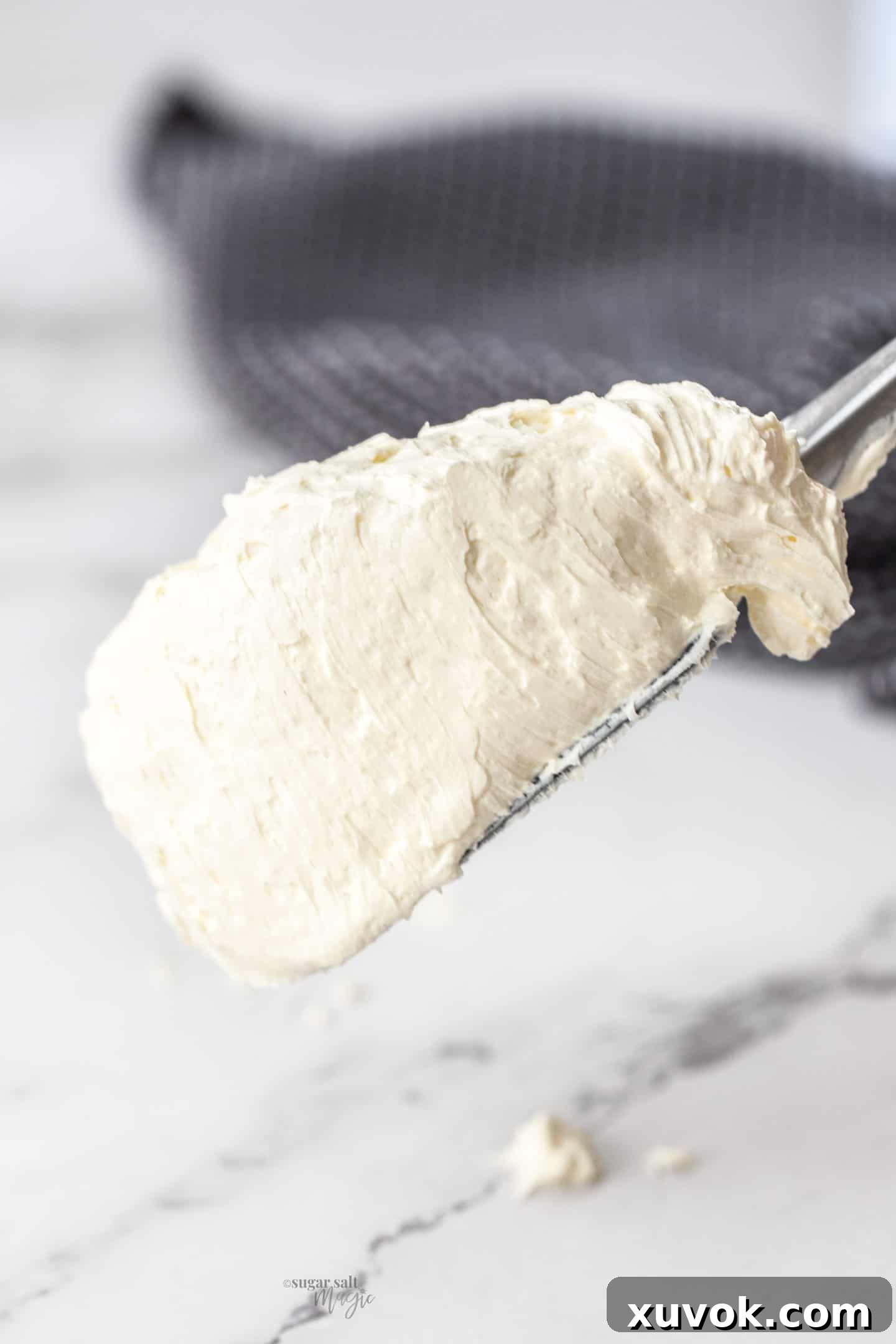
Welcome to the ultimate guide for creating flawless Swiss Meringue Buttercream (SMBC)! This incredibly smooth, less-sweet, and wonderfully stable frosting is a pastry chef’s dream and will quickly become your go-to recipe for elevating any dessert. Unlike traditional American buttercreams that can be overly sugary and grainy, SMBC boasts a refined texture and a balanced flavor profile that makes it irresistible. Whether you’re a seasoned baker or just starting, this detailed tutorial will equip you with all the knowledge and tips you need to master this elegant frosting.
While the name “Swiss Meringue Buttercream” might sound fancy or intimidating, rest assured that the process is straightforward, and the results are incredibly rewarding. Its superior pipeability and silky finish make it perfect for decorating cakes, cupcakes, and a myriad of other sweet treats. Prepare to be amazed by how easily you can achieve professional-looking results right in your own kitchen.
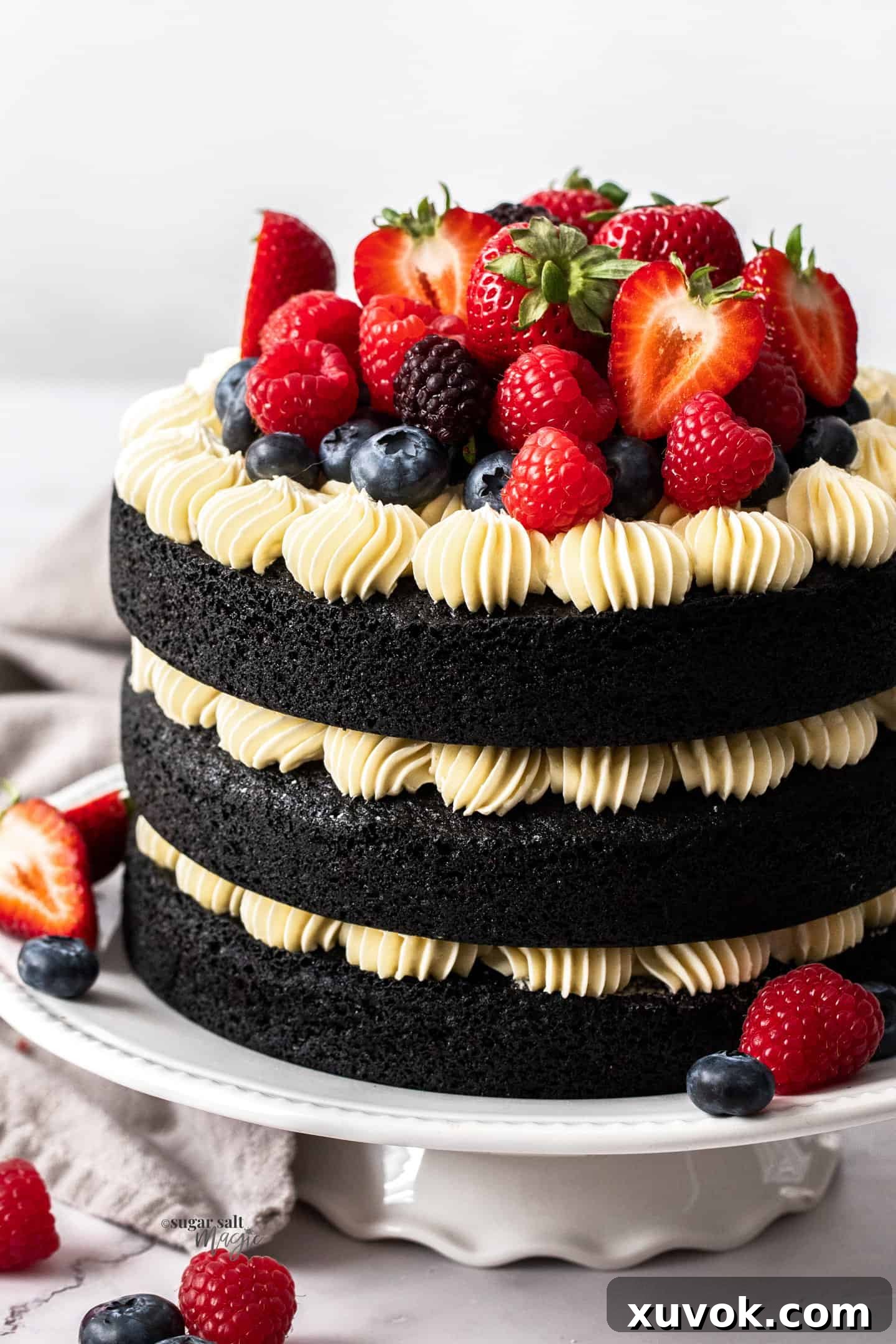
You can see this beautiful buttercream in action on our Black Velvet Cake. If you’re exploring other delightful frosting options, be sure to check out our Ermine Buttercream and this rich German Buttercream for more inspiration.
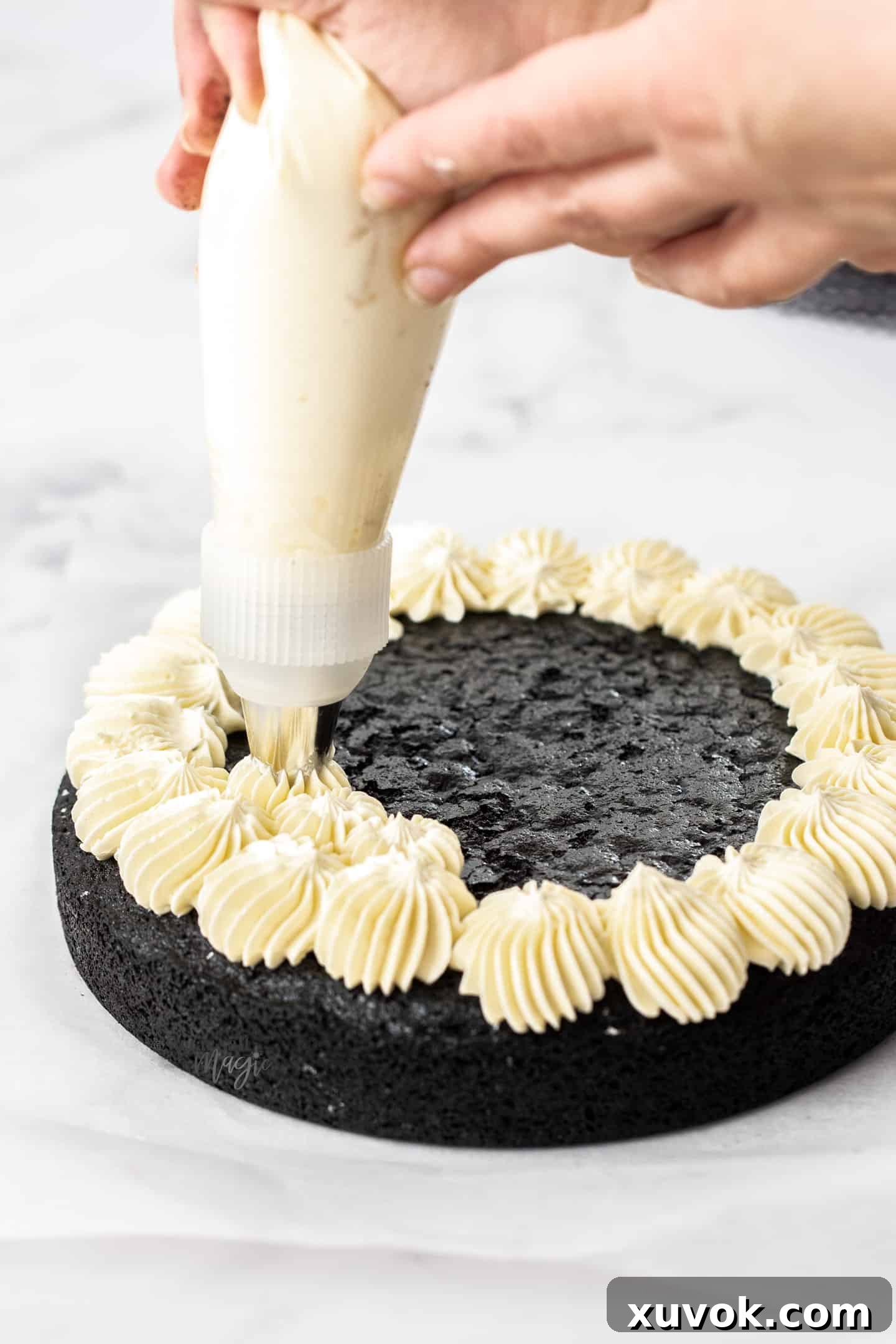
Table of Contents
- What is Swiss Meringue Buttercream?
- Why Choose This Swiss Meringue Buttercream Recipe?
- Understanding the Buttery Flavor
- Essential Ingredients You’ll Need
- Recommended Tools for Success
- Step-by-Step: How to Make Swiss Meringue Buttercream
- Achieving Stiff Peaks in Meringue
- Creative Ways to Flavor Swiss Buttercream
- Troubleshooting Swiss Meringue Buttercream
- How to Store Swiss Meringue Buttercream
- Frequently Asked Questions (FAQs) About SMBC
- Inspiring Uses for Swiss Meringue Buttercream
What is Swiss Meringue Buttercream?
Swiss Meringue Buttercream (SMBC) is a sophisticated, meringue-based frosting renowned for its exceptional smoothness, creamy texture, and superior stability compared to many other buttercreams. Its unique preparation method involves gently heating egg whites and sugar over a double boiler, creating a pasteurized meringue base before incorporating butter. This distinguishes it from other popular frostings:
- **American Buttercream:** Made by creaming butter with powdered sugar, often resulting in a very sweet and sometimes grainy texture. SMBC is significantly less sweet and far smoother.
- **Italian Meringue Buttercream (IMBC):** Similar to SMBC, but uses hot sugar syrup poured into whipping egg whites, making it slightly more complex to master. SMBC’s method of heating sugar and egg whites together is often considered more forgiving.
- **German Buttercream:** Made with pastry cream (crème pâtissière) as its base, giving it a rich, custardy flavor.
- **Ermine Buttercream:** Also known as “flour buttercream,” it uses a cooked flour and milk paste.
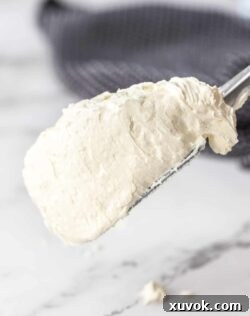
The process for SMBC begins by gently heating egg whites and granulated sugar together in a heatproof bowl set over a simmering pot of water. This step serves two crucial purposes: it dissolves the sugar completely, eliminating any graininess, and it pasteurizes the egg whites, making them safe to consume. Once the mixture reaches a specific temperature (usually 71°C / 160°F), it’s removed from the heat and whipped into a brilliant, glossy, stiff-peaked meringue. Gradually, softened butter is added to this cooled meringue, transforming it into a luxurious, thick, and velvety buttercream.
The resulting buttercream is stable, holds intricate piped designs beautifully, and has a rich, buttery flavor without being overly sweet. It’s an ideal choice for covering cakes, piping decorative elements, and filling pastries, offering a professional finish that tastes as good as it looks. This comprehensive guide will walk you through every step, ensuring you achieve perfect results, along with invaluable troubleshooting tips for any challenge you might encounter.
Why Choose This Swiss Meringue Buttercream Recipe?
There are many reasons why this specific Swiss Meringue Buttercream recipe stands out as a must-try for any baking enthusiast:
- Comprehensive Guidance: This isn’t just a recipe; it’s a complete tutorial. We provide all the insider tips, tricks, and detailed explanations to ensure your success, even if it’s your first time making SMBC. From ingredient selection to advanced troubleshooting, every aspect is covered.
- Perfectly Balanced Sweetness: One of the most common complaints about many buttercreams is their cloying sweetness. Our SMBC recipe is designed to be significantly less sugary, allowing the rich, creamy butter and chosen flavorings to truly shine. It’s sweet enough to be a treat, but balanced enough not to overwhelm your palate.
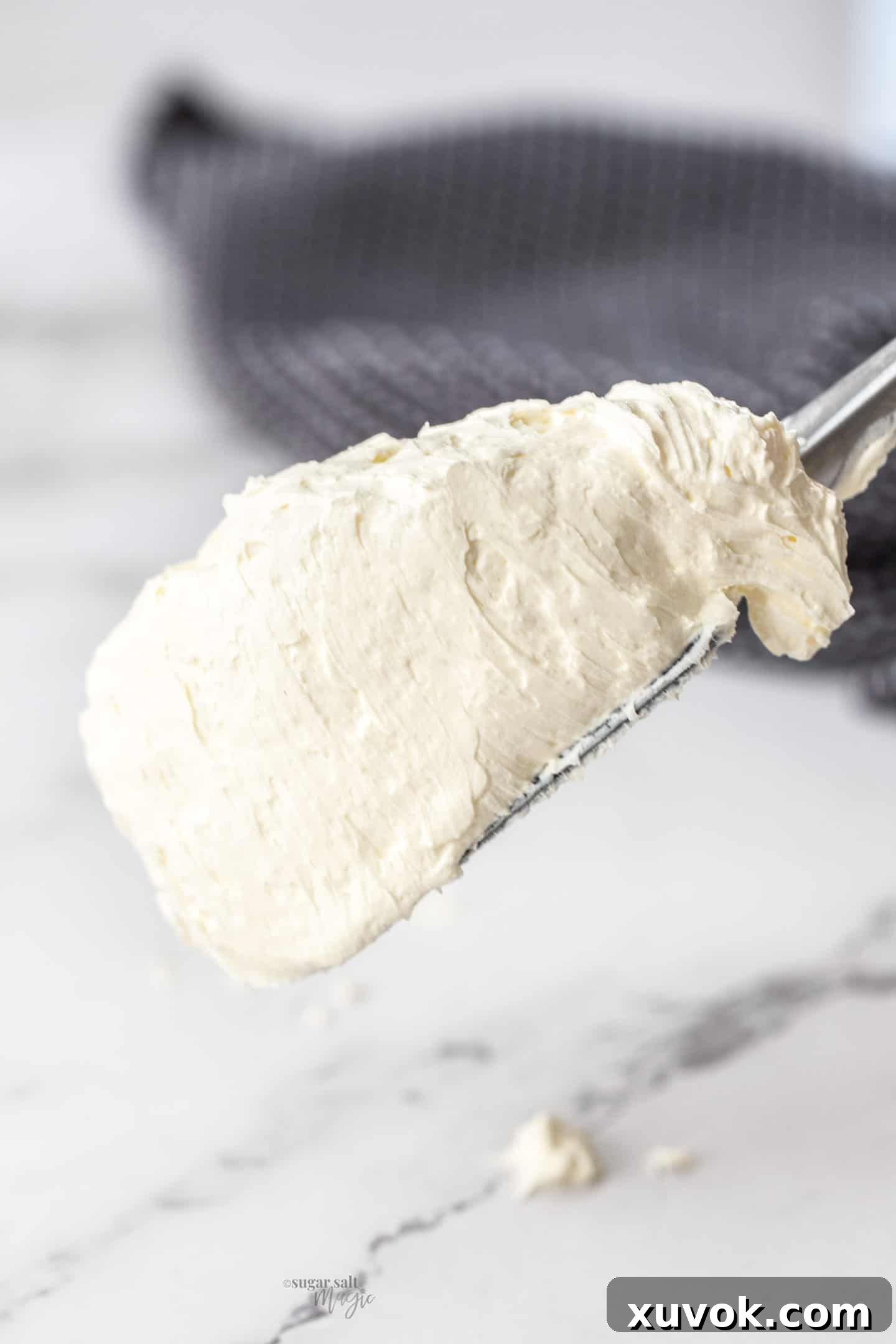
- Unrivaled Texture: Prepare for a buttercream that is thick, incredibly silky smooth, and utterly delightful on the tongue. The meticulous process of dissolving sugar and whipping the meringue creates an exceptionally fine texture, free from any graininess. It pipes beautifully, spreads effortlessly, and melts in your mouth.
- Simplicity with Few Ingredients: Despite its sophisticated reputation, this recipe requires just 5 core ingredients, which you likely already have in your pantry. This minimalist approach proves that you don’t need a long list of exotic items to create something extraordinary.
- Exceptional Stability: Swiss Meringue Buttercream is known for its robustness. It holds its shape well, making it ideal for intricate decorations and tiered cakes. While sensitive to extreme heat, it is generally more stable than American buttercream, offering peace of mind for events and celebrations.
Understanding the Buttery Flavor
Given that butter is a primary component of Swiss Meringue Buttercream, it naturally possesses a distinct buttery flavor. However, don’t mistake this for an overwhelming taste of plain butter. Our recipe is carefully formulated to use a balanced proportion of butter, ensuring you get that delightful richness without it tasting heavy or like you’re eating a stick of butter straight. The heating process of the egg whites and sugar also contributes to a lighter, less fatty overall sensation than some other buttercreams.
To further enhance and mellow the buttery notes, a good quality vanilla extract (or vanilla bean paste) is essential. Vanilla works wonders in complementing and rounding out the flavors, adding warmth and depth that prevents the butter from dominating. You can also customize the flavor profile with other extracts or additions, as we’ll discuss later, to perfectly suit your dessert.
Essential Ingredients You’ll Need
Crafting this luscious vanilla Swiss Meringue Buttercream requires only five simple, readily available ingredients. The quality of these ingredients plays a significant role in the final outcome, so choose wisely.
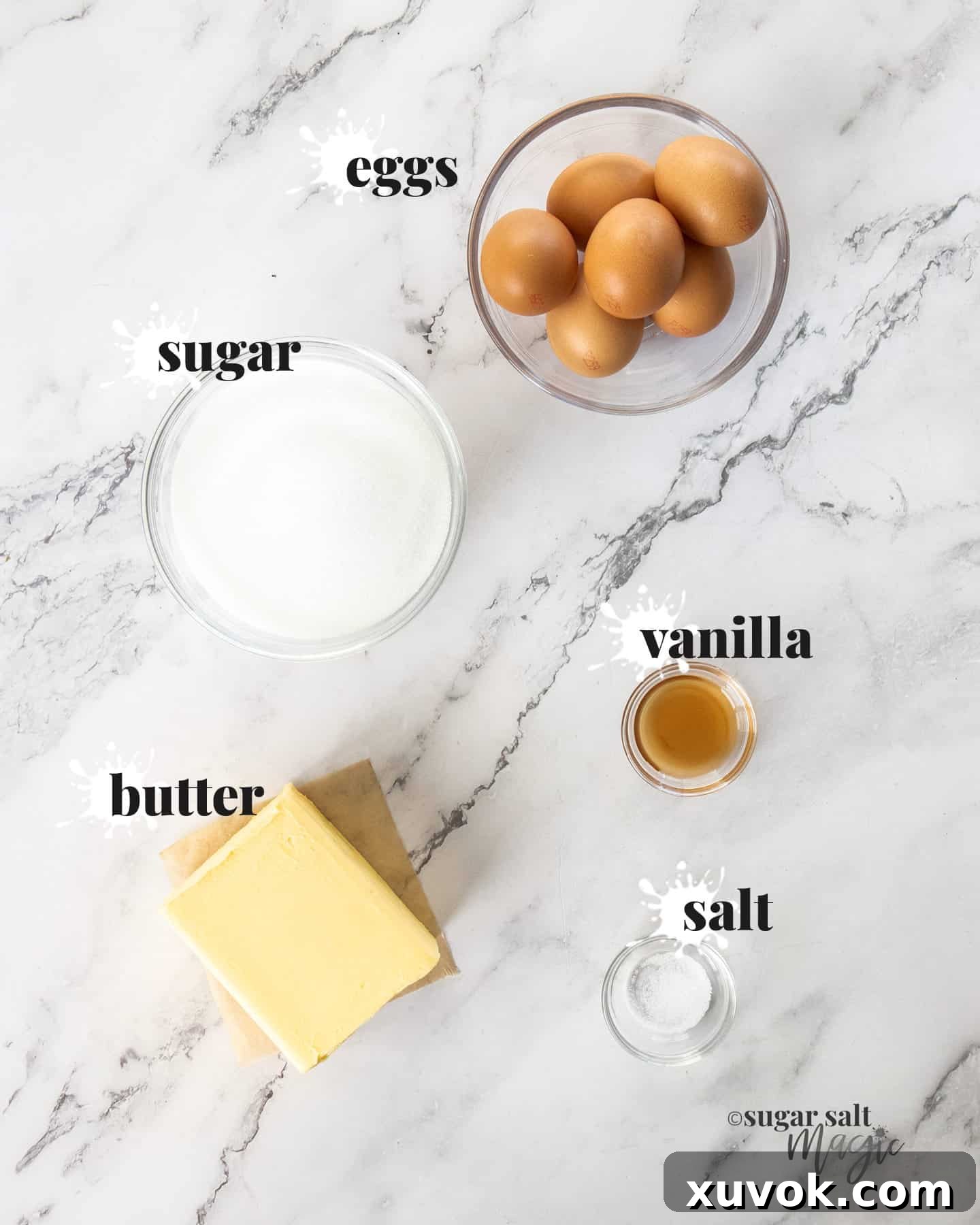
Detailed quantities and directions are provided in the recipe section below.
- Eggs: You will only need the egg whites for this recipe. It’s crucial to use fresh, high-quality eggs. For the most accurate results, weigh your egg whites rather than relying on a count, as egg sizes can vary. Store any leftover yolks for other delicious recipes like pastry cream. Ensure absolutely no trace of yolk gets into the whites, as fat can prevent the meringue from whipping properly.
- Sugar: Stick to white granulated sugar for this recipe. Caster sugar (superfine sugar) is highly recommended as its finer granules dissolve much quicker when heated, leading to a smoother meringue and preventing a grainy texture. Do not use icing sugar, powdered sugar, or confectioners’ sugar, as these contain cornstarch which will affect the meringue’s structure.
- Butter: The third foundational ingredient is butter. For optimal control over the flavor, especially the saltiness, always opt for unsalted butter. It should be slightly softened but still cool to the touch – not greasy or melted. Real dairy butter is non-negotiable for the proper consistency and flavor of SMBC; avoid margarine or butter substitutes.
- Vanilla Extract: This recipe creates a classic vanilla Swiss Meringue Buttercream. Use a high-quality pure vanilla extract or vanilla bean paste for the best flavor. Avoid artificial “vanilla essences,” which often contain synthetic flavorings and lack the depth of real vanilla. You’ll find more information on how to adapt and flavor your SMBC later in this post.
- Salt: A small pinch of salt works wonders in desserts. It balances the sweetness, enhances the overall flavor profile, and prevents the buttercream from tasting flat. Even in sweet recipes, salt is a secret weapon for flavor enhancement.
Recommended Tools for Success
Having the right tools on hand will make the Swiss Meringue Buttercream process much smoother and more enjoyable. While some items are optional, they significantly contribute to achieving perfect results.
- Saucepan: A medium-sized saucepan is needed to create a double boiler setup. You’ll fill it with about an inch of water, which will simmer beneath your heatproof mixing bowl.
- Heatproof Bowl: This bowl will sit over your simmering saucepan. It’s crucial that it fits snugly over the saucepan without touching the water, allowing the steam to gently heat the egg white and sugar mixture. Glass or stainless steel bowls are ideal.
- Balloon Whisk: You’ll use this for continuous, gentle whisking of the egg white and sugar mixture over the heat. This ensures even heating and complete dissolution of the sugar crystals.
- Candy Thermometer or Instant-Read Thermometer: While not strictly mandatory if you’re experienced, a reliable thermometer is highly recommended. It takes the guesswork out of the crucial heating step, ensuring the egg whites reach the safe-to-eat temperature of 71°C / 160°F and that all sugar is fully dissolved.
- Stand Mixer or Handheld Electric Beater: This is an absolute essential for whipping the meringue and incorporating the butter. A stand mixer with a whisk attachment is highly preferred, as the whipping process can take a considerable amount of time (10-15 minutes or more), allowing you to multitask while the mixer does its work. If using a handheld beater, be prepared for a good arm workout!
- Silicone Spatula: Useful for scraping down the sides of the bowl and for the final smoothing technique to remove air bubbles.
Step-by-Step: How to Make Swiss Meringue Buttercream
Creating Swiss Meringue Buttercream might seem intricate at first glance, but it’s a process built on a few fundamental rules. Once you understand these basic principles and follow the steps carefully, you’ll be making flawless SMBC every time. This detailed guide breaks down each stage to ensure your success.
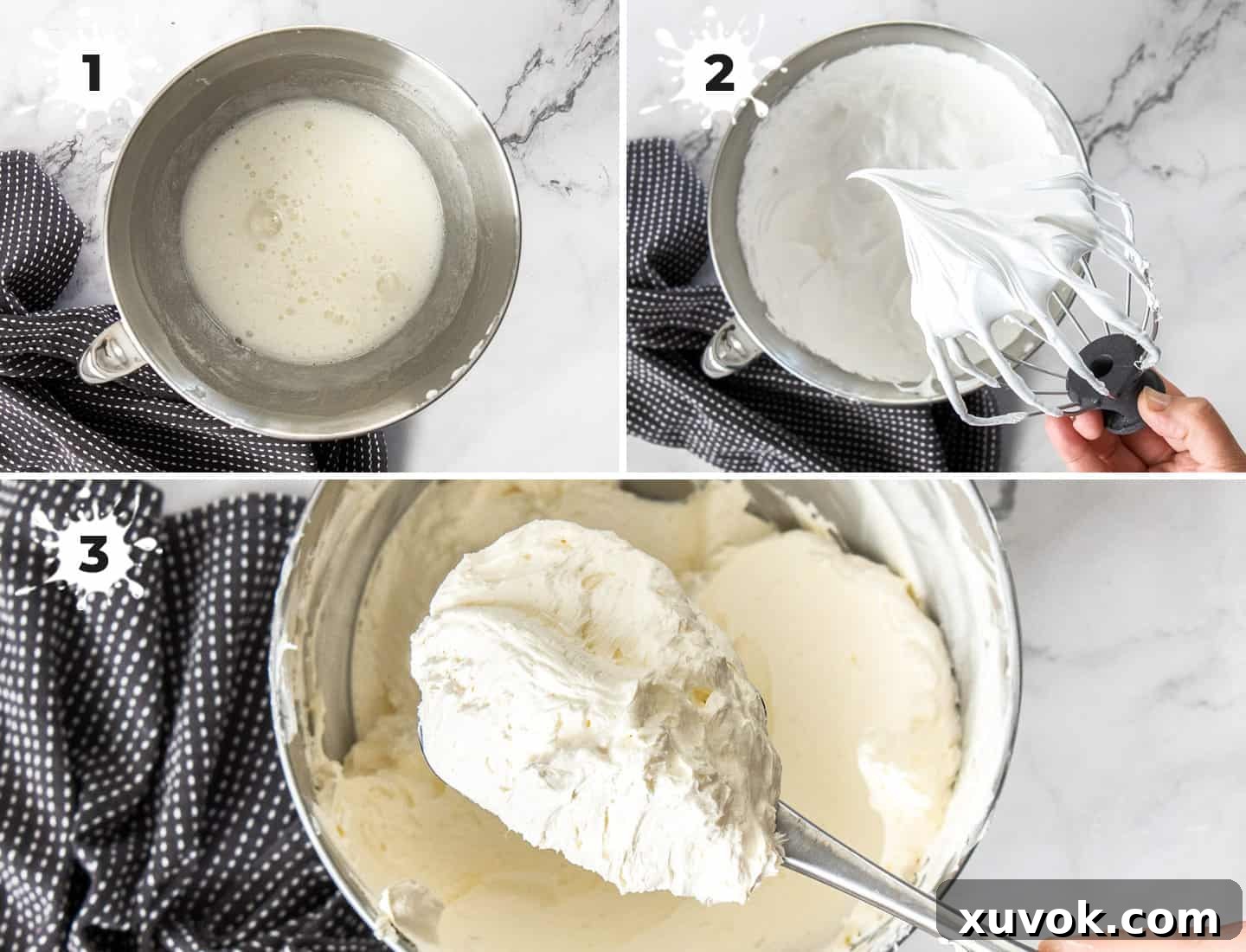
Refer to the recipe card below for precise measurements and full recipe details.
- Prepare Your Equipment: This crucial first step ensures your meringue will whip up perfectly. Even the tiniest speck of grease or egg yolk can prevent egg whites from achieving proper volume. Thoroughly clean your mixing bowl (especially if it’s plastic, which can retain grease), whisk attachment, and any other tools that will come into contact with the egg whites. A great trick is to rub a slice of lemon or a few drops of white vinegar around the inside of your bowl, then rinse it thoroughly with hot water and dry it completely. This helps to strip away any invisible fat residue.
- Carefully Separate the Eggs: Crack each egg individually over a small, separate bowl. Gently pass the yolk back and forth between the two halves of the eggshell, allowing the white to drip into the bowl below. Once separated, transfer the clean egg white to your main mixing bowl. This method safeguards against contaminating your entire batch of whites if a yolk accidentally breaks in one egg. Repeat until all egg whites are gathered.
- Heat Egg Whites and Sugar Over a Double Boiler: Combine the measured sugar with the egg whites in your large heatproof mixing bowl. Whisk them together thoroughly with a balloon whisk until well blended. Next, place this bowl over a saucepan containing about an inch of simmering water (ensure the bowl does not touch the water). Continue to whisk the mixture gently but consistently for approximately 4-5 minutes. The goal is for the mixture to reach a temperature of 71°C / 160°F on a thermometer. As you whisk, the mixture will initially be thick and gloopy, then gradually thin out and become smooth and clear as the sugar dissolves. To confirm the sugar is fully dissolved, rub a small amount of the mixture between your fingertips – it should feel completely smooth, with no grittiness. If you still feel sugar crystals, continue whisking gently over the heat for another minute or two.
- Whip the Meringue to Stiff Peaks: Immediately after removing the heated mixture from the double boiler, attach the bowl to your stand mixer (using the whisk attachment) or use a handheld electric mixer. Begin whipping the meringue at medium-high speed. This is a crucial step that can take around 10-15 minutes, sometimes longer depending on your mixer and kitchen environment (humidity can play a role). Continue beating until the meringue is incredibly thick, glossy, and holds firm, stiff peaks (see section below for visual guidance on stiff peaks). It’s equally important that the meringue and the mixing bowl have cooled down to at least room temperature. If you add butter to warm meringue, it will melt, resulting in a soupy mess. The bowl should no longer feel warm to the touch.
- Gradually Add the Butter: Once your meringue has reached stiff peaks and is completely cooled, switch from the whisk attachment to the paddle attachment on your stand mixer. With the mixer running on medium-low speed, begin adding the softened (but still cool) unsalted butter, one tablespoon at a time. Allow each tablespoon to be fully incorporated into the meringue before adding the next. This gradual addition is key to emulsifying the butter properly. Initially, the mixture may look curdled or separated – don’t panic! This is normal. Keep beating; it will eventually come together into a thick, smooth, and creamy buttercream. This stage can also take several minutes.
- Incorporate Flavoring and Salt: Once all the butter has been added and you have a beautifully thick, whipped buttercream, it’s time to add your flavoring. Pour in the vanilla extract and sprinkle in the salt. Continue beating for another 20-30 seconds to ensure the flavorings are evenly distributed throughout the buttercream. At this point, your basic vanilla Swiss Meringue Buttercream is technically ready to use.
- Smooth Out Air Bubbles: After all that whipping, your buttercream will likely contain tiny air bubbles, which can make it look less smooth when applied to a cake. To achieve a perfectly smooth finish, remove the bowl from the mixer. Using a flexible silicone spatula, gently push the buttercream against the sides of the mixing bowl, working it around. Then, pull and press it against the other side. Repeat this motion, essentially “smearing” the buttercream against the bowl, until it appears noticeably smoother and most of the large air bubbles have been worked out. Be careful not to overwork it to the point of deflating it entirely; a slight fluffiness is desirable for texture.
Achieving Stiff Peaks in Meringue
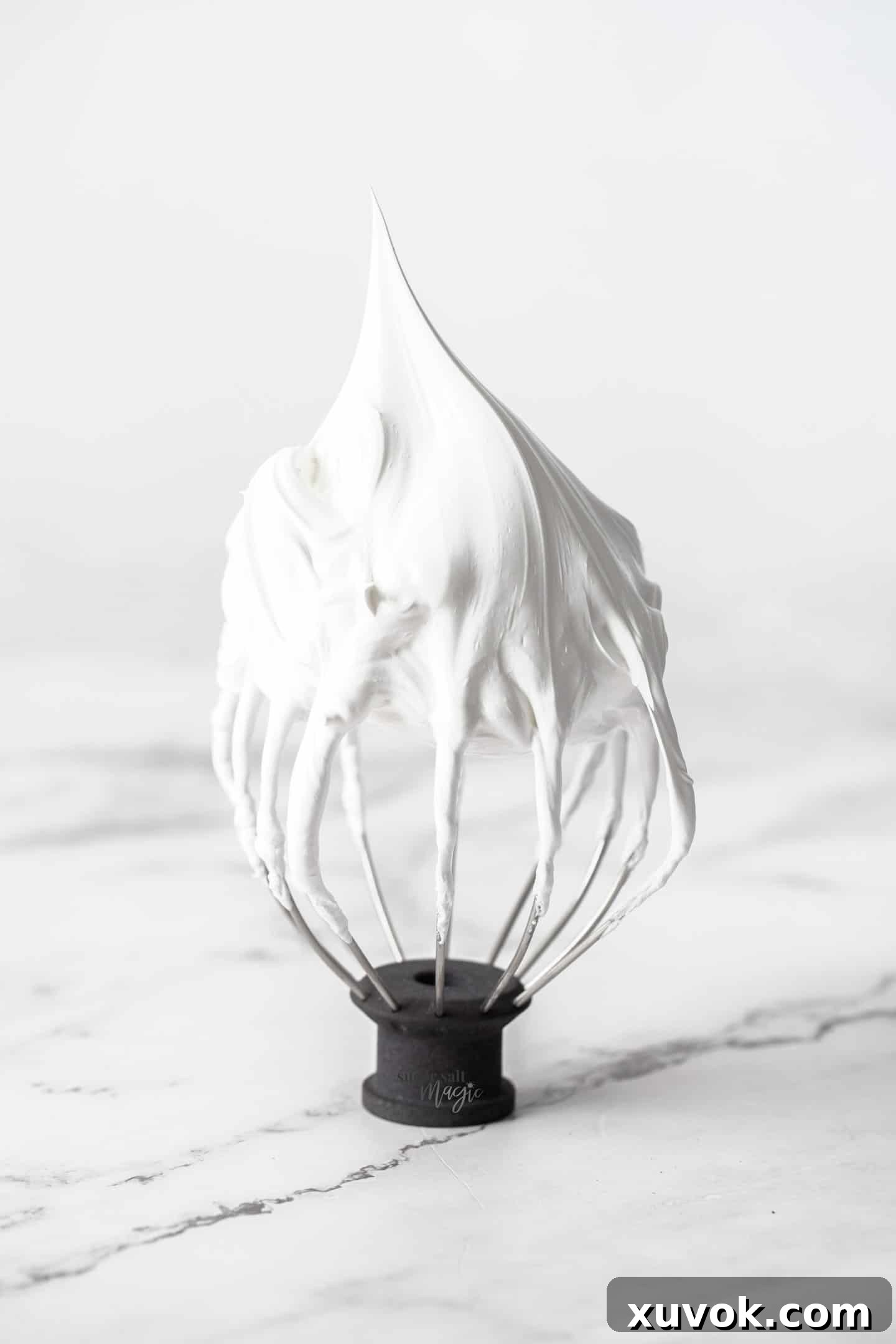
The term “stiff peaks” is often used in meringue recipes, and understanding what it means visually is crucial for successful Swiss Meringue Buttercream. When your meringue reaches the stiff peak stage, it will be:
- Glossy and Smooth: The meringue will have a beautiful sheen, indicating that the sugar is fully dissolved and the egg whites are properly aerated.
- Thick and Voluminous: It will have significantly increased in volume and appear very dense and opaque.
- Holds Its Shape Firmly: When you lift the whisk attachment straight out of the meringue, the peak that forms on the whisk (and in the bowl) will stand straight up without drooping or collapsing. It will have a sharp, defined point. If it curls over at the tip, it’s considered “soft peaks” or “medium peaks” and needs more whipping.
- Does Not Slide: If you tilt the bowl, the meringue should not slide or move easily. It should be firmly set.
A simple test is to gently turn the bowl upside down (carefully!) – the meringue should remain completely stationary. This firm structure is what gives Swiss Meringue Buttercream its incredible stability and pipeability.
Creative Ways to Flavor Swiss Buttercream
One of the fantastic attributes of Swiss Meringue Buttercream is its versatility when it comes to flavor. Once your buttercream is whipped, smooth, and ready to use, it serves as a perfect blank canvas for a myriad of delicious additions. Always add flavorings after all the butter has been incorporated and the buttercream has reached its final consistency. Start with a small amount and add more to taste, especially with potent extracts.
- Other Extracts: Beyond vanilla, the possibilities are endless. Experiment with natural flavor extracts like almond, lemon, orange, raspberry, coconut, or even a touch of rum extract. For stronger extracts such as peppermint or coffee, start by adding half the recommended amount and adjust gradually to prevent over-flavoring.
- Chocolate: Transform your SMBC into a rich chocolate delight. Melt about 150g (approximately 5 oz) of high-quality chocolate (dark, milk, or white) and let it cool slightly before folding it into the finished buttercream. For an even deeper chocolate flavor, combine melted chocolate with 1-2 tablespoons of unsweetened cocoa powder, sifted to prevent lumps.
- Caramel: For a decadent caramel buttercream, incorporate about ½ cup of thick, cooled caramel sauce. Make sure the caramel is not hot, as it could melt the buttercream.
- Berry: Infuse fruity goodness by adding high-quality fruit jam (seedless works best) or freeze-dried fruit powder. Freeze-dried raspberry or strawberry powder will impart an intense natural flavor and beautiful color without adding excess liquid.
- Coffee: A tablespoon or two of strong, cooled espresso or instant coffee dissolved in a tiny bit of hot water can create a wonderful coffee-flavored SMBC. Alternatively, explore our dedicated coffee buttercream recipe for specific guidance.
- Nut Butters: Swirl in a couple of tablespoons of smooth peanut butter, almond butter, or hazelnut spread for a rich, nutty flavor.
- Oreo or Cookie Crumbs: For a fun texture and flavor, fold in crushed Oreo cookies or other favorite cookie crumbs, similar to our Oreo Buttercream, but with the silky base of SMBC.
Remember to taste as you go, ensuring the flavor is perfectly balanced to your preference.
Troubleshooting Swiss Meringue Buttercream
Even experienced bakers can encounter issues with SMBC, but most common problems are easily fixable. Don’t despair if your buttercream doesn’t look perfect initially; patience and a few tricks are usually all you need.
Meringue Not Whipping?
This is a common issue and almost always points to one of two culprits: fat contamination or high humidity. Ensure your mixing bowl and whisk are impeccably clean and free of any grease. The smallest trace of egg yolk (fat) can prevent egg whites from aerating. Always separate your eggs one by one into a small separate bowl before adding them to your main mixing bowl to prevent a broken yolk from ruining the entire batch. High humidity in the kitchen can also make whipping difficult. On humid days, consider making your buttercream first thing in the morning when the air tends to be drier and cooler, or simply be prepared to whip for a significantly longer time.
Grainy Texture
A grainy texture indicates that the sugar crystals did not fully dissolve during the heating phase over the double boiler. Using caster (superfine) sugar can help, as its finer granules dissolve more quickly. Always perform the fingertip test: rub a tiny bit of the egg white and sugar mixture between your thumb and forefinger – it should feel completely smooth, with no grit. If you detect granules, continue heating and whisking gently until they disappear. Don’t worry if you miss a few; often, continuing to beat the meringue for a longer period during the whipping stage will eventually dissolve any stubborn crystals.
Why Does It Look Curdled?
A curdled appearance is surprisingly common during the butter addition phase. The buttercream might look chunky, soupy, or like cottage cheese. The good news is that nine times out of ten, this is a normal phase, and all it needs is more beating! Keep the mixer running on medium-high speed. The mixture will almost magically transform from a curdled mess into a smooth, emulsified buttercream. If, after several minutes, it’s getting thicker but still curdled, or if it feels very cold, you can gently warm it: place the bowl back over your simmering water for just 30-60 seconds, rotating it. This will slightly melt a portion of the buttercream at the edges. Remove it from the heat and continue beating. The gentle warmth helps the fats and liquids emulsify properly, and it should become smooth and creamy.
Why Is My Buttercream Soupy?
If your Swiss Meringue Buttercream turns very liquidy or soupy, the most likely culprit is adding the butter before the meringue has completely cooled to room temperature. Warm meringue will melt the butter instantly, leading to a liquid consistency. To fix this, simply place the entire mixing bowl (with the soupy buttercream) into the refrigerator for 10-15 minutes to chill it down. Then, take it out and continue beating on medium-high speed. As it cools and is agitated, it will firm up and become perfectly thick and whipped.
How to Thicken Swiss Meringue Buttercream
Similar to the soupy issue, if your buttercream isn’t thickening or holding its shape, it could be due to melted butter, or perhaps your butter was too soft to begin with (it should be slightly softened but still cool). The solution is the same: chill it. Place the mixing bowl in the fridge for 10-15 minutes, then remove and beat again. The cooler temperature will allow the butter to firm up slightly, and continued whipping will help it emulsify and thicken into the desired consistency.
How to Smooth Swiss Meringue Buttercream
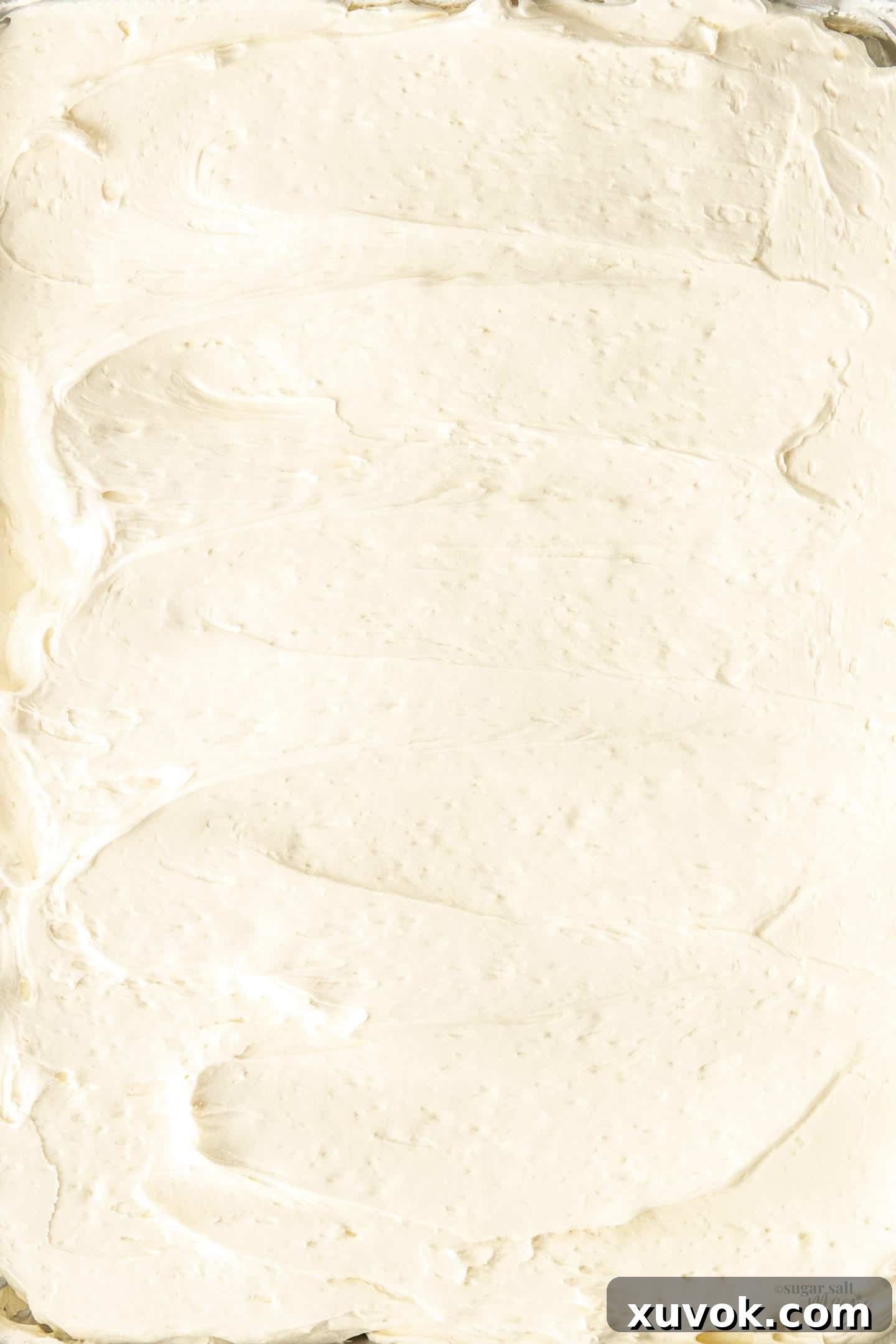
After prolonged beating, especially at high speeds, your buttercream can incorporate a lot of tiny air bubbles, which can make it look less smooth when spread or piped. To achieve that pristine, silky finish, use a flexible silicone spatula. Press the buttercream firmly against the sides of the mixing bowl, working it around to “smear” out the larger air pockets. Continue this process until the buttercream looks noticeably smoother and denser. Be gentle, as you don’t want to completely deflate the lovely fluffy texture you worked hard to achieve.
How Do I Make My Swiss Meringue Buttercream White?
The natural color of your buttercream will largely depend on the yellowness of your butter. For a whiter buttercream, choose a butter that is naturally paler. You can enhance the whiteness by adding a tiny amount of white gel food coloring. Alternatively, an old baker’s trick is to add an almost imperceptible speck of purple gel food coloring (we’re talking the tip of a toothpick amount). Purple is opposite yellow on the color wheel and will neutralize the yellow tones, making the buttercream appear whiter. Be extremely cautious not to add too much, or your buttercream will turn lavender! Another option is to substitute a small portion of the butter with vegetable shortening, which is typically white, though this may slightly alter the flavor and texture.
Why Does It Get So Firm in the Fridge?
Due to its high butter content, Swiss Meringue Buttercream will become quite firm, almost solid, when refrigerated. This is perfectly normal and a sign of its stability. To restore its creamy texture, simply remove it from the fridge and allow it to come to room temperature for at least 30 minutes to an hour (or longer, depending on the quantity). Once it’s softened, give it a good whip in your stand mixer for 1-2 minutes until it’s smooth, airy, and spreadable again.
My Mixer is Burning Up – Can I Stop?
Absolutely! The whipping process for meringue and then buttercream can be quite long, especially for handheld mixers. If you notice your mixer motor getting hot or emitting a burning smell, by all means, turn it off and let it rest and cool down for 10-15 minutes. You can pick up right where you left off without any issues to your buttercream.
How to Store Swiss Meringue Buttercream
Proper storage is key to enjoying your Swiss Meringue Buttercream for longer. Its stability allows for various storage methods:
- Room Temperature: Swiss Meringue Buttercream is surprisingly stable at room temperature. It can be stored well-covered in an airtight container for up to 1-2 days, provided your room temperature is moderate (around 20°C / 68°F or below). If your kitchen is warmer or humid, it’s best to refrigerate it. Before using, give it a quick whip for a minute or two to restore its creamy texture.
- Refrigerator: For longer storage, the refrigerator is your best friend. Store SMBC in an airtight container or keep it in your stand mixer bowl, covered tightly with plastic wrap directly touching the surface to prevent a crust from forming. It will keep beautifully for up to 5-7 days in the fridge. When ready to use, remove it from the refrigerator at least 1-2 hours before you plan to frost, allowing it to come to room temperature. Once softened, re-whip it with a paddle attachment until it’s light, fluffy, and smooth again. If it’s already on a cake or cupcakes, simply take them out an hour before serving to let the buttercream soften to an enjoyable consistency.
- Freezer: Swiss Meringue Buttercream freezes exceptionally well. Store it in an airtight, freezer-safe container for up to 3 months. To use, transfer it to the refrigerator to thaw overnight, then allow it to come to room temperature on the counter for an hour or two. Once softened, re-whip it thoroughly in your stand mixer until it is perfectly creamy and smooth again. It will taste just as fresh as the day you made it!
Frequently Asked Questions (FAQs) About SMBC
Here are answers to some of the most common questions about Swiss Meringue Buttercream:
Does this frosting need to be refrigerated?
While generally stable, the need for refrigeration depends on your ambient temperature and humidity. At a moderate room temperature (around 20°C / 68°F), it can be safe and stable for 1-2 days. For longer storage or in warmer, more humid conditions, refrigeration is recommended. If stored in the fridge, take it out at least an hour before use to allow it to soften. If it’s in a mixing bowl, re-whip it until creamy. If it’s already on a cake or cupcakes, simply let them sit out for an hour before serving to achieve the ideal texture.
Is this buttercream safe to eat?
Yes, absolutely! The heating of the egg whites and sugar over the double boiler ensures that the egg mixture reaches a temperature of 71°C / 160°F. At this temperature, the eggs are pasteurized, making them completely safe to eat. You are no longer consuming raw eggs, but rather a stable, cooked meringue base.
How do you color Swiss buttercream?
Swiss Meringue Buttercream takes gel food colorings beautifully. Gel colors are highly concentrated and won’t add excess liquid, which could thin out your frosting. Avoid liquid food colorings for this reason. Add the gel coloring along with your flavorings at the very end of the process, after all the butter has been incorporated and the buttercream is smooth. Start with a tiny drop and gradually add more until you achieve your desired shade.
Is Swiss meringue buttercream stable?
Yes, SMBC is celebrated for its excellent stability. It holds its shape extremely well, making it ideal for piping intricate decorations, filling layered cakes, and transporting desserts. It’s more resilient to warmer temperatures than many other buttercreams, though extreme heat or high humidity can still cause it to soften or melt. In such conditions, it’s always best to keep your frosted treats stored in the fridge, taking them out just an hour before serving.
Can this be used under fondant?
Absolutely! Swiss Meringue Buttercream is an excellent choice for a smooth, stable base under fondant. Its firm yet creamy texture provides a perfect canvas, and its lower sweetness complements the sugary taste of fondant beautifully.
If you try this Swiss Meringue Buttercream recipe, please take a moment to leave a rating and comment below. Your feedback is incredibly valuable and helps other readers! You can also share your creations by tagging @sugarsaltmagic on Instagram.
Inspiring Uses for Swiss Meringue Buttercream
The versatility and delightful texture of Swiss Meringue Buttercream make it suitable for a wide array of desserts. Here are just a few ideas to get your creativity flowing:
- Cupcakes: Pipe gorgeous swirls onto light and fluffy vanilla cupcakes or rich chocolate cupcakes. Its stability ensures your decorations stay put.
- Layered Cakes: SMBC is the ultimate frosting for filling and covering multi-layered cakes, providing a smooth, sturdy exterior. It works beautifully in a layered cake like this one and our luxurious Black Velvet Cake.
- Cake Pops and Cake Balls: Use it as a binder for cake pops, then dip them in melted chocolate for a perfect finish.
- Macarons: SMBC makes an exquisite, less-sweet filling for delicate French macarons.
- Tarts and Pies: Pipe a decorative border or a full topping onto fruit tarts or chocolate pies for an elegant touch.
- Whoopie Pies: Sandwich a generous dollop of SMBC between two soft cake-like cookies for a gourmet whoopie pie.
- Dessert Shots: Layer SMBC with cake crumbs, fruit, or chocolate ganache in small glasses for elegant dessert shooters.
Never Miss a Recipe!
Get the latest recipes straight to your inbox!
Swiss Meringue Buttercream Recipe
4 cups
40 minutes
5 minutes
45 minutes
Creamy, incredibly smooth, and not as sickeningly sweet as some other buttercreams, learn how to make Swiss Meringue Buttercream in this detailed tutorial. With just 5 ingredients, this Swiss buttercream will become your go-to frosting recipe.
Ingredients
- 180 g egg whites (roughly 6 large eggs, see notes)
- 336 g caster / superfine sugar (1 2/3 cups)
- 340 g unsalted butter, slightly softened but cool and not greasy (3 sticks / 1 1/2 cups)
- 2 teaspoons vanilla extract (pure vanilla is best)
- ¼ teaspoon salt
For best results, always weigh ingredients where a weight is provided.
Instructions
- Rub a little white vinegar or lemon juice around the inside of your mixing bowl, rinse thoroughly, and dry completely. This removes any lingering grease that could hinder meringue whipping.
- Heat about 1 inch of water in a medium saucepan until it’s simmering gently (not boiling vigorously).
- Add the egg whites to a large heatproof mixing bowl, then add the sugar. Whisk them together with a balloon whisk until well combined.
- Place the bowl over the simmering water (making sure the bottom of the bowl does not touch the water). Continue to gently whisk and stir for approximately 4-5 minutes, until the mixture’s temperature reaches 71°C / 160°F. Rub a small amount between your fingers; there should be no sugar granules left. If there are, continue stirring over the heat for another minute or two until completely smooth.
- Immediately transfer the hot bowl to your stand mixer and fit it with the whisk attachment. Whisk on medium-high speed until the meringue forms stiff, glossy peaks and the bowl, along with the meringue, has cooled completely to room temperature. This can take 10-15 minutes or more. If stiff peaks are achieved but the meringue is still warm, let it sit for a few minutes until cool before proceeding. Adding butter to warm meringue will cause it to melt.
- Once the meringue is cool and at stiff peaks, swap the whisk attachment for the paddle attachment. With the mixer running on medium-low speed, add the slightly softened butter one tablespoon at a time, allowing each addition to fully incorporate before adding the next. Continue this process until all the butter is combined.
- At this stage, the mixture should transform from possibly looking curdled or soupy into a thick, smooth, and creamy buttercream. If it’s not thickening or holding its shape, place the bowl in the fridge for 10-15 minutes, then re-whip until it reaches the desired consistency.
- Add the vanilla extract and salt. Mix for a good 20-30 seconds to ensure all flavorings are thoroughly combined and evenly distributed.
- Your Swiss Meringue Buttercream is now ready to use. For an extra smooth finish, gently press the buttercream against the sides of the bowl with a spatula to remove any remaining air bubbles.
Notes
- For the most accurate results, it is highly recommended to weigh the egg whites and sugar.
- Granulated sugar can be used, but caster (superfine) sugar is superior as its finer crystals dissolve more quickly and completely, resulting in a silkier meringue. Avoid icing/powdered sugar.
- This recipe yields approximately 4 cups of buttercream, which is sufficient for generously frosting an 8-inch, 3-layer cake or about 12-16 cupcakes.
- If your buttercream appears soupy or runny, don’t panic! Simply place the entire mixing bowl into the refrigerator for 10-15 minutes to chill, then remove and whip it again. It should firm up beautifully.
- If your mixer motor starts to overheat during the long whipping process, feel free to pause and let it cool down for a few minutes before resuming. It will not harm the buttercream.
- Swiss Meringue Buttercream can be stored for 1-2 days at room temperature (around 20°C / 68°F), or for up to 5-7 days in the refrigerator when covered tightly.
- When retrieving refrigerated buttercream from the fridge, allow it to come to room temperature, then re-whip it for a couple of minutes until it regains its smooth, creamy, and spreadable texture.
- A curdled appearance during the butter incorporation stage is very common. Just keep beating, and it will miraculously come together into a smooth buttercream.
- For more in-depth tips on flavoring, troubleshooting common issues, and comprehensive storage guidelines for Swiss Meringue Buttercream, please refer to the main article above.
- Calories shown are approximate per cup of frosting and may vary based on ingredient brands and exact measurements.
EXPLORE MORE FROSTINGS, SAUCES AND SPREADS!
1024 kcal
Marie Roffey
Dessert
Swiss, World
Have you tried this recipe?
Don’t forget to leave a rating and comment below and let me know how it was! I love hearing from you. Nutrition information is approximate and derived from an online calculator. The brands you use may cause variations.