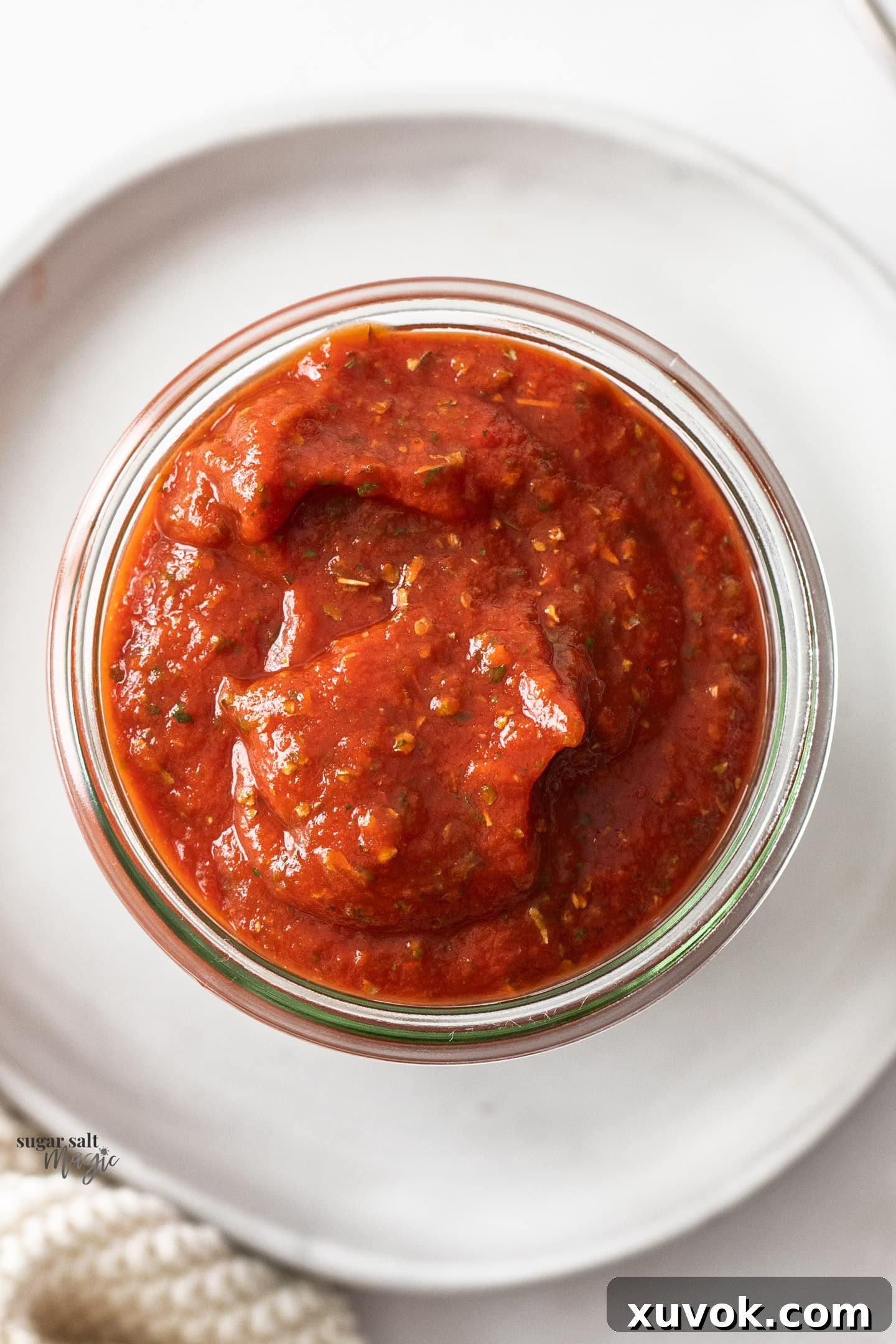
Quick & Easy Homemade Pizza Sauce: Your No-Cook 5-Minute Recipe for Pizza Night
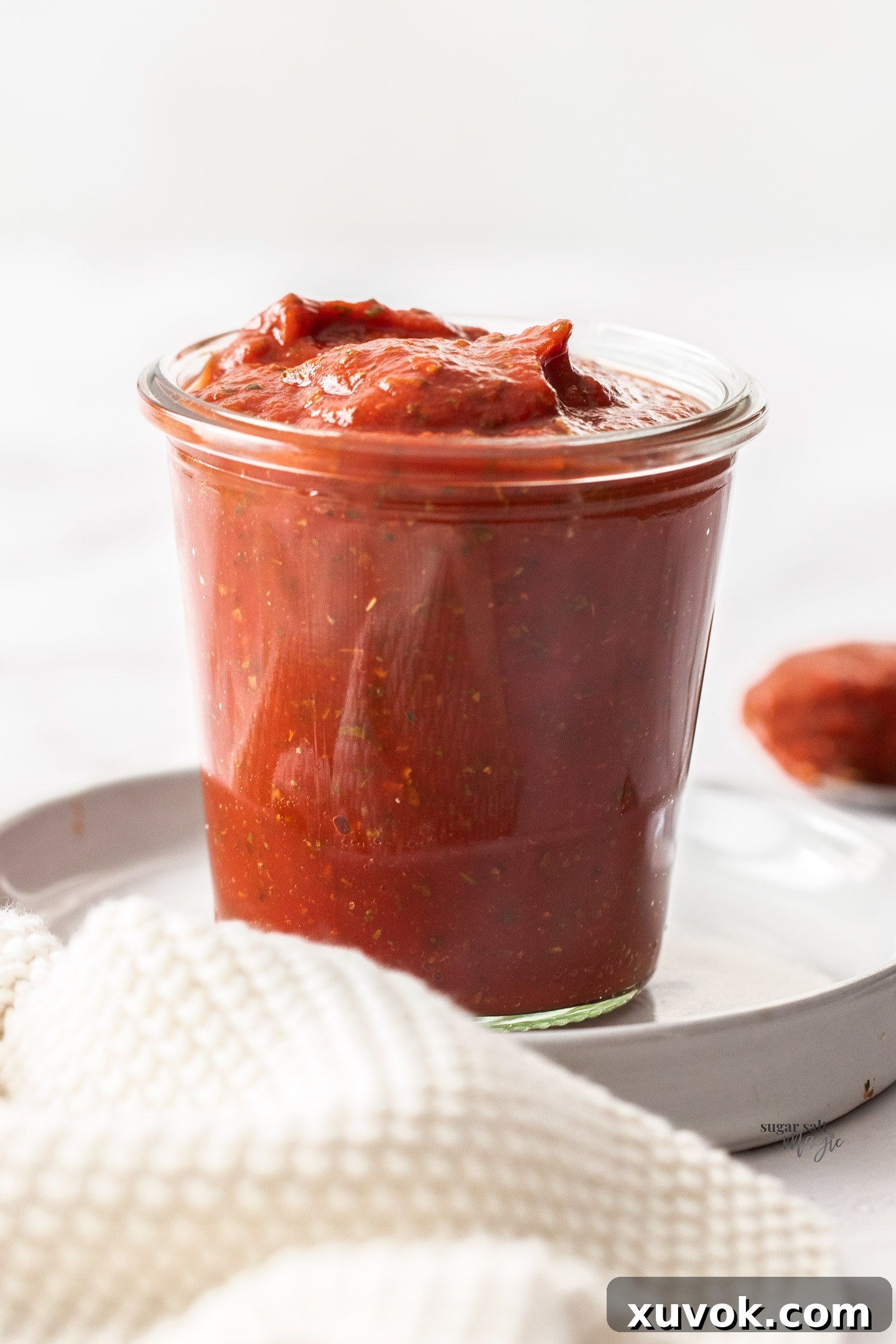
Transform your homemade pizzas from good to absolutely sensational with this incredibly simple, no-cook pizza sauce recipe. Crafted from essential pantry staples like rich tomato paste and smooth passata, complemented by a perfect blend of seasonings, this sauce is a true flavor powerhouse. Best of all, it comes together in just 5 minutes, leaving you more time to enjoy your culinary creations.
Forget store-bought alternatives laden with unknown ingredients and preservatives. This DIY pizza sauce offers unparalleled freshness and a depth of flavor that only homemade can achieve. Its robust, umami-rich profile makes it an essential component for any pizza enthusiast. While primarily designed for pizza, its vibrant taste and ideal consistency can even elevate a quick pasta dish or serve as a delicious dipping sauce.
Imagine a bustling pizza night at home: the aroma of fresh dough, bubbling cheese, and that signature tangy, sweet, and savory tomato base. This easy red sauce is precisely that missing piece, ensuring every bite is bursting with authentic Italian-inspired taste. Its quick preparation means you can whip up a fresh batch whenever the craving strikes, or keep it on hand for spontaneous pizza parties.
Now that you have the secret to an amazing sauce, you’re ready to complete your pizza masterpiece. Pair this phenomenal sauce with your favorite homemade pizza dough. This is the very same mouthwatering sauce I personally use on my pizza fritta (fried pizza), proving its versatility and irresistible appeal across various pizza styles. Get ready to impress your family and friends with pizzas that taste like they came straight from a gourmet Italian kitchen.
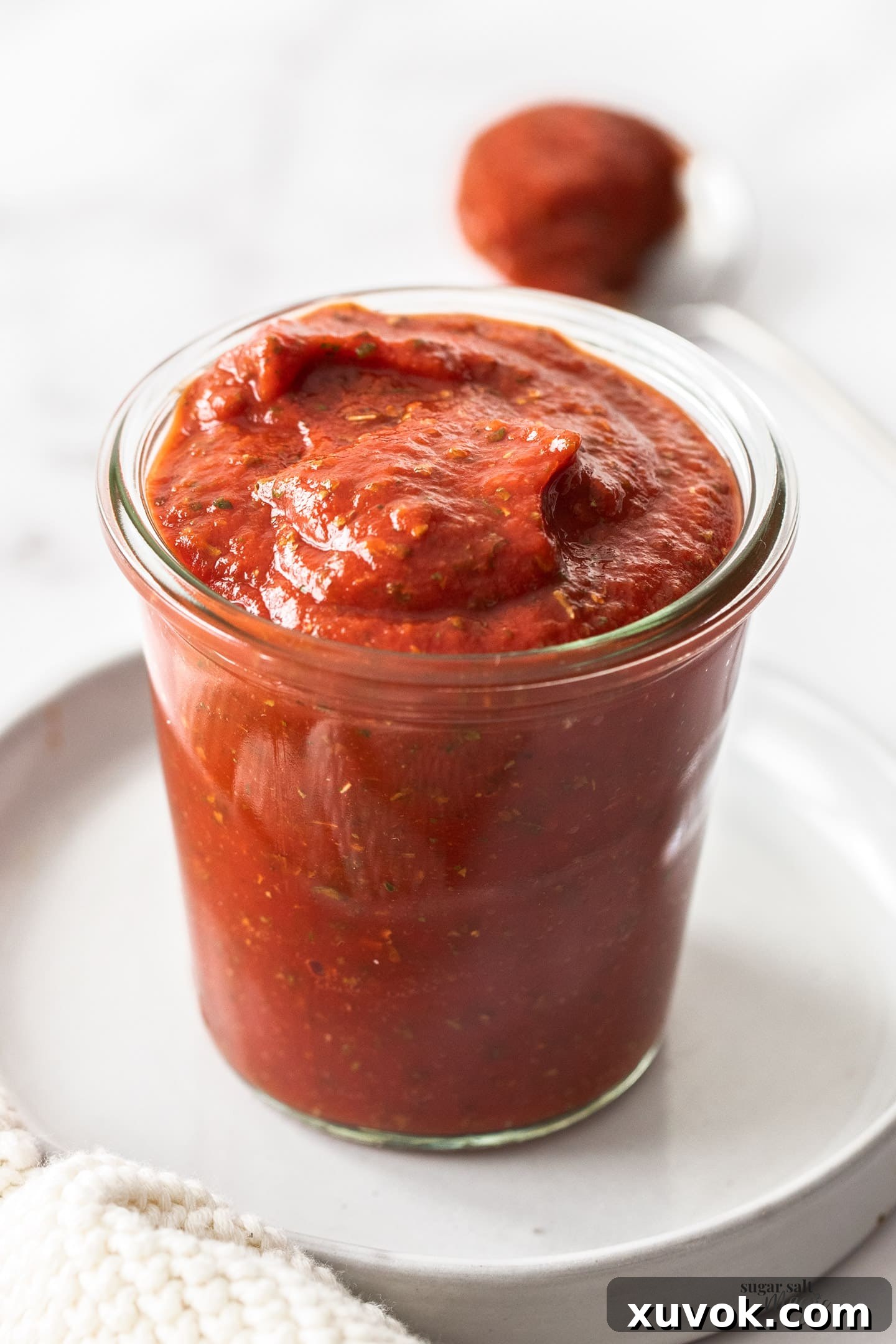
Table of Contents
- Quick & Easy Homemade Pizza Sauce: Your No-Cook 5-Minute Recipe for Pizza Night
- Essential Ingredients for the Best Homemade Pizza Sauce
- Customizing Your Pizza Sauce: Simple Substitutions and Additions
- Step-by-Step Guide to Making No-Cook Pizza Sauce at Home
- Homemade Pizza Sauce FAQs
- Storage Tips for Your Homemade Pizza Sauce
- More Delicious Sauce and Condiment Recipes You’ll Love
Never Miss a Recipe!
Get the latest, most exciting recipes straight to your inbox and elevate your home cooking game!
Essential Ingredients for the Best Homemade Pizza Sauce
Creating an exceptional pizza sauce doesn’t require a long list of obscure ingredients. In fact, you only need 6 very common pantry staples to achieve a richly flavored and perfectly textured sauce. This means you can always have what you need on hand, ready to whip up a fresh batch for your next pizza night, making last-minute meal planning a breeze.
The beauty of this recipe lies in its simplicity and the quality of its core components. When combined, these humble ingredients transform into a vibrant, savory sauce that will be the star of your pizza. Let’s delve into the specific ingredients and why each plays a vital role in achieving that perfect homemade taste.
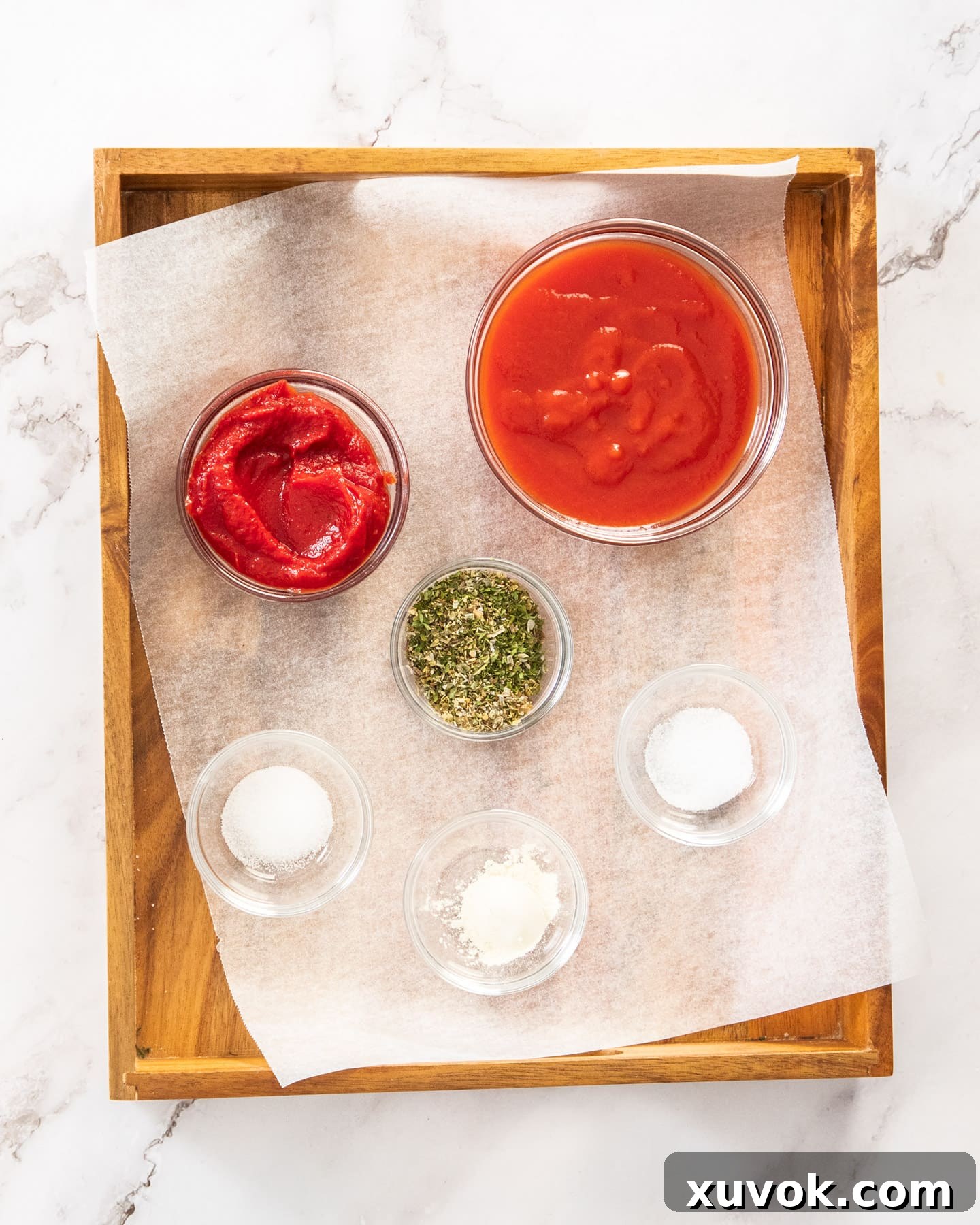
For a complete list of ingredients with precise measurements and detailed instructions, please jump to the recipe card below.
- Tomato Passata: This is the cornerstone of our smooth, no-cook pizza sauce. Tomato passata is a silky, uncooked puree of fresh, strained tomatoes, providing a bright, natural tomato flavor and a perfect consistency without any chunks. Its purity allows the other flavors to shine. If passata isn’t readily available, you can substitute with smooth tomato puree (which is typically a cooked sauce) or even high-quality crushed tomatoes, blending them thoroughly to achieve a similar smooth texture.
- Tomato Paste: A small but mighty ingredient, tomato paste is a highly concentrated tomato product with a thick, spreadable consistency. It’s absolutely crucial for adding an intense depth of umami and a rich, robust tomato flavor that truly distinguishes a great pizza sauce. You can opt for a regular tomato paste or, for an even deeper, more complex umami profile, consider using a sun-dried tomato paste. This small addition makes a significant difference in the sauce’s overall richness and savoriness.
- Seasonings: The simple yet effective blend of seasonings transforms the tomato base into a classic pizza sauce. We use dried Italian herbs, which typically include a fragrant mix of oregano, basil, thyme, and rosemary. If you don’t have a pre-made Italian blend, individual dried herbs like oregano and basil work wonderfully. A touch of salt enhances all the flavors, while onion powder provides a subtle aromatic depth. For those who love a garlicky kick, a pinch of garlic powder can be added for an extra layer of savory goodness.
The Secret Weapon: Don’t Skip the Sugar! It might seem counterintuitive to add sugar to a savory sauce, but this tiny amount serves two incredibly important purposes. Firstly, it masterfully balances the natural acidity of the tomatoes, preventing any bitterness and creating a harmonious flavor profile. Secondly, and perhaps more surprisingly, it actively enhances and brightens the inherent sweetness and richness of the tomato flavor, making the sauce truly pop. Trust me, it’s a game-changer!
Customizing Your Pizza Sauce: Simple Substitutions and Additions
One of the joys of making your own pizza sauce is the freedom to customize it to your personal taste. While the base recipe is fantastic as is, a few simple tweaks can create exciting new flavor dimensions. Whether you’re looking to personalize the herb blend, add a spicy kick, or introduce a touch of tang, these substitutions and additions offer endless possibilities.
- Crafting Your Own Italian Herb Blend: If you prefer to mix your own dried Italian herbs or don’t have a pre-made blend, feel free to get creative. Excellent combinations include dried basil, dried oregano, dried parsley, dried rosemary, dried thyme, or dried marjoram. Even just one or two of these herbs will impart a wonderful, aromatic flavor to your sauce. The key is to use herbs that complement the tomato base, with oregano and basil being traditional staples.
- Adding a Spicy Kick: For those who love a bit of heat, incorporating dried chili flakes (also known as red pepper flakes) is an excellent choice. Start with a quarter teaspoon and add more to taste, depending on your preferred level of spice. This addition can transform your sauce, giving it a vibrant kick similar to my popular Arrabbiata sauce, perfect for pepperoni or spicy sausage pizzas.
- A Touch of Tang: To introduce a bright, zesty note and further enhance the acidity balance, consider adding up to 2 teaspoons of good quality balsamic vinegar. The vinegar adds a subtle sweetness and a complex tang that deepens the overall flavor profile of the sauce. White wine vinegar or red wine vinegar can also be used for a similar effect, though balsamic offers a unique richness.
- Fresh Garlic and Onion: While this is a no-cook recipe, if you desire the robust flavor of fresh garlic and onion, you have a couple of options. You can finely mince a clove or two of garlic and a quarter of an onion and allow the sauce to sit overnight in the fridge. This gives the fresh aromatics time to meld and soften. Alternatively, for a cooked sauce, you could sauté these until fragrant before combining with the other ingredients, but remember, this would no longer be a strictly “no-cook” recipe.
- Smoked Paprika for Depth: A dash of smoked paprika (¼ to ½ teaspoon) can add a wonderfully smoky and earthy undertone, particularly if you’re aiming for a more complex, gourmet pizza flavor.
Step-by-Step Guide to Making No-Cook Pizza Sauce at Home
You’ll be amazed at how effortlessly this flavorful pizza sauce comes together. Its incredible simplicity means there’s no reason to ever reach for a jar of store-bought sauce again. With just 5 minutes of your time, you can create a fresh, vibrant, and delicious sauce that you control every ingredient of. The beauty of this recipe is that it’s designed to be uncooked, which preserves the bright, fresh flavor of the tomatoes, making it truly stand out.
For detailed ingredient quantities and complete instructions, please refer to the full recipe card below.
- Gather Your Ingredients: Start by assembling your passata, tomato paste, dried Italian herbs, onion powder, salt, and sugar. Having everything measured and ready will make the process even quicker.
- Combine and Mix: In a medium-sized bowl, simply add all of the listed ingredients. Using a spoon or a small whisk, mix everything thoroughly until all the ingredients are fully incorporated and the sauce is smooth and uniform in color and consistency. There’s no need for fancy equipment or extensive blending.
- Taste and Adjust: Once mixed, taste the sauce. This is your opportunity to adjust the seasonings to your preference. You might want to add a tiny pinch more salt if you prefer a saltier profile, or a touch more sugar if your tomatoes are particularly acidic. This raw sauce allows for easy customization before it even touches your pizza.
- Ready to Use (or Rest for Deeper Flavor): That’s it! Your homemade pizza sauce is ready to be spread directly onto your pizza dough. The “no simmer on the stove” aspect makes this recipe incredibly convenient.
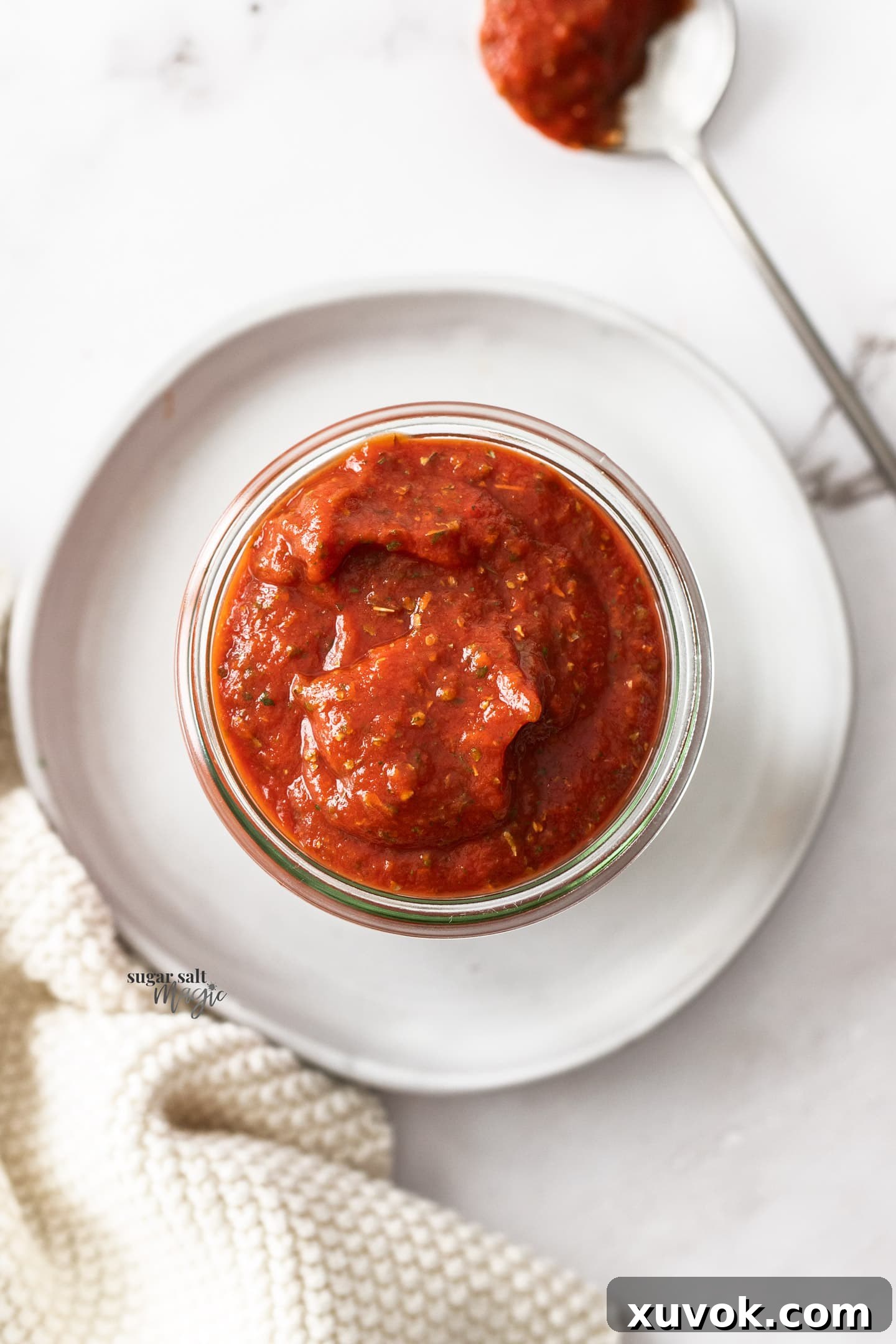
Because this homemade pizza sauce recipe is entirely uncooked, it performs best when used in applications where it will be baked or cooked later. This includes, of course, homemade pizzas, but it’s also excellent in dishes like these delightful pizza scrolls. While you can certainly use it without cooking – perhaps spread in a sandwich or as a fresh dipping sauce for breadsticks – for optimal flavor development and softening of the dried herbs, it’s highly recommended to let it sit in the refrigerator overnight. This resting period allows the flavors to truly meld and deepen, resulting in an even more delicious experience.
Homemade Pizza Sauce FAQs
No, not necessarily! This particular homemade pizza sauce recipe is designed to be completely uncooked. Its thick consistency coats pizza dough perfectly without adding excess moisture, ensuring a crisp crust rather than a soggy one. The flavors will meld and deepen beautifully as it bakes on your pizza. If you plan to use this sauce for an uncooked application, such as spreading on sandwiches or as a dip, it’s best to prepare it at least 24 hours in advance. This resting period allows the dried herbs to fully soften and the flavors to fully integrate, resulting in a more harmonious and delicious taste.
While both pizza sauce and spaghetti sauce are tomato-based, they differ significantly in consistency and often in ingredients. Pizza sauce is intentionally much thicker, with a lower water content, to prevent it from making the pizza crust soggy during baking. Its flavor profile tends to be brighter and more concentrated, designed to complement other pizza toppings. Spaghetti sauce, on the other hand, typically has a thinner consistency and may contain chopped tomatoes, vegetables, and more complex herb blends that are often simmered for a longer period. While they share a similar base, they are optimized for very different culinary uses. For a sauce specifically tailored for pasta, try my homemade pasta sauce.
Using just any tomato sauce for pizza is generally not recommended, and often leads to disappointing results. Generic tomato sauces, including some pasta sauces or canned tomato products not specifically labeled for pizza, often lack the proper consistency and flavor balance required for a great pizza. They tend to have a higher water content, which can make your pizza crust soggy and unappetizing. Furthermore, their seasoning profiles might not be robust enough to stand up to the heat of the oven and the other strong flavors on a pizza. This homemade pizza sauce, however, is specifically formulated with the ideal consistency and a balanced flavor profile to ensure your pizza is always perfectly sauced and never soggy.
Please refrain from substituting spaghetti sauce for pizza sauce if you want to avoid a soggy pizza! As discussed, spaghetti sauces generally have a significantly higher water content compared to pizza sauces. Applying a thin, watery sauce to your pizza dough will inevitably lead to a damp, undesirable crust. Pizza sauce is specifically crafted to be much thicker and more concentrated, with a lower moisture content, making it perfect for generously coating your pizza without any risk of it turning out soggy. Stick to a dedicated pizza sauce for the best texture and flavor results.
This fantastic homemade pizza sauce recipe is perfectly portioned to cover two large (approximately 10-12 inch) pizzas. This makes it ideal for a typical family pizza night or a small gathering. You’ll have just the right amount of flavorful sauce to evenly coat both crusts without overdoing it, ensuring a balanced and delicious outcome for each pizza.
Absolutely! This recipe is incredibly versatile and scales up very easily, making it perfect for larger pizza nights or for meal prepping. If you’re hosting a big pizza party, simply divide the total number of pizzas you plan to make by two (since one batch covers two pizzas), and then multiply the recipe ingredients by that result. For instance, if you’re making 4 pizzas, you’ll need to double the recipe. For 8 pizzas, quadruple it, and so on. Making a larger batch is a great way to save time and ensure you always have homemade pizza sauce ready to go, as it stores wonderfully in the fridge for a couple of weeks.
While this recipe uses passata and tomato paste for convenience and a smooth finish, traditionally, many Italian pizza sauces are made with high-quality canned whole peeled tomatoes, such as San Marzano tomatoes. These tomatoes are renowned for their sweet flavor and low acidity. If you prefer to use whole canned tomatoes, you would simply crush them by hand or pulse them lightly in a food processor, then combine them with the other seasonings. However, for a truly quick, no-cook, and smooth sauce, passata remains the best choice.
Yes, you can easily adjust the consistency. To make the sauce thinner, you can add a very small amount of vegetable broth or water, one teaspoon at a time, until you reach your desired consistency. Be cautious not to add too much, as a runny sauce can make your pizza soggy. To make it thicker, you can slightly increase the amount of tomato paste or let it sit uncovered in the fridge for a few hours, which allows some moisture to evaporate naturally. However, this recipe is already formulated for an ideal thick pizza sauce consistency.
Storage Tips for Your Homemade Pizza Sauce
One of the many benefits of making your own no-cook pizza sauce is how beautifully it stores, allowing you to always have a fresh, flavorful base ready for impromptu pizza nights or quick meals. Proper storage ensures your sauce remains fresh and delicious for an extended period, saving you time and effort in the long run.
This easy pizza sauce keeps exceptionally well in the refrigerator. Transfer the cooled sauce into an airtight jar – I highly recommend using sturdy Weck preserving jars or any other high-quality airtight container. Stored correctly, your homemade sauce will remain fresh and vibrant for up to 2 weeks, making it perfect for meal prepping a couple of weeks in advance.
For longer-term storage, this versatile sauce also freezes incredibly well, offering maximum convenience. There are a couple of smart methods to freeze your pizza sauce:
- Option 1: Ice Cube Trays for Portion Control: For perfectly portioned amounts, freeze your sauce in an ice cube tray. Once the sauce cubes are solid, transfer them to a freezer-safe container or a ziplock bag. This method is fantastic for individual pizzas or adding a small burst of flavor to other dishes. Simply grab the number of cubes you need, and you’re good to go!
- Option 2: Flat Freezing in Ziplock Bags: Another excellent method is to pour the sauce into a large freezer-safe ziplock bag. Before sealing, press out as much air as possible to prevent freezer burn. Lay the bag flat in your freezer so the sauce freezes into a thin, even sheet. This allows you to easily break off the exact amount you need for a single pizza or a specific recipe, eliminating waste and making thawing much quicker.
When you’re ready to use your frozen sauce, simply transfer it from the freezer to the refrigerator a few hours beforehand to allow it to thaw gradually. For quicker thawing, you can also place the sealed bag or jar in a bowl of cold water. Once thawed, stir well and use as normal.
With these convenient storage options, you’ll never have to rely on mediocre, store-bought pizza sauce again! Enjoy the superior taste and freshness of your homemade creation whenever you desire.
More Delicious Sauce and Condiment Recipes You’ll Love
If you’ve enjoyed making this homemade pizza sauce, you’ll love exploring other ways to elevate your meals with homemade condiments and sauces. Preparing your own sauces from scratch not only offers superior flavor but also gives you full control over the ingredients. Here are some more delightful recipes to inspire your culinary adventures:
- Homemade Pasta Sauce: A versatile and rich tomato sauce, perfect for any pasta dish.
- Arrabbiata Sauce: A fiery and flavorful Italian classic, ideal for those who enjoy a spicy kick.
- Basil Pesto: A vibrant, aromatic sauce made with fresh basil, pine nuts, Parmesan, and olive oil.
- Sundried Tomato Pesto: A rich and tangy alternative to traditional basil pesto, bursting with intense tomato flavor.
- Olive Pesto: A savory and briny pesto, perfect for spreading on crostini or tossing with pasta.
- Celery Leaf Pesto: A unique and fresh pesto, making use of often-discarded celery leaves for a bright flavor.
Did you try this homemade easy pizza sauce recipe?
Leaving a rating and comment below the recipe is so helpful!
Homemade Pizza Sauce
Ingredients
- ½ cup passata (tomato puree) (125ml)
- ¼ cup tomato paste (60ml)
- 1 tablespoon dried Italian herbs (4 teaspoons, see notes 1)
- ½ teaspoon onion powder
- ¼ teaspoon salt
- ¼ teaspoon sugar
For best results, always weigh ingredients where a weight is provided
Instructions
-
Combine all ingredients (passata, tomato paste, dried Italian herbs, onion powder, salt, and sugar) in a small bowl.
-
Mix well with a spoon or whisk until all ingredients are thoroughly combined and the sauce is smooth and uniform.
-
Taste the sauce and adjust seasonings as desired. It’s ready to use immediately on your pizza! For uncooked applications, allow it to rest overnight for best flavor.
-
Please take a moment to leave a comment & rating. It’s appreciated and so helpful.
Notes
- Tablespoons: I use a standard Australian 20ml tablespoon (equivalent to 4 teaspoons worldwide). Many countries use a 15ml tablespoon, so please check yours first to ensure accurate measurement.
- Feel free to add in other flavors as well: For extra zing, include ¼ – ½ teaspoon garlic powder, 2 teaspoons of balsamic vinegar, or some dried chili flakes (red pepper flakes) for a delightful spicy kick.
- With your DIY pizza sauce and this pizza dough recipe, you’re perfectly set for an amazing pizza night!
MORE SAUCES AND SEASONINGS!
Calories from Fat 1