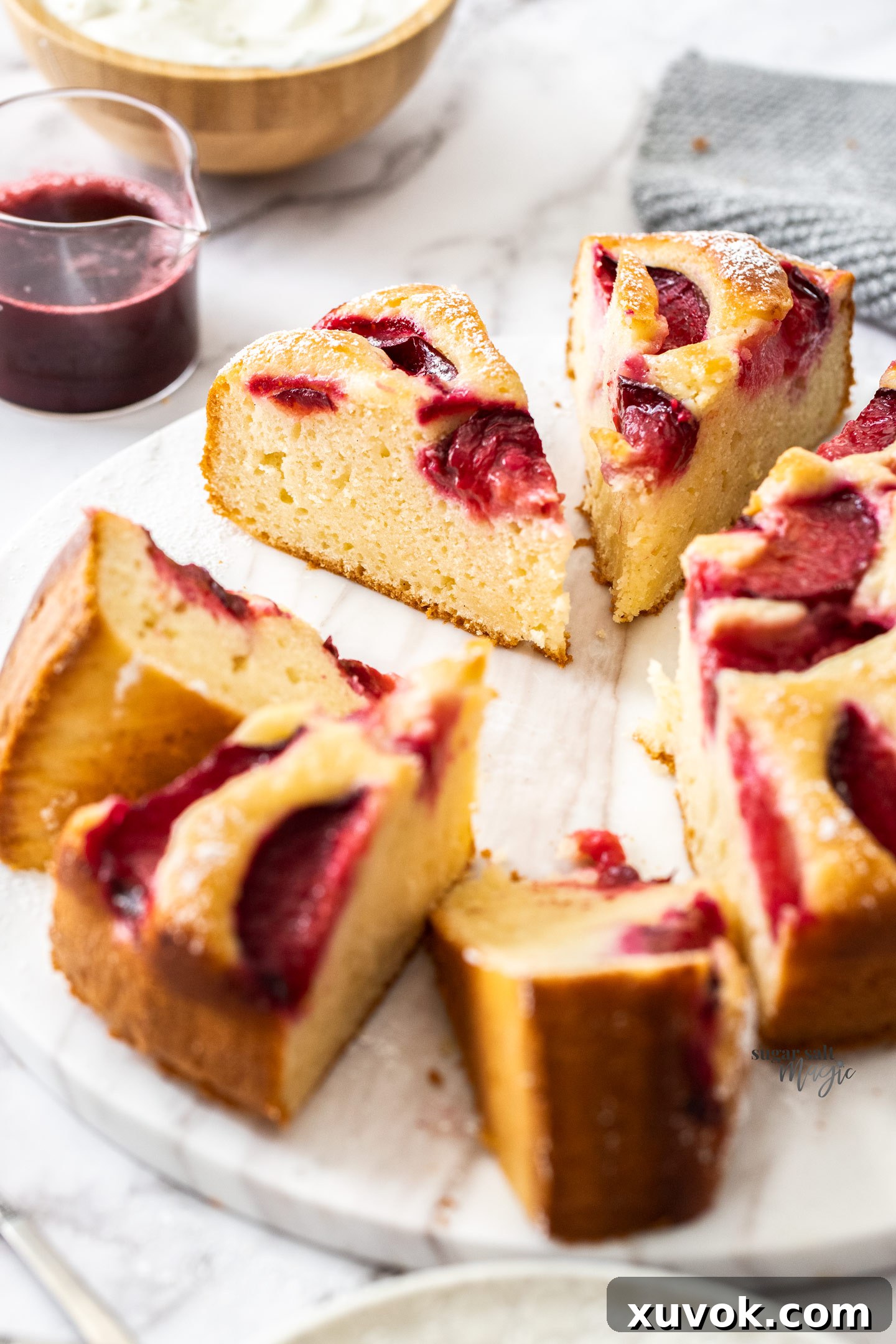
Discover the Delight of Easy Yogurt Plum Cake: Your New Favorite Moist & Tender Dessert
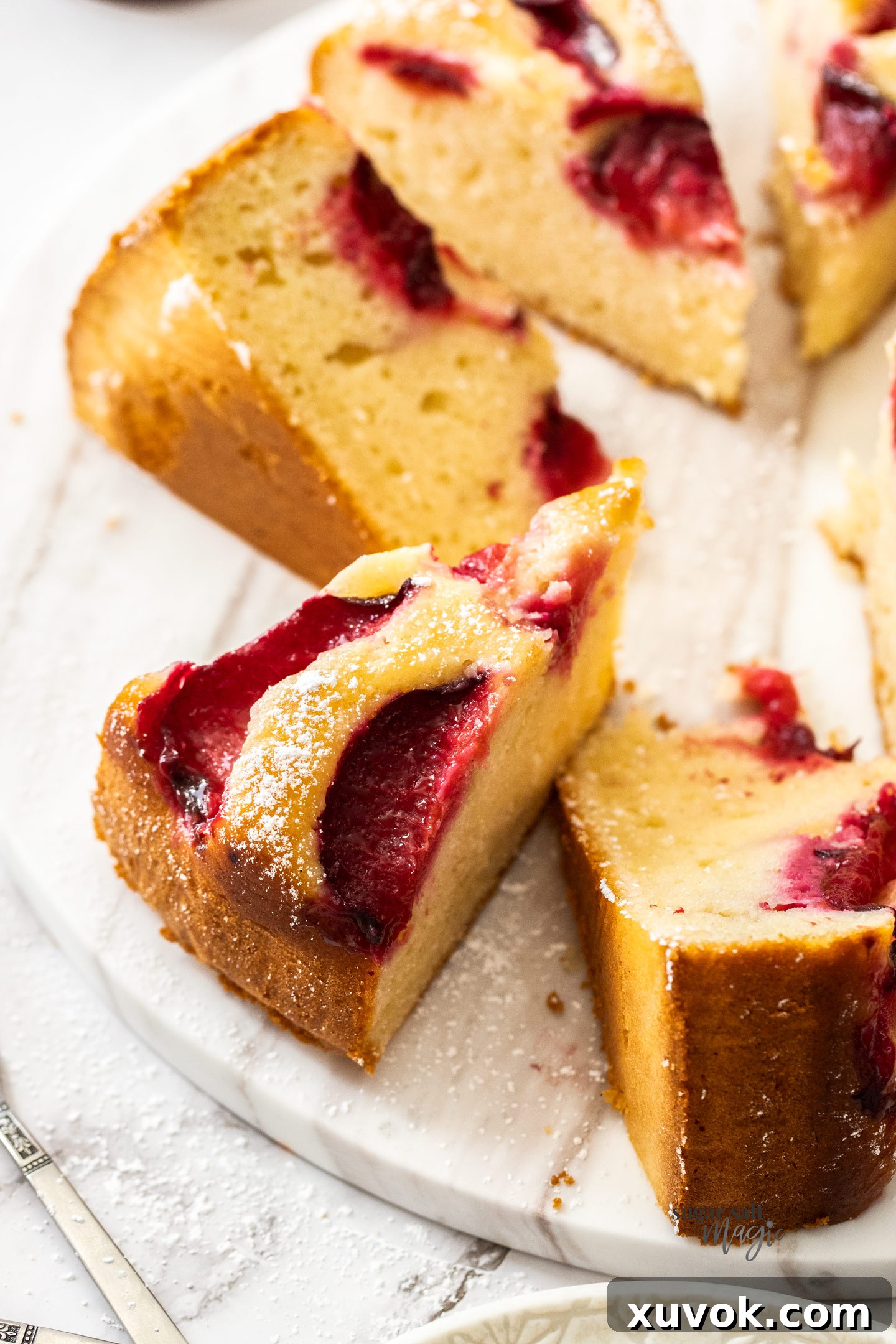
Imagine a cake that is effortlessly simple to make, yet delivers an incredibly tender, moist crumb with a delightful hint of tang. That’s precisely what you get with this spectacular Yogurt Plum Cake. Crafted in a single bowl, this recipe boasts a rich, luscious texture thanks to the perfect marriage of yogurt and oil, ensuring every slice remains wonderfully fresh for days. Adorned with a vibrant crown of fresh plums that soften and sweeten as they bake, this cake isn’t just a treat for the palate—it’s a feast for the eyes too.
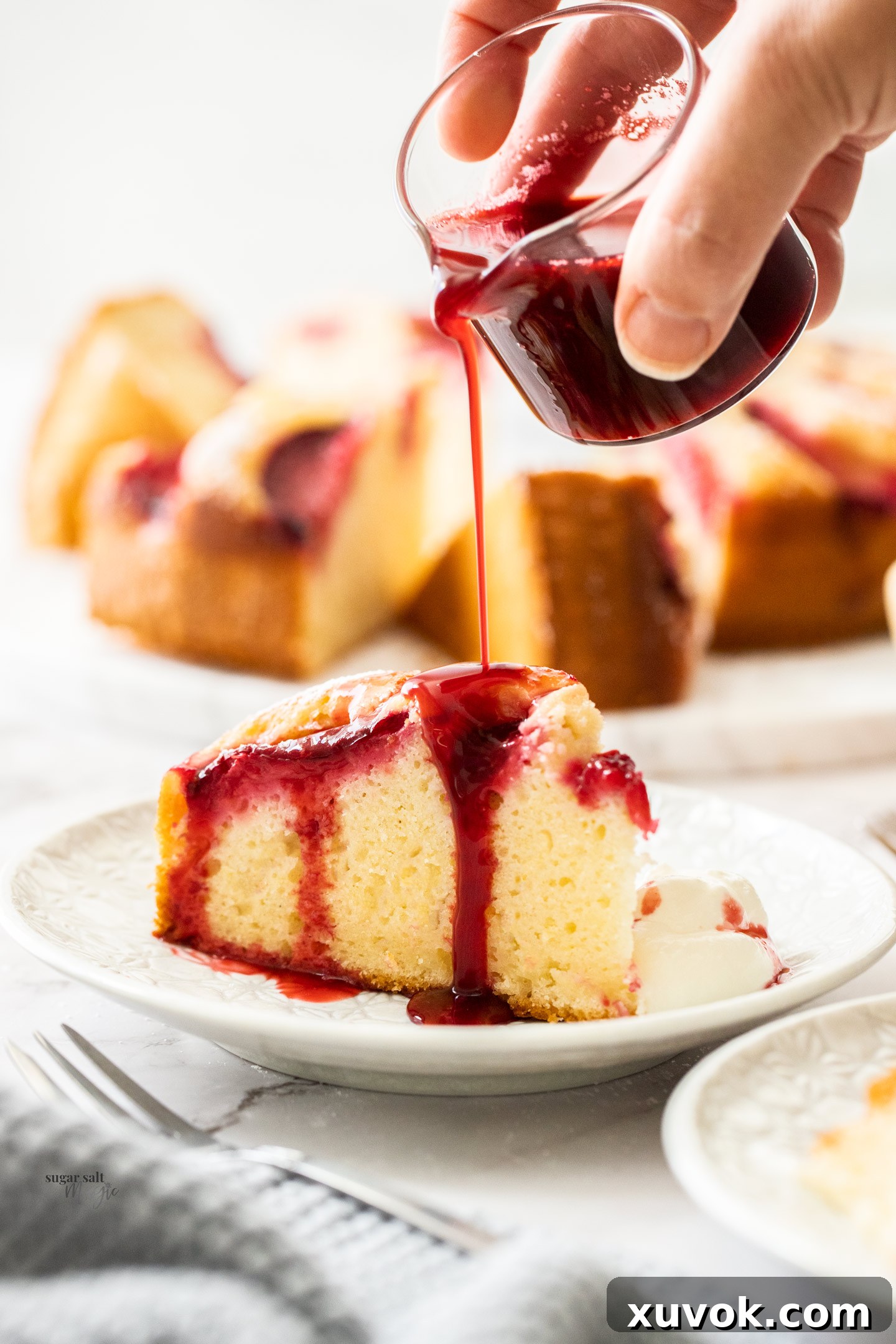
Perfect for any occasion, from a casual morning tea to an elegant dessert, this easy plum cake promises to elevate your baking repertoire. While a simple dusting of powdered sugar is lovely, taking it one step further with a drizzle of homemade plum syrup, a scoop of vanilla ice cream, or a dollop of fresh cream transforms it into an unforgettable experience. It’s truly a cake that celebrates the simple joys of seasonal baking.
If you’re captivated by the charm of quick, beautiful bakes, you’ll also adore our Strawberry Crumb Cake!
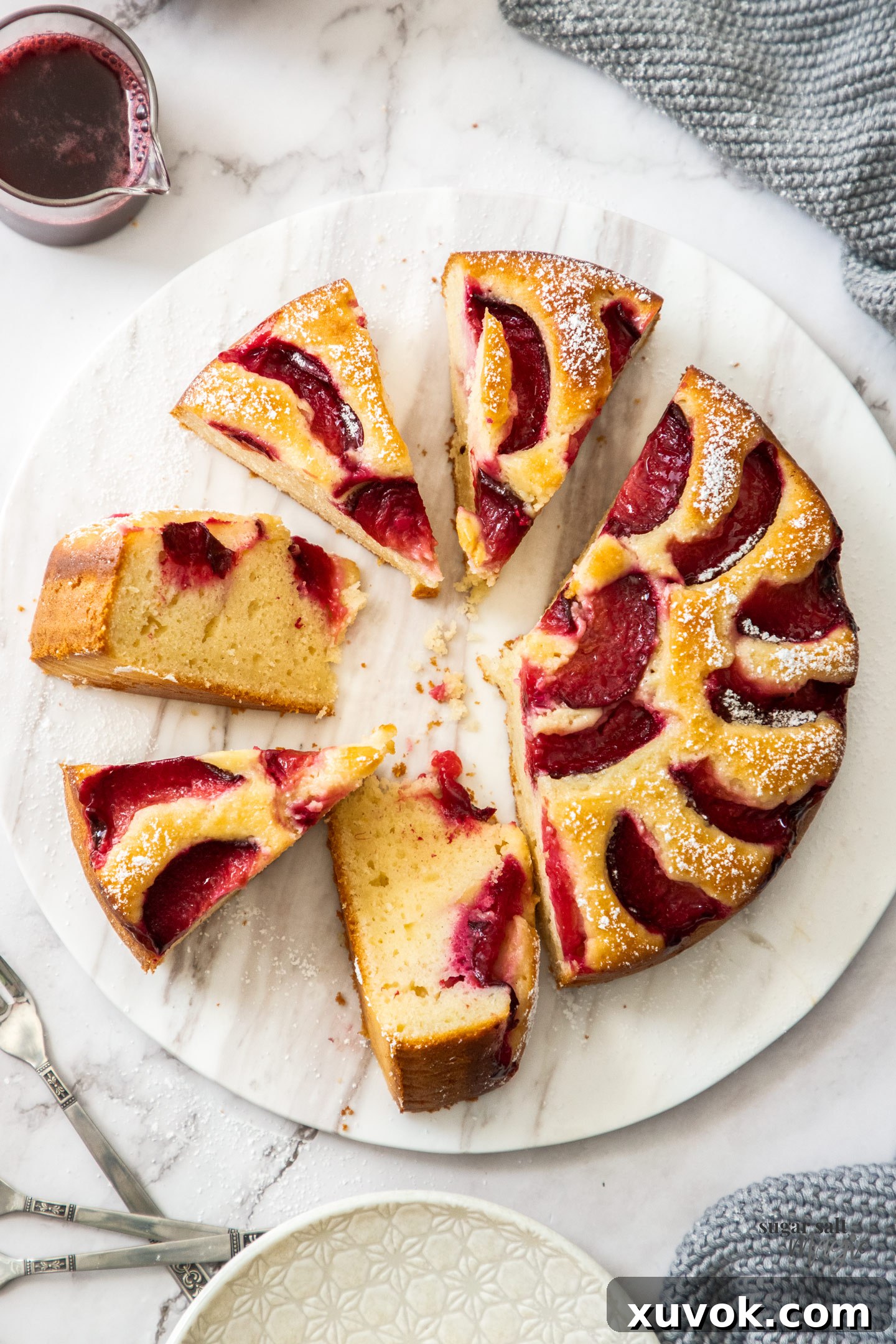
Table of Contents
- The Magic Behind a Perfect Plum Cake: Key Ingredients Unveiled
- Baking Your Yogurt Plum Cake: A Step-by-Step Guide
- Expert Tips for Baking Success
- Frequently Asked Questions
- Storage and Freezing
- More Recipes You’ll Love
Never Miss a Recipe!
Get the latest recipes straight to your inbox!
The Magic Behind a Perfect Plum Cake: Key Ingredients Unveiled
Unlocking the secret to a beautifully moist and tender plum cake begins with understanding the role each ingredient plays. This recipe is designed to celebrate the natural sweetness and slight tartness of fresh plums, making it an ideal choice for those who appreciate desserts that aren’t overly sweet. It’s a fantastic candidate for breakfast, brunch, or an elegant afternoon tea spread.
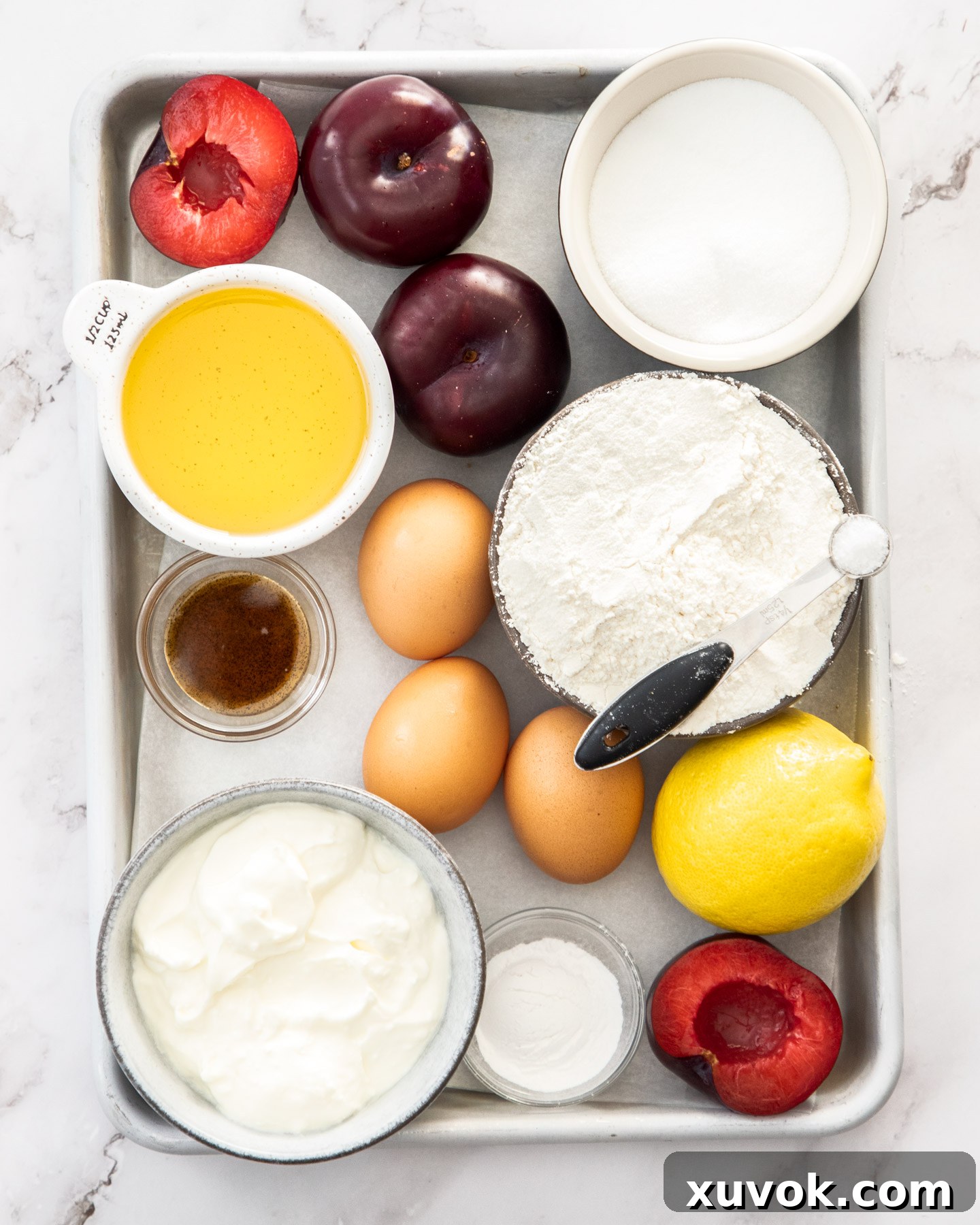
For precise quantities and detailed instructions, please refer to the recipe card below.
This delightful homemade plum cake recipe starts with familiar baking staples such as plain flour (all-purpose flour), granulated sugar, fresh eggs, a hint of fragrant vanilla extract, and reliable baking powder for lift. However, it’s the addition of a few star ingredients that truly elevates this cake to spectacular status.
- The Plums: Of course, plums are paramount! Any variety will work beautifully. We’ve used vibrant black plums for their stunning color and robust flavor, but red plums with their golden flesh are equally gorgeous. For the best presentation and texture, choose plums that are slightly firm; they tend to hold their shape better during baking, creating those distinct, luscious pockets of fruit within the cake. This recipe is also incredibly versatile, allowing you to substitute plums with other stone fruits like ripe peaches, juicy nectarines, or sweet apricots, depending on the season and your preference.
- Yogurt: The secret to this cake’s unbelievably tender crumb and lasting moisture lies in the yogurt. Whether you opt for rich Greek yogurt or creamy plain yogurt, its acidity reacts with the baking powder, contributing to a lighter texture, while its fat content ensures a moist result. It also imparts a subtle, pleasing tang that perfectly complements the sweetness of the cake and the plums. Ensure your yogurt is at room temperature for optimal incorporation into the batter.
- Light-Flavored Oil: Unlike butter-based cakes, using a light-flavored olive oil (or any other neutral-flavored oil like canola or vegetable oil) is crucial here. Oil contributes moisture that butter simply can’t match, resulting in a cake that stays soft and moist for longer periods. It also helps create that delicate, fine crumb texture that makes this plum cake so irresistible.
- Lemon Zest: The zest of a fresh lemon isn’t just for decoration; when massaged into the sugar before mixing, it releases its aromatic oils, infusing the entire cake with a bright, citrusy perfume that beautifully enhances the plums and yogurt.
By bringing these thoughtfully chosen ingredients together, you’re not just baking a cake; you’re crafting an experience that’s both comforting and gourmet.
Baking Your Yogurt Plum Cake: A Step-by-Step Guide
One of the many charms of this yogurt plum cake is its straightforward preparation. You won’t need an elaborate stand mixer; a simple electric hand mixer will do the job perfectly, and for those who prefer, a balloon whisk and spatula are entirely sufficient for a delicious result.
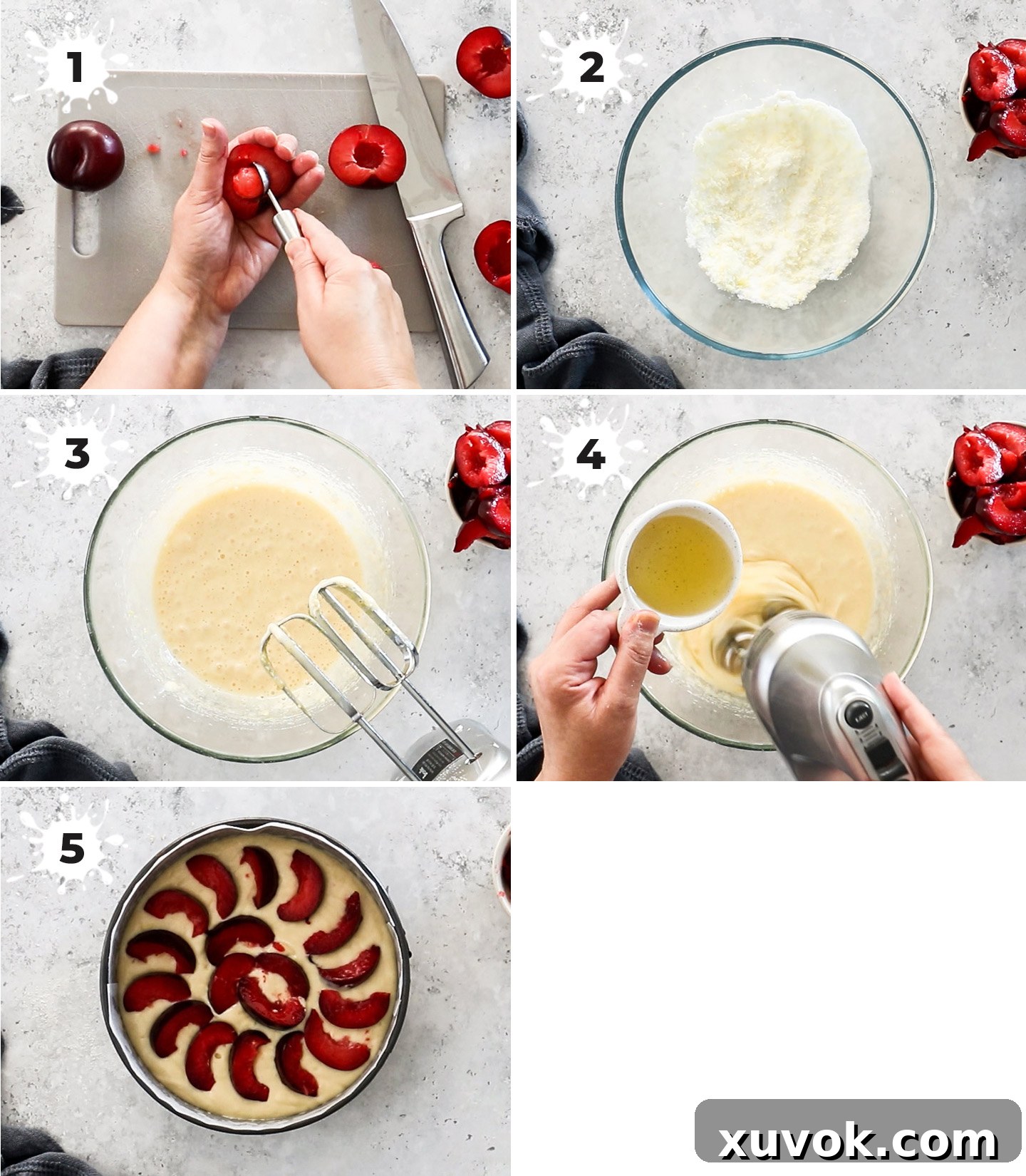
For precise quantities and detailed instructions, please refer to the recipe card below.
- Prepare the Oven and Pan: Begin by preheating your oven to 180°C (160°C fan) / 350°F. Thoroughly grease an 8-inch springform pan and line the bottom with parchment paper. This ensures your cake releases beautifully after baking.
- Prepare the Plums: This is where the artistry begins! Carefully cut each plum in half around its circumference. Gently twist the halves apart to reveal the pit. If the pit is stubborn, a melon baller can be a handy tool to neatly scoop it out without damaging the fruit (photo 1). Once pitted, slice each plum half into 3-4 uniform wedges. Set these vibrant pieces aside; they’ll form the beautiful “crown” of your cake.
- Create the Lemon Sugar: In a large mixing bowl, combine the granulated sugar and lemon zest. Take a moment to truly massage the lemon zest into the sugar with your fingertips (photo 2). This simple action is key to releasing the fragrant essential oils from the zest, intensifying the lemon flavor and aroma throughout the cake. Don’t skip this step!
- Combine the Wet Ingredients: To the lemon-infused sugar, add the room-temperature eggs and vanilla extract. Using an electric beater, beat this mixture for approximately 1 minute until it’s light and slightly fluffy (photo 3). Next, with the beater running on a low speed, slowly drizzle in the light-flavored oil in a steady stream (photo 4), allowing it to emulsify into the mixture. Finally, add the room-temperature yogurt and beat until just combined. Overmixing at this stage can lead to a dense cake, so stop as soon as the ingredients are incorporated.
- Incorporate the Dry Ingredients: Sift the plain flour, baking powder, and salt directly over the wet ingredients in the bowl. This sifting step helps prevent lumps and ensures a light, airy texture. With your electric beater on the lowest setting, mix the dry ingredients into the wet until they are *just* combined. This usually takes only about 6-8 seconds. A few streaks of flour are perfectly fine; remember, overmixing will develop the gluten and result in a tough cake.
- Assemble and Bake: Pour the luscious cake batter evenly into your prepared springform pan. Now for the fun part: artfully arrange the sliced plums on top of the batter (photo 5). You can create a beautiful circular pattern, like a sunburst, or simply scatter them randomly for a rustic charm. Once your plums are in place, transfer the pan to the preheated oven and bake for 50-60 minutes. The cake is done when the top is golden brown and a toothpick inserted into the center comes out with just a crumb or two attached, not wet batter.
- Cooling: Allow the cake to cool in its tin for about 5-10 minutes. This allows it to set properly before you attempt to move it. Carefully release the springform pan sides and transfer the cake to a wire rack to cool completely.
Serving this cake warm or at room temperature is ideal, perhaps with a dusting of powdered sugar or your favorite accompaniments. Enjoy your beautifully baked yogurt plum cake!
Expert Tips for Baking Success
Achieving a consistently perfect yogurt plum cake is easy with these insider tips. Following these guidelines will ensure your cake turns out moist, tender, and incredibly delicious every time.
- Weigh Your Ingredients for Accuracy: For the most consistent and best results, especially with flour and sugar, always weigh your ingredients using a reliable kitchen scale. Volume measurements (cups) can vary significantly depending on how ingredients are scooped. If you don’t have a scale, spoon the flour into your measuring cup until it’s overflowing, then level it off with the back of a knife. Avoid scooping directly with the cup measure, as this compacts the flour and leads to using too much.
- Do Not Overmix the Batter: This is a golden rule for tender cakes! Once you’ve added the flour, beat the batter only until the dry ingredients are just combined. Overmixing develops gluten, which can make your cake dense, tough, and chewy instead of light and tender. A few small streaks of flour are preferable to an overmixed, tough cake.
- Understand Your Oven’s Personality: Every oven is different. The exact baking time can vary by 5-10 minutes or more from recipe to recipe. Many oven thermostats are inaccurate and don’t reflect the temperature you’ve set. Using a separate, internal oven thermometer is highly recommended to ensure your oven is truly at the desired temperature. Also, remember that baking multiple items simultaneously or opening the oven door frequently can affect baking time.
- Avoid Overbaking at All Costs: Overbaking is the quickest way to end up with a dry, crumbly cake. Begin checking for doneness around the 50-minute mark. The cake is perfectly baked when the top is golden brown, and a wooden skewer or toothpick inserted into the center comes out with just a few moist crumbs attached, but no wet batter.
- Ensure Ingredients Are at Room Temperature: This applies particularly to eggs and yogurt. Room temperature ingredients emulsify more easily, creating a smoother, more uniform batter. This results in a cake with a finer, more tender crumb and better overall texture.
- Proper Cooling is Key: While it’s tempting to immediately unmold your beautiful cake, allowing it to cool in the pan for about 5-10 minutes helps it set and prevents it from breaking. After this initial cooling, transfer it to a wire rack to cool completely. This prevents condensation from making the bottom of the cake soggy.
- Don’t Peek Too Soon: Resist the urge to open the oven door during the first 30-40 minutes of baking. The sudden change in temperature can cause the cake to sink in the middle.
Frequently Asked Questions
Adding yogurt to a cake is a game-changer! It’s a fantastic ingredient that not only keeps the cake incredibly moist but also contributes to a wonderfully tender crumb. On top of these textural benefits, yogurt introduces a subtle, refreshing tang that beautifully balances the sweetness of the cake and the fruit, making each bite more complex and enjoyable.
For the best results in baking, either full-fat Greek yogurt or plain whole-milk yogurt is highly recommended. These varieties provide the maximum moisture, richness, and tenderizing properties without introducing unwanted flavors. While you technically could use flavored yogurt, ensure its flavor profile complements your bake. Always opt for full-fat yogurt to achieve the richest taste and texture in your cake.
This recipe is quite forgiving, and almost any plum variety will work splendidly. Black plums, red plums, or golden plums are all excellent choices. The key is to select plums that are slightly firm; they will hold their shape better during baking and create beautiful fruit pockets. This cake is also highly adaptable to other stone fruits like peaches, nectarines, and apricots, so feel free to experiment with what’s in season.
There’s absolutely no need to peel the plums for this cake. The plum skin softens beautifully during the baking process, becoming almost undetectable in texture. Keeping the skin on not only saves time but also adds a lovely vibrant color and contributes to the cake’s nutritional value.
Yes, you can substitute the plain flour and baking powder with the same amount of self-raising flour. Keep in mind that the ratio of baking powder in self-raising flour might be slightly different from what’s specified in this recipe, so your cake may not rise quite as high. However, it will still yield a delicious result.
Yes, you can certainly use frozen plums! If doing so, it’s best to thaw them completely and drain any excess liquid before adding them to the batter. This prevents the cake from becoming watery or soggy. You might also want to toss them with a tablespoon of flour or cornstarch before baking to help absorb any remaining moisture.
This versatile plum cake shines with many accompaniments! A simple dusting of powdered sugar is always elegant. For a truly decadent treat, serve it warm with a scoop of vanilla bean ice cream, a dollop of freshly whipped cream, or a drizzle of homemade plum syrup (instructions for which can be found in the recipe notes below). It’s also delightful on its own with a cup of coffee or tea.
Storage and Freezing
To keep your Yogurt Plum Cake at its absolute best, store it in an airtight container in a cool place, such as your pantry, at room temperature. It will remain moist and delicious for about 3 days. Interestingly, many find that the flavors deepen and improve on the second day! Avoid refrigerating the cake, as this can dry it out.
If you’re looking to enjoy this cake beyond a few days, it freezes wonderfully for up to 3 months. For convenience, we recommend slicing the cake into individual portions before freezing. This way, you can easily thaw only as much as you need, whenever a craving strikes.
More Recipes You’ll Love
- Cinnamon Apple Crumb Cake
- Coconut and Raspberry Cake
- Lemon Ricotta Cake
- Almond Cherry Crumb Cake
- Greek Orange Semolina Cake
Did you try this moist plum cake recipe?
Leaving a rating and comment below the recipe is so helpful!
Hungry for more? Subscribe to the newsletter for free recipes straight to your inbox. Also, follow along on Facebook, Pinterest and Instagram.
Yogurt Plum Cake
Rate
Pin
Ingredients
- 3-4 medium plums
- ¾ cup white granulated sugar (150g / 5.3oz)
- Zest of one medium lemon
- 3 large eggs, room temperature
- 1 teaspoon vanilla extract
- ½ cup light flavoured olive oil (or other neutral flavoured oil)
- 1 cup whole plain yogurt (or Greek yoghurt), room temperature
- 225 g plain flour (all-purp flour) (1 ¾ cups / 7.9oz)
- 2 teaspoons baking powder
- ¼ teaspoon salt
For best results, always weigh ingredients where a weight is provided
Equipment
-
electric mixer
-
Large mixing bowl
-
8 inch spring form pan
-
silicone spatula
Instructions
-
Preheat the oven to 180C (160C fan) / 350F. Grease and line an 8 inch springform tin with baking paper.
-
Slice the plums in half then remove the pit (if it’s tight, you can use a melon baller to cut it out). Slice each plum half into 4 wedges. Set aside.
-
In a large bowl, massage the lemon zest into the sugar.
-
Add the eggs and vanilla and beat for 1 minute.
-
With the beater on low, drizzle in the oil then add the yoghurt and beat that in too.
-
Finally, sift over dry ingredients (flour, baking powder and salt) and beat on low until just combined. 6-8 seconds.
-
Pour the cake batter into the prepared pan. Arrange the sliced plums in a circle on top.
-
Bake for 50-60 minutes until a toothpick comes out with just a crumb or two attached, but not wet batter.
-
Let it cool in the tin for 5 minutes, carefully transfer to a wire rack.
-
Please take a moment to leave a comment & rating. It’s appreciated and so helpful.
Notes
- Plum syrup: To make the luscious plum syrup featured here, combine 5 plums (cut in half), 1 tablespoon brown sugar, 1 teaspoon vanilla extract, and ¼ teaspoon of ground cinnamon on a baking tray. Mix all ingredients thoroughly, then bake for 30 minutes at 180°C (160°C fan) / 350°F. Once baked, strain off the vibrant syrup and you can discard the softened, mushy fruit.
- Which yogurt? For the richest flavor and most tender texture, always use full-fat yogurt. Both Greek yogurt and plain regular yogurt work exceptionally well in this recipe.
- Weigh ingredients: For consistently accurate baking results, we strongly recommend weighing ingredients like flour and sugar. Weighing provides the most precise measurements, leading to the best possible outcome for your cake. Kitchen scales are affordable, durable, and reduce the number of measuring cups you’ll need to wash!
- All ovens vary: Please remember that baking times are approximate. What takes 55 minutes in one oven might take 50 or 60 minutes in another. It’s always best to monitor your cake’s progress.
Baking pan: If you choose to use a 9-inch cake pan instead of an 8-inch, the cake will be slightly thinner and will likely require a shorter baking time. Keep a close eye on it!
More Information
These links will take you up to the post – just scroll down to get back to the recipe card.
- Step-by-step photos
- Tips and tricks
- Frequently asked questions
- Storage and freezing
MORE CAKE RECIPES!