Irresistibly Fluffy Caramel Doughnuts with Brown Sugar Custard
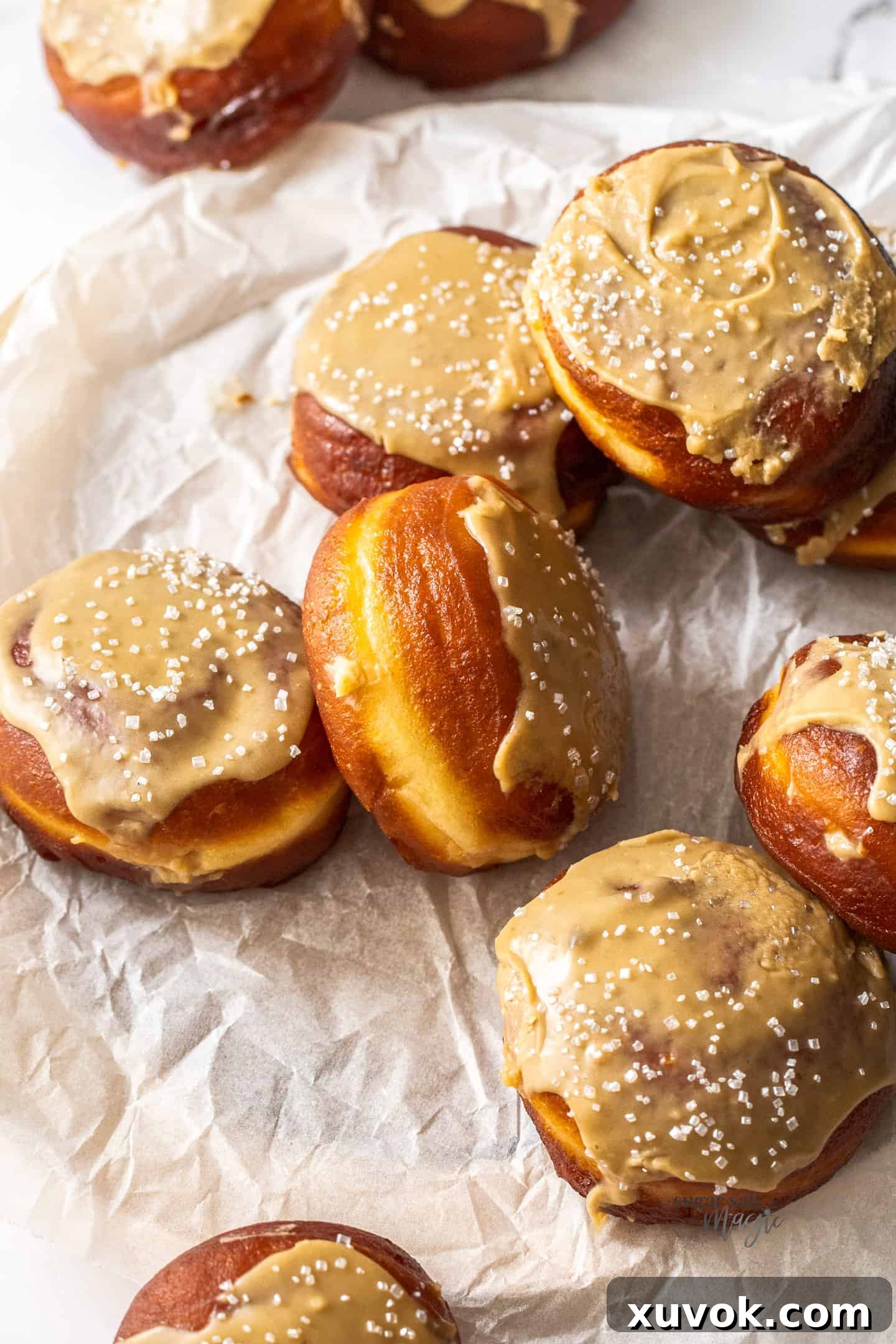
Prepare for an unparalleled indulgence with these rich and deeply comforting fluffy caramel doughnuts. Each bite offers a satisfying blend of textures and flavors, crowned with a simple yet decadent caramel icing and generously filled with a luscious brown sugar custard. This recipe truly delivers a caramel experience through and through, promising to elevate your baking skills and delight your taste buds. While traditional frying yields the ultimate texture, we’ll also explore options for baking them, much like these delightful jam doughnuts. If you’re craving more simple baked treats, you might also enjoy these orange donuts with pomegranate icing or these savory-sweet cinnamon baked cake donuts with caramel brown butter icing.
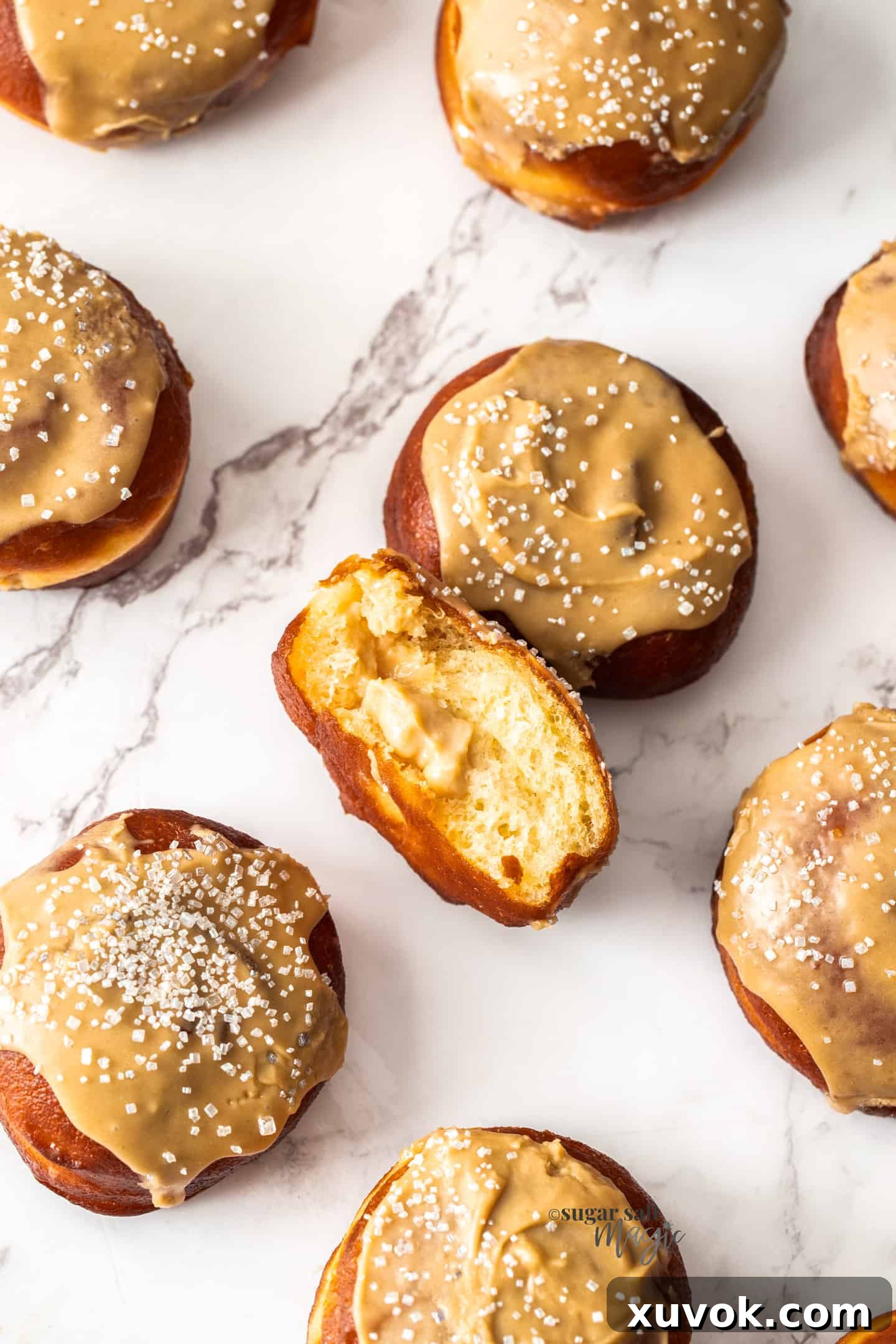
Table of Contents
- Why You’ll Adore These Caramel Doughnuts
- Doughnut or Donut: The Great Spelling Debate
- Essential Ingredients for Your Caramel Doughnuts
- Mastering Homemade Doughnuts
- Frying Doughnuts to Perfection
- The Heart of Caramel: Rich Brown Sugar Custard and Icing
- Storing Your Delightful Fried Doughnuts
Why You’ll Adore These Caramel Doughnuts
There’s nothing quite like the experience of biting into a perfectly crafted homemade doughnut, and these caramel beauties are truly special. Here’s why this recipe will quickly become a cherished favorite:
- Effortless Homemade Dough: Don’t be intimidated by yeast! Our recipe guides you through creating a simple, forgiving dough that’s a joy to work with.
- Remarkably Soft and Fluffy: Expect an interior so light and airy it practically melts in your mouth, perfectly contrasted by a delicately chewy exterior.
- A Rewarding Weekend Project: While they require some rising time, the hands-on work is minimal, making them an ideal and satisfying baking adventure for a lazy weekend. The aroma alone is worth the effort!
- Bakery-Quality Taste, at Home: Forget bland, mass-produced doughnuts. These taste exactly like something you’d pick up from a gourmet bakery, but with the added warmth and pride of knowing you made them yourself.
- Less Hands-On Time Than You Think: Much of the process involves waiting for the dough to rise, leaving you free to enjoy other activities while your delicious doughnuts prepare themselves.
- Creamy, Dreamy Center: Each fluffy ring is generously filled with a rich, smooth brown sugar custard, adding another layer of luxurious caramel flavor and a delightful textural contrast.
These traditional doughnuts begin with a classic yeasted dough, much like a good bread dough, but they are beautifully enriched with eggs, butter, and a touch of sugar. This combination creates that signature soft, rich texture. For an even deeper, more complex flavor, I highly recommend resting the dough overnight in the refrigerator. This slow fermentation process enhances the taste significantly, though you can certainly whip up these caramel doughnuts in a single afternoon if time is of the essence.
For those who love variety, this dough also pairs wonderfully with other fillings. Imagine these same fluffy doughnuts filled with this luscious Chocolate pastry cream – a truly delightful twist!
Doughnut or Donut: The Great Spelling Debate
Whether you spell it “doughnut” or “donut” is entirely your preference! The longer spelling, “doughnut,” is the more traditional UK English version, making logical sense as they are indeed made from dough. “Donut” is the simplified, more common US English spelling. Regardless of which you choose, rest assured, you’re referring to the exact same delicious, sweet, fried (or baked) treat. For this article, we’ll generally use “doughnut” to align with the traditional baking craft, but feel free to use either as you embark on your caramel doughnut adventure.
Essential Ingredients for Your Caramel Doughnuts
Crafting these homemade caramel doughnuts requires around 10 core ingredients, many of which you likely already have in your pantry, especially if you’re a regular baker. Let’s take a closer look at what you’ll need to create this amazing treat.
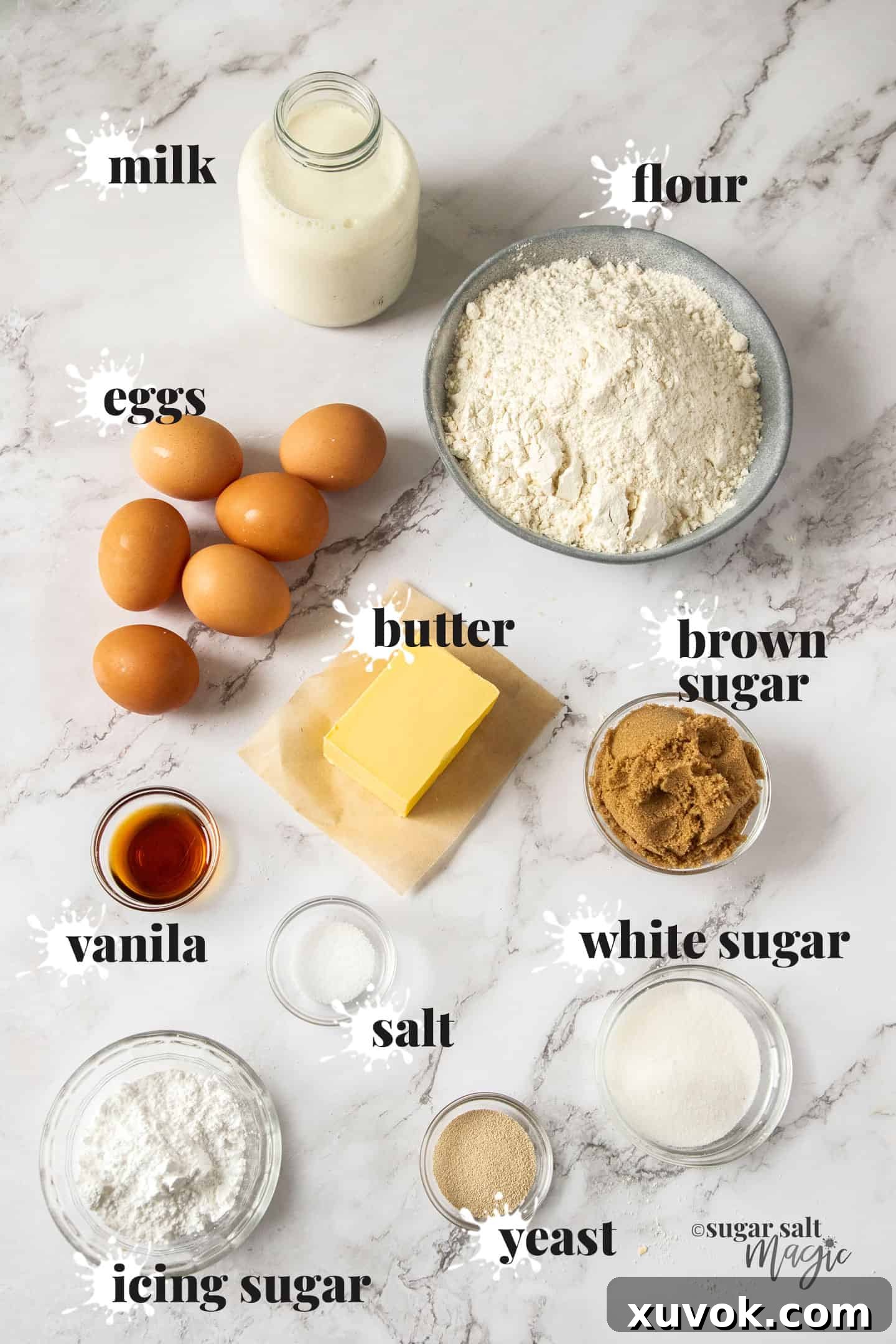
For precise quantities and detailed instructions, please refer to the comprehensive recipe card below.
- Yeast: The magic behind the fluffiness! You can use either instant yeast or active-dry yeast in this recipe, using the same quantities for either type. Instant yeast can be mixed directly with the dry ingredients, while active-dry yeast typically benefits from being bloomed in warm milk first to ensure it’s active.
- Milk: Opt for whole milk here. Its higher fat content contributes significantly to the richness and tender crumb of the doughnut dough, resulting in a more luxurious texture.
- Eggs: Eggs play a dual role. In the doughnut dough, they provide essential structure and add to the dough’s richness and golden color. In the brown sugar custard, egg yolks are crucial for thickening and creating that velvety smooth consistency.
- Sugar: Both white granulated sugar and brown sugar are featured in this recipe. White sugar helps activate the yeast and adds sweetness to the dough, while brown sugar is the star for both the custard and icing, imparting its signature deep, molasses-like caramel flavor.
- Flour: Simple, reliable plain (all-purpose) flour is all you need for this recipe. It provides the ideal protein content for a soft, chewy, yet fluffy yeasted dough.
- Butter: Unsalted butter is vital for enriching the dough, making it incredibly tender and flavorful. Using unsalted butter allows you to control the exact amount of salt in the recipe.
- Vanilla Extract: A good quality vanilla extract (please excuse any spelling mishaps in the image!) is essential for the custard filling. It beautifully complements and enhances the brown sugar flavor, adding aromatic depth.
- Icing Sugar (Powdered Sugar): Also known as confectioners’ sugar, this finely milled sugar is used to create the smooth, pourable caramel icing that glazes the tops of our delectable doughnuts.
- Vegetable Oil: For frying, a neutral-flavored vegetable oil with a high smoke point, such as canola, sunflower, or rice bran oil, is recommended.
- Salt: A pinch of salt is crucial in the dough to balance the sweetness and enhance all the flavors.
Mastering Homemade Doughnuts
The thought of making doughnuts from scratch can seem daunting, but I assure you, it’s far less tricky than it appears! While they do demand a little patience and time, most of that time is spent passively waiting for the dough to rise or “proof.” With just a few hours of intermittent effort, you can transform simple ingredients into a batch of warm, glorious homemade doughnuts.
The process of creating yeast dough is a rewarding one. You’ll activate the yeast, combine ingredients, knead the dough until it’s smooth and elastic, and then let it rise to double its size. This initial rise is crucial for developing flavor and creating that characteristic airy texture. Once risen, the dough is gently rolled, cut into delightful circles, and given a second rise to ensure maximum fluffiness before hitting the hot oil.
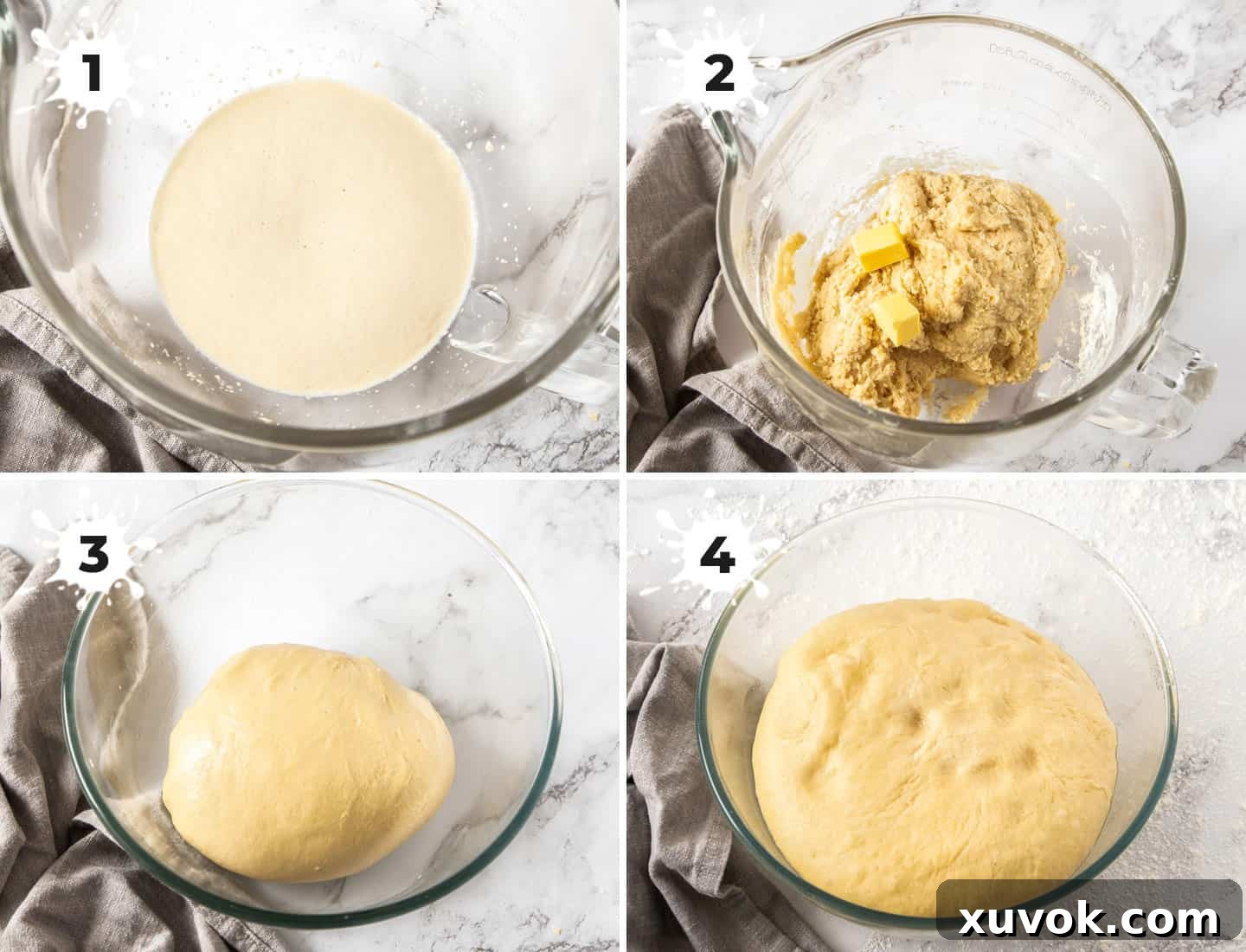
For a complete step-by-step guide with precise measurements, please see the recipe card below.
- Prepare the Dough: Begin by gently warming your milk and activating the yeast by sprinkling it over the milk with a touch of sugar. Once frothy, combine the activated yeast mixture with the remaining dough ingredients, gradually incorporating the softened butter until a smooth, elastic dough forms.
- First Rise: Transfer your beautifully kneaded dough to a lightly oiled bowl, cover it securely, and allow it to rest in a warm place. This first proofing takes about 1 to 1.5 hours, during which the dough will happily double in size, developing its full flavor and airy structure.
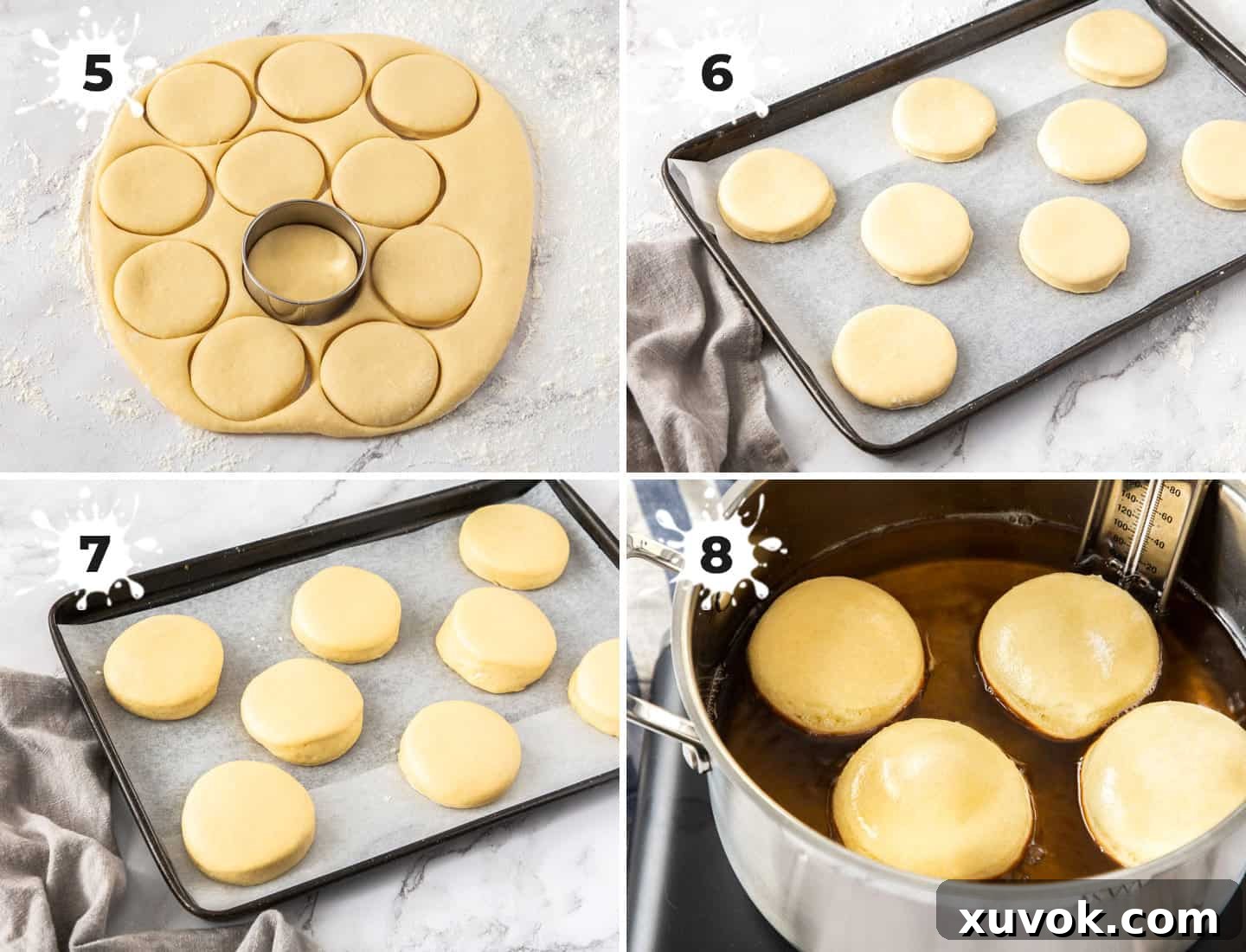
- Shape and Second Rise: Once the dough has completed its first rise, gently punch it down and roll it out evenly to about 1cm thick. Use a round cookie cutter to cut out your doughnut shapes, then arrange them on a parchment-lined tray. Let these cutouts rise again in a warm spot for approximately an hour, until they appear noticeably puffy and almost doubled in thickness. This crucial second rise ensures your doughnuts achieve their ultimate fluffiness when fried.
- Cook the Doughnuts: Prepare your deep pan with vegetable oil and heat it to the optimal frying temperature (180°C / 350°F). Carefully lower the risen doughnuts into the hot oil, cooking them in small batches to avoid overcrowding. Fry each side for about 1.5 to 2 minutes until they turn a beautiful deep golden brown. Remove and drain on paper towels before transferring to a cooling rack.
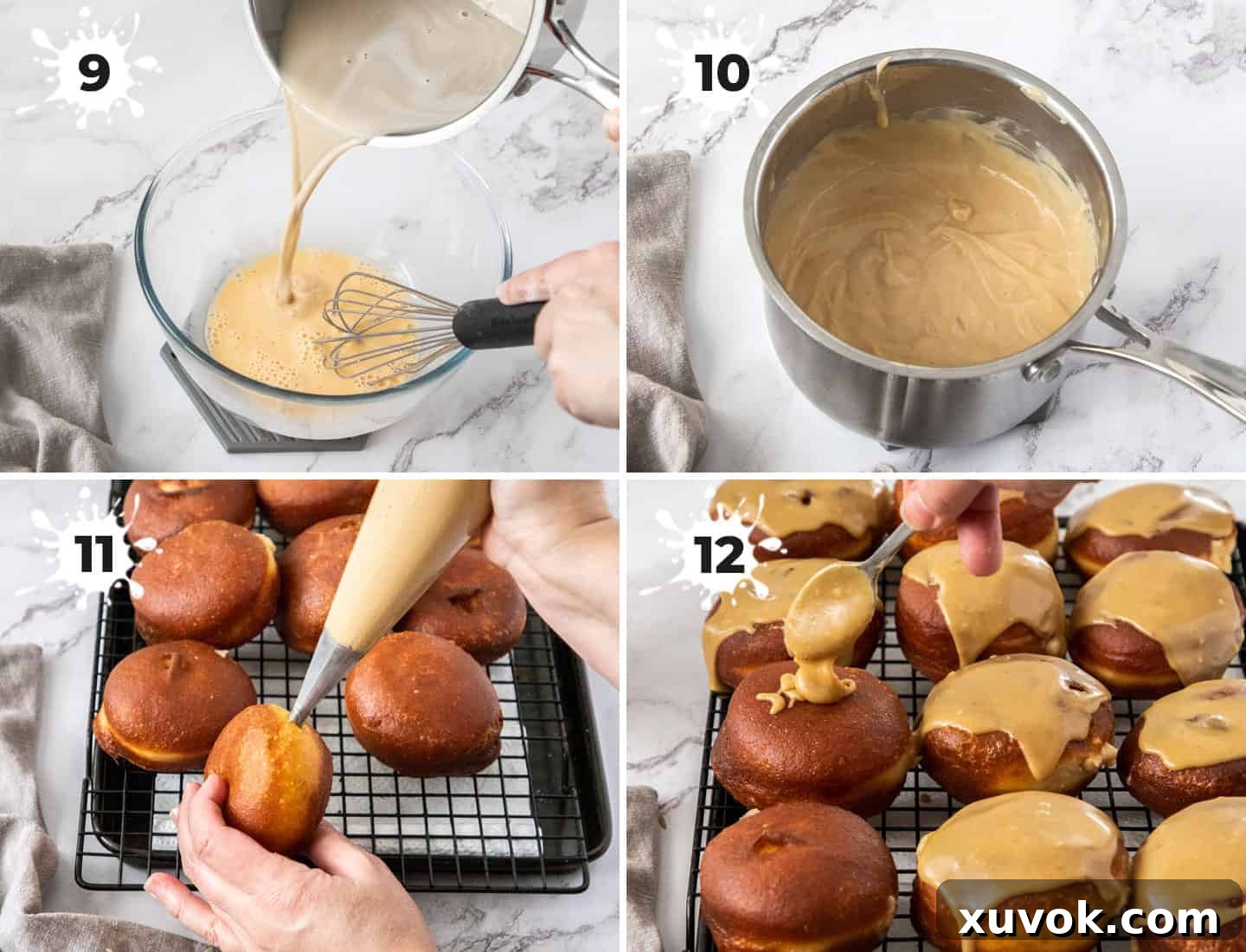
- Craft the Luscious Filling: While your doughnuts cool, prepare the brown sugar custard. Gently heat milk, sugar, and vanilla until steaming. Meanwhile, whisk together egg yolks, cornflour, and the remaining cold milk. Gradually temper the hot milk mixture into the egg mixture to prevent scrambling, then return it to the saucepan. Cook over medium heat, whisking constantly, until the custard thickens to a rich, pipeable consistency. Strain for ultimate smoothness, cool completely, and then pipe this creamy delight into the cooled fried doughnuts.
- Apply the Caramel Icing: The final touch! Prepare a simple, yet intensely flavorful caramel icing. Once slightly warm, pour this glossy topping generously over your filled doughnuts. The icing will set to a beautiful sheen, completing the visual and taste experience.
Frying Doughnuts to Perfection
These particular caramel doughnuts truly shine when deep-fried, yielding that quintessential crisp exterior and soft, airy interior. Even if you’re a novice to deep frying, I assure you, this process is incredibly straightforward and rewarding.
Essential Frying Equipment:
- Candy Thermometer: Absolutely indispensable for maintaining the correct oil temperature. Attach it securely to the side of your saucepan.
- Deep Saucepan or Dutch Oven: Choose a pot with high sides to safely contain the oil and prevent splattering.
- Slotted Spoon or Spider: For safely lowering and removing doughnuts from the hot oil.
- Paper Towel Lined Tray: For draining excess oil after frying.
Step-by-Step Frying Tips:
- Choose the Right Oil: Always use a neutral-flavored oil with a high smoke point. Excellent choices include vegetable oil, canola oil, sunflower oil, or rice bran oil. Avoid olive oil, as its low smoke point can lead to burning and off-flavors.
- Maintain Optimal Temperature: Pour about 2 inches of oil into your deep saucepan. Heat the oil to precisely 180°C (350°F). This temperature is critical. If the oil is too cool, the doughnuts will absorb too much oil and become greasy. If it’s too hot, they will brown too quickly on the outside, leaving the inside raw.
- Fry in Batches: Gently lower 3-4 doughnuts into the hot oil at a time. The exact number will depend on the size of your saucepan, but never overcrowd the pan. Overcrowding drops the oil temperature too rapidly, leading to soggy doughnuts.
- Flip and Cook Evenly: Allow the doughnuts to fry for approximately 90 seconds to 2 minutes on the first side until they are beautifully golden brown. Then, carefully flip them over with your slotted spoon and fry the other side for another 90 seconds to 2 minutes until equally golden.
- Drain Properly: Once cooked, lift the doughnuts from the oil with your slotted spoon, allowing any excess oil to drip back into the pan. Transfer them immediately to a tray lined with paper towels to absorb any remaining oil, then move them to a wire rack to cool slightly before filling and icing.
- Regulate Heat: Throughout the frying process, pay close attention to your candy thermometer. Adjust the heat on your stovetop up or down as needed to keep the oil temperature as consistently close to 180°C (350°F) as possible. This consistency is key to perfectly cooked doughnuts every time.
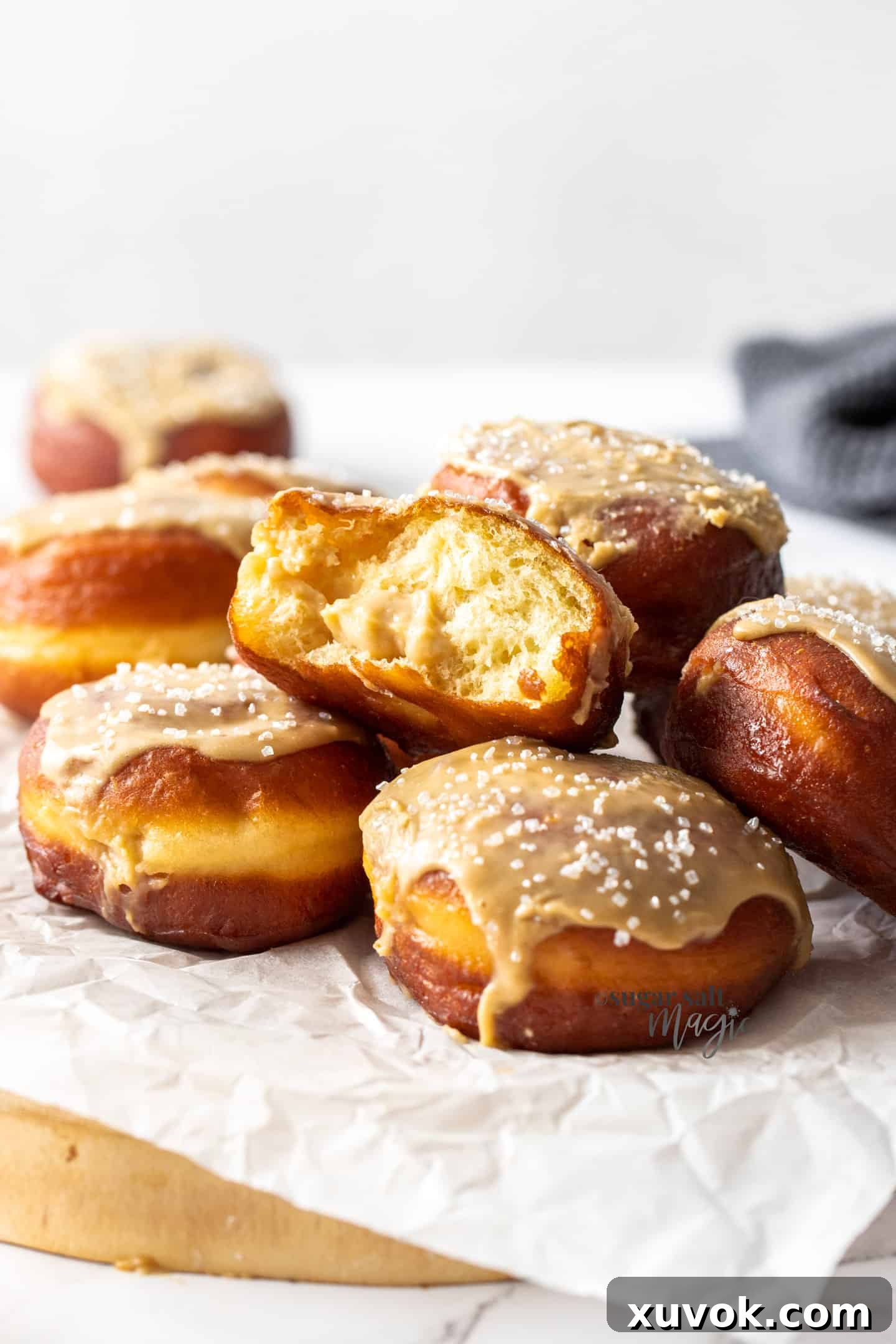
The Heart of Caramel: Rich Brown Sugar Custard and Icing
What truly sets these caramel doughnuts apart is their glorious double dose of caramel flavor, starting with the filling and ending with the glossy topping. This isn’t just a basic doughnut; it’s a celebration of rich, warm caramel in every element.
The Luscious Brown Sugar Custard:
The thick, opulent, and incredibly creamy filling at the core of these doughnuts is a delightful brown sugar adaptation of a classic crème patissiere or pastry cream. While it sounds fancy, it’s surprisingly quick and simple to prepare. The brown sugar infuses the custard with a deeper, more nuanced caramel note compared to a standard vanilla pastry cream, perfectly complementing the rich doughnut dough. Its velvety texture provides a beautiful contrast to the fluffy exterior, making each bite an experience.
The Decadent Caramel Icing:
To crown these masterpieces, a simple yet profoundly flavorful caramel icing is gently poured over the top. This icing is a variation of the one I use on these popular cinnamon donuts. The magic behind its rich, caramel flavor lies entirely in the brown sugar. As it melts and combines with butter and a touch of milk, it transforms into a glossy, sweet, and wonderfully caramel-flavored glaze that hardens slightly to provide a perfect finish without being overly sticky.
Together, the brown sugar custard and the caramel icing ensure that these doughnuts deliver on their promise of being “caramel through and through,” offering a harmonious symphony of sweet, comforting flavors and delightful textures.
Storing Your Delightful Fried Doughnuts
While homemade doughnuts are always best enjoyed fresh, ideally on the same day they are made, these particular caramel doughnuts do hold up remarkably well until the next day. To keep them at their best, follow these simple storage tips:
- Airtight Container: Always store your fried and filled doughnuts in an airtight container at room temperature. This prevents them from drying out and helps maintain their soft texture.
- Refrigeration (Optional): If you live in a very warm climate or prefer to extend their freshness by an extra day, you can store them in the refrigerator. However, be aware that refrigeration can sometimes slightly alter the texture of yeasted doughs, making them a little firmer. Bring them to room temperature before serving for the best experience.
- Avoid Stacking: If the icing is still soft, avoid stacking the doughnuts directly on top of each other in the container, as this can smudge the icing. If you must stack them, place a piece of parchment paper between layers.
- Serving Tips: For the ultimate enjoyment, if storing overnight, allow the doughnuts to come to room temperature for about 30 minutes before serving. You can even give them a very brief (5-10 second) zap in the microwave to gently warm the custard and soften the dough, bringing them closer to their freshly made glory.
With proper storage, you can savor the deliciousness of these fluffy caramel doughnuts for up to 1-2 days after baking.
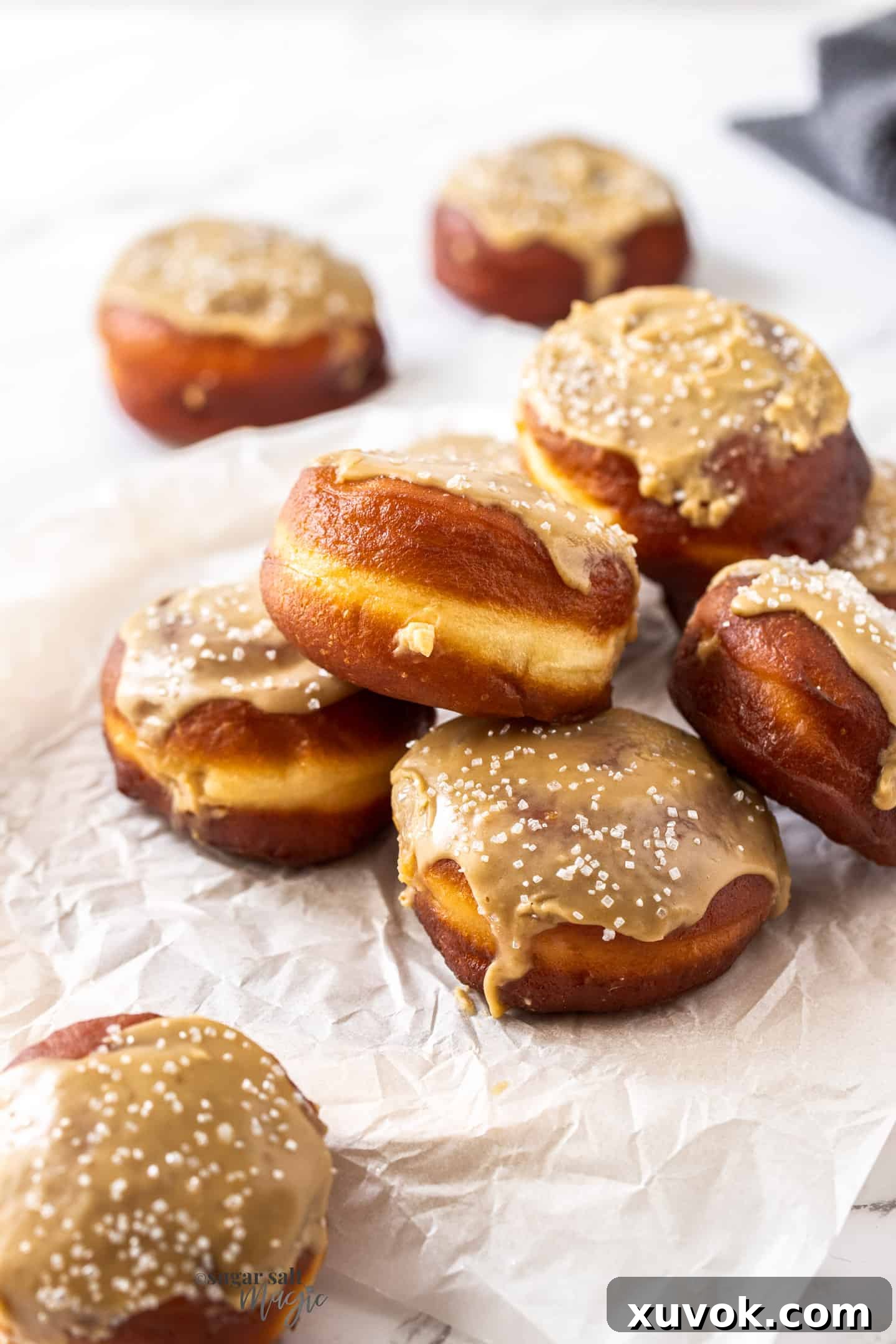
If you embark on the delicious journey of making these caramel doughnuts with brown sugar custard, please take a moment to leave a rating and comment below. Your feedback is invaluable, I genuinely love hearing from you, and it greatly assists other home bakers in their culinary adventures! You can also share your beautiful creations by taking a photo and tagging @sugarsaltmagic on Instagram.
More Delicious Recipes You’ll Love
- Bavarian Cream Donuts
- Baked Strawberry Doughnuts
- Chocolate Filled Donuts
- Jam-filled Cinnamon Sugar Donut Muffins
- How to Make Pastry Cream (Crème Patissiere)
- Lemon Donuts
- Chocolate Sprinkle Donuts
- Chocolate Pastry Cream
Never Miss a Recipe!
Get the latest, most delightful recipes straight to your inbox and be the first to discover new baking adventures!

Fluffy Caramel Doughnuts with Brown Sugar Custard
Rate
Pin
Ingredients
For the Doughnuts
- ¾ cup milk
- 50 g white sugar (¼ cup)
- 2 ¼ teaspoons instant yeast (or active dry) (7g or 1 sachet)
- 450 g plain (all-purpose) flour (3 ½ cups / 1lb)
- ½ teaspoon salt
- 2 large eggs
- 1 egg yolk, from a large egg
- 113 g unsalted butter, softened (1 stick / ½ cup)
- 2 litre vegetable (canola / sunflower / rice bran) oil
For the Custard
- 1 ½ cups whole milk (375ml)
- 66 g brown sugar (⅓ cup / 2.3oz)
- 1 teaspoon vanilla extract
- 35 g cornflour (¼ cup)
- 2 egg yolks, from large eggs
For the Caramel Icing
- 28 g butter, chopped (2 tablespoons)
- 50 g brown sugar (1/4 cup packed / 1.8oz)
- 1 tablespoon milk (notes 1)
- ⅓ cup icing sugar
For the most accurate results, always weigh ingredients when a weight is provided.
Instructions
FOR THE DOUGHNUTS
-
Gently warm the milk in the microwave for approximately 15 seconds; it should be slightly warmer than room temperature, not hot. Pour the warm milk into the bowl of a stand mixer, add the white sugar, then sprinkle the yeast evenly over the surface. Stir lightly and let the mixture sit undisturbed for 5-10 minutes until it becomes frothy, indicating the yeast is active.
-
To the yeast mixture, add the flour, salt, whole eggs, and egg yolk. Attach the dough hook to your stand mixer and beat on low speed for a couple of minutes until all the ingredients come together to form a cohesive dough. Increase the mixer speed to medium and add the softened unsalted butter, one spoonful at a time, ensuring each addition is fully incorporated before adding the next. Continue kneading until the dough is smooth, elastic, and pulls away from the sides of the bowl.
-
Lightly grease a large clean bowl with a tiny bit of oil or a quick spray of cooking oil. Transfer the doughnut dough to this bowl, turning it once to coat lightly. Cover the bowl tightly with plastic wrap and let it sit in a warm, draft-free place for 1 – 1 ½ hours, or until the dough has beautifully doubled in size.
FOR THE CUSTARD
-
Pour 1 ¼ cups of whole milk into a heavy-based saucepan. Add the brown sugar and vanilla extract. Heat this mixture over low-medium heat, stirring regularly, until it is steaming gently and the sugar has fully dissolved. Be careful not to let it boil. Remove the saucepan from the heat.
-
In a separate large bowl, vigorously whisk together the remaining ¼ cup milk, the two egg yolks, and the cornflour until the mixture is completely smooth and thoroughly combined, with no lumps of cornflour visible.
-
While continuously whisking the egg yolk mixture, very slowly and steadily pour the hot milk mixture into it in a thin stream. This crucial step is called “tempering” and it gradually raises the temperature of the egg yolks without scrambling them. Do not pour too quickly, or the heat will cook the eggs instantly.
-
Once all the mixtures are combined and smooth, return the entire liquid to the saucepan. Place it back over medium heat, stirring constantly and vigorously with a whisk. The custard will begin to thicken quite quickly, usually within about 5 minutes. It’s imperative to keep whisking, increasing intensity as it thickens, to prevent lumps and ensure a silky smooth custard. You’ll know it’s ready when it’s very thick and doesn’t settle back into itself immediately when you move it around.
-
Remove from heat and immediately swap to a silicone spatula to scrape the custard through a fine-mesh strainer into a clean bowl. This step ensures any tiny lumps are removed for an exceptionally smooth custard. Press plastic wrap directly onto the surface of the custard to prevent a skin from forming as it cools. Allow it to cool to room temperature, then refrigerate until thoroughly chilled and ready to be used as filling.
TO COOK THE DOUGHNUTS
-
Line a baking sheet with baking paper. Lightly flour your work surface. Gently turn out the risen dough and carefully roll it out to an even thickness of about 1cm (just under ½ inch), forming a square of approximately 28cm x 28cm (11 inches x 11 inches). Use a 7.5cm (3 inch) round cookie cutter to cut out about 11 rounds from the dough. Place these cut dough circles onto your prepared baking paper-lined tray.
-
Place the tray of cut doughnuts aside in a warm, draft-free spot for approximately one hour. During this second rise, they should almost double in size and become visibly puffy. Any remaining dough scraps can be gently re-kneaded into a small, smooth ball. Allow this ball to rest for about 30 minutes before rolling and cutting out any additional doughnuts you can yield.
-
Prepare your draining area by laying out a couple of layers of paper towel on a plate or tray. Attach a reliable candy thermometer to the side of a deep, heavy-bottomed pan or Dutch oven. Pour in the 2 liters of vegetable oil. Carefully heat the oil to an optimal frying temperature of 180°C (350°F). Maintaining this precise temperature is key to perfectly cooked doughnuts.
-
Once the oil reaches the correct temperature, gently place the risen doughnuts into the hot oil, one at a time, ensuring you fry them in small batches of 3-4 only to avoid overcrowding the pan and dropping the oil temperature. Deep fry for 1-2 minutes per side, until each doughnut achieves a beautiful deep golden brown color and appears puffed. Using a slotted scoop, carefully remove them from the oil, allowing any excess oil to drip off, and transfer them to the paper towel-lined tray to cool slightly before moving to a wire cooling rack.
-
Repeat the frying process with the remaining doughnuts, always making sure to check and adjust the oil temperature back to 180°C (350°F) before adding each new batch. Consistency in temperature is vital for evenly cooked and non-greasy doughnuts.
-
Once your doughnuts are completely cool to the touch, retrieve the chilled custard. Give the custard a good vigorous whisk to ensure it’s perfectly smooth and free of any lumps. Transfer the velvety custard into a piping bag fitted with a small, round nozzle (or simply snip off the tip of the bag to create an opening).
-
Carefully make a small slit or poke a hole into the side of each cooled doughnut using a sharp knife or the tip of your piping nozzle. Insert the tip of your piping bag into this slit and gently squeeze, filling the doughnut with the luscious brown sugar custard until you feel a slight resistance as the doughnut plumps up. Slowly pull out the piping nozzle while continuing to fill, ensuring the custard extends right to the edges for a truly satisfying bite.
FOR THE CARAMEL ICING
-
In a small saucepan, combine the chopped butter, brown sugar, and milk. Place the saucepan over medium heat, stirring continuously until the butter has completely melted and the brown sugar has fully dissolved into the liquid. Once dissolved, bring the mixture to a gentle boil for precisely 20 seconds. Remove the pan from the heat and allow the caramel mixture to cool for about 10 minutes. This cooling period is important for the consistency of the icing. After cooling, add the icing sugar and whisk thoroughly until it is completely incorporated and you have a smooth, pourable caramel icing.
-
Arrange your filled doughnuts on a wire cooling rack, making sure to place a baking tray underneath to catch any drips of icing. While the caramel icing is still slightly warm and pourable, spoon or drizzle it generously over the tops of each doughnut, allowing it to coat beautifully and drip down the sides. Let the icing set slightly before serving for the best experience.
-
Once you’ve enjoyed these delectable treats, please take a moment to rate this recipe. Your feedback is truly appreciated and helps in creating more delicious recipes for everyone!
Notes
- I use an Australian standard 20ml Tablespoon for all measurements.
- At step 3 of the doughnut instructions, you have the option to place the dough in the fridge overnight after its first rise. If you choose this method, remember to take the dough out of the refrigerator at least 2 hours before you plan to roll it out, allowing it to come back to room temperature and relax for easier handling.