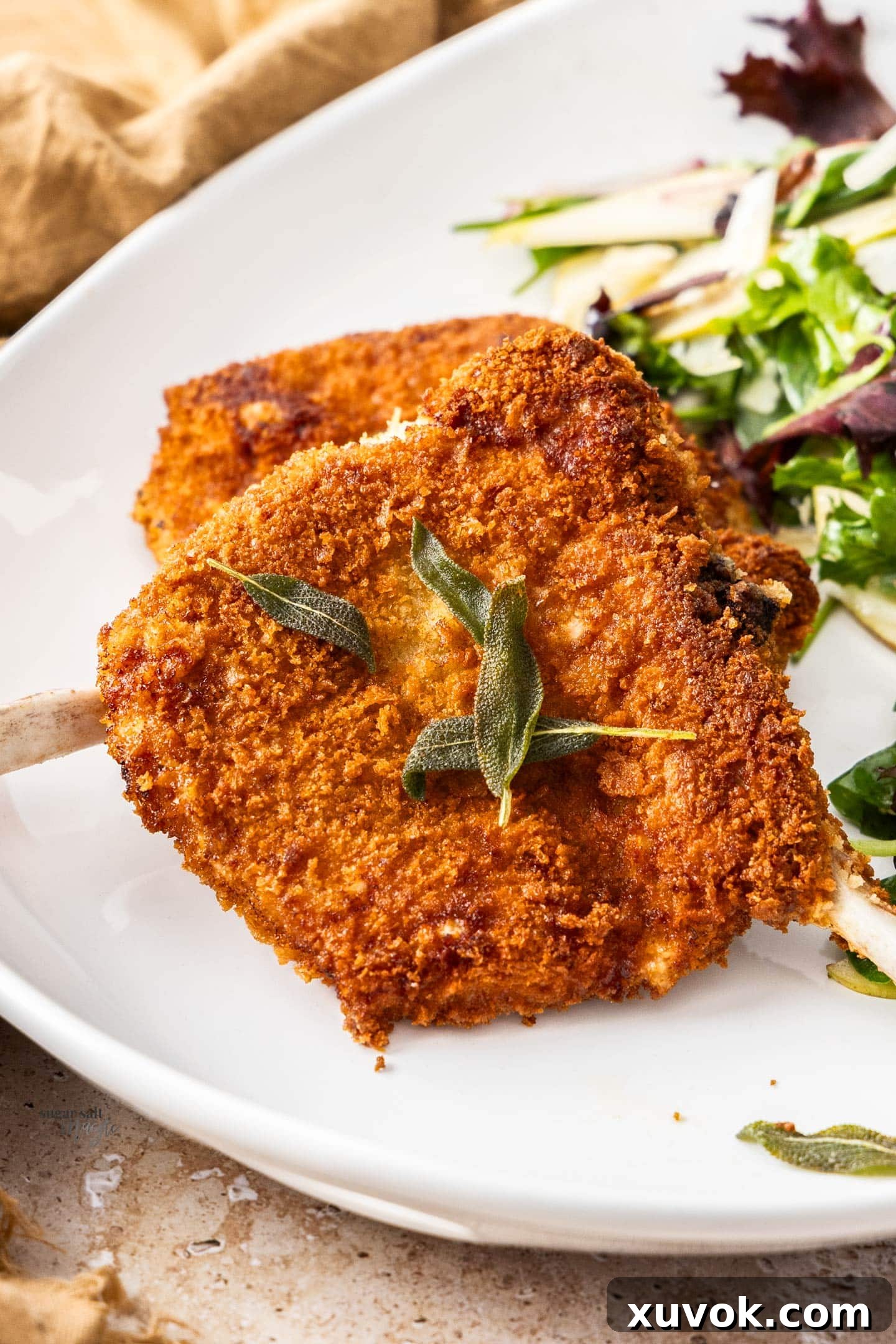
Pork Cotoletta Milanese: The Ultimate Crispy Italian Delight
Embark on a culinary journey to the heart of Italy with this incredible recipe for **Pork Cotoletta Milanese**. Imagine a succulent, perfectly tender pork chop, expertly coated in golden, crisp breadcrumbs, and fried to absolute perfection. This classic Milanese dish is more than just a meal; it’s a testament to Italian cuisine’s ability to create extraordinary flavors from a simple handful of ingredients. Renowned for being both quick to prepare and utterly delicious, cotoletta Milanese style is a weeknight hero and a weekend showstopper all rolled into one.
So, **what exactly is Cotoletta Milanese**? Traditionally, this iconic dish features a bone-in veal cutlet, generously coated in seasoned breadcrumbs and shallow-fried in clarified butter (ghee) until it achieves an irresistibly crunchy exterior and a tender, juicy interior. Hailing from the vibrant city of Milan, the dish gets its distinctive name and much of its rich, nutty flavor from the clarified butter used in its preparation. It’s often likened to a schnitzel, but with its own unique Italian charm, typically distinguished by the bone-in cut and the specific frying fat.
While the authentic version proudly uses veal, this recipe adapts the beloved cotoletta for a more accessible ingredient: pork. **Pork cotoletta** offers the same amazing texture and flavor profile, making it a fantastic alternative that’s readily available and just as satisfying. If you have the opportunity to try it with veal, by all means, indulge! However, I guarantee this pork rendition will quickly become a family favorite. To complement the richness of the fried cutlet, I love serving it alongside a vibrant, fresh **pear and walnut salad**, which provides a wonderful textural and flavor contrast.
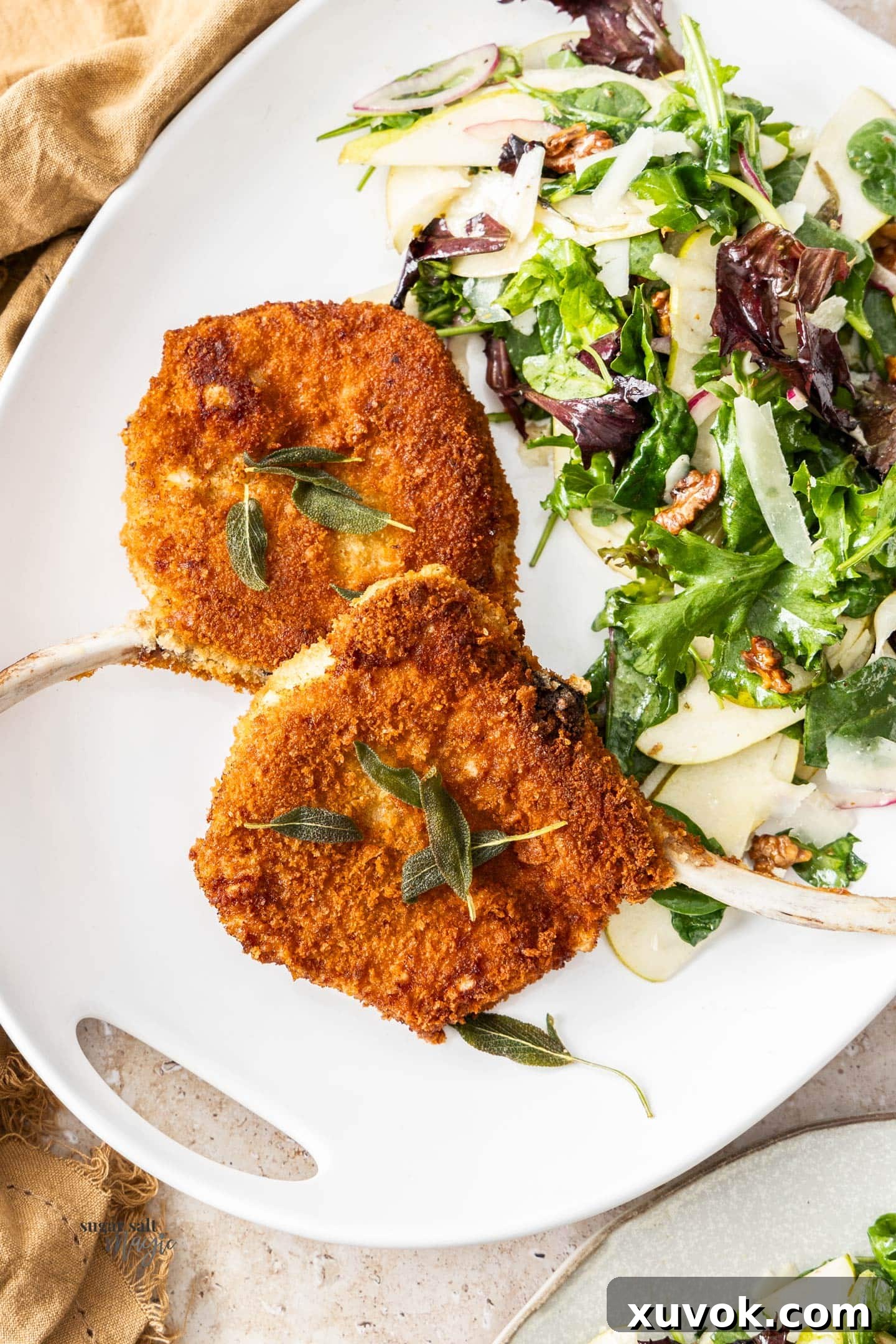
Table of Contents
- Pork Cotoletta Milanese: The Ultimate Crispy Italian Delight
- Essential Ingredients for Authentic Pork Cotoletta
- Unleashing Flavor: Variations and Tips
- How to Master Pork Cotoletta Milanese: Step-by-Step
- 1. Preparing Your Pork Cutlets
- 2. The Art of Breading for Perfection
- 3. Frying Your Pork Cotoletta to Golden Crispness
- Pro Tips and Tricks for the Perfect Cotoletta
- What to Serve with Your Pork Cotoletta Milanese
- More Mouth-Watering Recipes to Explore
- Frequently Asked Questions About Cotoletta
Never Miss a Recipe!
Get the latest recipes straight to your inbox!
Essential Ingredients for Authentic Pork Cotoletta
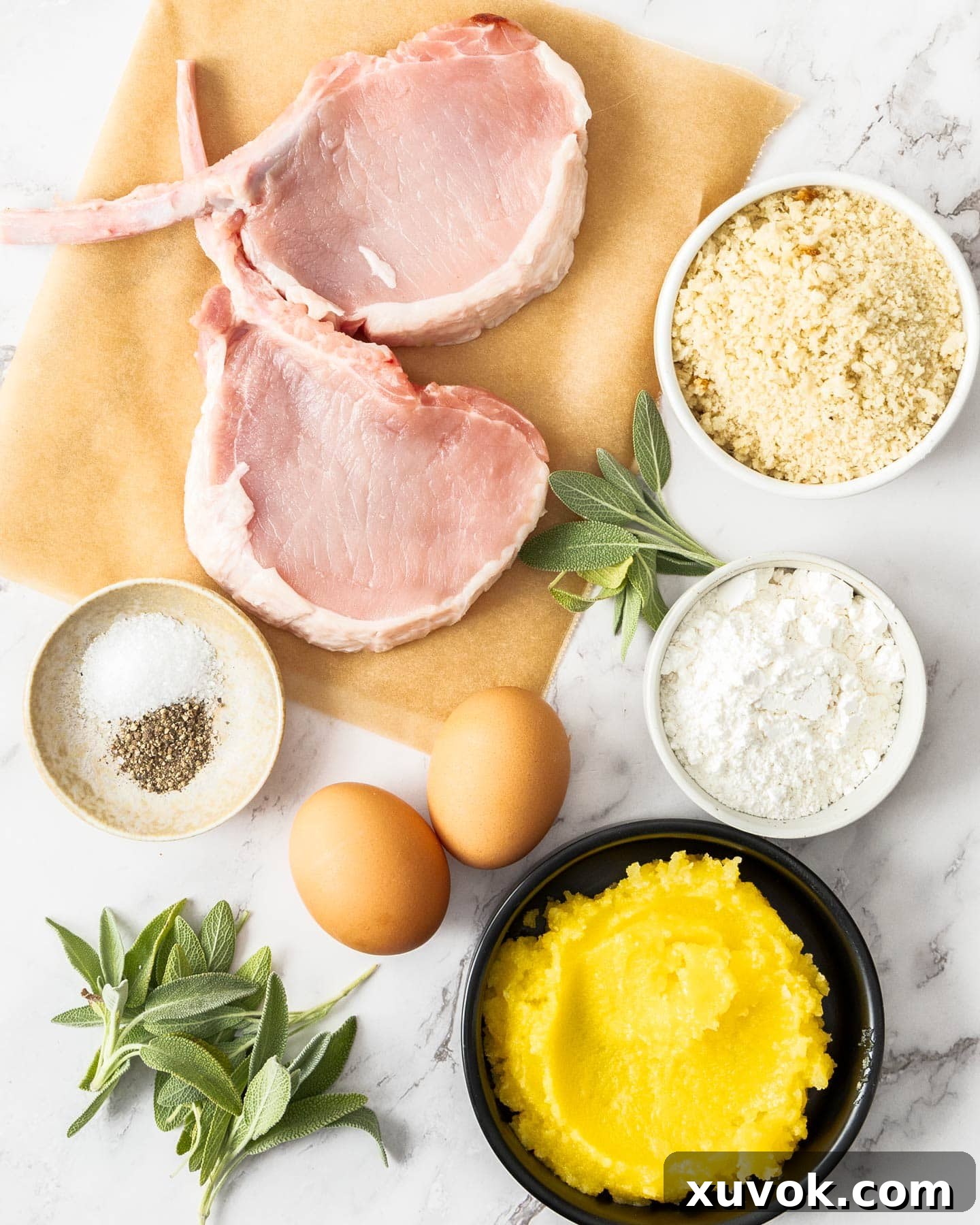
Crafting the perfect pork cotoletta Milanese begins with selecting the right ingredients. The beauty of this dish lies in its simplicity, with each component playing a crucial role in achieving that sought-after crispy exterior and tender, flavorful interior. Here’s a detailed look at what you’ll need to create this Italian masterpiece at home:
Jump to the full recipe card for detailed measurements and instructions.
- Pork Cutlets: For this recipe, bone-in pork rib cutlets are my top recommendation. The bone not only contributes significantly to the flavor but also helps the meat remain incredibly juicy during cooking. While pork loin or other boneless cuts can be used, the bone-in variety offers a superior experience. Traditionally, cotoletta Milanese is made with veal cutlets, which you can absolutely substitute if available, following the exact same preparation steps.
- Salt and Pepper: These humble seasonings are truly all you need to bring out the natural deliciousness of the pork. A generous seasoning before breading ensures the flavor penetrates beyond the crust, creating a balanced taste in every bite.
- The Breading Trio: The iconic crispy coating comes from a classic three-step breading process:
- All-Purpose Flour: This initial layer is vital for creating a dry surface that allows the egg wash to adhere properly, acting as the crucial first binder.
- Large Eggs: Whisked eggs form the sticky bridge between the flour and the breadcrumbs, ensuring an even and secure coating.
- Stale Fine Breadcrumbs: This is where the magic truly happens. For the absolute best cotoletta, homemade breadcrumbs from stale white bread are indispensable. They provide an unmatched light, airy, and super-crispy texture that store-bought fine breadcrumbs or Panko simply can’t replicate. To make them, you can dry out stale bread slices overnight on an uncovered tray or briefly in a low oven (100°C for 20-30 minutes), then pulse them in a food processor until fine. While plain crumbs are classic, Italian seasoned breadcrumbs can add an extra layer of aromatic flavor.
- Clarified Butter (Ghee): This is arguably the most critical ingredient for achieving authentic Milanese flavor and an unbelievably crisp texture. Clarified butter, also known as ghee, is butter with its milk solids removed. This process gives it a higher smoke point than regular butter, allowing for prolonged frying without burning, and imparts a distinct nutty, rich flavor that permeates the breading and meat. It’s the secret to that golden, crunchy, flavorful crust.
- Fresh Sage Leaves: While optional, frying a few fresh sage leaves in the hot clarified butter for just a minute adds an aromatic depth that beautifully complements both pork and veal. It’s a simple touch that elevates the entire dish.
Unleashing Flavor: Variations and Tips
While the classic cotoletta recipe is revered for its purity, many Italian families infuse their own subtle twists. Some popular variations include incorporating a touch of grated Parmesan cheese into the breadcrumb mixture for a savory, umami boost. Others might finely chop fresh herbs like flat-leaf parsley or basil and mix them with the breadcrumbs for an aromatic lift. Occasionally, you’ll find versions cooked in extra virgin olive oil instead of ghee, offering a lighter, fruitier flavor profile. I highly recommend experiencing the simple perfection of this traditional version first. Once you’ve savored its classic charm, feel free to experiment with these variations to find your personal favorite!
How to Master Pork Cotoletta Milanese: Step-by-Step
Creating this delightful pork cotoletta might seem like a gourmet endeavor, but it’s surprisingly simple and straightforward. It’s the perfect elegant yet quick weeknight dinner, especially when paired with a light, refreshing side salad. Follow these steps to achieve a perfectly crispy and juicy cutlet every time.
For precise measurements and full instructions, please jump to the recipe card below.
1. Preparing Your Pork Cutlets
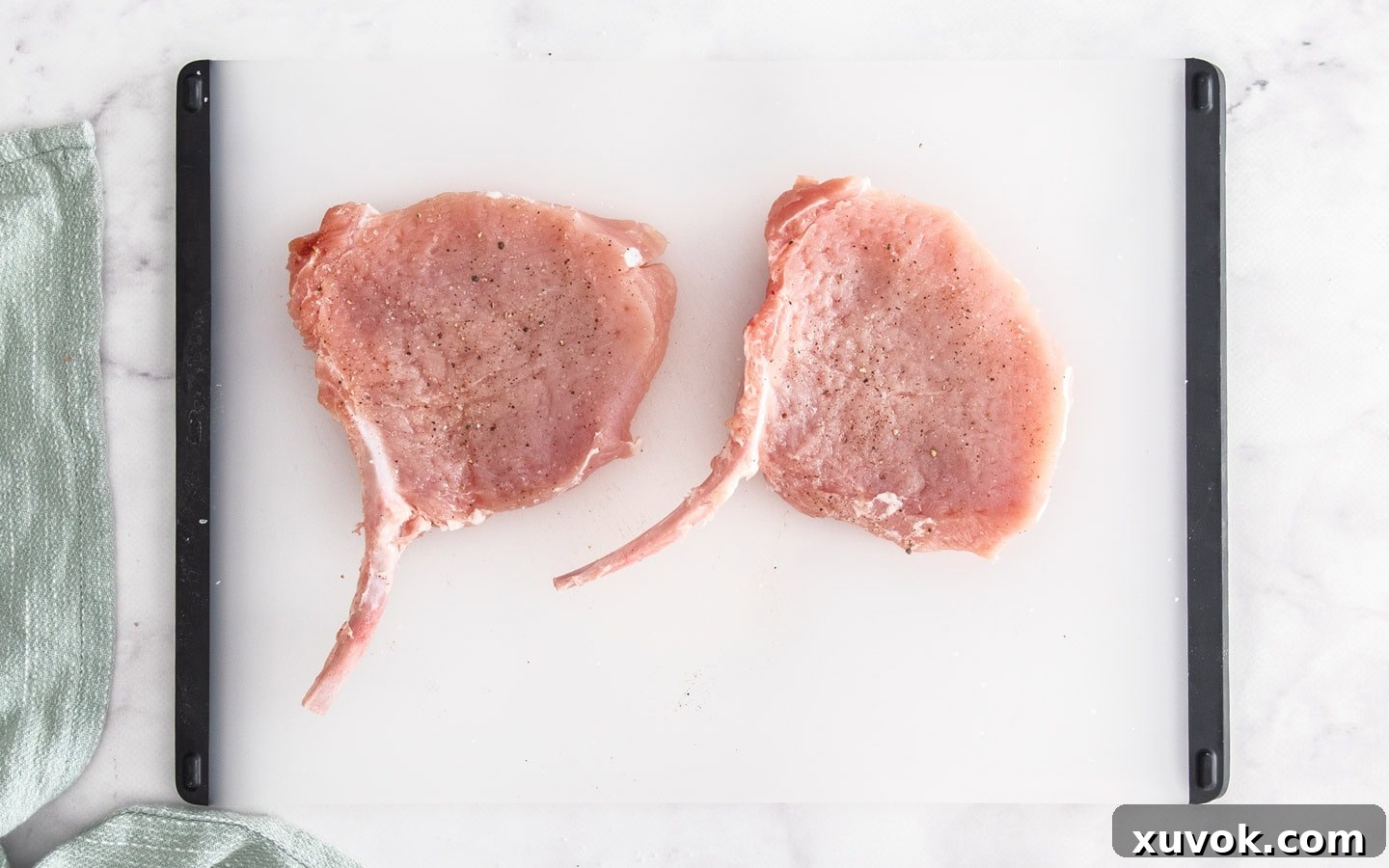
The initial preparation of your pork cutlets is key to ensuring even cooking and maximum tenderness. Begin by placing each cutlet on a sturdy chopping board. Use a sharp paring or filleting knife to trim away any excess fat from the outer edges. This helps prevent curling during frying and ensures a more uniform shape.
Next, you’ll want to flatten the meat. Cover each cutlet with a piece of plastic wrap or parchment paper to prevent sticking and splattering. Using a meat mallet, gently but firmly pound the cutlets until they are about 1cm (approximately ⅜ inch) thick. This crucial step not only tenderizes the meat but also ensures it cooks quickly and evenly, preventing the breadcrumbs from burning before the pork is cooked through.
Finally, season both sides of each flattened pork cutlet generously with fine sea salt and freshly ground pepper. Use your hands to gently press the seasonings into the meat, ensuring an even distribution of flavor. While optional, you can also “French” the bones by scraping away any meat or sinew from the exposed bone end for a more refined presentation. This is purely aesthetic but adds a touch of culinary elegance.
2. The Art of Breading for Perfection
The breading process for pork cotoletta is a classic three-step method that creates that signature crisp crust. Set up three shallow bowls or baking trays side-by-side: one with plain flour, one with whisked eggs, and one with your fine stale breadcrumbs. This assembly line approach makes the process efficient and mess-free.
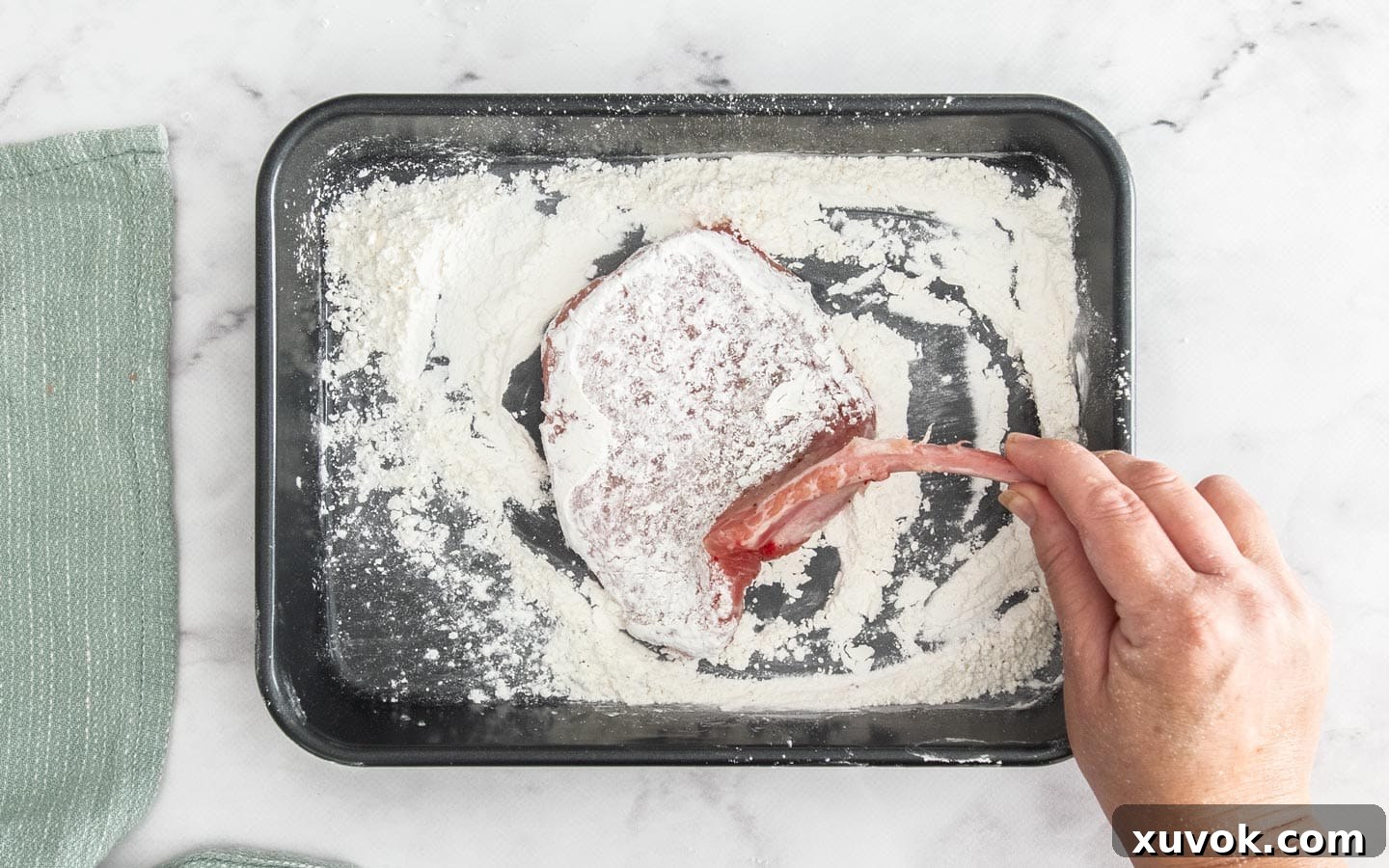
Working with one pork cutlet at a time, begin by fully coating it in the flour. Ensure every surface of the meat is dusted, then gently shake off any excess flour. The flour acts as a primer, creating a dry surface that will help the egg wash adhere evenly and completely. Without this flour layer, the egg might not stick well, leading to patchy breading.
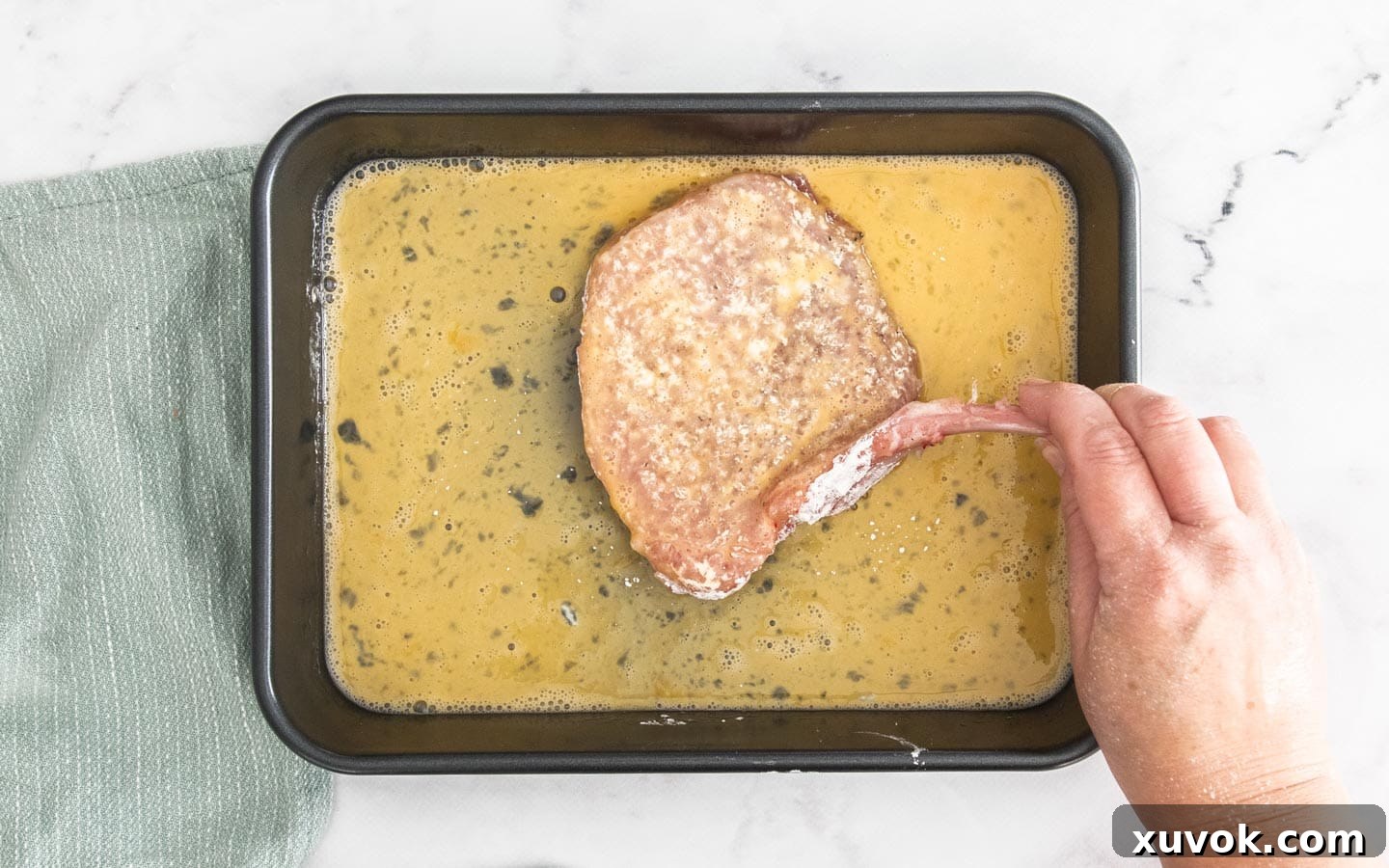
Next, carefully transfer the floured cutlet into the bowl of whisked eggs. Make sure the egg mixture coats the entire surface, covering every nook and cranny. Lift the cutlet, allowing any excess egg to drip back into the bowl. The egg wash is the essential glue that will bind the breadcrumbs to the meat, creating a robust and even coating.
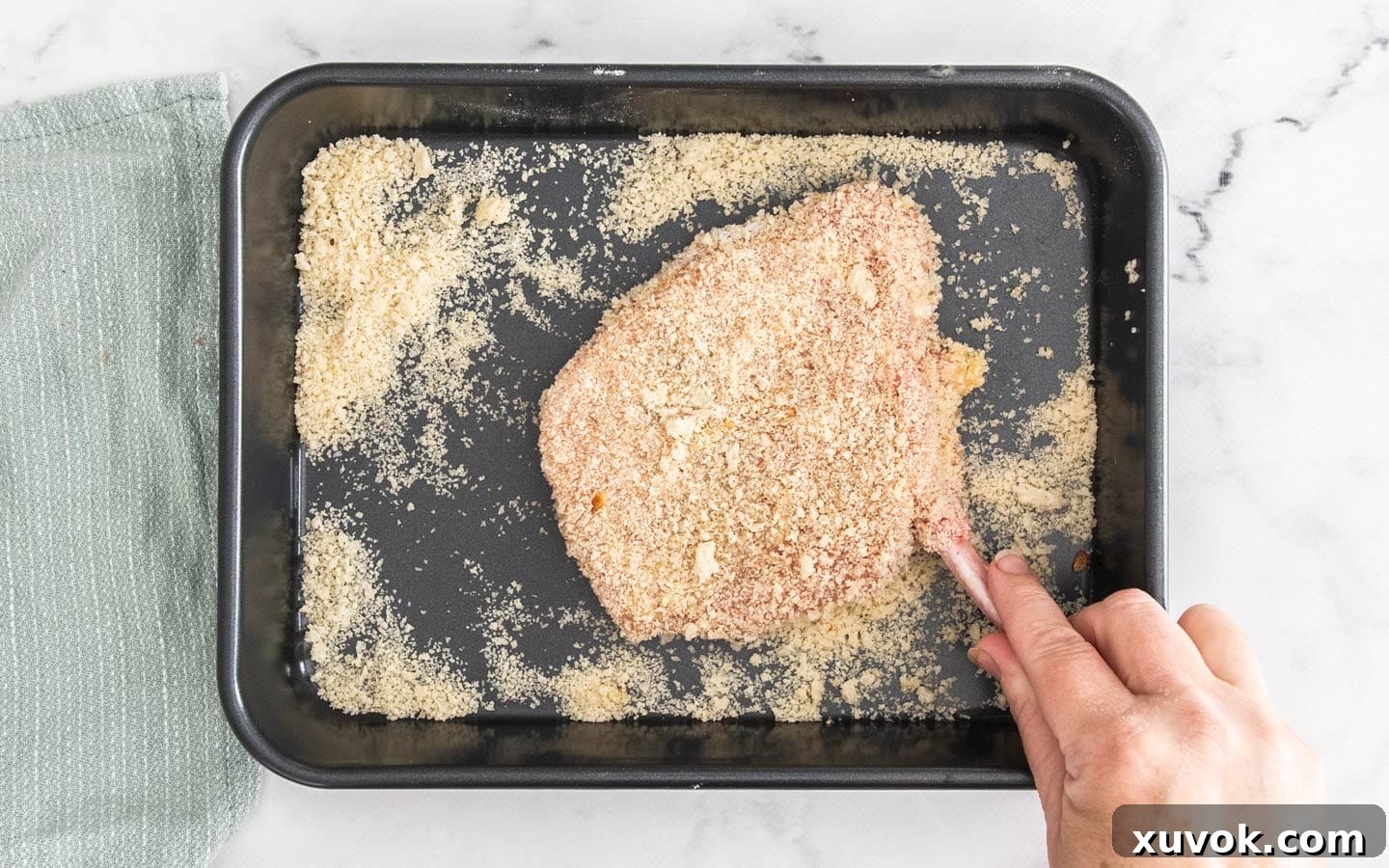
Finally, place the egg-coated cutlet into the breadcrumbs. Use your hands to gently but firmly press the breadcrumbs onto the surface of the pork, ensuring a thick, even layer. Don’t be shy here; a good coating of breadcrumbs is crucial for that satisfying crunch. Once thoroughly coated, gently tap off any very loose crumbs. If time allows, chilling the breaded cutlets for about 30 minutes in the refrigerator can significantly help the breading adhere better during frying, resulting in an even crispier finish. This simple step can prevent the dreaded breading-slip that sometimes occurs when frying.
3. Frying Your Pork Cotoletta to Golden Crispness
The final step is where your pork cotoletta transforms into a golden, crunchy masterpiece. Heat the clarified butter (ghee) in a large, heavy-based skillet or frying pan over medium-high heat. Allow the butter to fully melt and then continue heating for another 2-3 minutes until it shimmers and feels hot when you cautiously hold your hand a few inches above the pan. The correct oil temperature is vital for a crispy crust and properly cooked meat.
Carefully lower one to two breaded pork chops into the hot butter, ensuring not to overcrowd the pan. Overcrowding will lower the temperature of the butter, leading to soggy, rather than crispy, cotoletta. Immediately reduce the heat to medium. Cook the first side for approximately 4-6 minutes, or until it turns a beautiful golden brown and the crust is firm. The exact time will depend on the thickness of your cutlets and the heat of your stove.
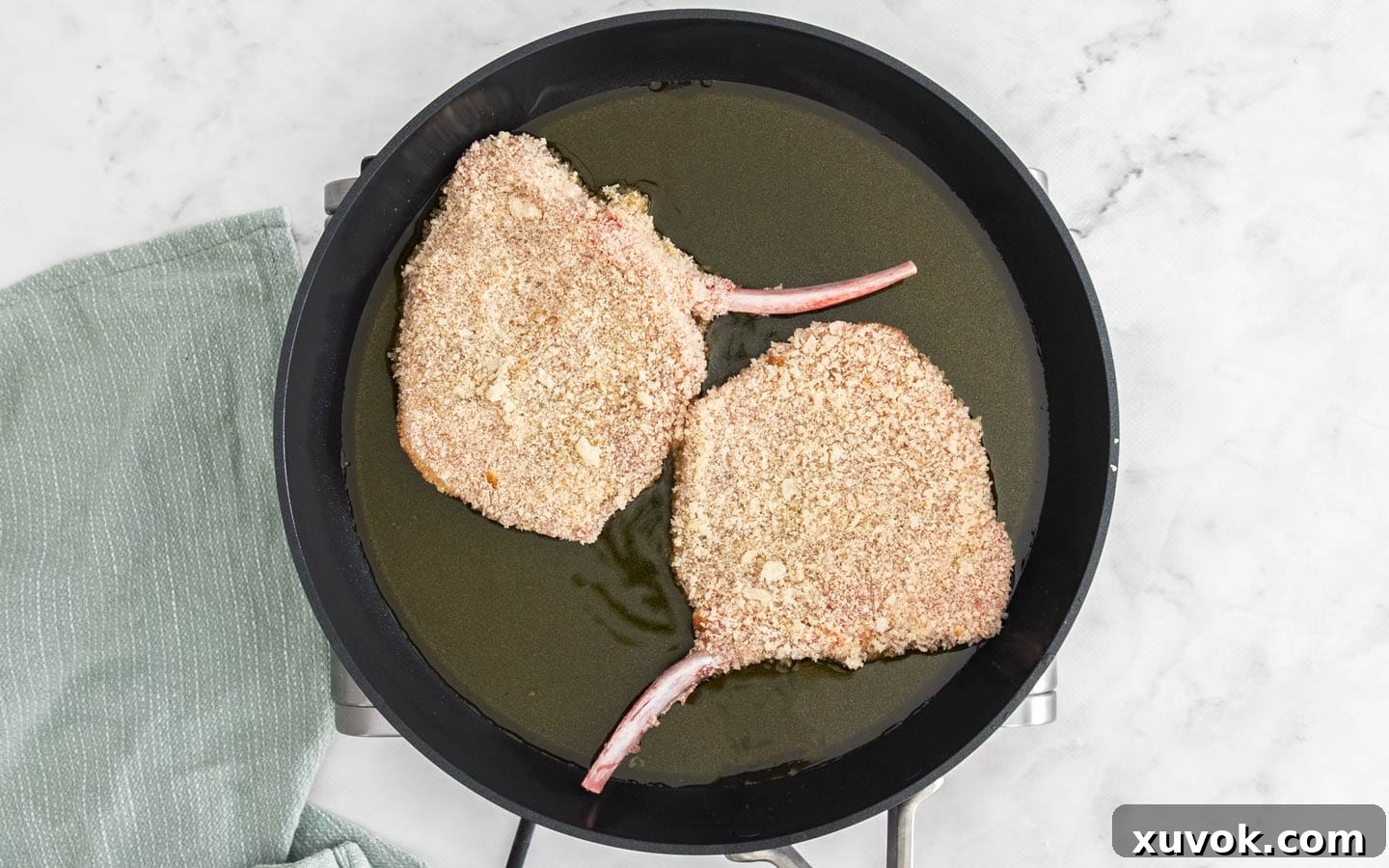
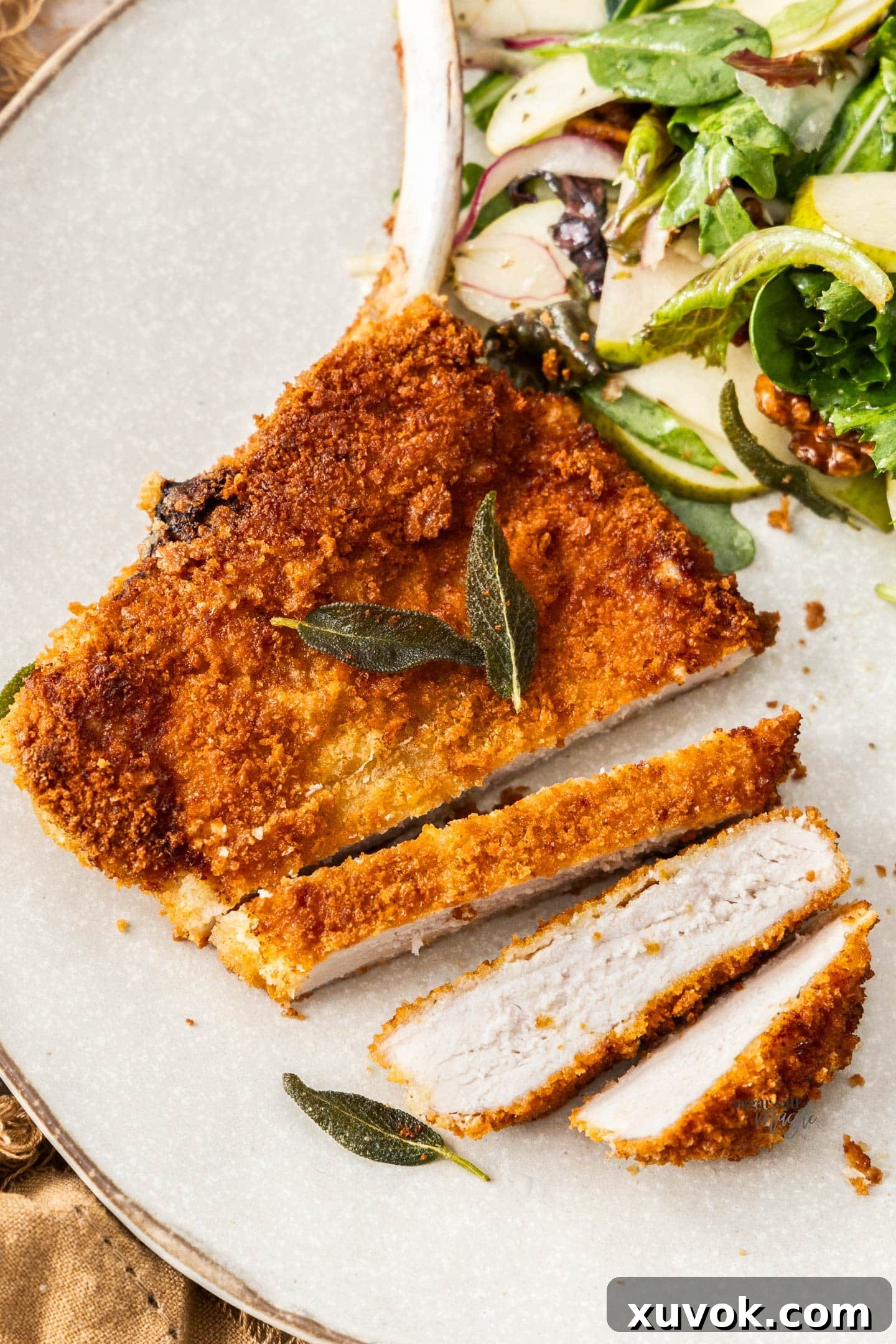
Using tongs, carefully flip the cutlets to cook the second side. Fry for another 3-4 minutes, or until this side is also gloriously golden brown and crispy, and the pork is cooked through. If using a meat thermometer, the internal temperature should reach 63°C (145°F) for pork. Once cooked, transfer the cotoletta to a plate lined with paper towels to drain any excess butter, keeping them warm while you cook the remaining cutlets in batches.
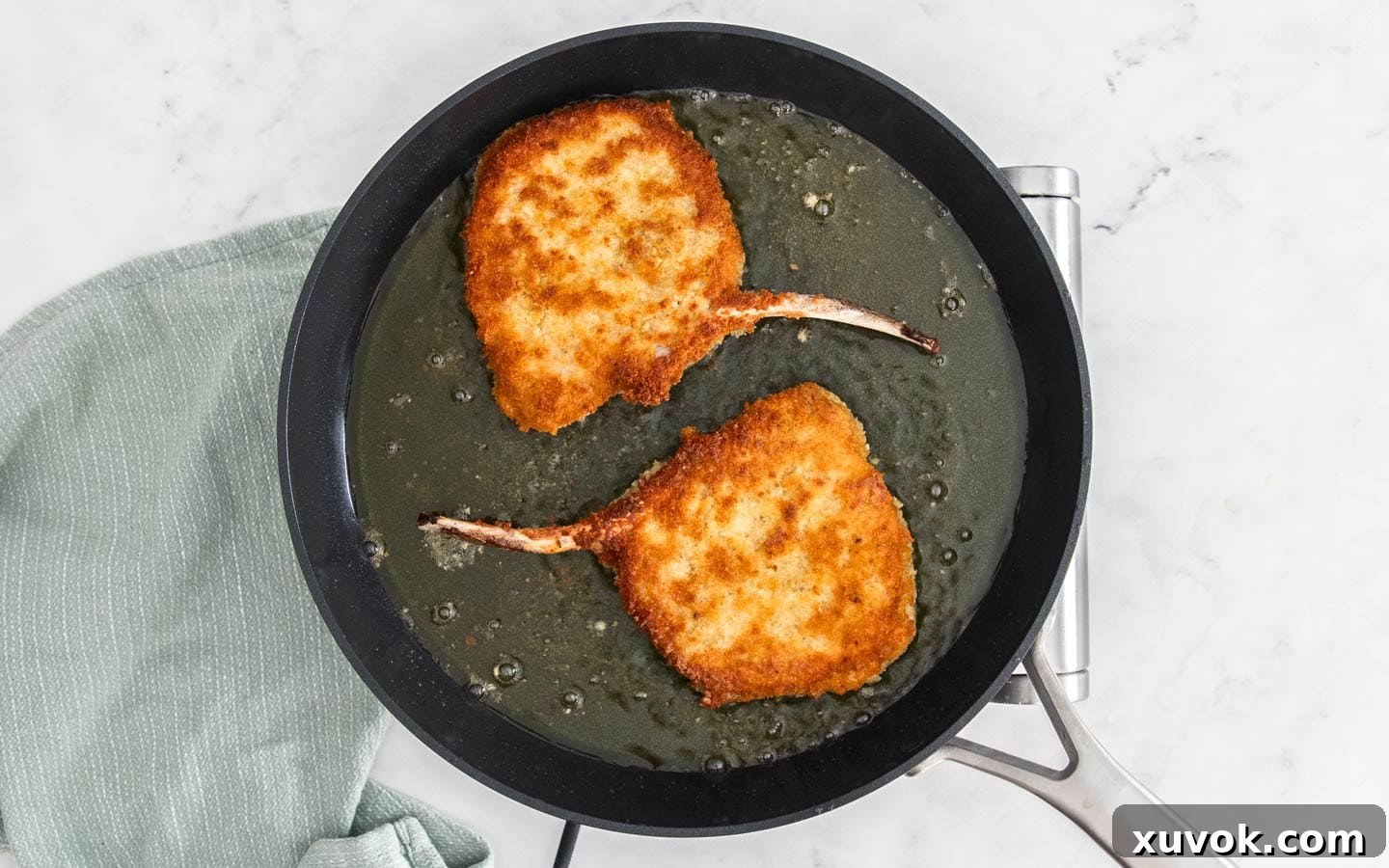
As a final touch, once all the cotoletta are cooked and resting, toss the fresh sage leaves into the hot residual butter in the pan. Fry them for just 1-2 minutes until they become fragrant and slightly crisp. Scoop them out onto paper towels to drain. These crispy sage leaves make a beautiful and aromatic garnish for your finished pork cotoletta. Serve immediately, perhaps with a squeeze of fresh lemon, and prepare to be delighted!
Pro Tips and Tricks for the Perfect Cotoletta
Achieving a restaurant-quality pork cotoletta Milanese at home is easier than you think, especially with these insider tips and tricks:
- The Breading is Your Foundation: The key to a robust, crispy coating lies in meticulous breading. Ensure your pork chops are completely covered in flour before dipping them into the egg wash. The flour creates a dry, adhesive surface for the egg. Then, ensure the egg completely coats the flour layer, allowing any excess to drip off. This flour-egg combination acts as the perfect “glue.”
- Press Those Crumbs On Firmly: When coating in breadcrumbs, don’t just roll the cutlet. Use your hands to gently but firmly press the crumbs onto every inch of the meat. This ensures a thick, even layer that will fry up beautifully crisp and won’t fall off during cooking.
- Homemade Stale Breadcrumbs are Gold: Forget store-bought Panko or fine breadcrumbs for this recipe. The best results come from homemade breadcrumbs made from stale white bread. Regular square loaf bread or even ciabatta works wonderfully. To make them, process stale bread in a food processor or blender until you have fine crumbs. For extra crispiness, spread them in a thin layer on a baking sheet and let them air dry overnight (covered with a tea towel) or bake them in a very low oven (around 100°C / 210°F) for 20-30 minutes until dried out.
- Chill for Adhesion: After breading, if you have 30 minutes to spare, place the cutlets in the refrigerator. Chilling helps the breading adhere firmly to the meat, minimizing the chance of it falling off during frying and ensuring an even, crisp crust.
- Don’t Overcrowd the Pan: Frying in batches is crucial. Overcrowding the pan will dramatically lower the temperature of your clarified butter, causing the cotoletta to absorb more fat and become greasy rather than crisp. Give each cutlet ample space to fry evenly.
- Perfect Butter Temperature: Ensure your clarified butter is hot enough (but not smoking) before adding the cutlets. A medium-high heat initially, then reduced to medium, provides the ideal conditions for a golden-brown, crispy crust and thorough cooking without burning. If it’s not hot enough, the breading will be soggy; too hot, and it will burn before the meat cooks.
- Rest for Juiciness: Once fried, transfer the cotoletta to a wire rack set over paper towels (or directly on paper towels) to drain excess fat. While immediate serving is best for crispness, letting them rest for just a minute or two helps the juices redistribute, ensuring a more tender and moist chop.
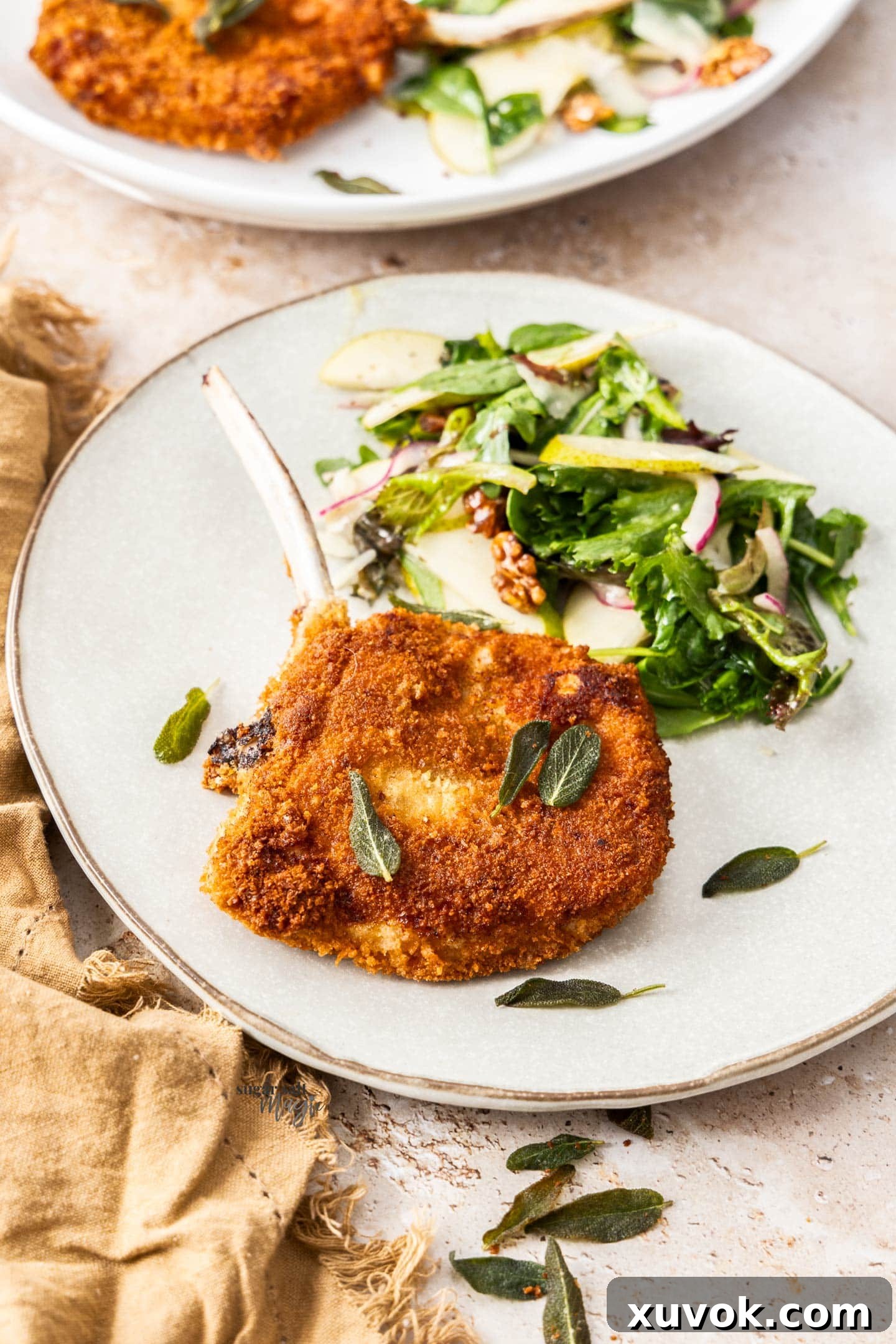
What to Serve with Your Pork Cotoletta Milanese
The rich, crispy nature of **Pork Cotoletta Milanese** makes it incredibly versatile, pairing beautifully with a variety of side dishes. The key is often to balance its richness with fresh, vibrant, or sometimes hearty, complementary flavors.
My absolute favorite accompaniment is a simple yet elegant **pear and walnut salad**. The crisp texture and subtle sweetness of the pears offer a delightful contrast to the savory pork, while the walnuts add another layer of crunch. The overall freshness of the salad cuts through the richness of the fried meat perfectly.
Beyond this, here are some other fantastic serving suggestions:
- Light & Fresh Salads:
- For an peppery, savory kick, try an **asparagus, rocket, and parmesan salad**. The bitterness of the rocket (arugula) and the sharpness of the Parmesan are wonderful.
- A light and **creamy cucumber salad** provides a cooling, refreshing element that works exceptionally well with any fried meat.
- Creamy & Comforting Sides:
- A vibrant **apple coleslaw**, with its creamy dressing and crisp apples, is a perennial favorite with breaded meats. The acidity of the apple offers a pleasant tang.
- Hearty Carb Companions:
- If you’re looking for something more substantial, a **pesto caprese pasta salad** combines fresh flavors with a satisfying carb base.
- You can never go wrong with **classic crunchy roast potatoes**. Their crispy exterior mirrors the cotoletta, and their fluffy interior is pure comfort.
- For a sophisticated potato dish, try these **roasted mini potatoes with sage butter sauce**, which echo the sage notes in the cotoletta.
- Sauces & Zesty Touches:
- A luxurious **creamy mushroom sauce** is truly sublime with any schnitzel or cotoletta, adding an extra layer of indulgence.
- Crucially, **lemon wedges** are almost always served with Cotoletta Milanese. A generous squeeze of fresh lemon juice over the hot cutlet provides a bright, zesty lift that perfectly cuts through the richness of the clarified butter and pork, making every bite feel fresh and vibrant. Don’t skip this simple but essential garnish!
More Mouth-Watering Recipes to Explore
If you loved the crispy, savory goodness of this Pork Cotoletta Milanese, you’re in for a treat! Here are more delicious breaded and pan-fried recipes that are sure to become new favorites in your kitchen:
- Italian Chicken Cutlets: Another fantastic, easy-to-make Italian classic, offering tender chicken with a crisp coating.
- Chicken Schnitzel: A European favorite, this thinly pounded and breaded chicken is perfect for a quick, satisfying meal.
- Chicken Katsu: Explore the Japanese take on chicken schnitzel, known for its extra-crispy Panko crust and often served with a delectable sauce.
- Crumbed Sausages: A unique and comforting dish that elevates simple sausages into a crispy, flavorful delight.
- Pistachio Chicken: For something a little different, this recipe features a crunchy pistachio crust for a gourmet twist on breaded chicken.
⭐⭐⭐⭐⭐
Did you try this pork cotoletta recipe? Show it some love in the comments below.
Hungry for more? Subscribe to the newsletter for free recipes straight to your inbox. Also, follow along on Facebook, Pinterest and Instagram.
Pork Cotoletta Milanese
4
serves
10 minutes
16 minutes
30 minutes
56 minutes
Rate
Pin
Ingredients
-
4
pork cutlets, on the bone -
1 ½
teaspoons
fine sea salt -
½
teaspoon
finely ground pepper -
⅔
cup
plain flour (all purpose flour)
(75g) -
2
large
eggs -
2
cups
stale fine breadcrumbs -
170
g
clarified butter (ghee)
(6oz) -
Handful
fresh sage leaves -
Flaky sea salt to serve
For best results, always weigh ingredients where a weight is provided
Equipment
-
chopping board -
meat mallet / meat tenderiser -
Large skillet or frying pan, heavy based to distribute the heat evenly
Instructions
-
Prepare the Cutlets:
(Optional Frenching): If desired, trim any excess meat or sinew from the exposed bone end using a sharp paring knife for a cleaner look. Place the pork cutlets on a large chopping board and slice away any excess fat from the outer edges. Cover each cutlet with plastic wrap and use a meat mallet to gently pound the meat until it is about 1cm (⅜ inch) thick. This ensures even cooking.
-
Season the Pork:
Sprinkle the fine sea salt and finely ground pepper generously over both sides of the flattened pork cutlets. Use your hands to gently press the seasoning into the meat, ensuring it adheres well.
-
Set Up Breading Stations:
Prepare three separate shallow bowls or baking tins: one for the plain flour, one for the whisked large eggs, and one for the stale fine breadcrumbs.
-
Breading the Cutlets:
Working with one pork chop at a time, first coat it thoroughly in the flour, shaking off any excess. Next, dip it into the whisked egg, ensuring full coverage, and let any excess egg drip off. Finally, place it in the breadcrumbs, using your hands to firmly press the crumbs onto all sides of the cutlet to create a thick, even coating.
-
Chill (Recommended):
For best results and to help the breading adhere during frying, transfer the breaded cutlets to a plate and chill them in the refrigerator for at least 30 minutes.
-
Heat the Clarified Butter:
In a large, heavy-based non-stick frying pan or skillet, melt the clarified butter (ghee) over medium-high heat. Once melted, continue heating for an additional 2 minutes until it shimmers and is hot (but not smoking).
-
Fry the Cotoletta (in batches):
Working in batches (one to two cutlets at a time to avoid overcrowding), carefully lower the breaded pork chops into the hot butter, holding the bone if applicable. Immediately reduce the heat to medium.
-
Cook to Golden Perfection:
Cook the first side for 4-6 minutes, or until deeply golden brown and crispy. Carefully flip the cutlet using tongs (be cautious of splashing hot butter) and cook the second side for another 3-4 minutes, until equally golden, crisp, and cooked through. The internal temperature should reach 63°C (145°F).
-
Drain and Rest:
Transfer the cooked cotoletta to a plate lined with paper towels (or a wire rack) to drain any excess butter. Keep them warm while you repeat the frying process with the remaining cutlets.
-
Crispy Sage Garnish:
Once all the cutlets are fried and resting, add the fresh sage leaves to the hot butter remaining in the pan. Fry for 1-2 minutes until they become fragrant and crisp. Scoop them out and drain them on paper towels.
-
Serve Immediately:
Serve the Pork Cotoletta Milanese immediately, garnished with the crispy sage leaves and a fresh lemon wedge for squeezing over the top. Enjoy!
-
Please take a moment to leave a comment & rating. It’s appreciated and so helpful.
Notes
- Pork Cut Choice: Bone-in pork rib cutlets are highly recommended for their superior flavor and juiciness. However, other boneless cuts of pork can also be used, though cooking times might slightly vary.
- Traditional Veal Option: Cotoletta Milanese is classically prepared with veal cutlets. You can confidently substitute veal in this recipe without needing to make any other changes to the preparation or cooking method.
- Best Breadcrumbs: For the crispiest, most authentic coating, use homemade fine breadcrumbs made from stale white bread. Process them in a food processor or blender, ensuring they are thoroughly dry and stale before use. This makes a significant difference in texture.
- Nutrition Information: The provided nutrition details are approximate and have been calculated using an online calculator. Actual nutritional values may vary depending on the specific brands and precise amounts of ingredients you use. Please consult a qualified nutritionist for personalized dietary advice.
EXPLORE MORE GREAT DINNER RECIPES!
669
kcal
Marie Roffey
Dinner
Italian
Have you tried this recipe?
Don’t forget to leave a rating and comment below and let me know how it was! I love hearing from you. Nutrition information is approximate and derived from an online calculator. The brands you use may cause variations.
Calories 669
Calories from Fat 234
% Daily Value*
Fat 26g
40%
81%
Cholesterol 233mg
78%
Sodium 1383mg
60%
Potassium 820mg
23%
Carbohydrates 55g
18%
13%
3%
Protein 50g
100%
Vitamin A 120IU
2%
Calcium 124mg
12%
Iron 5mg
28%
Frequently Asked Questions About Cotoletta
While clarified butter (ghee) is the traditional fat for cooking Cotoletta Milanese and contributes significantly to its authentic flavor and incredible crispiness, you do have alternatives. You can use a high-quality extra virgin olive oil for a different, slightly fruitier flavor, or a good neutral-flavored vegetable oil, such as canola or grapeseed oil, if you prefer. However, for the most genuine Milanese experience, ghee is highly recommended due to its high smoke point and rich, nutty aroma.
The term “pork cutlets” can be a bit broad, referring to several different cuts of pork. For this Cotoletta Milanese recipe, you are looking for single-serving portions of pork on the bone. Pork rib cutlets (also sometimes called pork chops) are an excellent choice as the bone helps keep the meat incredibly juicy and infuses extra flavor during cooking. Look for cuts that are relatively uniform in thickness, or be prepared to pound them thin yourself, which is a crucial step for even cooking and tenderness.
Classically, Cotoletta Milanese is made from thinly pounded, bone-in veal cutlets. These veal cutlets are simply coated in a three-step breading process: seasoned flour, beaten egg, and fine breadcrumbs. Much of the distinctive, rich flavor and signature crisp texture of the dish comes from being pan-fried in clarified butter (ghee). The simplicity of the ingredients allows the quality of the meat and the cooking method to truly shine.
The primary differences between a schnitzel (like Wiener Schnitzel) and Cotoletta Milanese are subtle but significant. Both are breaded and fried meat cutlets, often traditionally made from veal. However, Wiener Schnitzel typically uses a boneless veal cutlet that is pounded extremely thin and fried. Cotoletta Milanese, on the other hand, is traditionally made with a bone-in veal cutlet (or pork in this adapted recipe) and while it is flattened, it’s usually not quite as thin as a Wiener Schnitzel. Additionally, Cotoletta Milanese is specifically fried in clarified butter (ghee), which imparts a unique flavor that distinguishes it from other schnitzel varieties.
Absolutely! While this recipe focuses on pork for its great flavor and accessibility, and traditional cotoletta uses veal, this breading and frying method works beautifully with other meats. Chicken breast, for example, can be pounded thin and prepared in the exact same way to create delicious chicken cutlets. Even turkey cutlets would be a fantastic option. Feel free to experiment with your favorite protein to adapt this classic Italian preparation to your taste.