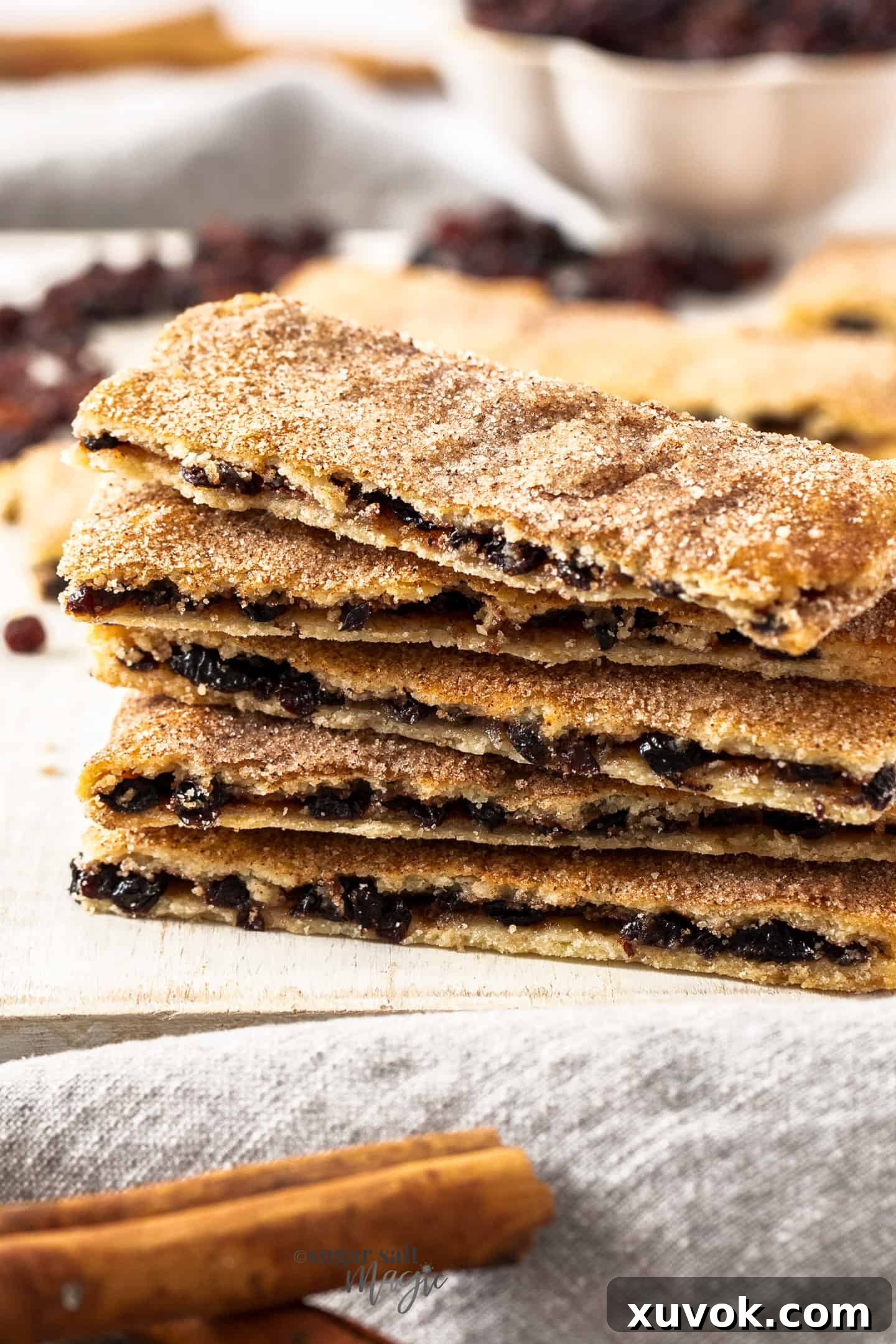
Delightful Homemade Garibaldi Biscuits: A Classic Tea-Time Treat
Step into a world of nostalgic delight with these utterly irresistible Garibaldi biscuits. Renowned for their unique combination of a crisp, golden-baked pastry exterior and a wonderfully soft, fruit-filled interior, these biscuits are a true British classic and an enduring favourite for tea time. Each bite delivers a burst of buttery goodness complemented by the sweet, chewy currants, creating a harmonious texture and flavour profile that’s simply unmatched.
Globally cherished and known by various charming (and sometimes quirky!) monikers, you might have heard Garibaldi biscuits affectionately referred to as “squashed fly biscuits” or even “flies graveyard.” While these names might not sound the most appetizing, rest assured, these delightful cookies contain absolutely no insects! The playful names merely allude to the appearance of the currants pressed between the layers of dough. Traditionally, the fruity filling is made with succulent currants, but you’ll often find delicious variations using plump raisins or tender sultanas as well.
Mastering the art of homemade Garibaldi biscuits is a rewarding experience. Our recipe guides you through creating that perfect buttery dough, evenly distributing the juicy fruit, and achieving that signature golden finish. Whether you’re an experienced baker or just starting, this easy-to-follow guide will help you recreate this iconic treat right in your own kitchen.
If you’re looking for more delightful baking projects, don’t miss these incredible homemade Florentines, or try our ever-popular buttery sultana cookies for another fruity indulgence. Both are perfect companions for your next cup of tea or coffee.
This beloved recipe was originally shared on June 18th, 2021, and has been meticulously updated with enhanced instructions, clearer details, and beautiful new step-by-step images to ensure your baking success.
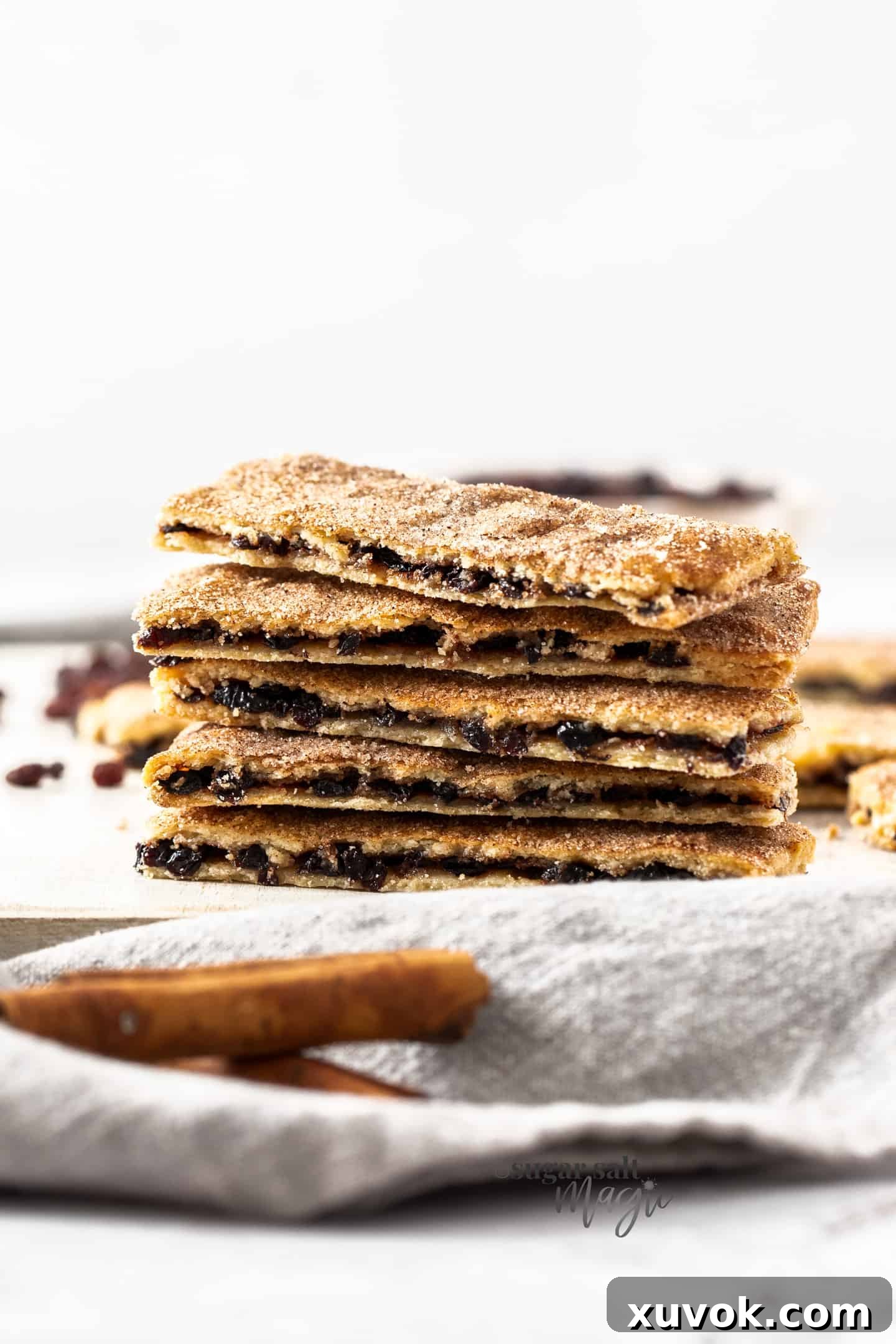
Table of contents
- Why Are They Called Garibaldi Biscuits?
- Essential Ingredients for Garibaldi Biscuits
- How to Make Garibaldi Biscuits (Squashed Fly Biscuits)
- 1. Prepare and Soak the Dried Fruit
- 2. Craft the Buttery Biscuit Dough
- 3. Assemble Your Garibaldi Biscuits
- 4. Bake and Slice for Perfection
- Tips and Tricks for Perfect Garibaldi Biscuits
- Delicious Substitutions and Creative Variations
- Handy Tools for Garibaldi Biscuit Making
- More Irresistible Recipes You’ll Love
Never Miss a Recipe!
Get the latest, most delicious recipes straight to your inbox – subscribe today!
Why Are They Called Garibaldi Biscuits? Unraveling the History of a British Staple
These distinctive fruit biscuits hold a fascinating place in culinary history, proudly carrying the name of an iconic figure: Giuseppe Garibaldi, a revered Italian general and nationalist who played a pivotal role in the unification of Italy. First introduced in the United Kingdom over 150 years ago, specifically by Peak Frean, a prominent biscuit manufacturer, these biscuits quickly captured the hearts (and taste buds) of the British public. The general himself had visited England in 1864, just a year before the biscuits’ creation, leaving a lasting impression that seemingly inspired the brand.
While the exact details of the biscuit’s inception and direct connection to Garibaldi remain somewhat shrouded in time, their popularity rapidly spread, transcending borders and adapting to local tastes. Today, these beloved “squashed fly biscuits” have journeyed around the world, appearing in various forms and under different names, each maintaining the core essence of the original. For instance, in Australia, they are fondly known as “Full O’fruit” biscuits, a nod to their generous fruit filling, while in New Zealand, you might find them under the charming name “Fruitli.” Even the United States once boasted its own version, cleverly marketed as “Golden Fruit” biscuits. This global presence underscores the universal appeal of their simple yet satisfying flavour and unique texture, making them a truly international delight. (Source: Wikipedia)
Essential Ingredients for Garibaldi Biscuits: Simple Components, Exceptional Flavor
Crafting these classic fruit biscuits requires a surprisingly short list of common pantry staples. The beauty of Garibaldi biscuits lies in the quality of these few ingredients, which combine to create a truly magical tea-time treat. Most of what you need is likely already in your kitchen, making this a perfect spontaneous baking project.
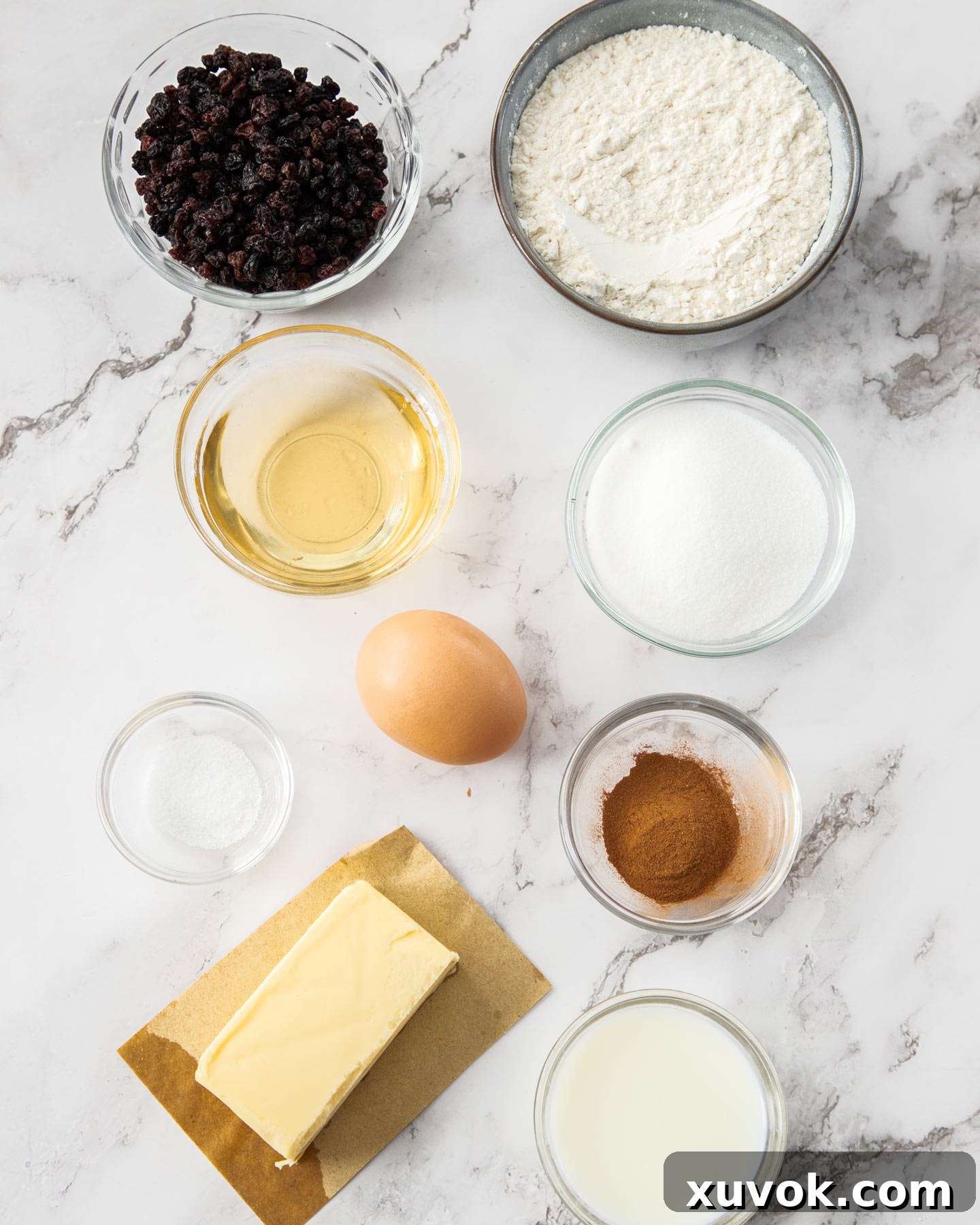
For precise measurements and detailed instructions, please jump directly to the full recipe card below.
- Flour: Simple, everyday plain or all-purpose flour is ideal for achieving the perfect texture in these biscuits. It provides the foundational structure for our buttery pastry layers.
- Sugar: We recommend caster sugar (superfine sugar) for its ability to dissolve effortlessly into the dough and create a delicate, crispy coating on the surface of the baked biscuits. Regular white granulated sugar can be used as a substitute, but the finer texture of caster sugar contributes to a more refined finish.
- Currants: These small, dark, and intensely sweet dried grapes are the traditional star of Garibaldi biscuits. They are essentially miniature raisins, offering a concentrated burst of fruity flavour. If currants are hard to find, plump raisins or sweet sultanas make excellent alternatives, offering a similar chewy texture and delightful sweetness.
- Liqueur or Other Liquid: Traditionally, brandy is used to soak the dried fruit, infusing it with a wonderful depth of flavour and helping to plump the fruit, making it even more succulent. However, many other liqueurs work beautifully; Frangelico is a fantastic choice for its nutty, sweet notes, and it’s often a staple in many home bars. For a non-alcoholic option, fresh orange juice is a superb substitute, providing a bright, citrusy counterpoint to the fruit.
- Salt: A small but mighty ingredient, a dash of salt is crucial in all sweet baking. It doesn’t just add flavour but also enhances the sweetness of the sugar and balances the overall taste profile, preventing the biscuits from tasting one-dimensional.
- Butter: Unsalted butter is key to achieving that rich, tender, and incredibly flaky pastry characteristic of Garibaldi biscuits. Using cold, grated butter helps in creating those distinct layers by preventing it from fully incorporating into the flour too early.
- Cinnamon: This warm, aromatic spice is mixed with a portion of the sugar and dusted over the fruit filling, as well as over the top layer of dough before baking. It adds a subtle yet essential layer of fragrant spice that beautifully complements the dried fruit.
- Milk: Just a small amount of cold milk is used to bring the biscuit dough together, creating a pliable and rollable consistency. The quantity may vary slightly depending on your flour and humidity levels, so add it gradually.
- Egg Yolk: Whisked with a touch of water, this egg wash is brushed over the top of the assembled dough before baking. It’s responsible for giving the Garibaldi biscuits their signature golden-brown, glossy finish and adds to their delightful crispness.
How to Make Garibaldi Biscuits (Squashed Fly Biscuits): A Simple Step-by-Step Guide
Making these classic British biscuits is a wonderfully straightforward process, offering a delightful departure from typical drop cookies. The unique assembly method is not only fun but also yields a distinctively layered, fruit-filled treat. Follow these steps for perfect homemade Garibaldi biscuits every time.
For full ingredients lists and precise step-by-step instructions, please scroll down to the recipe card.
1. Prepare and Soak the Dried Fruit for Maximum Juiciness
Begin by placing your chosen dried fruit (currants, raisins, or sultanas) in a small bowl. Pour the liqueur (such as Frangelico or brandy) or orange juice over them. Allow the fruit to soak for a minimum of 30 minutes. This crucial step rehydrates the fruit, making it plump, tender, and bursting with flavour, which is essential for the soft, chewy filling of your Garibaldi biscuits. Ensure the fruit is well-drained before assembly.
2. Craft the Buttery Biscuit Dough: Flaky Perfection Starts Here
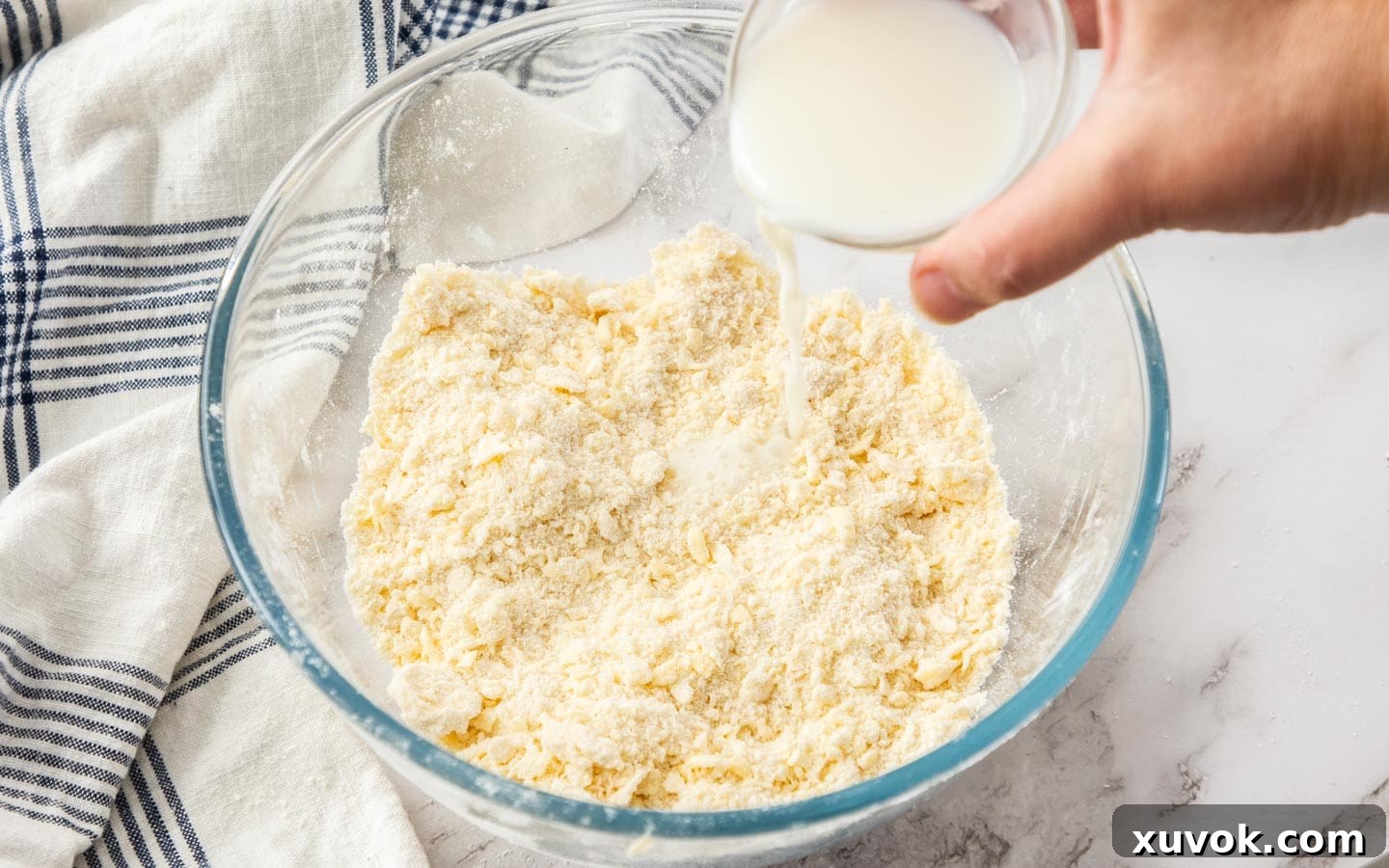
In a large mixing bowl, combine the dry ingredients: flour, half of the caster sugar, and salt. Give them a good whisk to ensure they are evenly distributed. Next, add the cold, grated unsalted butter. Using a pastry blender, two knives, or your fingertips (being careful not to overwork or melt the butter), cut the butter into the flour mixture until it resembles coarse, lumpy sand with some pea-sized pieces of butter still visible. These small pockets of butter are what create the wonderful flakiness in the finished biscuit.
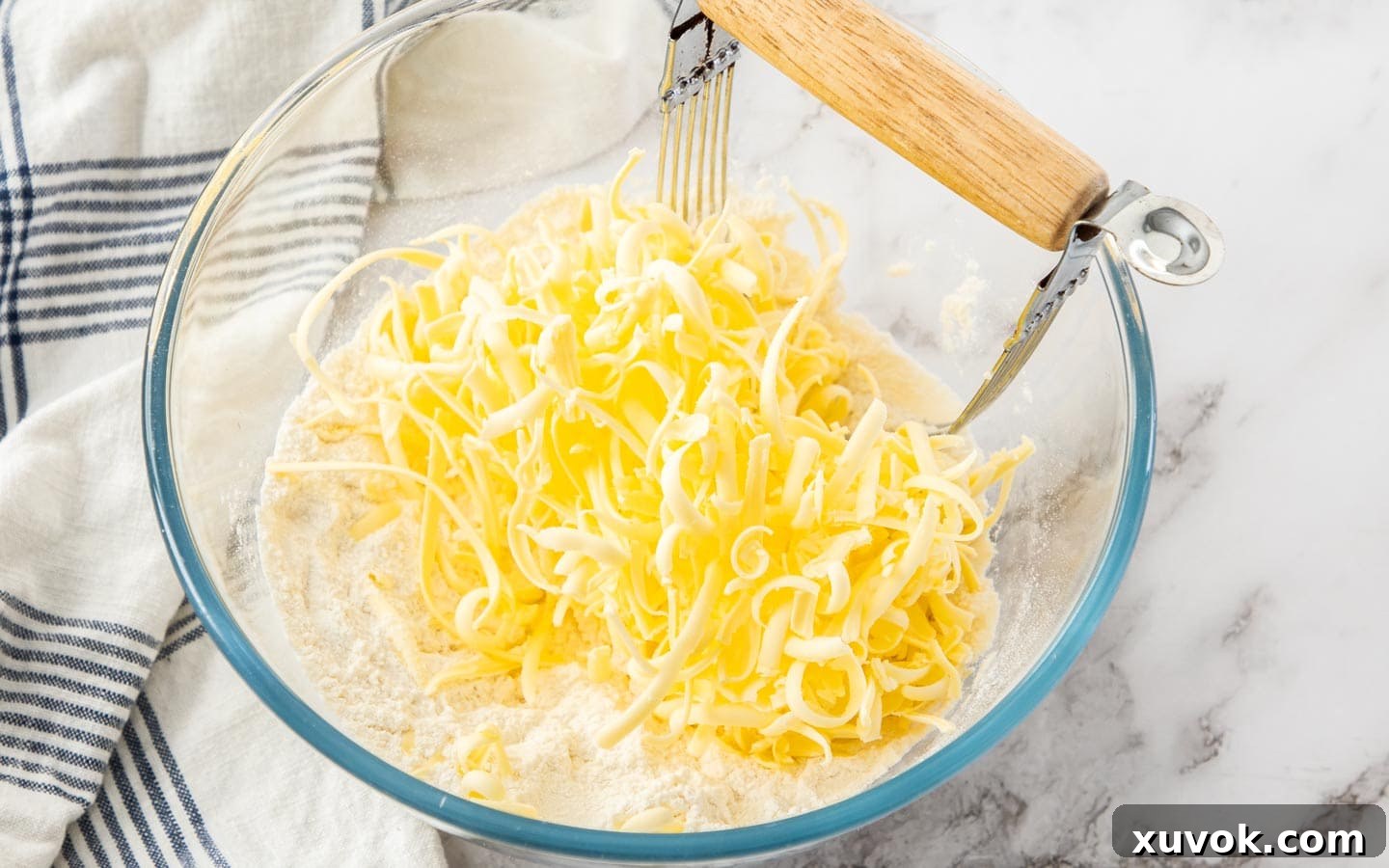
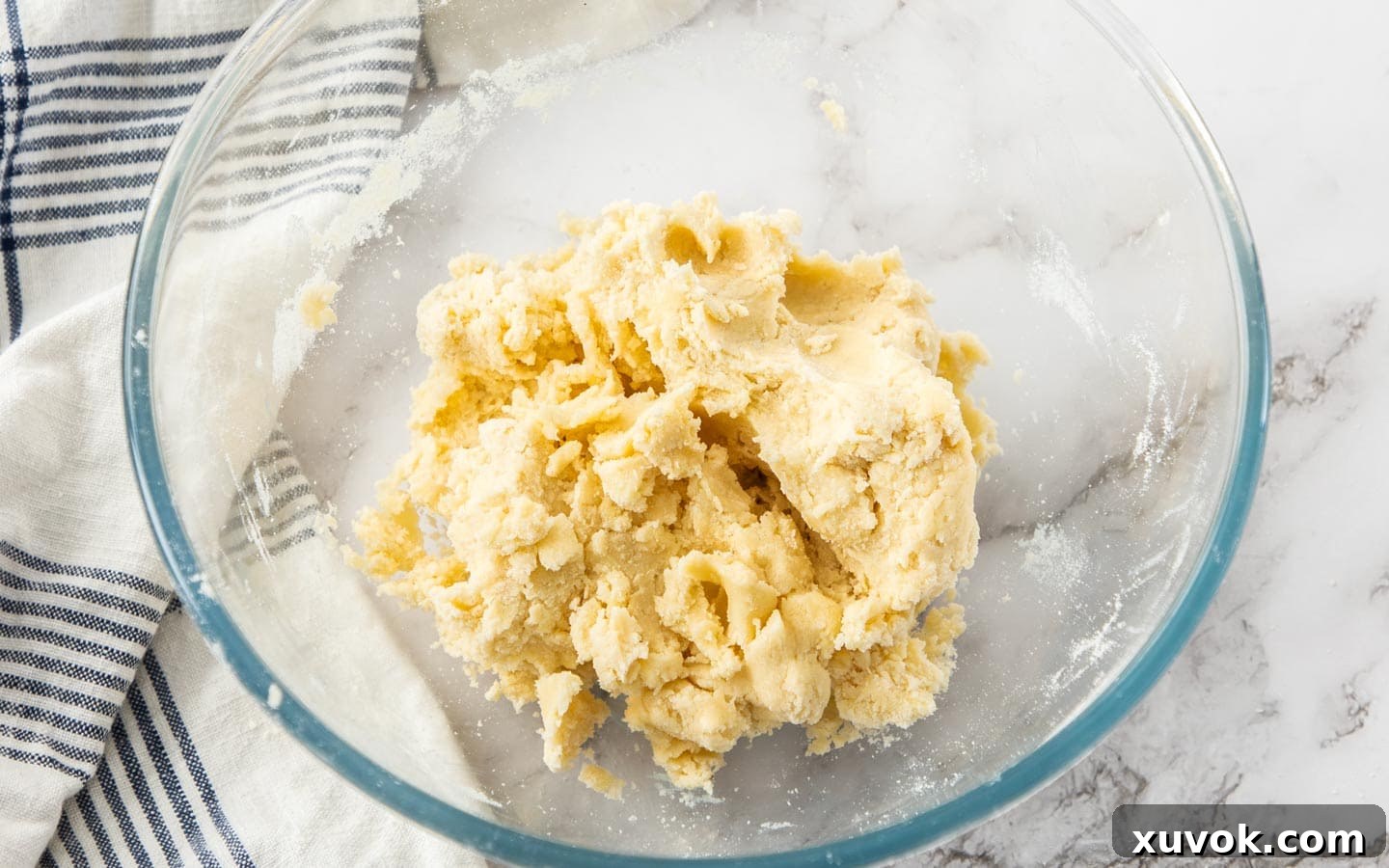
Now, gradually add the cold milk, mixing with a fork until the dough just starts to come together in clumps. Finish bringing the dough together gently with your hands, forming it into a rough rectangle. Avoid overworking the dough, as this can make the biscuits tough. Wrap the dough in baking paper or plastic wrap and chill it in the refrigerator for 30 minutes. This chilling period allows the gluten to relax and solidifies the butter, making the dough easier to roll out and contributing to a flakier biscuit.
3. Assemble Your Garibaldi Biscuits: Layering the Flavours
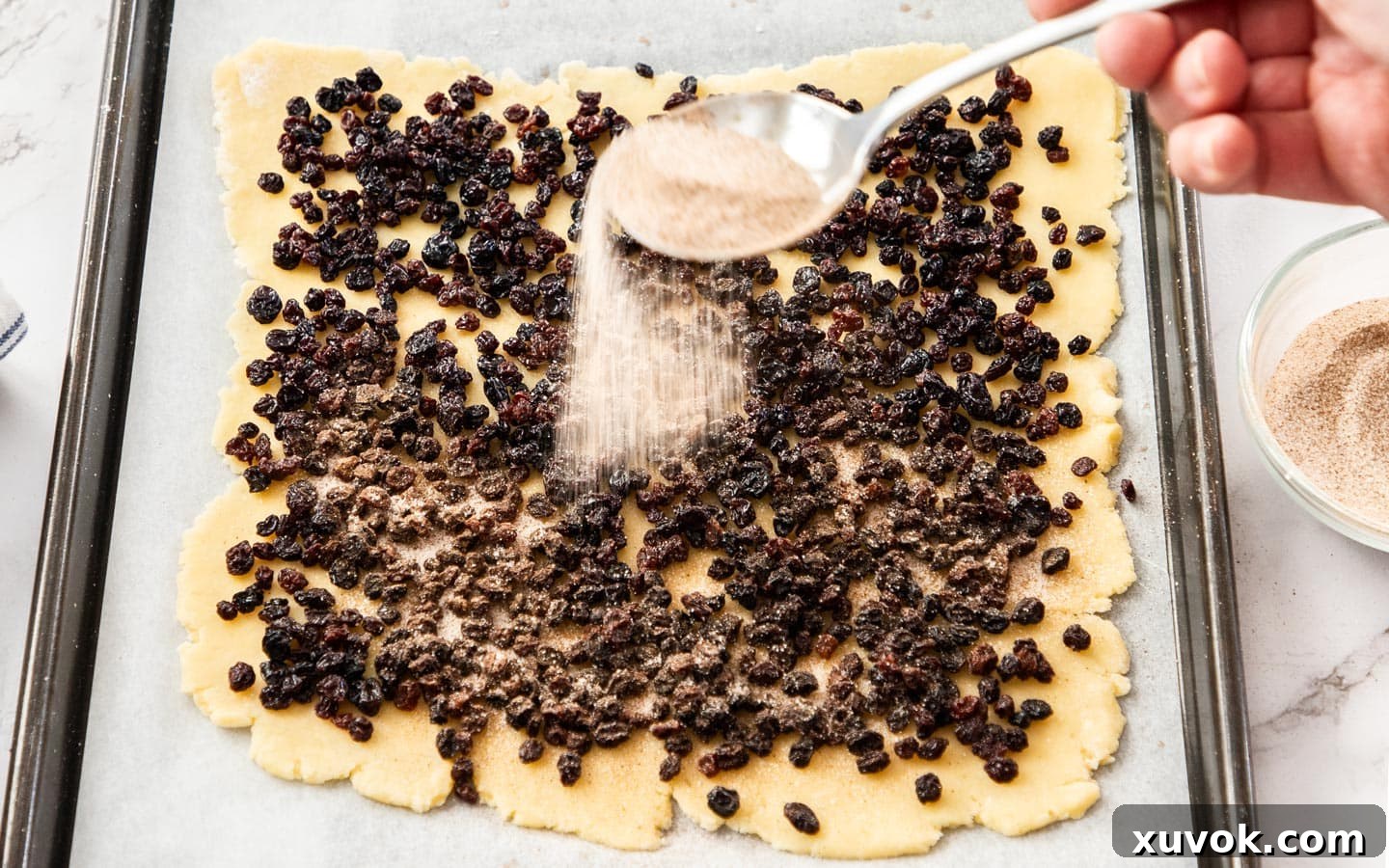
Once the dough is chilled, divide it into two equal portions. Lightly flour your work surface and roll out one half of the dough into a square, roughly 20cm x 20cm (8×8 inches). A useful tip is to use the base of an 8-inch square tin as a guide to achieve consistent sizing. Carefully transfer this first rolled dough layer to a baking sheet lined with baking paper. Evenly scatter the thoroughly drained currants over this dough layer, ensuring they cover the surface from edge to edge. Then, generously dust half of your prepared cinnamon sugar mixture over the fruit.
Now, roll out the second piece of dough to the same dimensions as the first. Carefully lift and place this second layer of dough directly over the fruit and cinnamon sugar-covered first layer. Gently but firmly press down all over the top layer with your hands, ensuring the two dough layers adhere well around the fruit. This pressing action is what gives these “squashed fly biscuits” their distinctive name! Trim any uneven edges with a sharp knife to create a neat, rectangular block.
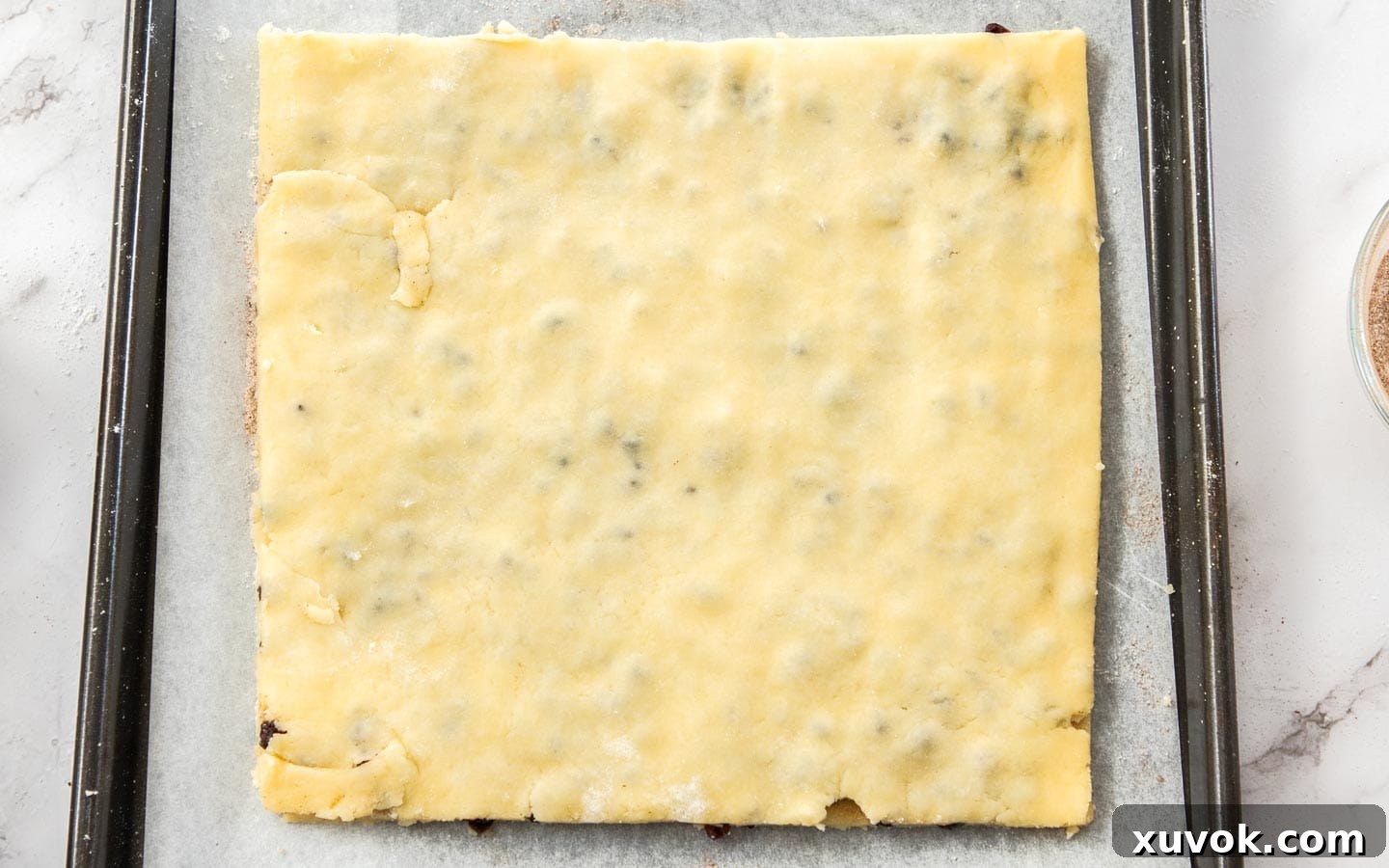
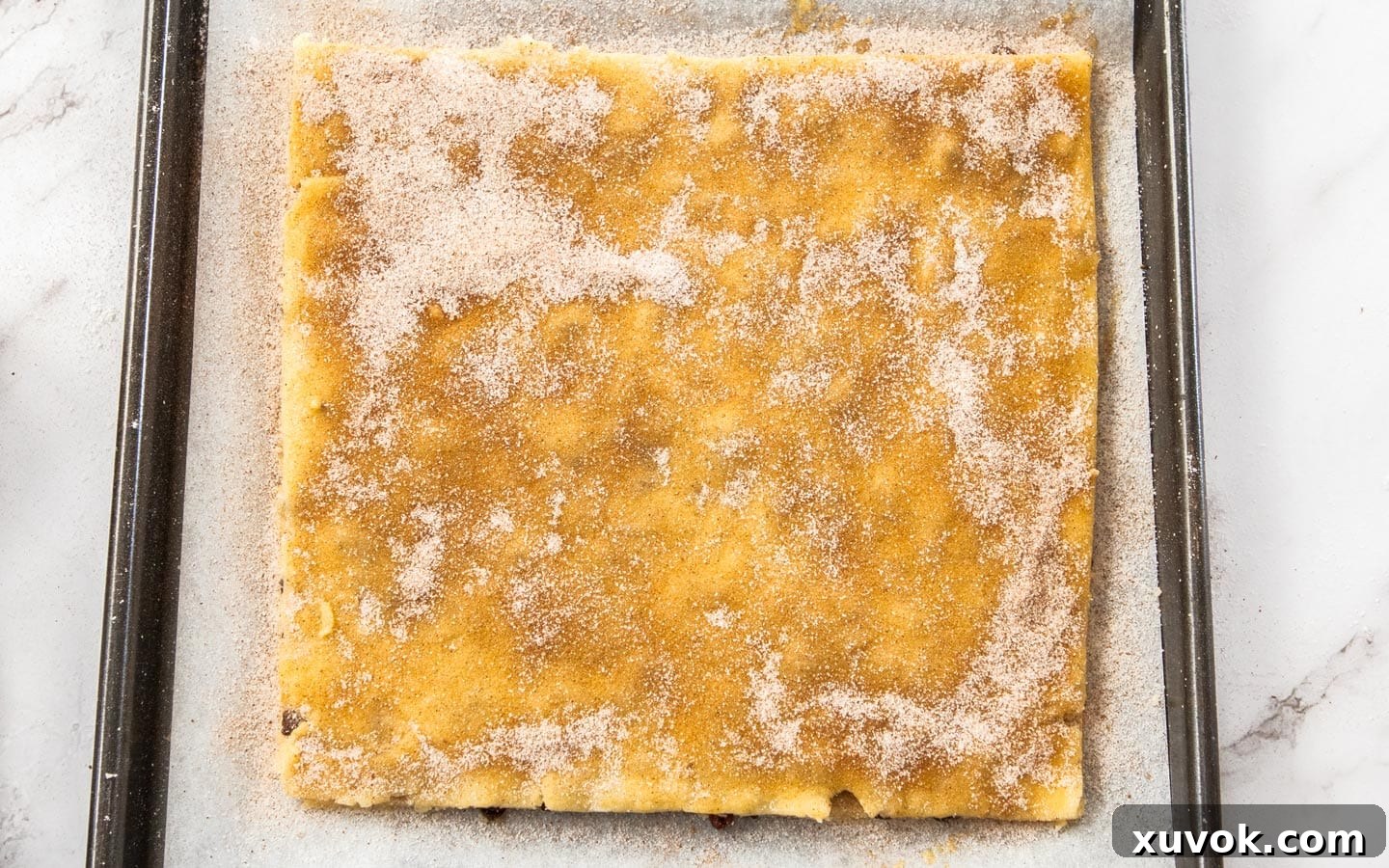
Finally, brush the entire surface of the top dough layer with the egg wash (egg yolk beaten with a dash of water). This will give your biscuits a beautiful golden sheen. Sprinkle the remaining cinnamon sugar evenly over the egg-washed surface. This adds an extra layer of sweetness and a lovely crisp texture. Now, your assembled Garibaldi biscuit block is ready for baking. Carefully transfer the baking sheet to your preheated oven.
4. Bake and Slice for Perfection: The Final Touch
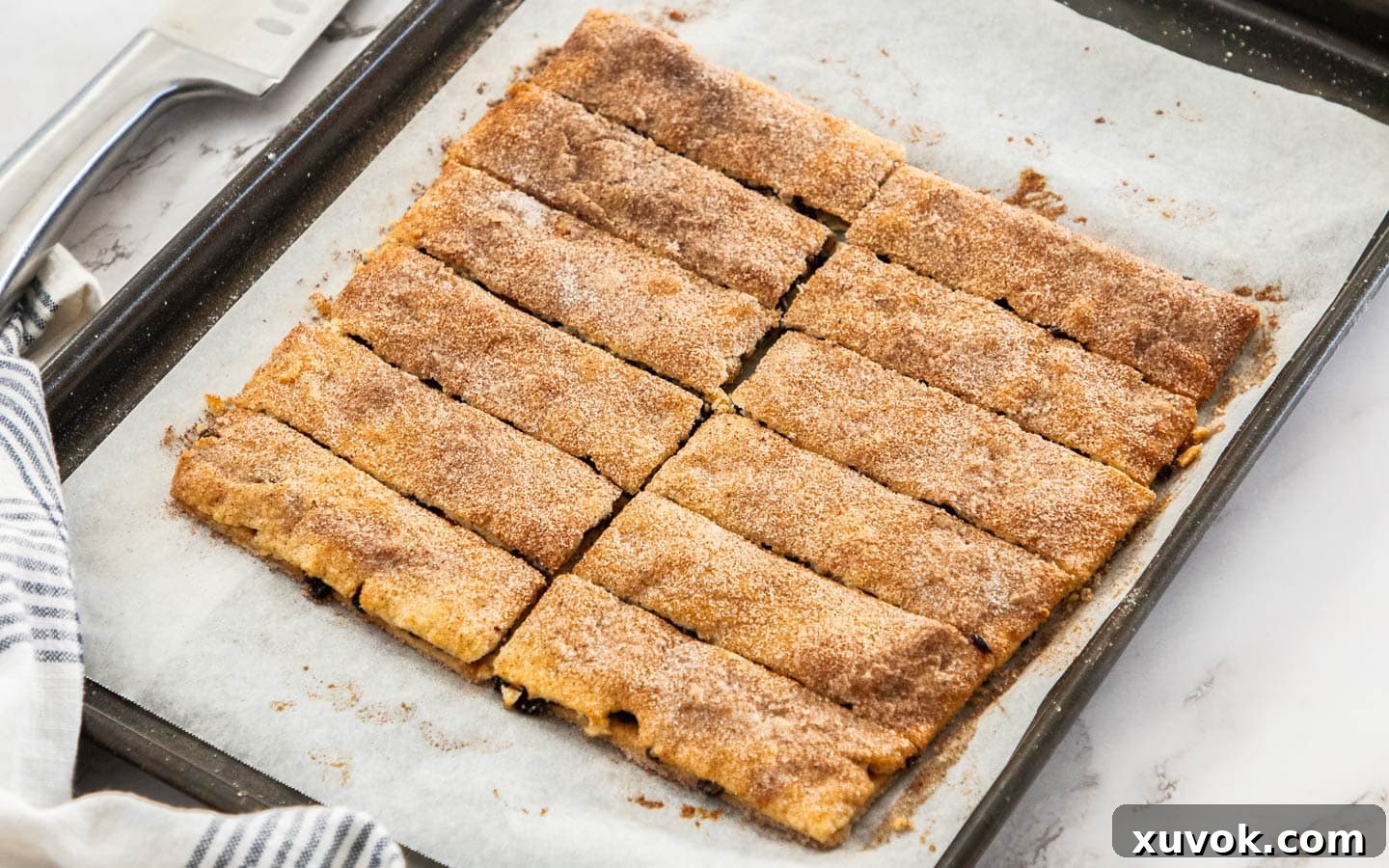
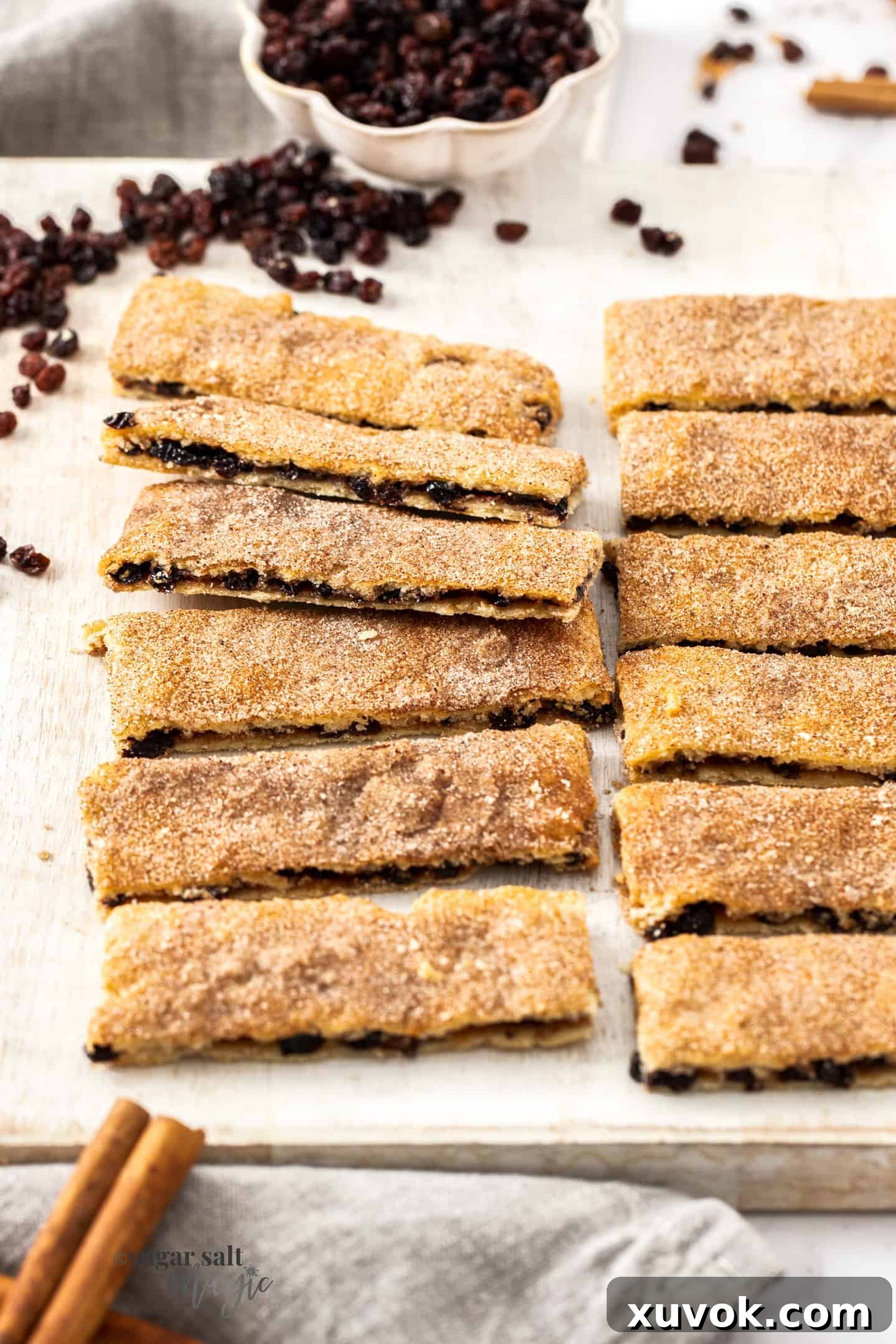
Bake your Garibaldi biscuit slab in the preheated oven for 25-30 minutes, or until the top is beautifully golden brown and the edges are crisp. Keep an eye on them to prevent over-browning. Once removed from the oven, and while still warm and pliable, carefully use the baking paper to slide the entire biscuit slab onto a cutting board. Immediately, with a sharp knife, slice the warm slab into individual rectangular biscuits, approximately 1-inch wide. Slicing them while warm ensures clean cuts without crumbling the delicate pastry. Allow the biscuits to cool completely on a wire rack. As they cool, they will crisp up, achieving that perfect Garibaldi biscuit texture: crispy on the outside, with a soft, chewy fruit filling inside. Enjoy them fresh with your favourite hot beverage!
Tips and Tricks for Perfect Garibaldi Biscuits: Achieving Bakery-Quality Results
While Garibaldi biscuits are relatively simple to make, a few key techniques can elevate your homemade version from good to absolutely outstanding. Pay attention to these expert tips to ensure flaky pastry, juicy fruit, and a perfect bake every time.
- Handle Butter with Care: When incorporating the butter into the flour, aim for a gentle blend. You want the butter to remain in tiny, visible pieces, roughly the size of small peas. These distinct butter pieces are crucial because they release steam during baking, creating delicate layers and a wonderfully light, flaky dough. Avoid overworking the mixture, as this will melt the butter and lead to a tougher biscuit. Using very cold, grated butter makes this much easier.
- The Art of Adding Milk: The amount of milk needed for your dough can vary. Factors like the brand of flour you use, ambient humidity, and even the size of your egg yolk can influence how much liquid is absorbed. Always start with the recommended 1 ½ tablespoons of cold milk, and then add additional ½ tablespoon increments *only if necessary*, until the dough just comes together into a cohesive, rollable mass. The dough should be firm enough to handle but not dry or crumbly.
- Precision in Measurement: For the most consistent and professional baking results, always weigh your ingredients, especially flour. Volume measurements (like cups) can be imprecise; flour, for example, can be packed differently, leading to varying quantities. Too much flour will result in a dry, dense biscuit that lacks the desired tenderness. A kitchen scale is an invaluable tool for accuracy.
- Chilling is Key: Don’t skip the chilling step! Refrigerating the dough for 30 minutes not only makes it easier to roll out but also ensures the butter stays cold. This prevents it from melting too quickly in the oven, promoting that desirable flaky texture.
- Uniform Thickness: When rolling out your dough, strive for an even thickness for both layers. This ensures that your biscuits bake uniformly, preventing some parts from being undercooked or over-crispy while others are just right.
- Even Fruit Distribution: Scatter the soaked fruit evenly across the dough. This ensures that every single Garibaldi biscuit has a satisfying amount of chewy fruit in every bite.
- Sharp Knife for Slicing: After baking, slice the warm biscuit slab immediately with a very sharp knife. This allows for clean, precise cuts before the biscuit fully crisps up, which can make it more prone to crumbling.
Delicious Substitutions and Creative Variations for Your Garibaldi Biscuits
One of the most appealing aspects of this Garibaldi biscuits recipe is its incredible versatility. While traditionalists might stick to currants, the filling can be wonderfully adapted to suit your taste preferences or whatever dried fruit you have on hand. Don’t be afraid to get creative and experiment with different combinations to discover your new favourite version of these classic cookies.
- Fruit Alternatives: Most dried fruits will work beautifully as a substitute for currants. Consider using:
- Dried Cranberries: For a slightly tart and vibrant red hue.
- Dried Blueberries: Offering a sweet and subtly tart flavour burst.
- Chopped Dried Apricots: Their soft, tangy sweetness is a fantastic choice. Just make sure to chop them into smaller, currant-sized pieces for even distribution.
- Dried Figs or Dates: Also chopped finely, these can add a rich, caramel-like sweetness.
- Exciting Combinations: Why stick to just one fruit? Experiment with blends like:
- Apricot and Coconut: A tropical pairing that promises a delightful chew and unique flavour.
- Mixed Berry Blend: Combine dried cranberries, blueberries, and even chopped strawberries for a medley of flavours.
- Christmas Fruit Mince: During the festive season, using ready-made fruit mince can be a brilliant shortcut. It often contains a rich mix of fruits and spices and typically won’t require pre-soaking.
- Non-Fruit Additions: Elevate your Garibaldi biscuits by incorporating other complementary ingredients:
- Chopped Nuts: Finely chopped almonds, walnuts, or pecans can add a wonderful crunch and nutty flavour to the filling.
- Chocolate Chips: A sprinkle of mini chocolate chips (dark, milk, or white) can turn these classic biscuits into an even more decadent treat.
- Citrus Zest: Add finely grated orange or lemon zest to the fruit mixture or the dough for a bright, aromatic lift.
- Spice it Up: Beyond cinnamon, consider adding a pinch of other warm spices like nutmeg, allspice, or a hint of ginger to your cinnamon sugar mixture for an extra layer of flavour.
- Different Liqueurs: As mentioned, brandy is traditional, but Frangelico, Amaretto (for an almond flavour), or even a fruit-based liqueur can add an interesting twist to the fruit soak.
The possibilities are truly endless, allowing you to tailor this timeless recipe to your personal preferences or seasonal availability. Enjoy the journey of discovery!
Handy Tools for Garibaldi Biscuit Making: Essential Kitchen Equipment
To ensure a smooth and enjoyable baking experience, having the right tools can make all the difference. While many items are standard kitchen essentials, a few specialized pieces will greatly assist in crafting perfect Garibaldi biscuits:
- Pastry Cutter: An indispensable tool for efficiently cutting cold butter into flour without overworking the dough or melting the butter with your hands. It creates that desirable coarse, sandy texture with visible butter pieces, leading to a flakier biscuit.
- Rolling Pin: Essential for rolling out your biscuit dough evenly and to the correct thickness. A good rolling pin, whether traditional or adjustable, will help you achieve consistent layers.
- Baking Sheet (or Cookie Tray): A sturdy baking sheet provides the flat surface needed for baking your Garibaldi biscuit slab. Lining it with baking paper prevents sticking and makes transfer easier. Using one with a wire rack is ideal for cooling the biscuits, allowing air circulation for maximum crispness.
- Sharp Knife: Crucial for trimming the dough and, most importantly, for cleanly slicing the warm baked slab into individual rectangular biscuits.
- Small Bowls: Useful for soaking the fruit, preparing the cinnamon sugar mixture, and whisking the egg wash.
- Measuring Cups and Spoons / Kitchen Scale: For accurate measurement of ingredients, especially when following the recipe’s weight measurements for flour, which is highly recommended for consistent results.
- Wire Cooling Rack: Allows air to circulate around the baked biscuits, ensuring they crisp up perfectly as they cool.
More Irresistible Recipes You’ll Love: Expand Your Baking Repertoire
If you’ve enjoyed baking and tasting these classic Garibaldi biscuits, you’re in for a treat with our other popular cookie and sweet recipes. We’ve curated a selection of delightful bakes that are perfect for any occasion, from afternoon tea to a cozy dessert. Dive into these recipes and discover new favourites!
- Buttery Sultana Cookies: If you love fruity biscuits, these soft, chewy cookies packed with juicy sultanas are an absolute must-try. Their rich buttery flavour makes them incredibly addictive.
- White Chocolate Blueberry Cookies: A match made in heaven! These tender cookies are studded with sweet white chocolate chunks and bursts of fresh or frozen blueberries.
- Lemon Curd Cookies: Brighten your day with these zesty cookies, featuring a delicate crumb and a delightful surprise of tangy lemon curd in the centre.
- Easy Jam Tarts: A childhood classic, these mini tarts with a flaky pastry crust and sweet jam filling are simple to make and always a hit.
- Homemade Custard Creams: Recreate the iconic British biscuit with our recipe for creamy, vanilla-filled custard creams – far superior to store-bought!
- Dark Chocolate Walnut Cranberry Cookies: A sophisticated cookie boasting the perfect balance of bittersweet chocolate, crunchy walnuts, and chewy cranberries.
⭐⭐⭐⭐⭐
Did you try this irresistible Garibaldi biscuits recipe? We’d love to hear from you! Share your thoughts and show it some love in the comments below.
Hungry for more deliciousness? Subscribe to our newsletter for free recipes delivered straight to your inbox. Plus, connect with us on Facebook, Pinterest and Instagram for daily inspiration and baking adventures!
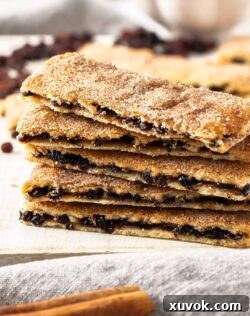
Garibaldi Biscuits Recipe: Classic Homemade Currant Cookies
Rate
Pin
Ingredients
- ⅔ cup currants (105g / 3.7oz)
- ⅓ cup Frangelico liqueur (80ml) (or see notes for alternatives)
- 130 g plain flour (all-purpose flour) (1 cup / 4.6oz)
- 65 g caster sugar (superfine sugar) divided 50:50 (⅓ cup / 2.3oz)
- ¼ teaspoon salt
- 85 g unsalted butter grated and cold, (¾ stick / 3oz)
- 1 ½ tablespoons milk cold, (30ml) (notes 1 & 2)
- 1 teaspoon ground cinnamon
- 1 egg yolk beaten with a dash of water (for egg wash)
For best results, always weigh ingredients where a weight is provided
Equipment
-
Cookie sheet
-
Pastry cutter
-
Rolling pin
-
Sharp Knife
-
Wire Cooling Rack
Instructions
-
In a small bowl, combine the currants and your chosen liqueur (or orange juice). Stir to coat the fruit thoroughly, then set aside to soak for at least 30 minutes. This step is crucial for plumping the fruit and enhancing its flavour.
-
In a medium bowl, whisk together the plain flour, half of the caster sugar, and salt until well combined.
-
Add the cold, grated unsalted butter to the flour mixture. Using a pastry cutter, two knives, or your fingertips (being careful to work quickly to avoid melting the butter), cut the butter into the dry ingredients until the mixture resembles coarse breadcrumbs with some pea-sized pieces of butter still visible. This creates flakiness.
-
Gradually add 1 ½ tablespoons of cold milk to the mixture, mixing it in with a fork. Continue to gently bring the dough together with your hands until it forms a cohesive, slightly sticky mass. If needed, add up to an additional ½ tablespoon of milk, one tiny splash at a time, until the dough comes together. Avoid overworking.
-
Flatten the dough into a rough rectangular shape. Wrap it tightly in baking paper or plastic wrap and chill in the refrigerator for 30 minutes. This resting period helps the dough relax and makes it easier to roll.
-
While the dough chills, preheat your oven to 180°C (160°C fan-forced) / 350°F. Line a baking tray with baking paper.
-
Drain the soaked currants thoroughly, discarding any remaining liquid. You can place them in a fine-mesh strainer over a small dish to ensure they are as dry as possible.
-
In another small bowl, combine the remaining half of the caster sugar with the ground cinnamon. Stir well and set aside.
-
Divide the chilled dough in half. On a lightly floured surface, use a rolling pin to roll out one half of the dough into an approximate 20cm x 20cm (8×8 inches) square. For best results, aim for even thickness. Carefully transfer this rolled dough to your prepared baking tray.
-
Evenly scatter all of the drained currants over the first layer of dough, ensuring good coverage. Follow this with a generous dusting of half of your prepared cinnamon sugar mixture over the fruit.
-
Roll out the second piece of dough to the same 20cm x 20cm (8×8 inches) square. Gently lay it over the currant-covered first layer. Use your hands to press down gently but firmly all over the top layer, ensuring the two dough layers adhere well around the fruit. Trim off any rough edges of the dough with a sharp knife to create a neat rectangle.
-
In a small bowl, beat the egg yolk with a dash of water to create an egg wash. Brush this mixture evenly over the top surface of the assembled dough. Then, sprinkle the remaining cinnamon sugar over the egg-washed top.
-
Bake for 25-30 minutes, or until the top of the biscuit slab is beautifully golden brown and firm to the touch. Keep an eye on it to ensure even browning.
-
Once baked, carefully use the edges of the baking paper to slide the entire biscuit slab from the tray onto a cutting board. Immediately, while still warm and slightly soft, use a sharp knife to cut the slab into individual rectangular biscuits (traditionally long, thin strips). This allows for clean cuts. Let the biscuits cool completely on a wire rack. They will crisp up as they cool, achieving their signature texture.
-
We hope you love this Garibaldi biscuits recipe! Please take a moment to leave a comment & rating below. Your feedback is greatly appreciated and incredibly helpful to other bakers.
Notes
- Tablespoons: Please note that I use a standard Australian 20ml tablespoon in this recipe, which is equivalent to 4 teaspoons. It’s a good idea to check the size of your measuring spoons to ensure accuracy.
- Milk Quantity: The amount of milk required can be slightly variable. Start with 1.5 tablespoons and add more only if the dough is too dry to come together.
- Other Liqueurs for Soaking: While brandy is the traditional choice for soaking currants, I often use Frangelico for its lovely nutty flavour, and it’s a liqueur I typically have on hand. Other excellent choices include sherry, muscat, port, or even Amaretto for an almond twist.
- Non-Alcoholic Option: For an alcohol-free version of these Garibaldi biscuits, simply substitute the liqueur with an equal amount of fresh orange juice. It adds a delicious citrusy note that complements the fruit beautifully.
- Freezing Instructions: Garibaldi biscuits are wonderfully freezer-friendly! You can freeze them either before or after baking for up to 3 months. If freezing baked biscuits, ensure they are completely cool before placing them in an airtight container. If freezing unbaked, wrap the entire assembled slab tightly in plastic wrap and then foil. They make a fantastic option for gifting during the festive season or for having a quick treat on hand.
- Nutritional Information: The nutrition details provided are approximate only and have been derived from an online calculator. Please be aware that the specific brands and quantities of ingredients you use may cause slight variations in the final nutritional values.
EXPLORE MORE DELICIOUS COOKIE RECIPES HERE!
Calories from Fat 54